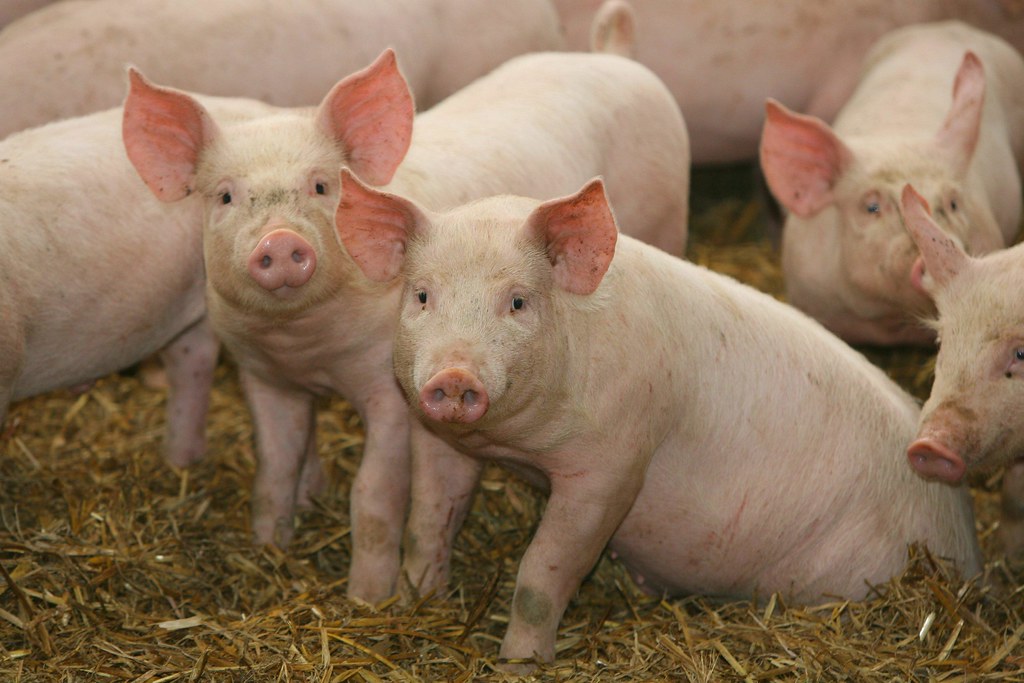
You probably do not think of pigs when you picture pure, carefree joy. Yet when you look at their brains during play, you start to see something almost unsettlingly familiar: patterns that echo the happiness of a human child at recess. Neuroscientists have been inching toward this realization for years, studying not just how animals survive, but how they actually feel when they romp, chase, and explore for no reward at all. You live in a world that often treats pigs as units in a system – meat on legs, data points in a trial, numbers on a spreadsheet. But when researchers hook pigs up to sensitive brain-recording tools and simply let them play, the story changes. The activity you see is not the flat, unemotional pattern you might expect from a farm animal. It starts to look more like the living, buzzing storm of delight you would find in a laughing child, and that has serious implications for how you think about intelligence, emotion, and even ethics.
Why Scientists Started Watching Pigs Play in the First Place
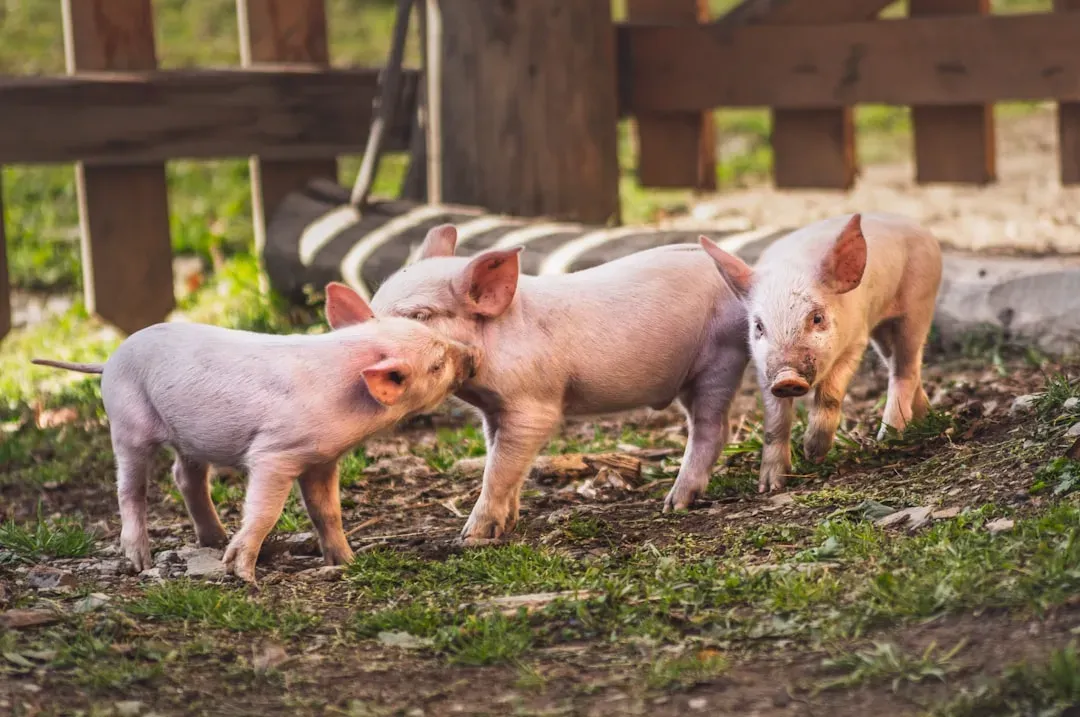
You might wonder why anyone would bother measuring brain waves in pigs rolling around in straw or gently tussling with their pen-mates. For a long time, neuroscience focused mainly on fear, pain, and basic survival because those are easy to trigger and easy to measure. But as your understanding of animal welfare has deepened, researchers have begun asking a more uncomfortable question: not only can animals suffer, but can they truly feel joy, curiosity, and playful excitement? This is where pigs become especially interesting to you. They are smart, social, and trainable, and they respond strongly to both good and bad environments. When pigs are given room, toys, and companions, their behavior changes dramatically compared to cramped, barren pens. You see more investigating, chasing, gentle biting, mock fighting, and even what looks suspiciously like goofing around. That set the stage for neuroscientists to say: let’s stop shocking or scaring them for a moment – what happens in the brain when they are simply allowed to have fun?
What “Nothing at Stake and No Training” Actually Means
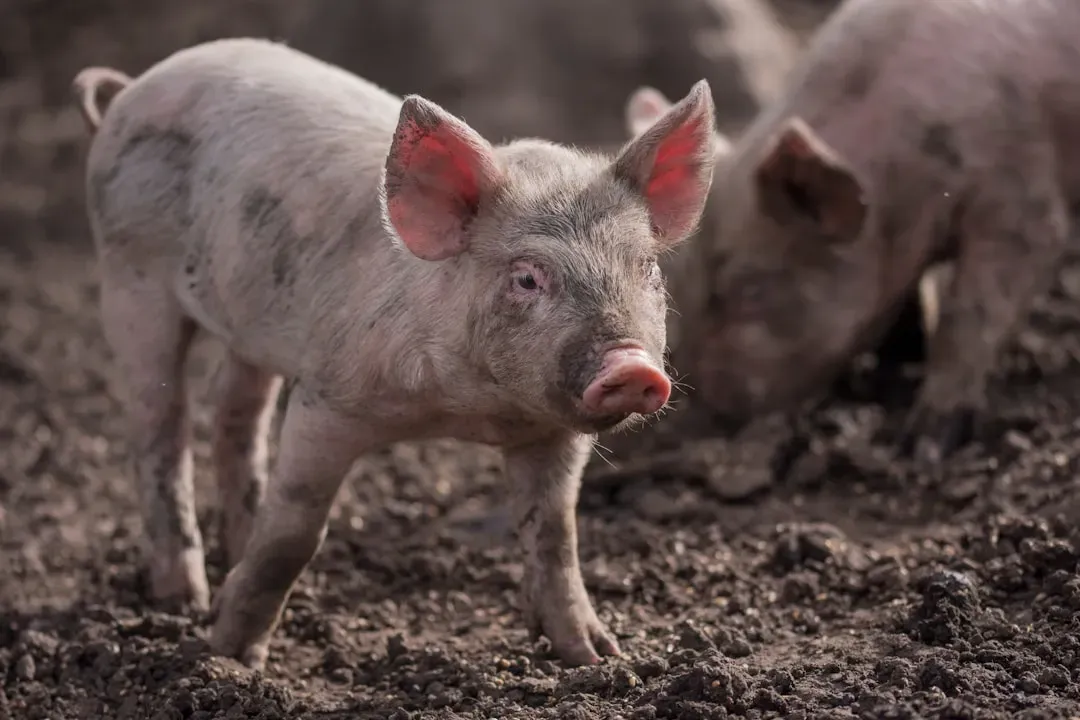
When you read that pigs are playing with “nothing at stake,” it means they are not working for food, water, or escape. No hidden treat dispenser, no puzzle box to unlock, no trainer waving a bucket just out of reach. The pigs have already eaten, they are not thirsty, and they are not being deprived. What they do next is not a desperate attempt to win something; it is what their brains choose to do when basic needs are covered and there is time to spare. “No training” is just as important for you to understand. In many animal studies, what looks like play is actually learned performance: push this, get that, repeat. Here, the pigs are not being shaped, cued, or rewarded for specific actions. They simply discover that running, nudging, wrestling, and exploring together feels good. The behavior emerges spontaneously, which means the brain patterns you see are closer to a genuine inner state than a conditioned routine.
Inside the Pig Brain: Circuits of Joy You Recognize
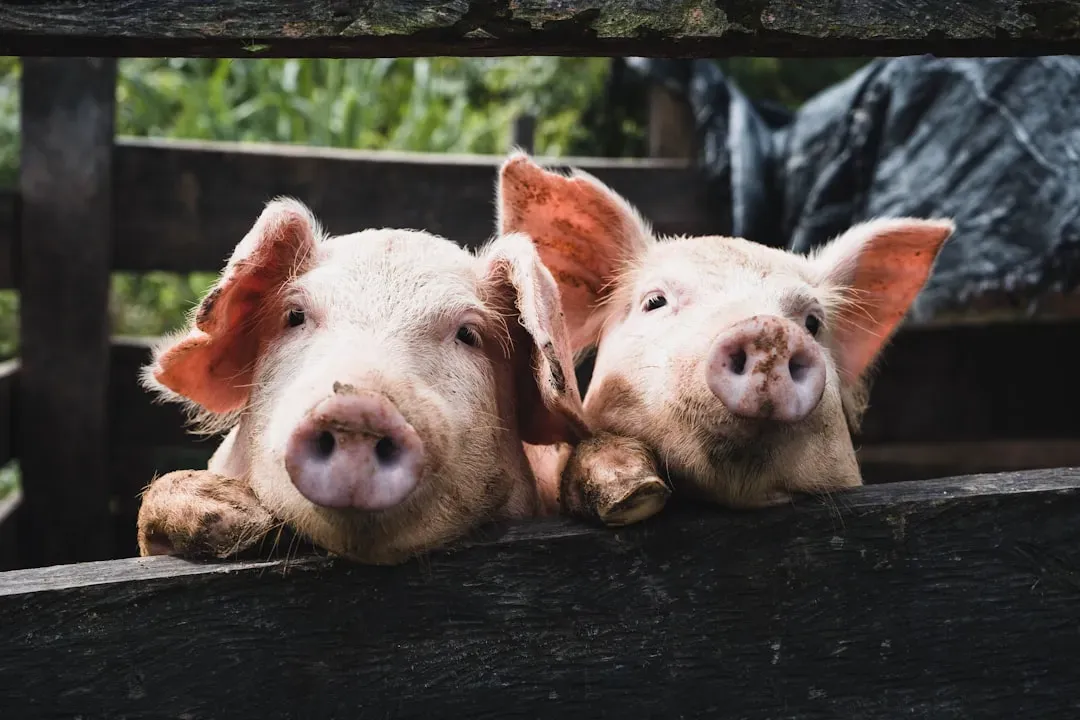
When neuroscientists record brain activity during pig play, they see certain regions light up that should look very familiar to you if you know anything about human emotion. Areas related to reward and motivation become more active, much like what you would see when a child wins a game or shares a joke with friends. Dopamine pathways involved in anticipation and pleasure, and networks linked to social bonding, show patterns that are not just random noise but organized, coherent surges. At the same time, stress-related regions tend to quiet down when pigs are playing freely. You see fewer signs of anxious arousal and more of the rhythmic, coordinated activity associated with positive engagement. When you map these patterns onto what is known about the human brain, the overlap is striking: the same broad emotional systems that let a child feel giggly excitement or safe companionship seem to be at work in a pig’s head as it chases a buddy through hay.
Closer to a Happy Human Child Than Anyone Expected
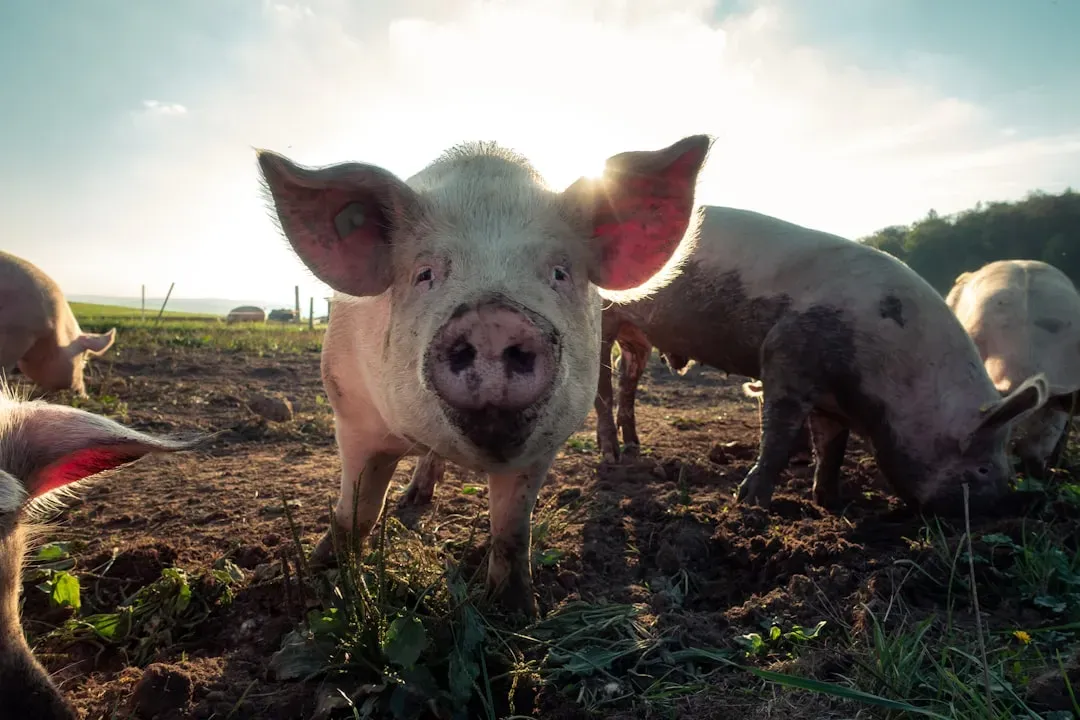
Here is the part that catches you off guard: when researchers compare the electrical and metabolic patterns from playful pigs to those found in happy human children during social games, the similarities are not superficial. They show comparable waves of synchronized activity in networks that process reward, attention, and social cues. You are not talking about identical brains, but the emotional architecture looks a lot less alien than most people were ready to admit. If you are honest, that is uncomfortable knowledge. It means that when a pig is darting around a pen in mock combat or exploring a new toy with a friend, its brain is not just “busy.” It may be experiencing something functionally close to what a child feels on a playground. That does not turn pigs into tiny humans, but it does shatter the simple story that farm animals only know hunger, fear, and routine. You are forced to accept that real, vivid positive experiences are happening inside those skulls.
How Play Changes the Way You See Animal Intelligence
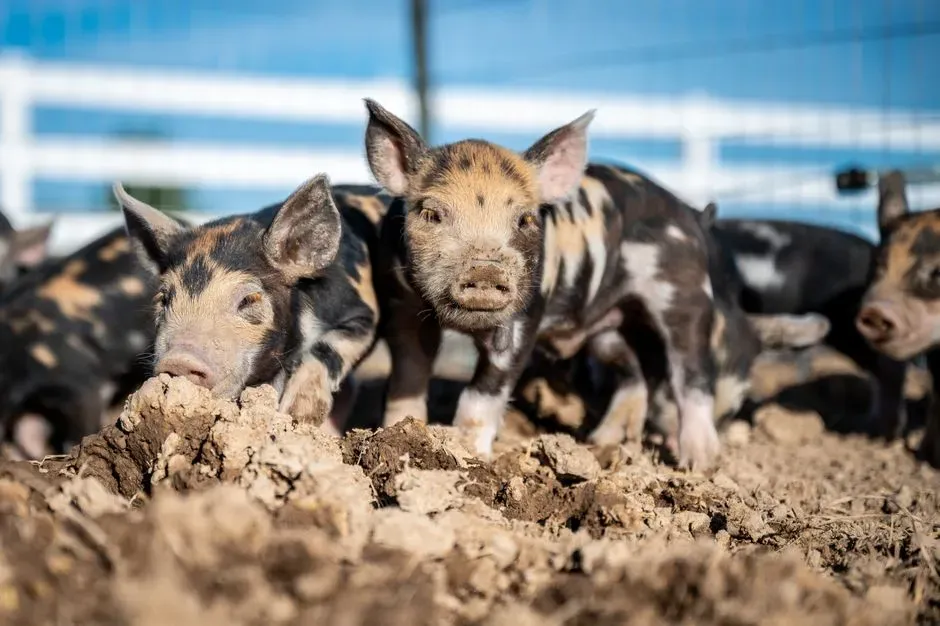
Once you accept that pigs can experience play in a way that looks neurologically similar to childlike happiness, you probably start rethinking what intelligence really means. You are no longer stuck with the idea that only humans, and maybe a few “higher” mammals, have rich emotional lives. Play turns out to be a powerful sign of flexible, adaptable minds – brains that can invent games, negotiate unwritten rules, and choose fun over mere survival for short stretches of time. For you, that means intelligence is not just about solving puzzles in a lab box or memorizing commands. When pigs chase each other with no reward and no script, they are practicing social skills, refining coordination, and testing boundaries in ways that would be familiar to any parent watching kids wrestle on a living-room floor. The brain activity you see during these moments suggests a capacity for joy, curiosity, and experimentation that deserves more respect than it usually gets in farming manuals.
What This Means for How You Treat and Think About Pigs
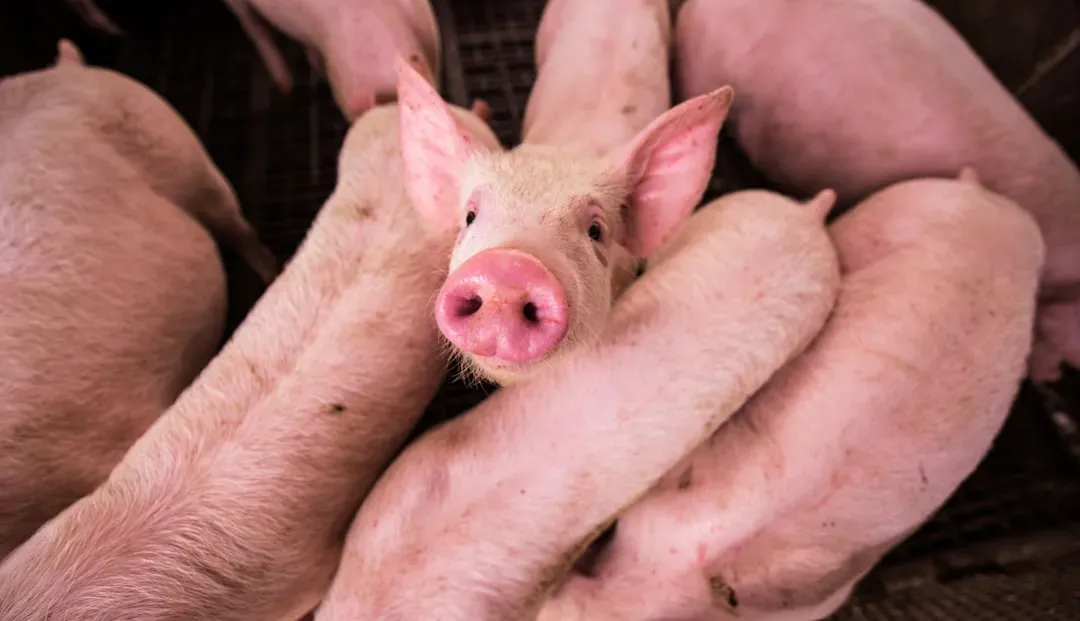
Knowing that pigs can feel something close to childlike happiness when they play puts you in a tough but necessary spot. If you keep them in tight, barren conditions with no room to run or explore, you are not only preventing physical movement; you are cutting off the possibility of a type of pleasure their brains are clearly built to experience. It becomes harder for you to pretend that enrichment and space are optional extras rather than core parts of their well-being. On the flip side, when you provide social groups, varied environments, and chances to play, you are not indulging them – you’re allowing their nervous systems to do what they evolved to do. You support healthier brain development, more stable emotions, and fewer abnormal behaviors like repetitive pacing or biting. For you as a consumer or citizen, that might mean choosing products from higher-welfare systems, supporting better standards, or simply updating the way you talk about pigs from “it” to “someone” in your own mind.
How This Research Nudges You to Rethink All Animal Joy
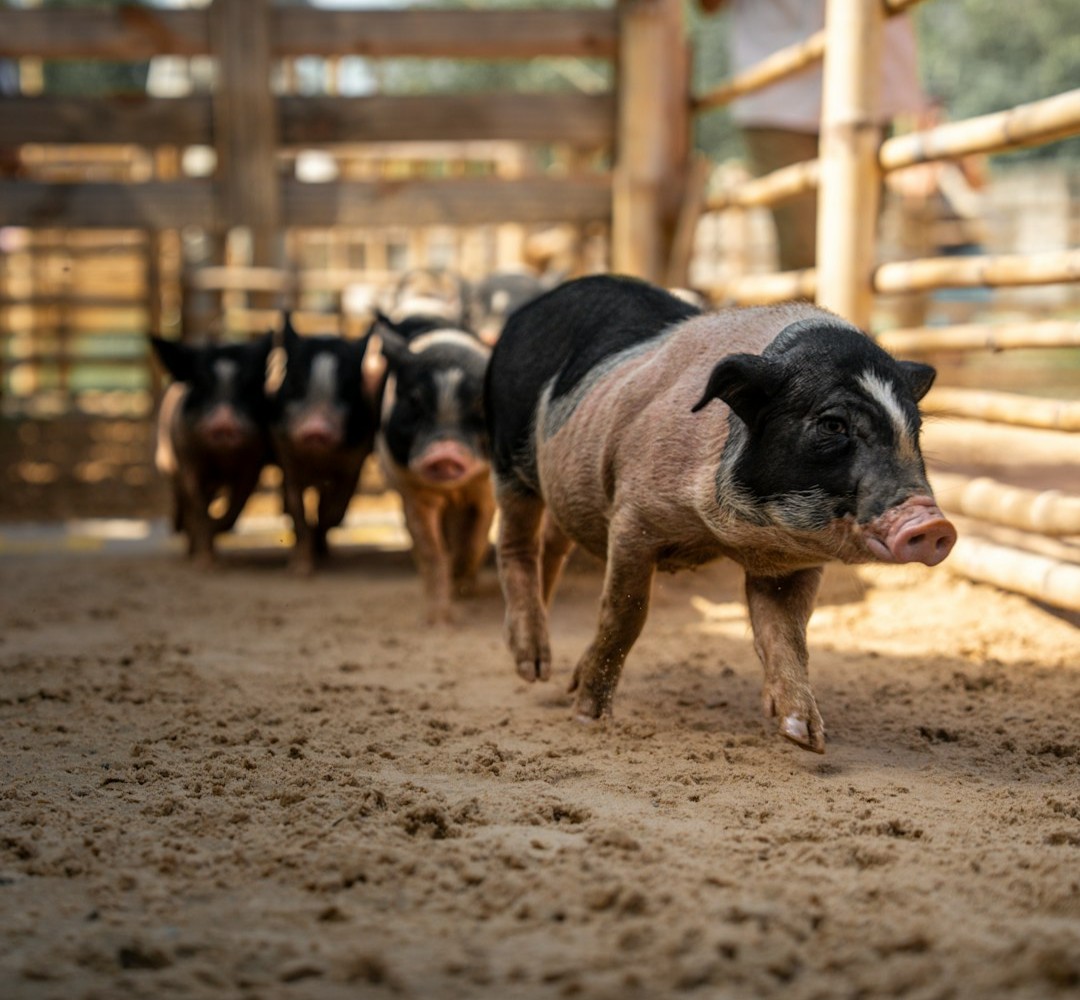
Once you have seen how strongly pig play maps onto positive human child states, it is hard not to look around at other animals differently. You start asking yourself whether dogs roughhousing at the park or crows tumbling in the wind might be lighting up their brains in similarly joyful ways. This research pushes you away from a strict line between human joy and “animal behavior,” and toward a spectrum of emotional richness that many species might share. At a personal level, this can change how you relate to animals in everyday life. You might find yourself paying closer attention to the small signals of delight – a pig’s relaxed tail wag, a sudden burst of running for no reason, the way individuals seek out play partners over and over again. When you watch those moments, you are no longer seeing mere instinct; you are witnessing experiences that, in broad strokes, your own brain understands from the inside.
Why You Should Care Even If You Never Meet a Pig
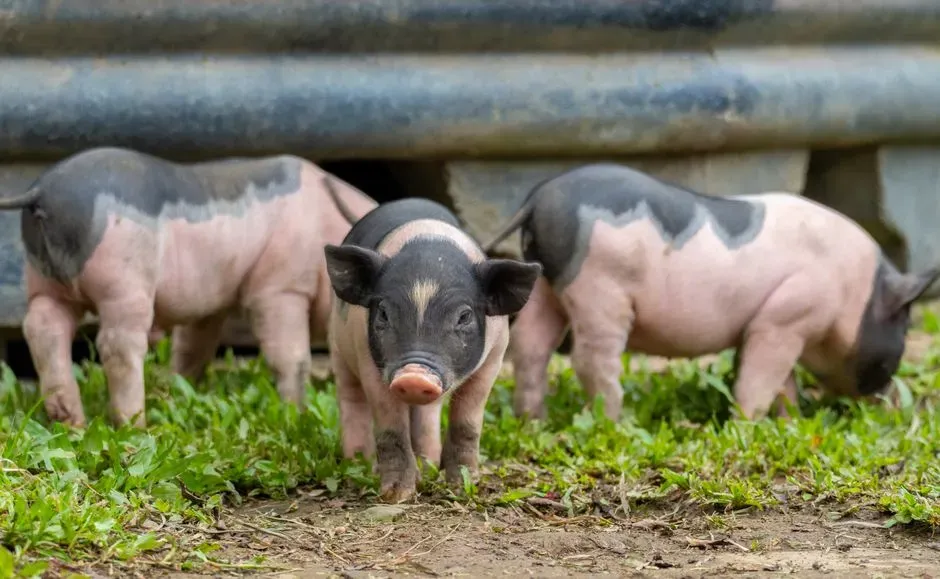
You could easily shrug and say that you will never set foot on a farm, so pig neuroscience has nothing to do with you. But your choices are already shaping how countless pigs live and whether they ever get the chance to feel that childlike joy in their short lives. Every time you buy certain foods, vote on agricultural policies, or support particular standards, you are quietly deciding whether playful brain states are rare miracles or everyday realities for them. Even beyond ethics, this science affects how you understand yourself. The more you learn about shared emotional circuits across species, the more you see your own joy, fear, and curiosity as part of a wider tapestry of life, not a human-only feature. That can make you feel smaller, but in a good way – like you are part of a family you never knew you had. Once you know that a pig’s laughter, in brain terms, is not entirely different from a child’s, it is hard not to feel a bit more responsible and a bit more connected.
Conclusion: The Childlike Joy You Can No Longer Ignore
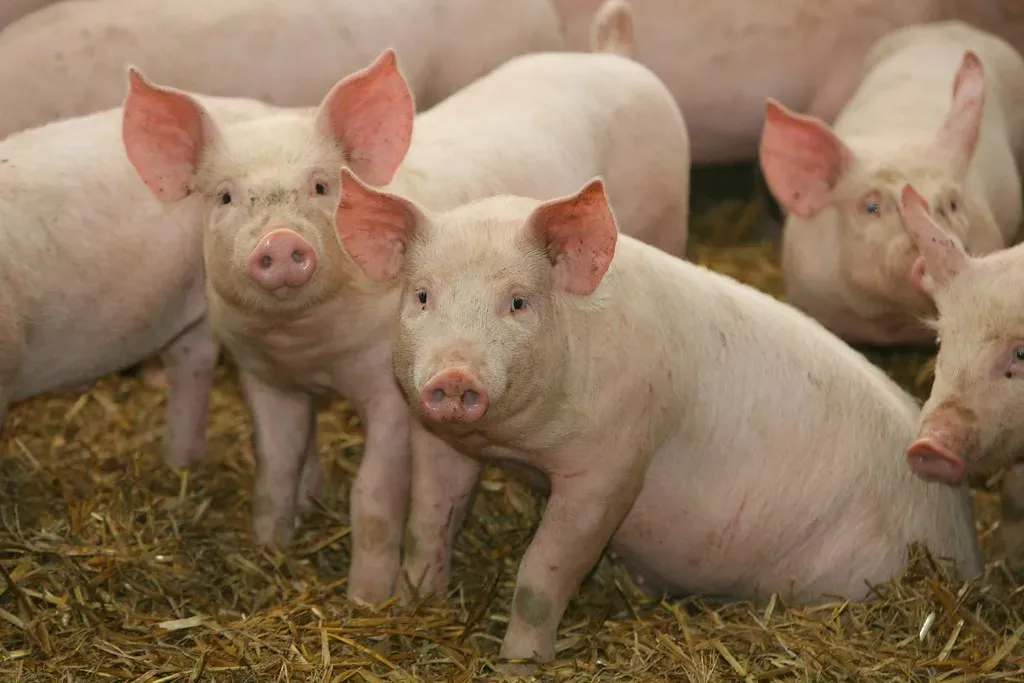
When pigs play with nothing at stake and no one telling them what to do, their brains speak a language you recognize all too well. The patterns of activation look less like cold, mechanical animal instinct and more like the warm, messy joy of childhood – a state of being that you probably treasure in your own memories. Neuroscience has not turned pigs into people, but it has made it much harder for you to write off their feelings as shallow or unimportant. In the end, you are left with a simple but challenging idea: if a pig can feel something close to what a laughing child feels, then your choices about how that pig lives matter more than you might have wanted to admit. You cannot unknow that its brain is capable of delight, anticipation, and social joy, all sparked by something as simple as a chance to play. The question that lingers for you now is not whether pigs can feel this way, but whether you are willing to make room in your world for their happiness – were you expecting their inner lives to be this close to your own?