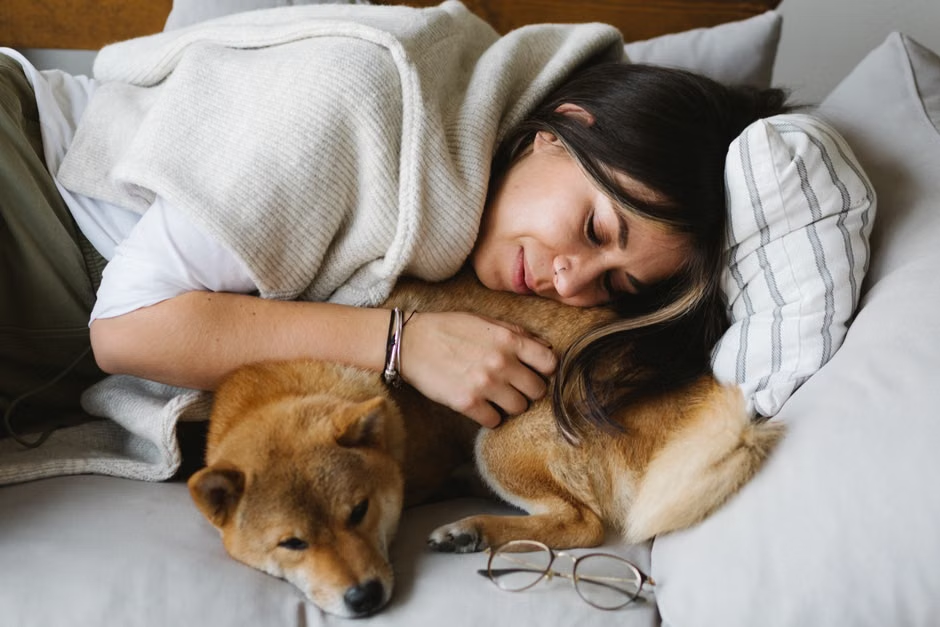

When your dog curls up in bed and presses their back firmly against you, it can feel cute, random, or even a little inconvenient. But that simple, cozy moment actually carries the weight of tens of thousands of years of evolution. You are not just a pillow to your dog; in their mind, you are something much more ancient and important.
Once you start to see this behavior through the lens of psychology and history, it becomes hard to take it for granted. That solid little body leaning into you at night echoes what early humans and wolves did together around shared fires and makeshift shelters. You are participating in a ritual your distant ancestors would recognize instantly – whether they slept in caves, on the tundra, or under the open sky.
The Ancient Pack Instinct You’re Still Part Of

When your dog turns their back to you and settles in like you are a solid wall, they are acting out a deep pack instinct that goes back to the dawn of dog domestication. Early proto-dogs, descended from wolves, slept in tight groups to build a living fortress, each body protecting the others from at least one direction. By pressing their back against you, your dog is essentially assigning you a position in that old formation.
You might think of it as your dog casting you in the role of trusted pack mate, not just owner. Out in the wild, every wolf or early dog who got a spot in the inner circle at night had earned it through trust and cooperation. Your modern dog may be lying on a memory foam mattress instead of frozen ground, but that same invisible pack circle is still there – only now, you are inside it.
Why They Turn Their Back: Trust, Not Disrespect
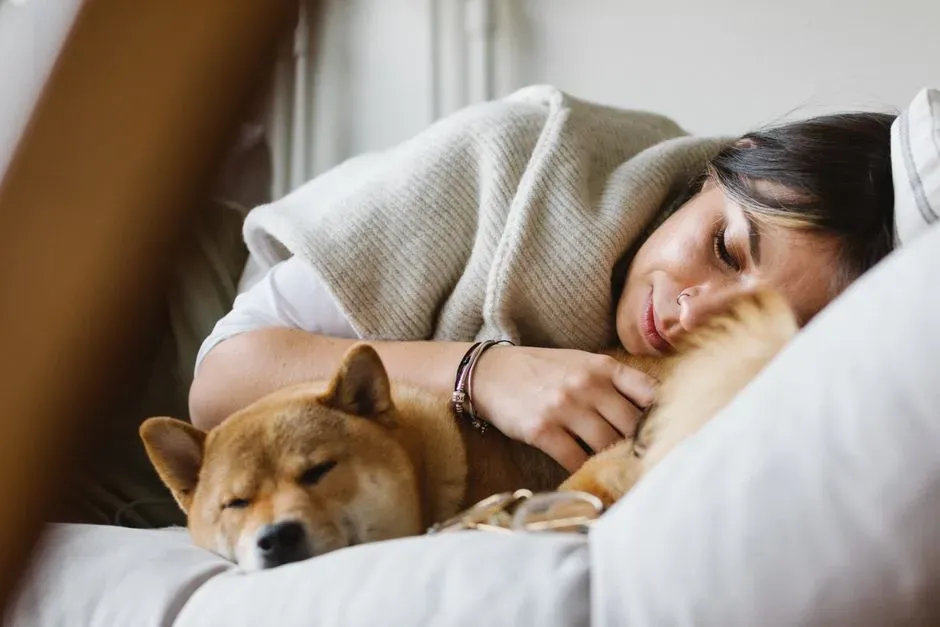
Many people assume a dog turning their back on them is rude or dismissive, but you are actually seeing the opposite. In canine behavior, exposing the back means your dog is confident you will not hurt them and that you will help protect them if something goes wrong. They literally give you their most vulnerable angle because, in their mind, you have earned that level of faith.
Think about how you sleep around people you do not trust – you stay alert, you face the door, you keep space. Your dog does none of that with you. Instead, they check the room, turn around, and then press in snugly so you cover one side and they can keep an ear on the rest of the world. That is not a power move; it is a quiet, nightly declaration that you are their safe place.
Co-Sleeping as a Survival Strategy, Not a Sweet Quirk
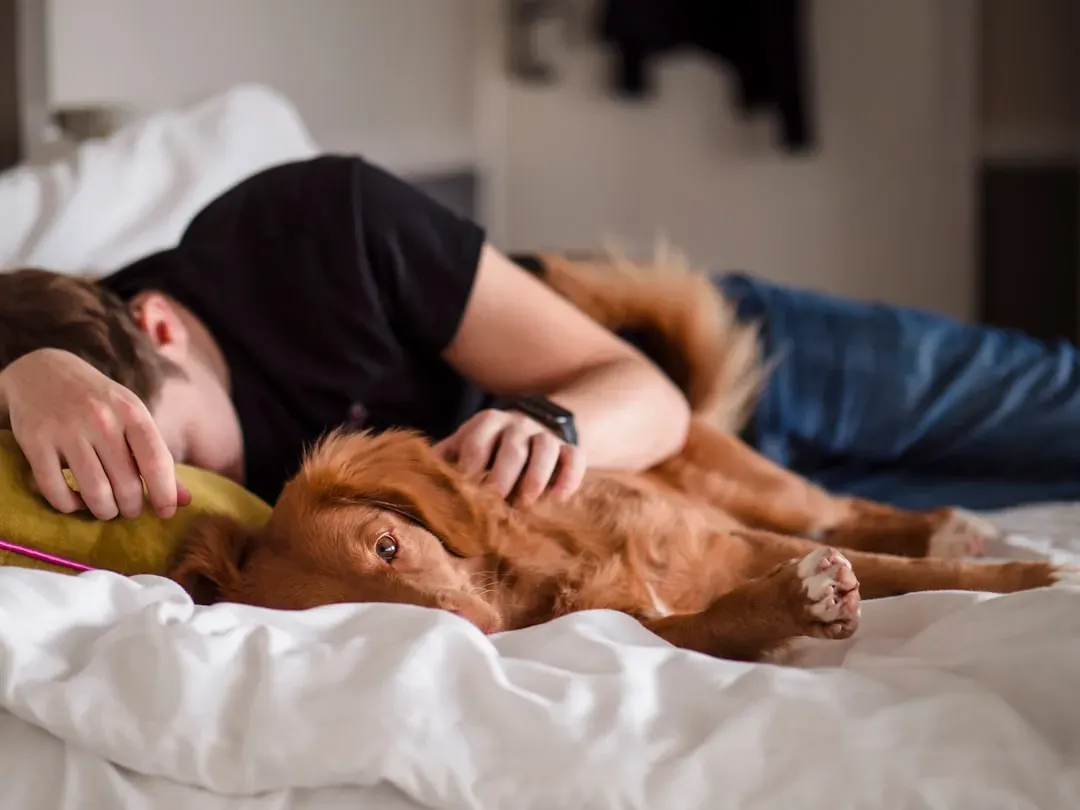
Long before your dog had a cute bed, early humans and early dogs survived nights by sharing space, warmth, and warning systems. Curling up together was not just comforting, it literally helped them stay alive: fewer predators could get close, and any sudden movement or sound would ripple through the group. When your dog chooses to sleep glued to you, they are echoing that old survival agreement, even if the biggest threat in your bedroom is a loud garbage truck.
You might think your dog is simply spoiled or clingy, but you are really living out a very old contract between species. You provide shelter and security, and your dog, in their own way, stands watch with you, even when their eyes are closed. That back pressed into your side is their way of saying, without words, that they are on your team through the dark hours when ancient dangers used to roam.
The Emotional Bond You Can’t See, Only Feel
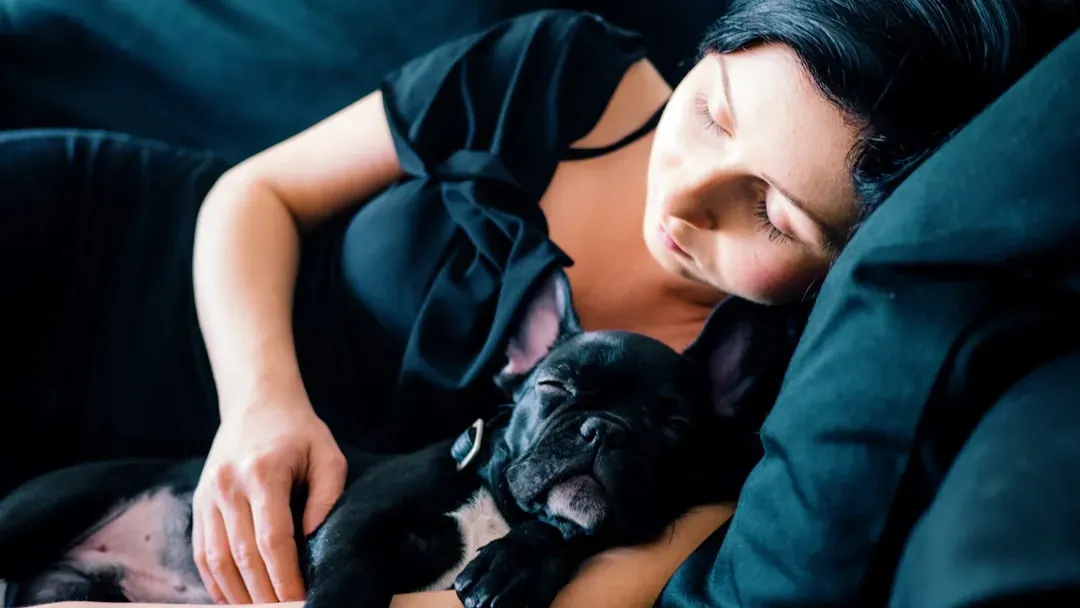
Psychologically, sleeping close is one of the strongest signs of attachment for social animals, and your dog is no exception. If they repeatedly choose your side of the bed, your spot on the couch, or the place right behind your knees, it is a clear indicator they feel emotionally anchored to you. Their brain connects your scent, your breathing, and even your subtle movements with safety and belonging.
You might notice that on stressful days – after fireworks, a vet visit, or a long absence – your dog pushes in even closer at night. You can think of it as their version of seeking a hug, but stretched out across the hours of sleep. In those moments, you are not just a person who feeds them; you become their emotional home base, where their nervous system can finally exhale.
How Your Dog Quietly “Guards” You While You Sleep
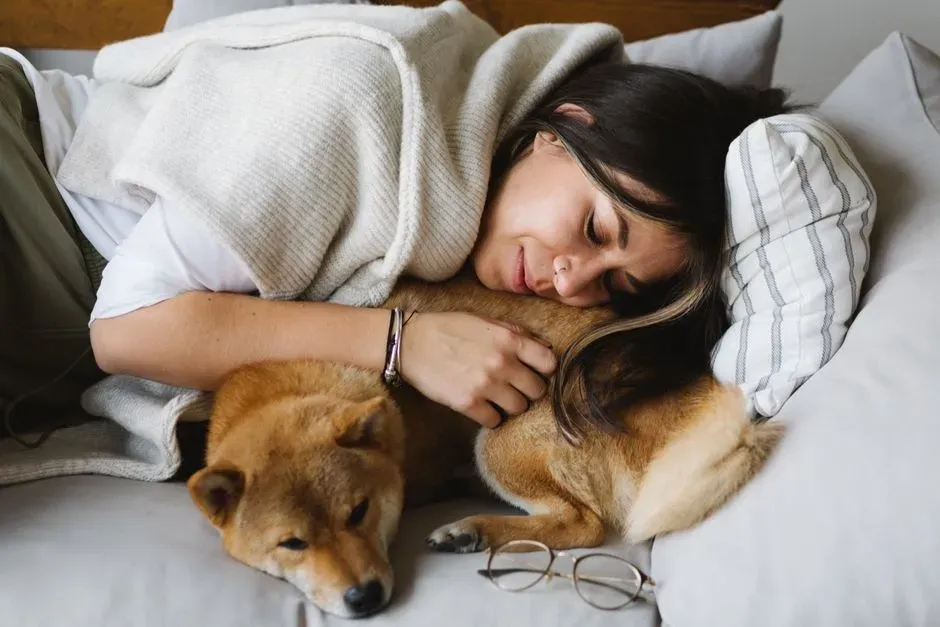
Even when your dog is pressed against you like a furry heating pad, a part of their awareness stays tuned to the environment. Dogs are built to notice small sounds and shifts, and sleeping in contact with you amplifies that role. If something changes – a creak, a voice, a strange thump – they can feel your body react and respond faster, like two phones paired over Bluetooth.
By sleeping back-to-back with you, your dog is putting themselves in a shared watch position where you both cover different angles. You may not consciously think about this, but your body tends to relax more deeply when you sense a trusted companion right beside you. In a subtle way, you are both guarding each other, continuing a two-species night shift that has been running for thousands of years.
Why It Feels So Comforting to You Too
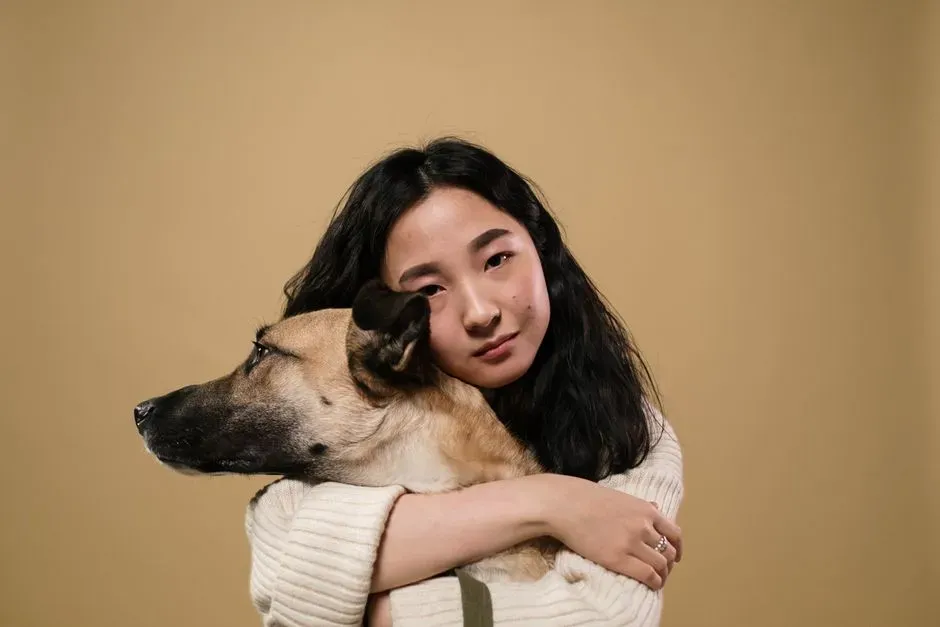
It is not just your dog who benefits from this contact; your body and brain do, too. When you feel that warm, steady weight against you, your nervous system often shifts into a calmer state. Your breathing may slow down, your muscles may soften, and you might fall asleep a bit faster or wake up feeling slightly more settled, even if you do not consciously notice why.
If you have ever felt oddly lonely after a night when your dog chose the other side of the room, you have already experienced this effect firsthand. You have gotten used to that living, breathing presence pressed up against you, and part of your mind has folded it into your sense of normal nighttime safety. Without needing to talk about it, the two of you are running the same ancient software that told early humans and their dog companions: stay close, and you will both be all right.
When Back-Pressing Might Signal Anxiety Instead of Calm
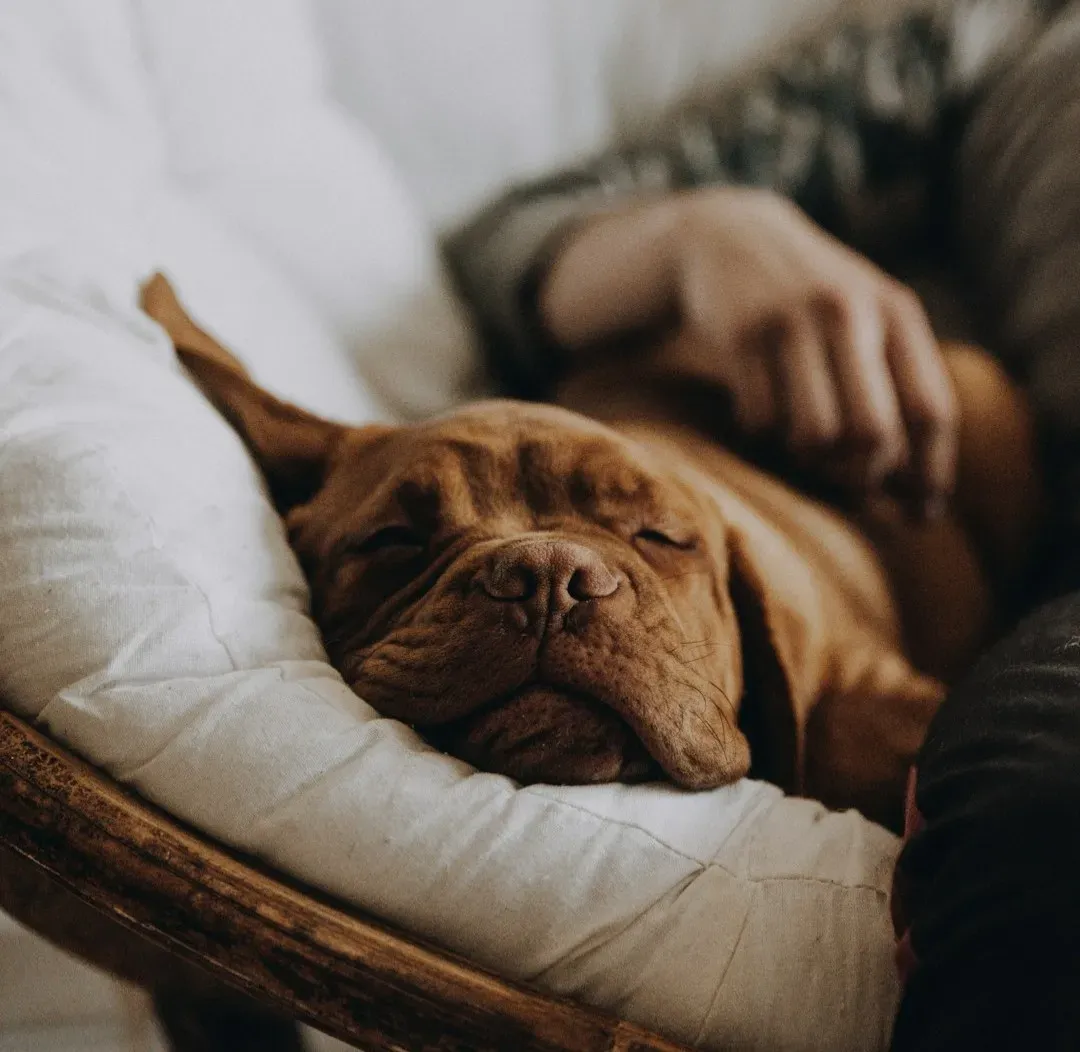
Most of the time, your dog leaning into you while they sleep is a sign of secure attachment and trust, but sometimes it can hint at underlying anxiety. If your dog seems unable to sleep anywhere else, panics when you move away, or constantly needs intense contact, they may be clinging out of fear rather than comfort. In those cases, the behavior is still rooted in that old need for safety, but it is dialed up past a healthy level.
You can watch for other signs to understand what is really going on: pacing when you get up, whining if you close a door, or destructive behavior when you leave. If you see those alongside relentless night clinging, your dog might benefit from more daytime confidence-building, clearer routines, and possibly help from a trainer or veterinarian. The goal is not to stop them from sleeping near you, but to make sure they could relax even if you were a few steps away.
How to Respond: Boundaries, Comfort, and Mutual Trust
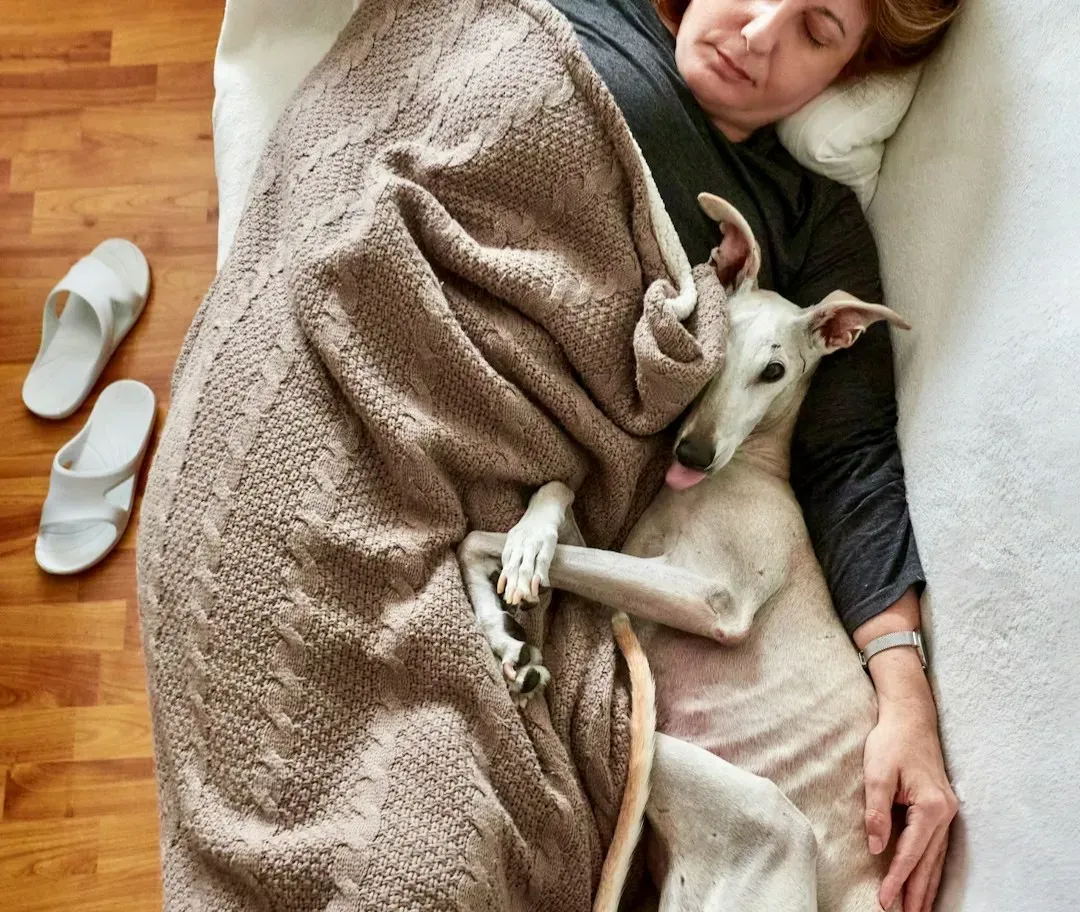
If you like your dog sleeping pressed against you, you can simply enjoy it while understanding what it really means. You are reinforcing a bond that stretches back to campfires and caves, and that is something special. You can make it even more positive by pairing bedtime with calm routines – gentle words, a predictable schedule, maybe a short walk before you both settle down.
If you need more space – because of allergies, restlessness, or personal comfort – you can still honor that instinct without sharing the bed. You might place a dog bed right beside you, offer a reassuring touch as they lie down, and reward them for staying there calmly. Over time, your dog can learn that the pack is still intact even if you are not literally back-to-back, and you both can rest knowing the bond is secure.
Conclusion: A 40,000-Year-Old Love Story at the Foot of Your Bed
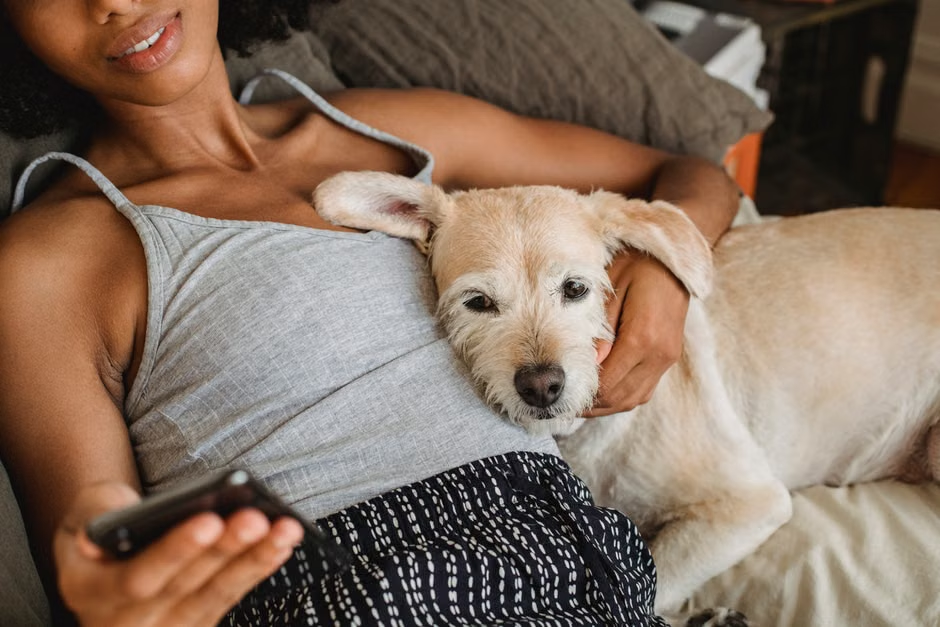
Every time your dog falls asleep with their back pressed firmly into you, you are witnessing a behavior polished by roughly forty millennia of shared living. It is not about stealing your warmth or hogging the blankets; it is about trust, protection, and a deeply wired need to belong to a small, safe group through the long, vulnerable hours of the night. You and your dog are quietly reenacting an ancient partnership that helped both species survive.
The next time you feel that familiar nudge of fur against your legs or back, you can smile knowing it is much more than a quirky sleeping habit. It is your dog’s way of saying you are their chosen pack, their shield, and their home, all rolled into one sleepy human body. Now that you know the history written into that simple gesture, does it change how you feel when they curl up and lean on you before drifting off?