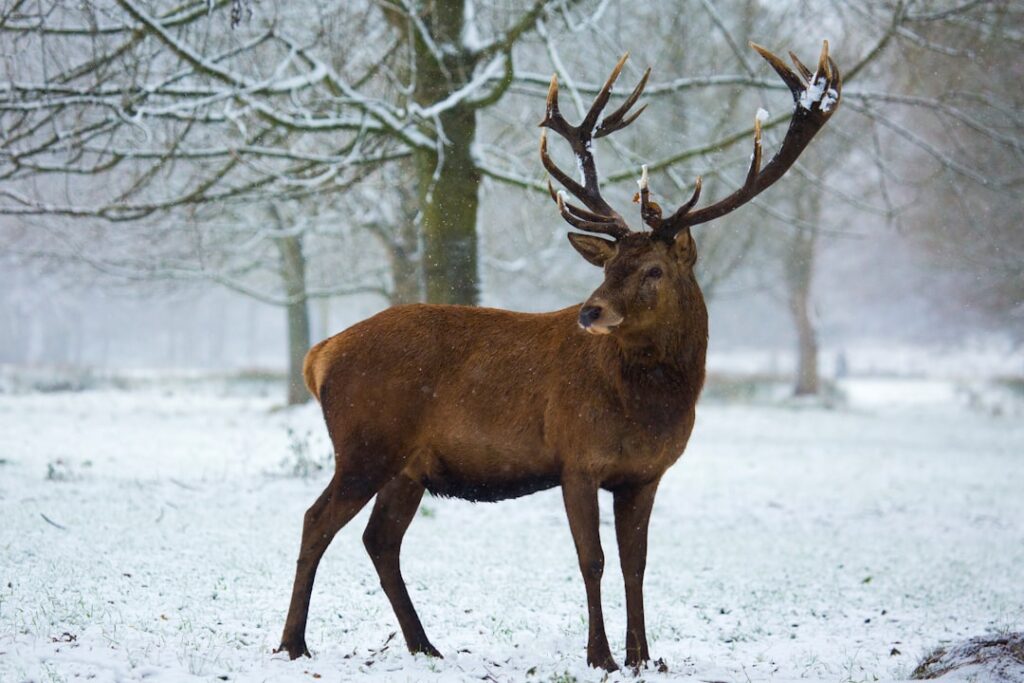
If you talk to farmers who’ve watched the same hills and fields for decades, they’ll tell you this: deer often warn you about winter long before your phone’s weather app does. When you really start paying attention, the woods and fence lines become a kind of living forecast, and deer are right at the center of it.
Of course, no animal is a perfect weatherman and you should never gamble your whole season on folklore. But when you combine what you see in the sky with what you see in the deer, you get a surprisingly useful picture. Here are 11 behaviors people on the land have noticed over and over again when a truly harsh winter is brewing.
1. You See Deer Packing on Fat Earlier Than Usual
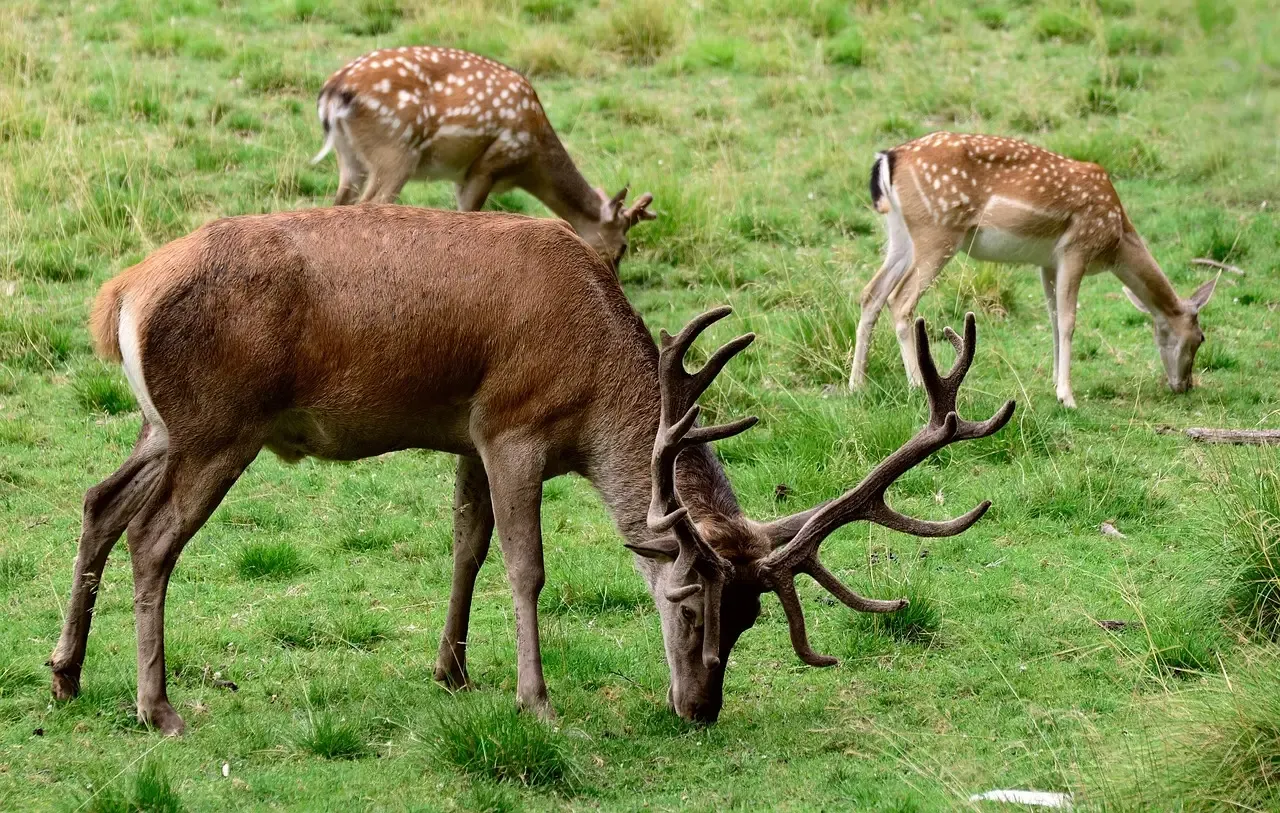
One of the first things you notice in a tough-winter year is how quickly deer start to thicken up. As summer fades, their bodies usually shift from lean and wiry to fuller and rounder, but in some years that bulking starts weeks earlier and seems more intense. When you see ribs disappear fast and necks and shoulders look heavier by early autumn, you may be looking at nature’s early warning system.
You do not have to be a biologist to pick this up; you just have to watch the same group over time. Deer that feed more aggressively on high-calorie food like corn, acorns, and mast, and that seem almost restless around feed, are often responding to subtle cues you cannot see: shortening day length, cooling soil, and maybe shifting plant chemistry. If you see that early fattening paired with other signs on this list, it is worth planning for a longer, harder winter.
2. Their Coats Turn Thick, Dark, and Woolly
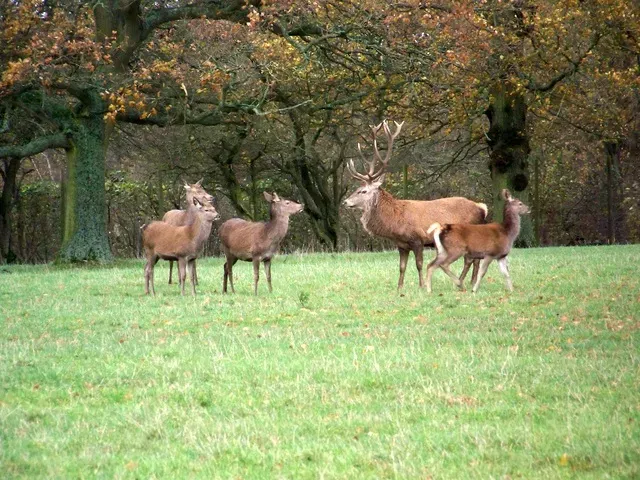
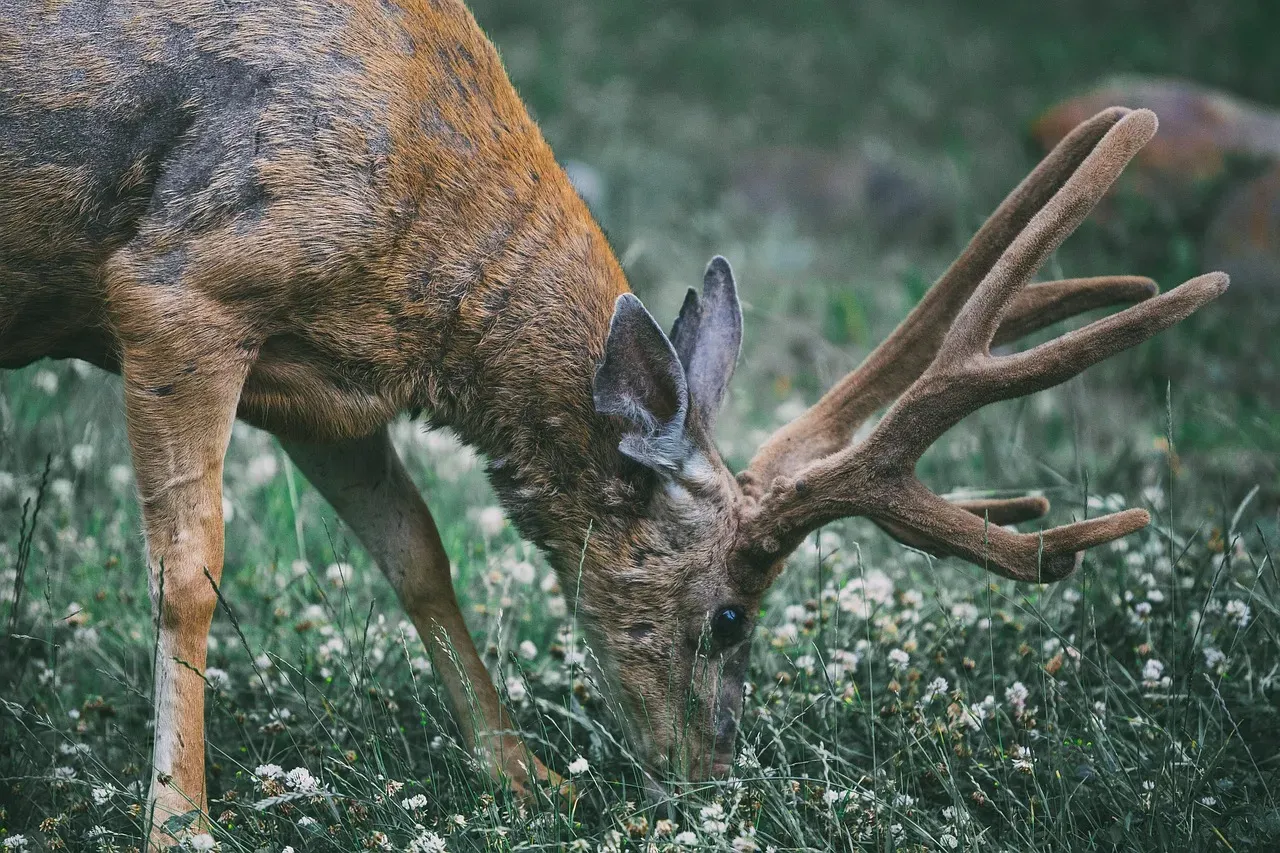
You probably already notice when deer “change clothes” for winter, but the timing and texture tell you even more than the color. In a mild year, their summer reddish-brown coat can hang on surprisingly late, with the grayish winter coat coming in slowly. Before a rough winter, that change often starts sooner, and the winter coat looks noticeably denser and shaggier when you glass them at the edge of a field.
Pay attention to the way light falls on their flanks and backs: if the fur looks darker, deeper, and almost wool-like by mid-autumn, that is a hint they are betting on serious cold. Their winter coat traps more air, working like a built-in down jacket, and they do not invest that energy for nothing. If you see heavy coats coming in early, you might prepare for more fuel, more bedding, and more time keeping your own animals sheltered.
3. You Notice Them Shifting to Heavy, Energy-Dense Foods
Deer always adjust their diet through the seasons, but when harsh weather is on the horizon, the way they prioritize food changes sharply. Instead of nibbling broadly on green browse, they will focus hard on high-energy foods: acorns, beechnuts, leftover grain, corn stubble, and anything oily or starchy. If you watch them in the evenings and see less meandering and more single-minded feeding in specific spots, that is a clue.
From your perspective as a farmer or landowner, this matters because it overlaps with your own feed planning. If deer are stripping your corn edges faster than usual or hammering mast trees every night, they are doing what they must to build reserves. You can use that behavior as a nudge to check your hay supply, grain orders, and backup feed plans, especially if you manage livestock that will be sharing those same resources indirectly.
4. They Start Feeding Earlier in the Day and Stay Out Longer
On a normal fall day, you may be used to seeing deer most often at dawn and dusk, slipping out of cover just long enough to feed and then melting away. Before a really punishing winter, those patterns can stretch: you start seeing deer feeding well before sunset and staying in the open longer into the morning. It looks almost like they are on a tighter schedule, cramming in more calories whenever they can.
When you spot them out in broad daylight more frequently, especially on cold, clear days rather than just during rut, take note. It often means they are trying to stock up before snow cover and deep cold limit their options. For you, this is a reminder that your grazing window is shrinking too; it might be wise to adjust fall pasture use, move animals sooner, or get ahead on chores that will be miserable once you are breaking ice every morning.
5. You Find Them Bedding on South Slopes and Sheltered Pockets
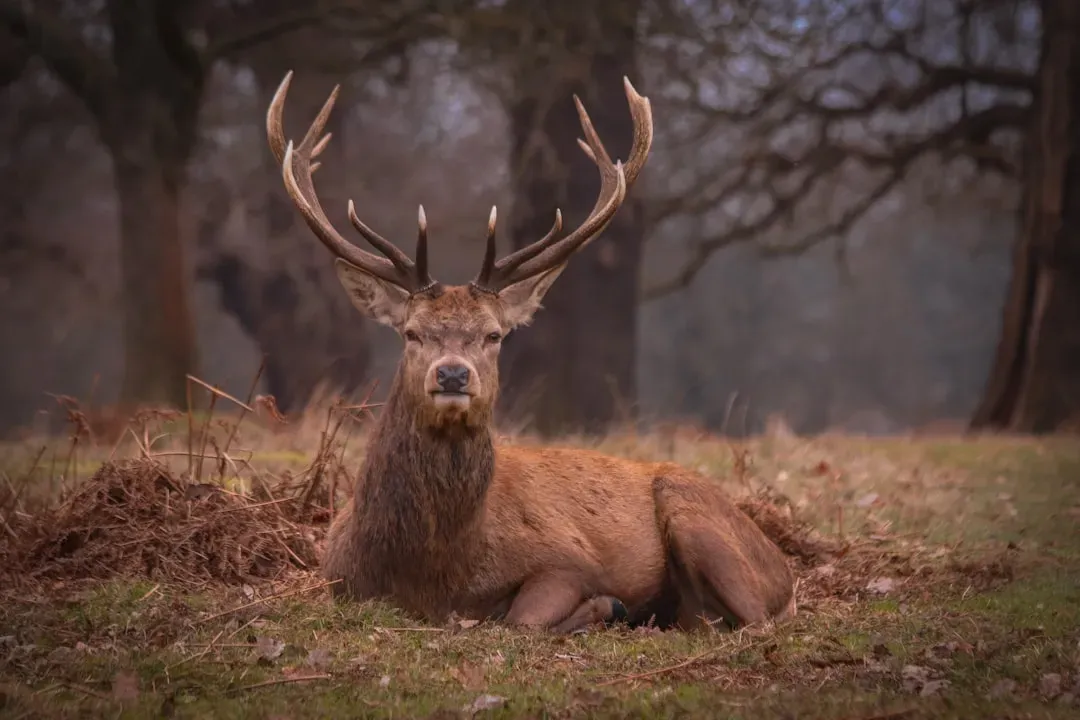
Deer are masters of microclimate, and they will quietly show you where the land itself braces for winter. In harsher years, bedding areas concentrate on south-facing slopes, thick conifer stands, and hollows protected from the prevailing wind. When you start jumping deer consistently in the same warm, sheltered nooks, especially earlier in the season than usual, that is like a red flag from the landscape.
You can use this information directly on your farm. The spots where deer choose to lie down and ruminate in bad years are often the same spots where your stock will be most comfortable, where fences will take less wind damage, and where water lines are a little safer from extreme cold. If deer are abandoning breezier ridges earlier than normal, consider what you might need to move or reinforce before the first major freeze hits.
6. Their Movement Routes Pull Closer to Cover
When winter looks easy, deer will happily cross wide-open fields at dusk or wander along exposed ridges. If a brutal season is coming, you tend to see them hugging cover: moving along hedgerows, weaving through brushy draws, and avoiding big bare spaces unless they absolutely have to cross. Their trails tighten, as if someone drew them in with a pencil along the safest, most sheltered lines.
If you walk your property and notice new, well-worn paths skirting windbreaks and fence lines, pay attention. That same instinct that keeps deer alive in a blizzard can guide how you plan snow routes for equipment, livestock movement, and even your own daily path to the barn. When deer are already acting as though wind and snow are serious enemies, that is a cue for you to take shelter planning more seriously too.
7. You See Early, Intense Use of Evergreen and Woody Browse
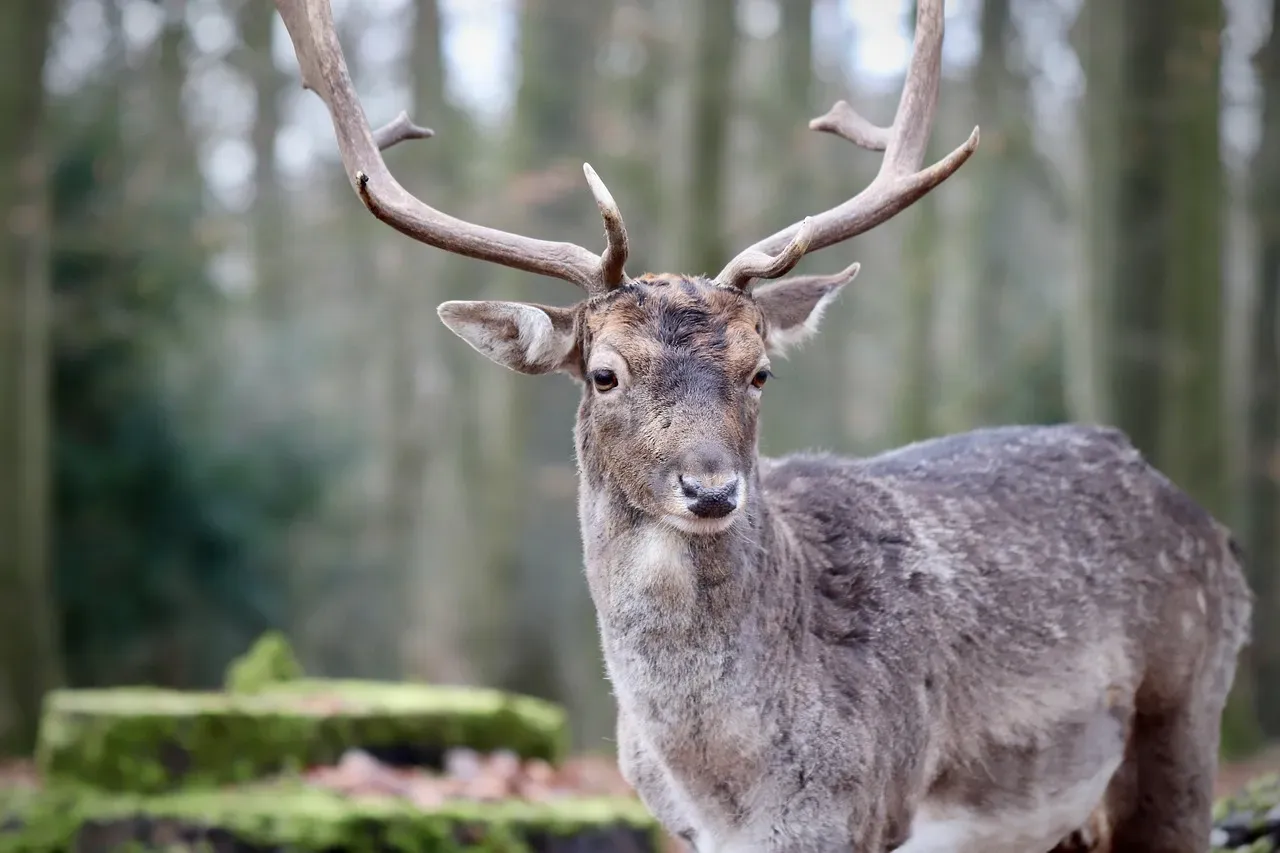
In a mild year, deer will lean on green forbs and leftover crops as long as they can, then slowly transition to woody browse and evergreen needles as winter deepens. In a hard year, that shift happens much earlier. You may notice bark and twigs on young trees being nipped, cedar or pine branches clipped, and shrubs along the woods’ edge looking ragged while pasture still has some life left.
This early pivot to “survival food” is not random; it is a sign that deer are preparing for a time when snow will block easier meals. When you see that happening around your place, you can expect more pressure on young trees, windbreaks, and ornamentals. It is a good moment to protect vulnerable saplings, add guards where needed, and think ahead about how snow and ice may affect your own forage availability later in the season.
8. Bucks Carry Heavier Racks but Shed Them Sooner After the Rut
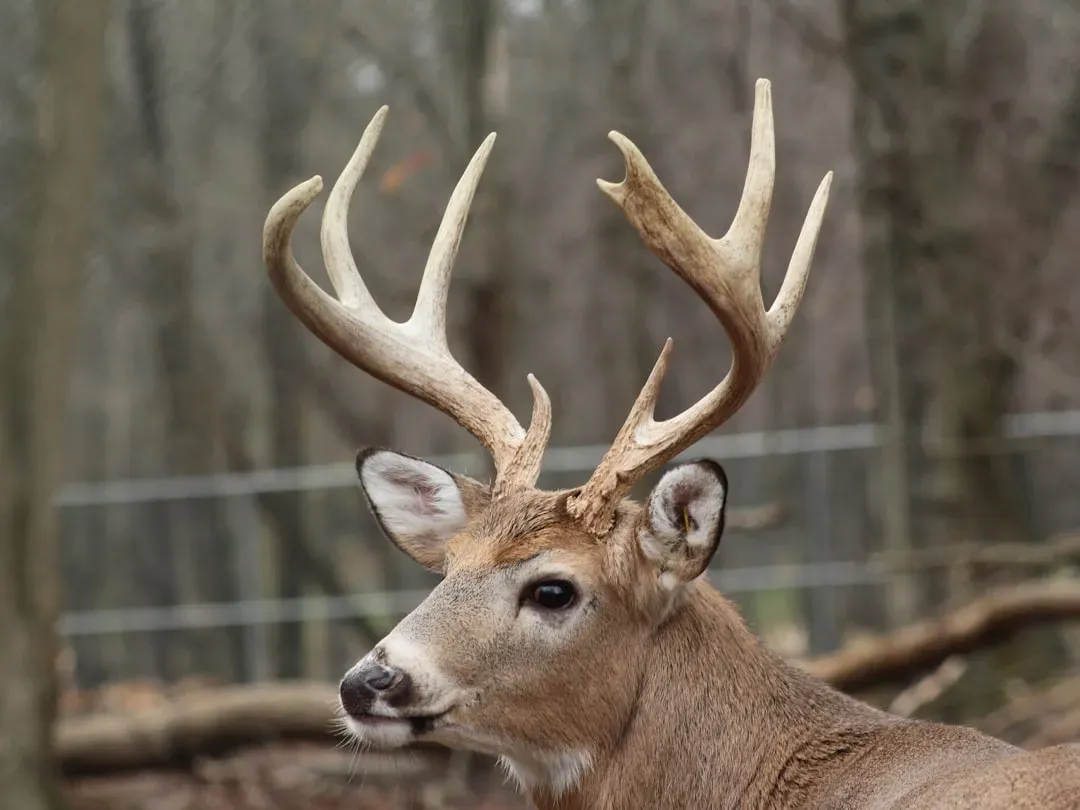
Buck antlers are shaped by many factors, including genetics and nutrition, so you cannot read winter like a book from antlers alone. Still, farmers and hunters have long noticed a pattern: in years before a hard winter, you may see bucks in excellent body condition carrying strong racks into the rut, then dropping those antlers earlier than usual once the breeding frenzy ends. The body seems to divert energy from display back into survival.
If you pay attention to shed timing around your fields and hedgerows, that shift can stand out. Finding sheds earlier in the winter than you are used to, especially from deer that looked robust just weeks earlier, can reinforce what other signs are telling you: the energy balance is getting tight. For you, that is another quiet tap on the shoulder to reconsider how much strain your own animals and land can handle in the coming cold months.
9. Deer Group Up in Larger, Tighter Winter Herds
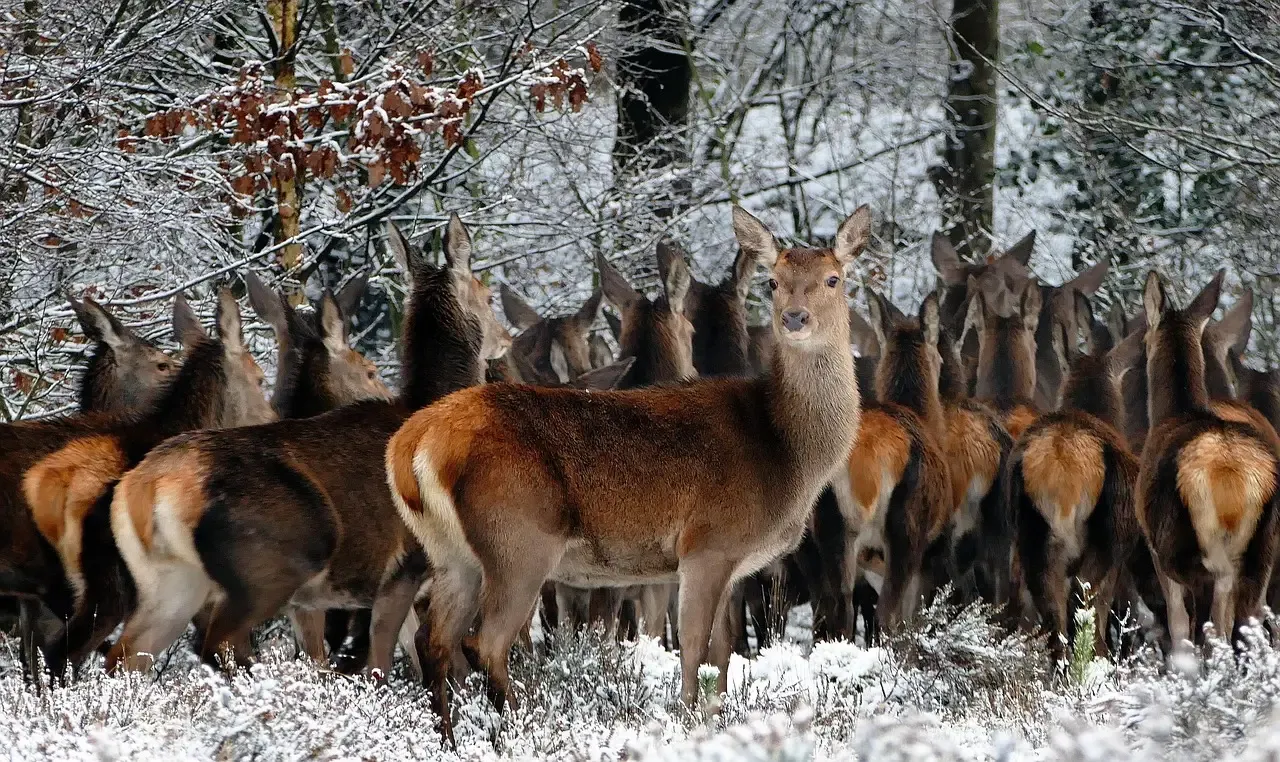
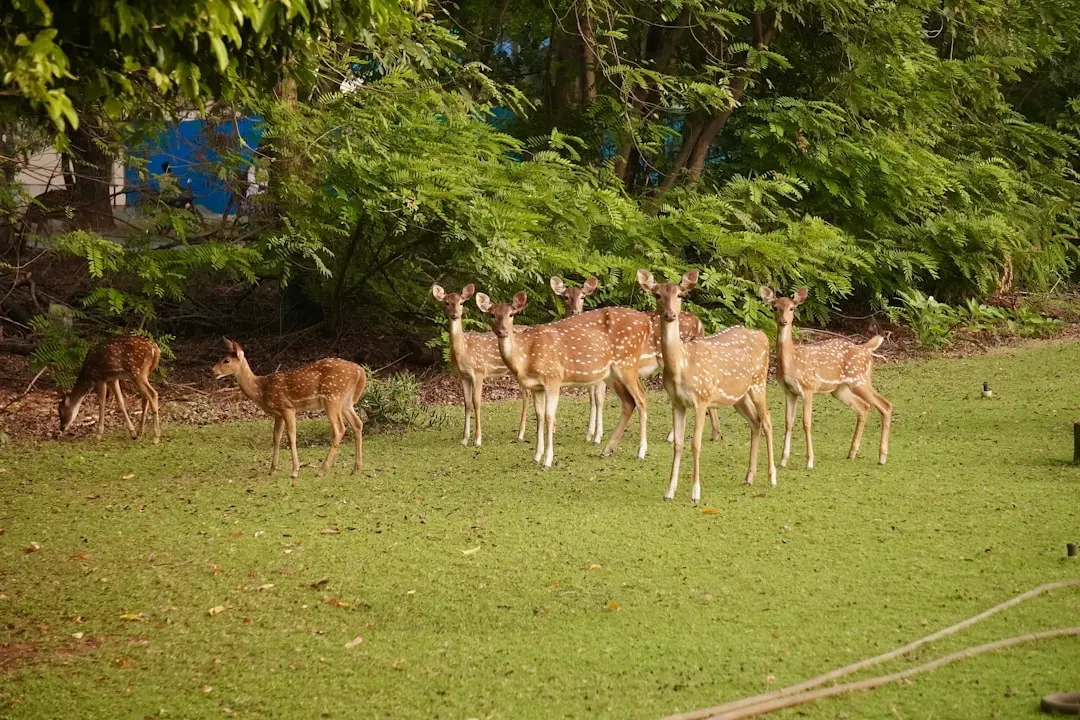
As winter approaches, deer often become more social, but before a really severe season, that grouping can be dramatic. Instead of seeing singles and pairs, you might start spotting larger herds tightly packed in fields or brushy corners, especially in the evenings. They use each other for extra vigilance and, in some cases, a little shared warmth and trail breaking through snow.
When you see numbers jump in your fields almost overnight, it is easy to think only about crop damage. But that clustering is also a clue that deer expect to face pressure from deep cold, predators, and scarce food. It may be a good time to reassess where you store equipment and feed, how you guard vulnerable ground, and what kind of wildlife pressure your fences and bins are really ready for if the winter drags on.
10. They Avoid Low, Wet Spots Sooner Than Usual
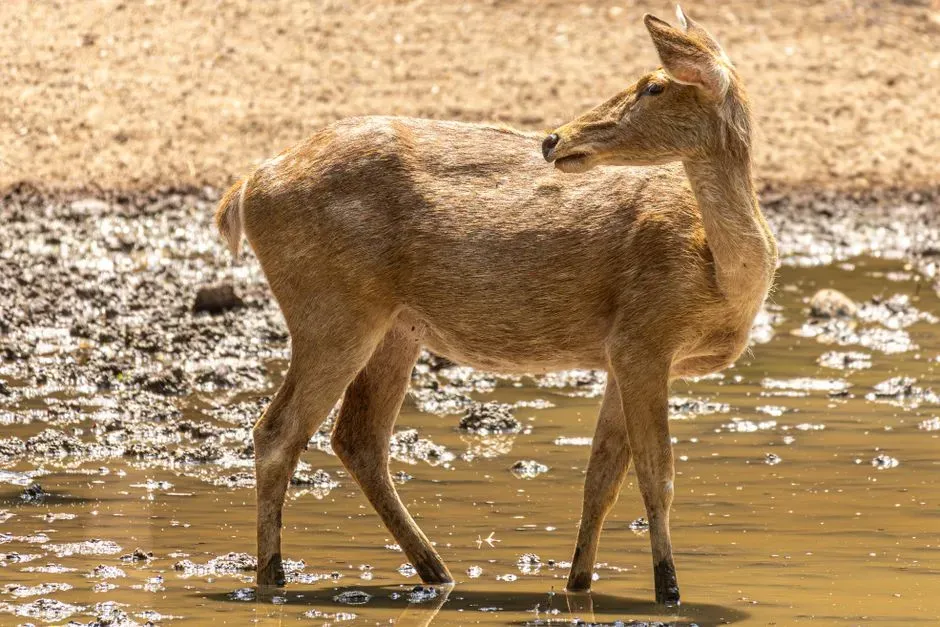
Deer usually do not mind slipping through low, damp ground to feed or travel, especially when temperatures are comfortable. Before a harsh winter, you may see them abandon those soggy areas earlier in the fall, shifting to higher, firmer ground even if the forage looks a little less tempting. They seem to anticipate that cold plus moisture is a dangerous combination that saps heat and energy fast.
When you notice hoof prints disappearing from muddy bottoms while still heavy elsewhere, that is a subtle but useful sign. It can nudge you to look at your own low-lying fields and ask how they will behave when freeze-thaw cycles kick in. Maybe you move equipment sooner, adjust grazing plans, or reinforce crossings, knowing that standing water and deep frost together can create nasty conditions for tires, hooves, and boots alike.
11. Their Overall Wariness and Startle Response Ramps Up
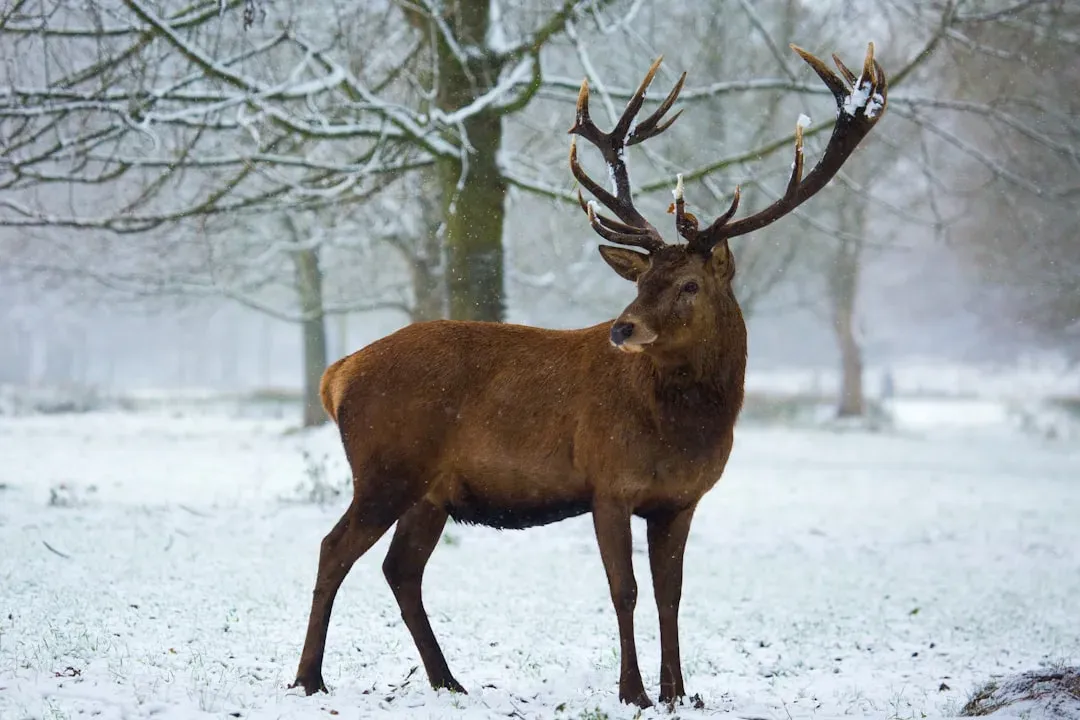
Animals that survive winter do not just eat more; they get sharper. In years when a serious winter is coming, many farmers notice deer becoming more skittish earlier in the season. They hold the edge of cover a little tighter, bolt at smaller noises, and hesitate longer before stepping into open ground. It feels like their nerves are tuned higher, as if they know mistakes will cost more in the months ahead.
You can read that rising tension as part of your own risk map. When deer are treating the landscape as more dangerous, you might want to ask yourself what you are underestimating: ice on the yard, storm damage to old trees, power outages, or strain on aging buildings. Their nervousness is not a forecast in the scientific sense, but it is a reminder that winter has teeth, and this year it may bite harder than you expect.
Conclusion: Let the Deer Help You Get Ready
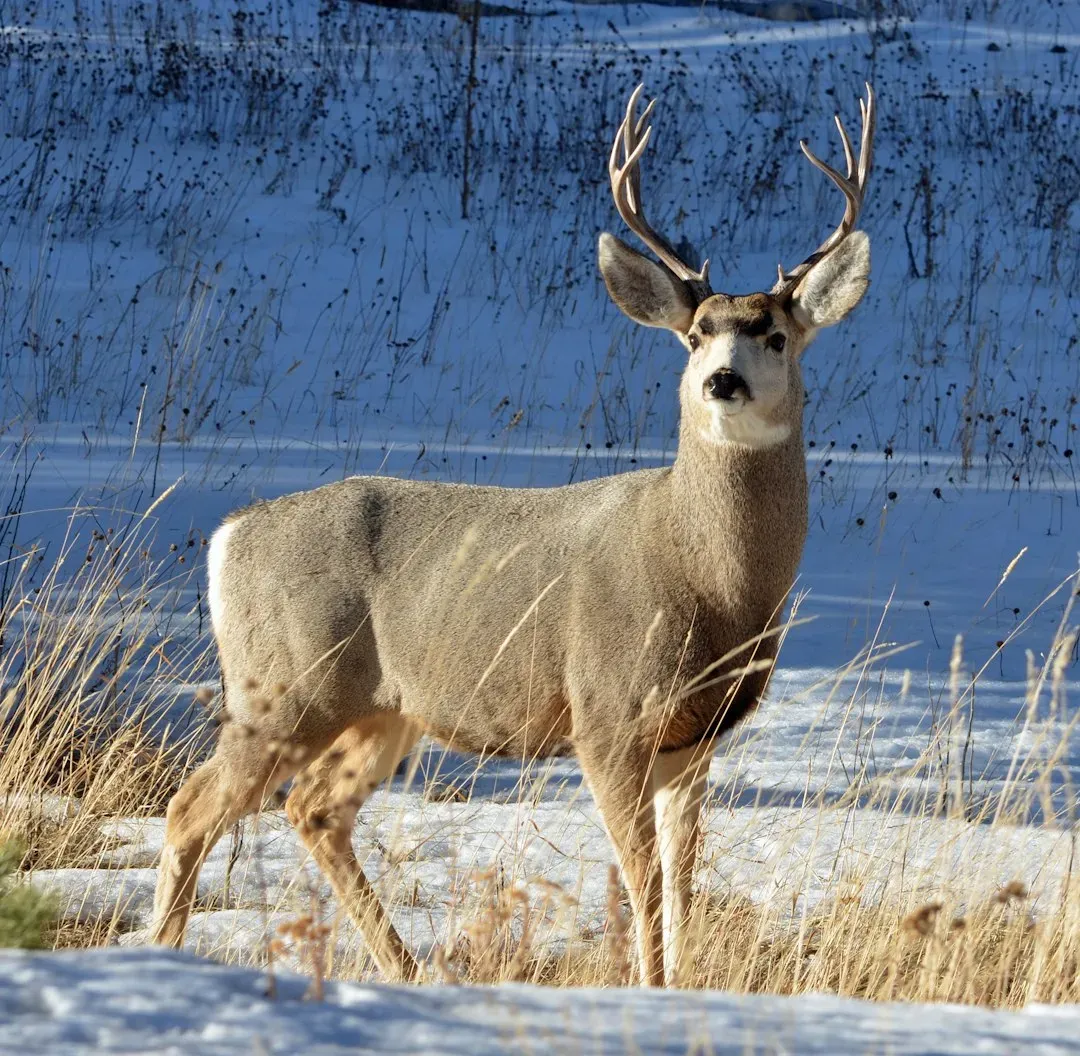
You do not have to turn wildlife into a superstition to let it sharpen your judgment. When you pay close attention to how deer eat, move, group up, and shelter as the seasons shift, you add one more honest, time-tested tool to your winter planning, right alongside the forecast and the calendar. The more years you watch the same fields and the same trails, the better your eye gets at spotting the small changes that hint at a harsh season ahead.
In the end, you are not asking deer to predict the future; you are letting them remind you to respect it. If their early fat, heavy coats, tight travel routes, and nervous behavior all start lining up, that is your cue to tighten up your own plans, from feed and fuel to fences and family. Next time the air feels sharper and the woods go quiet, will you glance at your phone’s weather app, or will you look to the deer first and see what they are already trying to tell you?