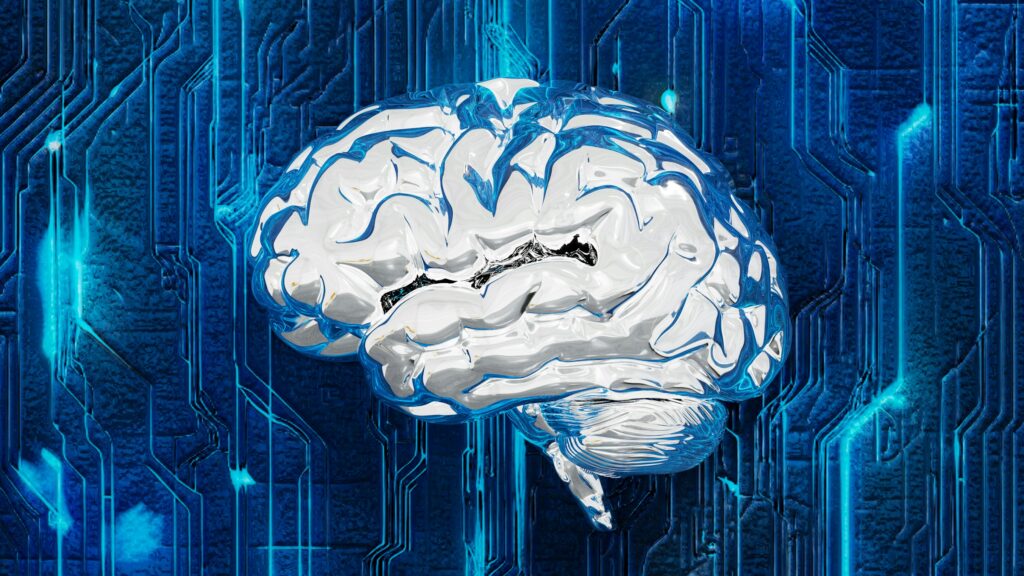
If you think you move through the world like a camera recording what happens, neuroscience has some surprising news: your brain is less like a camera and more like a fortune teller that never stops guessing. Much of what you see, hear, and feel is not raw reality, but your brain’s best prediction of what reality probably is. You walk into a familiar room and it already feels “loaded”: your brain has pre-filled what you expect to see, hear, and do there before you consciously notice anything.
This sounds almost unsettling at first. If your brain is busy predicting, not just observing, where does that leave your sense of truth, memory, or even free will? Yet this predictive mode is exactly what allows you to move through the world smoothly instead of feeling constantly overwhelmed by noise. Once you realize how predictive your brain really is, everyday experiences like hearing your name in a noisy bar, mishearing a lyric, or swearing you saw your phone “right there” start to look very different.
The Brain as a Prediction Machine, Not a Passive Camera
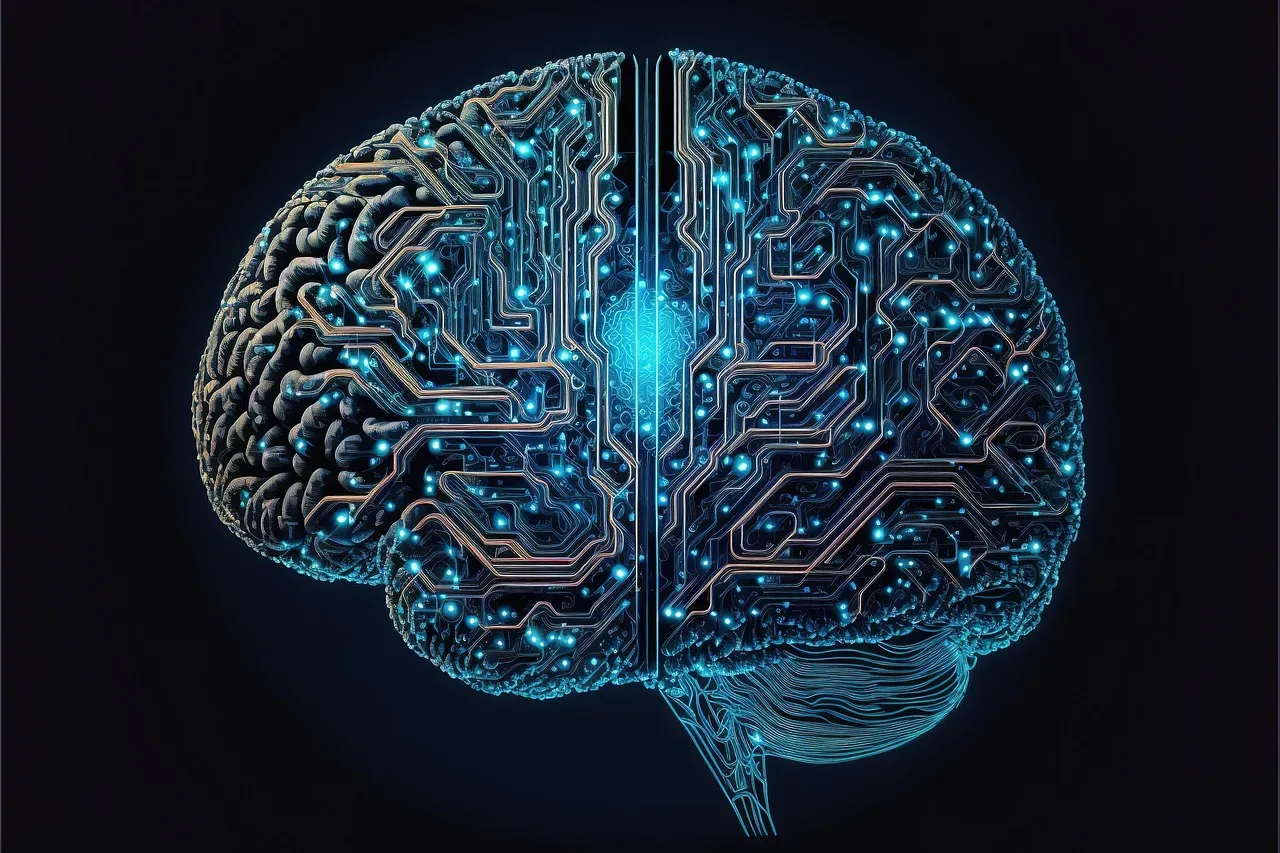
For a long time, the most intuitive picture of the mind was that it simply takes in information from the senses, processes it, and then responds. Modern neuroscience flips that story. The dominant view in many labs today is that your brain constantly generates internal models of the world and uses incoming sensory data mainly to check and correct those models.
Instead of asking “What is out there?” the brain is basically asking “Given what I already believe, what should I expect to see, hear, or feel next?” Sensory signals act more like error messages than primary inputs: they highlight where reality does not match your prediction and force an update. That’s why in a familiar environment you can navigate almost on autopilot; your brain is leaning so heavily on its predictions that only big surprises really grab your attention.
Top-Down vs Bottom-Up: Who’s Really in Charge of Perception?
Neuroscientists often describe brain processing in terms of bottom-up and top-down signals. Bottom-up signals are the raw data coming from your eyes, ears, skin, and so on. Top-down signals are your expectations, memories, goals, and prior knowledge flowing from higher brain areas down to shape what you perceive. The key idea from predictive processing is that top-down signals do a lot more heavy lifting than most people realize.
In many brain areas, the majority of connections actually run from higher-level regions down to lower sensory areas, not the other way around. That anatomical pattern makes it easier to send predictions down than to send huge streams of raw data up. In practice, it means that what you perceive is often dominated by what your brain expects, with incoming data mostly being used to correct the biggest mismatches. That’s why context, mood, and previous experience can dramatically color what you think you see or hear.
How the Brain Minimizes Surprise: The Logic of Predictive Coding
One formal way Neuroscience talks about all this is through a framework called predictive coding. Under this view, each layer of the brain’s hierarchy tries to predict the activity of the layer below it. When the prediction is good, little needs to change; when the prediction is off, a “prediction error” signal is sent upwards, prompting the brain to revise its model or pay more attention to that part of the input.
Over time, the system tries to minimize these errors, which is just another way of saying it tries to reduce surprise. This does not mean your brain wants life to be boring; it means it wants the world to be explainable. Even when you seek novelty, your brain is still trying to build a tighter model that can account for more experiences with fewer surprises. In a sense, your brain is always playing a game of “guess the next frame,” constantly compressing the world into a story that makes sense and costs less effort to predict.
When Predictions Win: Illusions, Hallucinations, and Everyday Mistakes
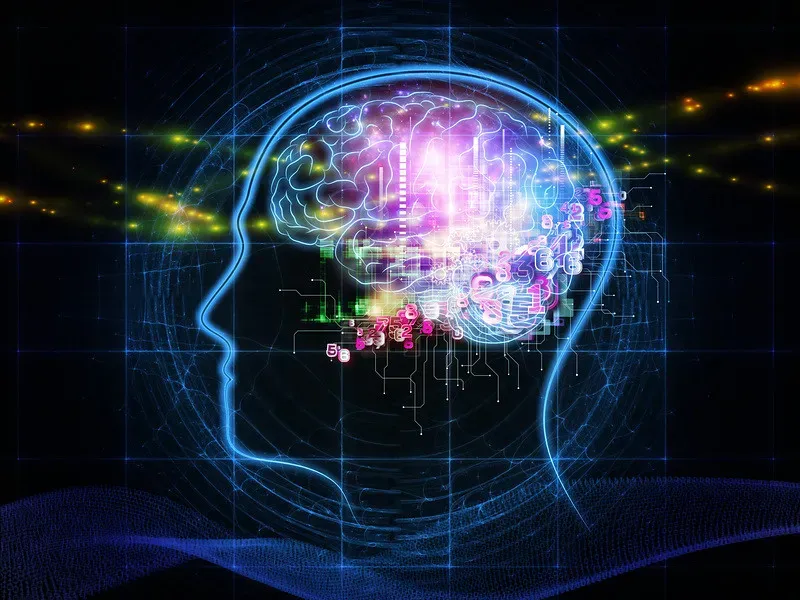
One of the clearest windows into predictive perception is visual and auditory illusions. Many illusions work by exploiting the brain’s expectations about lighting, shape, movement, or language. The sensory input is ambiguous, so your brain fills in the gaps using its internal model, and you end up seeing something that is technically not there. The illusion is not a glitch; it is your predictive system doing exactly what it was designed to do under uncertainty.
At the extreme, some researchers think certain hallucinations can be understood as predictions that are weighted too heavily compared to sensory evidence. If your brain over-trusts its internal model and under-weights incoming signals, you can “perceive” things that the outside world does not support. On a much more mundane level, this same bias shows up when you misread a word you expected, “hear” your phone vibrate when it did not, or confidently recall a detail in a memory that never actually happened. Your predictions quietly won the tug-of-war with your senses.
Why Prediction Saves Energy and Makes You Faster
Predicting the world is not just a fancy mental trick; it is an energy-saving strategy. Neural tissue is metabolically expensive, and processing every bit of raw input in full detail would be incredibly costly. By predicting most of what is about to happen and only processing large errors in depth, your brain conserves energy while still functioning at high speed.
This also buys you precious milliseconds in fast situations. When you catch a ball, merge into traffic, or understand speech in a noisy room, waiting passively for perfect data would be too slow. Because your brain is already simulating what is most likely coming next, it can often act before all the evidence has fully arrived. Most of the time, this bet pays off; occasionally, you get fooled. But overall, trading a little accuracy for a massive boost in efficiency and speed is a good evolutionary deal.
Prediction and Emotion: How Feelings Are Constructed, Not Just Felt
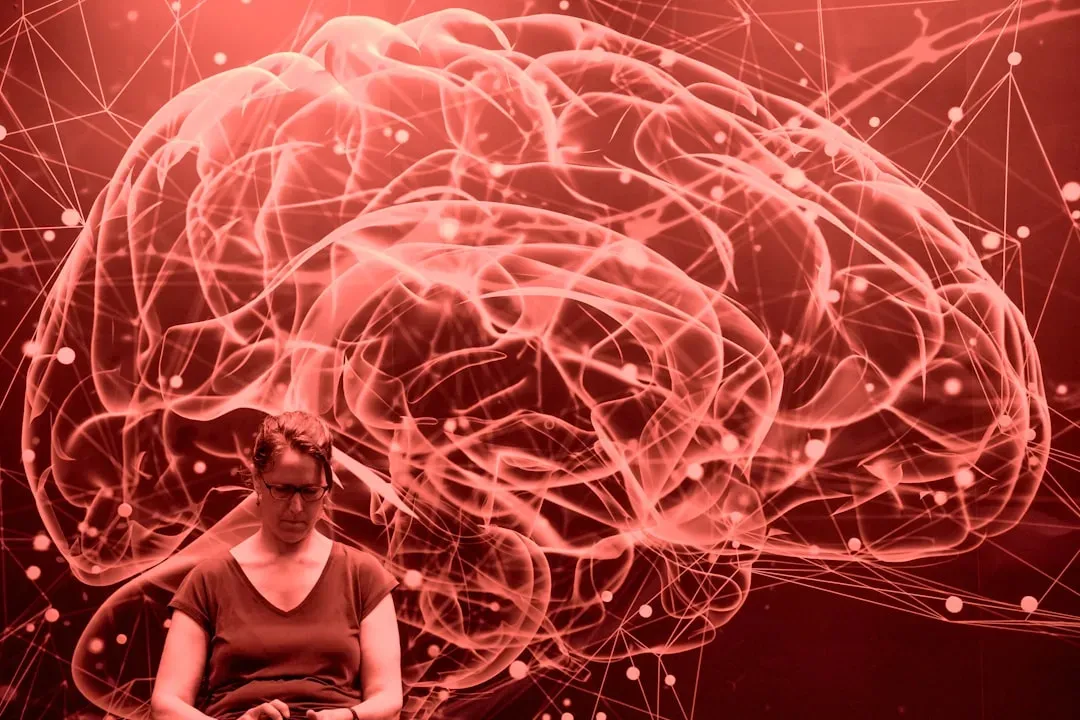
The predictive story is not limited to vision or movement; it extends to emotion as well. A growing line of research suggests that feelings like anger, joy, or fear are not hardwired packages that simply “switch on.” Instead, your brain draws on past experiences, bodily sensations, and context to predict what a cluster of sensations most likely means and then constructs an emotion around that prediction.
This helps explain why two people can experience the same racing heart, sweaty palms, and shaky hands as completely different emotions. One might predict danger and label it anxiety, while another might predict opportunity and call it excitement. Your emotional life becomes less like a set of fixed reflexes and more like a running commentary your brain is generating in real time, using past data to predict what you are probably feeling now and what you might feel next.
Living With a Predictive Brain: Practical Upsides and Hidden Risks
Once you see your brain as a prediction engine, everyday experiences become a bit more understandable and a bit more negotiable. If expectations shape perception, then deliberately changing your expectations, habits, and environment can shift how you experience reality. Training, therapy, meditation, and even simple exposure to new situations all work partly by updating the brain’s internal model so its predictions change over time.
There is a risk, though: the same predictive machinery that makes life feel smooth can also lock you into rigid interpretations. If your internal model of other people, of yourself, or of the world becomes too fixed, you start seeing only what you expect to see and missing anything that contradicts it. In that sense, staying mentally flexible is not just a personality trait; it is a way of keeping your brain’s predictions open to revision so you do not get trapped in a self-fulfilling loop.
Conclusion: If Reality Is Mostly Predicted, What Does That Say About Us?
I find it oddly comforting and slightly unnerving that my brain is spending most of its time guessing at reality rather than passively recording it. On one hand, it means my immediate sense of “how things are” is less reliable than it feels; on the other, it means I am not a helpless observer but an active co-author of my experience. The predictive brain is not lying to you; it is doing its best to keep you alive, efficient, and oriented in a noisy, uncertain world.
My opinion is that once you appreciate how predictive your brain really is, skepticism becomes a kind of kindness – to yourself and to others. You can hold your own perceptions a bit more lightly, knowing they are educated guesses, and you can be more patient when someone else’s model of the world clashes with yours. We are all running prediction engines built from different histories and contexts, constantly trying to reduce surprise in our own way. Knowing that, how differently might you treat the next moment when reality does not quite match what you expected?