Every now and then you stumble on a clip online where a stream, road, or even a whole hill seems to break physics. Water rolls the “wrong” way. Cars in neutral drift uphill. People swear gravity must be weaker there or that some secret energy vortex is at work. It looks fake, but the strange part is: many of these places are very real, carefully measured, and still surprisingly unsettling when you stand there in person.
Scientists have investigated a lot of these so‑called gravity hills and anti‑gravity spots. The mainstream explanation usually comes down to visual illusions, odd local topography, or magnetic fields affecting instruments, not reality itself bending. But when you’re standing on a slope, watching a bottle, a stream, or your own car roll “uphill,” your eyes and body insist something impossible is happening. Let’s walk through twelve of the most famous places on Earth where water appears to run uphill – and why our brains are so easily fooled.
1. Magnetic Hill, Moncton, Canada
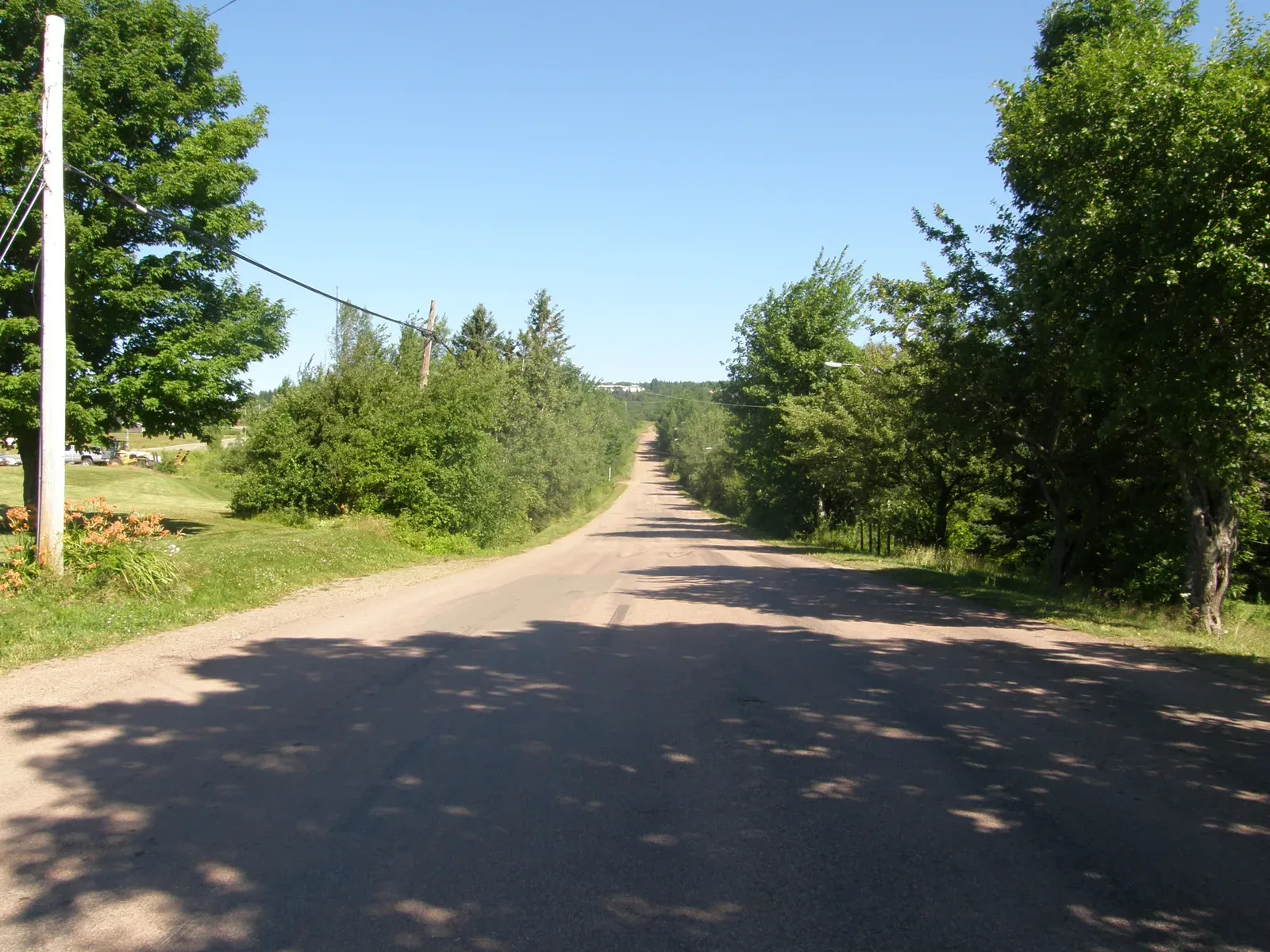
Magnetic Hill near Moncton in New Brunswick is a classic example that has been baffling drivers for decades. When you stop your car at the bottom of what looks like a gentle uphill and shift into neutral, your vehicle appears to roll backward up the slope, as if pulled by some invisible force. People sometimes pour water on the road here and swear it creeps the wrong way, adding to the eerie feeling that gravity has turned on its head.
Surveyors and geologists, however, have mapped the area carefully and found no exotic forces or strange magnetism strong enough to move a car or a stream. What’s really happening is a powerful optical illusion created by the surrounding landscape; distant horizons and tree lines are tilted just enough that a downhill slope looks like an uphill climb. It is normal gravity doing all the work, but your brain, fooled by the tilted visual reference frame, insists you are witnessing water and cars defy physics.
2. Gravity Hill, Bedford County, Pennsylvania, USA
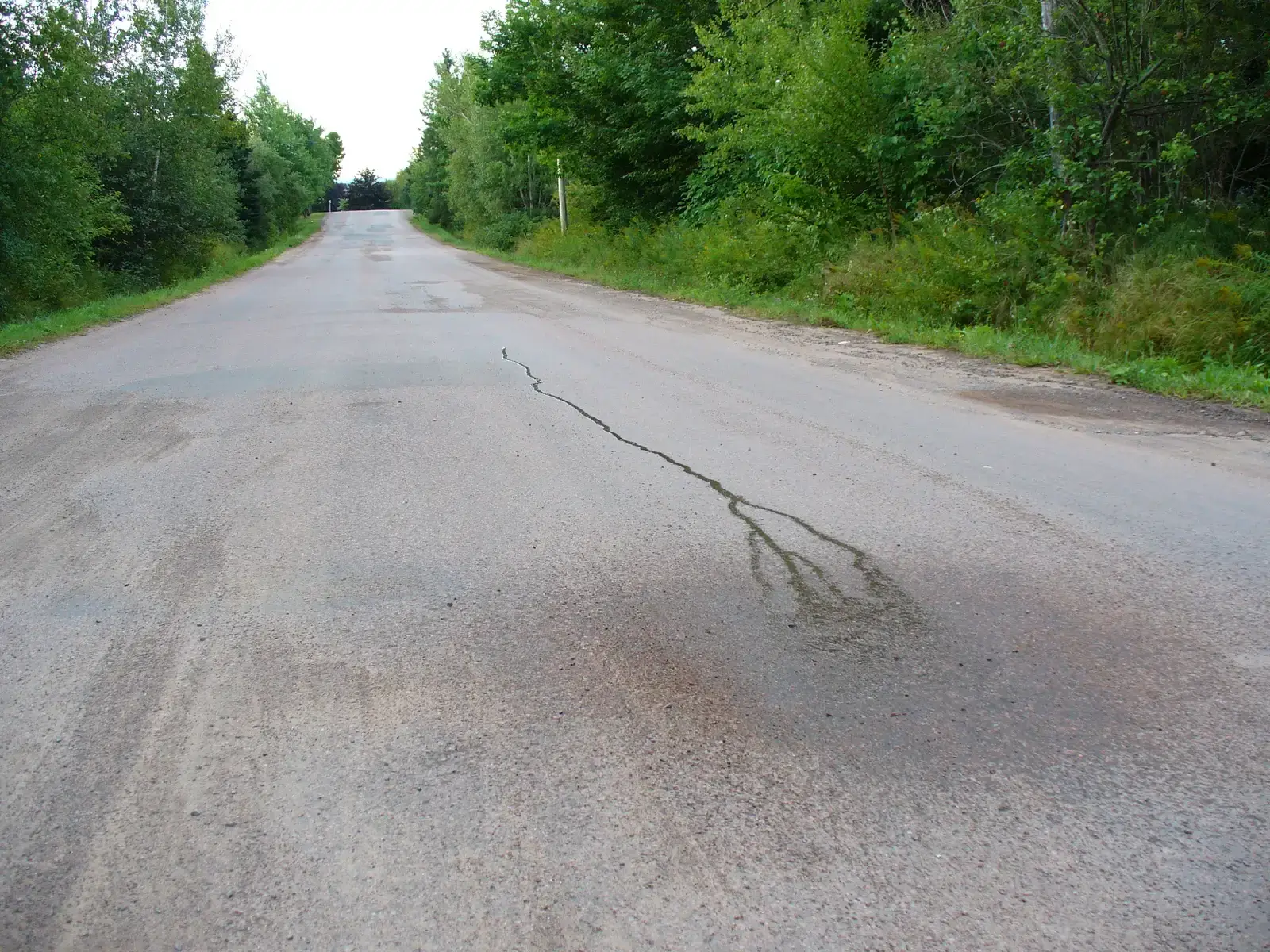
In rural Bedford County, Pennsylvania, there’s a quiet stretch of road simply known as Gravity Hill, where visitors have been testing gravity with bottles of water and free‑rolling cars for years. Drivers stop at a painted mark, shift into neutral, and watch their vehicle slowly creep in what appears to be the uphill direction, often laughing nervously as the view out the windshield contradicts everything they learned in school. The same trick works if you spill water onto the pavement – to the eye, it seems to slither upward.
Local lore ranges from haunted legends to whispers about secret government experiments, but engineering surveys tell a more down‑to‑earth story. The actual gradient here is downhill, just very gentle, and the landscape around it rises in a way that scrambles your sense of level. Without a clear view of the true horizon, your brain uses trees, fence lines, and nearby hills as stand‑ins. Those visual cues are slightly tilted, so the real downhill is misread as uphill, and gravity quietly does its regular job while your senses rebel.
3. Spook Hill, Lake Wales, Florida, USA
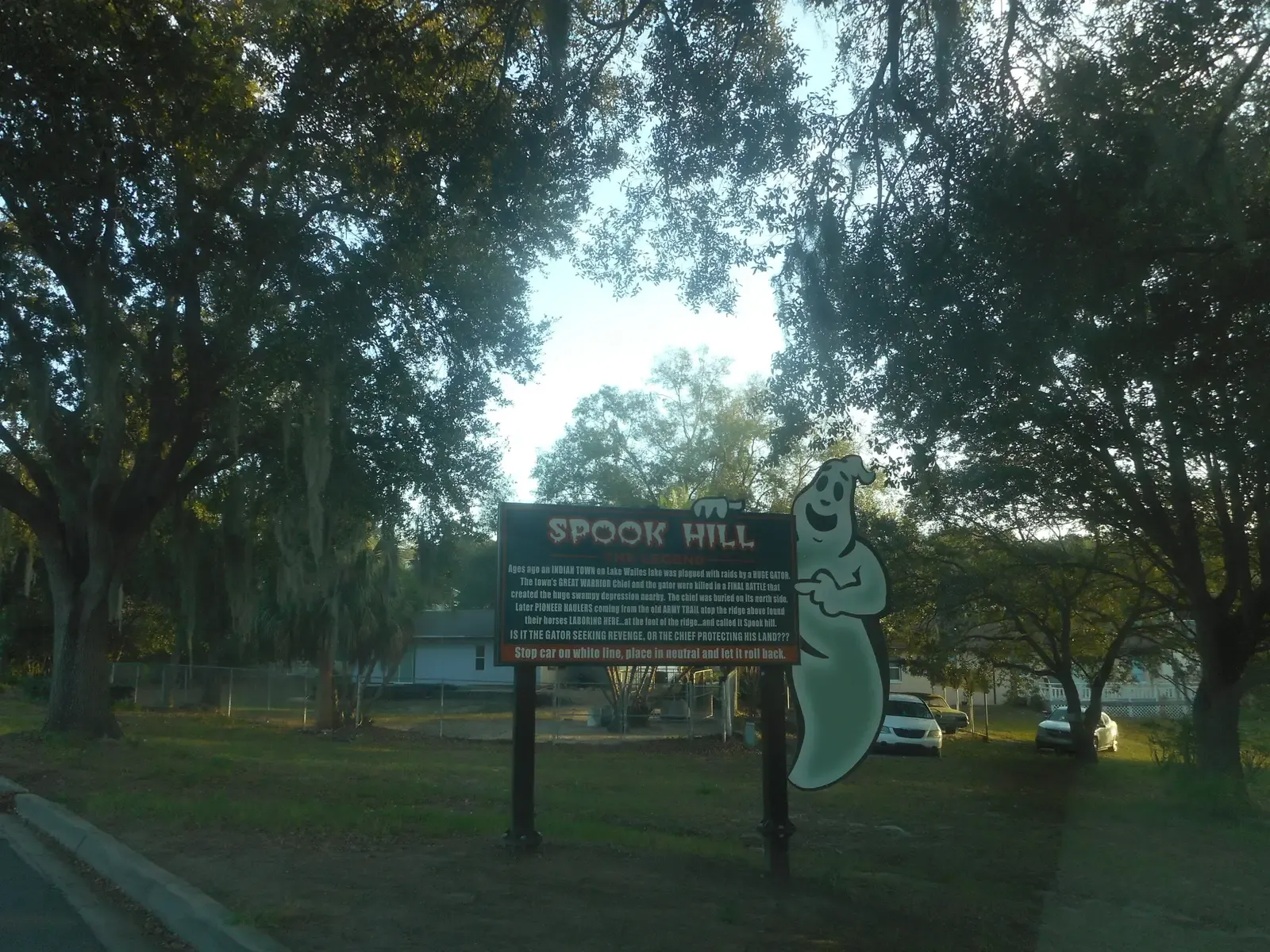
Spook Hill in Lake Wales, Florida, has turned its weirdness into a local attraction, complete with signs explaining where to stop and what to do. Tourists line up, stop their cars on a designated spot, and then, with the transmission in neutral, feel their vehicle drift in apparent defiance of the rising road ahead. Parents throw a little water onto the street, and kids squeal as it seems to creep the wrong way, as if pulled by some ghostly force.
Several legends try to explain the effect, including old stories about battles, spirits, and mystical energies, but the measured reality is more mundane and, to me, even cooler. Surveying instruments show that the road is subtly sloped downhill despite appearing to rise, and the distant backdrop of hills and buildings is angled just enough to mislead the eye. The real mystery is not gravity but how easily our brains build a fake picture of “up” and “down” from unreliable visual clues, even when a rolling car and flowing water are quietly giving us the truth.
4. Mystery Spot, Santa Cruz, California, USA
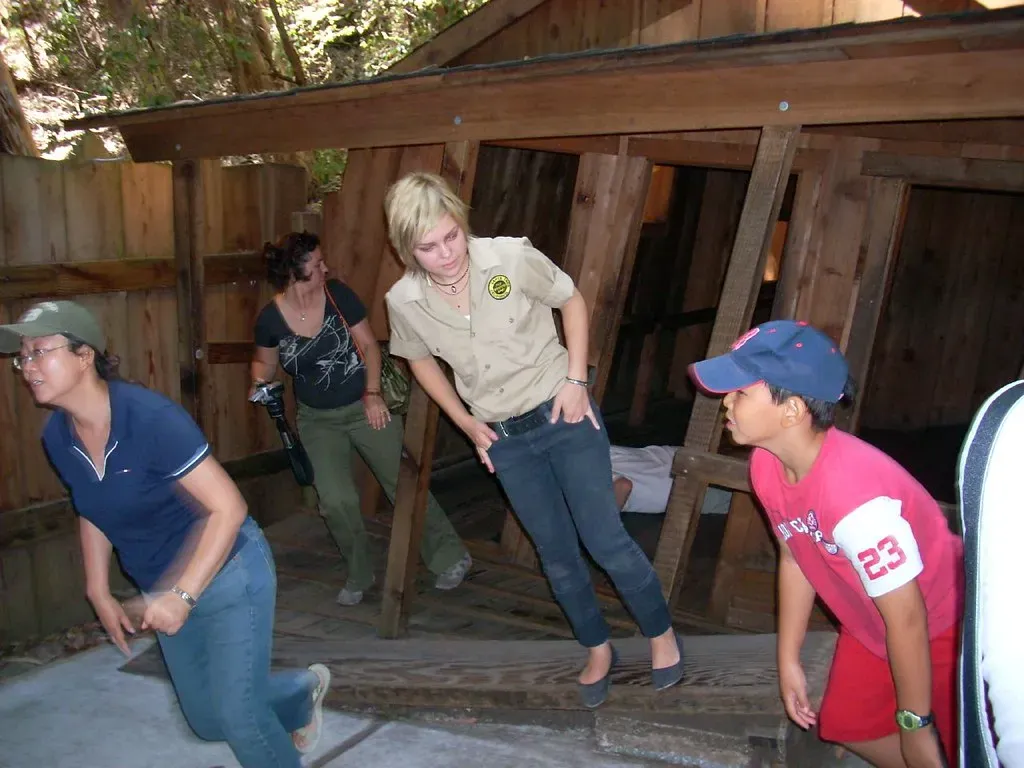
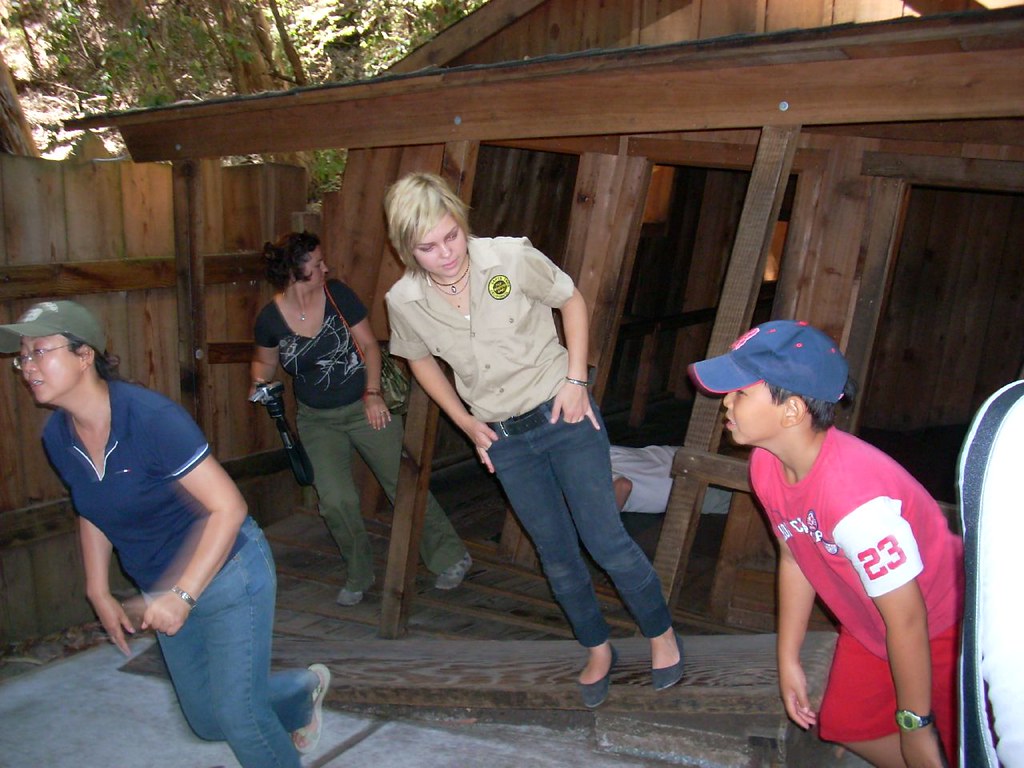
The Mystery Spot in Santa Cruz is one of the most famous so‑called gravitational anomalies in the world, set up as a full‑blown tourist experience. Inside the tilted cabin and along the surrounding paths, balls seem to roll upward, water poured along narrow channels appears to climb, and people lean at impossible angles without falling. It feels like being dropped into a glitchy video game where the rules of physics have been patched badly.
What is actually going on is a carefully constructed environment that weaponizes perspective and balance illusions. The cabin is built at a deliberate tilt, and the surrounding forest hides a true horizon, so your inner sense of “level” is pulled in one direction while the real gravitational pull goes in another. When water is poured in this skewed setting, it follows the real downhill slope, but your eyes insist that is uphill, so your inner narrative becomes “water is defying gravity” when in fact your own brain is the thing being tricked hardest.
5. Electric Brae, Ayrshire, Scotland
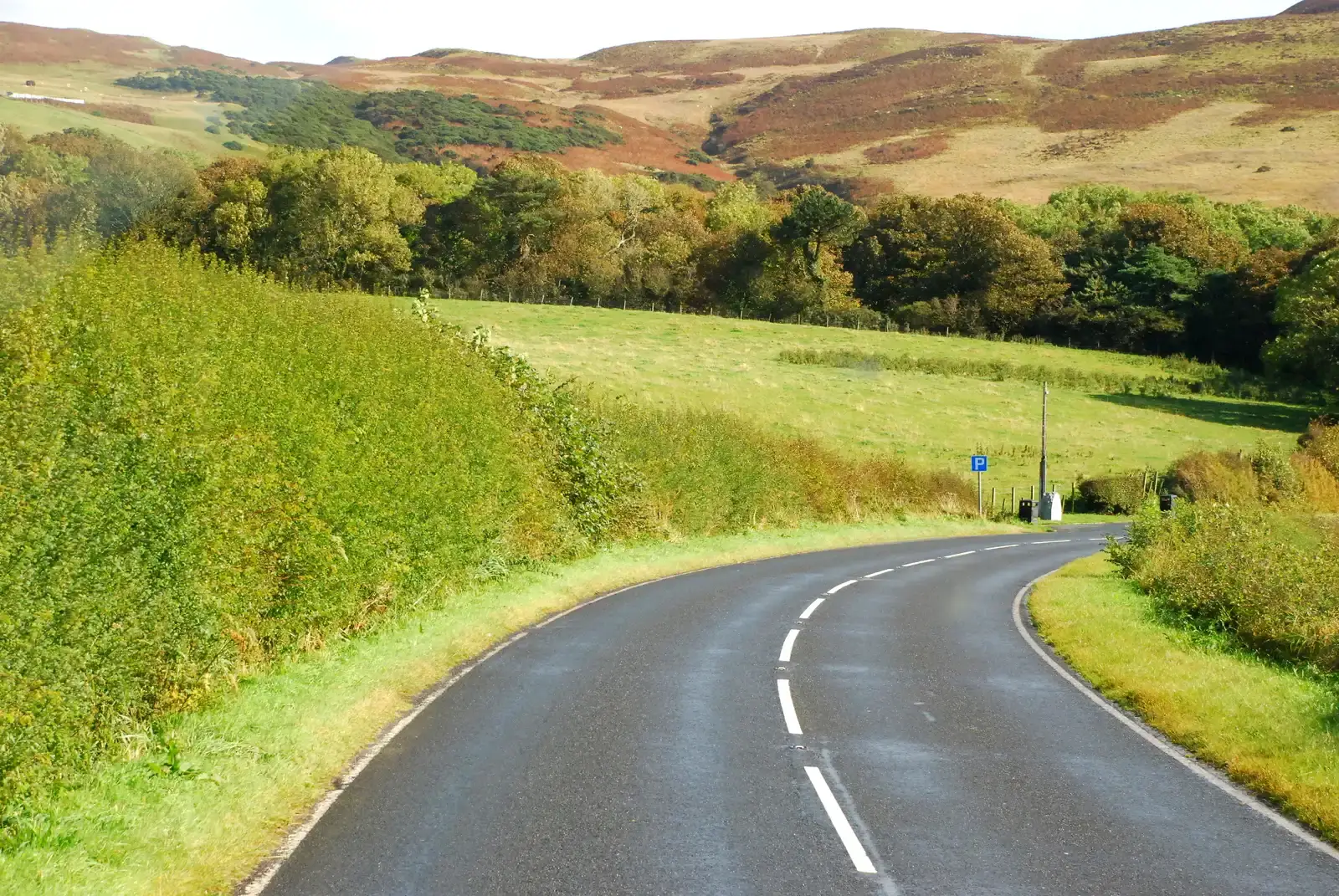
On the west coast of Scotland, the Electric Brae has been puzzling travelers since long before videos could go viral. Drivers stop in a lay‑by, shift to neutral, and then watch the car roll, apparently rising toward the sea while the nearby landscape seems to drop away. People have been pouring water here for years as a simple test, and it looks as if the liquid creeps uphill, as calmly as if gravity had simply changed its mind along this short stretch of road.
The name Electric Brae comes from older speculation that some strange electrical or magnetic force might be tugging at vehicles, but modern measurements tell a more grounded story. The road is gently downhill in the direction of the rolling cars, but the surrounding terrain slopes more steeply in the opposite way, which tricks the brain into perceiving the whole arrangement backward. The fact that the illusion persists even after you know the explanation just shows how stubborn the visual system can be when it decides which way “up” is supposed to look.
6. Jeju Island’s “Mysterious Road,” South Korea
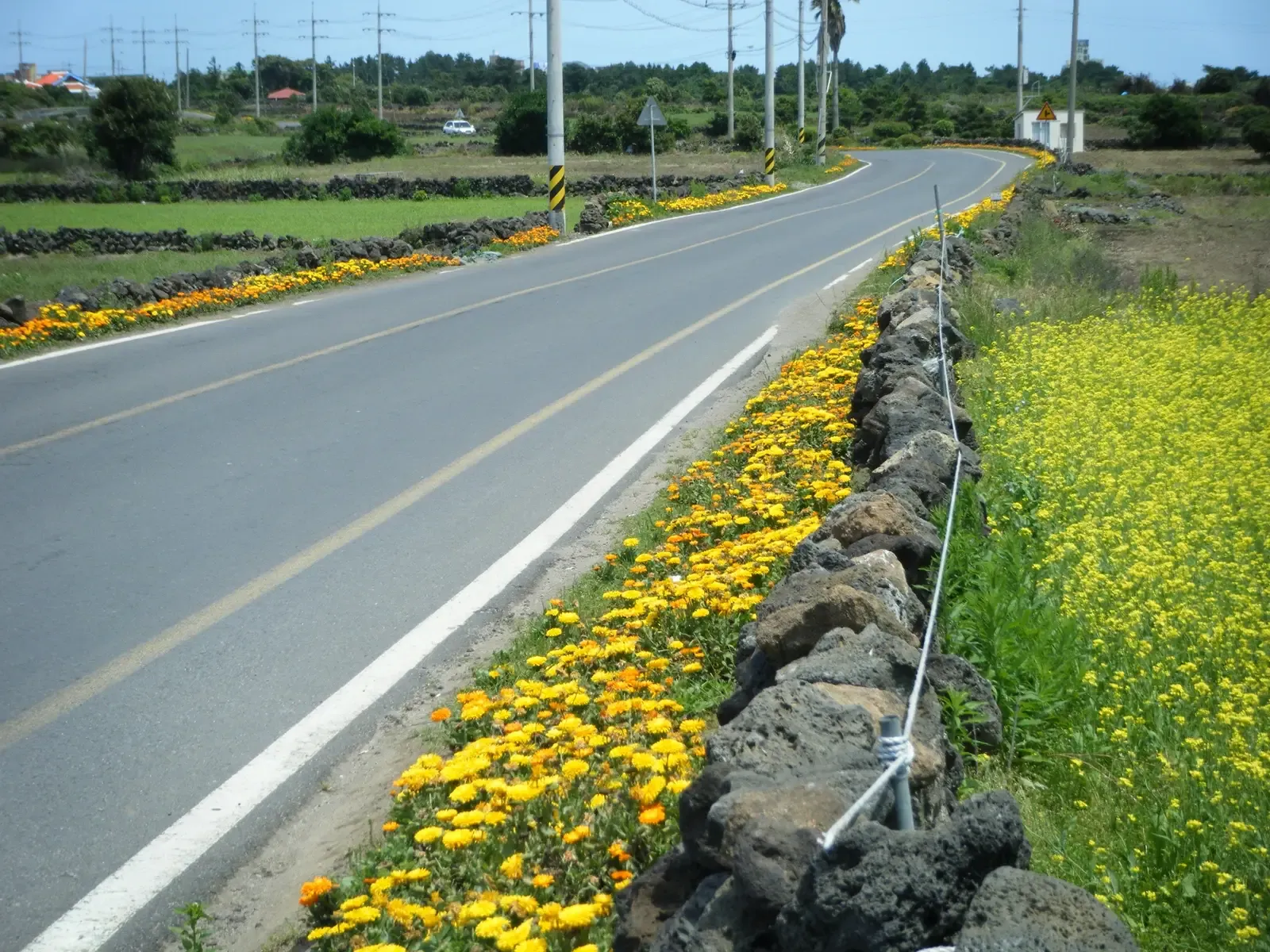
On Jeju Island in South Korea, there is a short, seemingly ordinary section of highway often called the Mysterious Road, where buses full of tourists stop to run a simple experiment. The driver puts the vehicle in neutral, and in front of everyone’s eyes the bus begins to roll toward what looks like the higher end of the road. People sometimes pour bottled water on the pavement, watching the thin stream wind upward and recording the moment on their phones with a mix of laughter and disbelief.
Engineers and surveyors have long since measured this stretch of road with proper instruments, finding that it is in fact gently downhill in the direction the vehicles roll. The trick lies in how the surrounding hills, horizon, and tree lines frame the view; they are all tilted in ways that shift your subconscious sense of level. What feels like strong evidence that gravity is being broken is really evidence that our brains are wired to trust visual context more than logic, especially in unfamiliar landscapes that offer no clear, straight reference line.
7. Gansu’s Gravity Hill, China

In Gansu Province, China, a well‑known gravity hill draws curious visitors who want to see water and vehicles behave strangely. When cars are parked and left in neutral, they seem to slide slowly toward the apparent crest of the road, and small streams or poured water look as though they are running uphill against the inclination of the land. Photos shared online show people standing there, pointing with confusion at the direction of the flow.
Chinese scientists and local authorities have examined the site and confirmed what physics would predict: the road is subtly downhill where the motion occurs, and the supposed “uphill” direction is simply misjudged by human perception. The distant terrain leans in a different direction, tree trunks are not perfectly vertical, and the actual horizon is blocked, so the mind builds a tilted mental grid of space. In that skewed grid, normal gravity looks abnormal, and the everyday behavior of water gains an almost supernatural edge.
8. Confusion Hill, California, USA
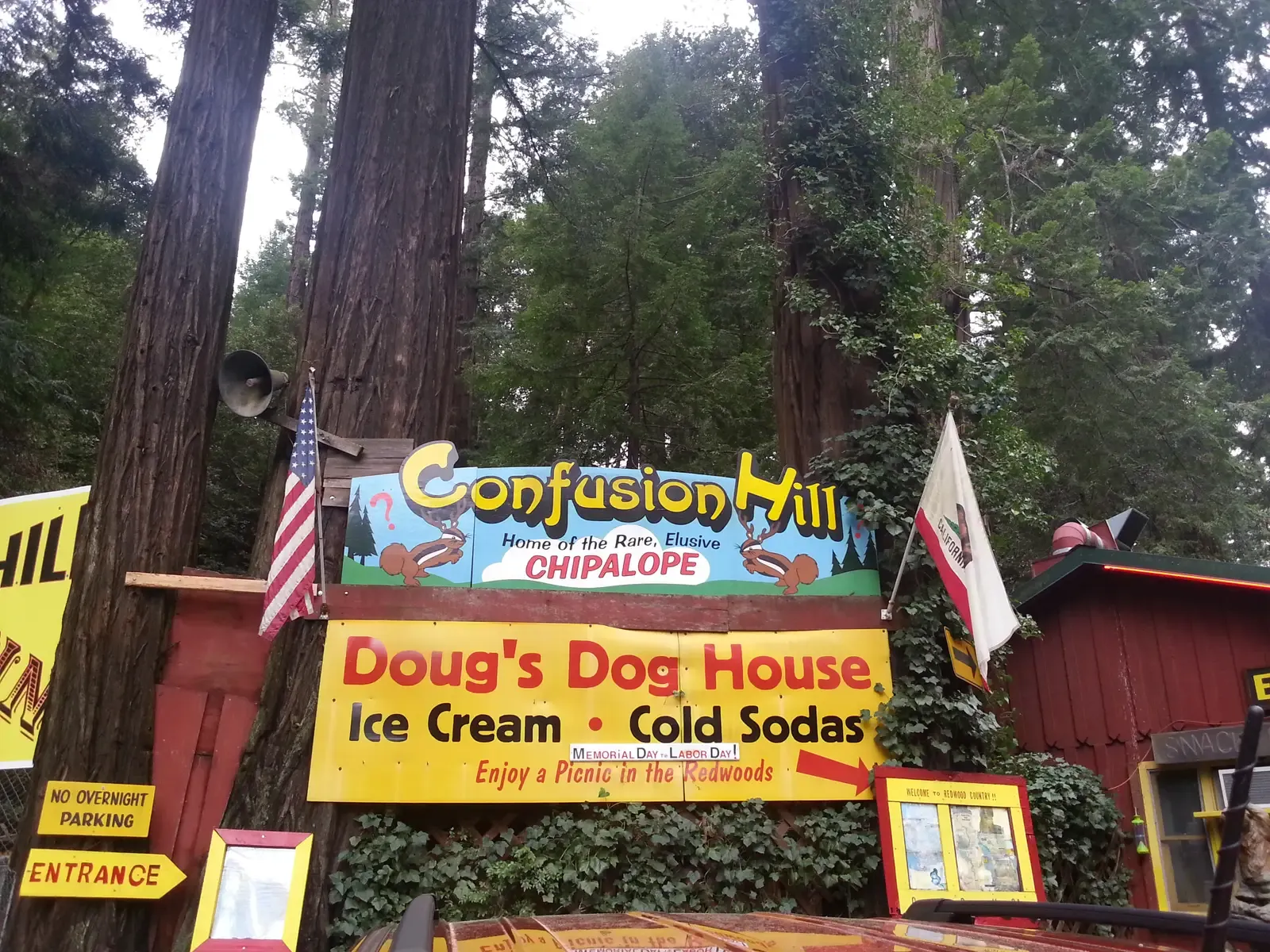
Confusion Hill in Northern California is another roadside attraction that has built an entire experience around the feeling that gravity is misbehaving. Visitors watch water roll along channels in apparent defiance of the slope, see balls drift “up” boards, and feel their own bodies pulled sideways in a way that makes walking a little disorienting. The place lives up to its name: even skeptics can come away with a lingering feeling that something truly odd is going on.
The underlying trick, much like at other famous mystery houses, is an artful combination of tilted architecture and carefully selected sight lines. Floors, walls, and outdoor rails are built at angles that challenge the vestibular system in your inner ear, while windows and doorways frame the outside world in misleading ways. Water always follows the true downhill gradient set by gravity, but because nearly everything you see contradicts your sense of vertical, your brain writes a story in which the liquid is flowing uphill and you are standing straight, when in reality it is exactly the other way around.
9. Celtic’s Gravity Hill near Blackhill, Ireland
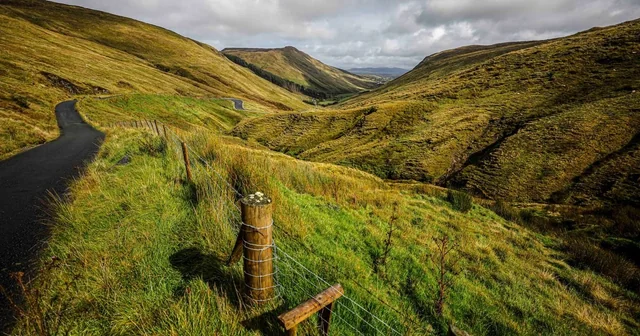
In Ireland, several spots have gained reputations as gravity‑defying hills, and one often talked about example near Blackhill offers the usual strange show. Tourists park at what looks like the lowest point in the road, shift into neutral, and find their car coasting toward the place that appears to be higher ground. If someone pours water or lets a can roll, the effect is even more striking, as small, familiar objects appear to go against the expected downward pull.
Surveying work has repeatedly shown that this and similar Irish gravity hills are nothing more than optical illusions produced by rolling terrain and hidden horizons. The countryside there features gentle, overlapping rises and dips, with walls, hedges, and trees that slant in subtle ways, so your internal level reference becomes misaligned without you noticing. Once that happens, water flowing downhill becomes a small but powerful demonstration of how perception can lag far behind physical reality, and how local folklore can flourish in the space between the two.
10. Dyatlov Pass “Upstream” Streams, Ural Mountains, Russia
In the Ural Mountains, the area known as Dyatlov Pass is mainly infamous for a tragic and much‑debated hiking incident, but it has also drawn attention for odd reports about water behavior. Some visitors describe sections of narrow streams where, when filmed from certain angles, the flow appears to run slightly uphill over short distances. Snowmelt trickling across slopes can add to the effect, especially when the broader landscape offers confusing cues about what direction is really down.
There is no credible evidence that gravity is weaker or reversed there, and measurements of slopes and elevations show nothing beyond the expected rugged mountain topography. The apparent upstream flow shows up most clearly in photos and videos taken with skewed horizons, where the camera is tilted in a way that makes level water surfaces appear slanted. In that misaligned frame, small ripples and thin flows of meltwater can look like they are climbing upward, a reminder that even a slight camera tilt can turn ordinary physics into something that seems mysterious.
11. Roads over Salt Domes in Oklahoma, USA
In parts of Oklahoma where salt domes and subtle subsidence have warped the landscape, drivers sometimes report stretches of road where water and vehicles seem to behave oddly. A bottle set on the pavement may start to roll in what looks like the wrong direction, and rainwater can appear to sheet across the asphalt uphill when seen from inside a car. Because the ground itself has gently buckled over long periods, the visual cues that normally tell you what is level can be slightly off.
Geologists mapping these areas have found that the real slopes can differ from what the eye expects by just enough to confuse casual observers. The deformation of the land is measurable, but still entirely within the realm of normal tectonics and sediment movement, not any exotic phenomenon. Water follows the real gradient, trickling into the true low spots created by subtle bending of rock layers, while drivers interpret the scene through their expectation that roads are always engineered to be perfectly level or predictably sloped, which in these regions is not always the case.
12. Coastal Gravity Hill near Fremantle, Western Australia
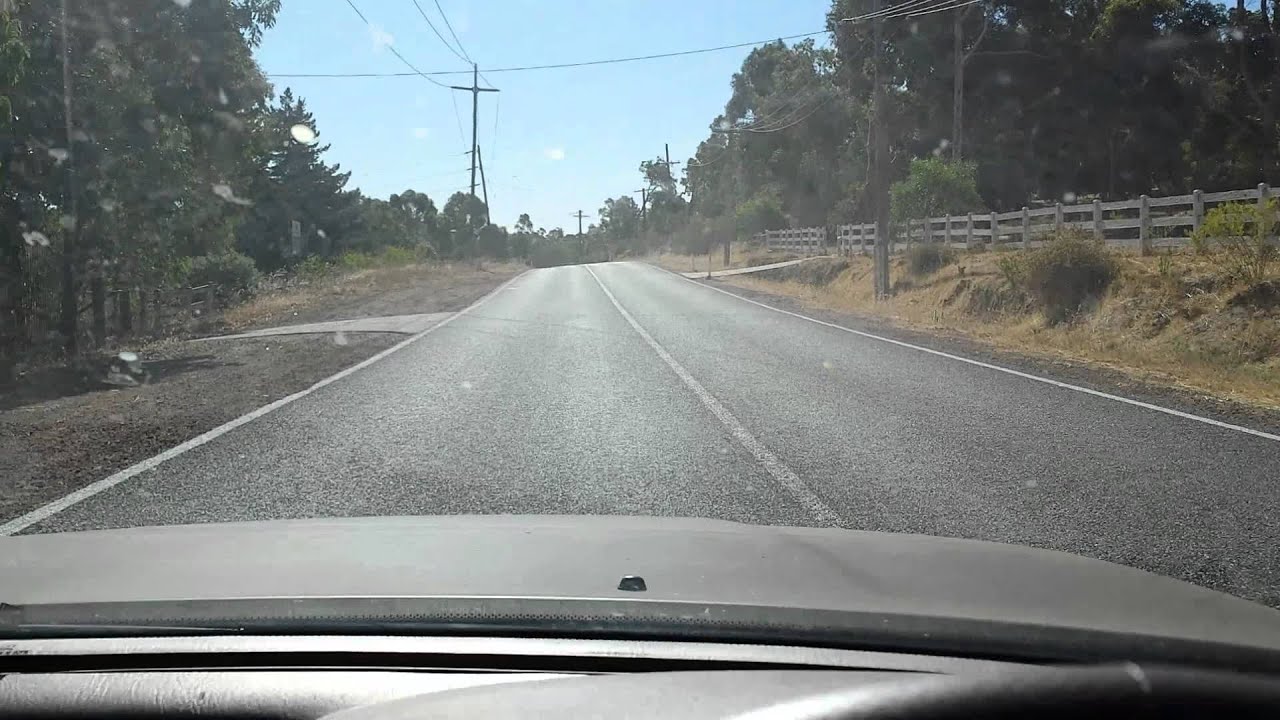
Near Fremantle in Western Australia, travelers have shared stories about a coastal road where cars in neutral roll toward what looks like higher terrain and where spilled water creeps in the same improbable direction. With the ocean off to one side and low hills on the other, the scene is picturesque and slightly disorienting, making the uphill motion of everyday objects feel like some kind of coastal anomaly. It is the sort of place where a quick roadside experiment turns into a long conversation about how sure we really are about what we see.
As with other well‑documented gravity hills, careful measurements with proper leveling equipment show that the stretch where the effect is strongest is actually gently downhill. The coastline, distant horizon, and sloping ground inland set up a crooked visual box that your brain interprets as straight, so the true gradient is misread. Water, as relentlessly honest as ever, just goes where gravity sends it, but the human mind wraps that motion in a story about strange forces and unexplained spots, because that narrative simply feels more satisfying than admitting we are being fooled by our own senses.
Conclusion: The Real Mystery Is in Our Minds, Not the Hills
Standing on one of these roads, watching water appear to slide uphill, it is tempting to hope that we have found a crack in the universe where the rules loosen just a little. I felt that pang of hope the first time I tried it myself on a gravity hill, watching my car “climb” without the engine running and feeling, for a moment, like I had stepped outside normal reality. But when you look closely at the measurements, every one of these places ends up reinforcing the same lesson: gravity is boringly reliable, and perception is the real wild card.
In my view, that makes these spots even more interesting, not less. They are natural, open‑air laboratories for studying how easily our brains can be led astray by tilted horizons, bent tree lines, and cleverly constructed viewpoints, all while the physics underneath remains rock solid. Water does not really flow uphill in any of these places, yet our experience screams that it does, and that gap between feeling and fact is where real curiosity should live. Maybe the better question to leave with is not whether these hills break gravity, but how many other things in our daily lives “look uphill” only because we are standing at the wrong angle – and would you still trust your first impression after seeing these twelve places up close?