
If you’ve ever looked up from your sketchbook, code editor, or guitar and suddenly realized an hour has vanished, you know that eerie, exhilarating feeling of being completely gone in what you’re doing. Time blurs, your to‑do list disappears, and there’s this quiet sense that the work is simply “happening through you” rather than being forced. For a long time, that was treated as mystical or just a nice productivity buzzword. But over the last couple of decades, neuroscientists have started wiring up both artists and Tibetan monks, and the patterns they’re seeing are surprisingly similar.
To be clear, we’re not talking about some woo‑woo claim that every time you get into a groove you’ve become an enlightened master. The evidence so far is more subtle and more interesting: certain brain networks seem to shift in comparable ways when people are in deep creative flow and when experienced meditators enter profound states of non‑distraction. As someone who has gotten lost for hours writing and then later read about these brain scans, I remember thinking, “Oh, so maybe that wasn’t just me being weird.” Let’s dig into what’s actually known, where the parallels really are, and where we should be skeptical and careful about overhyping the science.
Why Losing Track of Time Feels So Strange (And Weirdly Familiar to Meditation)
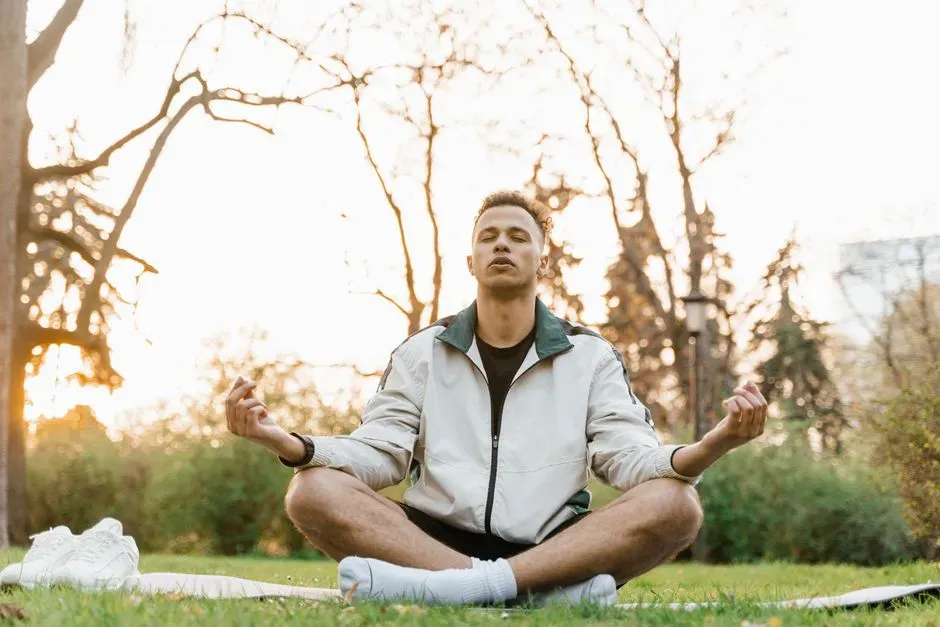
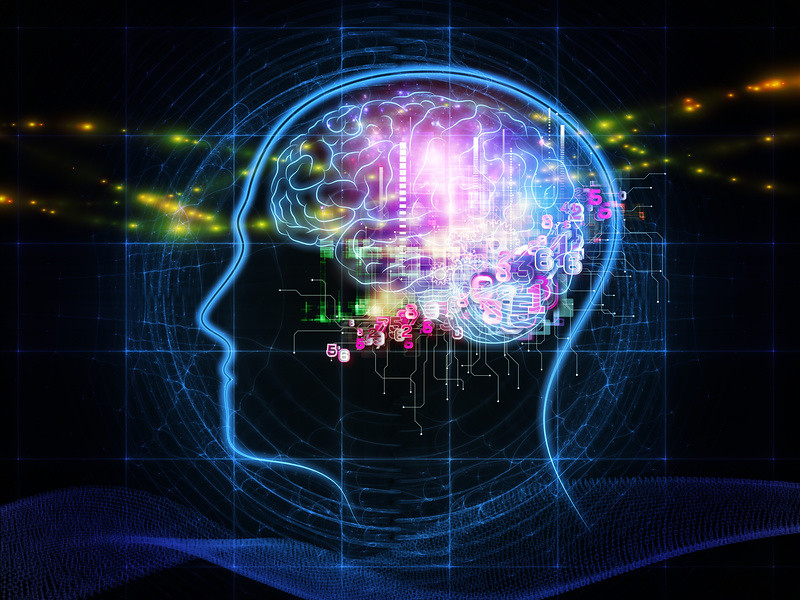
One of the most striking parts of any deep creative session is how your sense of time goes sideways. You glance at the clock, swear it must have been ten minutes, and discover it’s been ninety. In neuroscience terms, that suggests changes in the brain systems that usually track time, self, and ongoing mental chatter. Those systems are closely related to what researchers call the default mode network, which tends to be active when your mind is wandering, worrying, or storytelling about yourself. When artists, writers, or musicians enter intense flow, activity in this network appears to quiet down, while brain regions tied to focused attention and sensory processing pick up the slack.
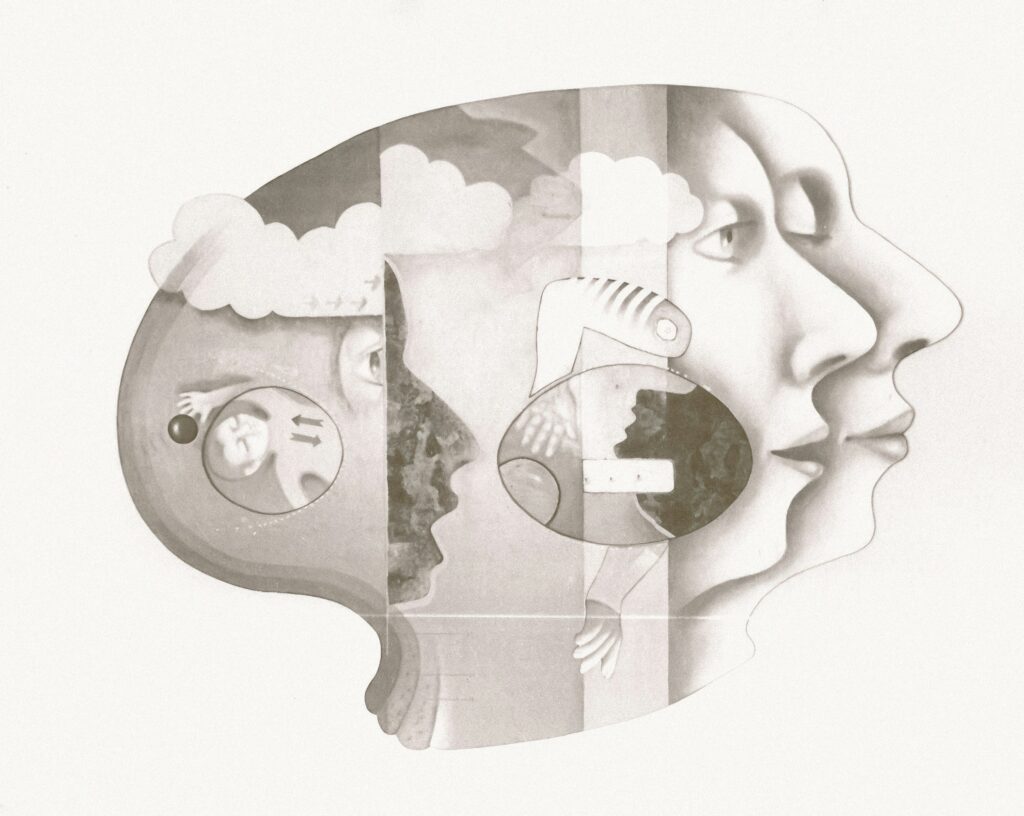
Something very echo‑like shows up in studies of long‑term Tibetan meditators. During deep meditative absorption, these practitioners report a fading boundary between “me” and “experience,” along with a softening or even falling away of time as they normally feel it. Brain imaging suggests a dampening of default‑mode‑related areas and a different, more stable pattern of attention‑related activity. From the outside, creating a song and sitting silently in a monastery look nothing alike. But from the inside, that combination of no time, less self‑talk, and intense presence may not be as different as we once assumed.
The Default Mode Network: The Storytelling Brain That Goes Quiet

The default mode network, often shortened to DMN, is like the brain’s background radio station. It hums along when you’re not focused on a specific task, replaying conversations, imagining the future, worrying about status, and rehearsing what other people think of you. That sounds exhausting, and honestly, it kind of is. When scientists first started scanning people’s brains, they were surprised to find this network consuming a big chunk of energy even when nothing “important” was happening. It became clear that a lot of our mental life is this running narrative about our self, our past, and our imagined future.
In both deep meditation and creative flow, that narrative seems to soften. Studies on experienced meditators, including Tibetan monks, have found reduced activation in core DMN regions during certain forms of non‑dual or focused‑attention practice. Similarly, research on flow states in athletes, musicians, and other creators points to decreased DMN activity when the person feels fully absorbed and self‑consciousness drops. Subjectively, that maps onto reports like “I stopped thinking about myself and was just in it.” It doesn’t mean the self disappears forever; it means the storyteller takes a break, which might be exactly what allows both compassion in monks and creativity in artists to bloom.
Focused Attention and Open Awareness: Two Doors to a Similar State
One interesting twist is that Tibetan contemplative traditions often distinguish between focused attention and open awareness, and modern neuroscience is starting to see both reflected in different brain patterns. Focused attention is like staring at one candle flame; open awareness is like relaxing into the whole room without clinging to any one object. Creative flow seems to blend these two modes. A jazz musician might be laser‑focused on the feel of the keys while also holding a wide, flexible awareness of the band, the rhythm, and the audience’s energy.
Meditation research shows that early on, practitioners cultivate focused attention, which strengthens networks for sustained cognitive control. Over time, many traditions shift into more open, effortless awareness, where attention rests lightly on whatever arises. When creators talk about being in the zone, they often describe something similar: at first, they push and struggle, but then effort eases and their awareness widens. From a brain perspective, this probably involves both increased efficiency in attention networks and a loosened grip on rigid control, creating a space that feels spacious, timeless, and strangely natural in both monks and makers.
Alpha and Gamma Waves: What Brain Rhythms Reveal About Flow and Meditation
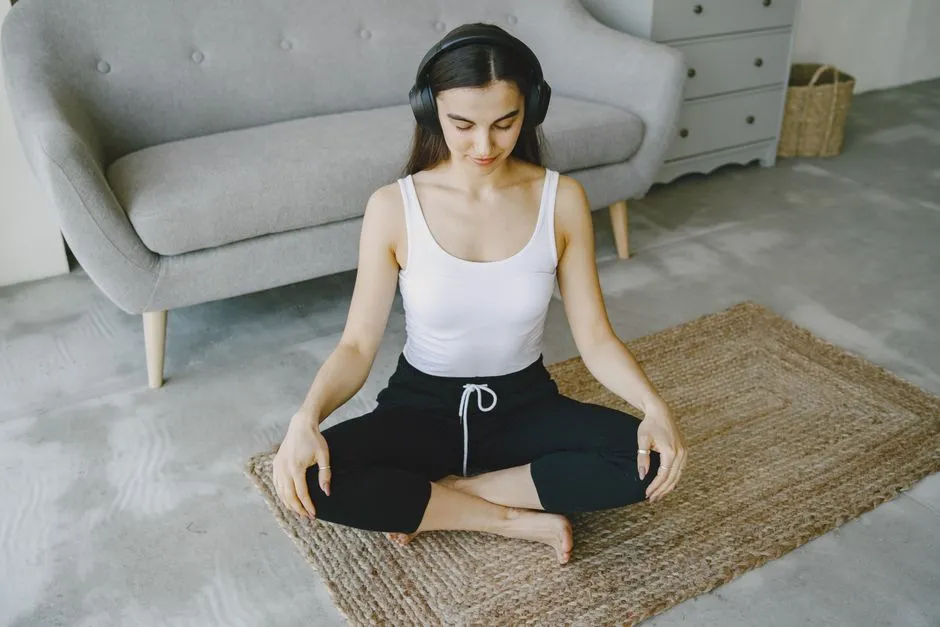
Beyond brain regions and networks, researchers also look at brain waves: rhythmic electrical patterns that show up when groups of neurons fire together. Two types tend to get a lot of attention in meditation and flow research: alpha and gamma. Alpha rhythms are often linked to relaxed wakefulness and internal focus, while gamma rhythms are associated with high‑level integration and sometimes intense, unified states of consciousness. Long‑term Tibetan meditators have been found to show unusually strong gamma activity during certain deep practices, something that caught a lot of neuroscientists off guard when first reported.
In creative flow, especially among skilled experts, similar changes in brain rhythms have appeared, though the evidence is more mixed and still emerging. Some studies suggest increased alpha power as creators drop into a calm yet focused mode, along with bursts of higher‑frequency activity when insight or improvisation peaks. The seductive story is that flow artists and meditating monks share a “signature” pattern, but right now the data is more like overlapping circles in a Venn diagram than a perfect match. Still, those overlaps hint that the brain may have a limited set of routes into those deeply absorbing, unified experiences we keep describing with different words.
Skill, Practice, and Letting Go: Why Beginners Rarely Reach These Depths
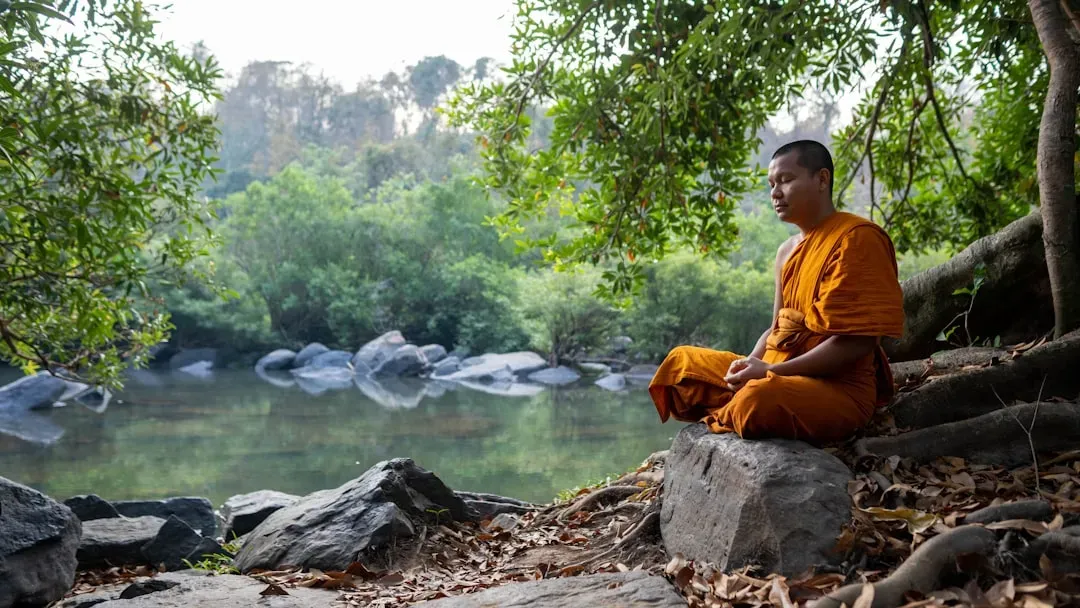
One thing that often gets glossed over is that both Tibetan monks and world‑class creators have one thing in common: a ridiculous amount of practice. The monks being scanned are usually not dabbling; they have thousands of hours of training in stabilizing attention and loosening their identification with passing thoughts. Similarly, the artists who reliably hit deep flow have usually spent years mastering their craft, to the point where basic skills are nearly automatic. The brain seems to need that foundation before it can afford to downshift self‑monitoring and still function at a high level.
I remember when I first started writing, I was hyper‑aware of every sentence, constantly judging and editing as I went. There was no timelessness, just effort and insecurity. Over time, as the mechanics became familiar, there were moments when the critic in my head got quieter and the words came more freely. That lines up with research suggesting that expertise reduces the cognitive load of basic actions, making it easier for attention to rest in the present moment. In both monasteries and studios, the deepest states seem less like magical gifts and more like the side effect of long practice finally allowing the brain to relax its grip.
Caution: Similar Patterns Do Not Mean Creative Flow Equals Enlightenment

It is tempting to leap from “these states share brain features” to “they are the same thing.” That leap is way too big. Brain imaging is coarse; it can tell us something about blood flow or electrical rhythms, but it does not capture the full depth of subjective experience or the ethical and philosophical context around it. Tibetan contemplative traditions are not just about feeling calm or absorbed; they are embedded in a framework of compassion, insight into the nature of self, and a whole path of training that goes far beyond having a productive afternoon at the piano. Equating the two flattens something rich and complex into a quick headline.
At the same time, dismissing the parallels entirely would also miss something interesting. The fact that similar networks and rhythms show up tells us that the human brain may have certain “preferred configurations” when attention stabilizes, self‑talk quiets, and experience feels unified and vivid. Whether you arrive there through meditation, painting, or coding, parts of the underlying machinery might look alike. The honest stance is somewhere in the middle: intrigued by the overlap, careful about grand claims, and humble about how much we still do not understand.
What This Means for Your Own Creativity and Inner Life
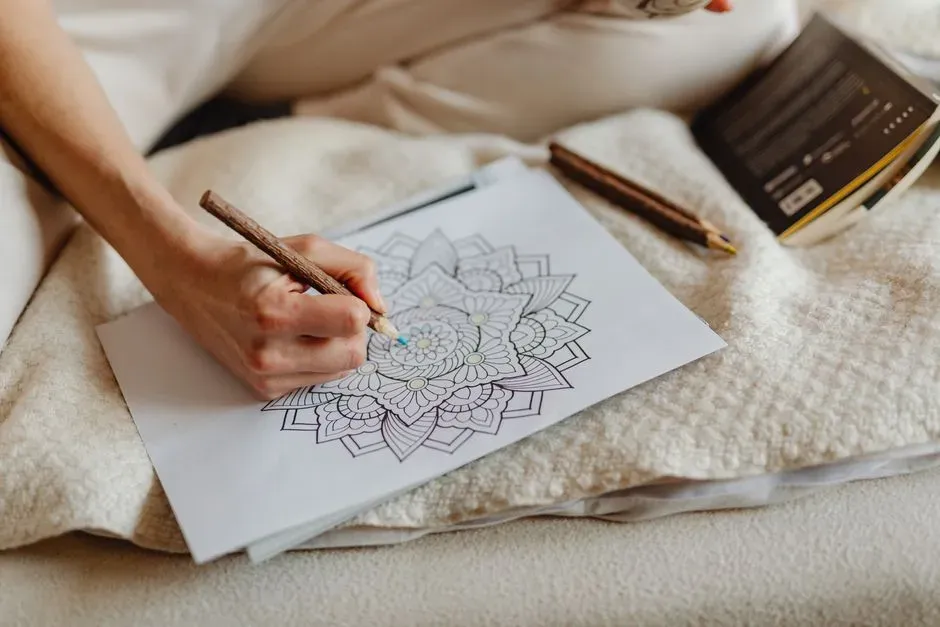
If there is one practical takeaway from all this, it is that your best creative states are not random miracles; they are trainable. Just like monks sit down day after day to cultivate attention, you can deliberately create conditions that invite flow: reducing distractions, building deep skill in your craft, and giving yourself long, uninterrupted stretches to sink into what you are doing. You might also experiment with meditation itself, not as some mystical shortcut, but as a way to strengthen the same attention muscles that seem to support both artistry and contemplation. Over time, that might make those timeless sessions a bit less rare.
Personally, I think the most exciting part is not the productivity angle at all. It is the realization that making something – writing, drawing, composing – can be a way of touching that same quiet, expansive quality people have sought in monasteries for centuries. No, designing a logo does not turn you into a monk. But the overlap suggests that your everyday acts of creation can double as small windows into deeper ways of being. That blurring of art and awareness feels like a hopeful sign that we do not have to choose between a spiritually rich life and a creatively engaged one; they might actually be two faces of the same underlying capacity.
Conclusion: Creativity as a Modern Path Into an Ancient State
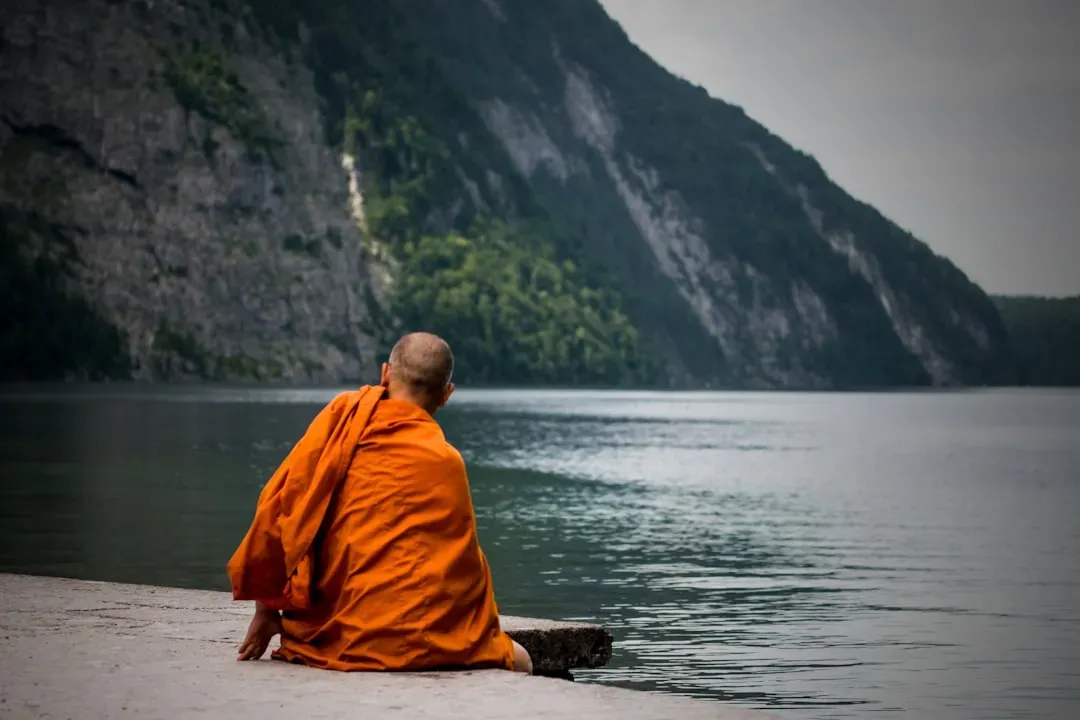
When you strip away the hype, the emerging picture is both modest and profound: the brains of people in deep creative flow and Tibetan monks in advanced meditation show overlapping patterns of quieted self‑talk, stabilized attention, and altered sense of time. That does not mean that writing a brilliant poem is spiritually identical to decades of contemplative practice, and honestly, pretending otherwise does a disservice to both. But it does suggest that our nervous systems have a built‑in way of shifting into a more spacious, present mode that can surface in very different contexts, from a Himalayan monastery to a cramped bedroom studio.
My own opinion is that we should stop treating creativity as a luxury or mere output machine and start seeing it as one of the most accessible doorways we have into this deeper mode of mind. You do not need a robe or a retreat to taste the edges of that state; you can step toward it each time you give your full, undivided attention to making something that matters to you. The science is still young, and we should stay skeptical of overblown claims, but the direction is clear enough to be quietly radical. If your brain can touch monk‑like patterns while you paint or code or dance, maybe the real question is not whether that is allowed, but how often you are willing to go there – on purpose.