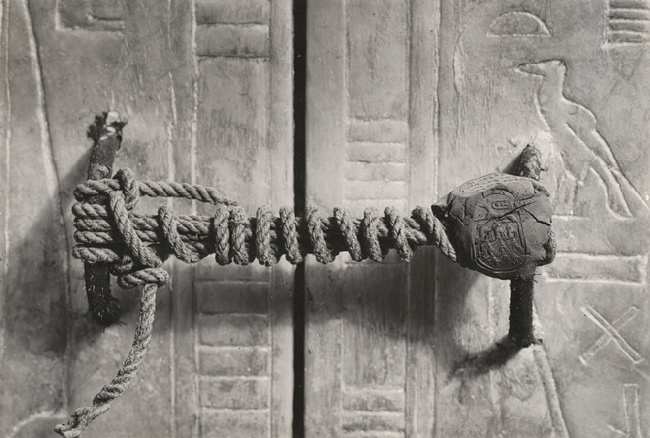
You probably walk into a museum imagining you’re seeing the full story of the past laid out in glass cases. In reality, the most unsettling and intriguing things often never make it that far. Behind locked doors and in climate‑controlled basements, there are ancient objects that were pulled from sealed chambers, quietly studied, given a number on a form – and then effectively vanished from public view. You live in an era where discoveries are hyped in real time on social media, which makes these hidden pieces even more fascinating. When something is kept off display, your mind immediately jumps to mystery, controversy, or simple lack of resources. What follows is not a list of famous showpieces, but a grounded look at the kinds of sealed‑chamber finds that end up catalogued, researched, and then tucked away. You’ll see why some objects never reach the gallery lights – and why that should change how you think about “what we know” of the ancient world.
1. The Everyday Hoard Locked Under Ancient Floors
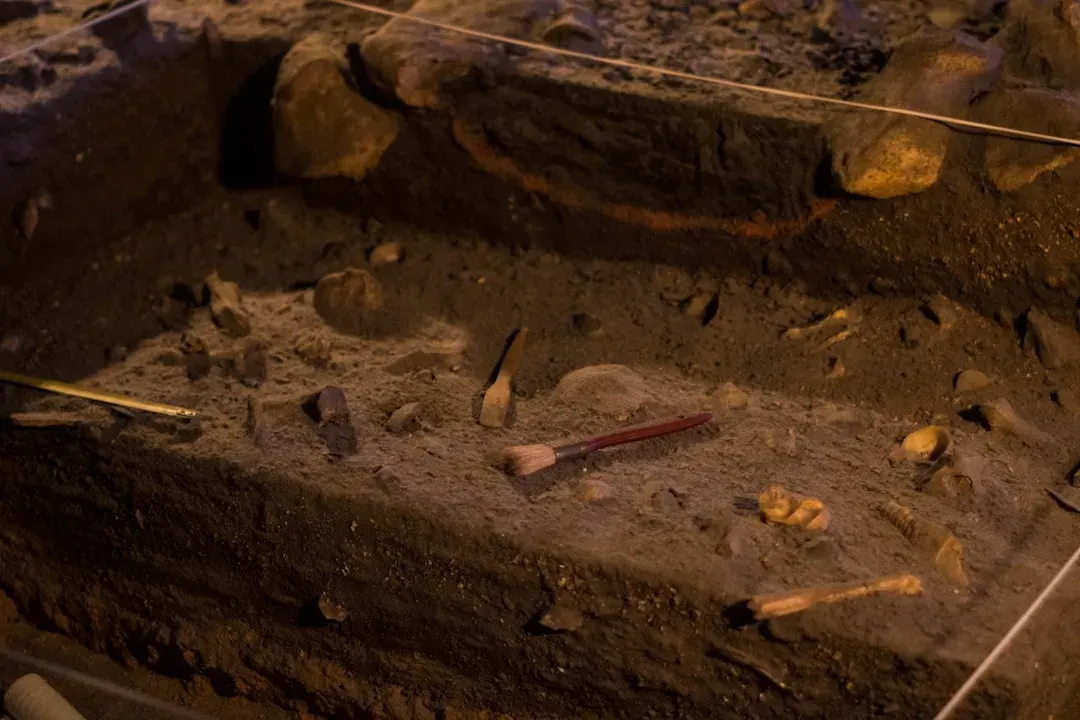
You tend to imagine sealed chambers hiding golden crowns or cursed idols, but in many real excavations, what turns up beneath floorboards or behind bricked‑up doorways is far more ordinary: tools, storage jars, broken ceramics, and bags of organic material. Archaeologists sometimes find these caches in what were once storerooms, workshops, or cellars, sealed simply because a building collapsed or was deliberately abandoned. When the seal is broken in modern times, everything from a cracked jug to a rusty knife is carefully logged, photographed, and measured. Then, because display space is scarce and the objects look unremarkable, they go straight into study drawers instead of exhibition cases. From your perspective, that might sound disappointing, but for researchers those “boring” sealed finds are gold. They let you reconstruct daily routines – what people ate, how they stored grain, how they organized their households. You might never see those exact bowls and jars in a museum, yet their details quietly shape the labels you do read in galleries about diet, trade, and home life. The sealed chamber itself often matters more than any single artifact on display, because the untouched arrangement tells you how people actually left things when they walked out for the last time.
2. Funerary Chambers Where the Body Is Famous but the Objects Are Not
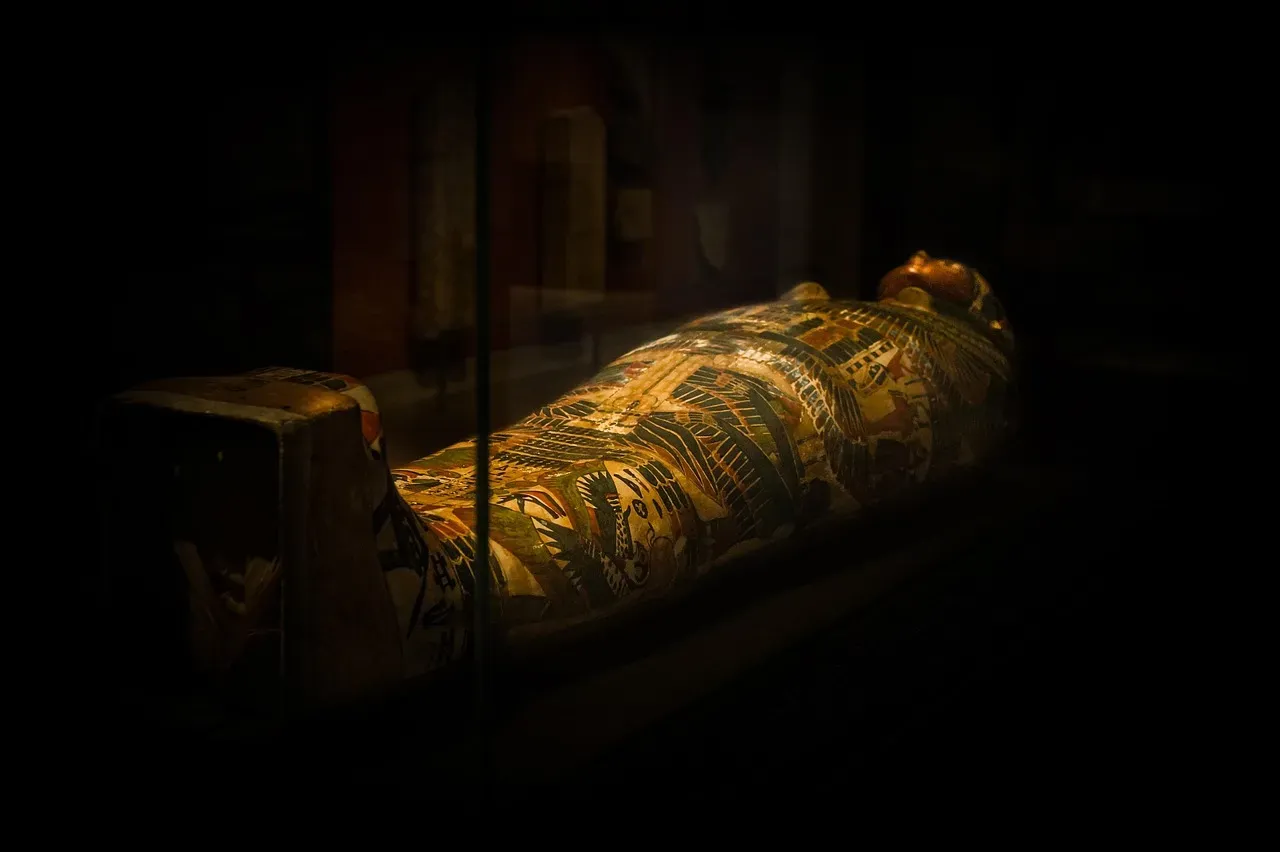
When you think “sealed chamber,” you probably picture a tomb. In the headlines, the body or the sarcophagus usually grabs all the attention, but the surrounding objects are what end up quietly disappearing into storage. In many burials, small offerings – beads, cheap figurines, scraps of textile, simple wooden objects – are removed from a sealed grave, examined in labs, and then packed away because visitors tend to flock toward the visually impressive coffin or mask instead. You see the glamorous centerpiece in the gallery, while the dozens of support pieces that actually tell you about belief, technology, and social status stay behind the scenes. Conservators often have good reasons to keep those grave goods out of public view. Delicate organic items, like wood, textiles, and plant remains, can be destroyed by a few years of light and fluctuating humidity. So you get a curated version of the burial: a few robust objects are shown, and the rest are preserved in darkness. If you ever tour a museum’s study collection, you might be shocked by how many boxes carry labels tied to a single sealed tomb, each one holding something that never got a public caption even though it shaped the scholarly interpretation you hear.
3. Sealed Ritual Rooms Filled With “Problem Objects”
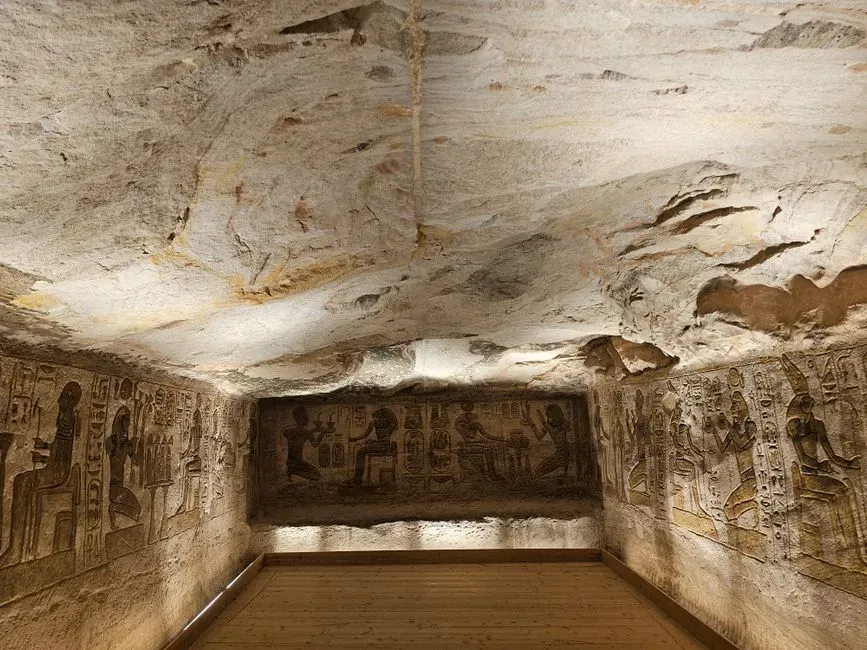
Sometimes a sealed chamber turns out not to be a tomb or a storeroom at all, but a ritual or cult room shut up in antiquity. When that happens, you can end up with objects that frustrate curators: odd figurines, unusual symbols, or arrangements that no one fully understands. Inside such rooms, archaeologists might recover altars, burnt offerings, clay or stone images, and strange assemblages that clearly mattered deeply to the people who left them – but are extremely hard to explain to the modern public without leaning into speculation. Museums are cautious about placing such ambiguous artifacts on display, so many of them are documented, sampled, and then stored in research collections instead. If you have ever read about “mystery cults” or “unknown deities,” you’re bumping into the shadow of these sealed ritual spaces. You might want to see every object yourself, but curators have to weigh whether putting something on a plinth with a vague label actually helps your understanding. In practice, they often opt to publish the material in technical reports and keep the physical items out of the galleries until new research sheds more light. That means you end up hearing about the room in a documentary while the majority of its contents remain in boxes, accessible only to specialists with gloves, permission forms, and a lot of patience.
4. Embalming and Workshop Caches That Look Too Messy for Display
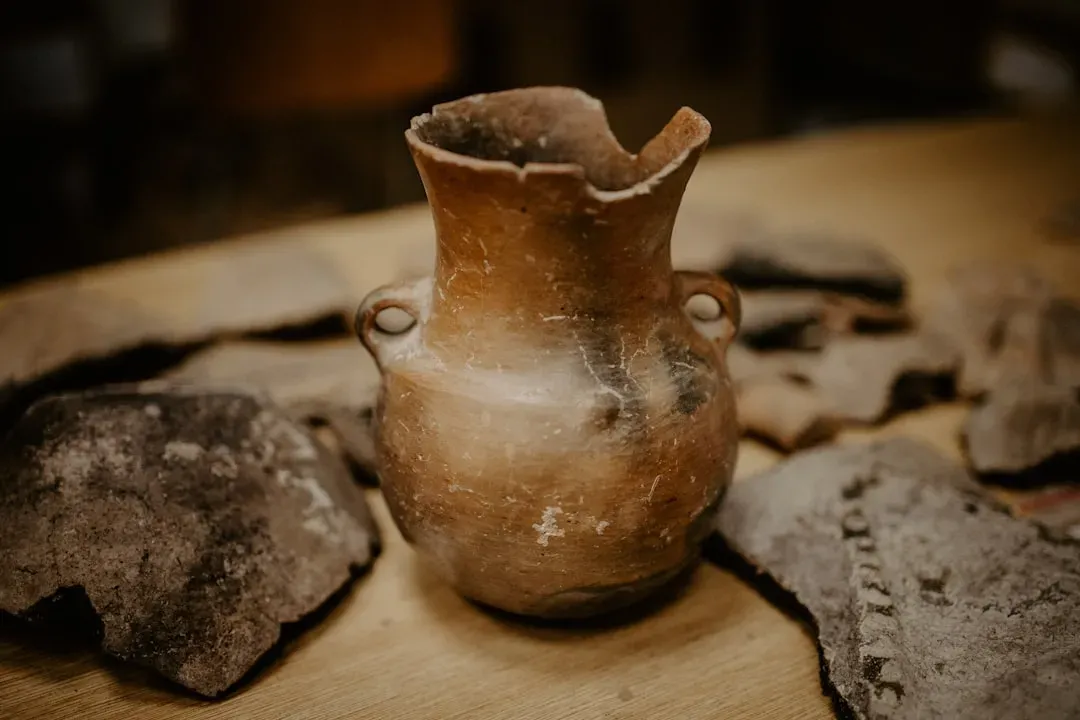
One of the strangest categories of sealed spaces you rarely see represented honestly in museums is the workshop or embalming cache. When you break into these rooms, you might find jars filled with resins, used bandages, hunks of natron or salt, broken tools, and piles of debris. To you, it might look like ancient trash. To an archaeologist, it’s a time capsule of procedure, showing step by step how bodies were processed or how luxury goods were manufactured. These materials are carefully sampled and catalogued once the chamber is opened, but they’re usually deemed visually confusing or not “clean” enough for public cases. If you’ve seen a neat display of a reconstructed embalming scene, you’ve already seen the polished version. The reality is closer to walking into the back room of a small workshop frozen mid‑task. Conservators often prefer to keep the original jars, crusted tools, and stained textiles in controlled storage where they can be analyzed for residues and micro‑traces. As a result, the most revealing pieces of evidence – the stuff that shows you the messy, hands‑on side of ancient life – end up privatized to labs. You get diagrams and illustrations on wall panels, while the actual, splattered containers from sealed chambers remain behind double doors.
5. Sealed Hoards Hidden in Walls and Foundations

Builders in the ancient world often tucked valuables into walls, under thresholds, or inside foundations, sometimes for luck, sometimes to hide savings, sometimes as formal offerings. When these sealed spots are uncovered during excavation or construction today, what you find might be a jar of coins, a bundle of jewelry, or even tools and weapons. Legally, such hoards are documented and typically transferred to a museum or state collection. Curators will study them intensely at first – counting, photographing, dating every item – and then select only a handful of the most attractive pieces for long‑term display, if any. The rest are numbered, boxed, and put into secure storage rooms. From your point of view, that means that a “famous hoard” you might have read about is actually mostly invisible. Museums simply don’t have the space to show fifty nearly identical coins or dozens of similar brooches. Instead, you get a sample and a label telling you the total number that was found. Behind that single label there might be trays of material that only numismatists and specialists ever see again. Those objects were extracted from perfectly sealed spaces, studied in detail, and then effectively retreated from public life – a reminder that even major discoveries often become private in practice once the initial excitement fades.
6. Sealed Chambers That Yield Unprovenanced “Drifters”
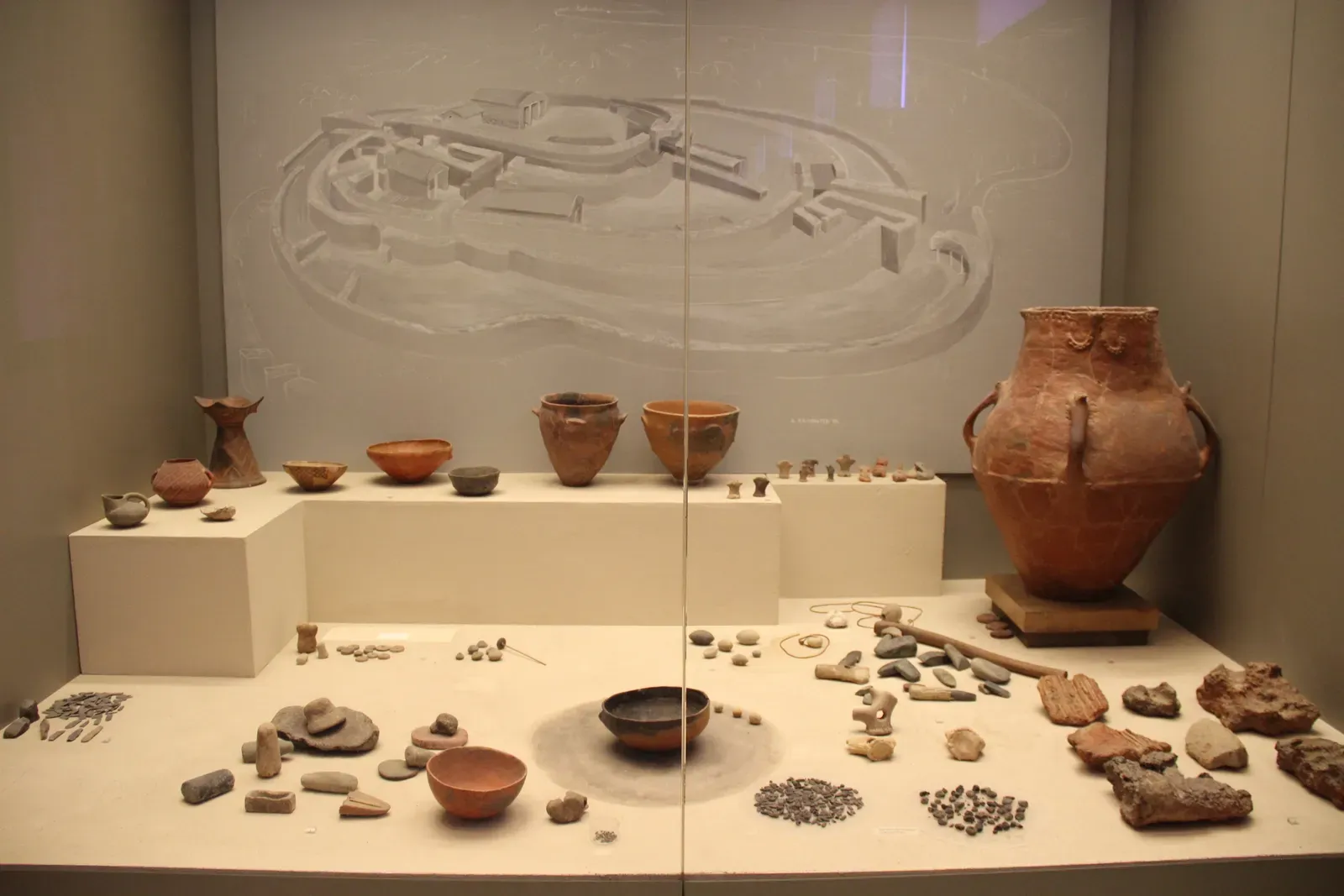
Not every object associated with a sealed chamber can be clearly anchored to it. In some digs, earlier looting, sloppy records, or rushed rescue excavations mean that finds from a sealed area end up mixed with stray items or later intrusions. When curators cannot be fully confident about an object’s exact origin, it becomes what professionals call a provenance problem. Those pieces may be studied in private – especially if they are visually striking – but they’re often deliberately kept off public display to avoid misleading you with an overly neat story. You might see a case label in a gallery stressing secure find spots while the questionable items stay in the vault. You might assume that anything interesting would be shown anyway, but since the 1970s the ethics of exhibiting uncertain or unprovenanced antiquities have become much stricter. Institutions are wary of creating a market for objects that lack a clear archaeological trail, or of endorsing interpretations built on shaky context. So, even when an object has supposedly come from a sealed chamber, if that claim cannot be demonstrated in records, the piece is usually relegated to the study collection. You, as a visitor, end up encountering a more cautious, filtered version of the past – one where the ambiguous artifacts have been sorted out of sight.
7. Fragile Organic Finds That Cannot Survive the Spotlight
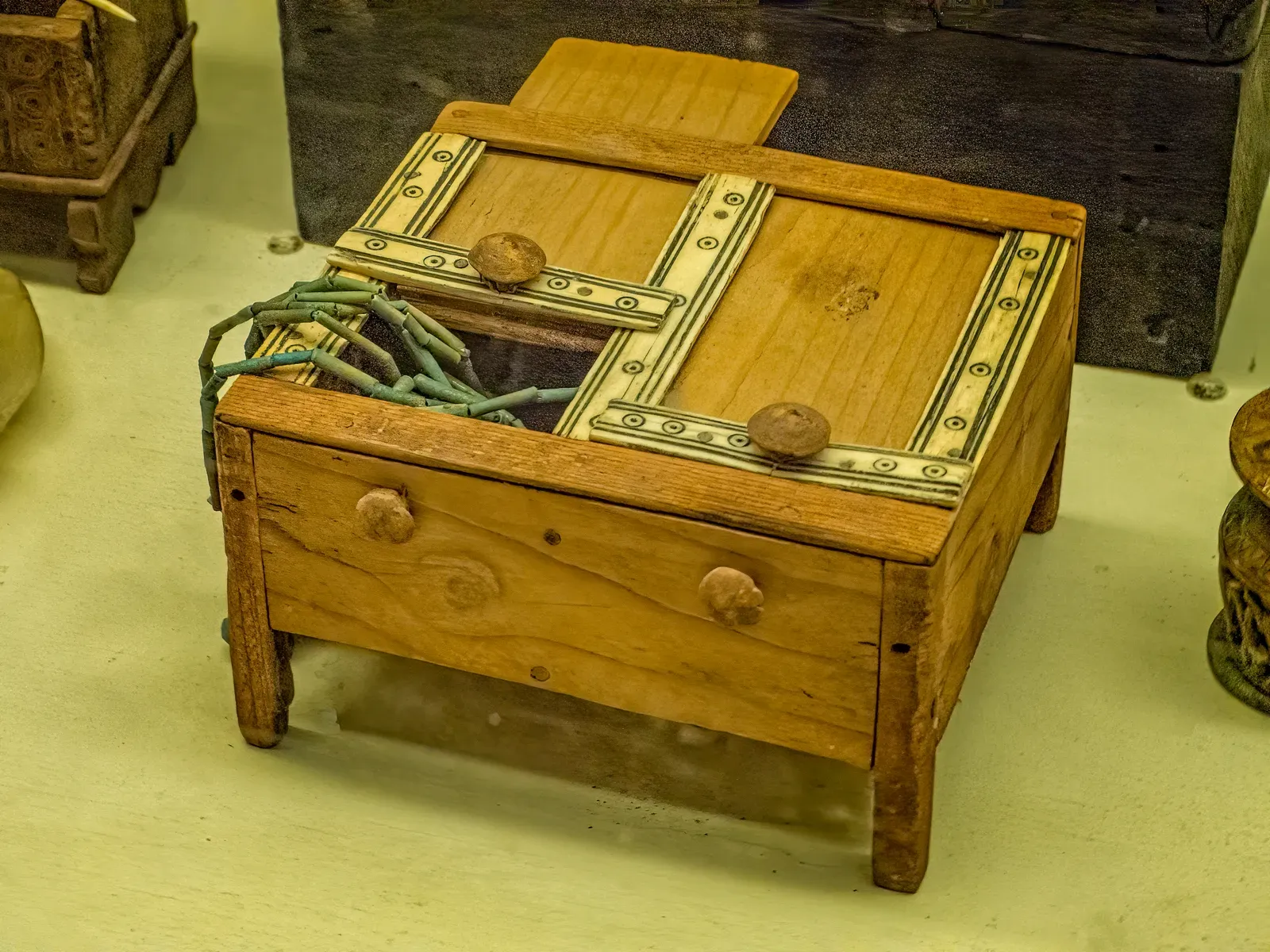
Some of the most haunting things taken from sealed spaces are also the most doomed to stay hidden: wooden boxes that still smell faintly of resin, fragments of woven mats, leather straps, cord, seeds, even food remains. In many cases, these survived at all only because the chamber was sealed, dry, and stable. Once you open it, conservation becomes a race against time. After examination, sampling, and photography, conservators rush these objects into specialized storage with very tight control over light, temperature, and humidity. Displaying them would seriously shorten their lifespan, so they’re studied privately and then more or less disappear from public view. If you’ve walked through a museum and wondered why you mostly see stone, metal, and ceramics, this is one big reason. Organic artifacts are hugely informative – they tell you what people sat on, wore, packed, and ate – but they are also the most vulnerable. Sealed chambers act like ancient refrigerators; once you crack the door, the clock starts ticking. So your experience of ancient cultures is heavily skewed toward the durable and the showy, while the subtle, perishable objects that would make the past feel more familiar remain locked away, sometimes in special cold rooms you will never enter.
8. Sealed Chambers With Contents Deemed Repetitive or “Low Priority”
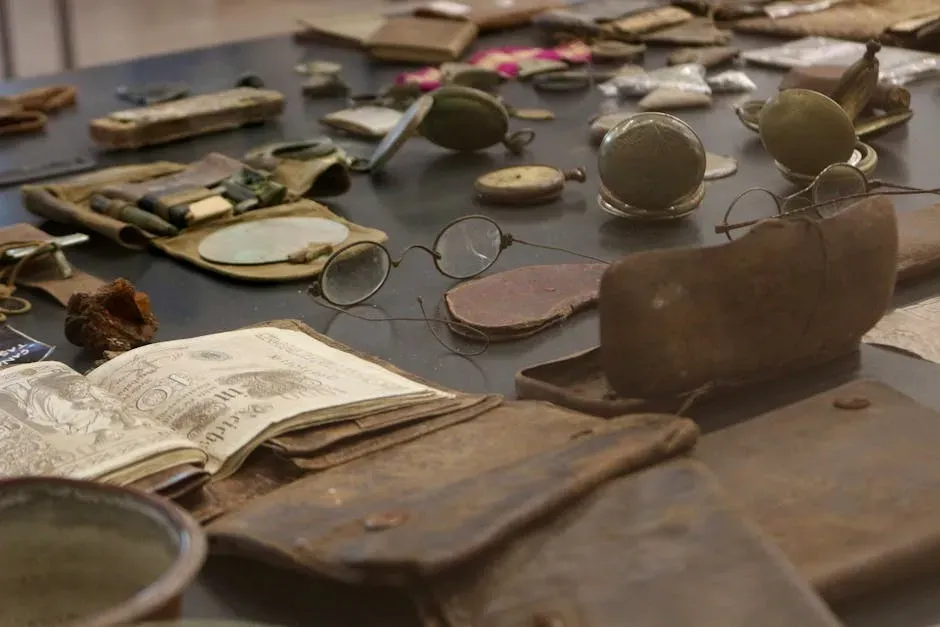
You might find it surprising, even a bit depressing, that some sealed‑chamber objects are sidelined simply because there are too many similar examples already on display. If an excavation uncovers yet another batch of standard storage jars, ordinary lamps, or common types of figurines, those pieces are still carefully recorded but rarely considered exhibition material. Curators have to justify every centimeter of gallery space, and once a type of object is well represented, additional examples – even if they come from a pristine sealed context – are treated as study material instead of candidates for display. They get accession numbers, conservation treatments, and then a quiet life in cabinets. From your perspective, it can feel like history is being rationed, but this triage is part of how museums function. You might see one or two representative pieces from a certain culture or period and assume that is all that exists, when in fact hundreds of near‑duplicates sit in storage. Sealed chambers contribute heavily to that hidden abundance because they often preserve complete sets of everyday items. The irony is that the chamber’s intactness, which thrills archaeologists, does not always translate into a more spectacular visitor experience. So the story of that sealed room is told with a few objects and a paragraph of text, while the majority of its contents stay in the study room where only you, as a researcher, would ever handle them.
9. Sealed Spaces Tied to Legal or Ethical Disputes
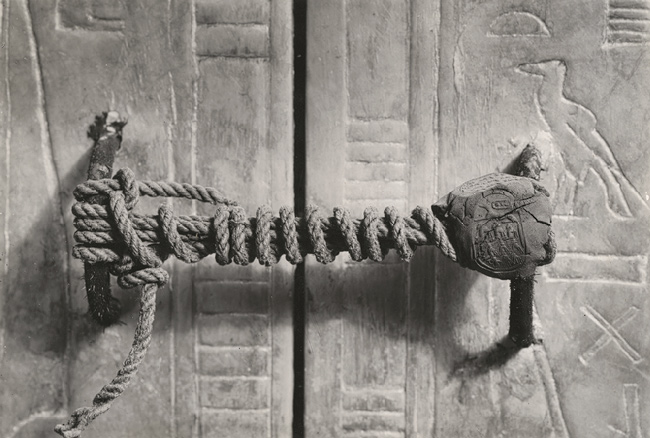
Every so often, an object from a sealed chamber becomes controversial the moment it surfaces. Perhaps the excavation took place during a politically unstable period, or the chain of custody is tangled, or indigenous or descendant communities argue that sacred items should not be displayed at all. In these cases, museums may still catalog and study the objects internally, but they are extremely cautious about exhibiting them. You might see a reference to a “sealed cache” in an academic article, yet find no trace of it in the public galleries because discussions about ownership, repatriation, or appropriate treatment are ongoing behind the scenes. You live in a time when the ethics of collecting and showing ancient materials are under intense scrutiny, and sealed‑chamber finds are part of that conversation. When an institution chooses to keep certain objects off view, it is not always about hiding secrets; sometimes it is about respect, legal obligations, or unresolved claims. Those objects are still real, still numbered, and sometimes still examined in private by conservators and community representatives. To you as a visitor, though, they might as well not exist – a whole category of sealed‑room discoveries whose public life is deliberately restricted, not by lack of interest but by moral and legal considerations.
10. Sealed Chambers Re‑Opened Only on Paper and in Digital Form
There’s another, more modern way that sealed‑chamber objects slip out of your view: they increasingly “exist” more as data than as display pieces. Once a chamber is opened and cleared, its contents can be scanned, photographed in high resolution, sampled for DNA or chemical signatures, and then returned to deep storage. You might interact only with 3D models, diagrams, and reconstructions in a digital exhibit while the originals stay in vaults. From a preservation standpoint, this makes sense. From your point of view, though, it means that the most intimate experience you’ll have of certain sealed finds will be through a screen, not through glass. If you ever browse online collection databases, you’ll see the footprints of this process: thousands of entries for artifacts you will never meet in person. Many of them came from sealed spaces, were handled by gloved hands only a few times, and now live mostly in spreadsheets and image archives. Curators and scientists continue to study them privately, reinterpreting their meaning as new tools and theories emerge. You, on the other hand, get carefully curated slices of that data in the form of exhibitions, documentaries, or interactive maps. The sealed chamber has been opened physically, but for you it remains spiritually sealed, its full contents never truly unfolding in public space.
Conclusion: Rethinking What You Think You See
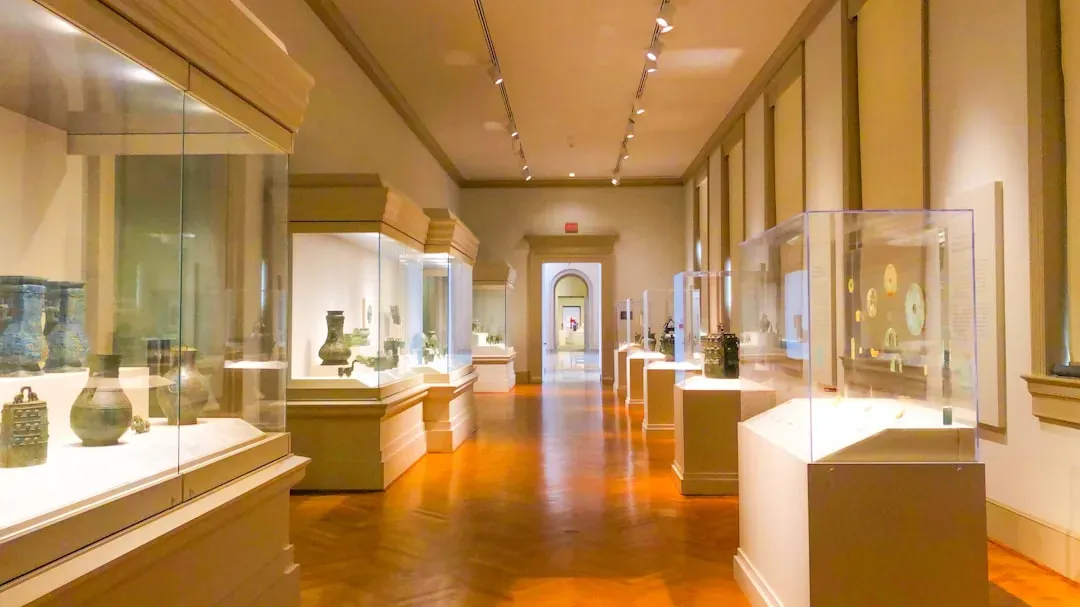
Once you start paying attention to what does not appear in museum galleries, your sense of the ancient world changes. You realize that the objects you see are just the visible tip of a much larger mass of material pulled from sealed rooms, floors, walls, and tombs, then quietly catalogued and tucked away. The reasons range from conservation and space limits to ethical debates and simple curatorial choices, but the effect is the same: your picture of the past is curated twice, first by excavation and then by exhibition. If you care about history, this should not make you cynical; it should make you curious and a bit more humble. The next time you stand in front of a single vase or a lone funerary mask, you can remind yourself that somewhere, maybe just a few meters away behind a locked door, are shelves full of related objects that once shared that sealed chamber. The story you see is not wrong, just incomplete. And that raises a lingering question for you to carry out of the gallery: how many of the most important answers about the ancient world are still sitting in boxes, waiting for someone to ask the right question?