You probably think of big breakthroughs as neat, straight-line stories: a question, a careful plan, and then a clean answer. Reality is messier and far more interesting. Again and again, history’s strangest mysteries have cracked open not because someone was looking in the right place, but because they were looking for something else entirely and refused to ignore a weird detail on the side. In other words, the world you live in has been shaped by lab “mistakes,” background noise, stray bones, and forgotten scraps of metal that someone almost threw away. When you look closely at how these accidental discoveries happened, you start to notice a pattern: curiosity is just as powerful as any microscope or satellite dish. As you read these stories, you might catch yourself wondering how many answers are already hiding in plain sight around you, waiting for you to notice them.
1. Cosmic Microwave Background: Solving the Mystery of the Big Bang While Cleaning Up “Noise”
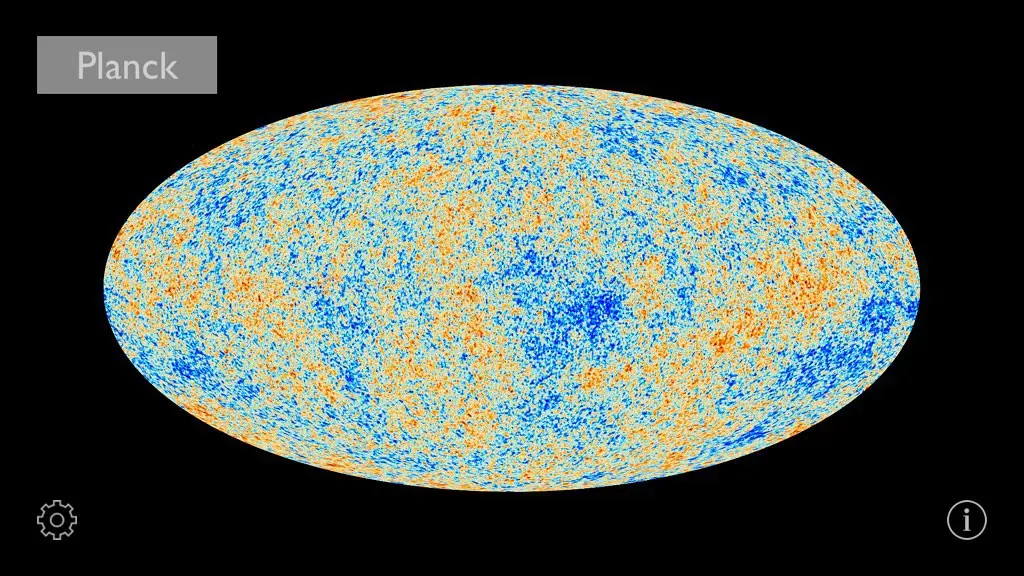
You might not expect a universe-shaking discovery to start with something as boring as unwanted static, but that is exactly what happened. Two radio engineers were working with a large antenna in the 1960s, trying to refine it for communication experiments, when they kept picking up an annoying hiss that just would not go away. They tried everything, even cleaning out bird droppings from the hardware, convinced that this interference was a technical problem they needed to eliminate, not a clue they should be chasing.
Only when they compared notes with cosmologists did the picture flip: that “noise” matched theoretical predictions for a faint afterglow left over from the early universe. Without intending to, they had stumbled on the cosmic microwave background, one of the most important pieces of evidence for the Big Bang model and the hot, dense origin of the cosmos. You can almost feel the mental whiplash here: one moment you are fighting a stubborn engineering glitch, the next you are holding a fossil imprint of the first moments after time began. It is the kind of discovery that forces you to respect every odd data point before you delete it.
2. X‑Rays: A Strange Glow That Let You Look Through Flesh to Bone

Imagine you are working late with vacuum tubes and cathode rays, focused on how electric currents behave in different gases, and suddenly something across the room starts to glow. That is the unnerving situation a German physicist found himself in during the 1890s when he saw a nearby fluorescent screen light up even though it was not in the direct path of his experimental beam. You would probably be tempted to assume it was a fluke of the setup and move on, but he leaned into the weirdness instead.
By systematically blocking and redirecting the invisible rays, he realized they could pass through soft tissues but were stopped by denser materials like bone and metal, creating shadows on photographic plates. In chasing that unexpected glow, he turned a puzzling side-effect into X‑ray imaging, suddenly giving doctors a noninvasive way to see inside the human body. What had started as an abstract physics experiment instantly transformed surgery, diagnosis, and even security, all because someone refused to shrug off a spooky glow on the wall.
3. Penicillin: A Contaminated Petri Dish That Cracked the Infection Problem

If you have ever forgotten food in the fridge and opened it to find a fuzzy horror show, you already know the scene that changed modern medicine. A bacteriologist was cultivating colonies of bacteria on plates, trying to understand how they grew, when he noticed one dish had been contaminated by a floating mold. Instead of just tossing the ruined sample, he took a moment to really look and saw something odd: the bacteria around the mold had stopped growing.
That small ring of clear space was the clue that led to penicillin, the first widely effective antibiotic, which went on to slash deaths from infections that had killed countless people for centuries. The difference between a ruined experiment and a world-changing one was not the mold itself – that kind of contamination happens all the time – it was the decision to stay curious about what most people would have dismissed as a nuisance. When you think about it that way, your own “failed” attempts might feel a lot more promising.
4. The Rosetta Stone: A Fortification Block That Unlocked Ancient Egyptian Writing
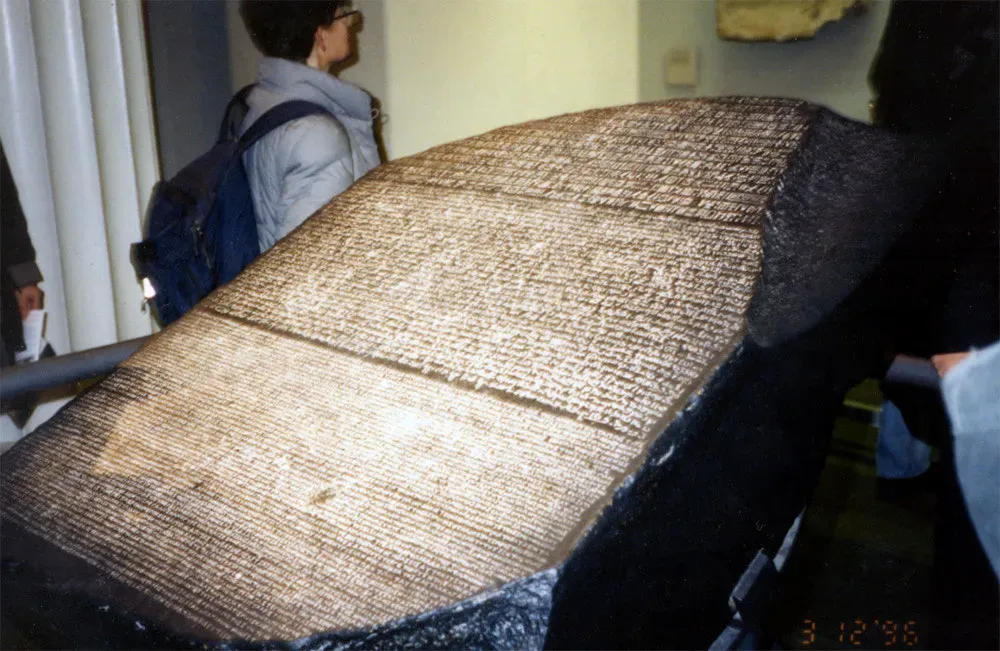
You usually hear about the Rosetta Stone as a symbol of translation, but you might forget how ordinary it must have looked in the moment. During a military campaign in Egypt at the end of the eighteenth century, engineers were strengthening defenses and clearing old construction when they pulled out a slab of dark stone inscribed with three different scripts. They were not hunting for a linguistic breakthrough; they were just trying to build and repair forts.
The real magic happened because scholars realized that one section of the text was written in Greek, a language they could already read, while the others were in Egyptian scripts that had long been undeciphered. By patiently comparing repeated names and phrases across versions, they finally cracked the code of ancient hieroglyphs and opened up a vast written record of pharaohs, rituals, and daily life. What began as a spare building block turned into a key that let you hear voices that had been silent for nearly two thousand years, all because somebody bothered to preserve a carved stone instead of chopping it up for rubble.
5. The Dead Sea Scrolls: A Search for Lost Goats That Rewrote Biblical History

Picture yourself as a young shepherd in the mid‑twentieth century, wandering rocky cliffs while you look for a stray goat. You throw a stone into a dark cave to check if anything scurries out, and instead of movement, you hear the startling crack of pottery breaking somewhere inside. Out of pure curiosity, you step into the cool darkness and find tall jars holding tightly wrapped scrolls that look impossibly old. You are not on an expedition; you are just trying to solve the everyday mystery of a missing animal.
Those hidden scrolls turned out to include some of the oldest known copies of biblical texts and other writings from a Jewish community living around the time of the Second Temple. For historians and theologians, this accidental find suddenly provided a direct window into religious thought, language, and daily practices from more than two thousand years ago. What started as a kid following the clatter of broken clay ended up reshaping how you can compare modern religious texts with their ancient counterparts, letter by fragile letter.
6. Lascaux Cave Paintings: Chasing a Dog into the “Sistine Chapel” of Prehistory
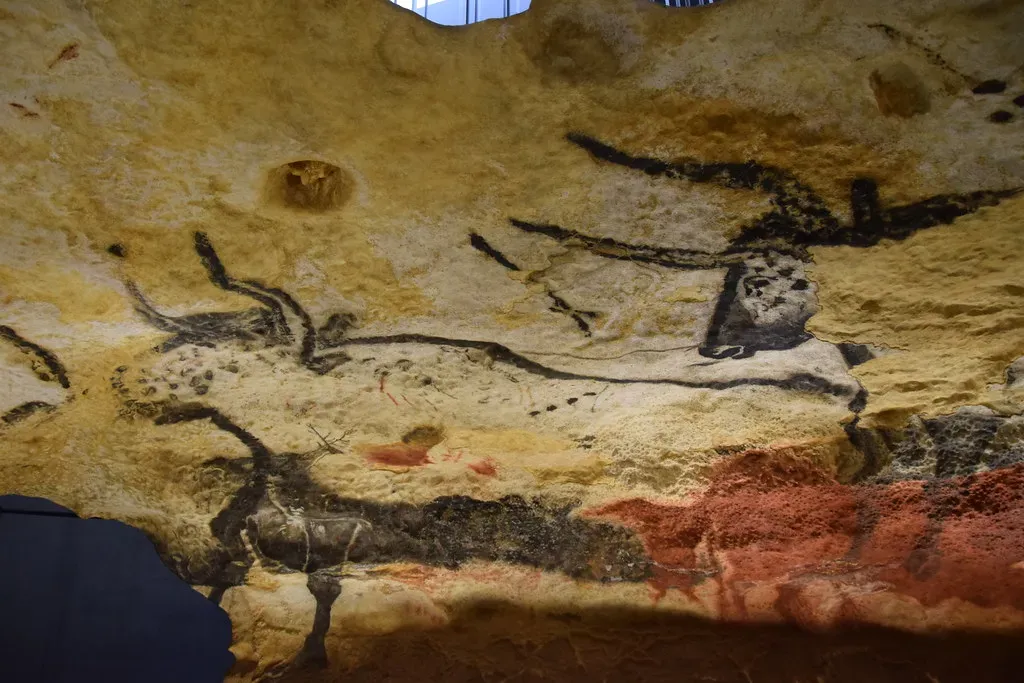
Now imagine you are exploring the woods in France during the 1940s when your dog disappears down a hole in the ground. You and your friends widen the opening, squeeze through, and drop into an underground chamber. Your flashlight hits the walls, and suddenly you are staring at vivid images of animals, hunts, and symbols painted tens of thousands of years earlier by prehistoric hands. You did not set out to rewrite the story of human creativity; you were just worried about the family dog.
The Lascaux cave paintings stunned archaeologists and the public alike, revealing that people living during the Paleolithic era had a sophisticated sense of form, movement, and symbolism. These images pushed you to rethink early human minds, suggesting that storytelling, spirituality, and art were thriving far earlier than many had assumed. A random animal chase had opened a vault of deep-time imagination, turning an unmarked hillside into one of the most celebrated art galleries on Earth.
7. The Antikythera Mechanism: A Shipwreck Curiosity That Exposed Ancient Engineering Genius
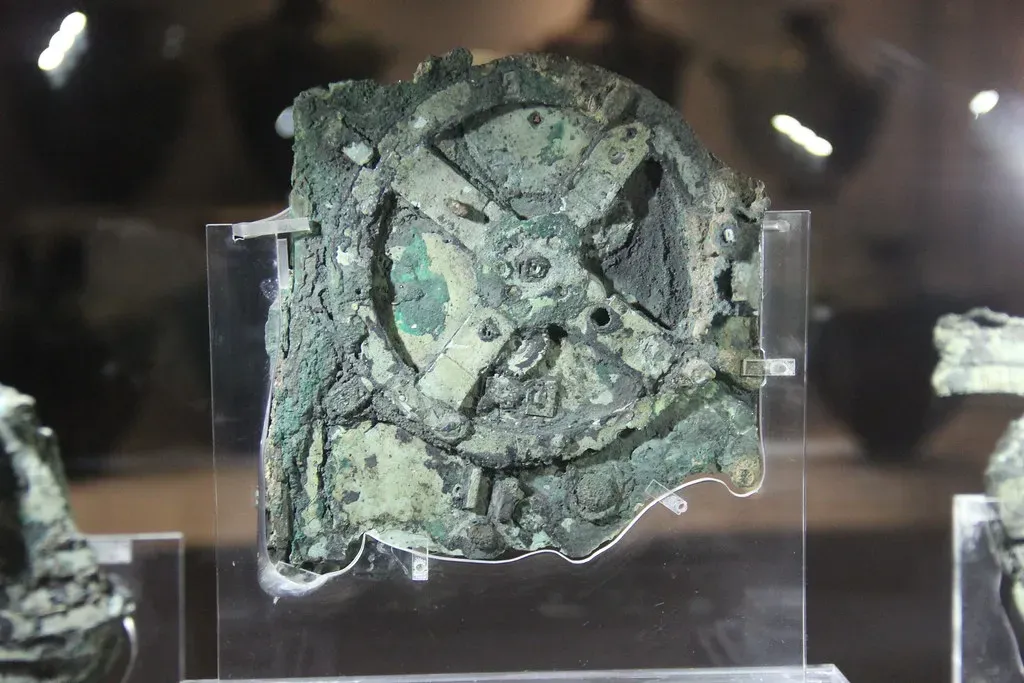
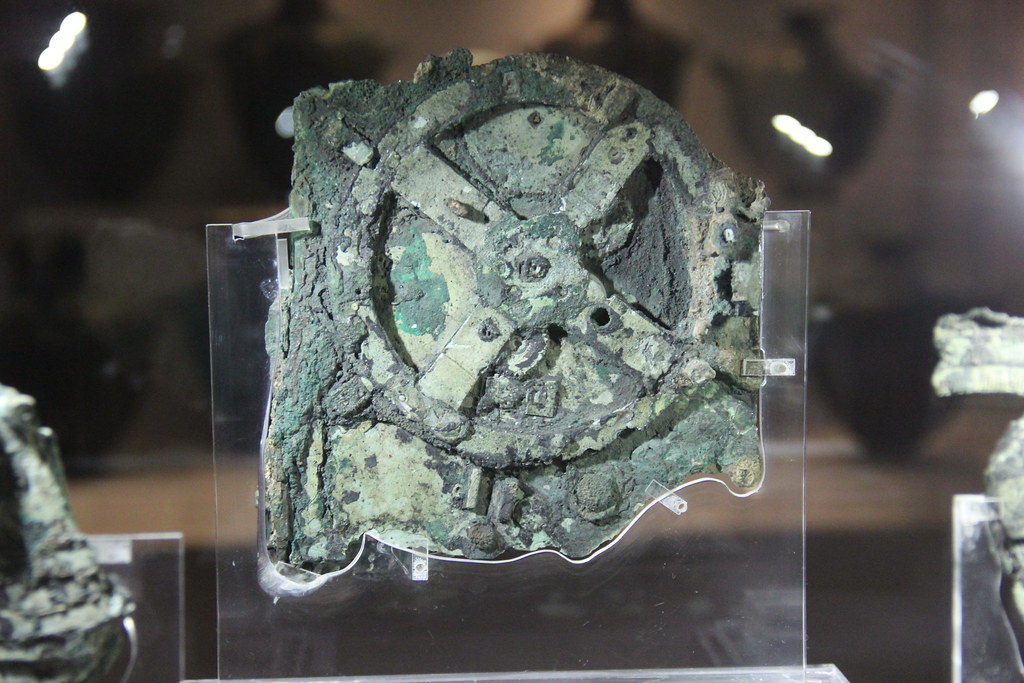
If you have ever poked through sea-worn junk on a beach, you can relate to what sponge divers off a Greek island experienced in the early twentieth century. While looking for harvestable sponges, they came across the remains of a sunken ship loaded with statues, pottery, and corroded lumps of bronze. One of those greenish clumps looked like nothing special at first glance, just another artifact to catalog and stash away in a museum store room.
Only when scholars later examined it more closely and X‑rayed the interior did they realize it contained a system of intricate gears and dials. What you now call the Antikythera mechanism turned out to be a complex astronomical calculator, capable of predicting eclipses and tracking celestial cycles, built more than two thousand years ago. Its discovery shook assumptions about the limits of ancient technology, all because someone chose to investigate a crusty block of metal instead of discarding it as unrecognizable scrap.
8. Lucy the Australopithecus: A Chance Glint of Bone That Redrew Your Family Tree
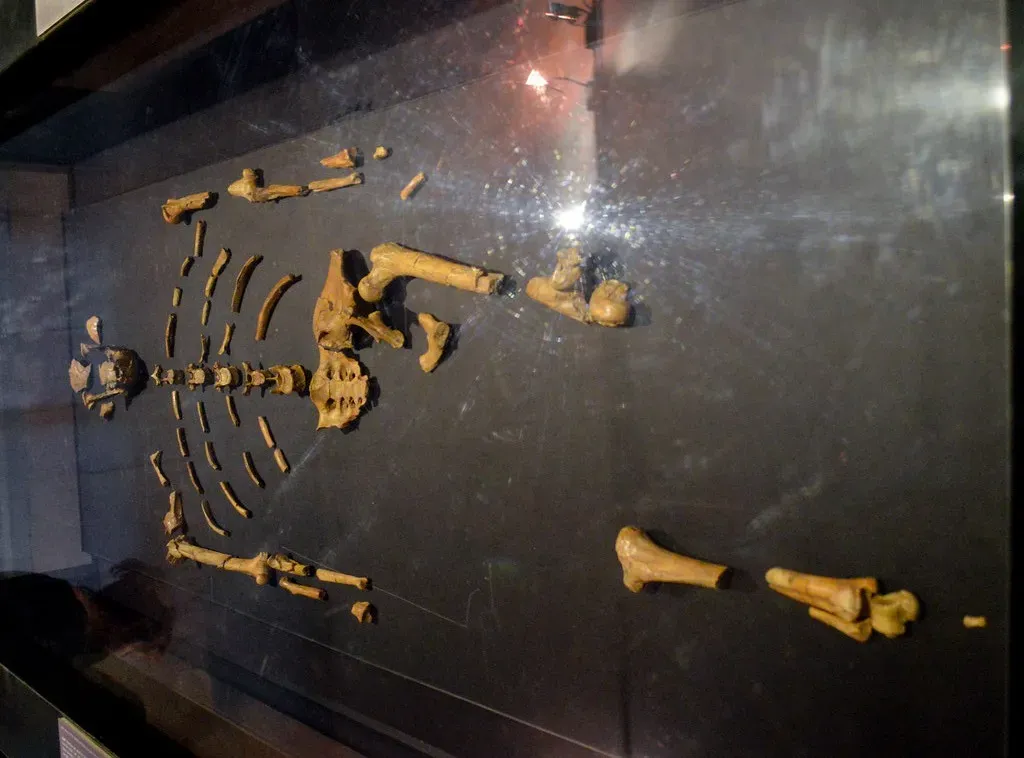
Fieldwork in paleoanthropology is usually slow and methodical, but luck still plays a huge role in what ends up in the record. In the 1970s, researchers in Ethiopia were surveying a region already known to hold fossils when one of them spotted a small fragment of bone glinting in the sun. At first, it was just one more piece among many; nobody was specifically expecting a nearly complete skeleton from a crucial stage of human evolution to be lying underfoot that day.
As they carefully cleared the surrounding area, though, they uncovered the remains of a hominid who had lived several million years earlier and walked upright while still retaining many ape-like features. You now know this fossil as Lucy, one of the most famous early human ancestors, and her anatomy helped clarify how and when bipedalism evolved. What started as a casual glance at a random shard of bone became a turning point in how you picture the long, branching story of your own species.
9. The First Australopithecus: A Quarry Find That Shifted the Cradle of Humankind
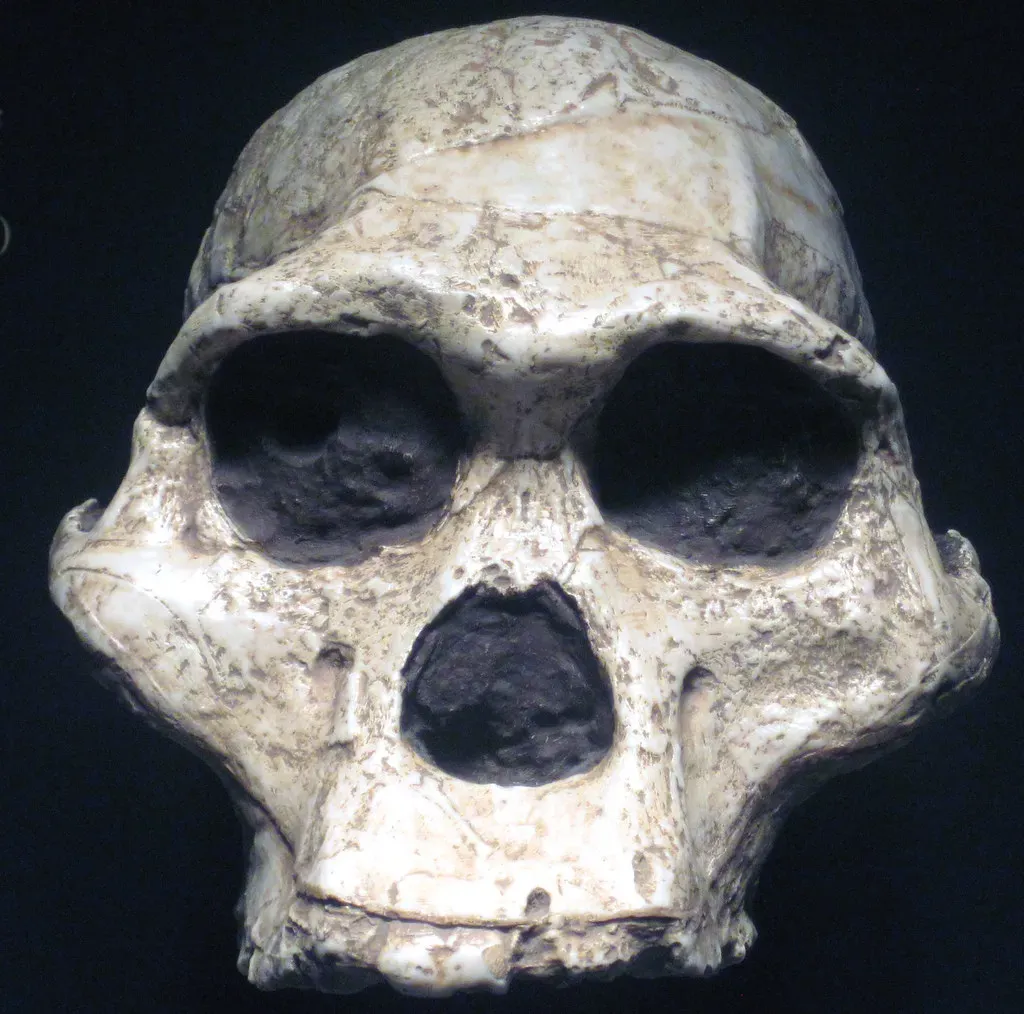
Years before Lucy, another surprise discovery had already begun to tilt the spotlight of human origins toward Africa. In the 1920s, a miner working in a South African limestone quarry found a small skull and passed it along to a local anatomist who was interested in odd fossils. The scientist was not wandering the landscape on a targeted hunt that day; he was responding to a casual tip from someone who kept tripping over bones in the course of extracting rock.
When he studied the specimen more closely, he realized it belonged to a young hominid that combined a small brain with features of upright walking, a creature that did not match anything then recognized in human ancestry. This became the first known Australopithecus fossil, helping to establish Africa as a primary cradle of humankind rather than a peripheral stage. In your mind, it shows how the puzzle pieces of prehistory sometimes come from industrial sites and everyday labor, not just pristine dig pits marked with flags and grids.
10. Radio Astronomy: Searching for Static in Phone Lines and Finding the Universe
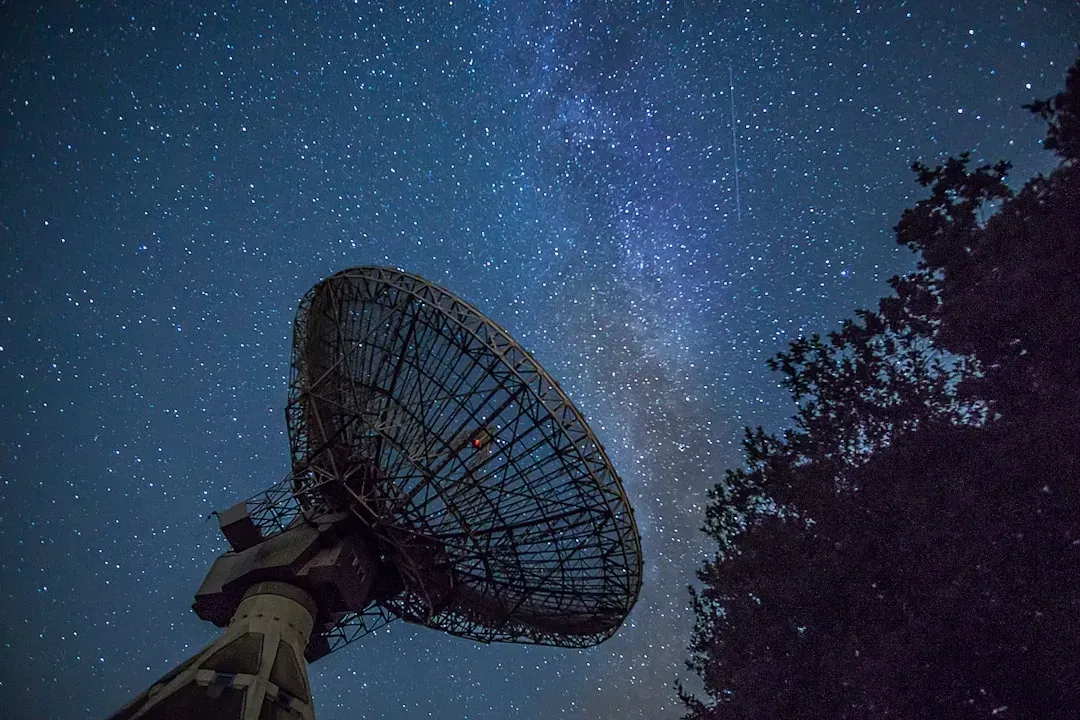
The birth of radio astronomy also came from engineers just trying to get rid of an annoyance. In the early twentieth century, telecommunication companies wanted to understand sources of interference that could disrupt long-distance radio and telephone signals. One engineer who was tracking down this static kept picking up a persistent background hiss that seemed to come from a specific direction in the sky rather than from storms or human-made devices.
By following that signal and ruling out local causes, he realized he was listening to radio waves coming from beyond the solar system, likely from the center of your galaxy. That accidental discovery cracked open an entirely new way of observing the cosmos, one that eventually revealed pulsars, quasars, and the detailed structure of the Milky Way. What began as routine troubleshooting for a communications company turned into an astronomical revolution, reminding you that even commercial problem-solving can end up rewiring how humans see the universe.
11. LOD Score and Genetic Linkage: A Statistical Tool Born from a Different Question

Not all accidental solutions come from physical artifacts; some emerge from math that was meant to tackle a more limited problem. In mid‑twentieth‑century genetics, researchers were trying to quantify how likely it was that traits and genes were inherited together when they were studying families. One statistician developed a method to weigh the probability that observed patterns were due to chance versus a true genetic link, mainly to help sort out messy experimental data.
That method, known today as the LOD score, accidentally turned into a powerful tool for tracking disease genes across generations and mapping their locations on chromosomes. You can think of it as a flashlight that lets you follow invisible inheritance paths through sprawling family trees, even when individual data points are uncertain. A technique built to solve a narrow statistical headache opened the door to modern gene-hunting, contributing to how you understand hereditary disorders and eventually how you might target them with precision medicine.
12. Face Recognition in Wasps: A Behavior Study That Challenged What “Small Brains” Can Do

Sometimes the accidental mystery solved is not ancient or cosmic, but hidden in the everyday lives of tiny animals you barely notice. A biologist studying wasp behavior in the early twenty‑first century was mostly interested in how individuals established dominance and territories. While watching video recordings and photos of marked wasps, she realized that they seemed to treat familiar individuals differently in ways that could not be explained just by scent or location.
By following up on that hunch and running clever experiments, she showed that these insects could distinguish each other by facial patterns, recognizing individuals visually in a way people used to think was reserved for humans and a few other large‑brained animals. You suddenly have to rethink your assumptions about what a “simple” nervous system can do and how social complexity evolves. A side observation from a focused behavioral study grew into a story that complicates how you draw the line between you and the rest of the animal world.
Conclusion: Staying Curious When the Universe Whispers Instead of Shouts

When you line these stories up, a pattern comes into sharp focus: the solution to a big mystery rarely arrives dressed up with a label saying “important discovery.” More often, it shows up as a glitch on a graph, an odd lump of metal, a dirty moldy plate, or a kid chasing an animal into the wrong cave. The people who changed history were not just brilliant; they were patient enough to stare at the boring parts and stubborn enough to chase down anomalies that everyone else was willing to ignore.
If you take anything from these accidental breakthroughs, let it be this: your next insight may already be sitting at the edge of your attention, looking like background noise, a failed attempt, or a distraction from your main goal. The real question is whether you will notice it and give it the time it deserves. When the universe whispers instead of shouts, will you be the one who stops, turns your head, and listens?