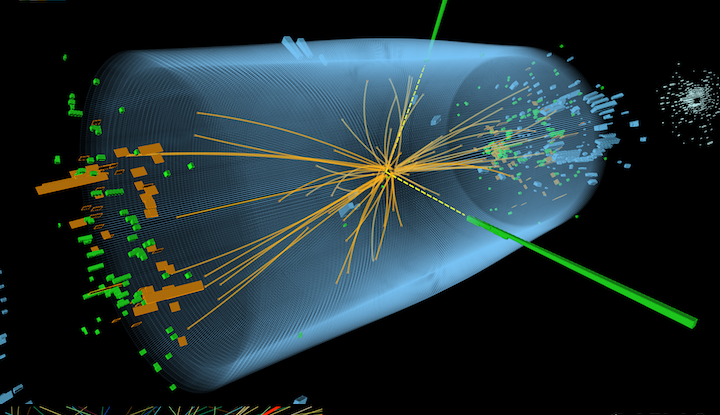

You probably grew up hearing that the Standard Model of particle physics is one of the most successful theories humans have ever built. It predicts particles, interactions, and decay rates with ridiculous precision, and experiment after experiment has confirmed it. Then, over roughly the last decade, cracks began to appear. Not “throw it in the trash” cracks, but subtle, nagging discrepancies that refuse to go away, forcing you to wonder whether the universe is hinting at a deeper layer of reality. In this article, you’ll walk through twelve real experiments that produced results in formal tension with the Standard Model. Some of these anomalies have weakened as new data came in, some remain puzzling, and a few might eventually vanish as statistical flukes. But taken together, they give you a front-row seat to how modern physics actually works: messy, cautious, skeptical – and sometimes thrillingly close to rewriting the rules.
1. LHCb’s RK and RK* Measurements: Are Muons Being Treated Differently Than Electrons?
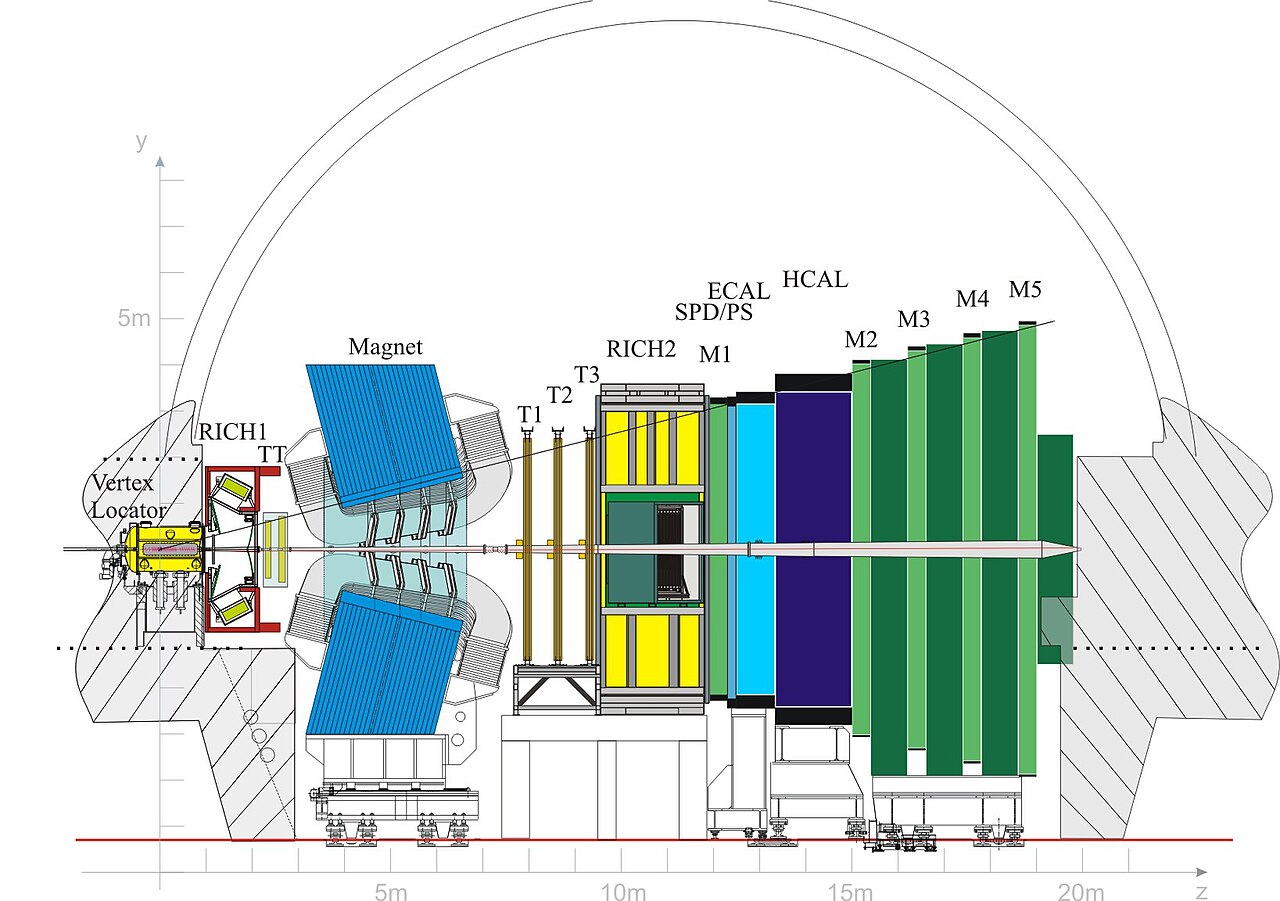
You’ve been taught that, in the Standard Model, electrons, muons, and tau leptons should behave almost identically in many processes, apart from their different masses. This idea – lepton flavor universality – is baked deeply into the theory. At CERN’s LHCb experiment, though, you see something strange when you compare how often a certain kind of B meson decays to an electron pair versus a muon pair. The ratios, known as RK and RK*, come out significantly lower than the Standard Model predicts, suggesting that muons might be getting shortchanged compared with electrons. As more data arrive, the deviations wobble: early results looked very dramatic, later analyses softened the tension, and global averages now dance somewhere between “intriguing” and “maybe just statistics plus underestimated uncertainties.” Still, you’re left with an uncomfortable pattern: a persistent hint that something about flavor physics might be off. You can imagine new heavy particles – like leptoquarks or Z-prime bosons – quietly tweaking these decays. Or, more conservatively, you might suspect that the theoretical calculations of messy hadronic effects need more care. Either way, you’re watching a textbook principle – identical treatment of leptons – get cross-examined in real time.
2. The Muon g‑2 Anomaly at Fermilab: A Magnetic Moment That Will Not Behave
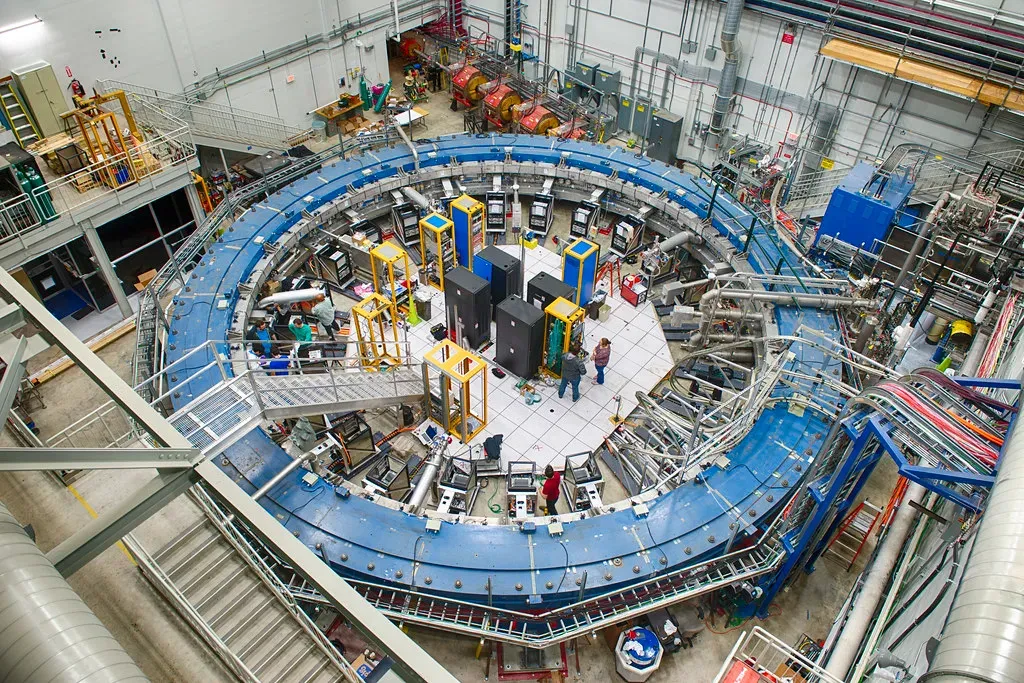
Picture a muon as a tiny spinning charged top, carrying a magnetic moment. The Standard Model lets you calculate how that “spin wobble,” or g‑factor, should precess in a magnetic field, taking into account contributions from virtual particles constantly flickering in and out of existence. When you measure this at ultrahigh precision in a ring at Fermilab, you find that the muon’s actual magnetic moment seems slightly higher than the Standard Model prediction. That tiny difference, once translated into standard deviations, becomes a serious headache. For you, this experiment is a live drama. On one side, you have experimentalists who have pushed systematic uncertainties down to a level that would make most other fields jealous. On the other, theorists have to stitch together complicated contributions from quantum electrodynamics, the weak interaction, and especially the strong interaction, where different computational techniques do not always agree perfectly. Some theory groups find that the anomaly is big enough to scream “new physics,” while others, using lattice QCD methods, shrink the discrepancy. You’re left in a limbo where a possible window to new particles is wide open – but only if the theoretical house is truly in order.
3. The CDF II W‑Boson Mass Measurement: When Precision Turns Scandalous
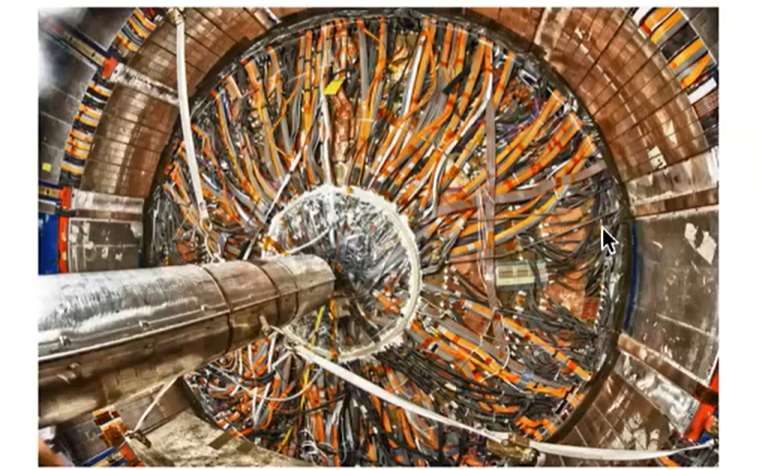
If you ever doubted that a single number could rock particle physics, the 2022 W‑boson mass result from the CDF II detector at Fermilab should change your mind. The Standard Model tightly links the W mass to other precisely known quantities, like the Z boson mass and the Higgs boson mass. When the CDF team reanalyzed their Tevatron data with painstaking care, they reported a W‑boson mass that sat well above the Standard Model expectation, with a claimed precision so high that the result was nearly impossible to shrug off as a random fluctuation. From your perspective, this is one of those “do I believe the measurement or the global picture?” moments. Other experiments – ATLAS, CMS, and earlier Tevatron work – do not see such a dramatic deviation, and their results lean closer to the Standard Model. So you face a fork: either CDF has uncovered a genuine crack that forces you to modify the electroweak sector (perhaps with new Higgs multiplets or extra gauge bosons), or some subtle analysis issue has crept in despite the collaboration’s best efforts. Until independent groups can match that level of precision and either confirm or refute the CDF value, you live with a W mass that both challenges the Standard Model and challenges your trust in how hard it is to measure things this carefully.
4. The Proton Radius Puzzle from Muonic Hydrogen: Is the Proton Smaller Than You Thought?
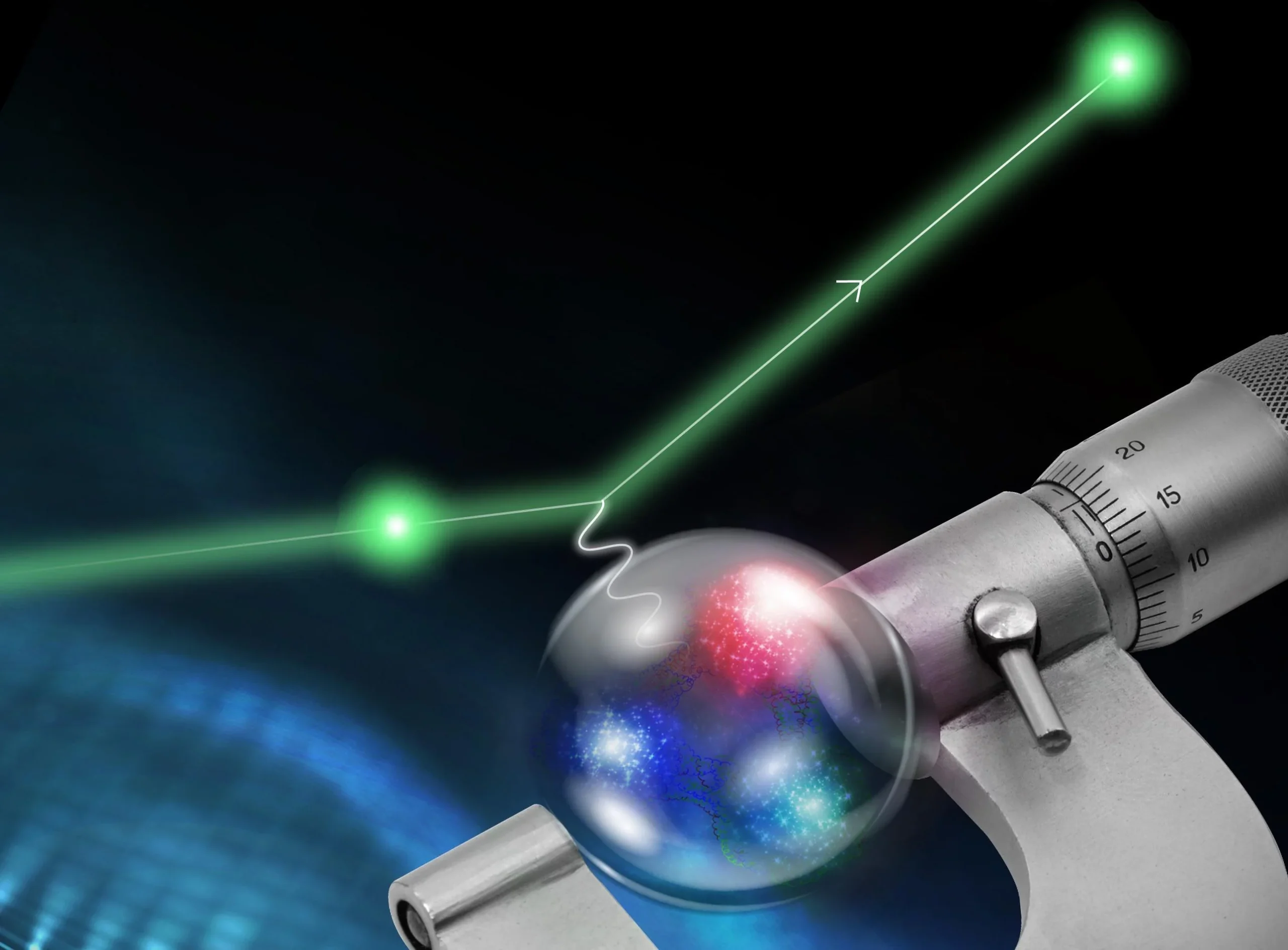
For many years, you could safely say the proton’s charge radius was known to comfortable precision from electron–proton scattering and regular hydrogen spectroscopy. Then experiments using muonic hydrogen – atoms where a muon orbits a proton instead of an electron – came along and jolted that calm. Because the muon is much heavier than the electron, it orbits closer to the proton, making the energy levels extremely sensitive to the proton’s size. When researchers measured those levels, they inferred a proton radius significantly smaller than the long‑standing electron‑based value, by an amount corresponding to several standard deviations. Suddenly, you had a “proton radius puzzle” that some people dared to frame as possible new physics affecting muons differently from electrons. Over the last decade, you saw a flurry of new scattering and spectroscopy experiments that gradually shifted the electron‑based radius downward, closer to the muonic value. Many in the community now view the discrepancy as largely resolved in favor of a smaller proton, chalking the original conflict up to experimental and analysis subtleties rather than exotic forces. Still, if you are cautious, you notice that the saga shows how an apparently clean, settled constant can hide unnoticed tensions – and how easy it is to call “new physics” before fully exhausting the mundane explanations.
5. B‑Meson Anomalies in Angular Distributions: The Case of P5′
Imagine you are not just counting how often a decay happens, but exactly how the decay products spray out into space. In certain rare B‑meson decays, especially ones where a B meson turns into a K* meson and a pair of muons, you can construct angular observables that should follow precise Standard Model patterns. One of these, called P5′, grabbed attention when early measurements showed a persistent deviation from theoretical predictions in a specific region of the dimuon invariant mass. It was as if the decay products were leaning slightly in directions the Standard Model did not fully expect. As you follow the story, you see a careful back and forth. LHCb and other experiments refine their data, while theorists refine their treatment of hadronic effects that are notoriously messy. The deviation does not vanish completely, but it also does not grow into a clean, unambiguous signal of new physics. You are stuck in the uncomfortable zone where the anomaly could be a real hint of new heavy particles, or simply a reminder that strong‑interaction physics is brutally hard to tame. If you like living at the boundary of knowledge, this is exactly the kind of experiment that keeps you hooked: real tension, real stakes, and no easy answers.
6. The R(D) and R(D*) Tensions: Too Many Tau Leptons in B Decays?
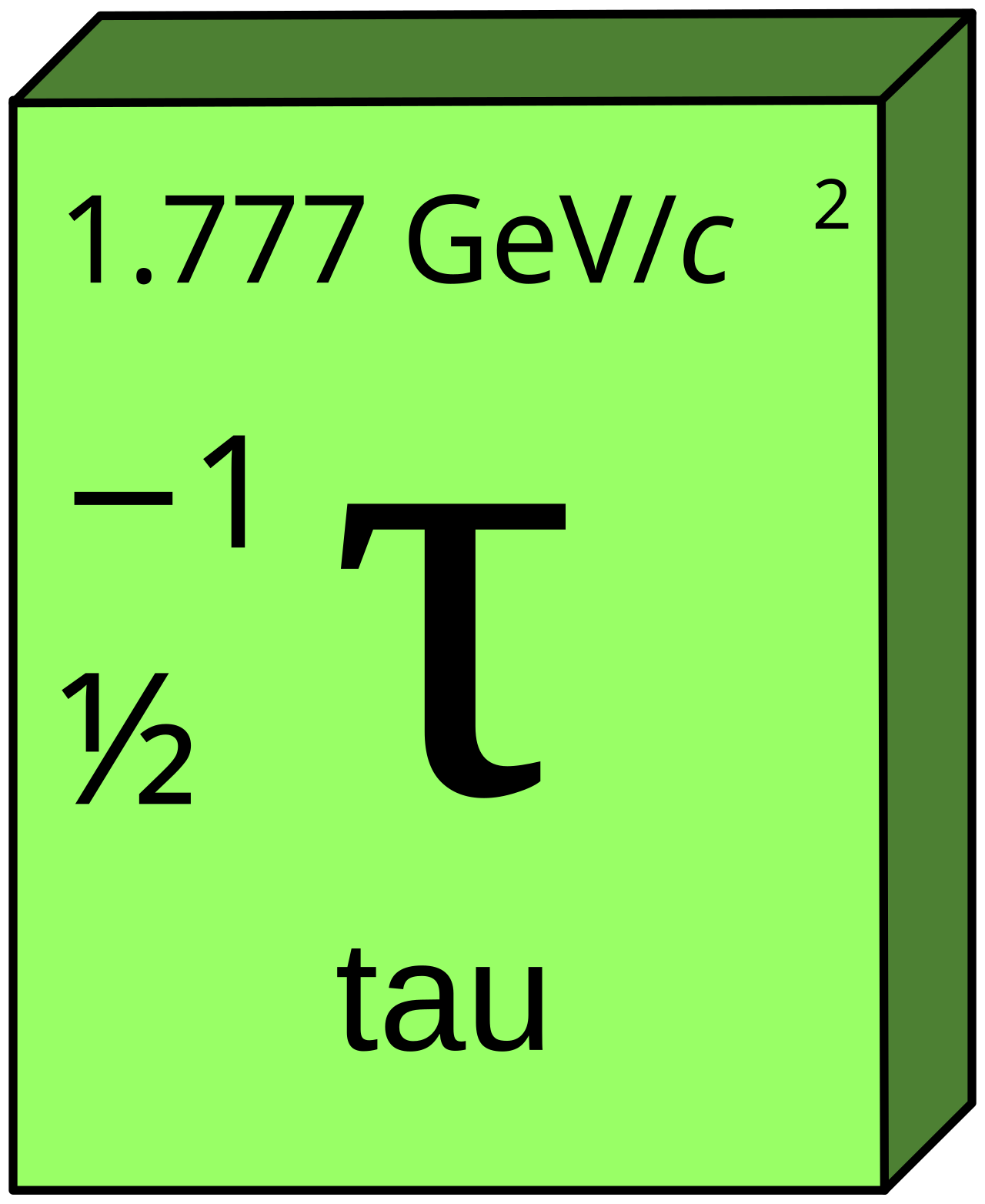
Another place where you see lepton flavor universality under fire is in the ratios known as R(D) and R(D*). Here, you compare how often B mesons decay into final states containing a tau lepton versus those containing lighter leptons like electrons or muons. The Standard Model expects these ratios to fall in a pretty narrow window once you account for the tau’s higher mass. For several years, different experiments – BaBar, Belle, and LHCb – reported values and combinations that tended to lie somewhat above those predictions. That suggests B mesons might be producing tau leptons more often than they “should.” You might be tempted to declare victory against the Standard Model, especially since these results can be interpreted with relatively simple new‑physics models, like charged Higgs bosons or leptoquarks coupling preferentially to third‑generation fermions. But as more data rolled in, the tension has gradually shrunk from very dramatic to more modest levels. Global averages still sit a bit off from the Standard Model, yet not by a margin that forces the community to accept new particles. For you, this is a masterclass in scientific patience: the signal is suggestive, the theory is well‑developed, but without a truly decisive discrepancy, you are left cautiously intrigued rather than convinced.
7. The H0 Tension from Cosmic Surveys and Early‑Universe Physics

At first glance, the Hubble constant might feel like it has nothing to do with particle physics. But if you look closer, the value of the cosmic expansion rate that you infer from early‑universe data – like the cosmic microwave background – depends directly on the Standard Model of particle physics and cosmology. When you assume the Standard Model particle content and a simple cosmological model, analyses of early‑universe data give you one value of H0. Local measurements using supernovae and other distance indicators, however, give you a noticeably higher value. The gap is big enough that many cosmologists consider it a genuine tension rather than a statistical accident. From your vantage point, this becomes a kind of referendum on whether the Standard Model, plus its minimal cosmological companion, is the full story. To reconcile the two sides, you might add new relativistic species (often framed as “dark radiation”), tweak neutrino physics, or modify how dark energy behaves. None of those changes are part of the vanilla Standard Model. At the same time, systematics in either the early‑universe or late‑universe measurements could still explain the conflict. Because of that, you treat the H0 tension not as a clean, isolated particle‑physics anomaly, but as a broad, multi‑field challenge to the whole framework you use to connect particles with cosmology.
8. High‑Energy Neutrino Anomalies: Hints Beyond the Three‑Neutrino Paradigm
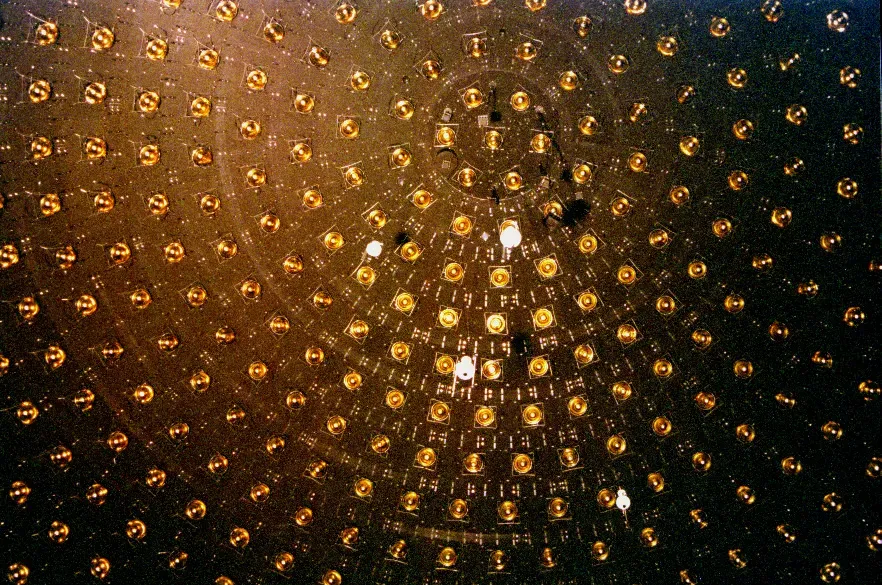
Neutrinos have already forced you to extend the Standard Model once, by having nonzero masses and mixing between flavors. Over the last decade, a handful of neutrino experiments have thrown up additional oddities that prod you to wonder if the three‑neutrino framework is still incomplete. Short‑baseline experiments have hinted, at various times, at anomalies consistent with so‑called sterile neutrinos – hypothetical neutrinos that do not interact via the weak force, only through gravity or mixing. At the same time, IceCube’s detection of ultra‑high‑energy cosmic neutrinos has led to searches for unexpected absorption features or flavor ratios that could point toward new interactions. When you dig into the details, though, you see how fragile many of these hints really are. Different experiments sometimes contradict each other, and careful reanalyses often shrink or dissolve claimed anomalies. Still, the overall pattern is unsettling enough that you cannot declare the neutrino sector “closed.” If sterile neutrinos or exotic neutrino self‑interactions do exist, they would reach far beyond the Standard Model and touch everything from early‑universe cosmology to supernova physics. For now, you file these experiments under “formally challenging, but not yet convicting,” aware that even a single robust deviation in neutrino behavior would instantly force a major rewrite of your theory toolkit.
9. Precision Tests of Lepton Flavor Universality in Kaon and Tau Decays

Beyond the high‑profile B‑meson ratios, you also probe lepton flavor universality in more subtle ways using kaon and tau decays. Experiments have measured how often kaons decay into electrons versus muons, and how taus decay into different channels, with increasingly sharp precision. In several cases, global fits that combine many measurements find small but persistent mismatches with the Standard Model’s universal‑coupling expectations. Individually, each deviation might look unimpressive, but when you see them together, they start to feel like a quiet chorus rather than random noise. From your perspective, this is where discipline matters. You know that combining many small tensions can sometimes create an illusion of significance if correlations and systematic uncertainties are not perfectly handled. At the same time, if lepton universality is really violated by new interactions, you would expect the effect to ripple through a whole zoo of decay processes, not just one or two. That is exactly what these precision tests are trying to pin down. So you keep watching as new data arrive and analysis techniques mature, fully aware that today’s modest anomaly could either grow into tomorrow’s headline or fade into the background as another lesson in humility.
10. Rare Kaon Decays and NA62: Chasing One of the Most Sensitive Windows to New Physics
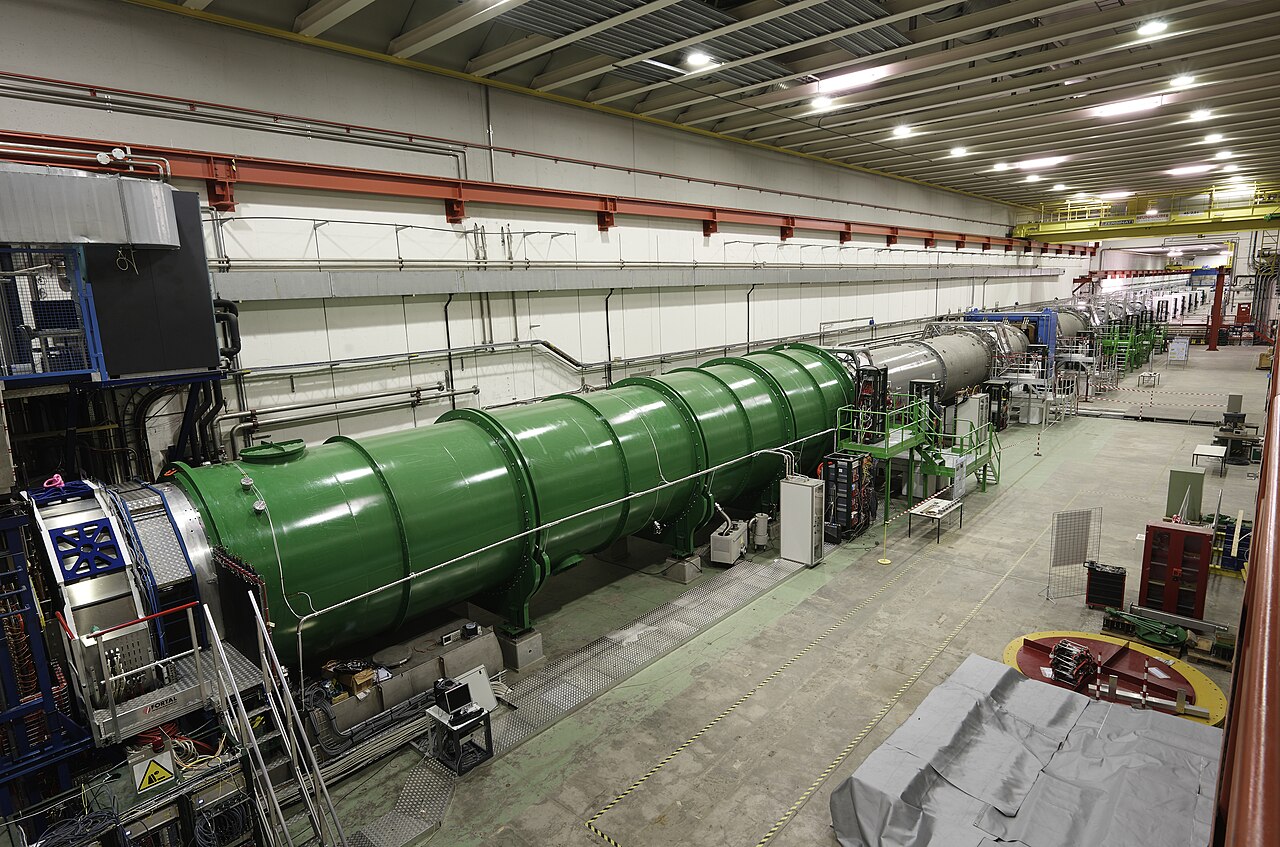
Rare kaon decays are one of the cleanest hunting grounds you have for physics beyond the Standard Model. A prime example is the process where a charged kaon decays into a charged pion and a neutrino–antineutrino pair. The Standard Model predicts the rate of this decay with impressive precision, and any significant deviation would be a blazing neon sign for new particles or interactions at very high energies. Over the last decade, the NA62 experiment at CERN has been steadily collecting candidate events, aiming to measure this ultra‑rare process in detail. What you see so far is a picture that tantalizes more than it clarifies. NA62 has reported measurements that are broadly compatible with the Standard Model, but still with large uncertainties that leave room for moderate deviations. Earlier hints of anomalies in other kaon channels, such as lepton‑flavor‑violating modes, have spawned a whole landscape of theoretical models, most of which now sit on the edge of exclusion. For you, this is the kind of experiment where the next factor‑of‑two improvement in precision could either lock the door firmly in the Standard Model’s favor or swing it open to an entirely new zoo of interactions. Until that happens, you treat rare kaon data as a sharp but still incomplete test that keeps the Standard Model on notice.
11. Precision Higgs Coupling Measurements at the LHC: Slight Misfits in the New Cornerstone
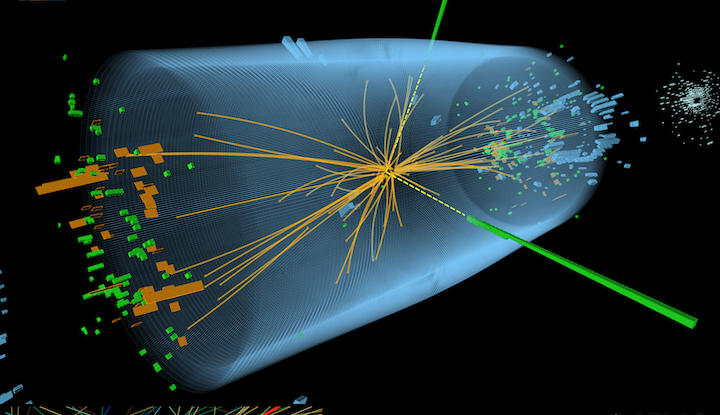
When the Higgs boson was discovered in 2012, you gained the final piece of the Standard Model, but you also inherited a brand‑new sector to probe. Over the last decade, ATLAS and CMS have been measuring how strongly the Higgs couples to various particles: W and Z bosons, top quarks, bottom quarks, tau leptons, and photons. The Standard Model predicts specific coupling strengths tied to particle masses, and so far, the overall picture is impressively consistent. Still, in certain channels and combined fits, you occasionally see mild deviations: slightly stronger or weaker couplings, or rare decay modes that look a bit off the central expectation. Taken alone, each of these Higgs anomalies is far from decisive. But if you are hunting for cracks, you know that many extensions of the Standard Model, from supersymmetry to composite Higgs models, would tweak these couplings by small but measurable amounts. That means every new dataset and every refined analysis is effectively a formal challenge to the Standard Model’s simple Higgs sector. The more precisely you pin down these couplings, the less wiggle room remains for hidden new physics. At the same time, you recognize that tiny shifts can arise from complex detector effects or subtle theory uncertainties, so you read each new Higgs result with excitement – but also with a healthy dose of skepticism.
12. Direct Dark Matter Searches and the “WIMP Desert”: A Challenge by Non‑Detection
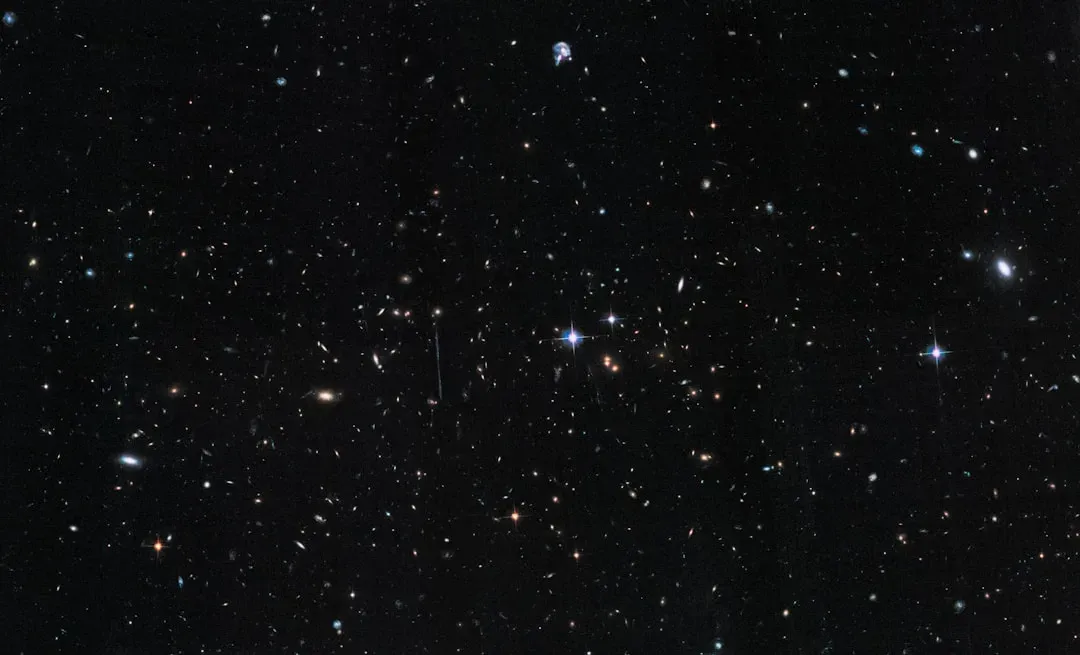
Not all challenges to the Standard Model come from surprising detections; some come from the stubborn refusal of the universe to give you what many theories expect. For decades, a wide slice of the community has favored weakly interacting massive particles – WIMPs – as dark matter candidates. These particles fit beautifully into many extensions of the Standard Model and should, in principle, show up as rare nuclear recoils in sensitive underground detectors or as subtle excesses in collider experiments. Over the last ten years, experiments like LUX, XENON, PandaX, and their successors have pushed the sensitivity to these interactions down by orders of magnitude. What you have, as of now, is a landscape of non‑detections that carves out huge swaths of the classic WIMP parameter space. That absence is a formal, statistically clear result: if the Standard Model extended by a simple WIMP is correct in its most popular forms, you should have seen something by now. Because you have not, you are forced to rethink either the nature of dark matter or the structure of your favorite extensions. Maybe dark matter is much lighter, much heavier, self‑interacting, or not even a particle in the usual sense. This prolonged silence is not just frustrating; it is a powerful, data‑driven challenge to some of the simplest and most comfortable ways you tried to go beyond the Standard Model.
Conclusion: Living with a Theory That Is Both Right and Incomplete
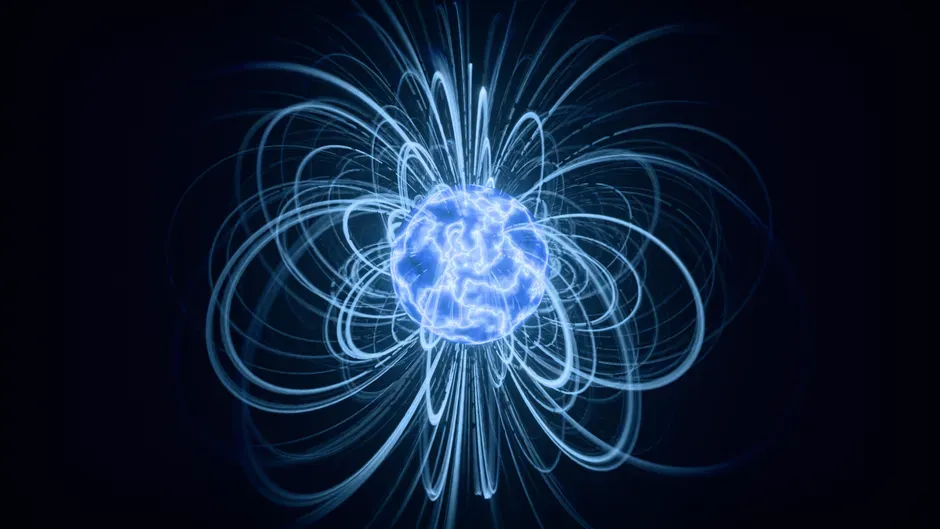
When you step back from these twelve stories, you see a pattern that is both humbling and inspiring. The Standard Model keeps passing test after test with almost arrogant success, yet it also keeps running into small but persistent puzzles: odd decay ratios, slightly off masses, mismatched cosmic parameters, and missing dark matter signals. None of these on its own has yet forced you to abandon the theory, but together they paint a picture of a framework that is astonishingly accurate and still somehow not the whole story. You are living in the awkward, exhilarating middle act of a scientific drama where the protagonist is too good to kill off and too flawed to be the final word. If you are honest with yourself, you admit that some of today’s anomalies will almost certainly fade away as better data and analyses arrive – that is simply how high‑precision science works. But you also know that history shows you do not get revolutionary breakthroughs without first staring at stubborn discrepancies and refusing to look away. So you keep watching the muons, the B mesons, the kaons, the Higgs, the neutrinos, and the cosmos itself, waiting to see which hint will finally refuse to be explained away. And you might quietly ask yourself: when that moment comes, will you recognize it, or will it look, at first, just like one more tiny, annoying deviation you almost ignored?