
You probably carry a quiet assumption that your mind just fades out at the end, like a dimmer switch slowly turning down. But when you look at the brain’s own chemical record, the picture gets stranger, more layered, and in some ways more intense than that. In the hours around death, your brain is not simply “turning off”; it’s going through a complex storm of activity that reshapes how you experience memory, time, and even who you feel you are.
When researchers measure brain chemicals, brain waves, and blood flow in people who are dying or have briefly crossed the edge of clinical death and returned, they keep finding the same surprising theme: your brain may become more active, not less, right around the end. That doesn’t prove any grand metaphysical claims, but it does tell you something important about your inner world in those final moments. The story written in your brain chemistry suggests that the way you feel time, remember your life, and sense your identity can be profoundly altered as you approach the edge of life.
The Dying Brain Is Not Simply Shutting Down
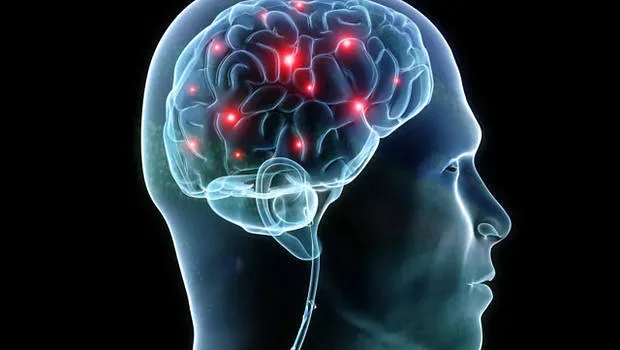
If you picture death as a simple power outage, your brain’s own signals challenge that image. In several intensive care studies, when life support is withdrawn and the heart stops, some people’s brains show brief surges of organized activity, including high-frequency waves often associated with conscious processing. That means your brain can light up, at least for a short window, even when blood flow is dropping and the body is clearly failing.
You can think of it less like a lamp being turned off and more like a city during a blackout: for a moment, generators kick on, backup systems try to compensate, and certain control centers work overtime. Chemically, your neurons are struggling to maintain balance as oxygen falls and energy runs out, and in trying to stabilize, they can briefly produce patterns that look surprisingly similar to what you see in intense waking states. So instead of imagining yourself just “going dark,” you might picture a last, complicated burst of neural effort before everything goes quiet.
How Your Brain Chemicals Shape the “Life Review” Feeling
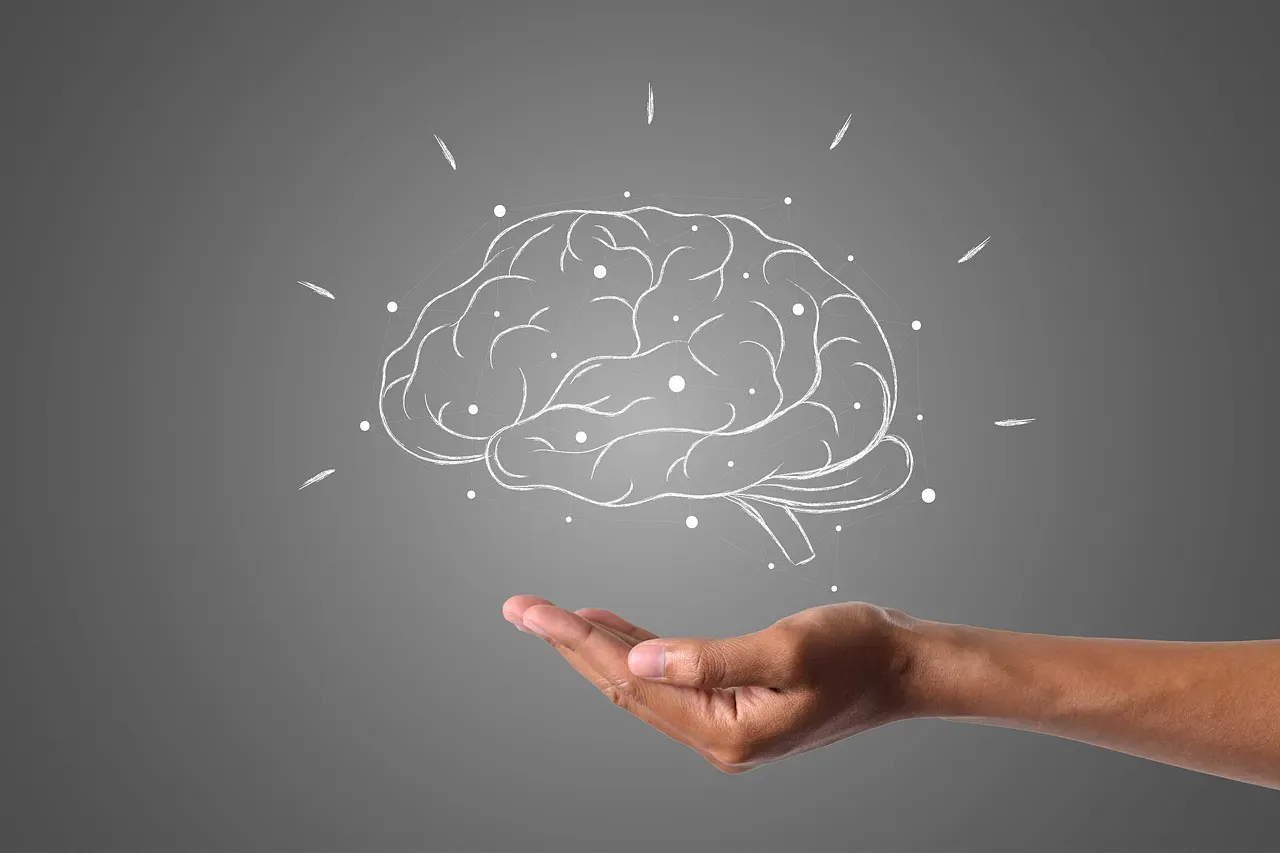
You’ve probably heard the phrase “my life flashed before my eyes,” and it sounds like a movie cliché, but when you look at near-death reports and brain data, there’s likely a real neurochemical story underneath. When your brain is under extreme stress – like during cardiac arrest, major trauma, or severe oxygen loss – it releases a rush of neurotransmitters and neuromodulators: dopamine, norepinephrine, glutamate, and stress hormones. These same chemicals are heavily involved in attention, emotional tagging, and the consolidation of memory.
In those conditions, your memory systems may become highly activated and unstable at the same time. You’re not watching a literal chronological replay of your life; instead, you may be experiencing a rapid, emotionally weighted network of memories lighting up together. You might feel as if you’re revisiting pivotal moments, conversations, or regrets because your brain is prioritizing what matters most to your sense of self. The “chemical record” here is less about individual scenes and more about what your brain has decided is most meaningful about your story.
Time May Stretch, Collapse, or Break Altogether
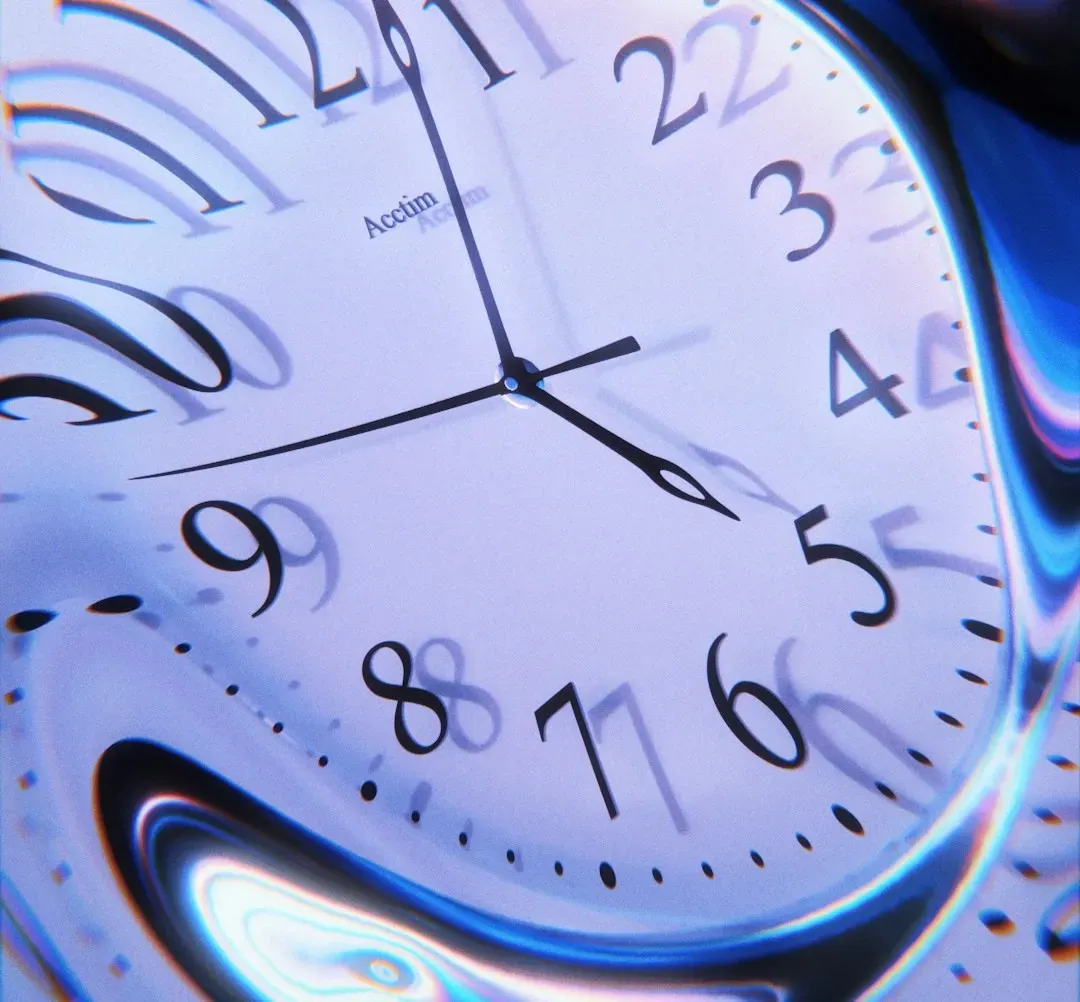
Your sense of time has always been more fragile than you think, and the hours around death push it to the breaking point. Under extreme conditions – like high stress, massive surges of adrenaline, or altered states triggered by drugs or trauma – people often report that time slows, speeds up, or shatters into disjointed chunks. When the brain’s chemical balance is violently disrupted, as it is near death, the circuits that normally keep your sense of “now” stable can be thrown into chaos.
From your perspective, a few seconds of real time might feel stretched into something much longer, or your experience might lose any clear before-and-after sense. The brain areas that stitch moments into a coherent flow rely on coordinated activity and steady blood supply; during dying, both are compromised. So while an outside observer just sees a body lying still, you might be living through an intensely elastic inner timeline, where a single final minute carries more subjective weight than some entire ordinary days.
Identity Becomes Fluid as Networks Break and Blend

Your sense of “I” depends on a delicate choreography between brain regions handling memory, body sensations, language, and emotional self-story. In the hours around death, that choreography starts to fall apart, and with it, your usual sense of identity can soften or even dissolve. Neurochemically, neurons are struggling to keep their electrical gradients, and as those fail, networks that are usually distinct from one another can start to fire in unusual, overlapping ways.
That may be why many near-death accounts include experiences of merging with everything, feeling detached from the body, or observing oneself from outside. It is not that your brain is proving any cosmic theory; it is that the normal boundaries that define “you” as a separate observer depend on robust, well-oxygenated networks. When those networks are under chemical siege, you can feel as if you’re both present and gone, both inside your body and far beyond it. In that sense, the brain’s last patterns may give you an entirely different flavor of selfhood than the one you’re used to in everyday life.
Memory Imprints and What Might Linger After the Crisis
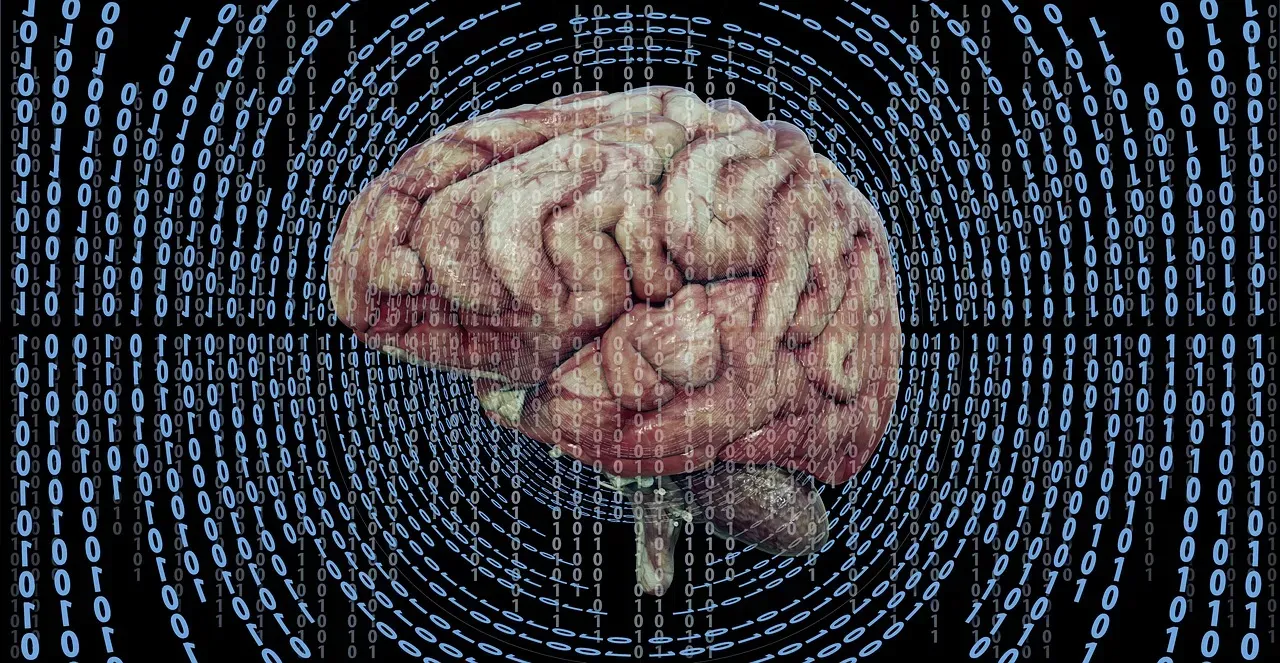
If you survive a brush with death, the way your brain handled that chemical storm will shape what you remember later. Under intense stress, memories are often encoded in a patchy, emotionally heavy way: some details become razor-sharp, others vanish completely. The massive surges of stress-related chemicals can strengthen certain connections while damaging others, so you might come back with vivid fragments and large gaps. This is part of why people can describe a near-death moment in rich emotional terms but struggle to place it in a clean narrative timeline.
You may also find that the memory feels more like a state than a story – a powerful feeling of peace, terror, or awe that resists precise description. That reflects how the brain’s emotional and sensory systems were engaged while higher-order narrative regions were faltering. In a sense, the hours around death leave a chemical and structural scar, whether you live or die: if you return, you carry an altered pattern of connections, and if you do not, those final imprints are part of the last version of your brain that ever existed.
The Role of Oxygen, Energy, and the Final “Brain Wave”

At the heart of all this is a brutal physical fact: your brain is greedily dependent on oxygen and energy. When the heart stops or blood pressure collapses, the brain’s fuel line is cut almost immediately. As oxygen plummets, neurons lose their ability to maintain the differences in charge that make signaling possible. They try to compensate, ramping up activity in a last attempt to stabilize, which is why scientists sometimes see that brief spike of intense brain waves near the time of death.
After that surge, though, there’s usually a sharp transition. You reach a point called terminal spreading depolarization, where waves of electrical failure roll across brain tissue, erasing the patterns that once supported your memories, your sense of time, and your identity. Chemically, ions rush where they normally shouldn’t, neurotransmitters flood and then deplete, and the structured complexity of your brain collapses into silence. From the outside, this looks like the final flat line; from the inside, it likely marks the end of any organized, experience-supporting activity.
What This Does – and Does Not – Say About Consciousness After Death
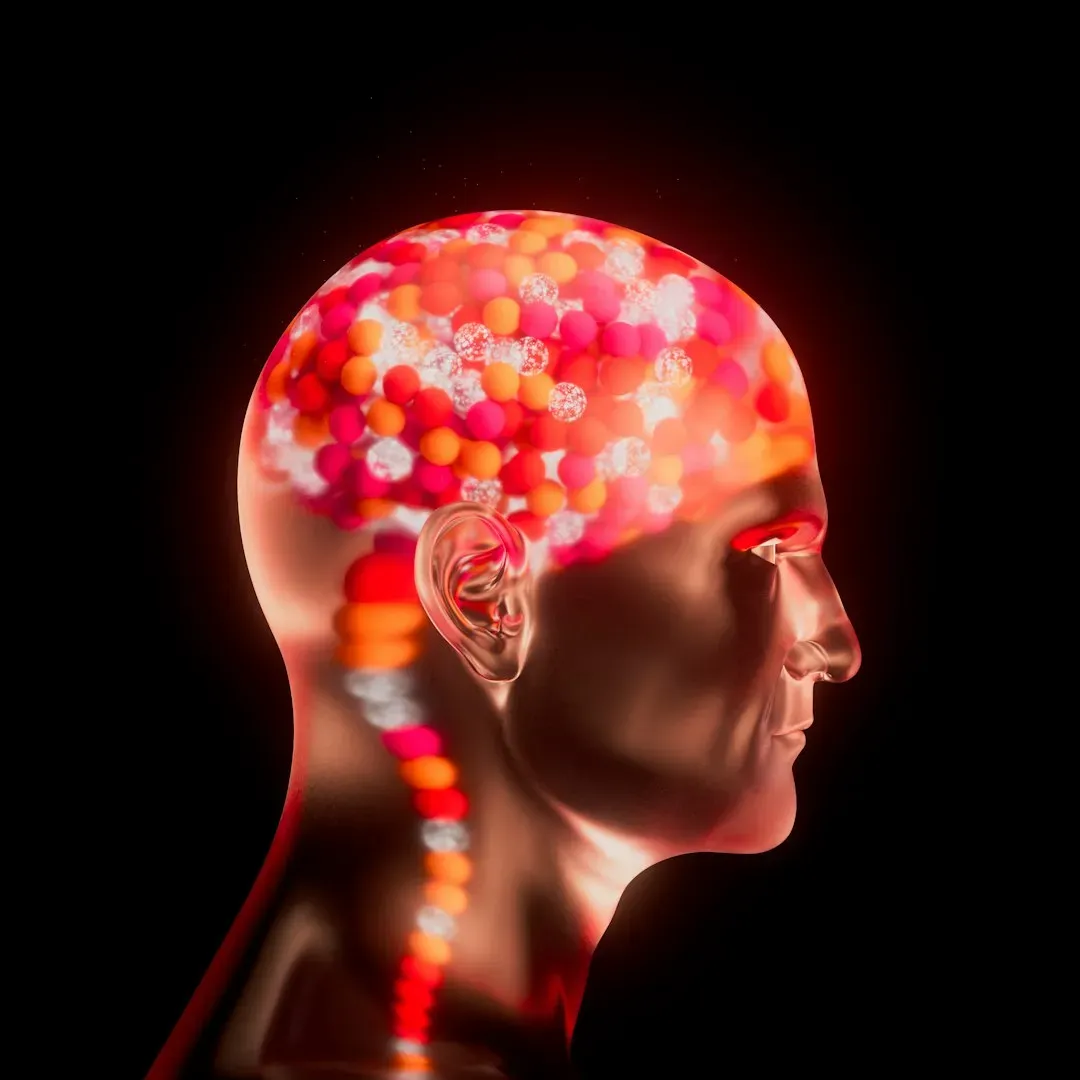
When you hear that dying brains can show intense activity, it’s tempting to leap straight to grand conclusions about an afterlife or consciousness continuing somehow. But the brain’s chemical record is more modest and more grounded than that. It tells you that the period around death is biologically dynamic and subjectively rich, not that experience continues indefinitely once the brain has fully shut down. The most you can say confidently is that there appears to be a window – maybe seconds, maybe a bit longer – where your inner life might be vivid even as your body is failing.
That window matters, though, because it reframes how you think about the boundary between life and death. Instead of treating death as a hard on-off switch, you can see it as a short, complex transition where your brain is still trying to make sense of everything as it falls apart. Whatever you believe spiritually, the biology suggests that your final moments are unlikely to be blank. They are more likely to be the culmination of how your brain has always worked: constructing meaning, weaving memories, and interpreting its own failing signals as best it can.
How This Knowledge Might Change How You Live Now

Once you know that your brain may spend its last energy reviewing meaning, reshaping time, and dissolving or reaffirming your sense of self, it quietly challenges how you live today. If the stories and emotional priorities you carry are likely to dominate any final inner experience, then the way you organize your life now becomes part of the script your brain may replay later. You are, in a very real sense, constantly writing the raw material your dying brain will use if it gets the chance to light up one last time.
This can be oddly comforting rather than frightening. Instead of thinking of death as a void, you can think of it as the last chapter written in the same language your brain has been using all along: memories, feelings, relationships, and meaning. That perspective can nudge you to care a bit less about trivial frustrations and a bit more about experiences that feel deeply aligned with who you want to be. When the final surge comes – and it will, someday – you might prefer that your brain has more to work with than just unfinished arguments and unopened emails.
In the end, the brain’s own chemical record around death is both humbling and strangely reassuring. It shows you that your mind does not simply vanish the moment your heart stutters, but instead moves through a complex, final choreography of memory, time-bending, and shifting identity. You may never know exactly what those last moments will feel like, but you can be sure they are shaped by the same biology that has quietly guided every thought and feeling you have ever had.
Knowing that, you get to decide what kind of inner landscape you want to carry with you toward that edge. If your brain might spend its last strength revisiting what mattered most, what are you giving it to work with today?