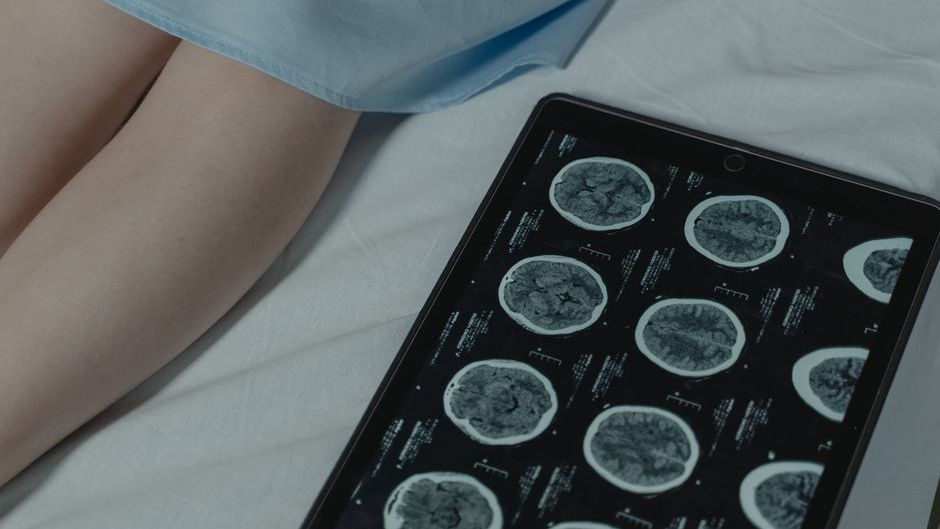
There is something almost unsettling about how similar many near-death experiences sound, even when they come from people who do not share a culture, language, religion, or even a belief in anything beyond the brain. You would expect scenes at the edge of death to be chaotic, random, and strictly tied to failing biology. Instead, researchers keep running into the same patterns: tunnels, lights, panoramic life reviews, a strange sense of peace, and the eerie feeling of observing one’s own body from the outside. For a topic often dismissed as anecdotal or spiritual, the growing body of neurological data is starting to look like a puzzle that modern neuroscience cannot quite solve.
What makes this genuinely fascinating is not just the stories but the measurements: brain scans, timing of cardiac arrest, EEG recordings, and careful interviews hours or days later. Across those lines of evidence, scientists are discovering repeatable signatures in the brain that do not fit easily into the standard models of how consciousness arises and disappears. The result is a strange scientific crossroads: either our current theories of the dying brain are missing something big, or consciousness is doing something at the boundary of life that we simply do not understand yet.
The Astonishing Similarity of Near-Death Narratives
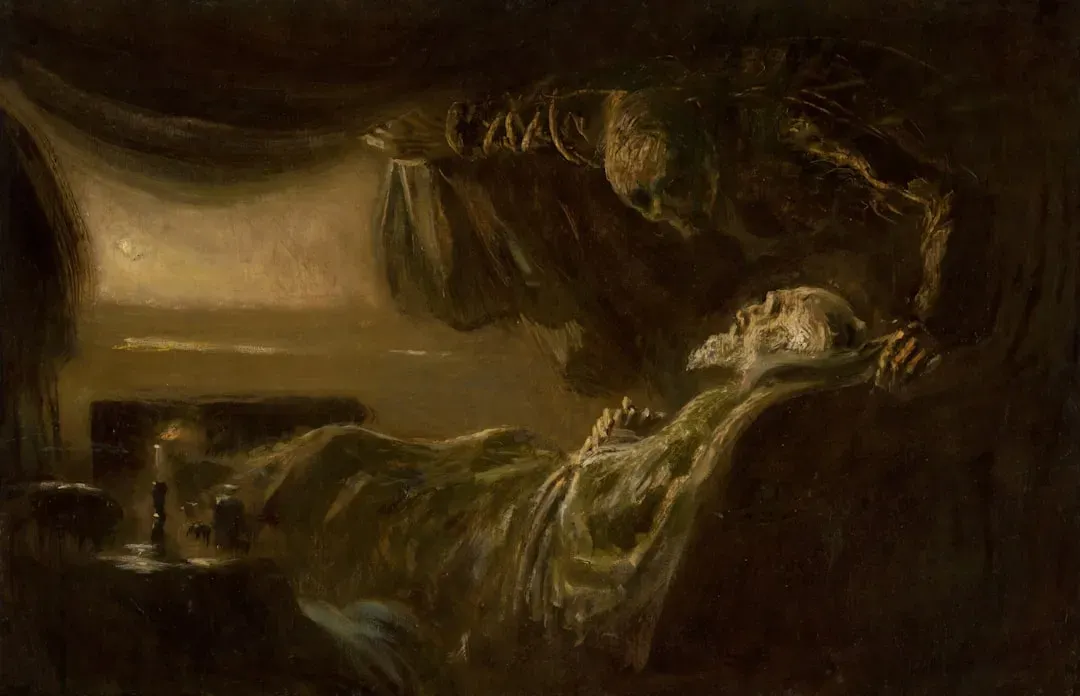
One of the most surprising findings is how often people report near-death experiences with strikingly similar elements, even when they have never heard of such accounts before. People describe moving rapidly through a tunnel, seeing an intense yet gentle light, feeling overwhelming peace, or encountering deceased relatives or figures they interpret as guides. They often say that time felt distorted or irrelevant, and that their sense of self expanded beyond their physical body. These themes show up in hospital surveys, long-term follow-up studies, and even emergency room interviews when people are well enough to talk about what happened.
What makes this so hard to ignore is that you see these patterns across different ages, religions, and cultural backgrounds. A person raised without any strong spiritual framework may report almost the same core structure as someone deeply religious, though they might interpret it differently after the fact. Researchers who catalog these experiences find recurring motifs that show up at rates far beyond random coincidence. Of course, that does not prove anything supernatural, but it does raise a serious scientific question: why does the brain, under extreme threat, tend to produce such specific, structured experiences instead of just a chaotic blur?
What The Brain Is Doing At The Edge Of Death
In the last decade, scientists have started to measure what happens in the brain around the time of cardiac arrest and resuscitation, and the results have been weirdly counterintuitive. You might assume that once the heart stops, the brain just shuts down, and with it, any possibility of complex experience. But in some studies, researchers have observed short bursts of highly organized brain activity shortly after the loss of circulation, including patterns associated with conscious awareness in healthy people. These bursts do not last long, but the fact that they show up at all when the brain is supposedly failing has forced neurologists to rethink their assumptions.
The timing is especially intriguing: reports of near-death experiences often line up with the window in which these unusual brain waves appear. The person is clinically unresponsive, and yet, inside, there may be a final flare of synchronized neural firing that feels more vivid than everyday life. Current models can explain certain hallucinations and dreamlike states when parts of the brain misfire, but the combination of structured narrative, intense clarity, and coherent memory from a time when the brain should be deeply impaired does not fit neatly. It suggests there may be a transitional state of consciousness at the edge of death that neuroscience has not yet fully mapped.
Out-of-Body Experiences and Verifiable Perceptions

Among the most controversial aspects of near-death accounts are the so-called out-of-body experiences, where people describe floating above their body and watching medical teams work on them. Many recount remarkably detailed observations: where the staff stood, specific procedures that were done, or even sounds and equipment they supposedly should not have been able to perceive in their condition. Some research projects have tried to test this directly by placing visual targets in emergency or operating rooms, visible only from above, to see if patients who report leaving their body can accurately describe them.
So far, evidence from those tests is limited and mixed, but even so, a few carefully documented cases continue to trouble researchers. These are cases where the person’s report lines up with events that occurred while monitors showed no obvious signs of conscious awareness. It is important to be cautious here: human memory is flexible, and medical timelines can be tricky. Many scientists argue that these perceptions might be reconstructed after the fact. But the simple fact that some accounts are so precise, and that they seem to come from a period of minimal brain activity, leaves a residue of doubt that cannot be brushed away as simple fantasy, at least not without more data.
Why Existing Neurological Models Fall Short
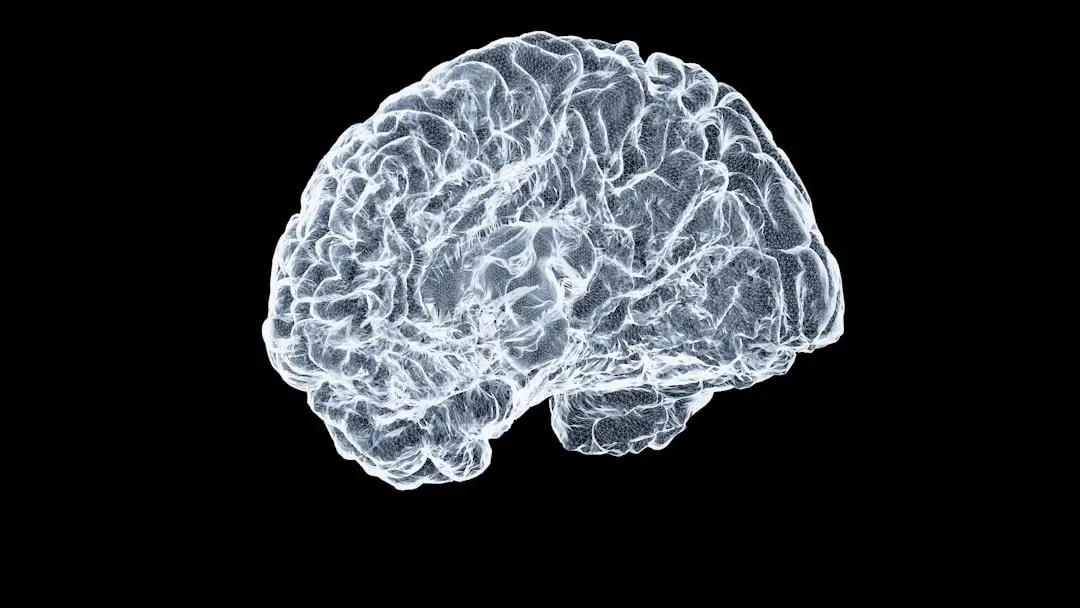
Traditional neuroscience tends to explain experiences in terms of brain regions firing under particular chemical and electrical conditions: lack of oxygen causes random firing; random firing produces strange sensations; the brain tries to impose narrative shape on the chaos afterward. This type of model can explain some visual phenomena, like tunnels or flashes of light, as the visual cortex shuts down from the outside in. It can also account for feelings of detachment or euphoria based on surges of specific neurotransmitters. But when researchers put all the elements together – clarity, meaningful structure, well-organized memory, and the timing relative to brain shutdown – the story stops fitting comfortably.
The real sticking point is that these experiences often feel more real than normal life to those who report them, and they can leave long-lasting changes in values, personality, and attitudes toward death. If it was all just messy brain noise, you might expect jumbled fragments, not a coherent narrative that people can recall years later in detail. It would be like expecting a corrupted computer file to spontaneously reorganize itself into a powerful, moving story. Some scientists argue we simply have not yet discovered the more complex dynamics of a dying brain, while others suggest this might be a sign that our basic assumptions about consciousness as a byproduct of brain function are incomplete.
Psychological Transformation After Coming Back

One of the strongest clues that something unusual is going on comes from what happens after the near-death event, not just during it. Many people who go through these experiences report that their fear of death drops dramatically, even if they were anxious or skeptical before. They often describe feeling more connected to other people, caring less about status or material success, and focusing more on relationships, creativity, and a sense of purpose. Researchers who follow these individuals long term see these changes stick around, sometimes for years or decades, like a psychological imprint.
From a purely neurological standpoint, that level of transformation from a single medical crisis is not easy to explain. Yes, any brush with death can shake a person’s priorities, but near-death experiencers often describe their shift not as trauma but as something closer to a revelation, whether they interpret it religiously or not. It feels as though they have seen behind the curtain and can no longer fully go back. As someone who has watched a family member become unexpectedly calm and open-hearted after surviving a cardiac arrest, I find it hard not to wonder if these experiences tap into a deep layer of mind that everyday life almost never reaches.
Culture, Belief, and the Brain’s Storytelling Instinct
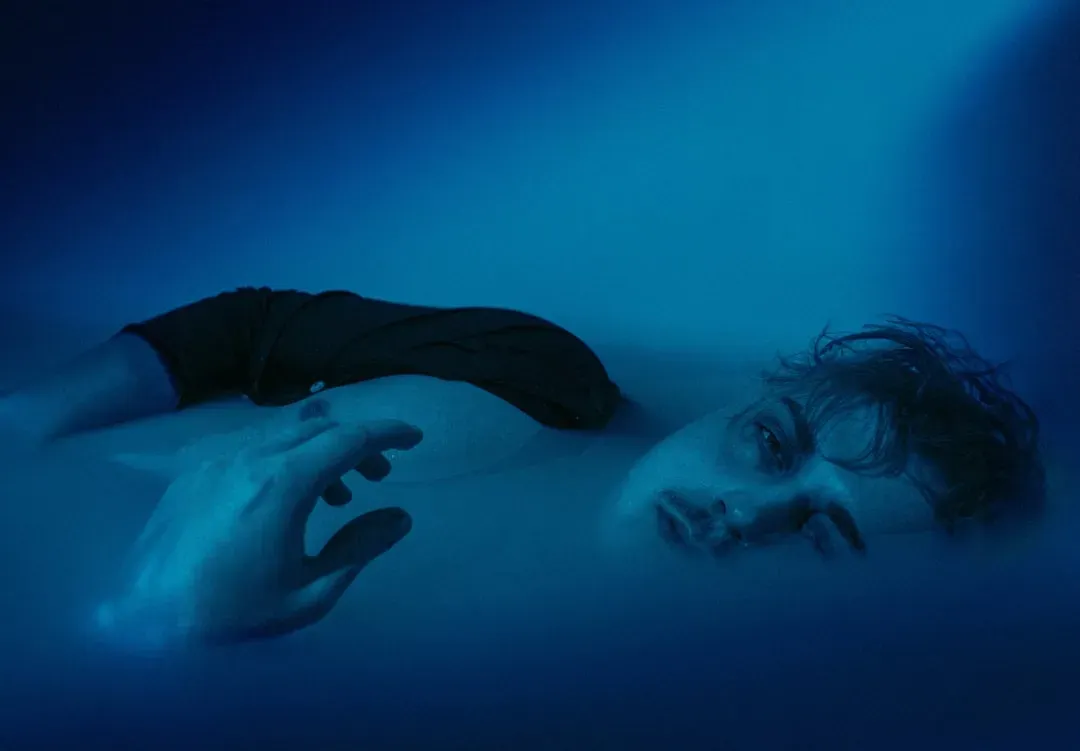
Of course, culture and personal belief absolutely shape how people interpret what happened to them. A bright presence might be understood as a religious figure in one culture and as an abstract consciousness in another. Some skeptics argue that near-death experiences are simply the brain leaning on its favorite stories under extreme stress, pulling in symbols from religion, movies, or personal expectations. That likely accounts for some of the surface-level differences between accounts, and it is important not to ignore how powerful suggestion and memory reconstruction can be after a shocking event.
But even when you strip away the culturally flavored details, there still seems to be a shared skeleton: the sense of leaving the body, moving through a transition space, encountering a boundary or decision point, and then returning with a renewed sense of meaning. It is like different cultures decorating the same underlying framework with their own imagery. That raises a tough question: is the framework itself just a universal brain script for dying, or is it reflecting something about how consciousness naturally behaves when it is pushed to the edge of its usual operating range? At the moment, the data can be read both ways, which is exactly why the topic refuses to go away.
Where The Science Is Heading Next
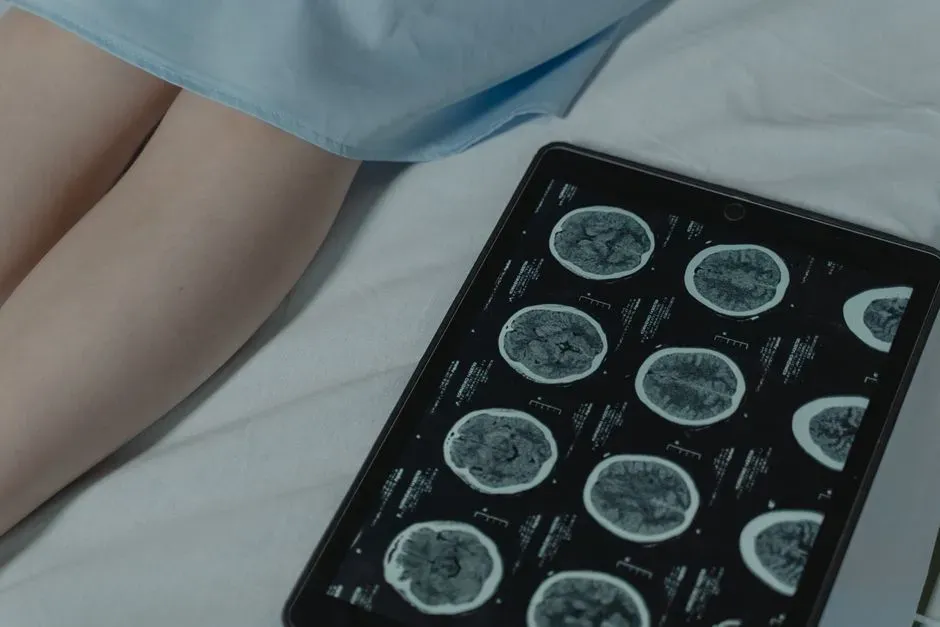
Researchers are not stopping at anecdotes or simple interviews anymore; they are designing increasingly careful, multi-center studies to track brain activity, blood flow, and subjective reports around the time of resuscitation. This includes using more sophisticated brain monitoring in intensive care units and emergency rooms, as well as structured follow-up interviews with standardized questionnaires. The goal is to move from scattered case stories to robust data sets large enough to test specific hypotheses: when exactly do these experiences occur relative to brain shutdown, what patterns appear most consistently, and how do they correlate with measurable neural activity?
At the same time, philosophers of mind and consciousness researchers are using near-death reports to test broader theories about what mind actually is. Some argue that these phenomena can still be folded into an expanded materialist framework that simply needs to account for more complex global brain dynamics. Others think these findings hint that consciousness might not be entirely reducible to brain activity, or at least that the relationship is deeper and stranger than currently modeled. Whatever your stance, it is clear that near-death research is quietly forcing neuroscience to confront questions it used to avoid or dismiss as purely spiritual.
Conclusion: A Scientific Mystery Hiding In Plain Sight
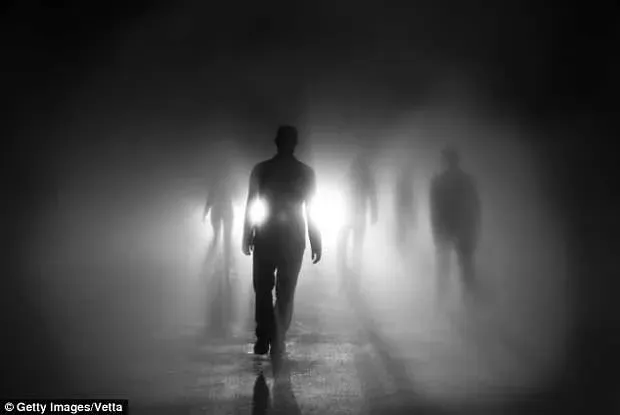
For now, the most honest answer is that near-death experiences sit in a gray zone where data and mystery overlap in uncomfortable ways. There is enough neurological evidence to say these are not mere fantasies, but not enough understanding to fully fit them into any existing model of the brain. Personally, I lean toward the view that our theories of consciousness are still in their infancy, and that NDEs are like glitchy error messages from a system we barely grasp. Writing them off as hallucinations feels lazy; saying they prove an afterlife goes further than the evidence allows. The truth is likely somewhere in between, or in a place we have not even imagined yet.
What seems undeniable is that people who have these experiences are changed, that their stories show deep internal consistency, and that their timing lines up suspiciously well with moments when the brain should be least able to produce anything coherent. If you care about understanding what consciousness really is, ignoring that pattern is like ignoring a fire alarm because it does not fit your schedule. Whether near-death experiences turn out to be a doorway, a mirror, or just a strange flicker in the circuits, they are telling us – loudly – that our current models are not the final word. The only real question is whether we are willing to let this mystery challenge our assumptions, or whether we will keep pretending the puzzle is smaller than it clearly is – what would you bet on?