Deep in the rolling hills of Germany lies a treasure trove that has revolutionized our understanding of prehistoric life. The Messel Pit, a former oil shale mine turned paleontological wonderland, contains fossils so perfectly preserved that scientists can still see the contents of ancient stomachs and the delicate wing patterns of 47-million-year-old insects. This extraordinary site doesn’t just offer glimpses into the past – it provides high-definition snapshots of an entire ecosystem from the Eocene epoch, complete with tropical forests, ancient lakes, and creatures that seem almost too fantastical to be real.
The Geological Marvel Behind Perfect Preservation
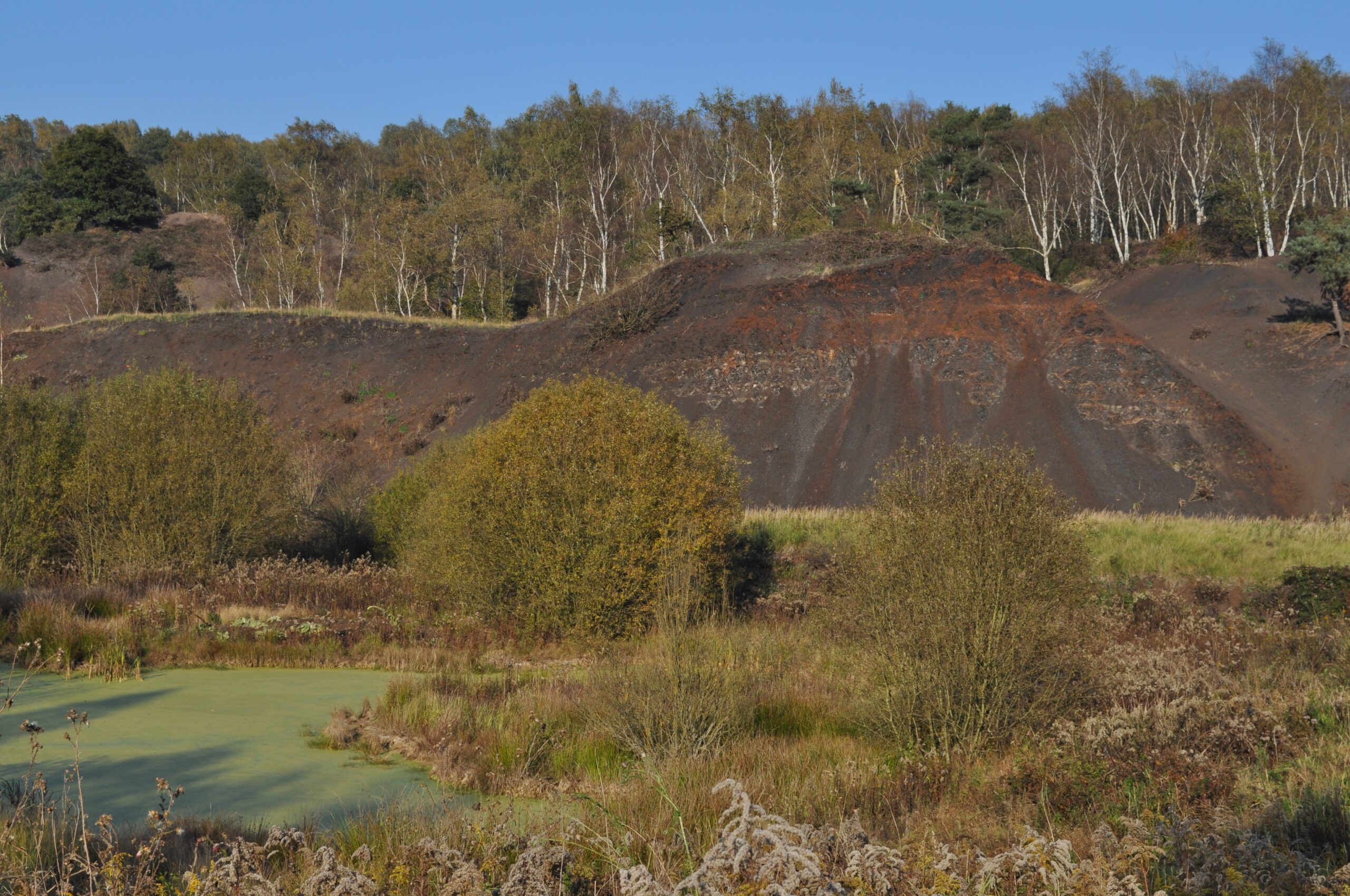
The Messel Pit owes its extraordinary fossil preservation to a unique combination of geological circumstances that occurred millions of years ago. During the Eocene epoch, this region was home to a deep volcanic lake surrounded by lush tropical forests. The lake’s bottom layers contained virtually no oxygen, creating an environment where bacteria couldn’t decompose organic matter.
When animals and plants died and sank to the lake floor, they were quickly buried in fine sediments that sealed them away from the destructive forces of decay. The oil shale that formed over time acted like nature’s own preservation chamber, maintaining even the most delicate structures for millions of years.
A Window Into the Eocene Epoch
Forty-seven million years ago, the world looked dramatically different from today. The climate was much warmer, and Europe enjoyed a tropical paradise complete with palm trees, crocodiles, and exotic birds. The Messel fossils provide an unparalleled snapshot of this ancient world, showing us not just what lived then, but how these creatures behaved and interacted.
The Eocene period represents a crucial time in Earth’s history when modern mammalian groups were just beginning to diversify. At Messel, we can see the early ancestors of horses, bats, and primates, giving us invaluable insights into evolutionary processes that shaped life on Earth.
Ida: The Fossil That Shook the Scientific World
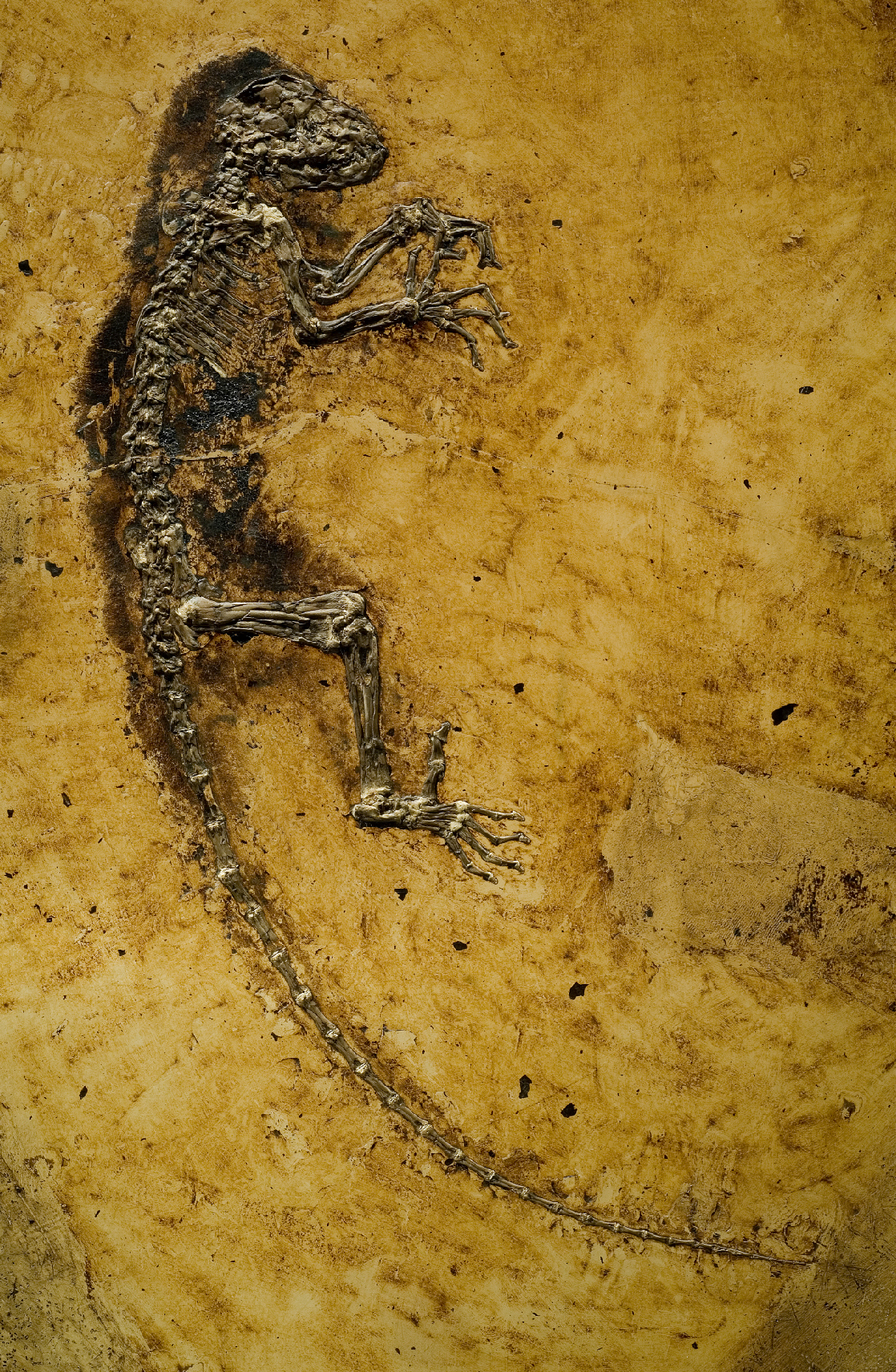
In 2009, the discovery of a remarkably complete primate fossil nicknamed “Ida” sent shockwaves through the paleontological community. This 47-million-year-old specimen, scientifically known as Darwinius masillae, was preserved with incredible detail – even her last meal was still visible in her stomach.
Ida represents one of the most complete early primate fossils ever found, with over 95% of her skeleton intact. Her discovery sparked intense debate about early primate evolution and our understanding of the human lineage. The fossil’s exceptional preservation allowed scientists to study everything from her fur patterns to her fingernails.
Prehistoric Horses and Their Evolutionary Journey
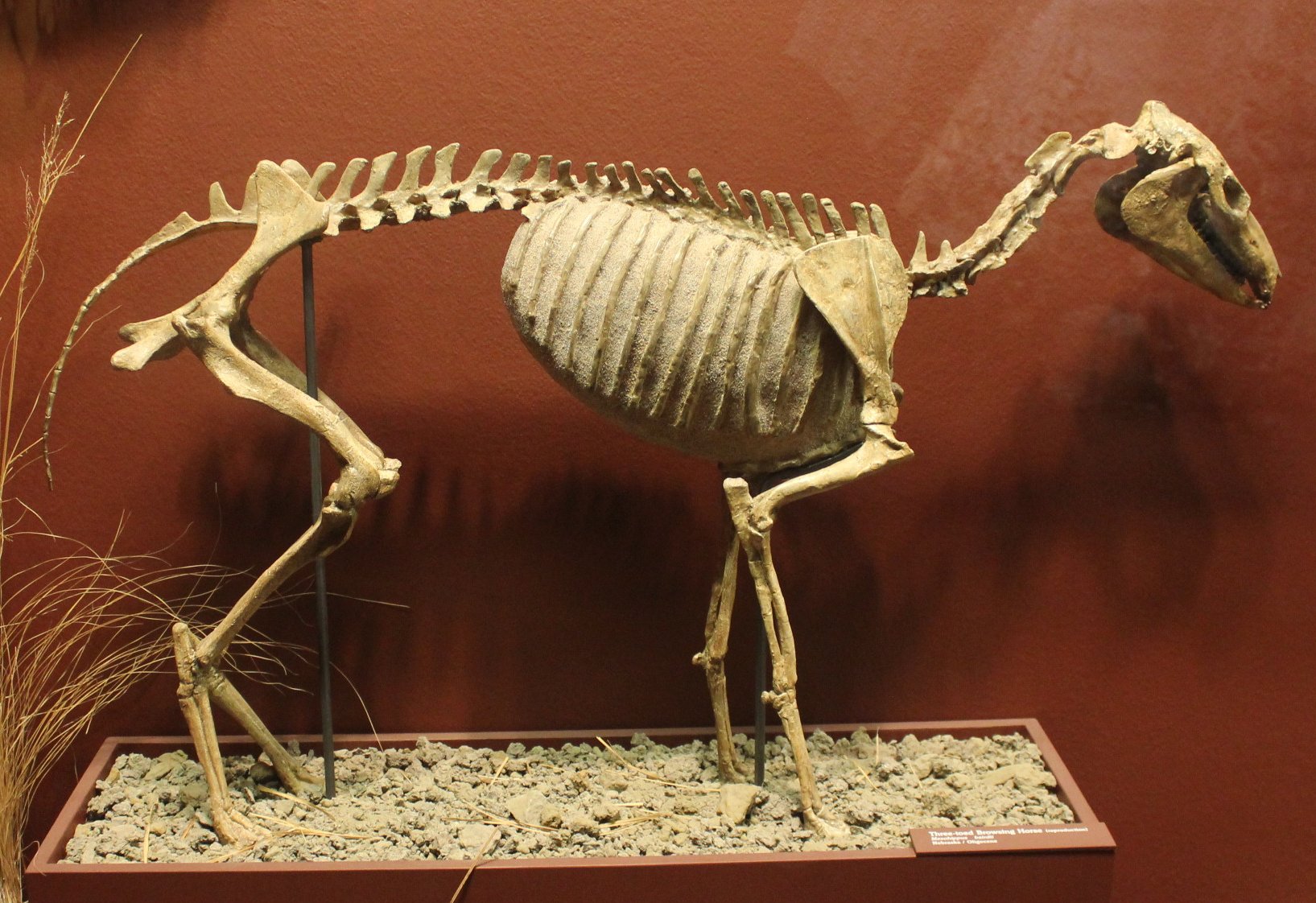
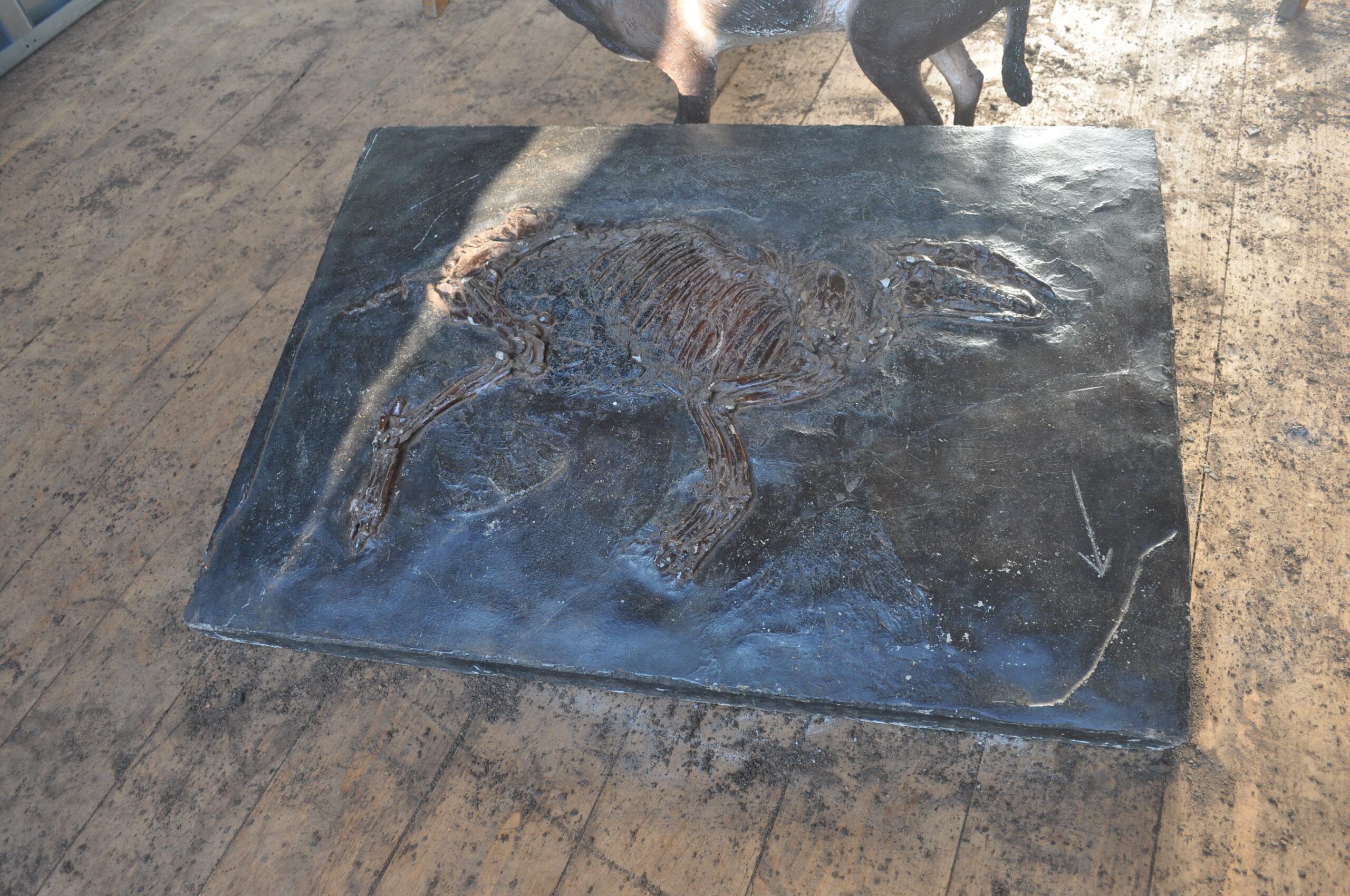
The Messel Pit has yielded some of the most complete early horse fossils ever discovered, providing crucial evidence for understanding equine evolution. These ancient horses, known as Eurohippus, were tiny creatures about the size of a fox terrier, with four toes on their front feet and three on their back.
What makes these fossils extraordinary is their preservation quality – scientists can study not just the bones, but also the soft tissues, stomach contents, and even the bacteria in their guts. Some specimens still contain the remains of their last meals, showing us exactly what these prehistoric horses ate and how they lived.
Ancient Bats: Masters of Early Flight
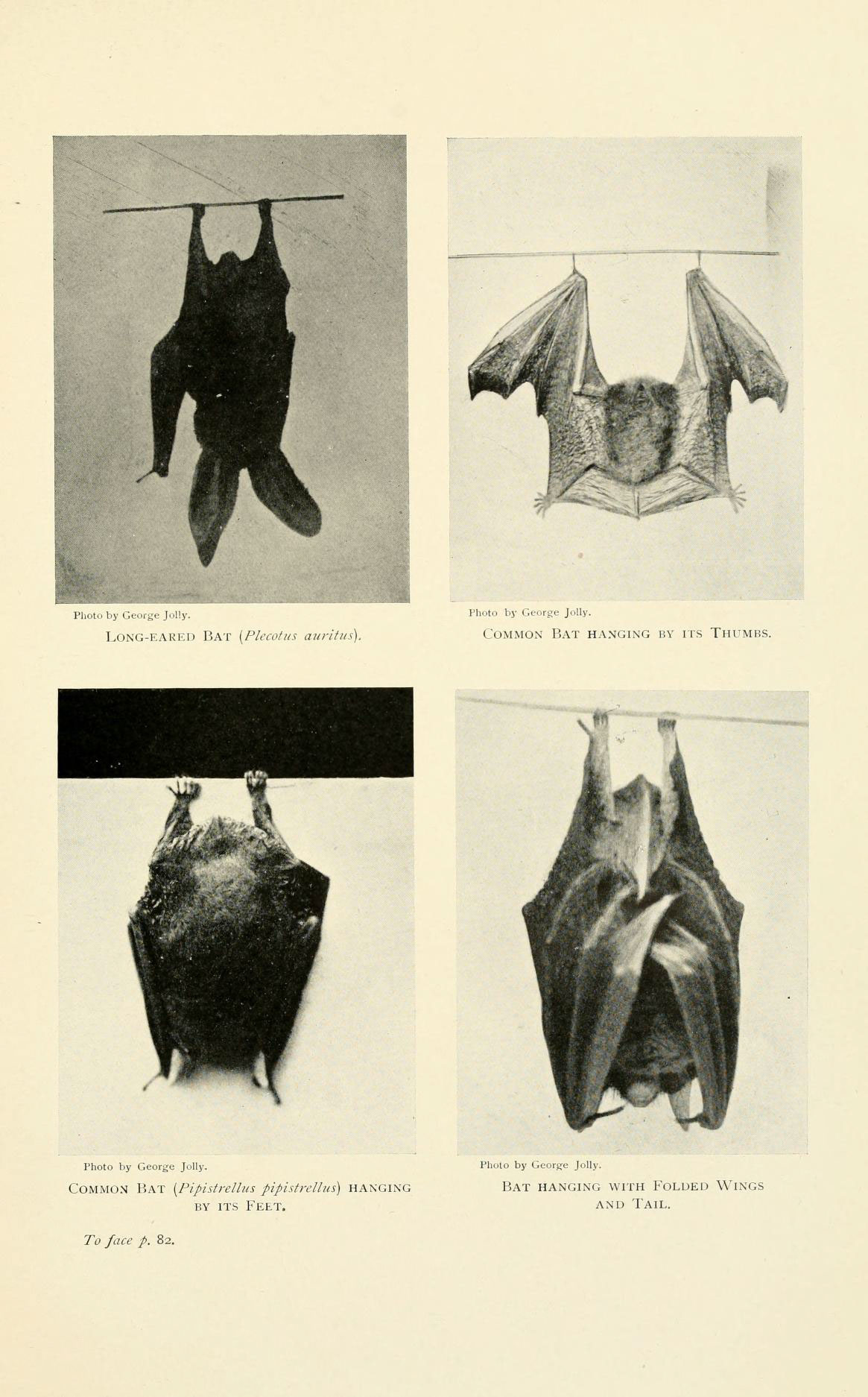
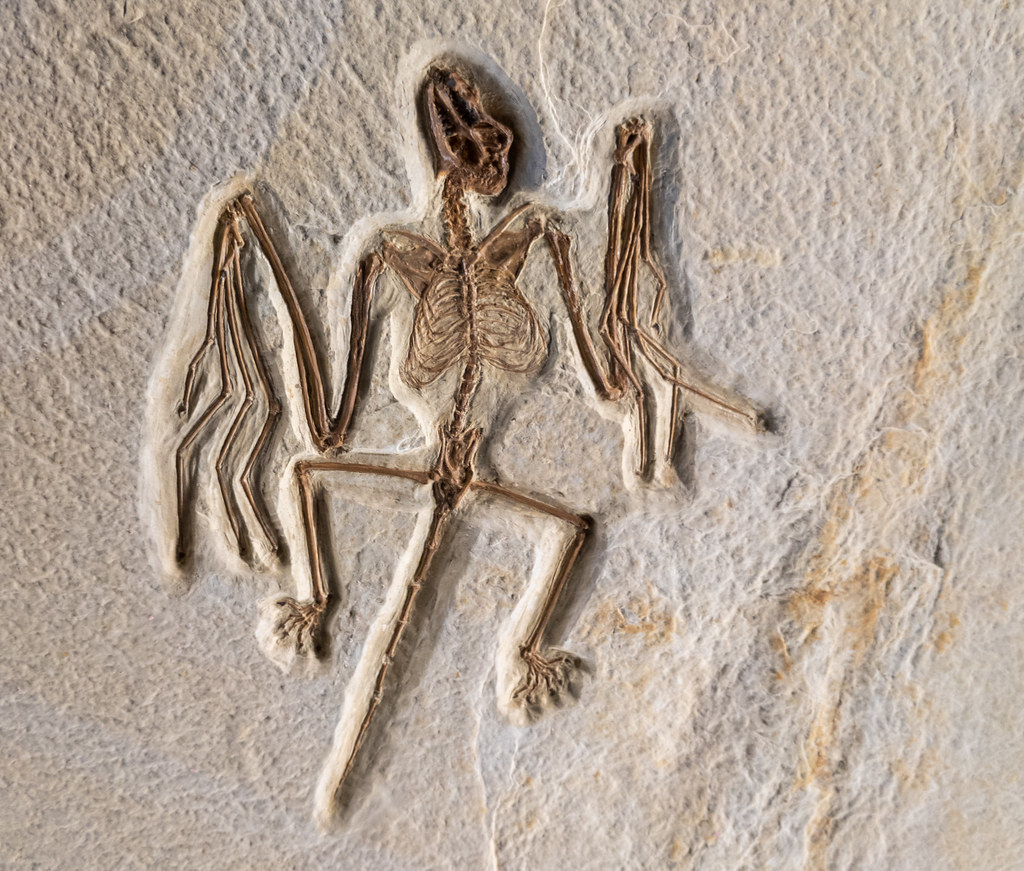
The bat fossils from Messel represent some of the oldest and most complete specimens of these flying mammals ever found. These 47-million-year-old bats were already accomplished fliers, with wing membranes perfectly preserved in the fossil record.
What’s remarkable about these ancient bats is how similar they are to modern species, suggesting that the basic body plan for flight in mammals was perfected very early in their evolutionary history. The fossils show detailed wing structures, including the delicate finger bones that supported their flight membranes.
The Colorful World of Messel’s Ancient Birds
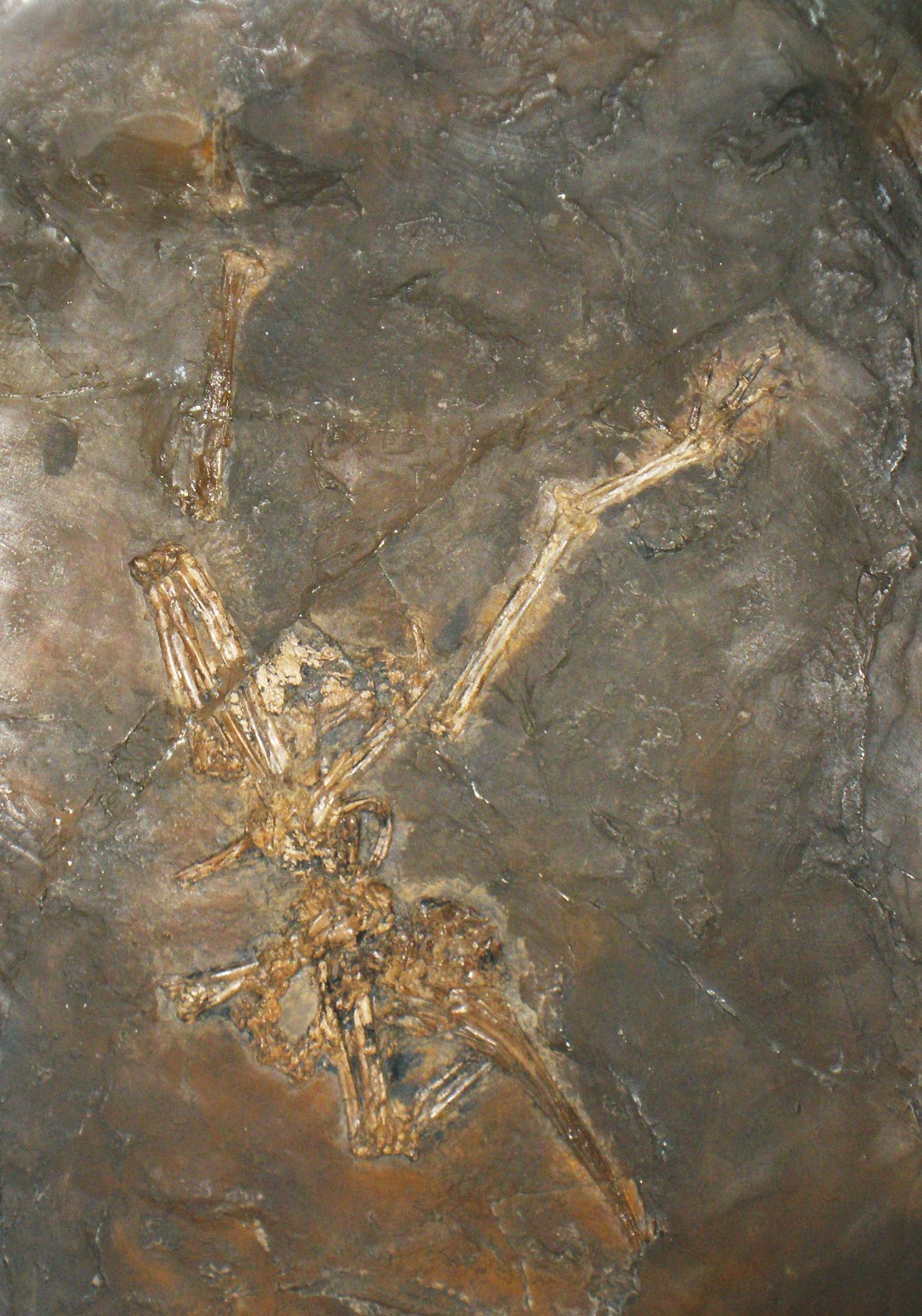
Bird fossils from Messel have provided unprecedented insights into prehistoric avian life, with some specimens preserving not just feathers but even traces of original coloration. These discoveries have revolutionized our understanding of how colorful the ancient world really was.
Scientists have identified over 60 different bird species from Messel, ranging from tiny songbirds to large, flightless runners. Some fossils are so well-preserved that researchers can still see the microscopic structures that gave these ancient birds their brilliant colors, proving that the prehistoric world was every bit as vibrant as today’s natural world.
Insects Frozen in Time
The insect fossils from Messel are nothing short of spectacular, with specimens preserved in such detail that scientists can study individual scales on butterfly wings and the compound eyes of ancient flies. These fossils provide a comprehensive look at insect diversity during the Eocene epoch.
From delicate dragonflies to massive beetles, the Messel insects show us an ecosystem teeming with arthropod life. Many specimens still retain their original iridescent colors, creating a dazzling display of prehistoric beauty that rivals any modern butterfly collection.
Plant Life in the Ancient Tropical Paradise
The plant fossils from Messel paint a picture of a lush, tropical world filled with palm trees, ferns, and flowering plants. These botanical remains are preserved with such clarity that scientists can identify individual species and reconstruct entire ancient ecosystems.
Leaf fossils show intricate vein patterns and even insect damage, providing evidence of the complex interactions between plants and animals 47 million years ago. Some specimens preserve flowers so perfectly that their petals still show delicate color patterns, offering a glimpse into the beauty of prehistoric blooms.
The Science of Exceptional Preservation
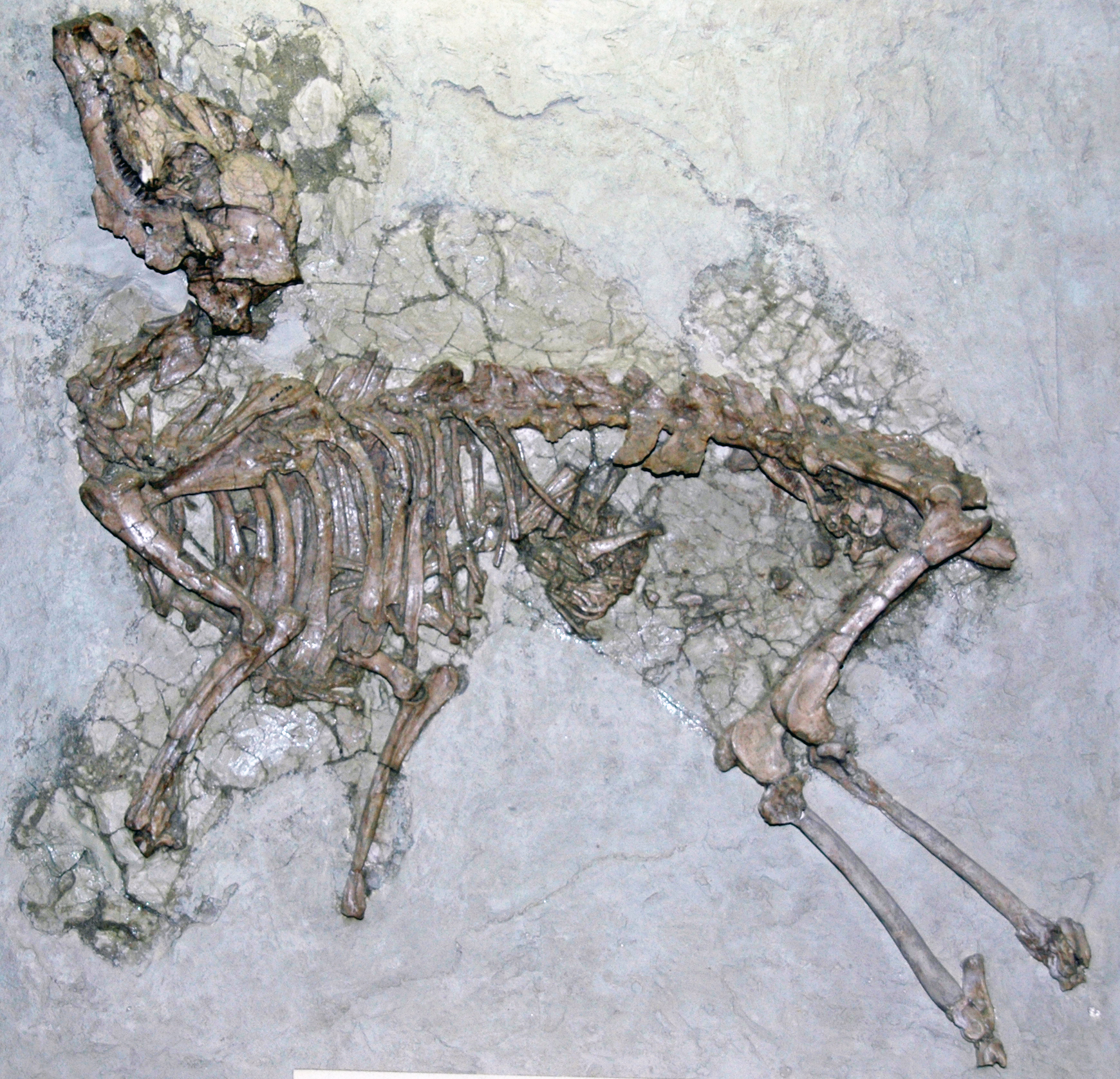
The exceptional preservation at Messel results from a perfect storm of geological conditions that rarely occur together. The combination of rapid burial, oxygen-free environment, and chemical composition of the lake sediments created ideal conditions for fossilization.
Scientists have discovered that the lake’s unique chemistry not only preserved hard tissues like bones and teeth but also soft tissues, skin, fur, and even internal organs. This type of preservation, called Lagerstätte, is extremely rare in the fossil record and provides unparalleled insights into ancient life.
Modern Excavation Techniques and Technologies
Today’s paleontologists use cutting-edge technology to extract and study Messel fossils, including CT scanning, electron microscopy, and advanced chemical analysis. These tools allow scientists to peer inside fossils without damaging them, revealing internal structures and preserved soft tissues.
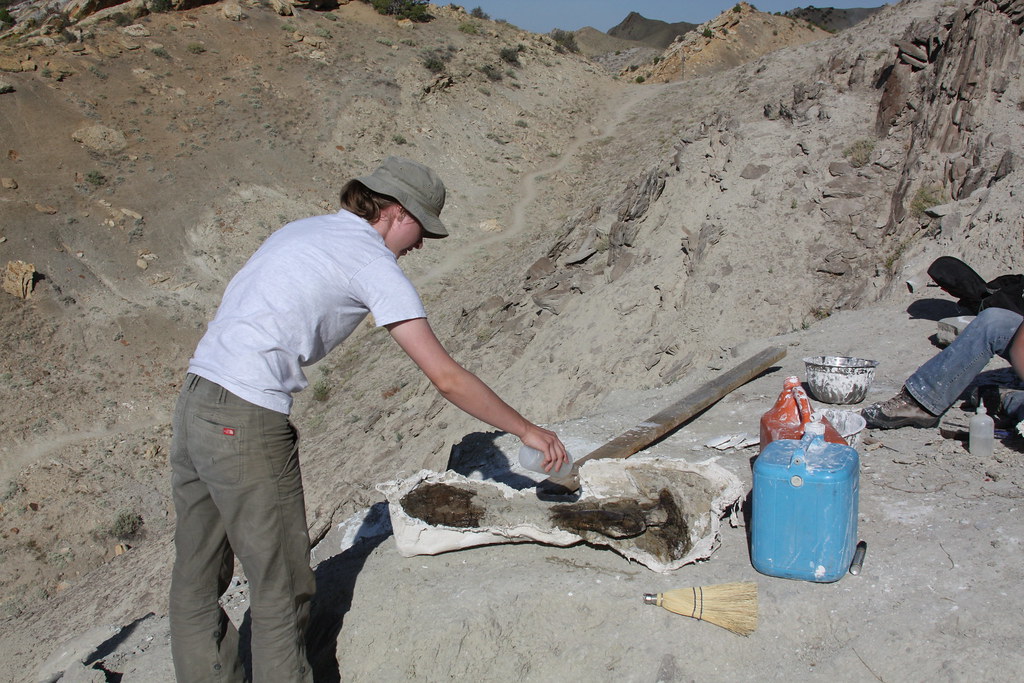
The excavation process itself is a delicate art, requiring incredible patience and precision. Each fossil is carefully mapped, photographed, and documented before being removed from the ground, ensuring that valuable contextual information is preserved along with the specimens themselves.
The Role of Volcanic Activity in Fossil Formation

Volcanic activity played a crucial role in creating the exceptional preservation conditions at Messel. Periodic volcanic eruptions released toxic gases into the lake, creating mass mortality events that killed large numbers of animals simultaneously.
These catastrophic events, while tragic for the ancient ecosystem, created ideal conditions for fossilization. The rapid burial of organisms in volcanic ash and fine sediments prevented decomposition and scavenging, allowing for the incredible preservation we see today.
Messel’s Impact on Evolutionary Biology

The fossils from Messel have fundamentally changed our understanding of mammalian evolution, particularly during the critical Eocene period. These specimens provide direct evidence of evolutionary transitions and help fill gaps in the fossil record that were previously mysterious.
The site has contributed to our understanding of how modern animal groups evolved, showing us the intermediate forms that connect ancient and modern species. This evidence has been crucial in testing and refining evolutionary theories about mammalian diversification.
UNESCO World Heritage Status and Conservation
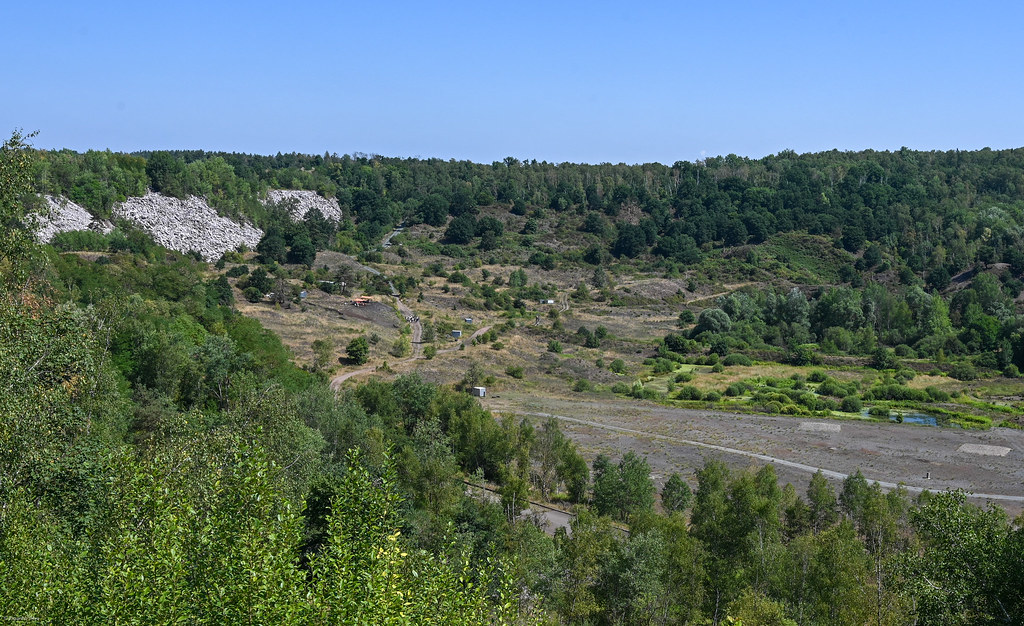
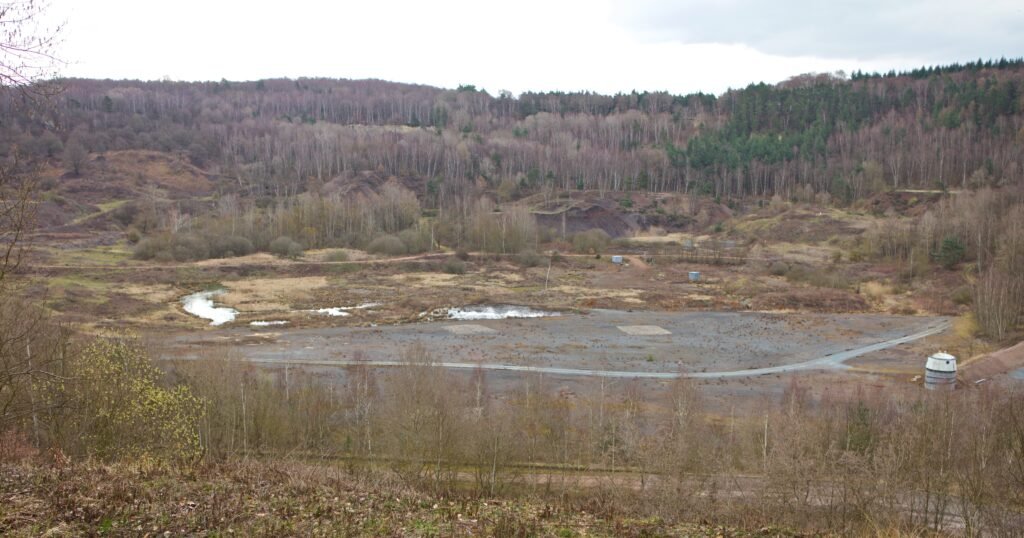
In 1995, Messel Pit was designated a UNESCO World Heritage Site, recognizing its extraordinary scientific value and the need for its protection. This designation helps ensure that future generations of scientists will have access to this remarkable window into the past.
The site faces ongoing challenges from development pressure and environmental threats, making conservation efforts crucial for preserving this irreplaceable scientific resource. International cooperation and continued research funding are essential for maintaining Messel’s contribution to our understanding of Earth’s history.
The Messel Research Station and Museum
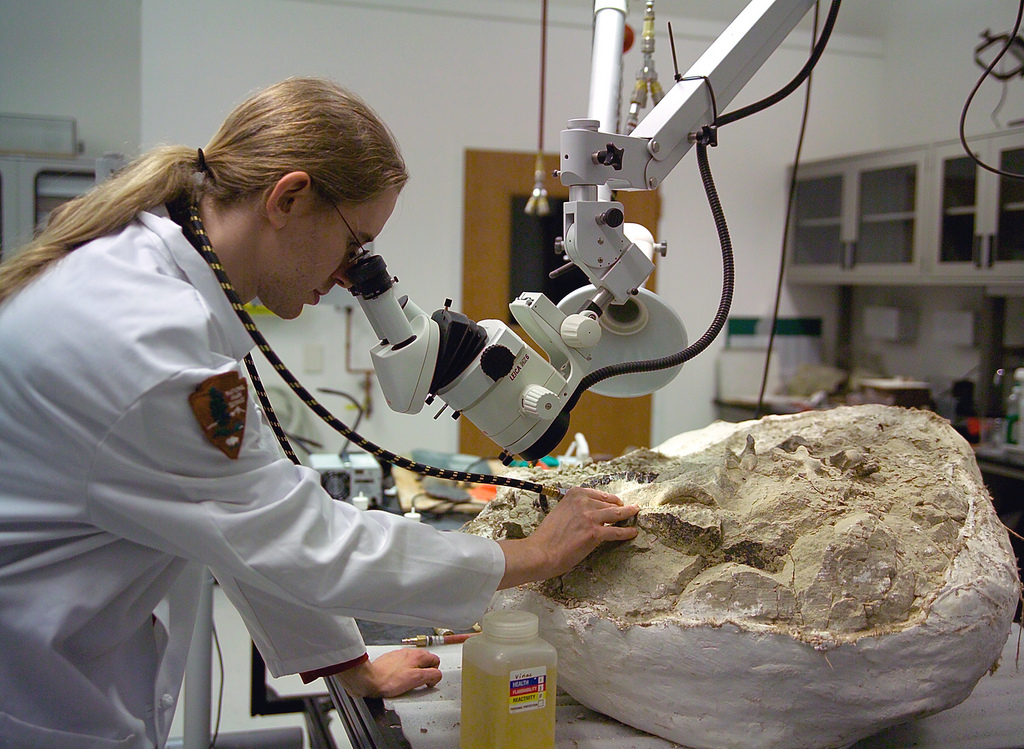
The Messel Research Station serves as a hub for ongoing scientific investigation, bringing together researchers from around the world to study these remarkable fossils. The facility houses state-of-the-art laboratories and preparation rooms where new discoveries are carefully cleaned and analyzed.
The nearby visitor center and museum showcase the most spectacular finds from Messel, allowing the public to experience the wonder of these ancient treasures. Interactive displays and educational programs help visitors understand the scientific significance of the site and its contributions to our knowledge of prehistoric life.
Ongoing Discoveries and Future Research
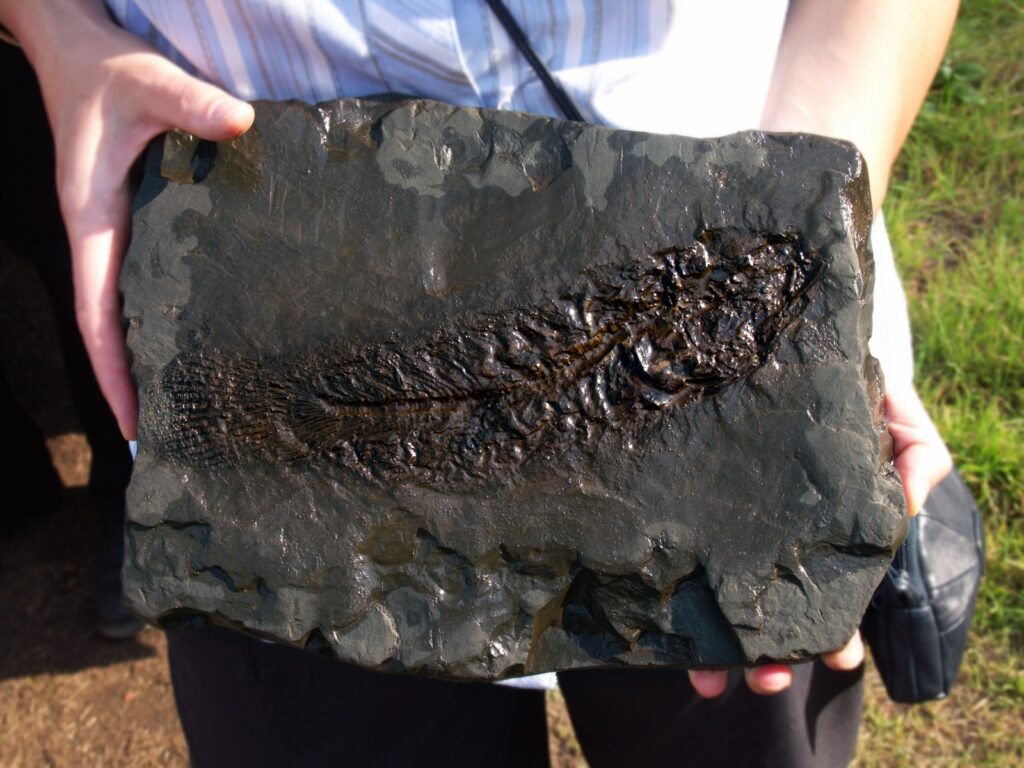
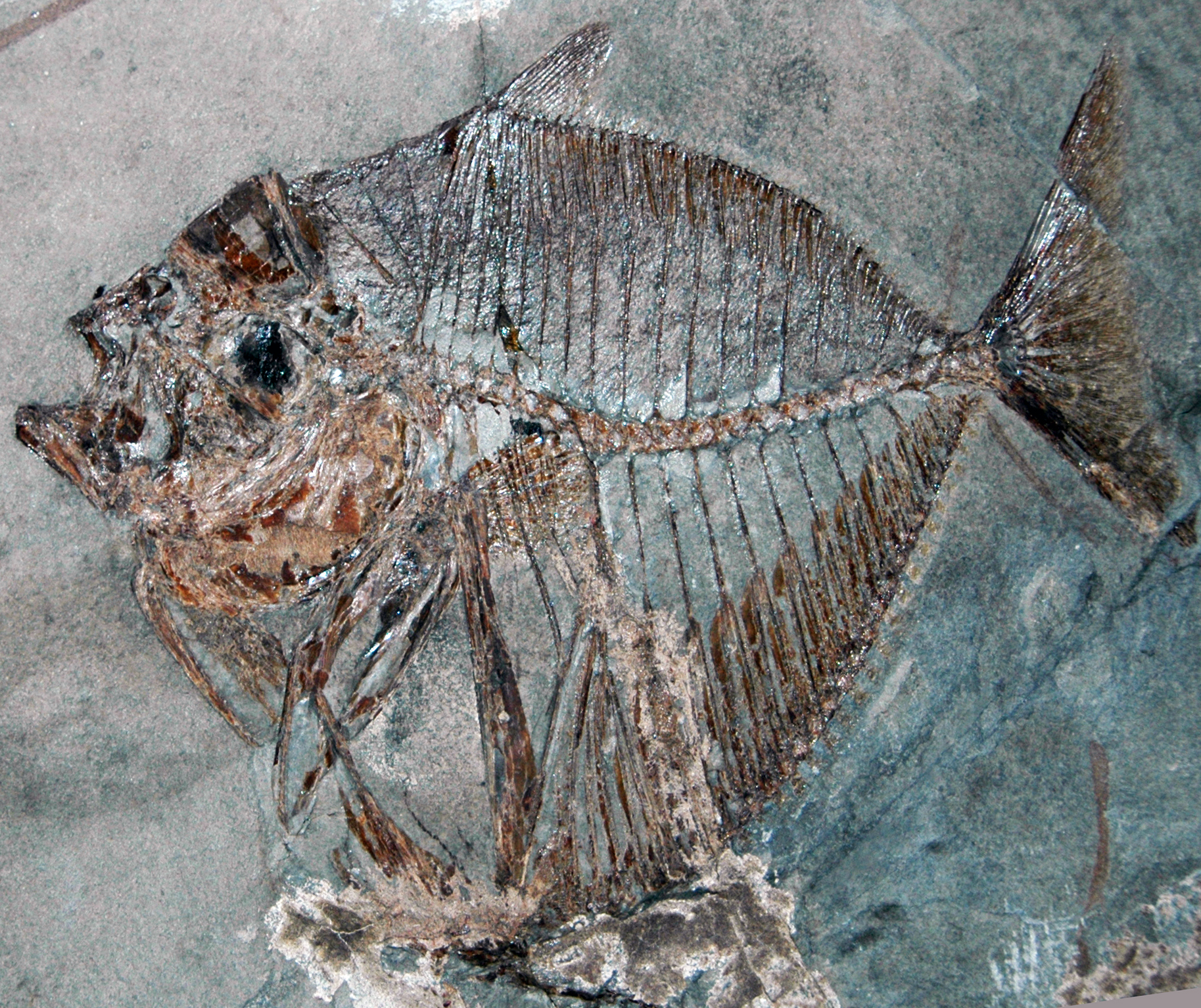
Despite decades of excavation, Messel continues to yield new discoveries that surprise and delight scientists. Recent finds include perfectly preserved fish, ancient crocodiles, and even microscopic organisms that provide insights into prehistoric ecosystems.
Future research at Messel will likely focus on extracting even more detailed information from existing specimens using advanced analytical techniques. Scientists are particularly interested in studying preserved DNA and proteins, which could provide unprecedented insights into the genetics of ancient organisms.
Climate Change Lessons from the Past
The Messel fossils provide valuable insights into how ecosystems respond to rapid climate change, offering lessons that are increasingly relevant in our current era of global warming. The Eocene period experienced dramatic climate shifts, and the fossil record shows how life adapted to these changes.
By studying ancient ecosystems and their responses to environmental pressures, scientists can better predict how modern ecosystems might respond to ongoing climate change. The Messel fossils serve as a natural laboratory for understanding the complex relationships between climate, environment, and life.
The Legacy of Messel’s Prehistoric World

The Messel Pit stands as testament to the incredible diversity and beauty of prehistoric life, offering a level of preservation that borders on the miraculous. These fossils don’t just tell us about the past – they connect us to the long history of life on Earth and remind us of our planet’s incredible capacity for creating and preserving beauty.
Every fossil from Messel represents a individual life story, frozen in time and waiting to be discovered. The site continues to reveal new secrets about our planet’s history, challenging our assumptions about prehistoric life and inspiring new generations of scientists to explore the mysteries of the ancient world.
As we face an uncertain future marked by rapid environmental change, the lessons from Messel become increasingly important. These 47-million-year-old fossils remind us that Earth’s history is filled with dramatic changes, and that life’s ability to adapt and survive depends on the preservation of diverse ecosystems and the continuation of scientific research that helps us understand our planet’s complex history.