
Landmines hidden under quiet fields. A cough that spreads unseen bacteria. Both sound like problems built for machines or elite teams, not whiskered rodents the size of a loaf of bread. Yet in demining zones and tuberculosis labs from Tanzania to Cambodia, trained African giant pouched rats are beating expectations and rewriting what we thought animals could do for public health and safety. Their story is part science, part grit, and entirely surprising. And it’s still unfolding in ways that could change how we respond to some of the world’s toughest hazards.
The Hidden Clues
Here’s the shocker: a single trained rat can search an area roughly the size of a tennis court in about the time it takes to brew a coffee. Instead of pinging at every stray nail like a metal detector, the rat noses out the actual scent of explosives, ignoring scrap that slows humans to a crawl. Because they’re light, they don’t trigger the mines they’re finding – a crucial advantage in fragile terrain. Watching video from a training field, I caught myself holding my breath as one rat paused and scratched: the tiniest gesture, the biggest relief.
Underground, the smell of TNT and related compounds wafts upward in patterns a human can’t parse but a rodent can. In a TB lab, it’s the volatile organic compounds released by Mycobacterium tuberculosis in sputum samples that give off a chemical signature. In both worlds, the clues are invisible but persistent, and a superb nose turns them into an alarm bell you can act on.
From Ancient Tools to Modern Science
For centuries, we’ve leaned on animals’ senses, from canaries in coal mines to dogs at border checkpoints. What’s different now is the precision and repeatability. The African giant pouched rat (Cricetomys ansorgei) isn’t a stand-in for nostalgia; it’s a modern detection instrument wrapped in fur, trained with rigorous behavioral protocols and validated by controlled trials. Operant conditioning – rewarding a correct indication and ignoring false alarms – shapes behavior fast and makes it stick.
In minefields, rats work on lines between two handlers, sweeping a 10-by-20-meter box with calm, rhythmic passes. In TB programs, they move along rows of covered sample ports and pause when they smell a positive sample, which is then confirmed by lab diagnostics. The model is elegant: animals do the high-throughput screening; humans and machines do the confirmation and clearance. It’s the right tool at the right step.
Inside a Super Sniffer
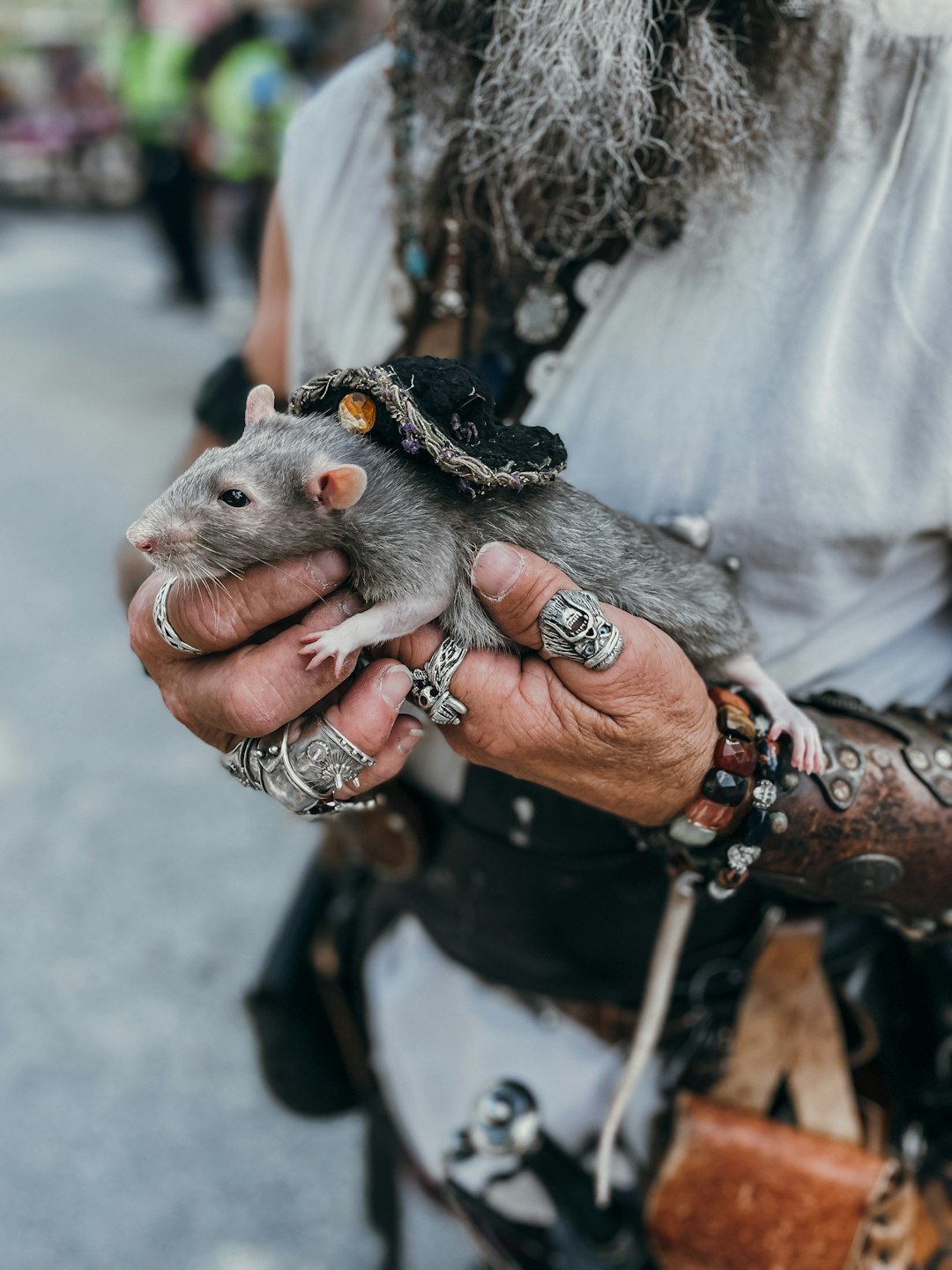
Genetics helps explain the magic. The pouched rat’s genome shows an eye-popping expansion of olfactory receptor genes compared with many mammals, giving it a kind of chemical high-definition. That biological head start meets a behavioral edge: calm temperament, curiosity, and a food motivation that turns training into a game the rats are eager to play. They’re also resilient to local parasites and climates across much of sub-Saharan Africa, reducing the hurdles of fieldwork.
Think of their olfactory system like a massive library of locks; explosives and TB volatiles are the keys. When the right key fits, neural circuits fire and the rat’s trained behavior – scratch, pause, press a tiny switch – kicks in. That speed-to-signal is why each TB rat can screen well over a hundred samples in minutes and a demining rat can cover ground that would take a human days to verify.
Training Day: How a HeroRAT Learns the Job
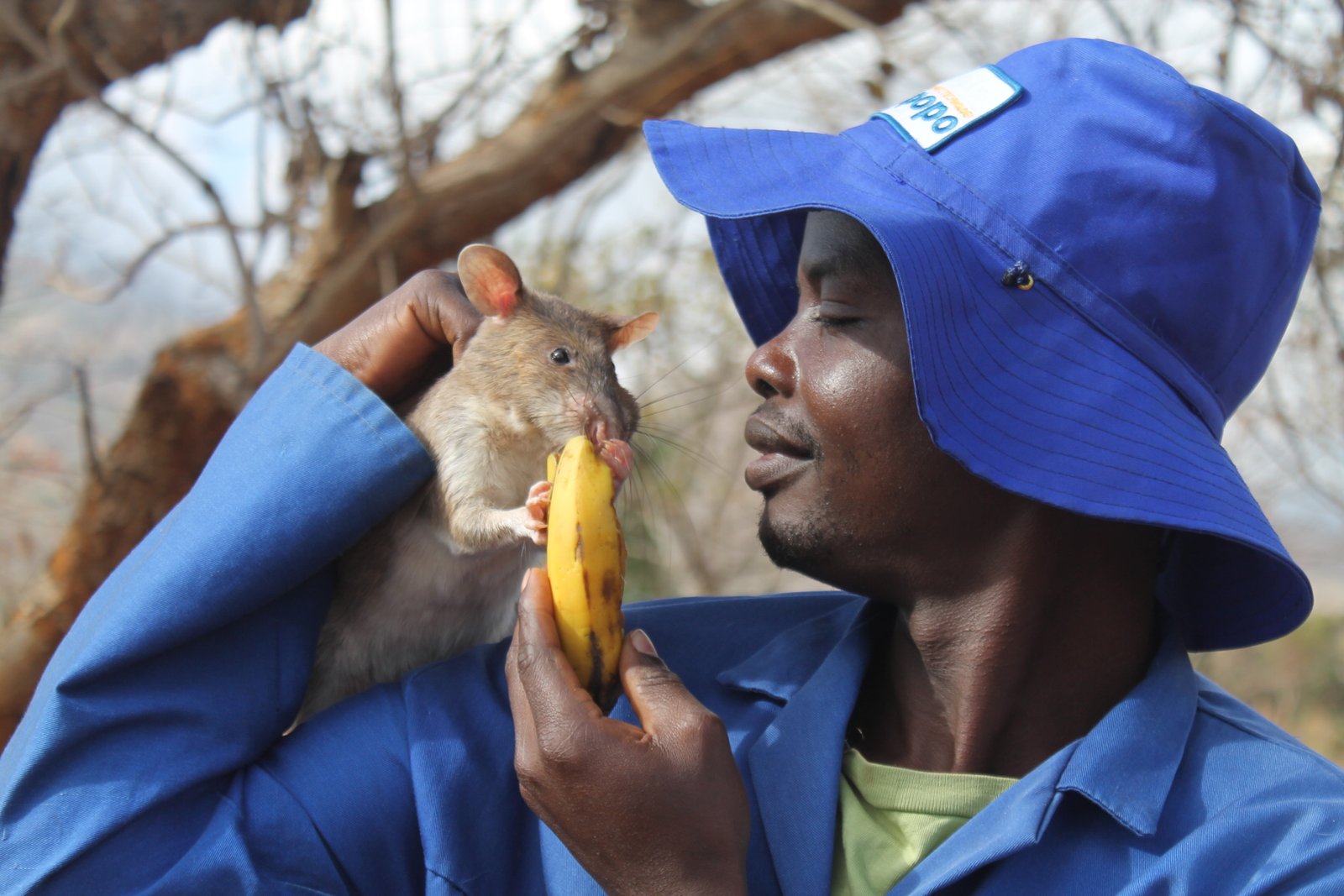
Training starts young and looks almost playful. A clicker marks the instant a rat does the right thing, followed by a small reward – banana mash, peanuts, or avocado paste. Over months, the targets get harder; distractors multiply; and the rat learns to generalize from pristine scents to messy real-world odors. Handlers track accuracy over thousands of trials, gradually introducing equipment, harnesses, and field routines that feel familiar by the time certification arrives.
For TB detection, rats practice on anonymized, heat-inactivated samples to keep everyone safe. In search-and-rescue training, the curriculum adds a lightweight backpack with a tiny camera, microphone, speaker, and tracker so responders can see and talk through rubble when a rat signals a survivor. It’s animal sense married to human tech – exactly the hybrid we need in chaotic places where seconds count.
On the Front Lines of Demining
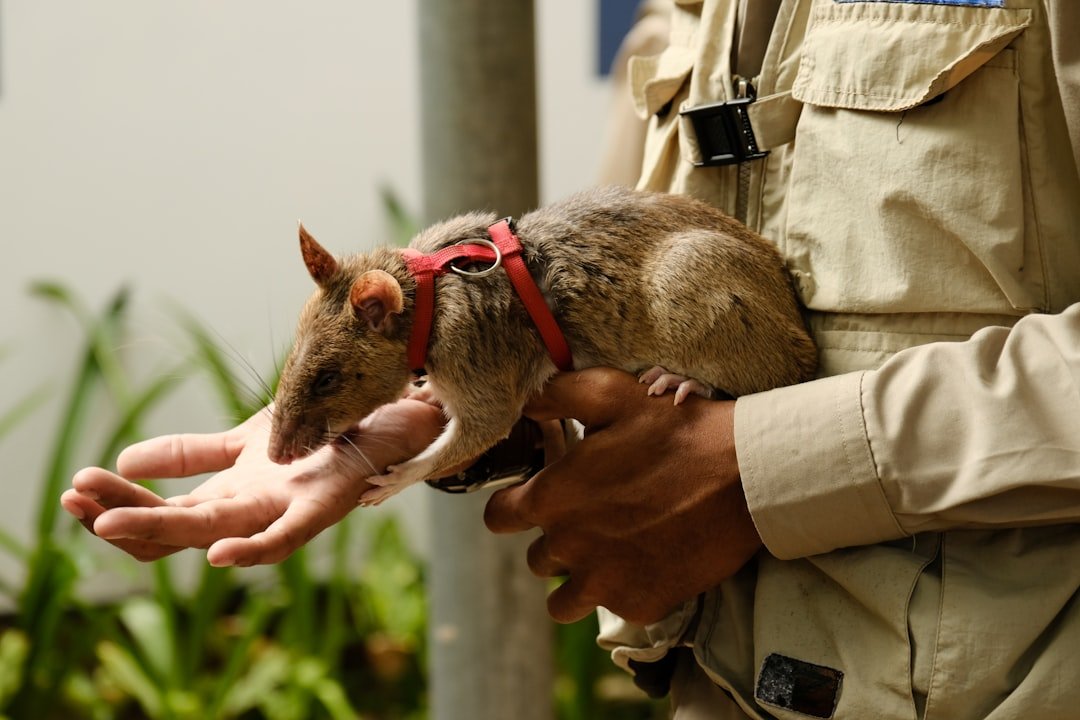
Operational teams in countries such as Angola, Cambodia, and Azerbaijan use rats to sweep large swaths fast, then send in deminers to excavate and destroy confirmed threats. Field data and peer-reviewed studies show low false-alarm rates and throughput that outpaces traditional methods, especially in sites littered with metallic junk. The difference is practical: less time crouched over phantom pings means more mines found per week and more farmland and footpaths returned to families sooner.
Rats don’t replace people or machines; they change the bottleneck. Dense brush still needs mechanical cutting so handlers can maintain line of sight, and cold climates restrict when and where rats can operate. But when terrain and temperature cooperate, their value is striking: focusing human effort where it matters and verifying clear ground quickly and safely.
Cracking TB’s Invisible Spread
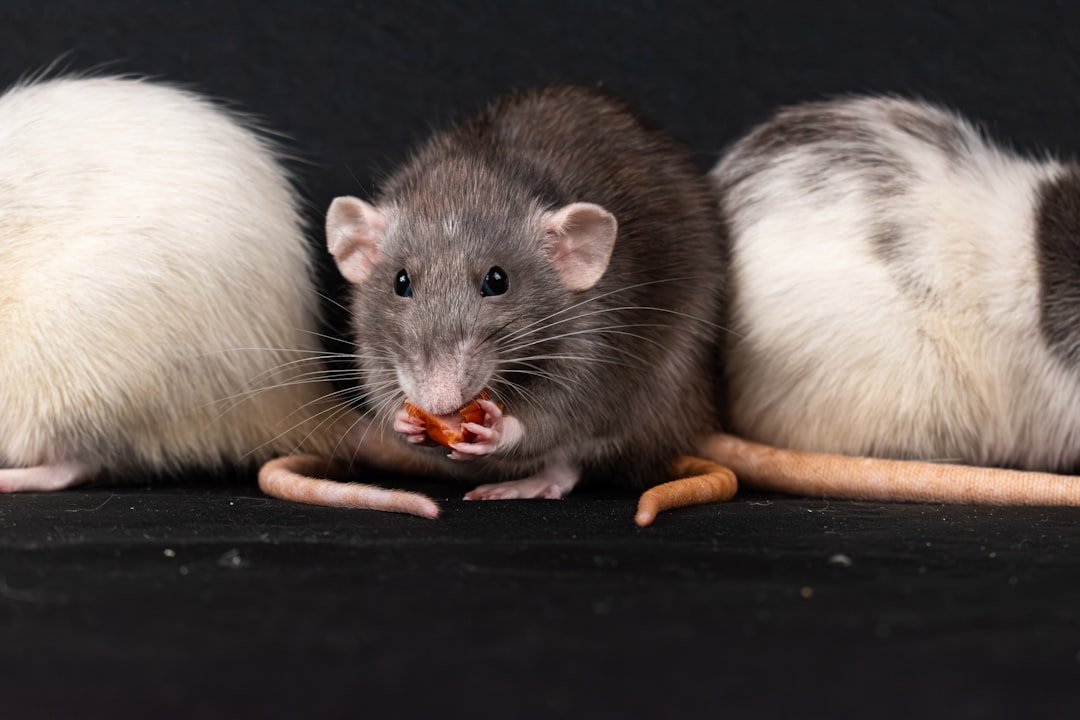
Tuberculosis kills quietly, especially when early infections slip through initial tests. That’s where the rats’ screening power shines. Programs in East Africa have shown that when rats re-check clinic samples that were declared negative, they flag many that standard tools missed. Follow-up confirmation then gets patients into treatment who would otherwise keep transmitting disease at home, work, or on crowded buses.
Across multiple studies, rat screening has boosted the number of true TB cases found by roughly about one half in participating clinics, including settings already using advanced molecular diagnostics. The approach is fast and cost-effective, particularly for high-volume labs and outreach campaigns that need to triage scarce cartridges and staff time. It’s a rare intervention that is both high-throughput and deeply humane.
Why It Matters
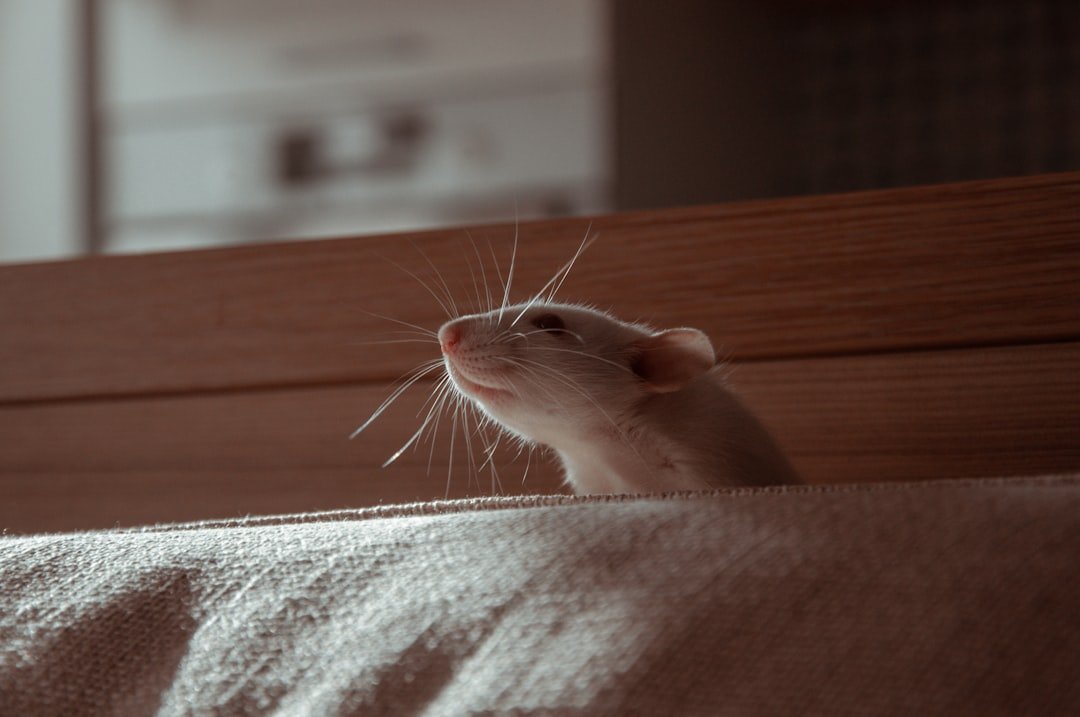
Stack the numbers and a clear picture emerges: this is about lives and livelihoods saved, at scale. Traditional metal detection is painstaking and indiscriminate; rats tune in to explosives themselves. Modern TB tests are powerful but costly and sometimes scarce; rats screen quickly to direct those tests where they’re needed most. In humanitarian operations, small efficiency gains ripple through entire systems.
Consider a few anchor facts that make the case concrete: – One rat can survey roughly 200 square meters in around 20 minutes, a task that can occupy a human with a detector for days. – In TB programs, rat screening has yielded additional confirmed cases on the order of nearly one half beyond routine diagnostics, accelerating treatment starts. – Training a rat to operational standards typically costs in the mid–thousands of dollars, a modest outlay compared with many high-tech alternatives and recoverable through throughput.
Global Perspectives
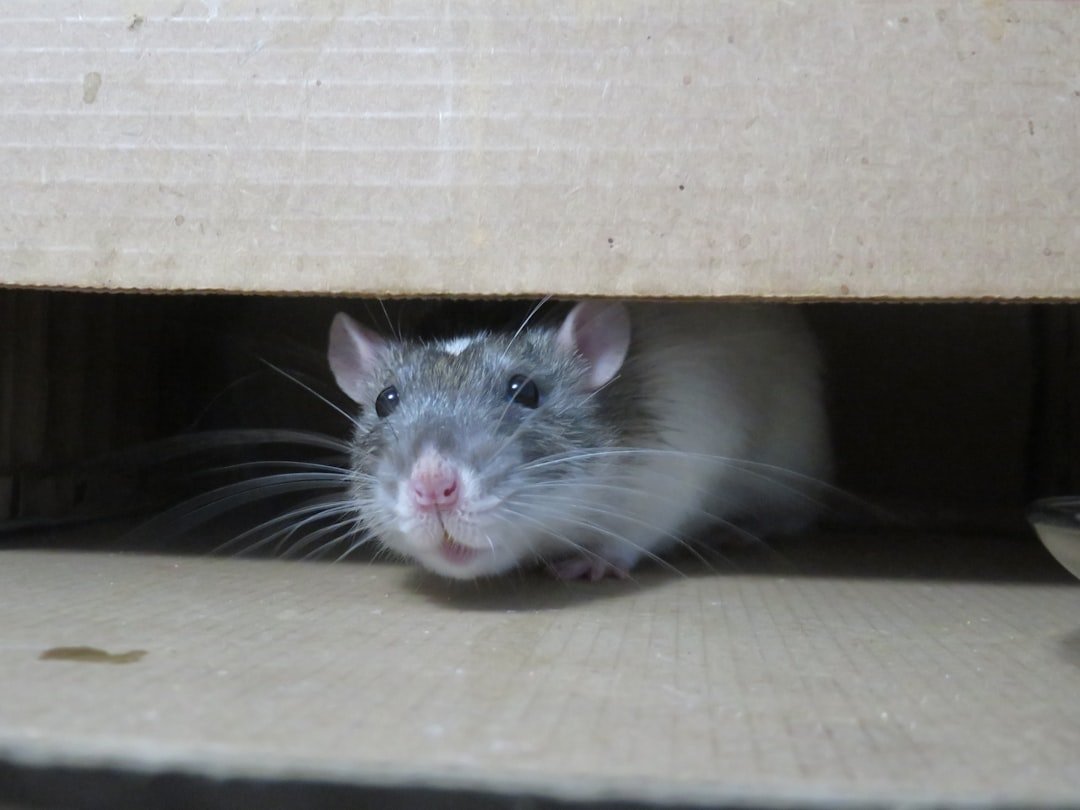
Rats trained in Tanzania now work with demining and public health partners across Africa and Asia, adapting to different soils, seasons, and lab workflows. In Cambodia, high-profile rats have helped clear contaminated land that communities were afraid to farm, while in Tanzania and Ethiopia, lab teams have integrated rat screening into referral networks spanning dozens of clinics. The model scales because it builds local capacity – handlers, technicians, and logisticians trained on site.
New pilots are pushing the edges. Search-and-rescue collaborations in Turkey are refining backpacks and protocols in complex training grounds. Wildlife detection projects are testing rats at ports and warehouses to locate pangolin scales, ivory, and other contraband hidden among noisy odors. Each use case starts with a simple question – what scent matters most here? – and ends with a workflow that fits a country’s constraints.
The Future Landscape
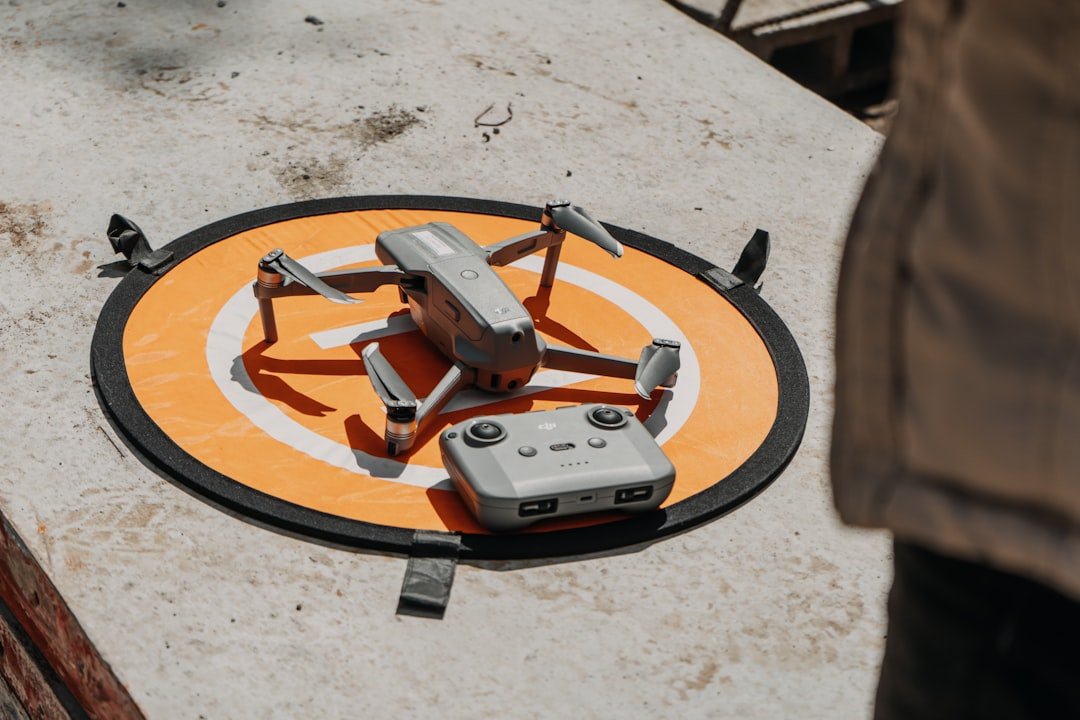
Two threads will define what comes next: technology that amplifies rats’ reach, and standards that anchor trust. On the tech side, expect better tracking, longer-lasting batteries, and integration with drones and mapping tools so a rat’s indication becomes a pin on a live map seconds later. On the standards side, wider external validation and inter-agency accreditation will help governments fold rats into national mine action and TB strategies with confidence.
Challenges remain. Dense vegetation can slow deployment, cold limits fieldwork, and TB specificity must be managed with smart confirmatory algorithms. Yet the trajectory is promising: hybrid pipelines where animals triage, instruments confirm, and responders act faster than ever. In humanitarian work, speed is mercy, and these animals deliver it.
From Skepticism to Field Wisdom
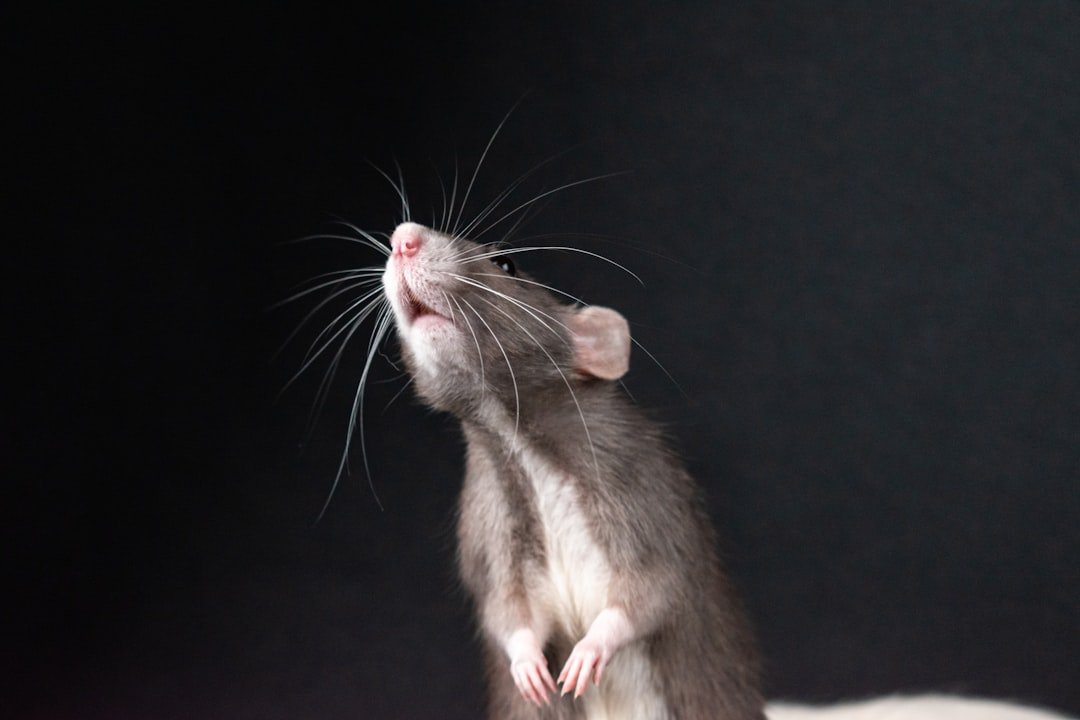
Plenty of people still flinch at the word rat. I did too, until I watched handlers laugh softly as a trainee decided, very seriously, that a camera harness ribbon was a puzzle to solve. That curiosity is the secret fuel of the whole enterprise. With clear protocols and humane care, the program turns a maligned species into a precise instrument for good.
The other field lesson is humility. No tool excels everywhere. Rats, dogs, machines, and lab tests each have strengths; the smart move is to choreograph them. That’s what the best teams already do – remove noise, focus attention, and move resources where they’ll save the most lives today.
Concluson
If this work resonates, you can help in simple, practical ways. Share accurate information about landmine risk and TB – myths slow lifesaving programs, but stories like these open minds. Support organizations that pair animal training with strong science, ethical standards, and local hiring, whether through donations, internships, or introductions to partners who can scale impact. Ask your representatives to back evidence-based demining and TB initiatives in foreign aid budgets and to keep wildlife trafficking enforcement on the agenda.
If you teach, bring this story into a classroom to spark questions about senses, behavior, and humanitarian engineering. If you work in tech, consider pro bono help on batteries, sensors, or mapping; small design tweaks travel far in the field. In a messy world, a clearer nose can light the way – who knew it might belong to a rat?
Suhail Ahmed is a passionate digital professional and nature enthusiast with over 8 years of experience in content strategy, SEO, web development, and digital operations. Alongside his freelance journey, Suhail actively contributes to nature and wildlife platforms like Discover Wildlife, where he channels his curiosity for the planet into engaging, educational storytelling.
With a strong background in managing digital ecosystems — from ecommerce stores and WordPress websites to social media and automation — Suhail merges technical precision with creative insight. His content reflects a rare balance: SEO-friendly yet deeply human, data-informed yet emotionally resonant.
Driven by a love for discovery and storytelling, Suhail believes in using digital platforms to amplify causes that matter — especially those protecting Earth’s biodiversity and inspiring sustainable living. Whether he’s managing online projects or crafting wildlife content, his goal remains the same: to inform, inspire, and leave a positive digital footprint.