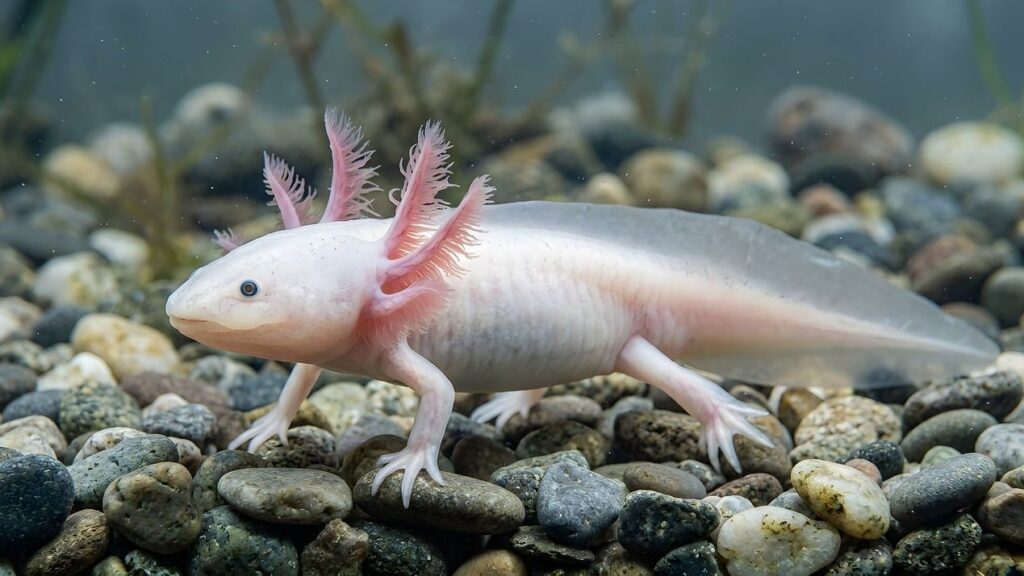

If someone told you there’s an animal that can lose a chunk of its brain and calmly grow it back, you might assume they were exaggerating. But you’re living on a planet with a real creature that does exactly that, and it looks like a permanently smiling, frilly-gilled cartoon. The axolotl, a salamander native to a single lake system in Mexico, has become a scientific superstar because of its almost unbelievable power to regenerate complex body parts, including parts of its brain.
When you hear about regeneration, you might think of lizards regrowing tails or starfish regrowing arms, but the axolotl takes this idea and turns it up several levels. You are looking at an animal that can regenerate limbs, spinal cord, parts of the heart, parts of the eyes, and – most astonishingly – brain tissue while keeping its memories and personality. As you get to know this strange amphibian, you’re also getting a glimpse into one of the most exciting frontiers of medicine and biology: understanding how complex nervous tissue can repair itself instead of scarring permanently.
The Axolotl: Your Introduction to a Real-Life Regeneration Champion
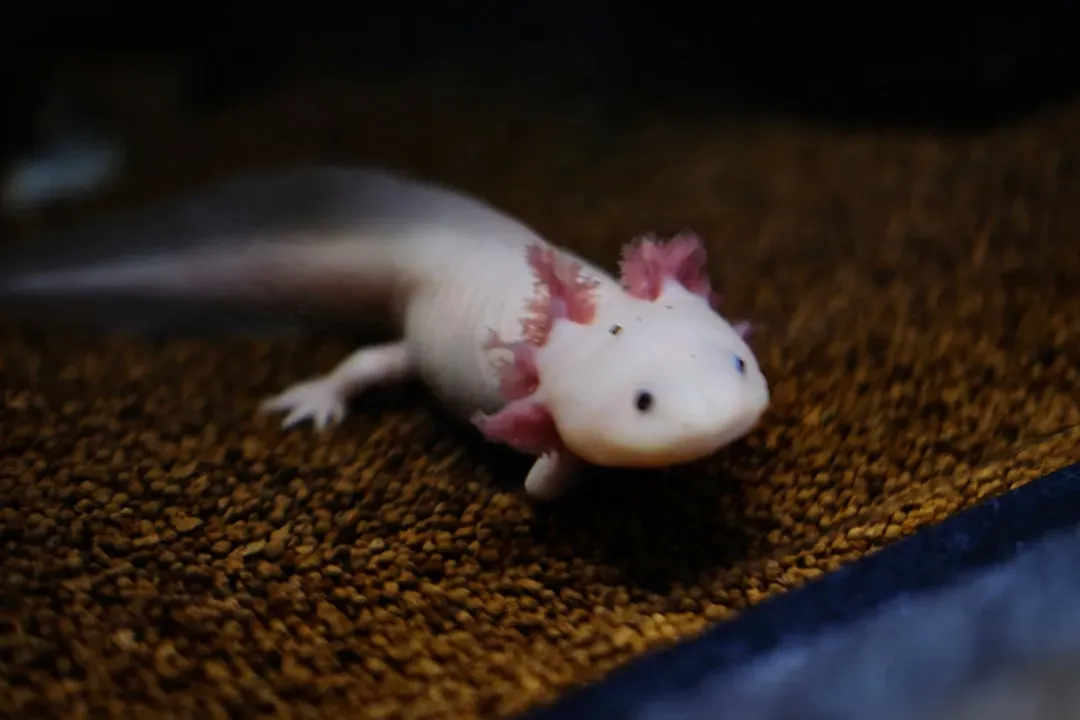
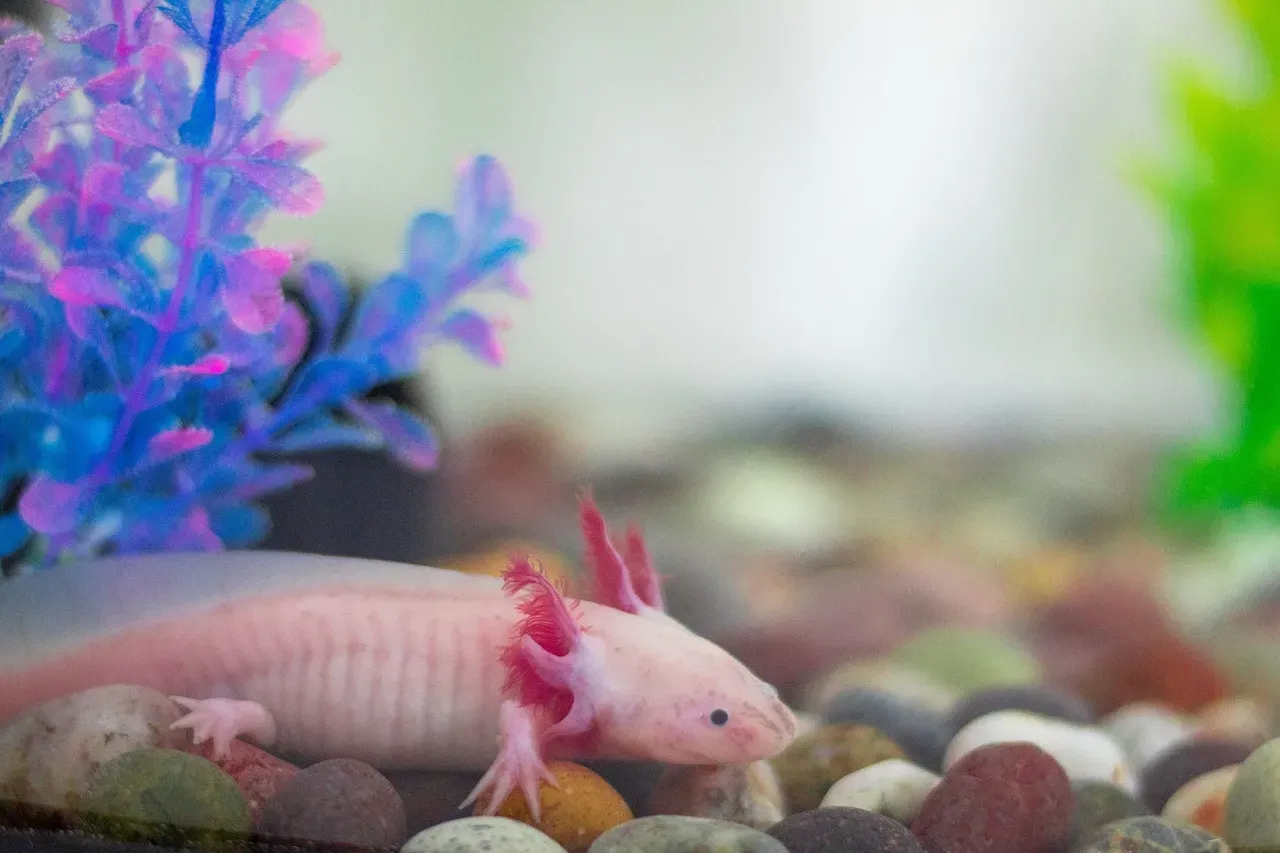
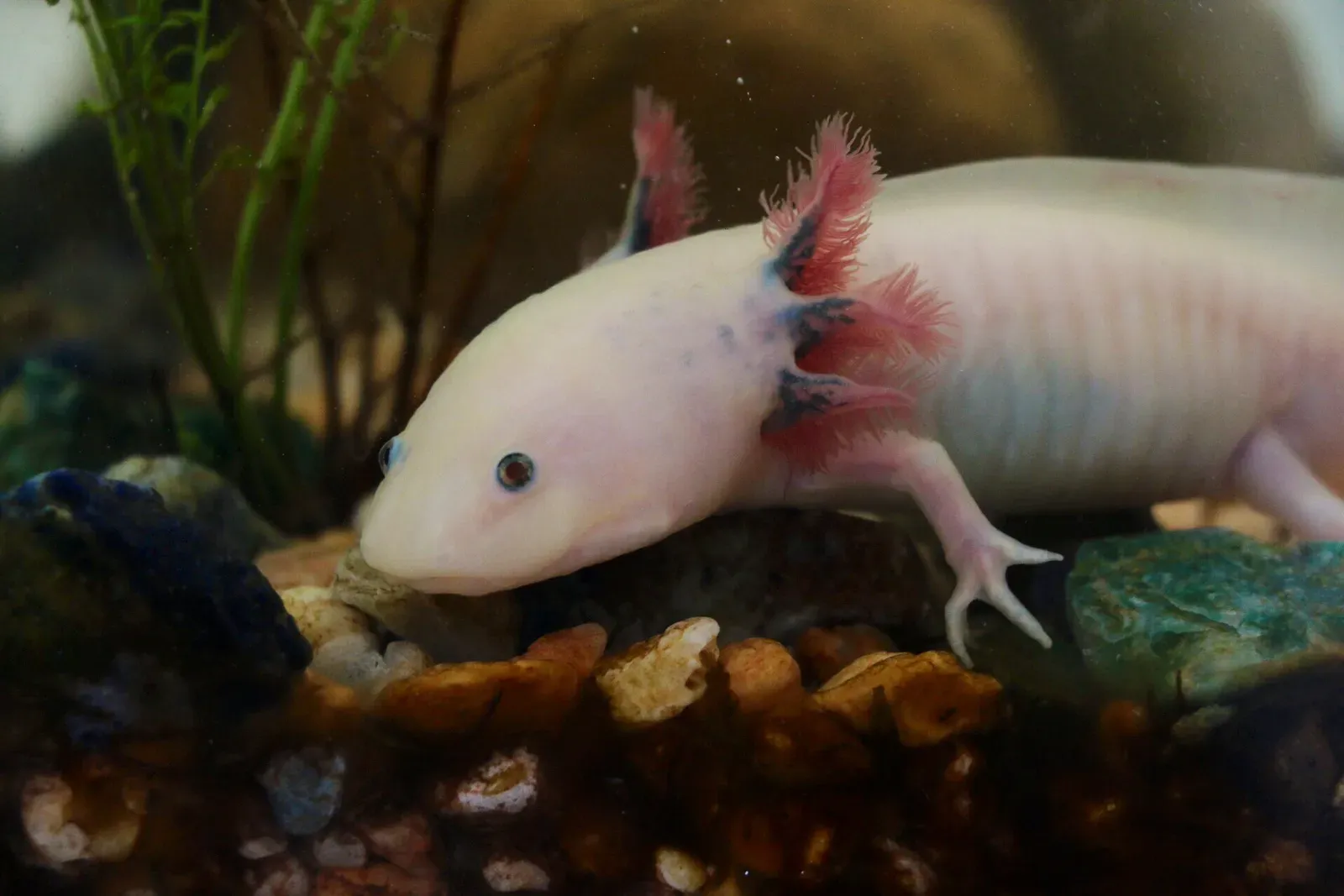
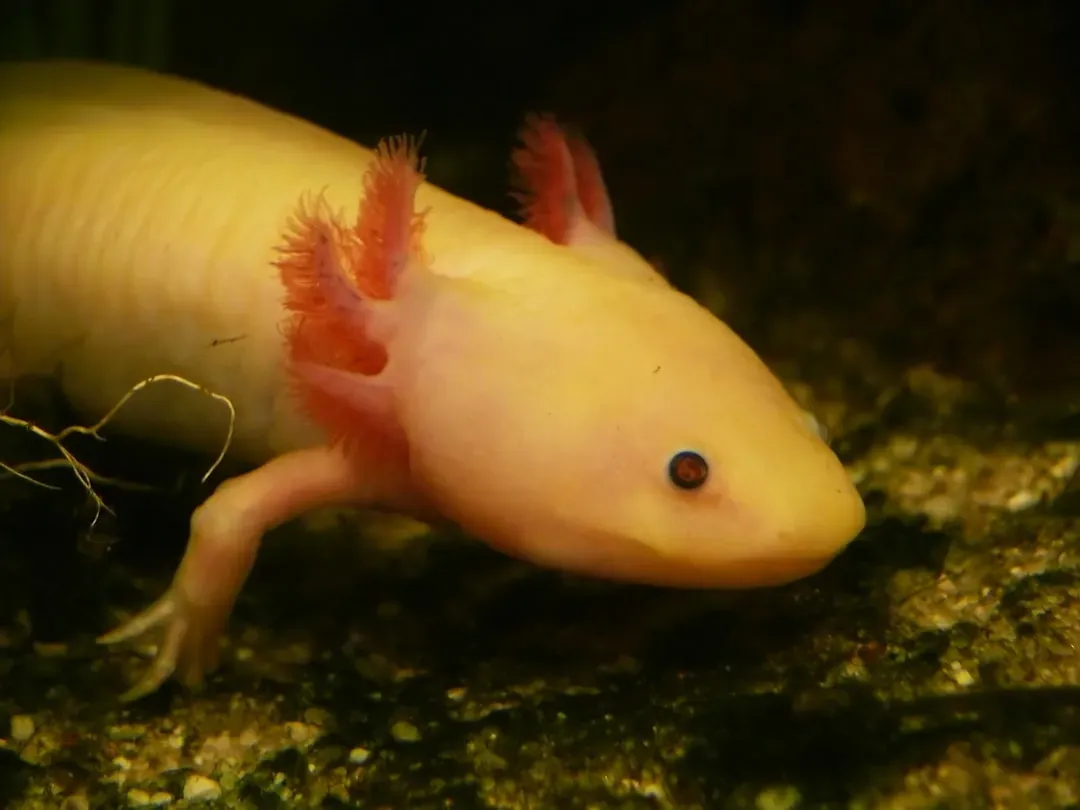
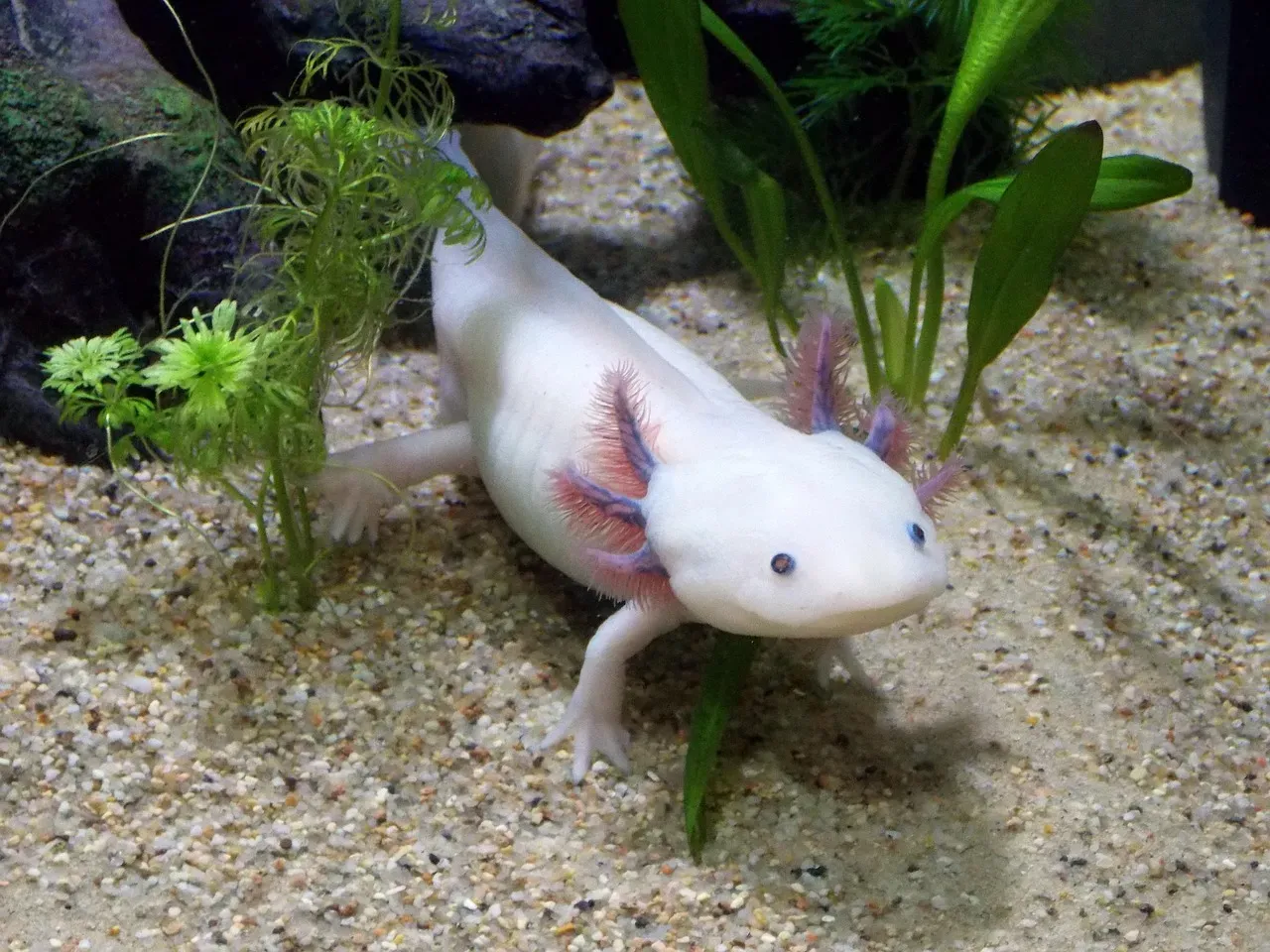
When you first see an axolotl, it does not look like a serious scientific icon. You see a small, soft-bodied salamander with an almost goofy grin, feathery external gills like pink ferns on the sides of its head, and a tail built for slow, underwater gliding. Most pet axolotls you come across are pale pink or white with dark eyes, but in the wild they’re usually darker and more speckled, blending into murky lake bottoms. Despite this cute and fragile appearance, you’re actually looking at one of the toughest and most biologically extraordinary vertebrates known.
Unlike most amphibians, which metamorphose into a land-dwelling adult form, the axolotl basically refuses to grow up. You’re seeing an animal that spends its whole life in a kind of extended youth, keeping its larval features like gills and a finned tail while still becoming sexually mature. This condition, called neoteny, means you’re watching an animal that breeds while staying in a body that looks like a giant tadpole with legs. That unusual life strategy is tightly tied to its powers of regeneration and makes it a perfect subject for scientists who want to understand how a vertebrate body can rebuild itself from serious damage.
How an Axolotl Can Regrow Its Own Brain Tissue
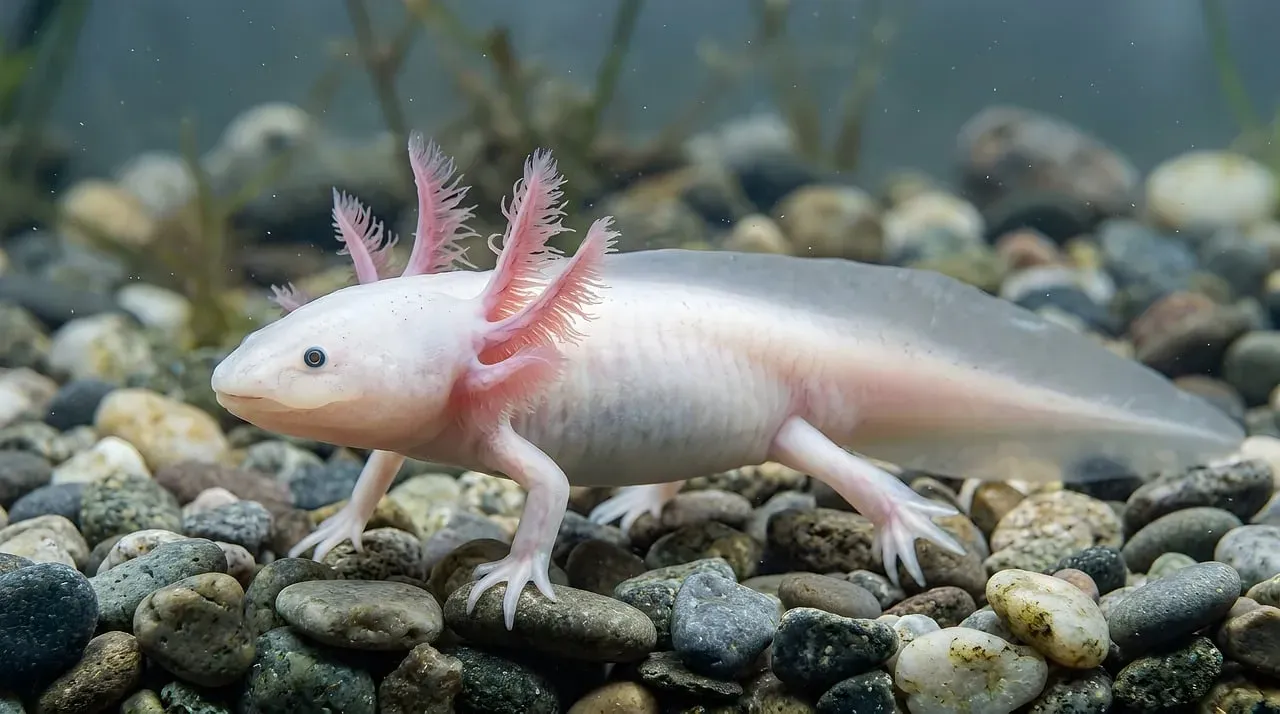
When you think about brain injury in humans, you probably think of something permanent and life-changing, because our brain tissue does a terrible job of repairing itself. In an axolotl, you’re looking at almost the opposite scenario. If part of the axolotl’s forebrain is damaged or removed in a controlled experiment, cells in that region start to shift gears: they re-enter a more primitive, flexible state and then rebuild the missing structures over time. What is remarkable is that the regenerated tissue is not just a lump of cells; it actually reconstructs layers and connections that look and behave like the original brain tissue.
You might expect that such a radical repair would leave the animal confused or permanently altered, but studies show something surprising: after enough time to regenerate, the axolotl can often perform learned tasks about as well as before the injury. In other words, you are seeing an animal that can regenerate brain regions and still preserve function in a way that hints at underlying mechanisms we barely understand. Instead of forming a scar, axolotl brain cells coordinate a controlled, almost choreographed response that restores both structure and, to a meaningful degree, function – something your own brain, sadly, is not wired to do.
Inside the Regeneration Process: From Wound to New Tissue
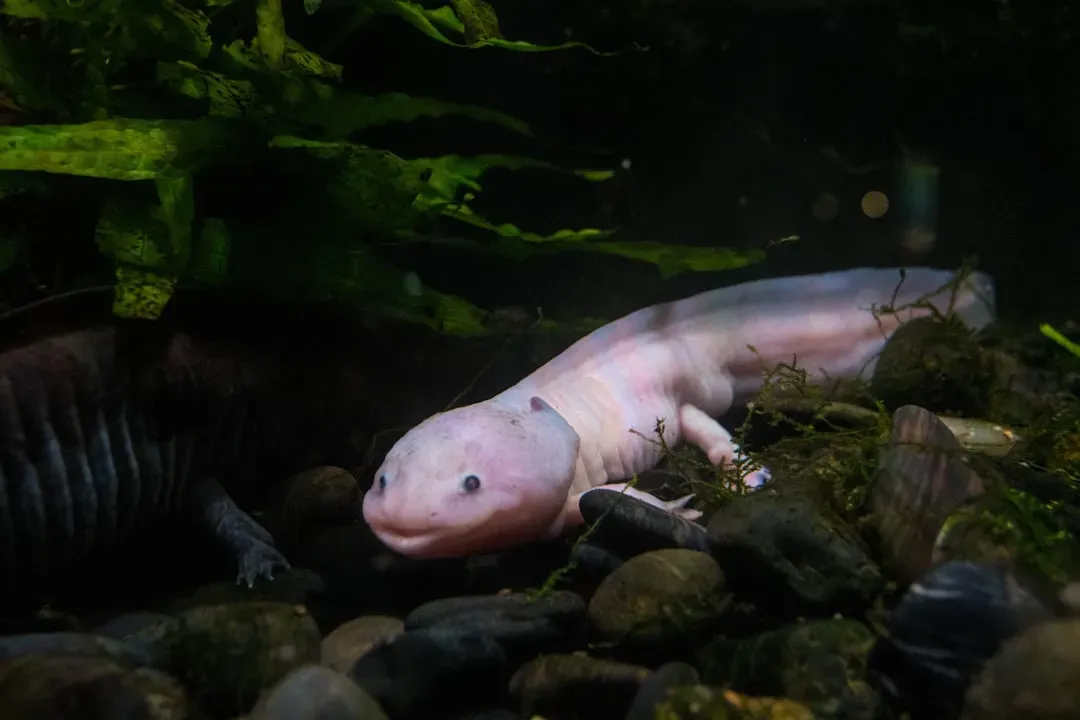
To understand what makes the axolotl special, you need to zoom in on what happens right after an injury. In many animals, including humans, a wound triggers inflammation and scar tissue, which seal the area but block full regeneration. In an axolotl, the early response looks different: immune cells show up, but instead of creating a rigid scar, signals in the tissue encourage surrounding cells to become more flexible again. You can think of it as the body temporarily turning back the developmental clock in the injured area.
Once this reset happens, you see something like a construction site appear at the wound: a structure called a blastema forms, filled with cells that can turn into multiple different tissue types. In a limb, those cells rebuild bones, muscles, blood vessels, and skin in the right places; in the brain or spinal cord, neural stem-like cells rebuild neurons and support cells while reestablishing the right connections. You’re not just seeing random regrowth, but a highly organized, blueprint-following process, guided by signals that tell each new cell where to go and what to become, like an incredibly precise renovation of a damaged house that somehow keeps running the whole time.
Why Your Brain Cannot Do What an Axolotl’s Brain Can
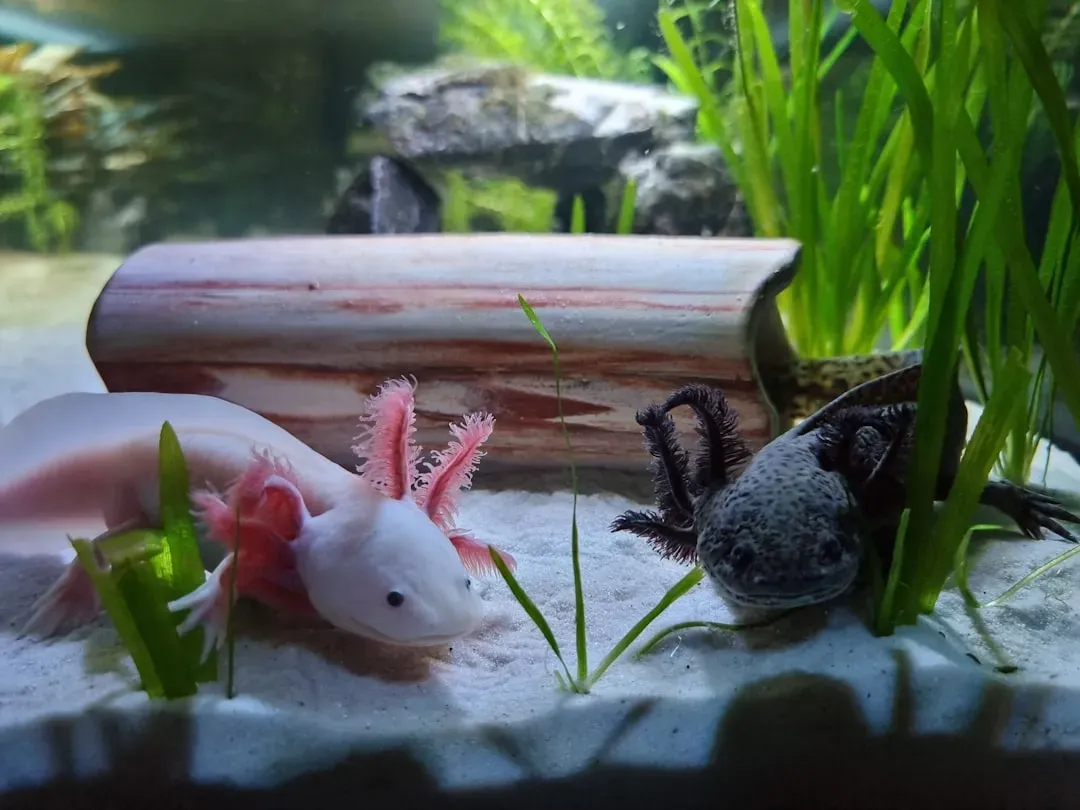
It is very tempting to assume your own body could, in theory, do what an axolotl does if only you “activated the right genes,” but biology is rarely that simple. Your brain prioritizes stability and precise wiring over the ability to rebuild from scratch, because even small random changes in connections can cause serious problems. After a significant injury, human brain tissue usually forms a dense scar and loses cells permanently, limiting regeneration to very small, specific regions where new neurons can be produced in modest numbers. You are essentially built to protect what is already there, not to tear down and rebuild a whole section.
The axolotl, by contrast, accepts more plasticity in its tissues, which lets it reset parts of its brain to a more youthful, flexible state after injury. You can think of your brain as a museum archive – carefully preserved, hard to reorganize – while an axolotl’s brain is more like a living workshop, still able to retool its layout when something goes wrong. This flexibility probably comes with trade-offs you do not see at first glance, but it offers you a living example that a complex vertebrate nervous system can be designed in a very different way. Studying these differences helps researchers pinpoint why your brain locks down and scars while an axolotl’s brain reopens the playbook and rebuilds.
Beyond the Brain: Limbs, Spinal Cord, and More That You Can Regrow if You Were an Axolotl
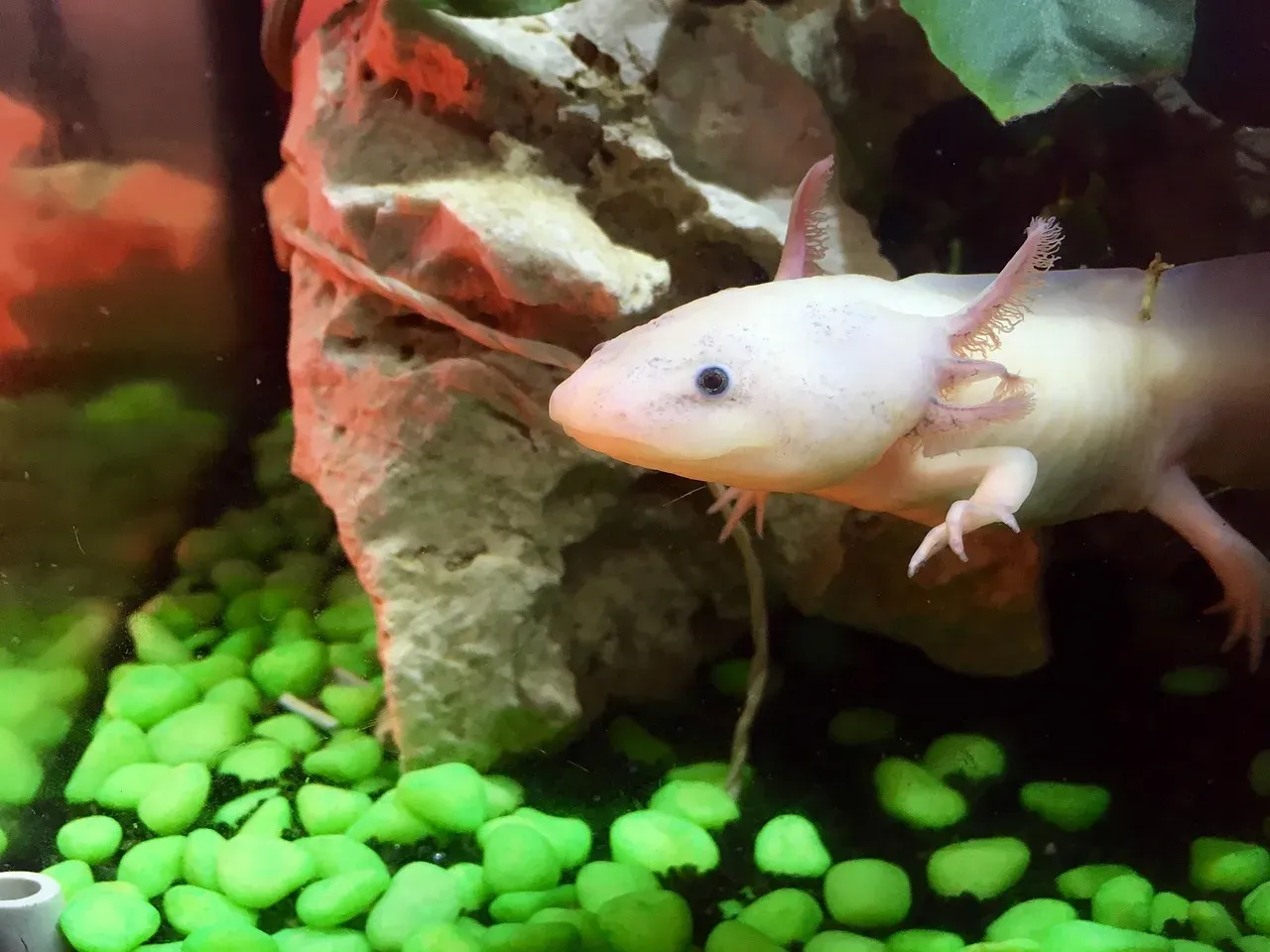
If you could borrow an axolotl’s abilities for a moment, you would never look at a serious injury the same way again. Lose a leg? An axolotl calmly grows a new, fully formed limb, complete with bones, joints, muscles, blood vessels, and even skin patterns that match the original. Damage the spinal cord? It can repair it and restore function in ways that echo science fiction more than everyday biology. These are not crude repairs but precise reconstructions that restore real movement and coordination.
That same regenerative toolkit extends to parts of the heart, eyes, and tail, making the axolotl feel like a walking (or rather, swimming) demonstration of what vertebrate regeneration can really look like. When you compare that to your own body, which struggles to fully repair a torn ligament or damaged cartilage, the contrast is almost shocking. You are effectively living in a body that is good at quick patchwork and scar formation, while the axolotl’s body is optimized for long-term rebuilding and structural accuracy. This broader context makes its brain regeneration seem less like a strange one-off and more like one piece of a remarkably consistent whole-body strategy.
What Studying Axolotls Can Teach You About Future Medicine
When you hear that axolotls can regrow brain tissue, it is natural to jump to a huge hope: maybe one day people with brain injuries, strokes, or neurodegenerative diseases could benefit from the same kind of repair. That is exactly why axolotls are such an important research model right now. By studying which genes switch on during regeneration, how immune cells behave differently, and how scar-free healing is coordinated, scientists are trying to identify principles that could be translated into treatments for humans. You are not about to see someone growing a new arm in a clinic, but smaller, targeted breakthroughs – like better spinal cord repair or improved recovery after brain trauma – are serious long-term goals.
In practical terms, you benefit from axolotl research when it reveals new ways to encourage your own cells to behave more like regenerative cells, at least in limited contexts. For example, if you can learn how to reduce harmful scarring, guide stem cells more precisely, or prompt neurons to regrow connections safely, you edge closer to therapies for paralysis, vision loss, or cognitive decline. You are basically using the axolotl as a biological blueprint, then asking which parts of that design can be safely adapted to a human body. It is a slow process, but even partial success could change how doctors think about injuries that are currently written off as permanent.
Life in the Wild: How an Axolotl’s World Shaped Its Superpowers
To really appreciate why the axolotl evolved this toolkit, you need to picture its original home: the canals and lakes around what is now Mexico City, especially the ancient Lake Xochimilco. In that environment, you have cold, high-altitude waters with plenty of hiding spots and a mix of predators and prey. An animal like the axolotl, which stays in the water and does not metamorphose into a land-dwelling adult, faces injuries from bites, environmental hazards, and competition. In that tough and changing world, the ability to regrow lost limbs or recover from serious damage offers a huge survival advantage.
Because the axolotl keeps its larval form into adulthood, its tissues remain more plastic and adaptable than those of many other amphibians that fully metamorphose. You can imagine it as an animal that never fully “locks in” its body plan, which leaves the door open to large-scale regeneration. Over many generations, natural selection likely favored individuals that healed better and functioned normally after injuries. You are looking at the end result of that long evolutionary tuning: a creature that almost treats major injuries the way you treat a bad cut or bruise, something to be repaired rather than a life-altering event.
Axolotls in Your Home: What You Should Know Before Keeping One
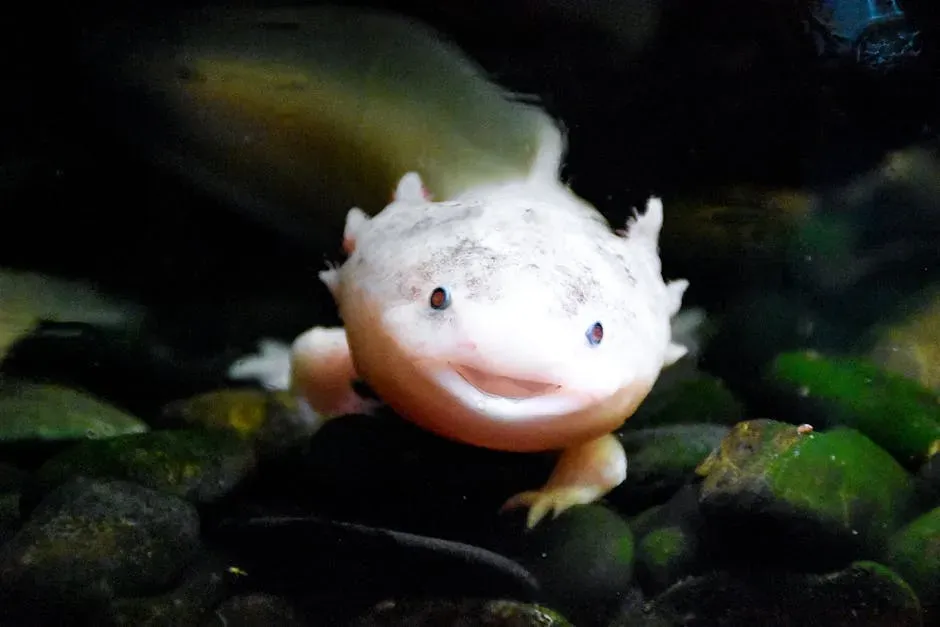
Once you learn how special axolotls are, you might feel tempted to bring one home as a pet, and you would not be alone in that. Before you do, you need to understand that this is not a simple goldfish-level commitment. An axolotl needs cool, clean, well-filtered water, stable parameters, and a tank that is long enough for it to move comfortably. You also need a secure lid because, even though they are fully aquatic, they can still climb and jump enough to get themselves into trouble. If you keep the water too warm or too dirty, you stress the animal and shorten its lifespan significantly.
You also have to think carefully about diet and tank mates. Axolotls are predators at heart, so you feed them protein-rich foods like worms, pellets formulated for them, and the occasional treat, rather than typical tropical fish flakes. They can bite smaller animals and even nip at each other, sometimes leading to injuries that, while often regenerable, are still signs of poor conditions or overcrowding. If you decide to keep one, you are taking responsibility for a long-lived, sensitive amphibian that deserves more than a trendy status. The best way to honor its amazing biology is to research deeply, set up proper housing, and treat it as a complex living being rather than a novelty.
The Conservation Crisis: Why You Might Never See a Truly Wild Axolotl
Here’s the part that often surprises people the most: while axolotls seem common in pet shops and labs, truly wild ones are in serious trouble. In their natural habitat around Lake Xochimilco, urban growth has shrunk and fragmented their environment, pollution has degraded water quality, and non-native fish have moved in to eat eggs and juveniles. As a result, wild populations have dropped so low that the species is considered critically endangered in the wild. You live in a time when this unique animal could vanish from its native ecosystem if conservation efforts fail.
Ironically, axolotls are thriving in captivity while struggling outside in the waters that shaped them. You might see countless captive-bred individuals in aquariums, colleges, and research labs, but that does not replace the ecological and cultural value of a self-sustaining wild population. Local projects in Mexico are working to restore canals, control invasive species, and create refuges where axolotls can recover in more natural conditions. When you spread accurate information, support responsible breeding over wild capture, and pay attention to the environmental story behind the cute face, you are helping keep this remarkable species from becoming a museum piece of lost biodiversity.
Conclusion: What the Axolotl Ultimately Tells You About Your Own Future
When you step back and look at the axolotl as a whole, you are not just admiring a strange, smiley amphibian . You are staring at a living argument that complex vertebrates do not have to accept permanent scarring and irreversible damage as the only option. This small creature shows you that a nervous system, a limb, or even parts of a heart can be built with regeneration in mind, not only durability. It quietly proves that biology has already solved some of the problems modern medicine is still wrestling with.
At the same time, the axolotl’s fragile place in the wild reminds you that even the most extraordinary abilities do not guarantee survival in a human-dominated world. If you care about the medical breakthroughs its biology might inspire, you also need to care about the canals and lakes it calls home. You are living in the brief intersection where this animal still exists, can still be studied, and can still surprise you with what it can do. The real question is whether you will treat the axolotl as just a curiosity, or as a catalyst that changes how you think about healing, conservation, and your own place in nature – what do you choose?