Curiosity’s Gale Crater Discovery (Image Credits: Pexels)
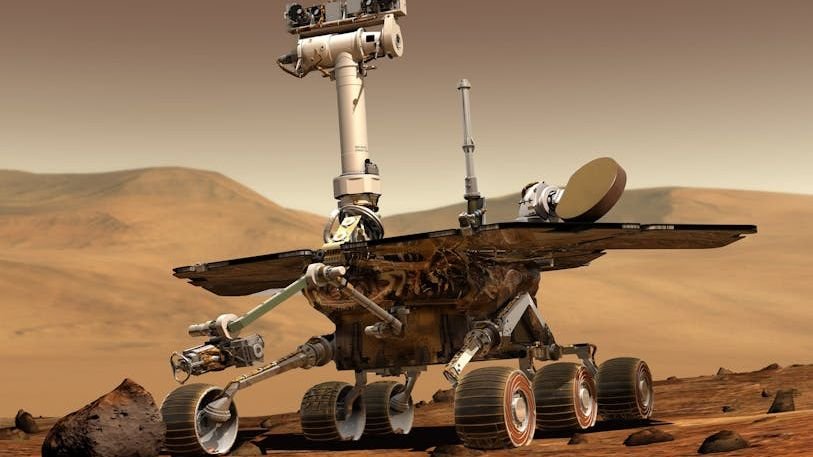
NASA’s twin rovers, Curiosity and Perseverance, have delivered breathtaking 360-degree panoramas that expose two distinct eras of Mars’ geological history. Operating in craters separated by thousands of miles, the missions highlight evidence of ancient water activity and some of the planet’s earliest rock formations. These images offer scientists a window into Mars’ potential habitability long ago.
Curiosity’s Gale Crater Discovery
Curiosity recently assembled a panoramic view from Gediz Vallis channel within Gale Crater, where boxwork formations caught researchers’ attention. These intricate, lattice-like structures formed when groundwater interacted with volcanic rock billions of years ago. The rover’s navigation cameras captured hundreds of images that were stitched together to create the full vista.
Such features provide clues about the duration and chemistry of subsurface water on early Mars. Scientists noted that the boxwork resembles similar formations on Earth, suggesting prolonged wet conditions in the crater. Curiosity continues to traverse this rugged terrain, collecting data to refine models of the planet’s environmental evolution.
Perseverance Explores Jezero’s Rim
Meanwhile, Perseverance turned its mast cameras toward the western rim of Jezero Crater, producing a panorama of some of the oldest exposed rocks on Mars. These ancient outcrops, dating back over 3.5 billion years, represent the crater’s foundational layers. The 360-degree mosaic reveals layered bedrock that predates the delta deposits the rover has been studying.
The images underscore Jezero’s role as a former lakebed, with the rim rocks offering a glimpse into the planet’s primordial crust. Perseverance’s position high on the rim allowed for a sweeping view of the crater floor below. This vantage point aids in planning future sample collection for the Mars Sample Return mission.
Juxtaposing Two Craters, Two Timelines
The panoramas from Gale and Jezero craters stand in stark contrast, with Curiosity focusing on later groundwater activity and Perseverance on earlier crustal rocks. Thousands of miles apart, these sites bookend Mars’ watery history – one probing relatively recent subsurface flows, the other the planet’s foundational geology. Together, they illustrate how rovers are peeling back layers of time in complementary ways.
| Rover | Location | Key Feature | Geological Era |
|---|---|---|---|
| Curiosity | Gale Crater | Boxwork formations | Ancient groundwater |
| Perseverance | Jezero Crater rim | Oldest rocks | Primordial crust |
This side-by-side perspective helps geologists correlate events across the Martian surface. While uncertainties remain about exact timelines, the images bolster evidence for a once-habitable planet.
Implications for Life and Future Exploration
These panoramas reinforce Mars’ history of liquid water, a key ingredient for life as we know it. Boxwork in Gale hints at habitable niches underground, while Jezero’s ancient rocks could preserve chemical signatures from the planet’s infancy. Researchers emphasize that such findings guide sample selection for Earth return.
Both rovers remain active, with upcoming traverses promising more detailed analyses. The data from these vistas will inform missions beyond 2030, potentially reshaping our understanding of Mars’ past. As the images circulate among scientists, they spark renewed focus on the Red Planet’s enduring mysteries.