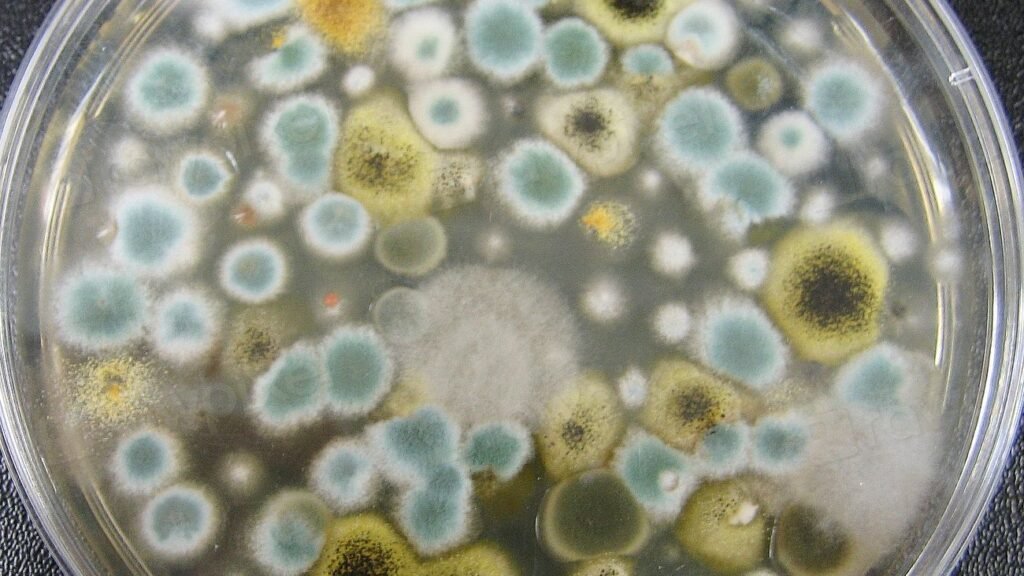

If you could suddenly see every microbe around you, it would feel like stepping into a crowded stadium that has been hiding in plain sight all your life. You move through a living fog of microscopic life, most of it quietly running the systems that keep you, your food, and the entire planet alive. The shocking part is that you usually only hear about microbes when something goes wrong, like an infection or food poisoning, while the vast majority are working tirelessly on your behalf.
When you zoom out to the scale of oceans, forests, and even the atmosphere, microbes are not background extras; they are the main cast. You are living on a planet where creatures you cannot see with your naked eye drive the carbon cycle, help control the climate, and literally decide how nutrients move through every major ecosystem. Once you realize how deeply they shape the world, it becomes hard to see any landscape the same way again.
The Hidden Engine of the Oceans
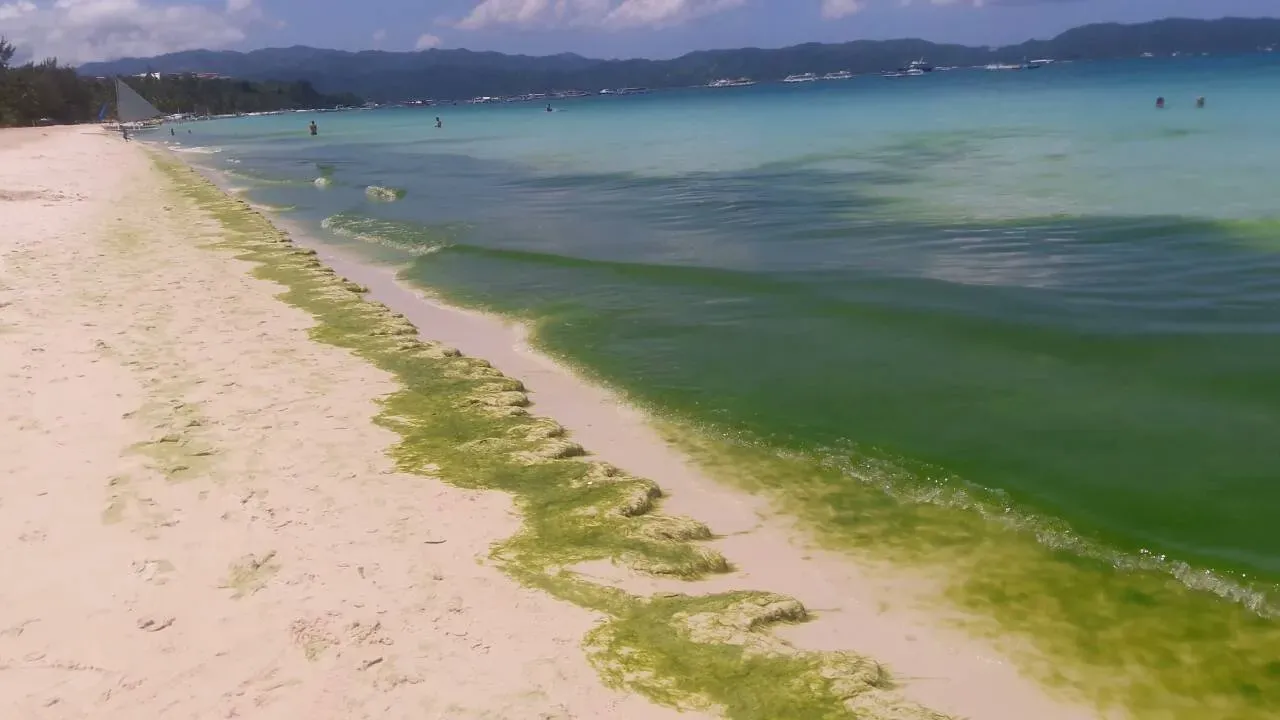
When you look out over the ocean, you probably notice waves, maybe fish, perhaps a passing ship, but the real powerhouses are suspended in the water you cannot see. Marine microbes, especially tiny photosynthetic organisms called phytoplankton, act like invisible forests spread across the sea surface. These tiny cells capture sunlight, pull carbon dioxide out of the air, and build it into living biomass, effectively running a planetary-scale solar farm that you never signed up for but depend on every day.
You can think of these microbes as running the ocean’s food economy from the bottom up. The oxygen in every second breath you take is linked to microbial photosynthesis in the sea, and much of the food web above – zooplankton, fish, whales, even seabirds – rests on what these microscopic plants and bacteria do. When conditions in the ocean shift, such as changes in temperature or nutrient supply, microbial communities respond first, quietly rearranging who eats, who survives, and how much carbon sinks into the deep ocean instead of staying in the atmosphere.
Soil Microbes: The Underground Economy Beneath Your Feet
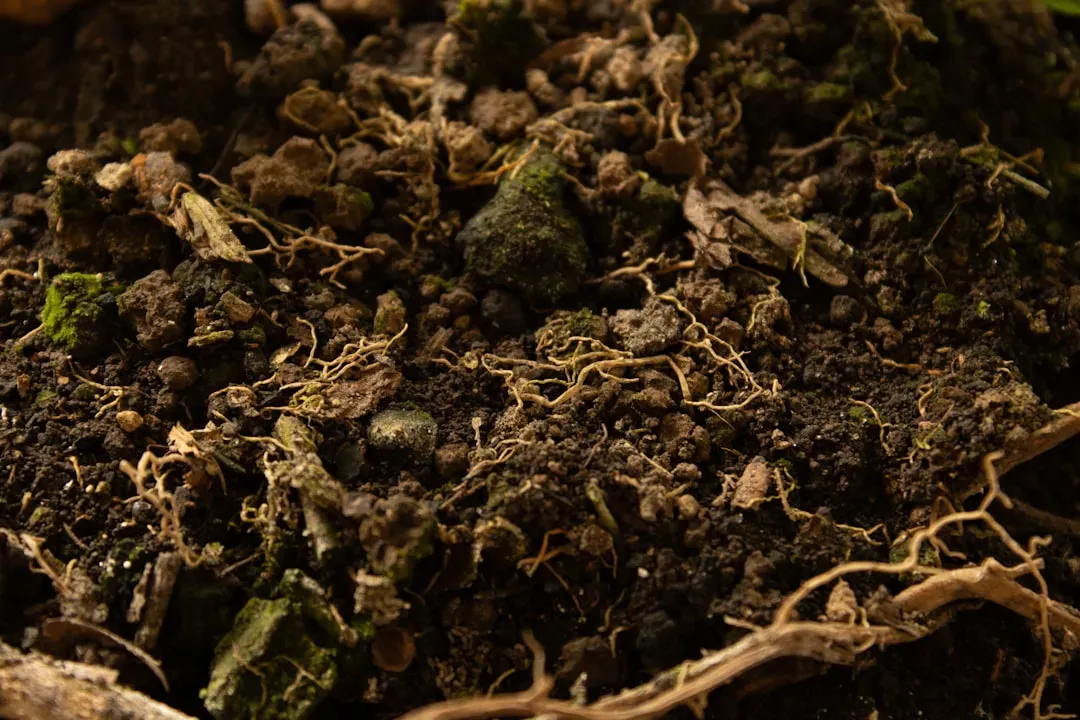
Every time you walk across a field, garden, or forest floor, you are treading on a bustling underground marketplace run by microbes. Bacteria, fungi, archaea, and other microscopic players break down dead leaves, roots, and organic matter, turning them into nutrients that plants can actually use. Without this constant recycling, you would be standing on a planet choked with undecomposed material and starved of usable nitrogen, phosphorus, and many other essentials.
Soil microbes also act like a massive, living bank for carbon. They help store carbon in the ground, locking it into stable forms of organic matter, but they can also release it back into the atmosphere when conditions change. The way you farm, garden, manage forests, and disturb soils can nudge this balance, prompting microbes to either help stabilize the climate or speed up warming. When you hear debates about regenerative agriculture or no-till farming, you are really hearing arguments about how best to work with this invisible microbial workforce instead of against it.
Microbial Control of the Carbon and Climate Systems
![Microbial Control of the Carbon and Climate Systems ([1] doi:10.3390/microorganisms9051036, CC BY-SA 4.0)](https://nvmwebsites-budwg5g9avh3epea.z03.azurefd.net/dws/7e7b15389c9efb906fc3d13e8bf830f9.webp)
If you imagine Earth’s climate as a global thermostat, microbes are the unseen fingers constantly adjusting the dial. Through processes like photosynthesis, respiration, and fermentation, they move carbon between the atmosphere, the oceans, soils, and living organisms. When microbes consume organic matter and breathe out carbon dioxide, or when they help form compounds that sink into deep ocean waters or get locked into soils, they are taking part in a planetary bookkeeping system that quietly sets the background conditions for your weather and seasons.
Certain microbes also produce or consume powerful greenhouse gases like methane and nitrous oxide, which have a strong effect on how much heat the atmosphere traps. In wetlands, rice paddies, and the guts of animals, some microbes generate methane, while others can oxidize it and reduce its impact. In agricultural soils, microbial reactions tied to fertilizers can create nitrous oxide, another potent greenhouse gas. When you think about climate solutions, it is easy to focus on technology and energy, but you are also dealing with the behavior of trillions of microbes that respond to temperature, moisture, nutrients, and land use in complex but very real ways.
Microbes Shaping Forests, Grasslands, and Plant Health
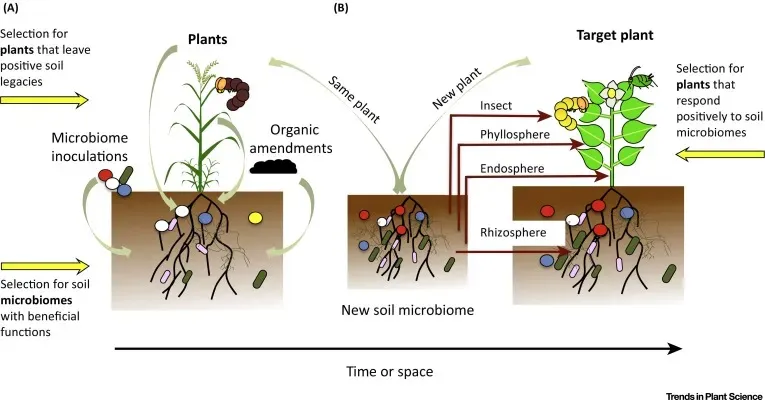
When you look at a towering tree or a sea of grass, it is tempting to think of plants as doing all the work, but they are more like the visible half of a partnership. Many plants rely on symbiotic fungi that wrap around or even enter their roots, trading nutrients and water for sugars the plant produces. Other microbes living in the soil around roots, or even inside plant tissues, help defend against disease, improve stress tolerance, and make it easier for plants to capture nitrogen from the air or from organic matter.
Because of this, the structure and productivity of forests and grasslands are tightly linked to who is living in their soil and root zones. If you change land use, introduce pollutants, or alter fire regimes, you are not just reshaping the visible landscape; you are also forcing the microbial community to reorganize. That reorganization can ripple upward, changing which plant species thrive, how fast they grow, and how much carbon they store. When people experiment with rewilding projects or restoring degraded lands, one of the quiet success factors is whether the right microbial partners are present to support the returning plants.
The Microbial Loops in Lakes, Rivers, and Wetlands
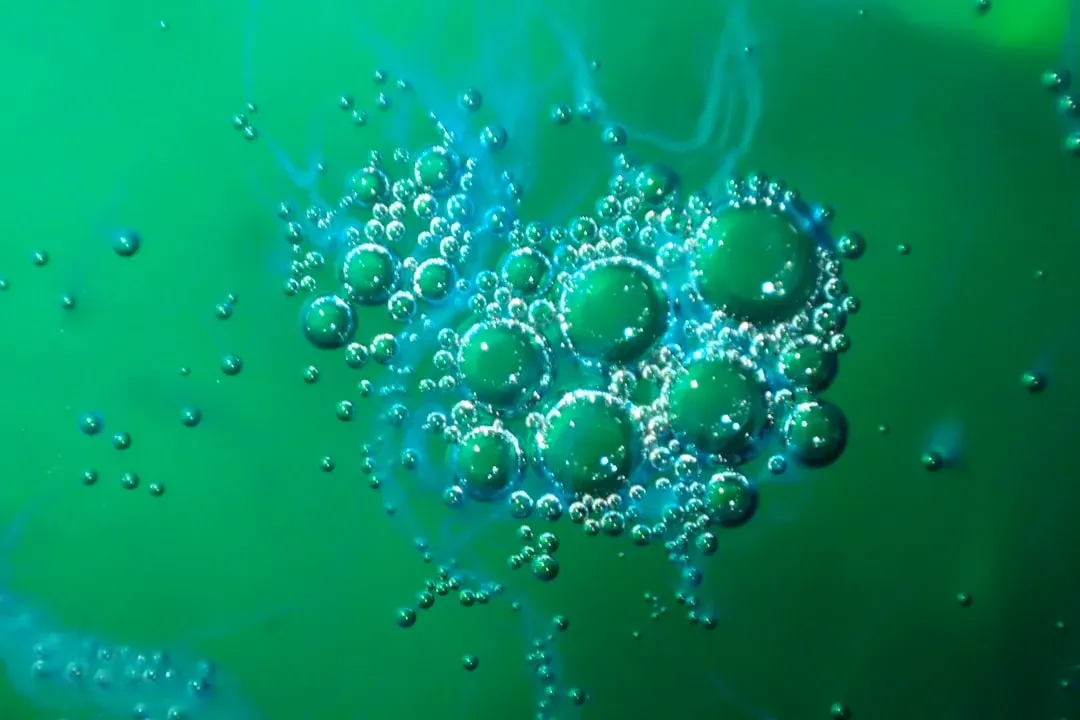
Freshwater ecosystems might look simpler than oceans, but their microbial worlds are just as intricate and important. In lakes and rivers, microbes break down organic matter that washes in from surrounding land, turning it into forms that other organisms can use or into carbon that escapes into the atmosphere. If you have ever seen a lake go from clear to murky and green, you have witnessed a shift in its microbial balance, often driven by nutrient runoff that fuels harmful blooms of algae and cyanobacteria.
Wetlands, including marshes, bogs, and mangroves, rely heavily on microbial metabolism to process vast amounts of organic material in oxygen-poor conditions. Some of these microbes produce methane as they digest plant matter, while others can reduce that methane before it reaches the air, acting like a partial filter. The balance between these communities helps decide whether a wetland behaves more like a climate shield, storing carbon for centuries, or like a source of greenhouse gases. When wetlands are drained, polluted, or restored, you are essentially reshuffling which microbial processes dominate and how the ecosystem behaves in the long term.
How Microbes Influence Your Food, Health, and Daily Life
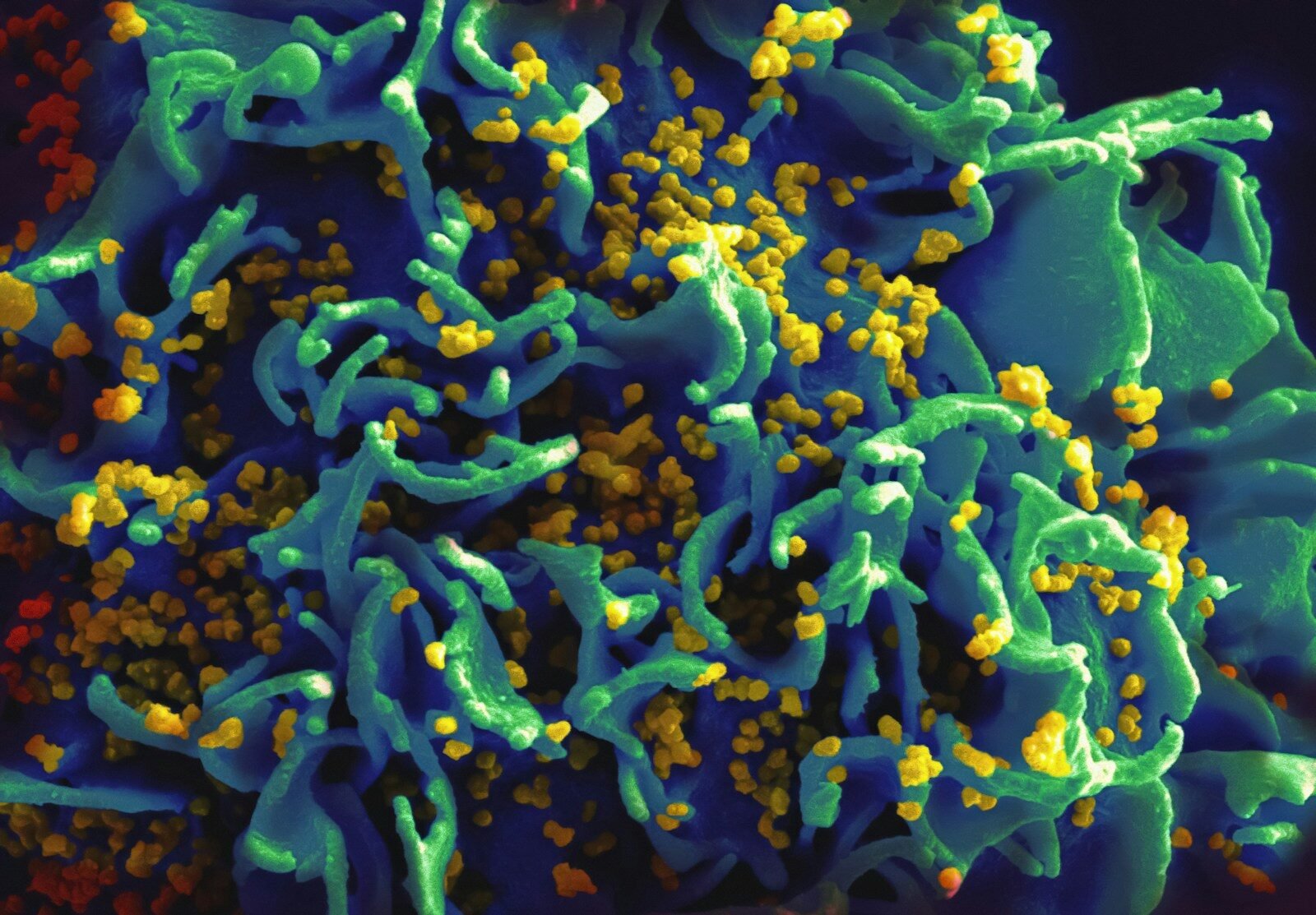
Even if you never think about global cycles, microbes shape your daily life in ways that are hard to overstate. In agriculture, soil microbes influence crop yields, disease resistance, and how much fertilizer a farmer actually needs to apply. In food production, carefully managed microbial communities turn milk into cheese and yogurt, dough into bread, and grains into beverages, giving you flavors and textures that would not exist without them. You rely on microbes every time you enjoy fermented foods, even if you never see them.
Inside your own body, especially your gut, vast microbial communities help digest food, train your immune system, and interact with your metabolism. While the science is still evolving, researchers are uncovering connections between your microbiome and conditions such as obesity, allergies, inflammatory diseases, and even aspects of mental health. When you change your diet, take antibiotics, or move to a new environment, you are also reshaping this inner ecosystem. In a very literal sense, your health is intertwined with the stability and diversity of the microbes you host and the ones that support your food systems outside your body.
Climate Change, Disturbance, and the Future of Microbial Ecosystems
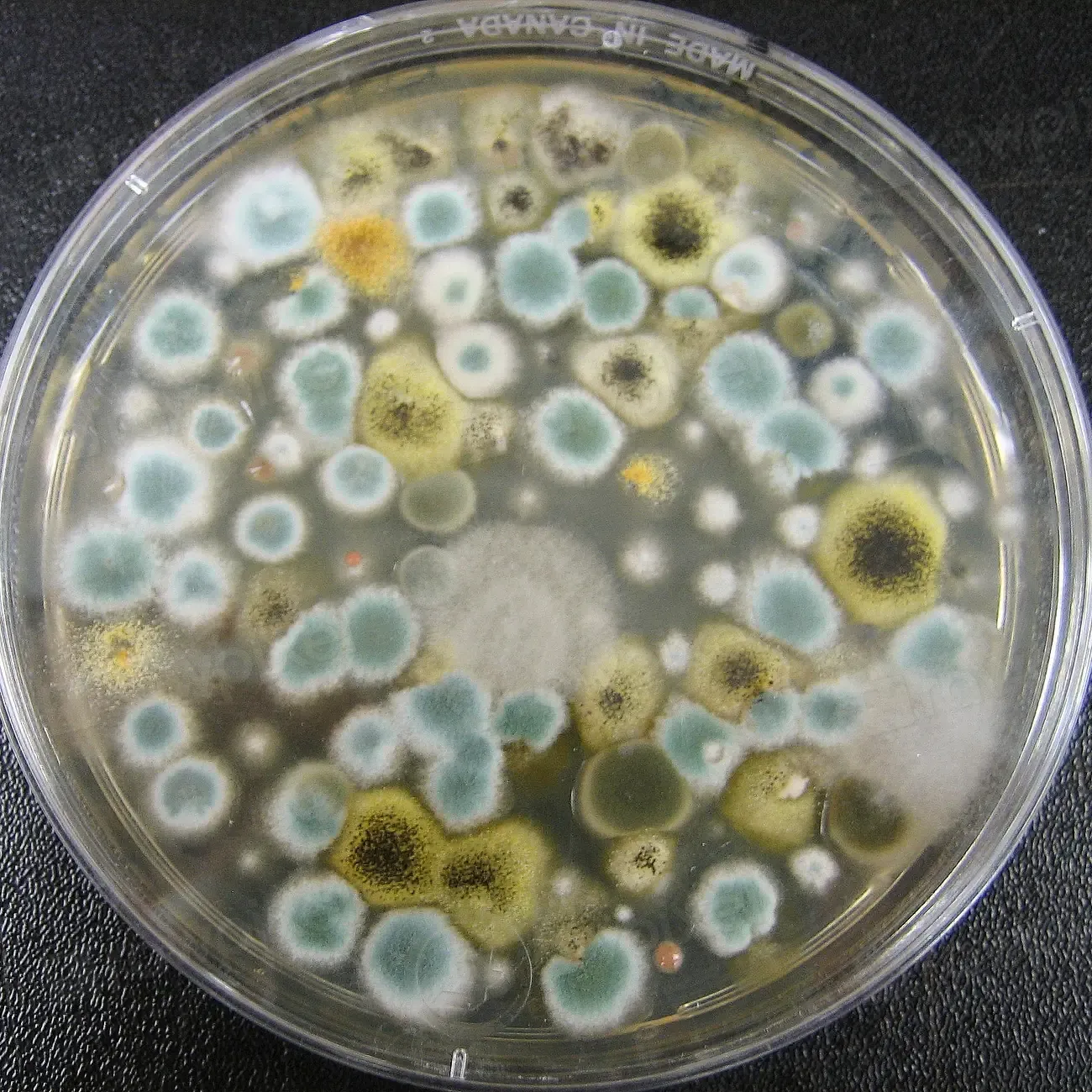
As the climate warms and extreme weather becomes more common, the microbial foundations of major ecosystems are already starting to shift. Warmer oceans, for example, can favor different groups of microbes, altering how much carbon is fixed at the surface and how much sinks to the depths. Thawing permafrost exposes long-frozen organic matter to microbial decomposition, potentially releasing large amounts of carbon dioxide and methane that had been locked away for thousands of years. You are living in a moment where changes in temperature, rainfall, and disturbance patterns are nudging microbial systems into unfamiliar territory.
At the same time, advances in DNA sequencing, environmental monitoring, and computational models are giving you a more detailed view of microbial worlds than any previous generation has had. You can now track how microbial communities respond to restoration projects, new farming practices, or conservation efforts, and use that information to design strategies that stabilize climate and protect biodiversity. Your choices about energy, land use, pollution, and conservation all echo through microbial networks that, in turn, feed back into climate, food security, and ecosystem stability. If you want a resilient future, you need to start thinking consciously about how to live in partnership with these invisible giants instead of pretending they are not there.
When you step back and look at the planet through this microbial lens, your view of power and scale shifts dramatically. Enormous forests, vast oceans, and even the air you breathe are all shaped by tiny organisms working in concert, often with stunning precision. You are part of this interconnected web, benefiting every second from processes you cannot see and rarely acknowledge.
The next time you walk through a park, cook a meal, or read about climate change, you might find yourself wondering what the microbes are doing behind the scenes. They are not just passengers on Earth; they are co-pilots. Knowing that, how differently do you feel about the living, invisible world that holds so much of your future in its hands?