
If you could switch off everything that shines in the universe – every star, every galaxy, every glowing cloud of gas – you’d expect the cosmos to go dark and quiet. Instead, you’d still be left with the real heavyweights: invisible ingredients that outweigh everything you can see by a huge margin. You live in a universe where most of reality is literally hidden from your eyes, and yet it quietly shapes every sunrise you have ever seen.
When you look up at the night sky, you’re actually looking at the tip of a cosmic iceberg. The visible stuff, from planets to people, is just a thin crust floating on a vast ocean of dark matter and dark energy. Once you realize that nearly all of cosmic history, structure, and fate are controlled by things you can’t see and barely understand, the universe stops feeling like a place you know and starts feeling like a mystery you’re just beginning to meet.
The Strange Realization That Most of the Universe Is Missing
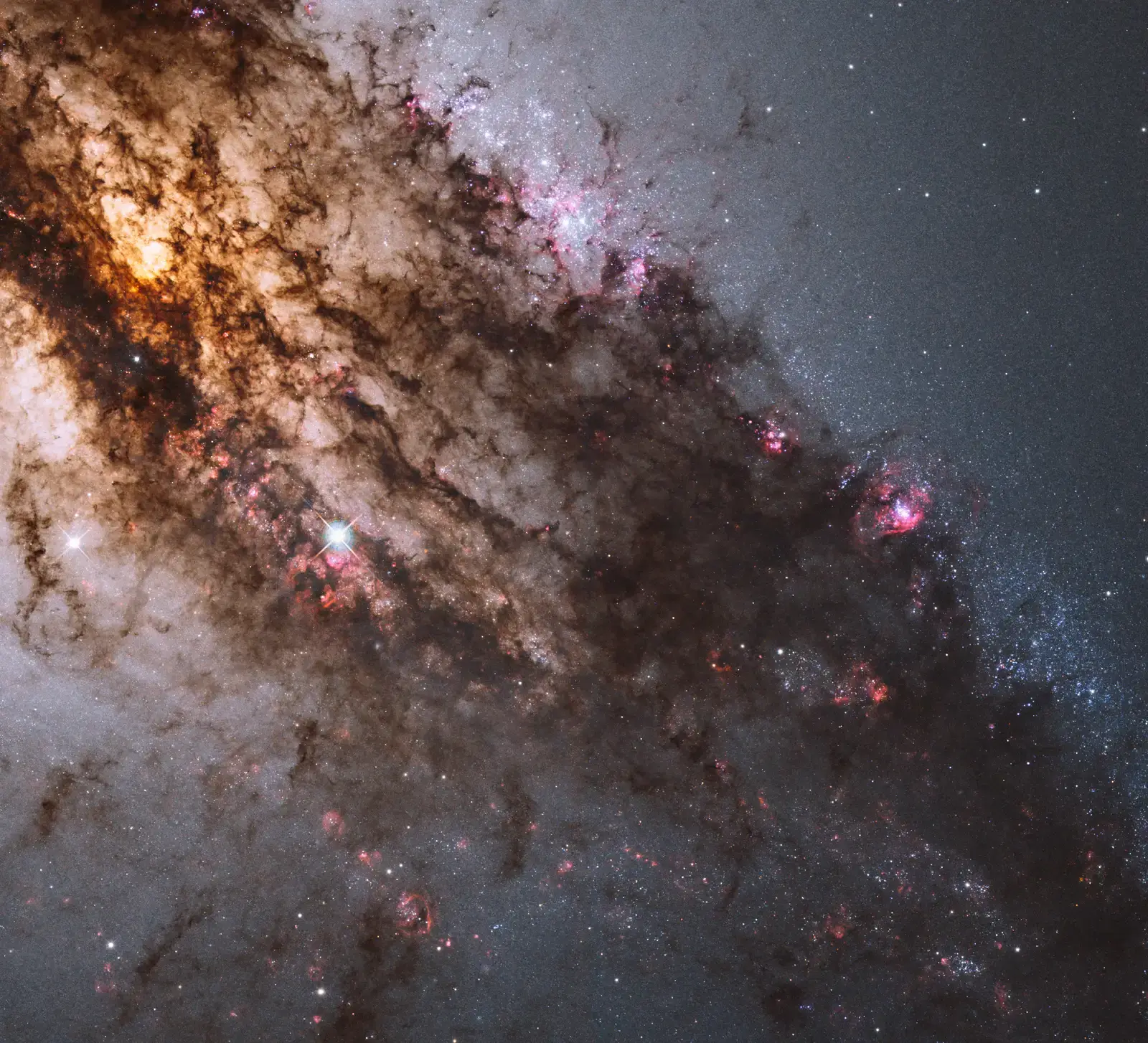
You might assume that because you can see galaxies, stars, and gas clouds, you’re seeing the bulk of what exists. In reality, if you could weigh the universe, you’d find that ordinary matter – the kind that makes up your body, your phone, and every atom you’ve ever touched – accounts for only a small slice of the total. The vast majority of the universe’s matter and energy budget is tied up in dark matter and dark energy, which neither emit nor absorb light in any way your eyes or telescopes can directly detect.
Cosmologists reached this unsettling conclusion not because they wanted the universe to be weird, but because the numbers simply refused to add up otherwise. When you track how galaxies move, how they cluster, and how the universe has expanded over billions of years, you find that visible matter is far too feeble to explain what you observe. You are left with two options: throw out gravity as you know it, or accept that most of the cosmos is made of invisible stuff. So far, the invisible stuff is winning.
How You Can “See” Something That Gives Off No Light
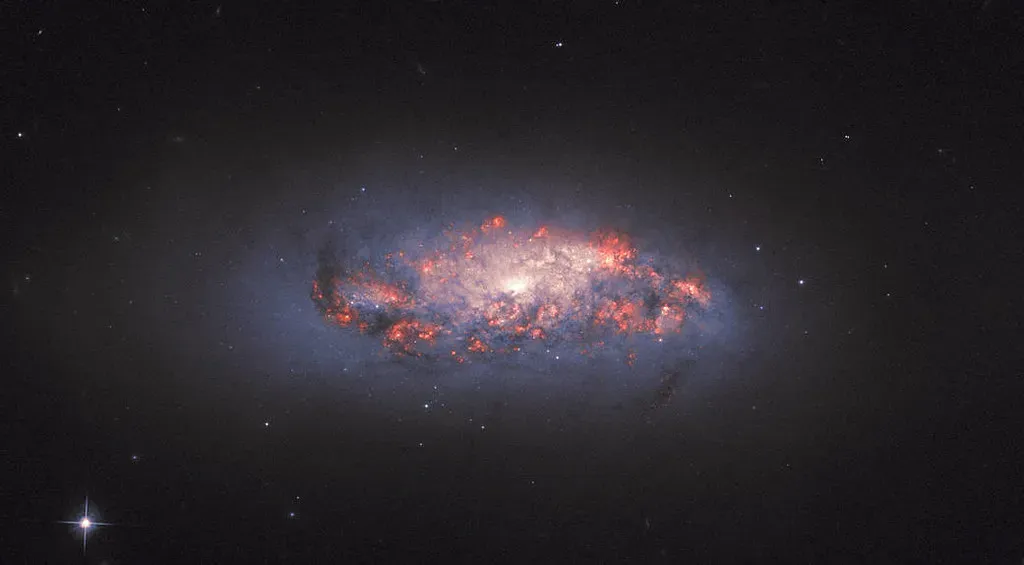
It sounds impossible: how can you detect something that doesn’t glow, reflect, or block light? The trick is that you stop looking for light and start looking for gravity. Dark matter may be invisible, but it still tugs on things. When you study the speeds of stars orbiting in a galaxy, you find that they are whipping around far too fast to be held together by the mass you can see. If only the visible stars and gas were there, these galaxies would have flown apart long ago.
You also see dark matter’s fingerprints when you examine how light from distant galaxies bends as it passes through massive clusters on its way to your telescope. This effect, called gravitational lensing, lets you map the gravity field directly, almost like watching glass warp the view behind it. When you create these maps, you notice that the majority of the mass is not where the visible matter is – there’s an unseen skeleton of dark matter holding everything together, like invisible scaffolding supporting a glowing building.
Dark Matter: The Invisible Glue Shaping Cosmic Structure
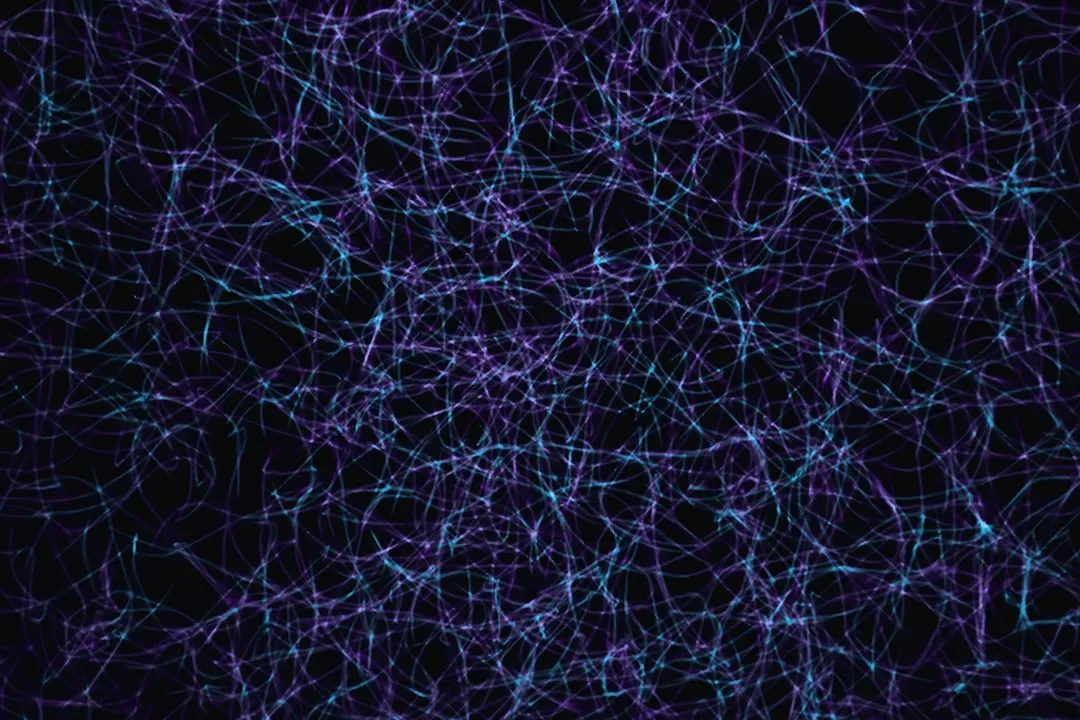
If you could rewind the universe to its early days, you’d see tiny ripples in matter density that later grew into galaxies and clusters. Dark matter is what let those ripples grow fast enough to build the cosmic web you see today. Because dark matter barely interacts with light or with regular matter, it started clumping under gravity while ordinary matter was still tightly coupled to radiation. By the time atoms formed, dark matter had already laid down the first gravitational wells for gas to fall into.
You can think of dark matter as a hidden framework on which visible galaxies are hung, like ornaments on an invisible Christmas tree. Without that framework, the universe would be much smoother, with fewer galaxies and less structure overall. When you see maps of large-scale structure – enormous filaments of galaxies stretched across hundreds of millions of light-years – you’re really looking at ordinary matter tracing the underlying dark matter backbone that pulled it into place.
What Dark Matter Might Actually Be (And Why You Still Don’t Know)

At this point, you might expect someone to simply tell you what dark matter is made of, but that’s the part that keeps physicists humble. You know dark matter behaves like some kind of particle: it has mass, it clusters, and it moves more or less slowly compared with light. Yet it doesn’t collide with ordinary atoms in the usual way, doesn’t interact with light, and so far has slipped through every direct detection experiment you’ve built deep underground or in space.
You’ve probably heard of ideas like weakly interacting massive particles, axions, or even more exotic candidates. Each offers a possible way to explain how dark matter behaves without breaking the laws of physics you already trust. But you have not yet captured a single dark matter particle in a detector or produced one in a collider with unambiguous proof. In a sense, you’re like someone who has perfectly mapped the shape of a hidden mountain just by watching how rivers flow, yet has never touched the rock itself.
Dark Energy: The Mysterious Pressure Pushing Everything Apart
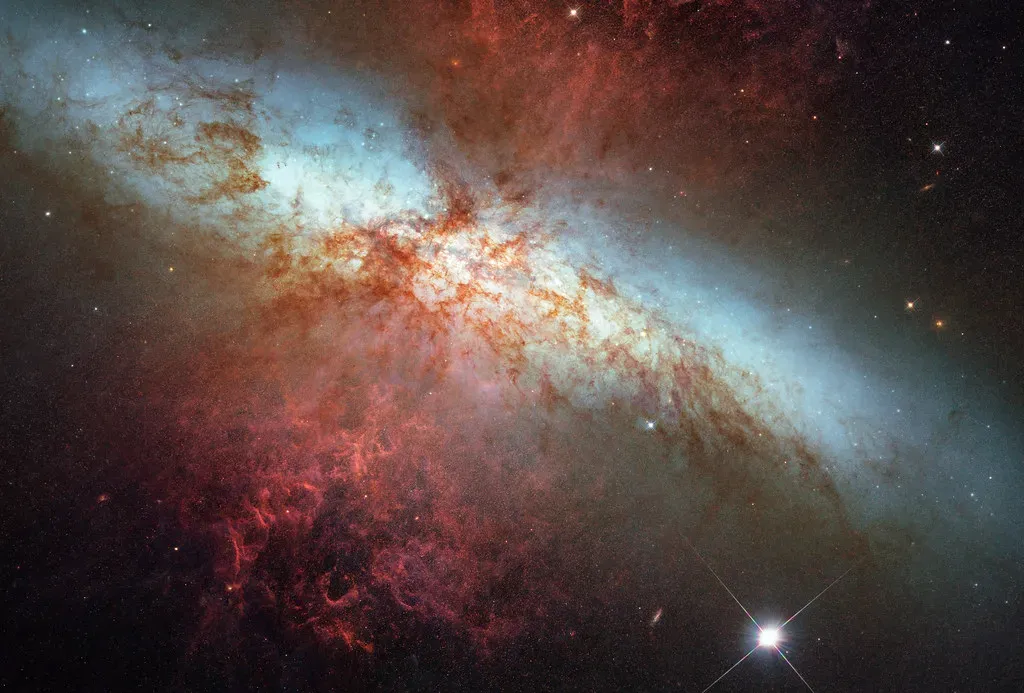
Just when you might have been getting used to dark matter, the universe throws you another curveball: dark energy. You’d probably expect gravity to make the expansion of the universe slow down over time, as everything pulls on everything else. Instead, when astronomers carefully measured distant exploding stars in the late twentieth century, they found that the expansion of the universe is speeding up, as if some hidden pressure is pushing space itself to stretch faster.
To describe this cosmic push, you invoke dark energy, a smooth, pervasive component that seems to fill all of space and exerts a kind of negative pressure. Unlike dark matter, dark energy doesn’t clump into galaxies or halos; it stays more or less uniform, making its presence known only on the largest scales and over billions of years. You can think of dark matter as the architect of structure and dark energy as the stage manager that controls the pace at which the whole cosmic theater grows.
How Dark Energy Competes With Gravity to Shape the Future
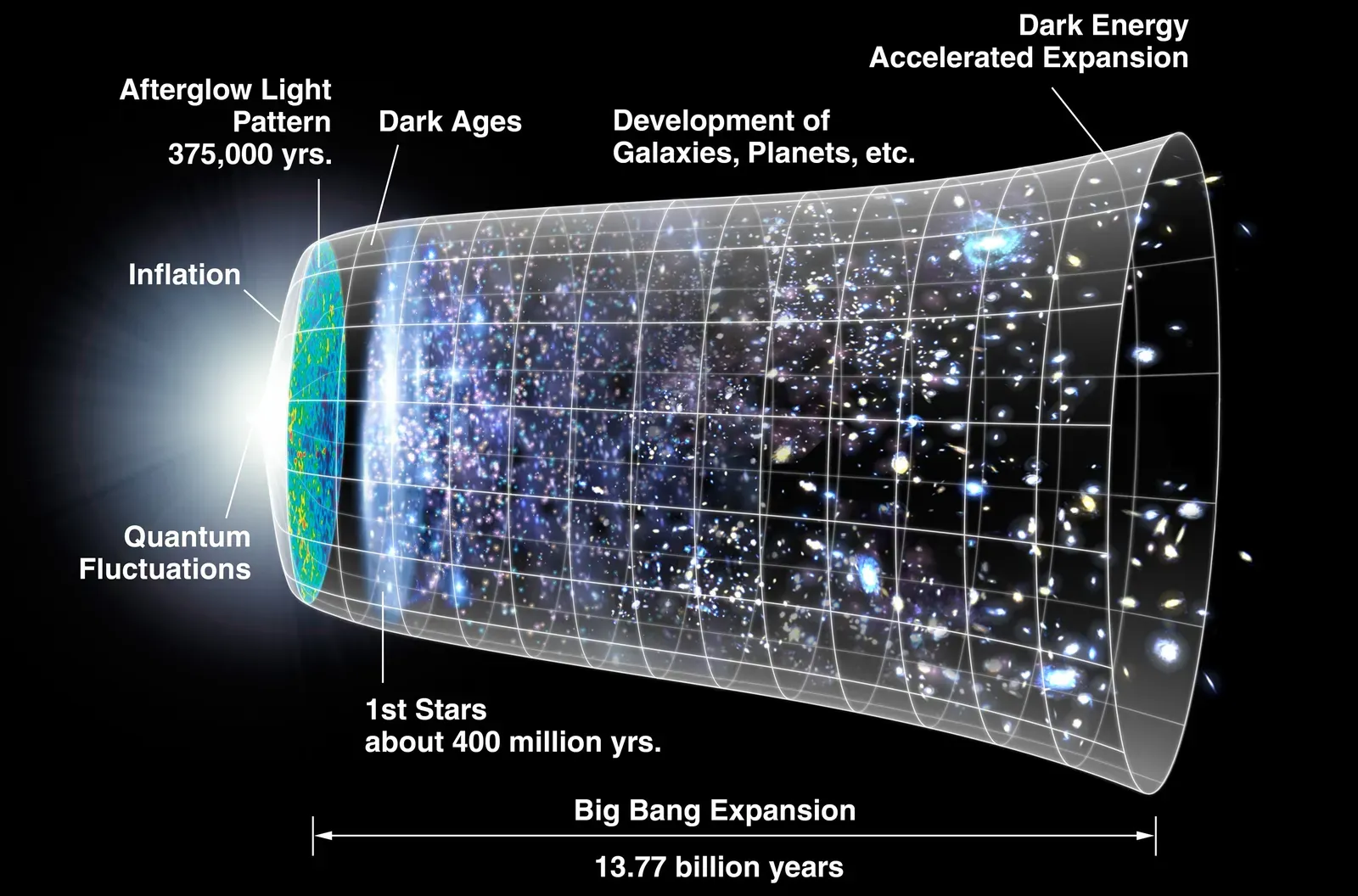
Every second, there’s a quiet competition playing out across the universe between the pull of gravity and the push of dark energy. Early on, when matter was packed closer together, gravity largely won, slowing the expansion and letting structures form. As the universe expanded and matter thinned out, dark energy’s constant density began to dominate. Now, in the era you inhabit, the balance has tipped: dark energy is the main driver of the universe’s expansion.
If dark energy keeps behaving the way it appears to today, you’re looking at a future where galaxies outside your local group gradually slip beyond your observable horizon. Over unimaginably long timescales, the night sky would grow emptier for any future observers, as cosmic neighbors fade from view not because they disappear, but because space between you and them swells faster than their light can bridge the gap. The universe, from your vantage point, slowly becomes a more lonely place.
Living in a Universe You Barely Understand
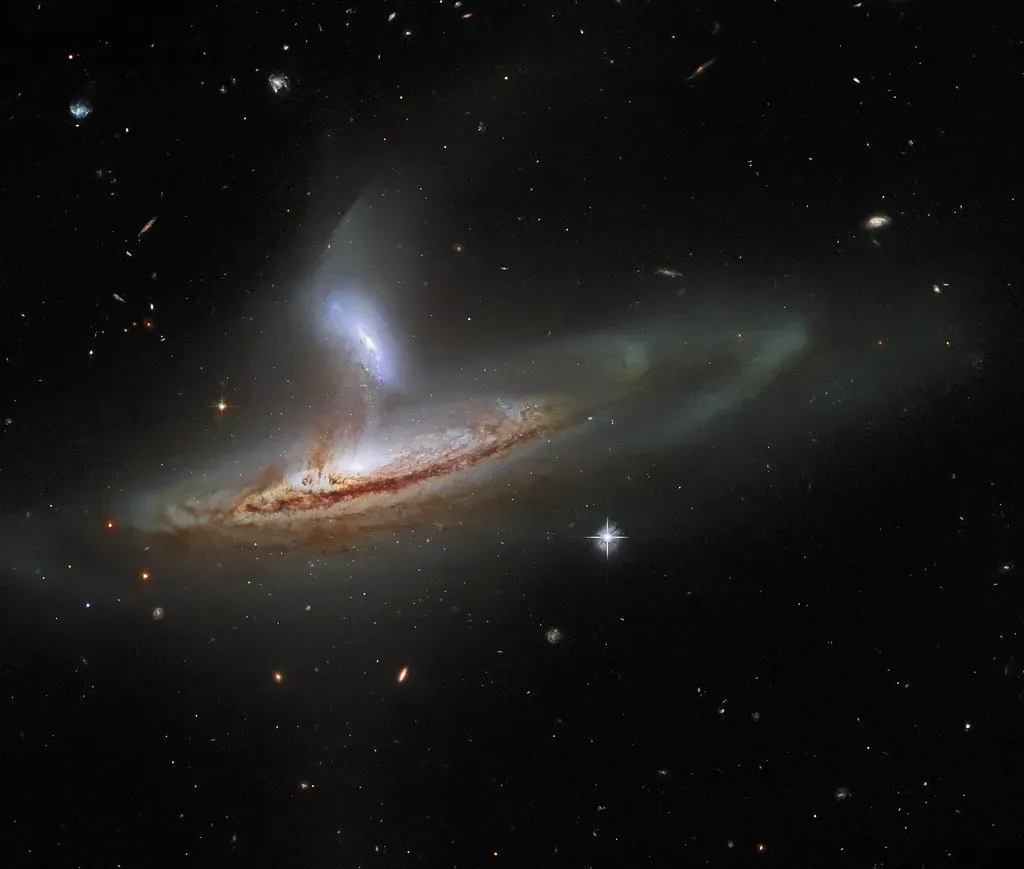
There’s something deeply humbling about realizing you live in a universe where nearly everything important is invisible to your senses and only indirectly accessible to your tools. Dark matter and dark energy together account for almost all of the cosmic budget, yet you’re still arguing over their true nature, running experiments in underground labs, launching telescopes, and building ever more detailed models to test against the faint patterns of ancient light in the sky. You are, in a very real sense, a creature made of cosmic leftovers trying to reconstruct the recipe of the whole meal.
At the same time, this ignorance is oddly inspiring. The fact that you can even infer the existence of dark matter and dark energy from subtle clues in galaxy motions and cosmic background radiation is already a huge achievement. You’re like someone hearing a symphony next door and, from the vibrations in the wall, beginning to guess the instruments, the tempo, and maybe even a bit of the melody. The story of dark components is not just about what you do not know – it’s also about how far your curiosity has already taken you.
Conclusion: Embracing the Darkness That Holds Everything Together
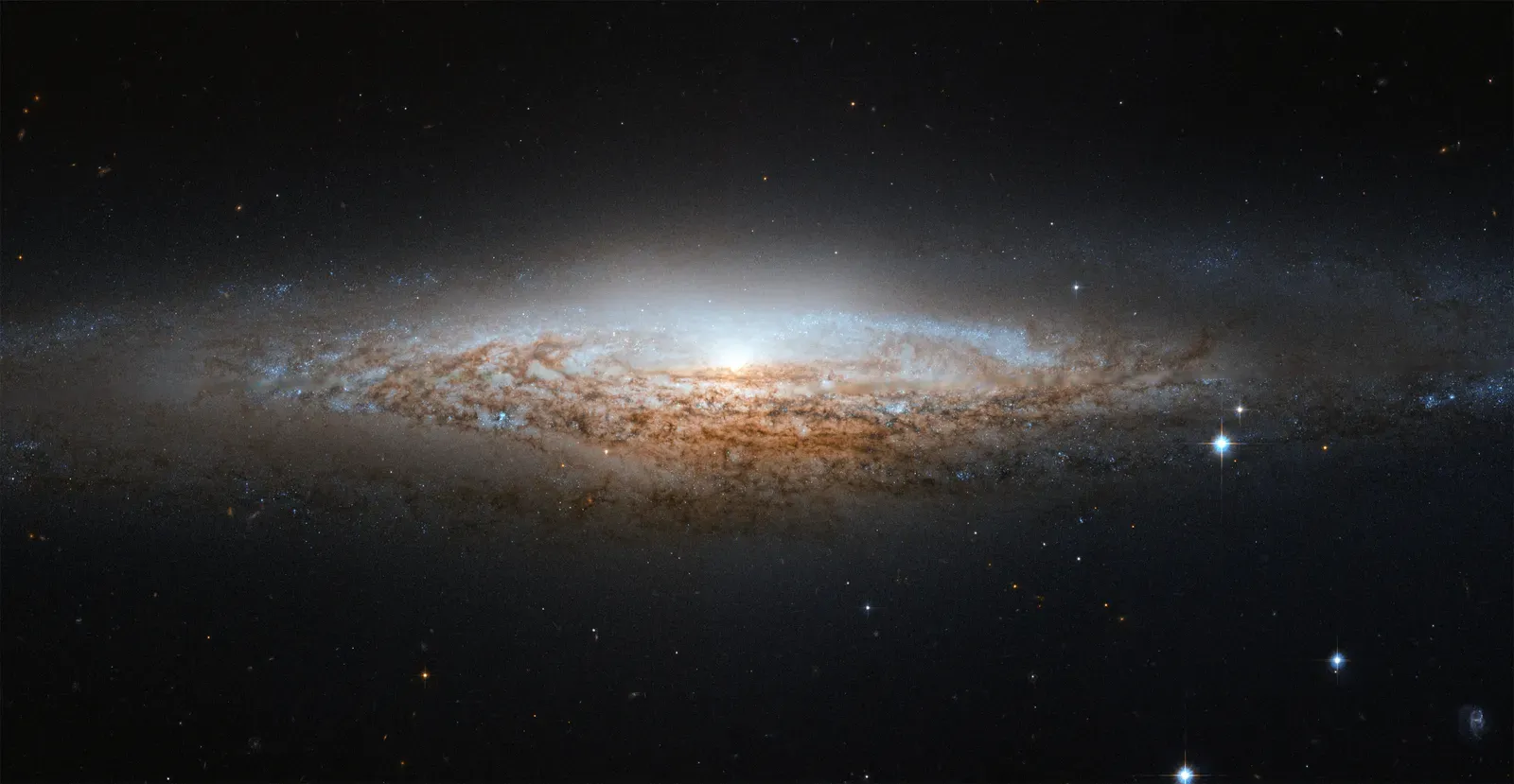
When you step back and let the full picture sink in, you realize that dark matter and dark energy are not fringe ideas tacked onto your models – they are the main act. Dark matter quietly binds galaxies, cradles clusters, and sculpts the vast web of structure, while dark energy steers the long-term expansion and ultimate fate of everything. The bright, familiar universe you can see is more like glowing foam on a deep, unseen ocean shaped by these invisible forces.
You may never get the cinematic moment where someone points to a glowing vial and says you are looking at pure dark matter, but every new observation and experiment pulls back the curtain a little more. By paying attention to tiny distortions in distant light, faint afterglows from the early universe, and delicate patterns in galaxy maps, you’re slowly learning the rules that govern the darkness. In the end, the most surprising truth might be this: the universe was never obligated to be understandable at all, yet here you are, deciphering its invisible heartbeat – what else might you dare to ask it next?