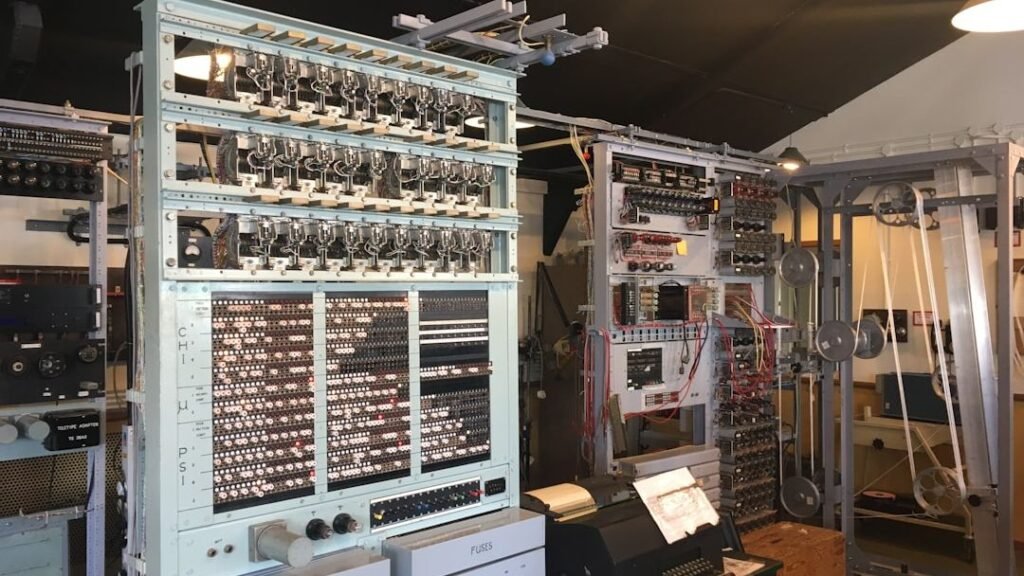

You live in a world ruled by things you can’t see. Beneath your phone screen, inside hospital scanners, across undersea internet cables, there’s a restless swarm of microscopic particles quietly obeying the bizarre rules of quantum physics. You might think of quantum mechanics as a distant, abstract branch of science, but it already shapes your daily life in ways you probably never notice.
Now, for the first time in history, you’re standing at the edge of a genuine quantum revolution. Scientists and engineers are learning not just to observe these tiny particles, but to control them, program them, and build technology out of their weird behavior. If this shift keeps accelerating, the way you compute, communicate, heal, secure your data, and even understand reality itself could look very different from anything you grew up with.
Why Quantum Reality Is So Different From What You Expect
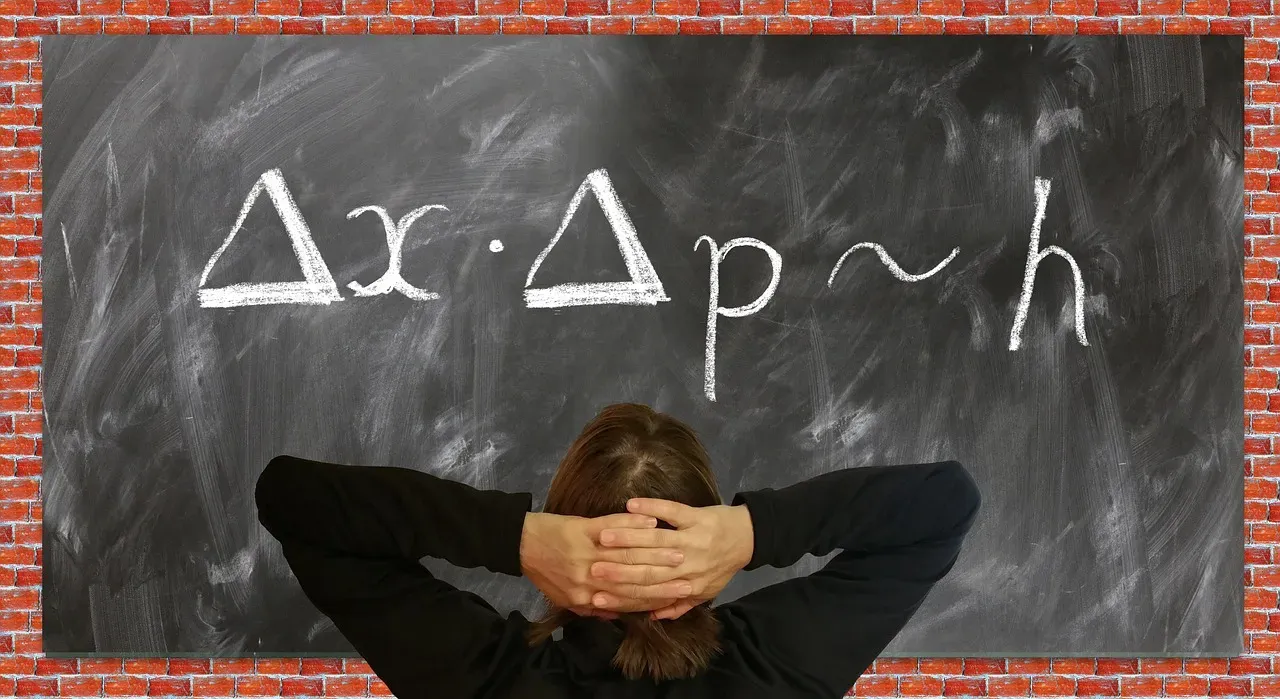
If you grew up thinking of the world as made of tiny, solid balls bouncing around like billiard balls, quantum physics is going to feel like stepping into a magic show. At this microscopic level, particles can behave like waves, exist in several possible states at once, and influence each other instantly across long distances. You’re used to cause and effect being neat and linear; quantum reality laughs at that and offers you probability, uncertainty, and mind-bending connections instead.
What makes this wild behavior so powerful for you is that it’s not just philosophical weirdness; it’s a toolbox. When a single particle can be in multiple states at once, you can use that to pack more information into a tiny space. When two particles stay mysteriously linked no matter how far apart they are, you can use that to build ultra-secure communication channels. Once you stop insisting that the world must behave in a classical, commonsense way, you suddenly get access to an entirely new engineering playbook.
How Quantum Computers Could Reshape the Problems You Can Solve
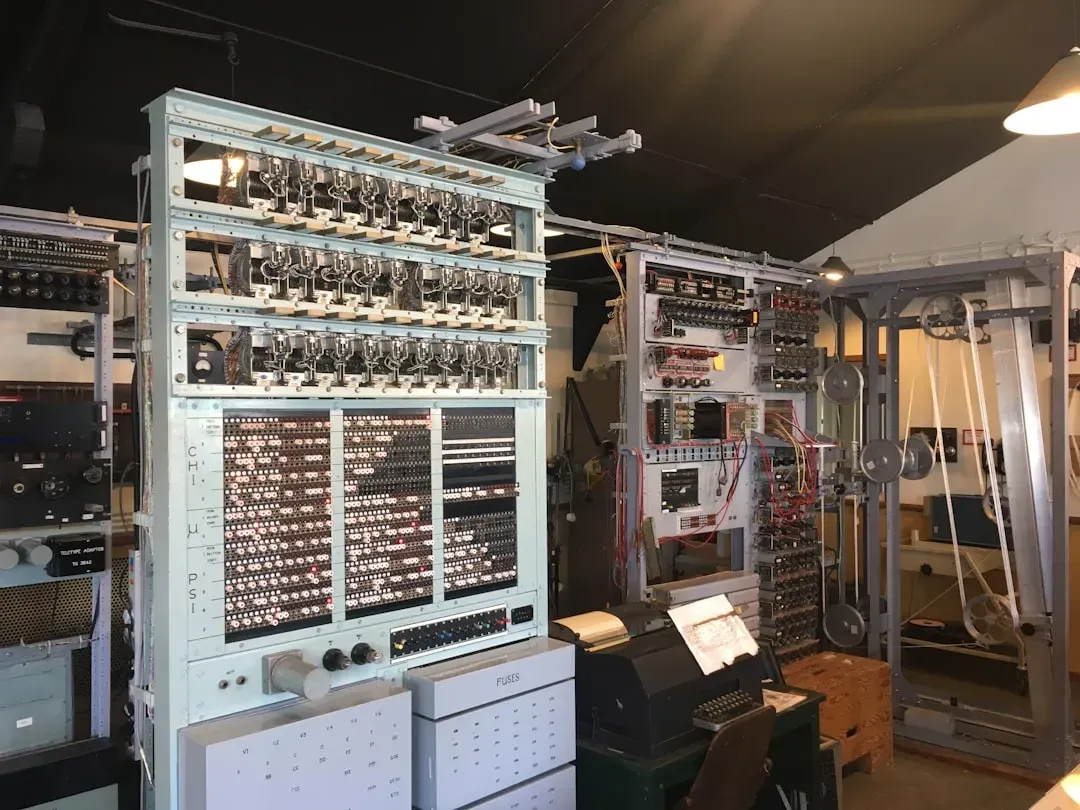
When you think about computers today, you probably picture them as faster, sleeker versions of the ones you grew up with. But underneath, they all play the same game: bits that are either zero or one. Quantum computers change that game completely by using quantum bits, or qubits, that can be zero, one, or a blend of both at the same time. That strange property, called superposition, lets you explore many possible solutions in parallel instead of one after another.
For you, the impact isn’t about making your email open faster; it’s about tackling problems that are effectively impossible for classical machines. You’re talking about optimizing global delivery routes in a fraction of the time, simulating new materials or drugs molecule by molecule, or cracking codes that would otherwise be safe for centuries. The flip side is that today’s quantum computers are still fragile, error-prone, and mostly stuck in research labs. You’re watching a technology that’s more like early aviation: noisy, unstable, but clearly heading toward something that could change your entire technological landscape.
Quantum Encryption: Rethinking How You Protect Your Secrets

Right now, almost everything you do online – banking, messaging, shopping – relies on mathematical locks that are hard for current computers to break. But if large-scale quantum computers arrive, many of those locks become alarmingly easy to pick. That sounds like a nightmare for you, but it’s also the push that’s driving a new generation of quantum-safe cryptography and communication systems. You’re essentially being forced to reinvent digital security before the old foundations crumble.
One of the strangest tools at your disposal is quantum key distribution, where you encode secret keys in the states of individual particles. If someone tries to eavesdrop, the very act of looking disturbs those particles, and you can tell the communication has been compromised. In that world, you no longer rely only on the hardness of a math problem; you lean on the laws of physics themselves to tell you whether your conversation has stayed private. As quantum-tech matures, you’ll likely start seeing quantum-safe standards quietly baked into your devices, long before you ever see a quantum computer on your desk.
Reinventing Medicine With Quantum Sensing and Simulation
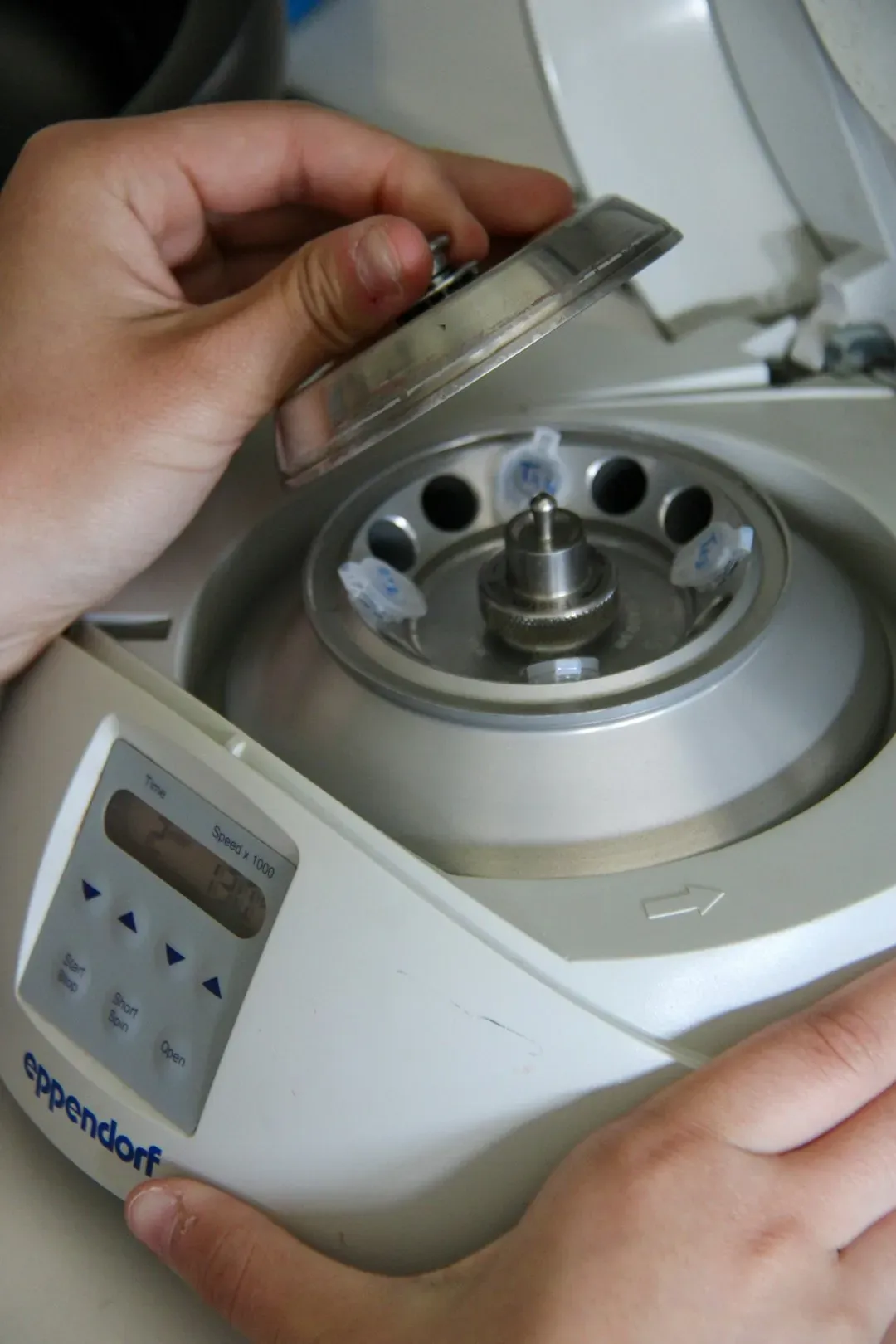
You already benefit from quantum effects in medical imaging, even if you don’t realize it. Technologies like MRI depend on the quantum behavior of atomic nuclei to give doctors detailed views inside your body without cutting it open. What’s changing now is that researchers are pushing quantum sensors to entirely new levels of sensitivity, letting you detect faint signals that would be lost in the noise for classical devices.
Imagine being able to map the tiny magnetic fields in your brain more clearly, track early signs of disease before symptoms ever appear, or design drug molecules using highly accurate quantum simulations instead of years of slow trial and error. When you can model how electrons move and interact in complex molecules, you can start predicting which drug candidates are worth testing long before they reach a human trial. This does not mean instant miracle cures for everything, but it absolutely means you could see earlier diagnoses, more targeted treatments, and medical devices that feel almost like science fiction compared with what you grew up with.
Quantum Sensors and the Way You’ll See the World Around You
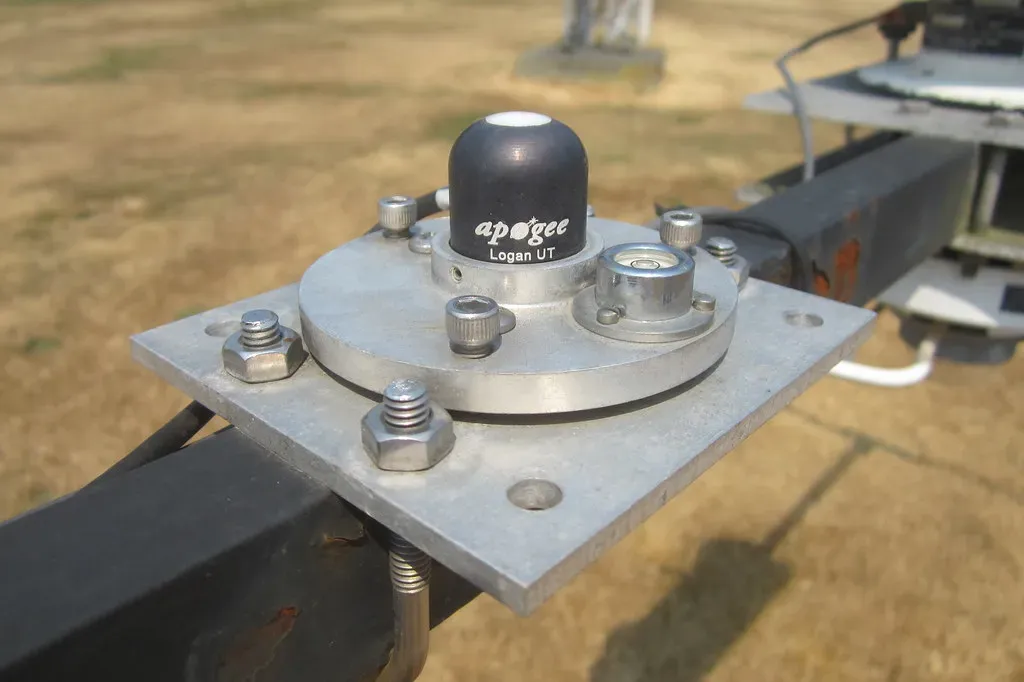
Beyond hospitals, quantum sensing quietly promises to change how you measure, navigate, and monitor the world. By harnessing delicate quantum states, you can build sensors so precise they can detect tiny gravitational changes, minuscule shifts in magnetic fields, or incredibly faint signals from distant objects. If you’ve ever relied on GPS and watched it glitch in cities or indoors, you can imagine what a game-changer more precise, quantum-enhanced navigation could be.
For you, that might eventually mean aircraft and ships that navigate more safely without depending as heavily on satellite signals, underground mapping tools that help locate resources or monitor infrastructure, and environmental sensors that pick up subtle warning signs before disasters strike. Quantum sensors will not suddenly give you omniscience, but they nudge you closer to a world where the invisible becomes measurable, and key decisions – about climate, construction, transportation – rest on far more accurate information.
From Labs to Your Life: The Hard Road to Quantum Devices You Can Actually Use
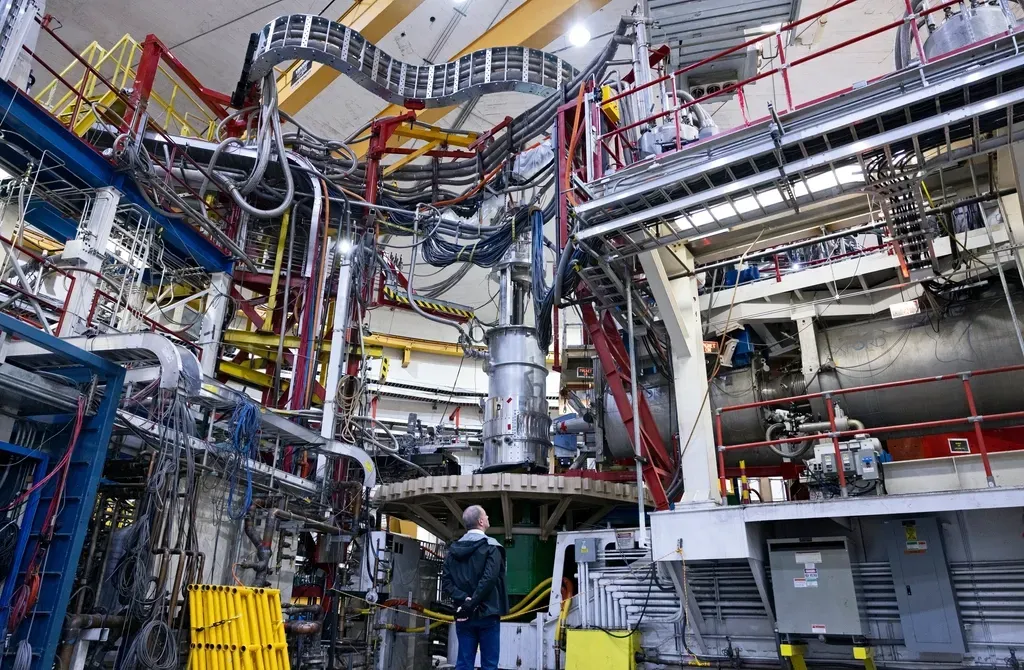
It’s tempting to imagine that because quantum tech sounds magical, it will arrive in your life overnight. The reality is slower and messier. Qubits are fragile; they lose their quantum properties when they interact with the environment, a problem called decoherence. To keep them stable, you often need ultra-cold temperatures, careful shielding, and incredibly precise control systems. That means the devices that will affect you most in the near term will likely live in data centers, research labs, and specialized facilities, not on your kitchen counter.
Still, you’re already seeing the first hints of quantum’s arrival through cloud platforms that let researchers and companies experiment with early quantum processors remotely. You may not program a quantum chip yourself, but the services you use – logistics, finance, pharmaceuticals, climate modeling – could run optimization or simulation tasks on quantum backends without you even knowing. The path from lab curiosity to everyday tool is never smooth, but as costs drop and hardware improves, more quantum capabilities will quietly slide into the software and infrastructure you rely on every day.
What Quantum Technologies Mean for Your Job and Everyday Life

Whenever a new wave of technology arrives, you probably worry about whether your job will survive it. With quantum tech, you’re less likely to be replaced by a quantum computer than to find your industry subtly reshaped by those who learn to use it. If you work in logistics, finance, materials, chemistry, cybersecurity, or data-heavy fields, you may eventually find quantum tools tucked into the software you already use, offering new options for optimization, risk analysis, or design.
For you personally, the smartest move is not to panic, but to get curious. You don’t need a physics degree to understand the basics of what a qubit is, what makes quantum algorithms different, or why quantum-safe encryption matters. Think of it the way you might have thought of the internet in the early days: you didn’t need to build routers, but you did eventually need to understand what email, websites, and online security meant for your life and work. The same will be true here; the more fluent you become in the basic ideas, the better you’ll be at spotting real opportunities instead of falling for hype.
The Ethical and Societal Choices You’ll Have to Make About Quantum Power
Every powerful technology you’ve seen in your lifetime has come with a moral bill attached, and quantum tech is no exception. If quantum computers can break today’s encryption, you have to wrestle with how to protect privacy before hostile actors get there first. If quantum simulations make it easier to design advanced materials, you have to decide how to balance civilian benefits with potential military use. Instead of assuming the science will sort it out, you’re being invited to participate in the social debate early.
You also have to think about inequality: if only a handful of countries or corporations control the most advanced quantum systems, they gain a serious strategic edge. That raises questions for you about international cooperation, open research, export controls, and shared standards. You’re not just a spectator here; as a citizen, consumer, or professional, your choices – what policies you support, which companies you trust, what technologies you adopt – will help shape whether the quantum leap deepens divides or broadens access.
Conclusion: Living Through a Quantum Turning Point
When you zoom out, you can see that quantum technology is not a single gadget but a new way of thinking about information, measurement, and control at the tiniest scales. You’re alive at the moment when the strange rules that used to belong only in physics textbooks are starting to leak into real-world devices, commercial services, and political decisions. That shift will not be tidy or predictable, but it will quietly rewrite parts of your world, from how securely you send a message to how doctors diagnose your illness or how companies plan global routes.
You do not have to understand every equation to play a meaningful role in this story; you just have to stay curious, skeptical of hype, and willing to learn the basics so you can tell the difference between a genuine breakthrough and a buzzword. The quantum leap is not just about tiny particles; it is about how you decide to use their strange power to build the kind of future you actually want to live in. So as this new era unfolds, how will you choose to stand at the edge of the microscopic and shape the macroscopic world you call home?