
If you often wake up with your arms flung over your head, you might have wondered what your body is trying to tell you. It looks innocent enough, almost like a lazy stretch frozen in time, but in recent years some therapists and sleep commentators have started linking this pose with deeper emotional patterns, including unresolved stress or trauma. It sounds dramatic, and a little unsettling, especially if you recognize yourself in that description.
Here’s the honest truth: sleep science is still catching up to the dramatic claims you might see online. There is no solid, large-scale research proving that sleeping with your hands above your head automatically means your brain is working through unresolved trauma. But your sleep position does reflect how your nervous system feels, how safe you are in your own body, and how deeply you’re able to rest. When you unpack what might be going on underneath this posture, you can learn a lot about your stress, your emotions, and what your brain is busy processing while you are out cold.
What Your Brain Is Really Doing While You Sleep

You might think of sleep as an off-switch, but your brain is anything but off. While you sleep, your brain is doing heavy maintenance work: sorting memories, cleaning out metabolic waste, and calming down circuits that have been firing all day. During deep sleep, your body repairs itself and your brain consolidates what you learned and felt, like a librarian carefully shelving books after the library closes. If you’ve gone through something stressful or emotionally intense, that “shelving” process can feel especially busy.
During rapid eye movement (REM) sleep, your brain replays emotional memories and helps you file them in a way that feels less overwhelming the next day. This is one reason you might dream about arguments, breakups, or scary situations long after they happen. Your brain is not trying to torture you; it’s trying to desensitize you and integrate those experiences. When people talk about your brain “processing trauma” in sleep, they are usually referring to this emotional sorting that naturally happens at night, although it is not as simple as one specific position meaning one specific kind of trauma.
Why People Think Hands-Above-Head Sleeping Signals Trauma

The idea that sleeping with your hands above your head reveals unresolved trauma mostly comes from therapists, bodyworkers, and trauma-informed coaches who notice patterns in clients, not from hard-core controlled lab studies. They sometimes describe this posture as a sign your nervous system is still on guard, even when you are asleep, like a subtle echo of a defensive gesture. It can look almost like you are blocking something, reaching for safety, or holding tension in your shoulders and chest.
Because trauma is stored not just in your thoughts but also in your body, people understandably look for “hidden clues” in posture, breathing, and movement. The problem is that your sleep position is influenced by many things: your mattress, your pillow, temperature, muscle tightness, and plain habit. So while there may be a grain of truth that chronic stress and unresolved experiences can show up in how you sleep, it’s risky to treat one specific position as a diagnosis. You are not broken or doomed simply because you wake up with your arms above your head.
The Nervous System, Safety, And Why Your Body Chooses That Pose

Your body is constantly scanning for danger and safety, even when you are not aware of it. If your nervous system is used to being on edge, it may not fully relax at night, and that can show up as muscle tension, restlessness, or certain recurring sleep positions. Sleeping with your hands above your head could be your body’s way of balancing tension and comfort: your shoulders might be tight, your chest might feel constricted, and that raised-arm pose can create a feeling of opening and relief without you choosing it consciously.
When you feel safe and calm, your body tends to soften into heavier, more grounded positions. When you feel over-activated or hypervigilant, your body might choose a posture that keeps muscles a bit engaged, as if your system is not quite ready to fully surrender. That does not automatically mean you have trauma in the clinical sense, but it can mean your stress levels are too high for your body to deeply let go. If you repeatedly wake in a position that looks oddly tense, it is worth asking yourself not only how you slept, but how safe and supported you feel when you are awake.
Other Reasons You Might Sleep With Your Hands Above Your Head
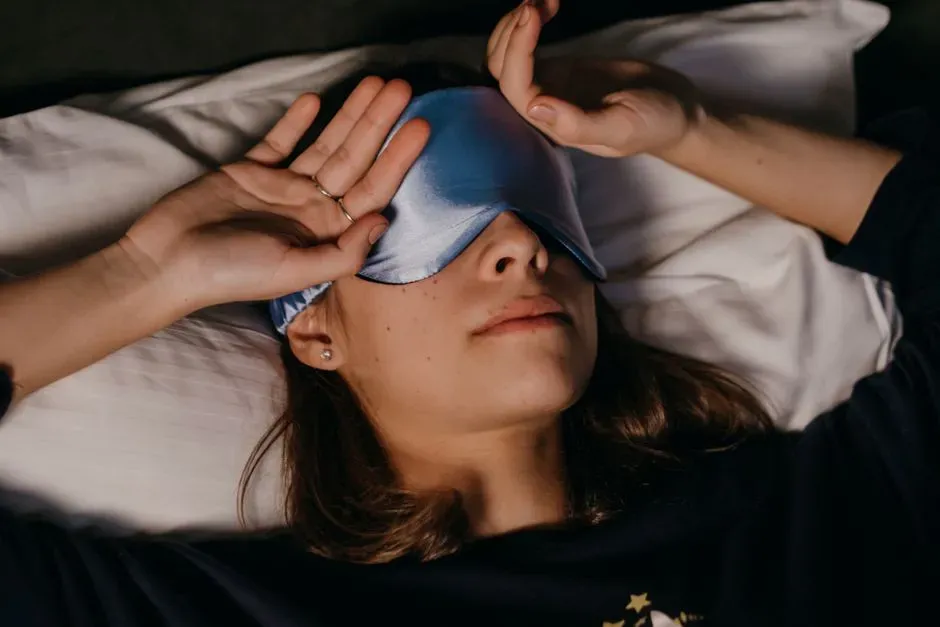
Before you assume your sleeping pose is a sign of heavy trauma, it helps to look at the much more ordinary explanations. Many people raise their arms because it opens the ribcage and makes breathing feel easier, especially if you tend to feel stuffed up or snore. If your mattress or pillow doesn’t support your neck properly, your arms might drift up as a way to tweak your posture until your spine and shoulders find a less painful angle.
Temperature also plays a role. If you get hot at night, stretching your arms above your head exposes more skin and helps you cool down. Sometimes you simply picked up this habit years ago and your body stuck with it, the same way you might always cross the same leg over the other without thinking. In all of these cases, your sleep position is about comfort and airflow, not a coded message from your subconscious. You can take your posture seriously without turning it into a verdict on your mental health.
How Unresolved Stress And Trauma Actually Show Up In Your Sleep

If your brain is grappling with unresolved experiences, you are far more likely to notice it in the quality of your sleep than in the exact angle of your arms. Trouble falling asleep, waking up often, early-morning awakenings, or feeling exhausted even after a full night can all be signs that your nervous system is not getting the deep rest it needs. Nightmares, emotionally intense dreams, or waking up with your heart racing can also point to your brain re-processing things that still feel unfinished.
You might also notice how you feel in your body when you lie down. If you dread bedtime, feel a rush of anxiety when things get quiet, or suddenly remember everything you are worried about as soon as your head hits the pillow, that matters. Your sleep becomes a mirror for how safe you feel in your own life. In that context, your hands-above-head position could be one small piece of a bigger puzzle, especially if it goes along with chronic tension in your shoulders, jaw, or chest, or a constant sense that you cannot fully relax.
Simple Ways To Help Your Brain Feel Safer At Night

If you suspect your brain is working overtime on old or current stress, focusing only on forcing a new sleep position will not get you very far. Instead, think about how you can send your nervous system a stronger signal of safety before you even get into bed. A consistent wind-down routine, dimmed lights, gentle stretching, or a few minutes of slow breathing can help shift your body out of fight-or-flight mode. You are basically telling your brain that for the next eight hours, it is allowed to stand down.
It also helps to create what some therapists call a buffer zone between your day and your sleep. That might mean writing down your worries in a notebook so they do not swirl in your head, or talking through something difficult with a friend or professional earlier in the evening. The more your emotional load is acknowledged and processed in the daylight, the less pressure there is for your brain to do all the work at three in the morning. Over time, as your system feels safer, you may find your body naturally choosing more relaxed positions without you forcing anything.
When To Talk To A Professional About Your Sleep And Stress

You do not need to run to therapy just because you sleep with your hands over your head, but there are times when getting help is wise. If you regularly wake up gasping, snoring loudly, or feeling like you cannot catch your breath, you should talk to a doctor because sleep apnea and other breathing issues are common and treatable. If your sleep is so disturbed that you cannot function well during the day, that is also a signal to reach out, regardless of your body posture.
On the emotional side, if your nights are full of recurring nightmares, panic, or memories that leave you shaken, that is worth bringing to a mental health professional. Trauma-focused therapies can help your brain process what it has been carrying so your sleep no longer feels like a battlefield. Instead of obsessing over whether your arm position proves you have trauma, you can use it as a gentle reminder to check in with yourself: how am I really doing, and do I need more support than I have been willing to admit?
How To Experiment With Your Sleep Position Without Stressing About It

If you are curious whether changing your sleep position changes how you feel, you can experiment in a low-pressure way. You might try adjusting your pillow height, adding a body pillow, or slightly propping your arm on a cushion so it does not drift as far overhead. If you have shoulder tension, gentle stretching before bed can make it easier for your arms to rest by your sides or on your torso instead of reaching up.
The key is to treat this like an experiment, not a moral test. If you wake up with your arms over your head again, it does not mean you failed or that you are emotionally stuck. Notice what helps you feel more rested and less tense, and keep those changes. Let your body have a say in the matter; sometimes it knows what feels safest long before your conscious mind catches up.
Conclusion: Listening To Your Body Without Letting Fear Take Over

If you sleep with your hands above your head, it might be one tiny clue in a much larger picture of how your body copes with stress, but it is not a secret diagnostic code for unresolved trauma. Your brain does a lot of emotional processing while you sleep, and that is true for everyone, whether you curl up in a tight ball or sprawl like a starfish. Instead of panicking about one posture, you can pay attention to how you actually feel: rested or drained, calm or constantly on edge, safe or stuck in survival mode.
When you start listening to your sleep as feedback instead of a verdict, you give yourself room to make compassionate changes: better routines, more support, healthier boundaries, and maybe professional help when you need it. Over time, your nights can become less about battling hidden fears and more about genuine restoration. So the next time you wake up with your arms over your head, maybe take it as an invitation, not a sentence, and gently ask yourself what your body has been trying to say all along. What do you think it might be whispering to you right now?