Imagine a tiny, whiskered creature trembling with delight as you gently tickle its belly, emitting high-pitched giggles that are all but inaudible to human ears. It sounds like something out of a children’s storybook, but this is no fantasy. Rats, often misunderstood and underestimated, are among the few animals that actually laugh when tickled. This surprising fact offers a window into their rich emotional lives and invites us to rethink everything we thought we knew about these clever rodents. What if the perfect pet you’ve been searching for has been hiding in plain sight all along?
The Science Behind Rat Laughter
It might come as a shock to learn that scientists have been listening in on rats’ secret giggles for decades. Using special equipment that picks up ultrasonic frequencies, researchers discovered that rats emit rapid, high-pitched chirps when tickled—a sound that’s impossible for humans to hear without technology. These chirps aren’t random; they occur specifically during joyful or playful moments, much like laughter in humans. The breakthrough came when scientists noticed rats seeking out tickling hands for more, much like a child running back for another round of play. This behavior proved that the sound was not a stress response, but a genuine expression of fun and happiness.
What Tickling Reveals About Rat Emotions
Tickling isn’t just a party trick for rats—it provides a valuable insight into their emotional world. When researchers tickle rats, the animals not only vocalize but also display body language associated with joy, such as playful jumps known as “joy jumps” or “Freudensprünge.” These responses suggest that rats experience complex emotions, including anticipation, excitement, and pleasure. Scientists have even mapped these reactions to specific brain regions involved in human laughter, showing that rats and people share more similarities than we ever imagined. This emotional depth is a testament to rats’ intelligence and sensitivity.
Why Tickling Brings Out the Best in Rats
Tickling isn’t just fun for rats—it can actually improve their well-being. Studies show that rats who are regularly tickled become friendlier, more social, and less fearful of humans. This positive interaction helps to build trust and a strong bond between rat and caretaker. Unlike some animals that might become stressed or agitated, rats actively seek out tickling sessions, nudging hands and playfully chasing fingers. This eager participation highlights their willingness to connect and their capacity for joy, making them surprisingly endearing companions.
The Undeniable Intelligence of Rats
Rats are smart—shockingly smart. They can solve mazes, learn tricks, and even recognize their own names. In laboratory settings, rats have been taught to press levers, navigate obstacle courses, and respond to complex patterns. Their intelligence is so remarkable that scientists often use them to model human learning and memory. At home, pet rats quickly adapt to routines and can be trained to come when called or perform entertaining stunts. This cognitive agility means they’re never boring, always finding new ways to surprise and delight their human friends.
Social Butterflies: Rats and Their Need for Company

Unlike solitary pets, rats thrive on social interaction. In the wild, they live in bustling communities, working together to build nests, forage for food, and raise their young. As pets, they crave companionship—not just from other rats, but from humans as well. A single rat can become lonely, so it’s best to keep them in pairs or groups. This social nature makes them responsive and affectionate, often snuggling up to their owners or sharing treats with their cage-mates. Their need for connection is a big reason why they bond so closely with the people who care for them.
Clean Freaks: Busting the Dirty Rat Myth

Rats have long suffered from an undeserved reputation for filth, but nothing could be further from the truth. Pet rats are meticulous groomers, spending hours each day cleaning their fur and organizing their living space. They often establish bathroom corners in their cages, making litter training easy. In fact, rats are so clean that they can rival cats in their self-care routine. Their fastidious habits mean that, with proper cage cleaning, they are odor-free and pleasant to be around.
The Playful Side of Rats
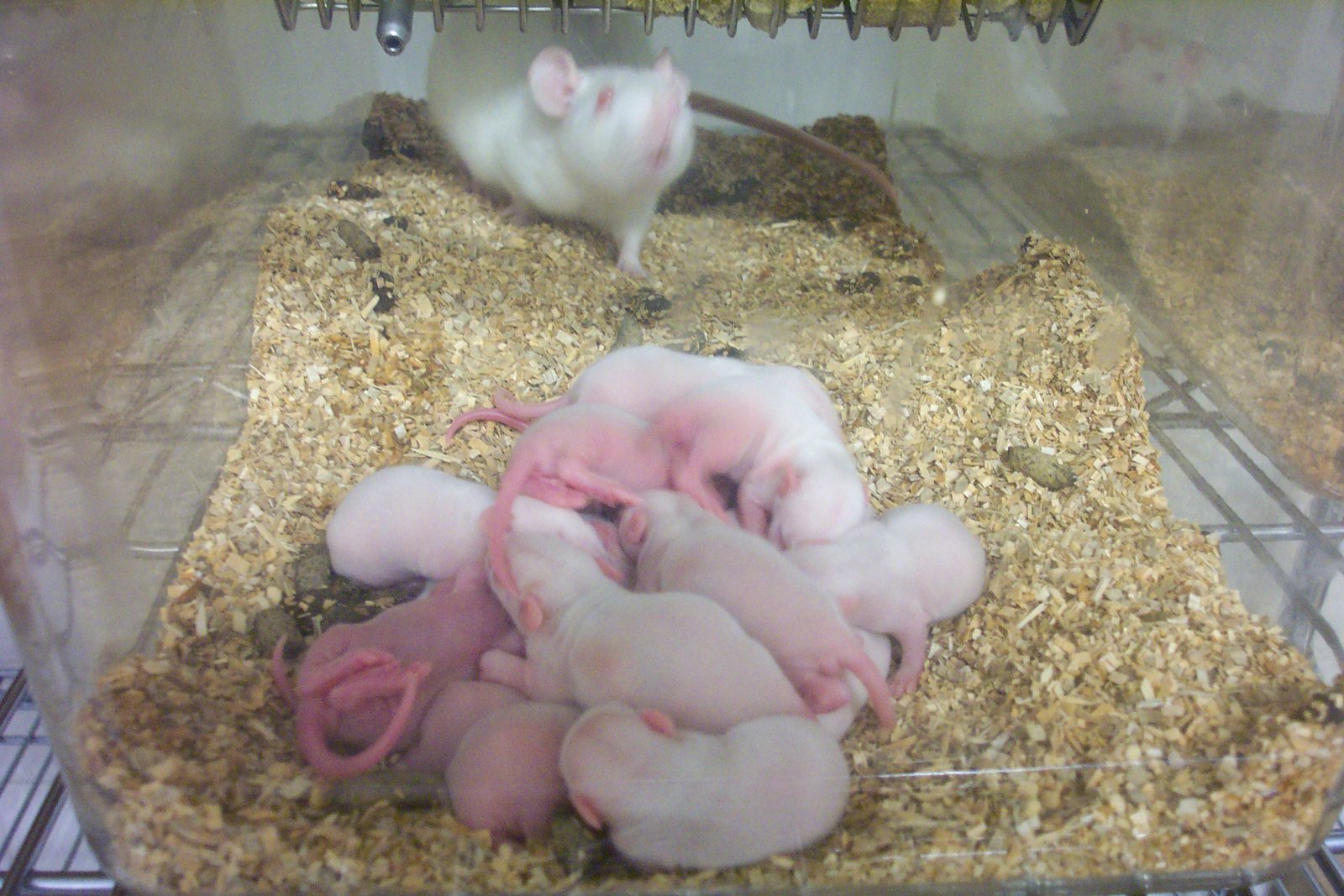
Rats are natural-born entertainers. Give them a cardboard box or a paper towel tube, and they’ll turn it into a playground. They love to climb, dig, and explore, turning even the simplest toys into adventures. Many owners delight in watching their rats perform acrobatics on ropes or chase after small balls. Their playful antics aren’t just cute—they’re an essential part of their mental and physical health. Regular playtime prevents boredom and encourages creativity, making life with rats endlessly amusing.
Affectionate Bonds: Rats and Their Humans
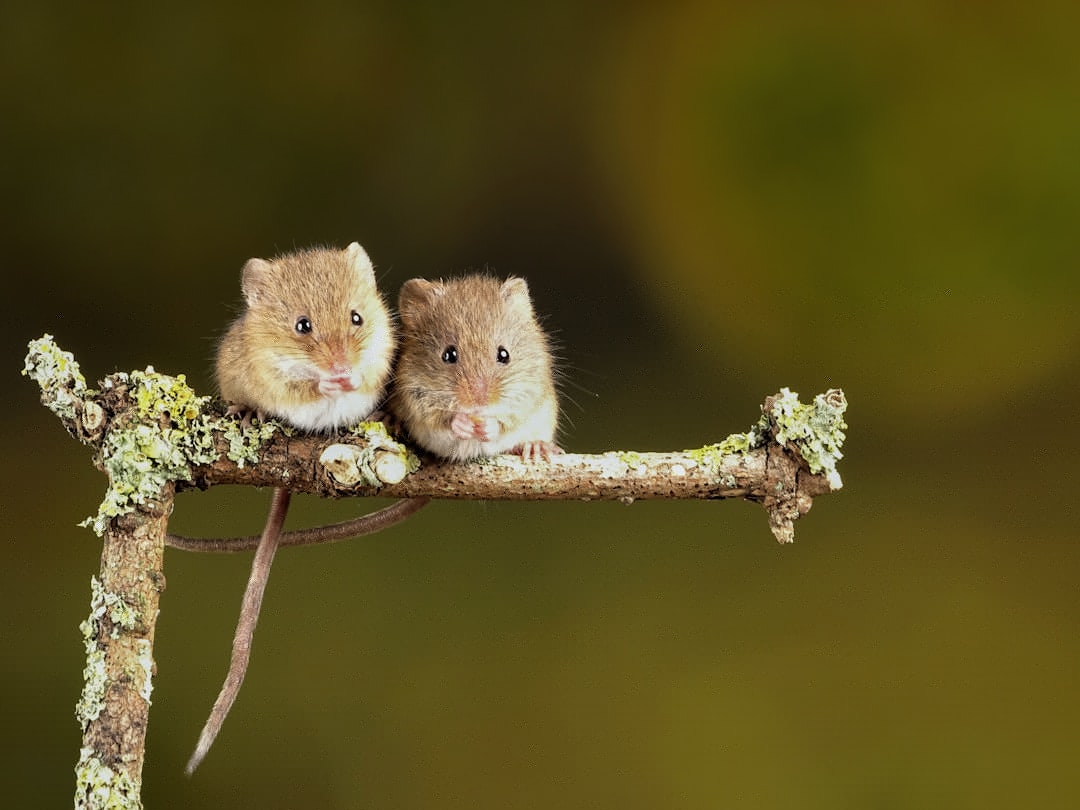
Rats form deep, meaningful relationships with their owners, often seeking out attention and cuddles. They recognize familiar voices and scents, responding with enthusiastic licks, gentle nibbles, or by curling up in the crook of an arm. Some rats even greet their humans with excited chirps or by climbing the cage bars in anticipation. This affection is not one-sided; many rat owners describe their pets as loyal, comforting companions who provide emotional support during difficult times. The connection is genuine and heartfelt.
Surprising Trainability: Tricks, Games, and More

Training a rat is a rewarding experience—one that reveals just how clever and cooperative these animals can be. With patience and positive reinforcement, rats can learn to navigate mazes, fetch small items, or even play hide-and-seek. Clicker training, often used with dogs, works wonders with rats too. Their quick learning and willingness to please make them ideal candidates for fun tricks and games. Watching a rat master a new challenge is not just entertaining but also incredibly satisfying.
Low Maintenance, High Reward
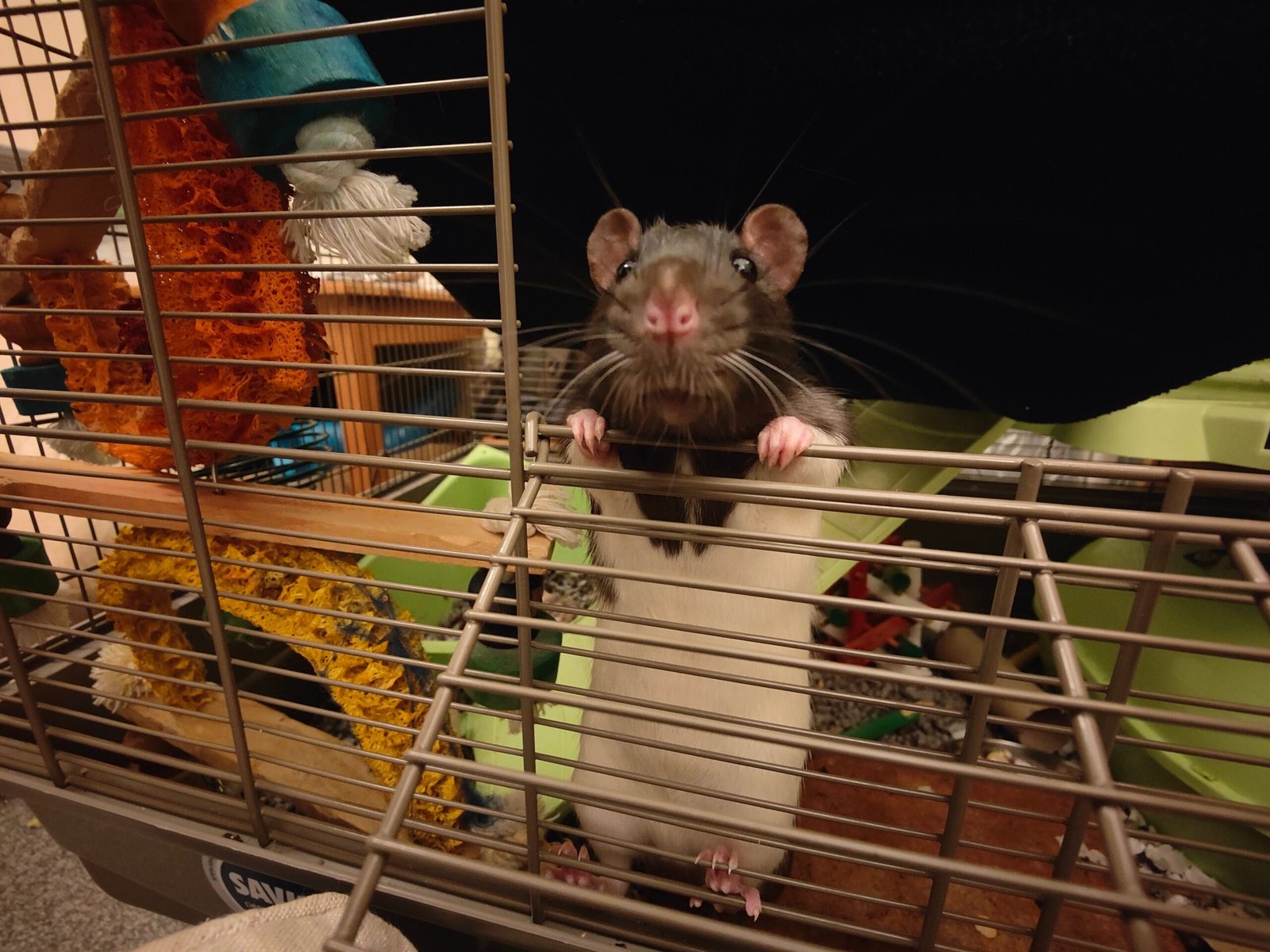
Despite their intelligence and social needs, rats are surprisingly easy to care for. Their diet consists of affordable grains, fruits, and vegetables, and their cages require only regular, straightforward cleaning. They don’t need large living spaces or expensive equipment—just a cozy home, some toys, and plenty of love. This makes them accessible to people living in apartments or those with limited space. For anyone seeking a pet that’s both rewarding and manageable, rats are a compelling option.
Ideal Pets for All Ages
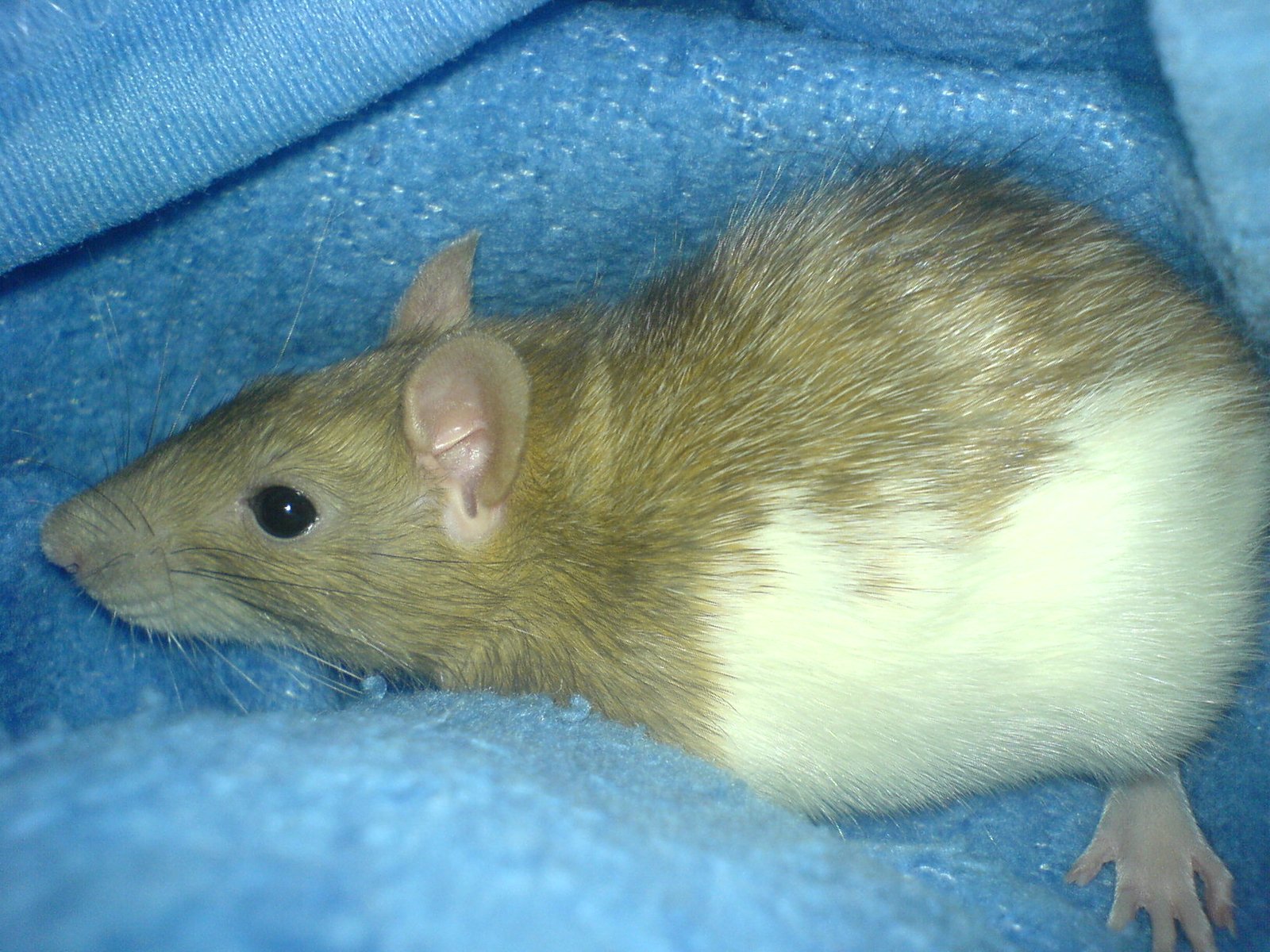
Rats are a fantastic choice for families, singles, and seniors alike. Their gentle nature and small size make them safe companions for children (with supervision), while their intelligence and playfulness appeal to adults seeking more engagement than a goldfish or hamster might provide. Elderly individuals often find comfort in their warm, affectionate company. Rats’ adaptability and low maintenance requirements make them suitable for a wide range of lifestyles and living situations.
How to Keep Rats Happy and Healthy
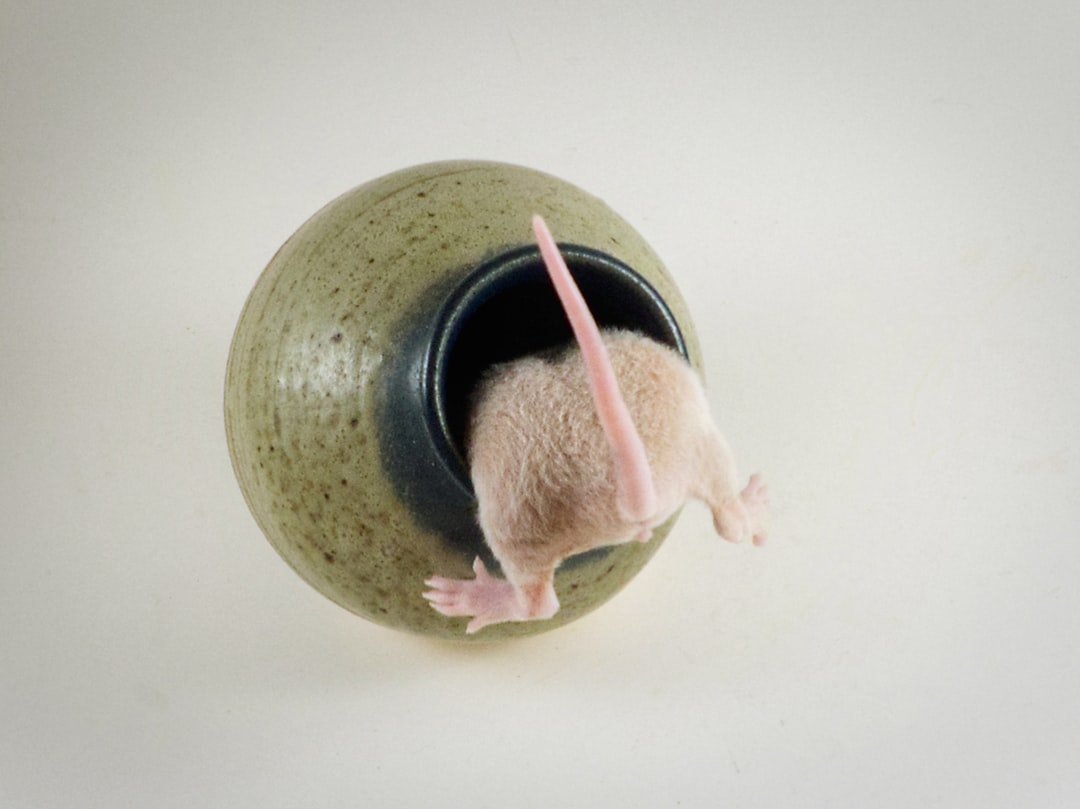
Providing a good life for pet rats is straightforward but essential. They need a spacious, well-ventilated cage, a healthy diet, and plenty of enrichment—think tunnels, hammocks, and chew toys. Regular playtime outside the cage is also important for mental stimulation. Routine veterinary care, while not as demanding as for some pets, is still necessary for a long, healthy life. With proper care, rats can live up to three years, filling each day with affection and adventure.
Understanding the Rat’s Emotional Needs
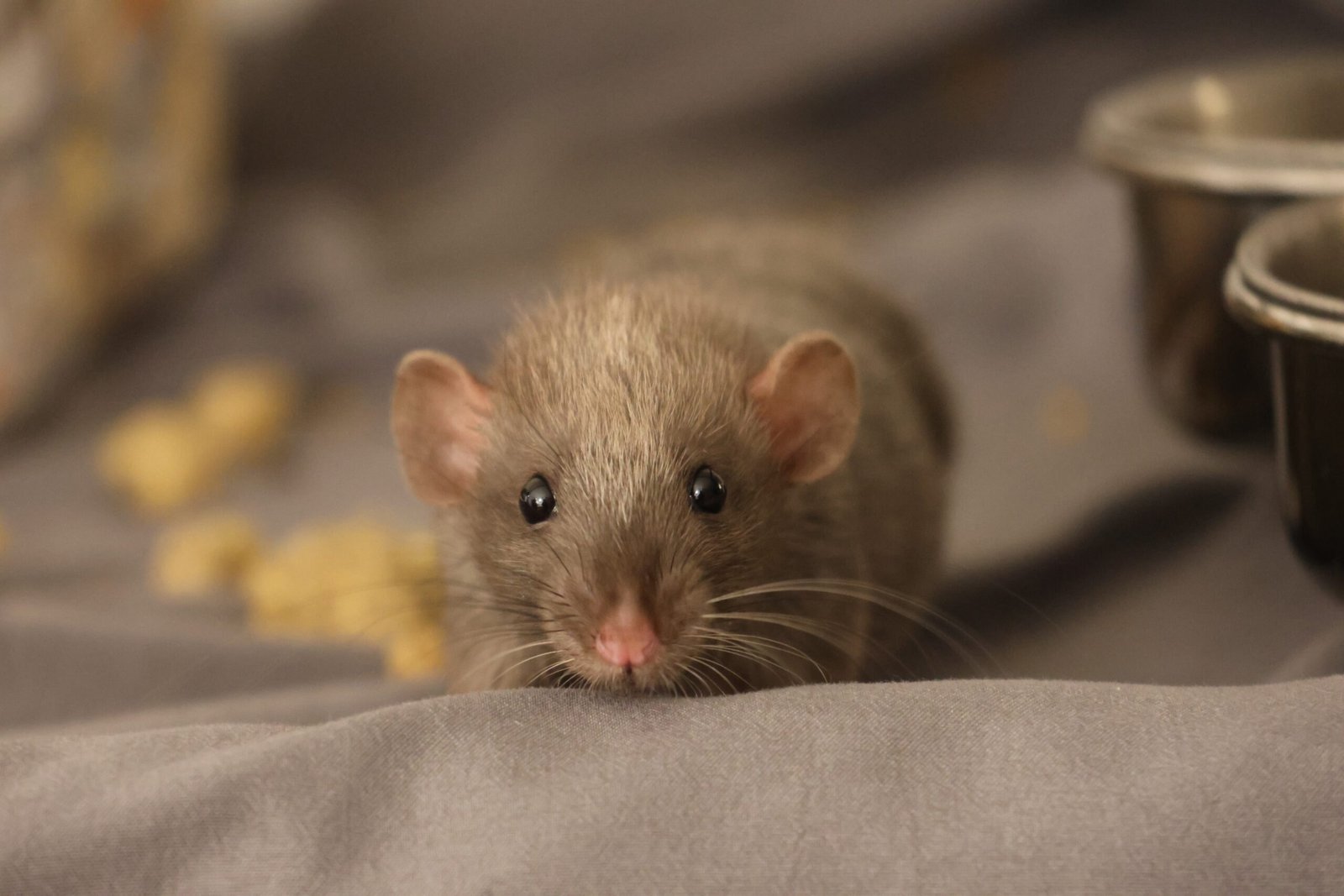
Rats are emotional creatures, sensitive to their environment and the moods of those around them. They thrive on consistency and gentle handling. Abrupt changes or rough treatment can stress them out, while patience and kindness help them flourish. Observing a rat’s body language—relaxed posture, soft squeaks, or enthusiastic grooming—can provide valuable clues about their happiness. Meeting their emotional needs is just as important as providing food and shelter.
Rats in Scientific Research: Unsung Heroes

Rats have played a crucial role in advancing science and medicine. Their physiology and behavior closely mirror those of humans, making them ideal subjects for research on learning, memory, and even emotions. The discovery of rat laughter opened new avenues in understanding joy, social bonding, and mental health. Their contributions to scientific progress are immense, yet their value as pets is often overlooked. Appreciating their role in research can deepen our respect for these remarkable animals.
The Joy of Raising Rats: Real-Life Stories
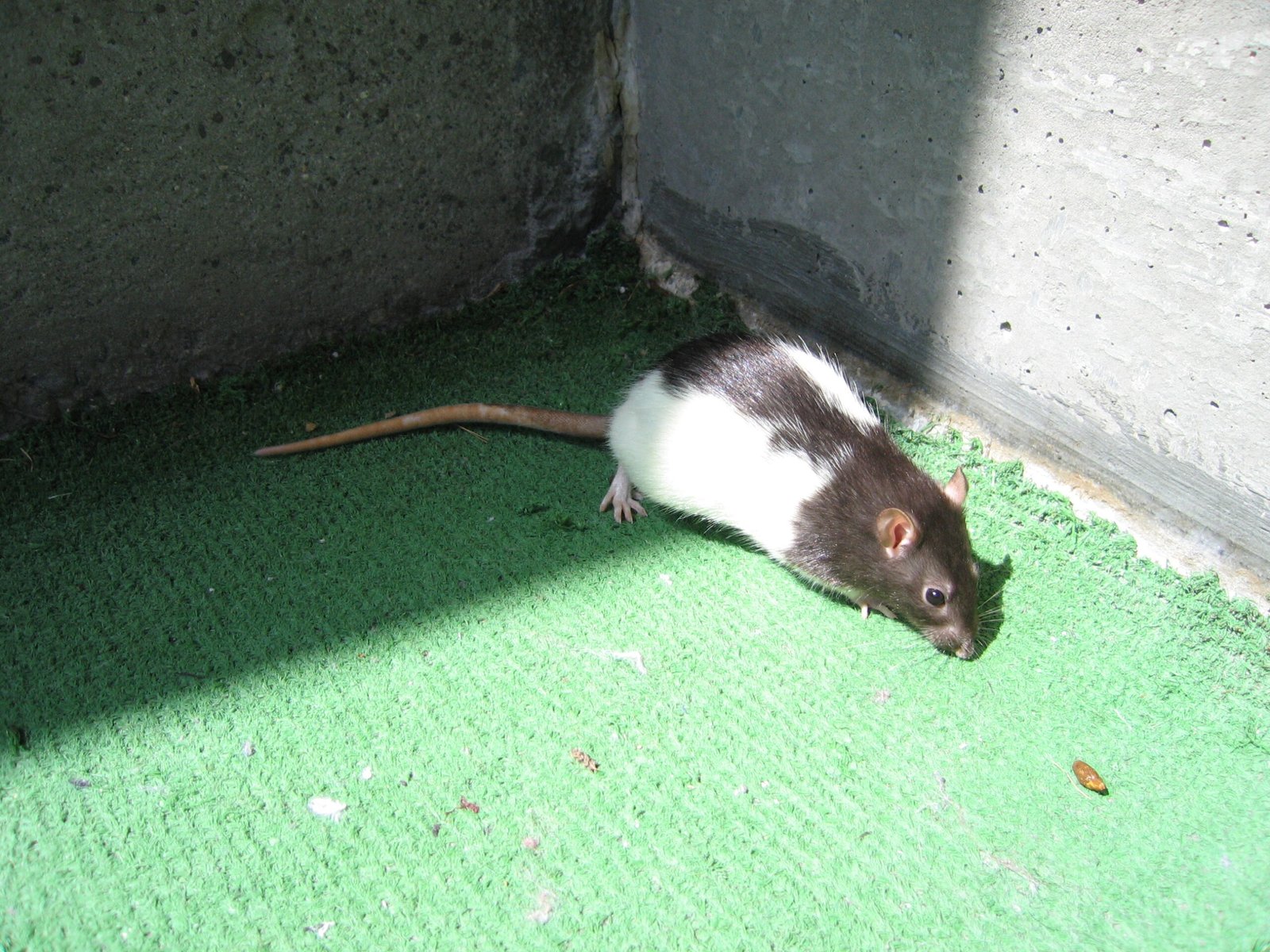
Many rat owners describe their experiences in glowing terms, sharing stories of unexpected friendship and laughter. One owner recalls her rat, Pip, who would curl up on her shoulder and softly chirp during movie nights. Another tells of two rats who learned to fetch and return tiny balls, turning daily play sessions into a joyous routine. These anecdotes reveal the warmth and humor that rats bring into people’s lives, challenging every stereotype.
Choosing the Right Rat for You
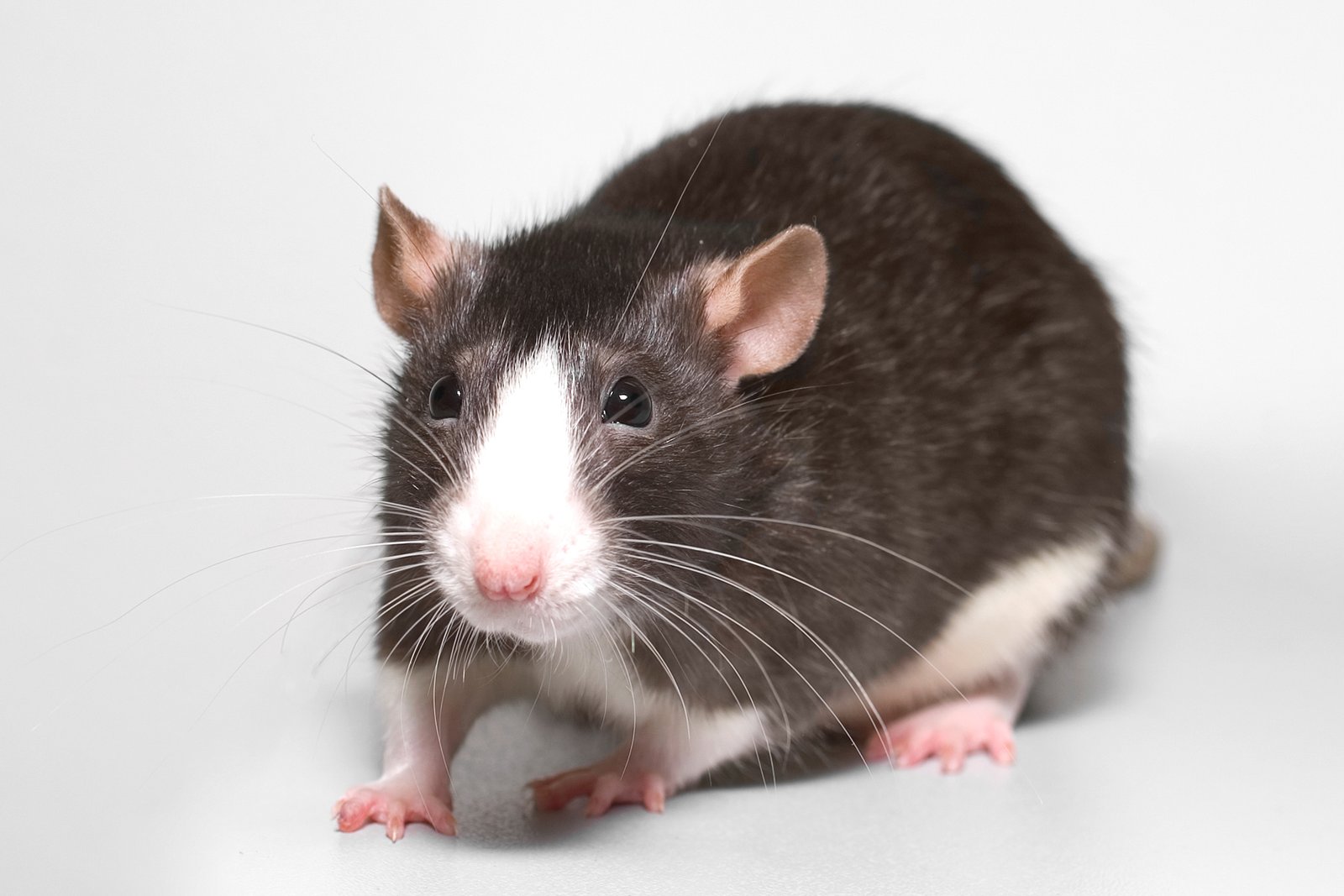
Selecting a pet rat involves more than just picking the cutest one in the litter. Prospective owners should consider temperament, health, and activity level. Reputable breeders and rescue organizations can help match individuals with rats that suit their lifestyle and experience. Taking the time to choose carefully ensures a harmonious relationship and a happy home for both rat and owner.