

If you’ve ever looked at a parched desert or peered into a bubbling, toxic hot spring and thought, “Nothing could survive here,” you’re in for a wild surprise. Earth’s most hostile corners—where the sun scorches, the cold bites, or the darkness suffocates—are actually bursting with life. Not just scraping by, but thriving in ways that stretch the imagination. These tenacious survivors rewrite the rules of biology, challenging everything we thought we knew about what it means to be alive. Their stories are stranger, tougher, and more inspiring than any sci-fi movie. Are you ready to meet the real champions of survival?
Scorching Secrets: Life in the Hottest Deserts

Imagine a place where rain might not fall for decades, and the sun cooks the ground until it’s hot enough to fry an egg. Deserts like the Atacama and Sahara seem almost alien, yet beneath the sand and rock, life persists. Tiny lichens hide in cracks, their dull colors blending with stone, waiting for the faintest hint of moisture. Some beetles survive by drinking drops of dew that form on their bodies, while certain plants grow roots as deep as a house is tall, just to find water. These survivors don’t just tolerate the heat—they turn it into an advantage, filling niches that no one else dares to claim.
Frozen Fortresses: Microbes Under the Ice
It’s hard to imagine anything alive in Antarctica’s subglacial lakes, sealed beneath miles of ice for millions of years. Yet, when scientists drilled into Lake Vostok, they found bacteria thriving in the pitch dark, feeding off minerals in the water. In the Arctic, microbes live in brine veins inside sea ice, enduring temperatures far colder than your freezer. These cold-loving creatures—psychrophiles—possess enzymes that work best below zero, turning the coldest wastelands into unexpected hotbeds of activity.
Boiling Depths: Hydrothermal Vent Communities
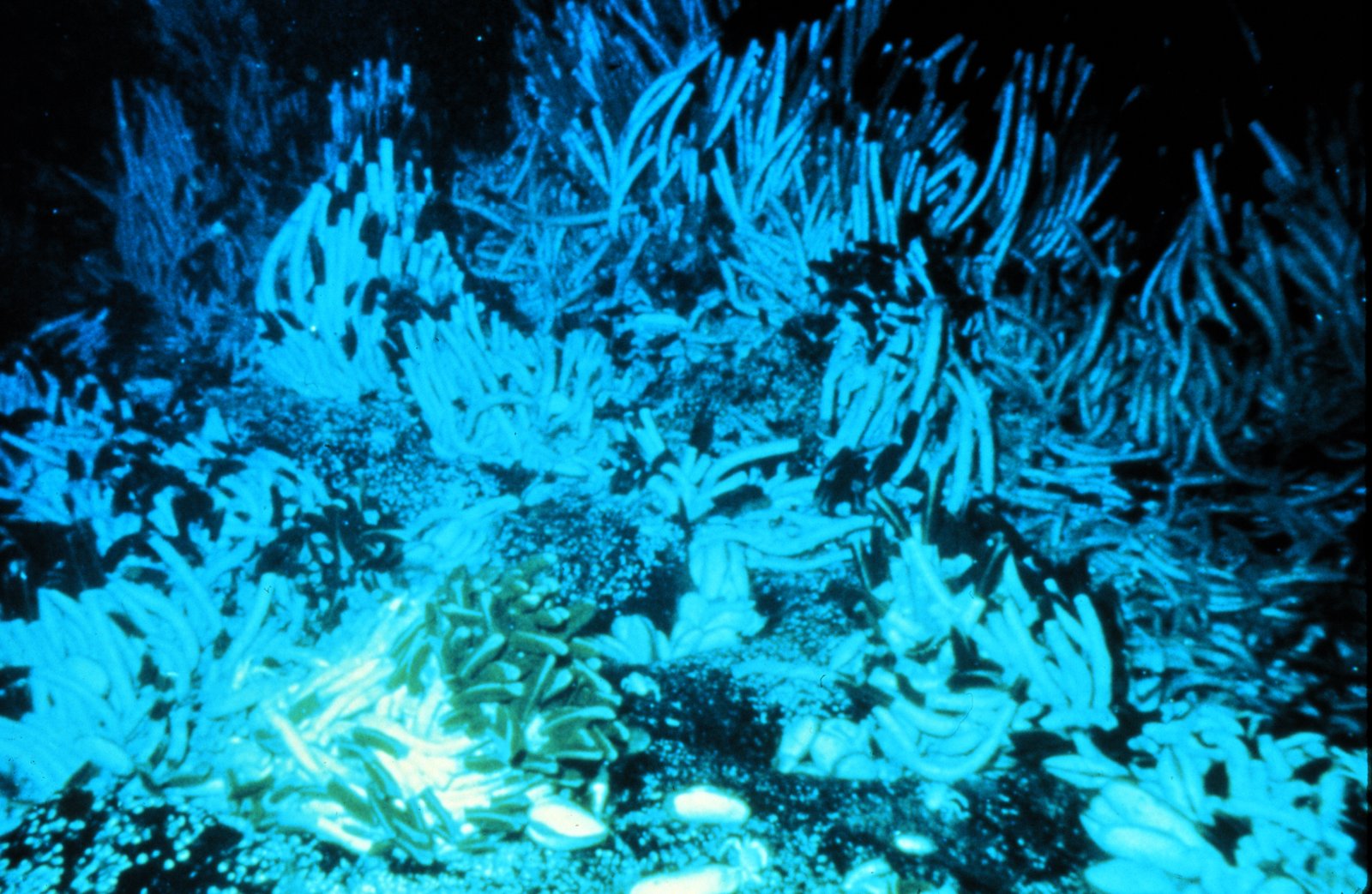
Deep beneath the ocean, where sunlight never reaches and water pressure would crush a submarine, hydrothermal vents gush out superheated, mineral-rich water. Around these vents, bizarre creatures cluster in complete darkness. Giant tubeworms, ghostly white crabs, and eyeless shrimp rely on bacteria that “eat” toxic chemicals like hydrogen sulfide—a process called chemosynthesis. These ecosystems are so unique that, when first discovered, they stunned the scientific world and changed our understanding of life’s possibilities.
The Poisoned Earth: Surviving in Toxic Environments
Some of the most polluted places on Earth, like abandoned mines or acidic rivers, are home to microbial communities that make a living out of what would kill most organisms. Acidophiles thrive in water so acidic it would burn your skin, breaking down minerals and metals for energy. In Chernobyl’s radioactive ruins, black fungi grow on reactor walls, apparently using radiation to fuel their own growth. These organisms not only survive, but sometimes even flourish, in environments we once considered utterly lifeless.
Salt Flats and Salty Lakes: Halophiles’ Salty Success
Vast salt flats shimmer under the sun, seemingly empty, but look closer and you’ll find a hidden world. Halophiles—salt-loving microbes—turn lakes like the Dead Sea pink or red with their colorful pigments. These organisms have special proteins that keep their cells from shriveling up in the salty brine. Even the Great Salt Lake in Utah, which is far too salty for fish, teems with brine shrimp and bacteria. Their ability to thrive in such extremes hints at the potential for life on distant planets with similar environments.
High Above the Clouds: Life in the Upper Atmosphere
It sounds like science fiction, but scientists have found bacteria and fungal spores floating miles above the ground, riding air currents in the stratosphere. These tiny travelers must endure freezing temperatures, harsh ultraviolet light, and near-starvation. Some researchers suspect that winds can carry them across continents, helping life spread to new places. The resilience of these airborne pioneers raises questions about whether life could spread between planets on cosmic winds.
Deep Beneath the Surface: Subterranean Life

Far below the earth’s crust, in rocks and aquifers untouched by sunlight, scientists have discovered entire ecosystems. Bacteria here “breathe” iron, sulfur, or even uranium, existing on energy sources that have nothing to do with photosynthesis. These so-called “deep biosphere” communities can survive for thousands, even millions, of years on barely a trickle of nutrients. The sheer persistence of these life forms makes our everyday problems seem trivial by comparison.
Darkness Dwellers: Life in Caves
Caves are shrouded in perpetual darkness, damp, and often nutrient-poor. Yet some of the strangest creatures on Earth call them home. Blind fish navigate by sensing vibrations, while translucent insects and spiders feed on microbial mats. In places like Movile Cave in Romania, isolated from the outside world for millions of years, unique bacteria produce their own food from toxic gases. These cave-dwellers prove that even without sunlight, life finds a way.
Mountaintop Survivors: Life at High Altitudes
On the world’s highest peaks, where oxygen is thin and the cold is relentless, a surprising variety of life clings on. Lichens and mosses carpet boulders near Everest’s summit, while tiny insects and spiders scuttle about, taking shelter from the wind. Some birds and mammals have evolved specialized blood and lungs to extract the maximum oxygen from the thin air. Their adaptations are living testaments to evolution’s ingenuity, turning hardship into opportunity.
Inside Boiling Acid: Life in Hot Springs
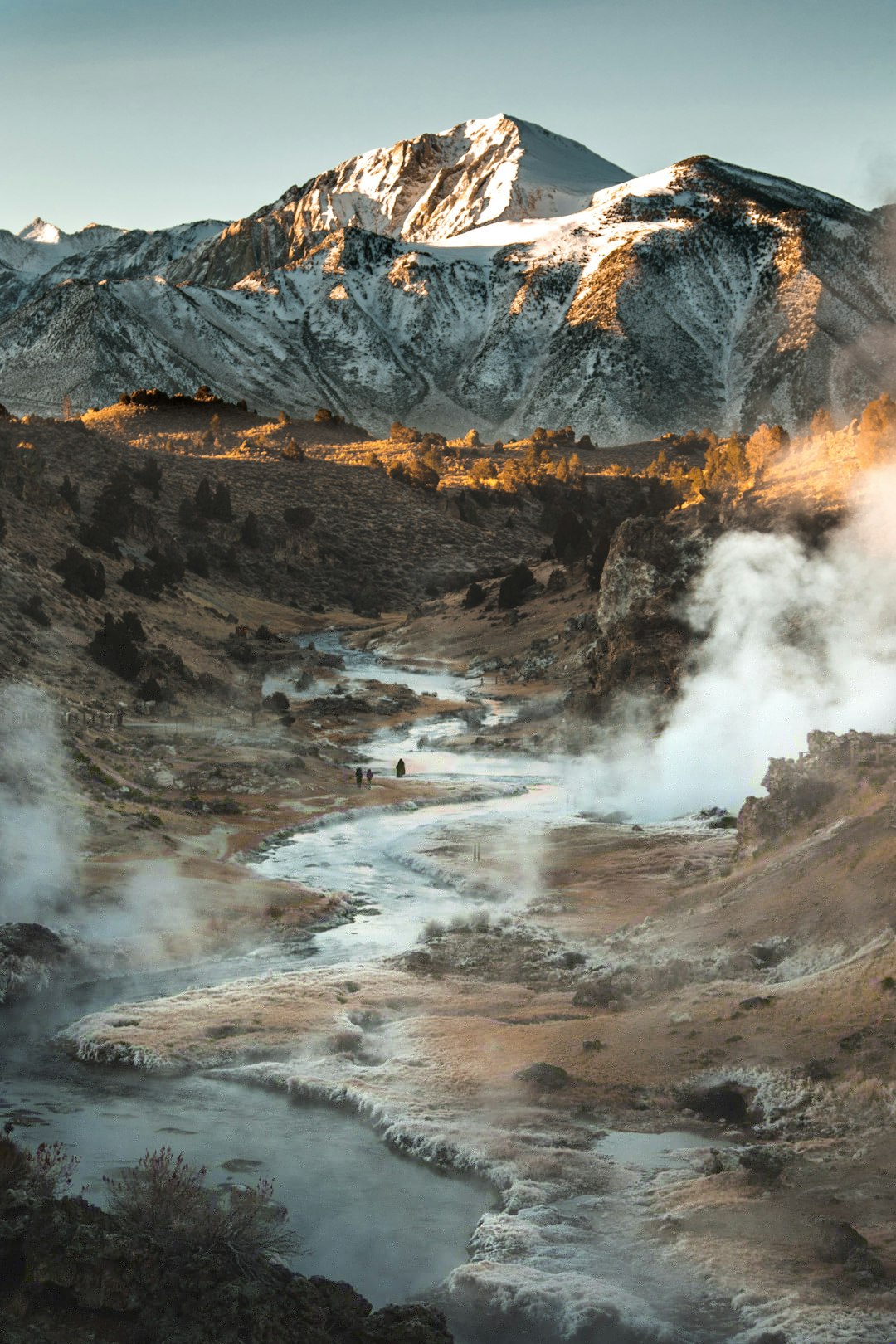
Step into a place like Yellowstone’s colorful hot springs, and you’ll find water so hot and acidic that it seems lethal. Yet, it’s home to thermophiles and acidophiles—bacteria and archaea that not only survive, but multiply in these extreme conditions. Their cells are packed with heat-stable proteins and unique membranes that protect them from damage. The vivid colors of these springs are the handiwork of these microscopic artists, painting with the palette of life in boiling acid.
Surviving Drought: Life in the Atacama Desert
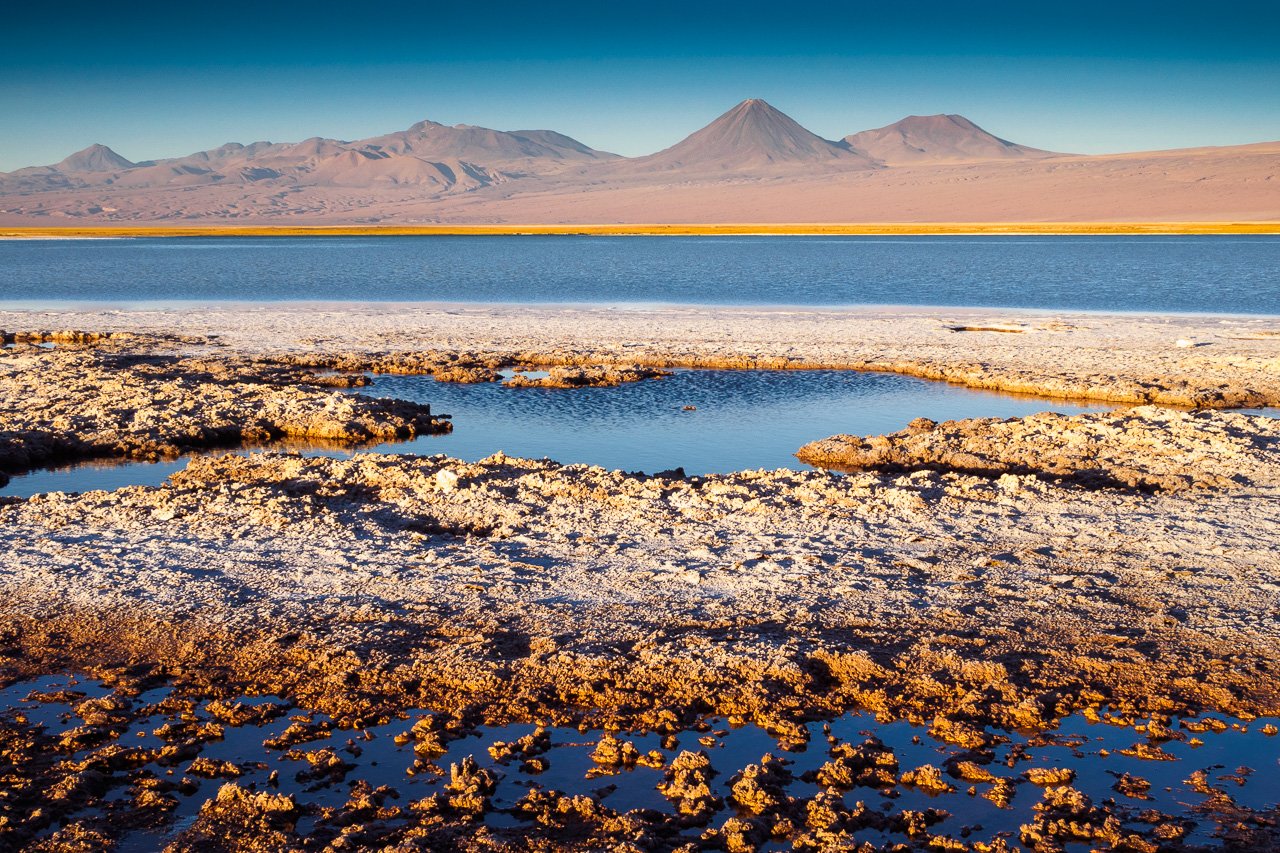
The Atacama Desert in Chile is so dry that some weather stations have never recorded rainfall. Nevertheless, life finds a foothold. Microorganisms form thin biofilms under translucent rocks, where they’re shielded from the sun but can still photosynthesize. Even the rare fog that drifts in from the Pacific Ocean brings enough moisture for specialized beetles and mosses to survive. These ingenious strategies show how life adapts to the edge of what’s possible.
Radiation Resistance: The Champions of Chernobyl
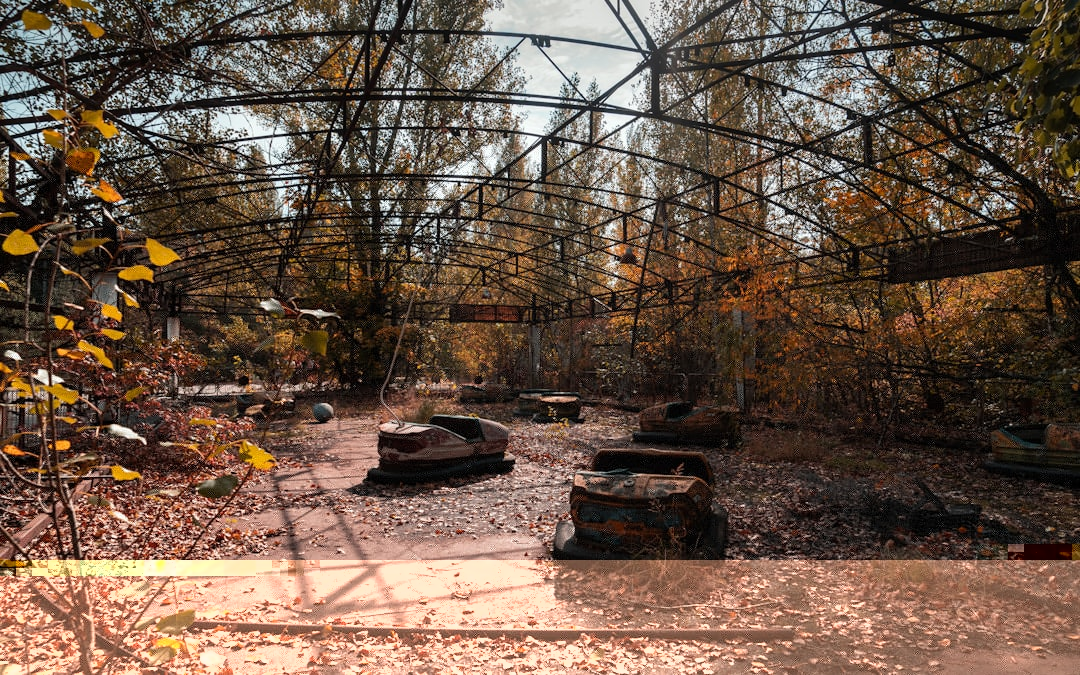
After the Chernobyl disaster, most living things perished in the radioactive fallout. But within years, scientists began to notice a comeback—animals, plants, and especially fungi. Some species of black fungi seem to thrive in high-radiation environments, using melanin in their cell walls to convert radiation into energy. Their remarkable resilience holds clues for biotechnology, medicine, and even the search for life on other planets.
Pressure Cookers: Life in the Deepest Ocean Trenches
The Mariana Trench is deeper than Mount Everest is tall, and its crushing pressure would obliterate most life. Yet, at these crushing depths, bizarre creatures like amphipods, snailfish, and giant single-celled xenophyophores live out their mysterious lives. Microbes here have evolved special membranes and proteins that withstand the pressure, allowing them to feed on the organic debris that trickles down from above. Their existence challenges the very definition of what’s survivable.
Surviving Without Oxygen: Anaerobic Life
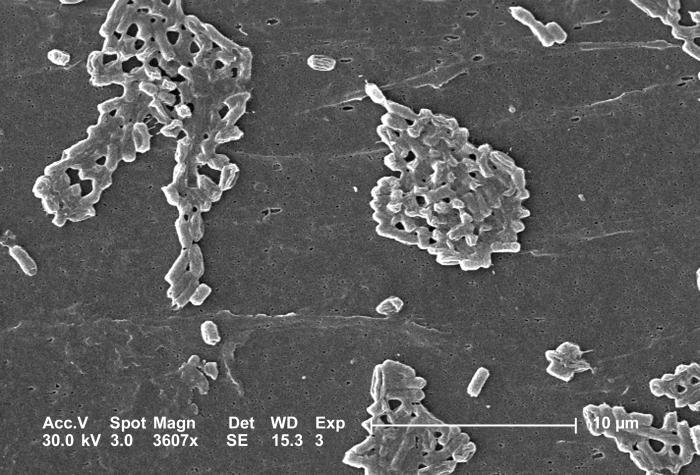
Some of Earth’s oldest life forms flourish in oxygen-free places, like deep mud, swamps, or the guts of animals. These anaerobic microbes “breathe” things like nitrate, sulfate, or even methane instead of oxygen. Their metabolic tricks are ancient, dating back to a time before Earth’s atmosphere was breathable. Today, they play key roles in nutrient cycles and even power human technologies like wastewater treatment.
Life on Volcanic Islands: Rising from the Ashes
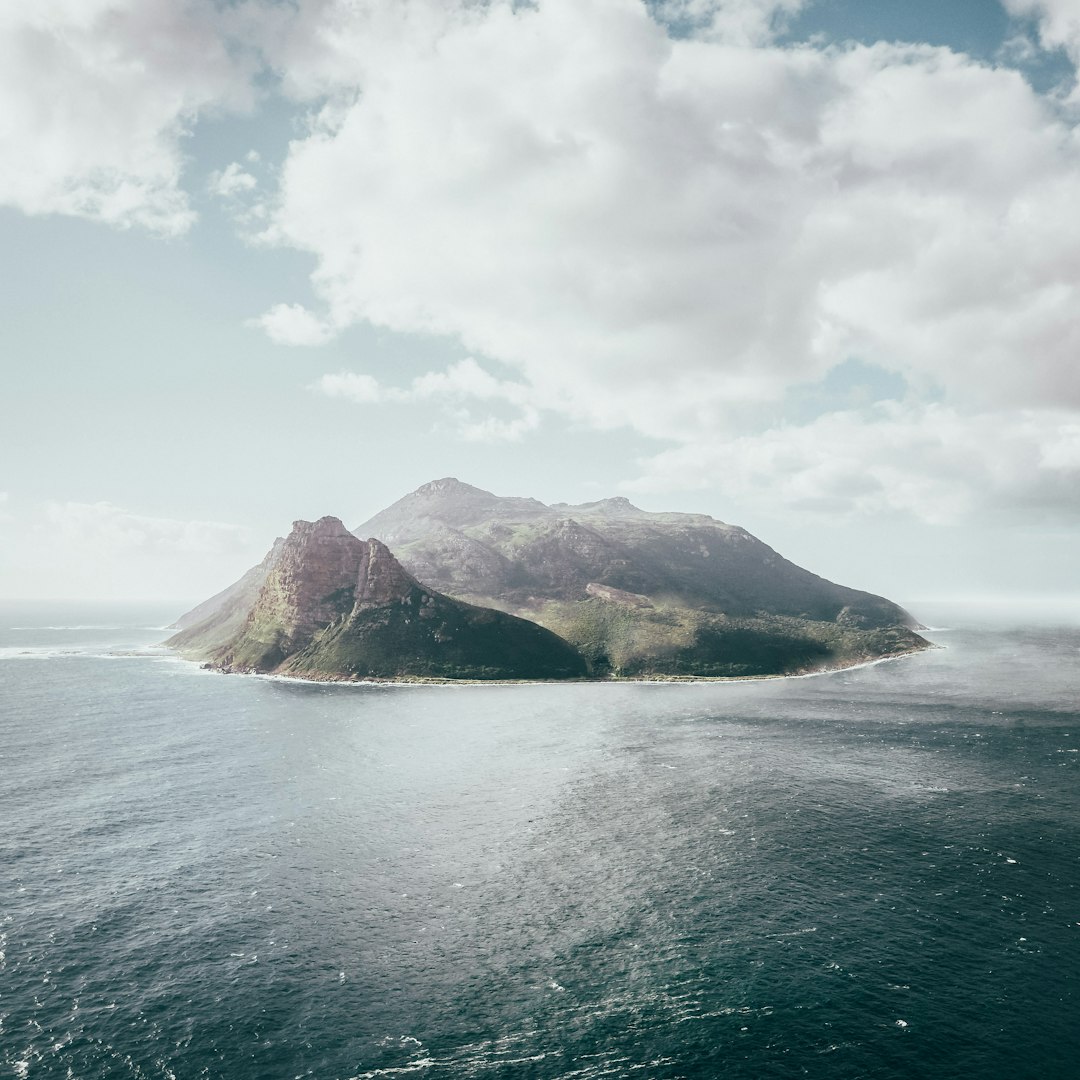
When a volcano erupts, it seems to erase everything in its path. But soon after, life begins to return. On islands like Krakatoa and Surtsey, plants and animals have recolonized the barren landscape, starting with windblown seeds and hardy insects. Over time, complex ecosystems emerge, showing how quickly life can bounce back from disaster. The process, called ecological succession, is a testament to nature’s resilience.
Adapting to Extreme Dryness: The Secrets of the Namib Desert
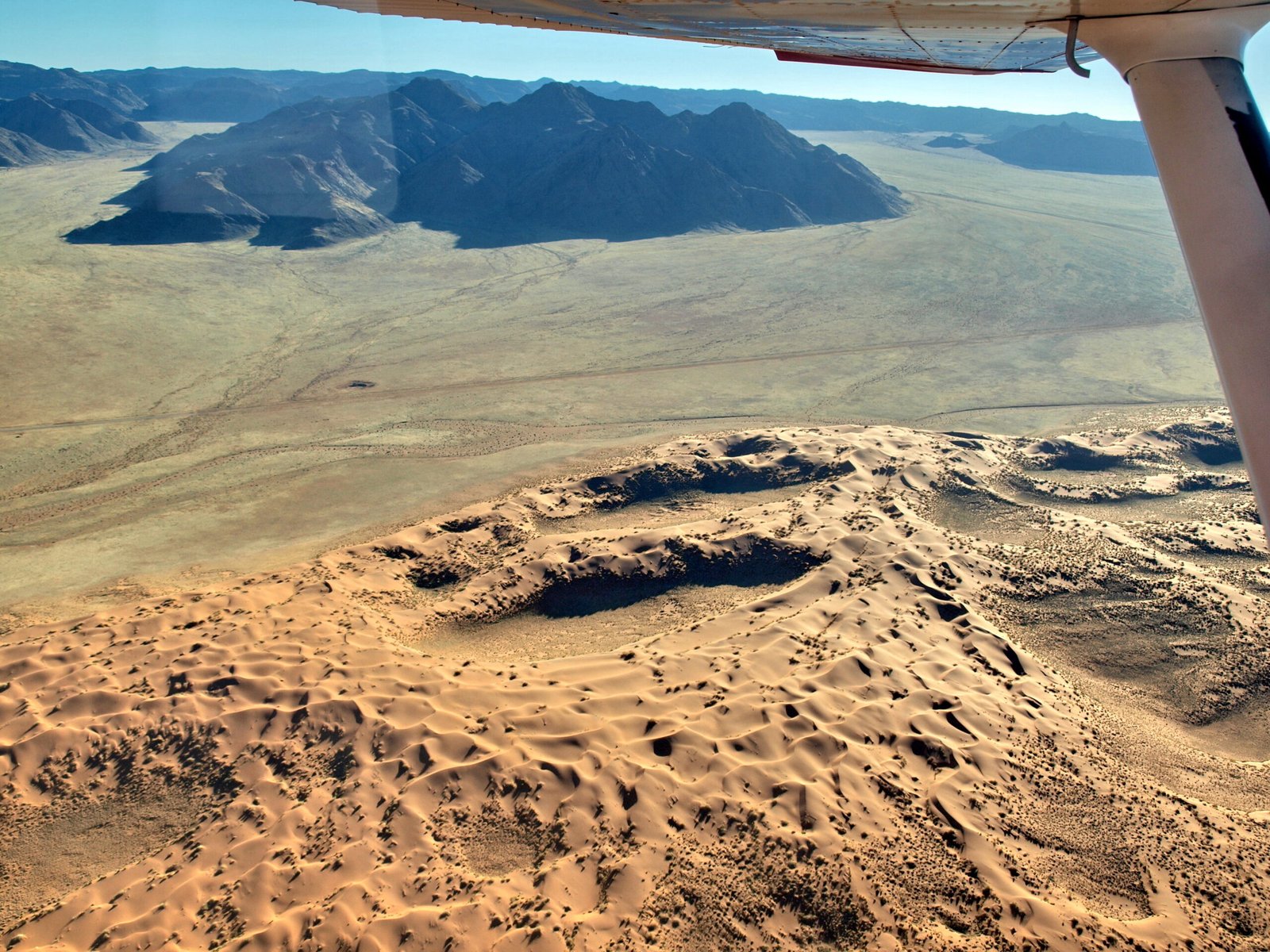
The Namib Desert is one of the oldest and driest places on Earth, with sand dunes stretching as far as the eye can see. Yet, life manages to persist here in astonishing ways. The famous fog-basking beetle collects water from morning mist on its shell, while succulent plants store every drop of rain in their tissues. Even some lizards and snakes have evolved behaviors to avoid the worst heat of the day, hiding under rocks until the cool of night.
Living on the Edge: Tardigrades and Their Survival Tricks

Tardigrades, or “water bears,” are microscopic animals famous for their ability to survive just about anything. They can dry out completely, survive freezing, boiling, and even the vacuum of space. When conditions get tough, they curl into a ball, called a tun, and shut down almost all activity until things improve. Their survival skills are so remarkable that scientists send them into orbit to study the limits of life.
Microbial Mats: The Original Survivors

In the world’s most extreme environments, thick mats of bacteria and archaea often form the foundation of entire ecosystems. From Yellowstone hot springs to deep-sea vents, these microbial mats build layered communities that trap nutrients and create microhabitats. Their structure allows them to weather changes in heat, acidity, or salinity, serving as living fossils of Earth’s earliest life.
Desert Crusts: Hidden Networks of Life
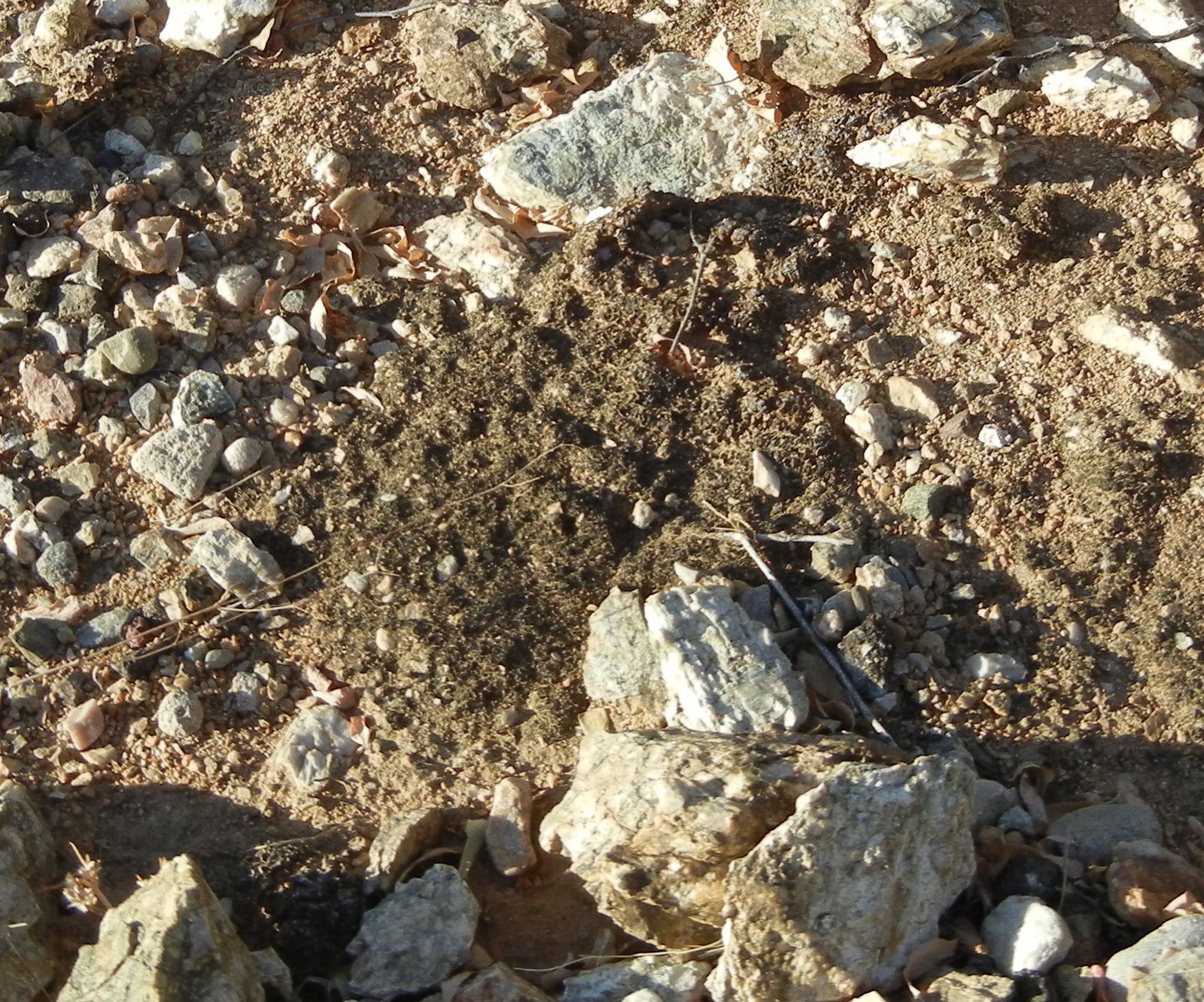
If you’ve ever walked through a desert and noticed a dark, crusty layer on the soil, you’ve seen a cryptobiotic crust. These are living communities of lichens, mosses, and cyanobacteria that hold the soil together, prevent erosion, and even fix nitrogen from the air. They are incredibly fragile but vital for desert ecosystems, often taking decades to recover if disturbed. Their quiet persistence is a reminder that even the smallest organisms can shape whole landscapes.
Life in Artificial Extremes: Urban Survivors
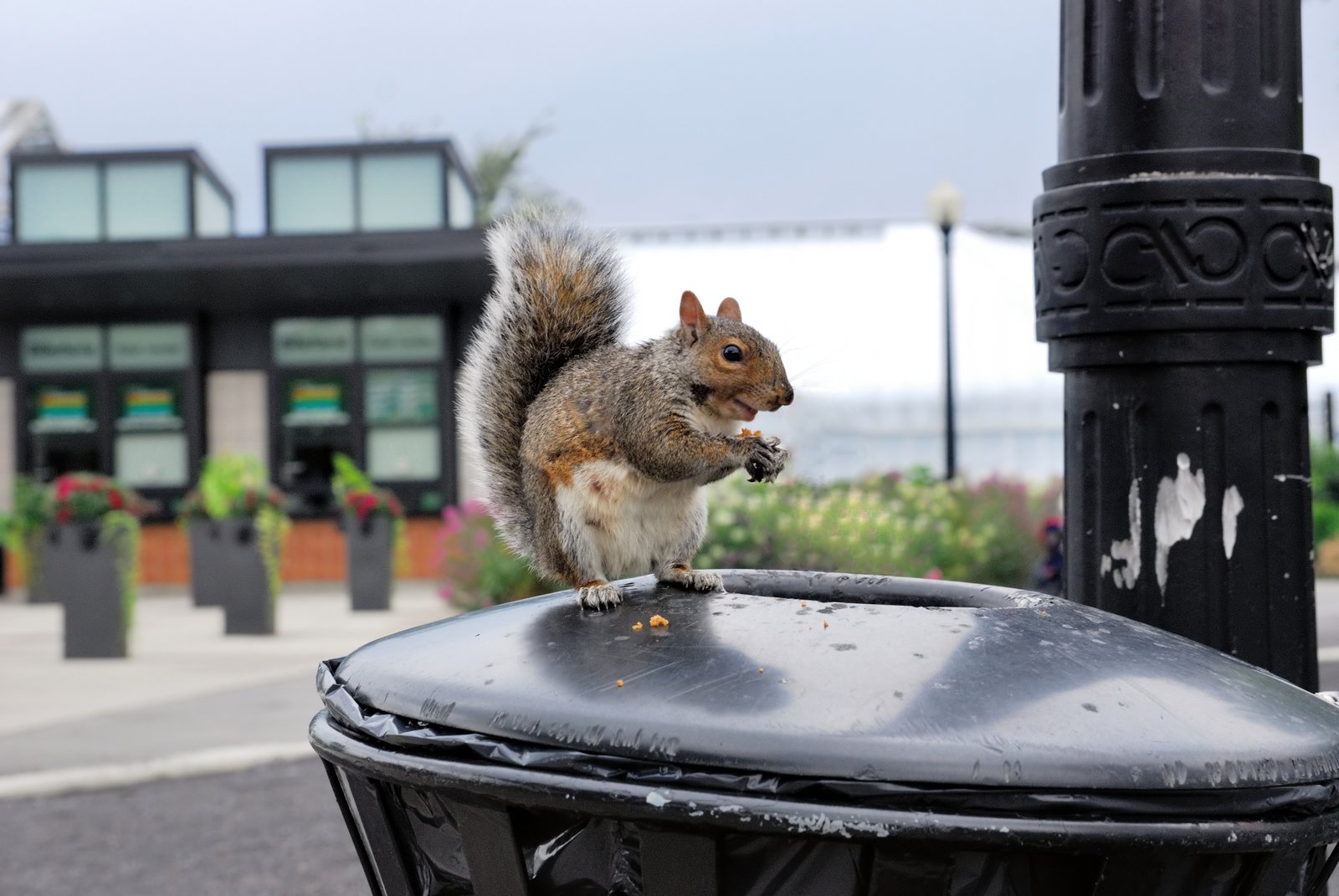
Believe it or not, some of the toughest places for life are the cities we build. Concrete, pollution, and constant disturbance create harsh microhabitats. Yet, plants force their way through cracks, pigeons nest on skyscrapers, and bacteria colonize subway rails. These urban survivors adapt quickly, evolving new strategies to cope with chemicals, heat, and human interference. Their adaptability shows that life’s determination isn’t limited to the wildest corners of Earth.
Pushing the Boundaries: What Extreme Life Teaches Us

The relentless drive of life to survive in the harshest environments forces us to redefine what’s possible. Every new discovery in these “lifeless” places expands our understanding of biology, evolution, and the resilience of living things. The lessons learned here guide our search for life beyond Earth, inspire new technologies, and remind us that life’s greatest triumphs often happen in the most unlikely places.


