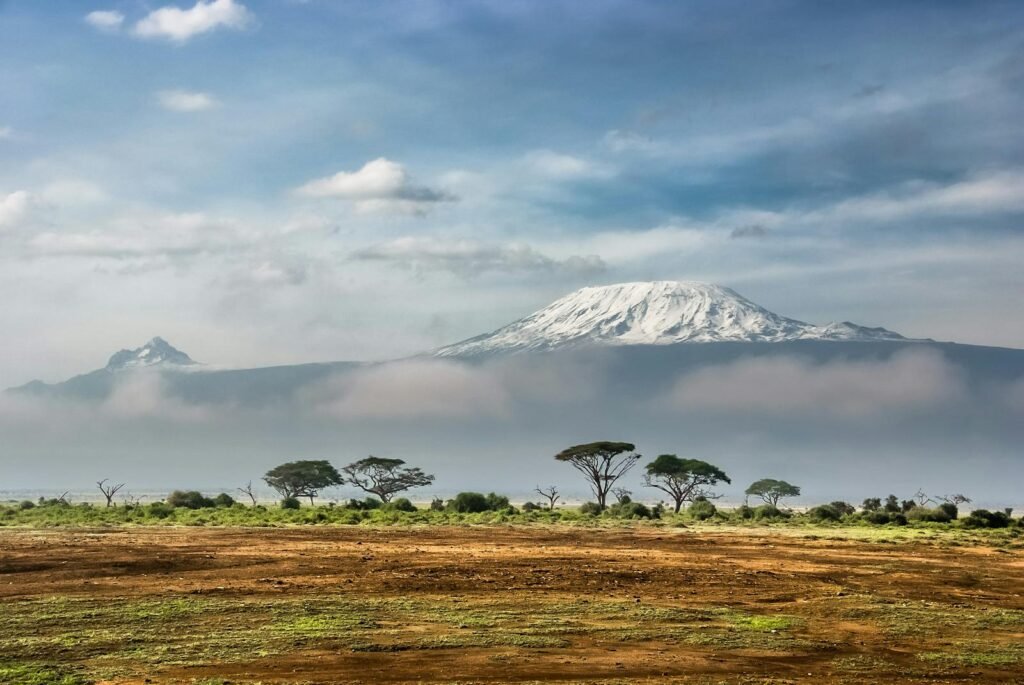
For thousands of years, Indigenous peoples across Canada have been the original stewards of this vast landscape, developing intricate understanding of ecosystems that modern science is only beginning to appreciate. While Western conservation approaches often focus on protecting nature from human interference, Indigenous knowledge systems reveal a different truth – that humans and nature can thrive together through careful relationship and reciprocity. This ancient wisdom, passed down through generations of careful observation and spiritual connection to the land, is now becoming a cornerstone of Canada’s most successful conservation initiatives. The marriage of traditional ecological knowledge with contemporary science is creating revolutionary approaches to protecting biodiversity, managing resources, and healing damaged ecosystems across the country.
The Foundation of Traditional Ecological Knowledge
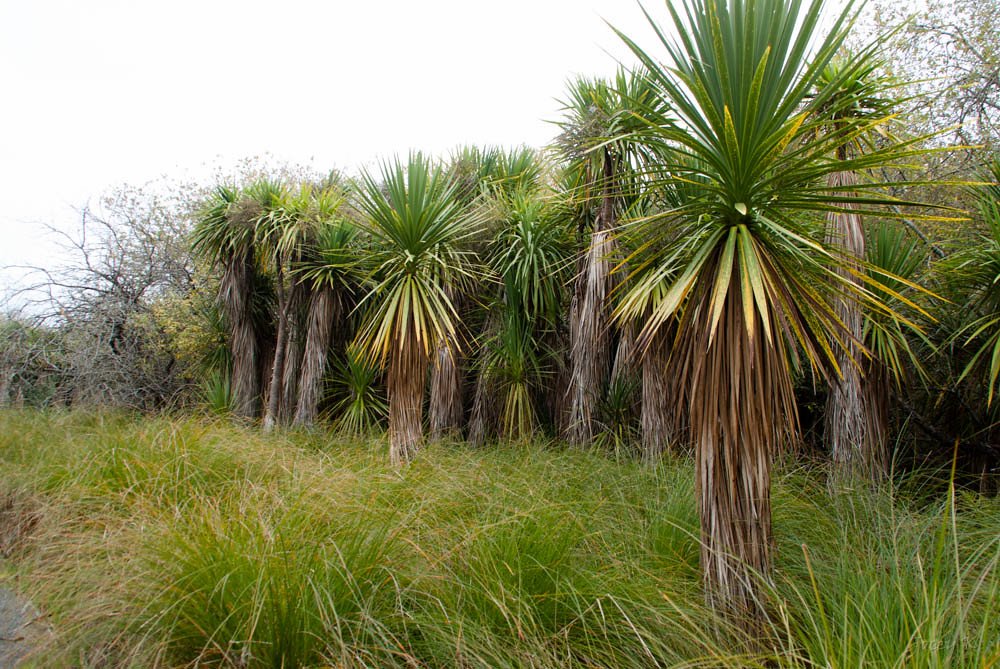
Traditional Ecological Knowledge, or TEK, represents thousands of years of accumulated wisdom about the natural world, gathered through direct contact with the environment across countless generations. This knowledge system goes far beyond simple observation – it encompasses deep spiritual relationships with the land, sophisticated understanding of seasonal cycles, and complex management practices that have sustained both human communities and wildlife populations for millennia. Unlike Western science that often isolates variables for study, TEK views ecosystems as interconnected webs where every element affects every other. Indigenous knowledge holders understand that the health of salmon runs affects forest growth, that wolf populations influence river patterns, and that fire can be a tool of renewal rather than destruction. This holistic perspective offers insights that single-discipline scientific studies often miss, providing a more complete picture of how natural systems truly function.
Ancient Fire Management Revolutionizing Modern Forestry

Long before European settlers arrived, Indigenous peoples across Canada used controlled burns as a sophisticated land management tool, creating healthy forests and grasslands that supported abundant wildlife. These practices, dismissed for decades by colonial forestry approaches, are now being recognized as essential for preventing catastrophic wildfires and maintaining ecosystem health. The Yukon Territory has become a leader in integrating traditional fire management with modern techniques, working closely with First Nations communities to implement controlled burns based on traditional timing and methods. These burns clear underbrush, promote new growth that feeds wildlife, and create natural firebreaks that protect communities from larger fires. Studies show that areas managed with traditional burning practices support greater biodiversity and are more resilient to climate change impacts than forests managed solely through fire suppression.
Marine Conservation Through Indigenous Ocean Stewardship

Canada’s coastal First Nations have developed some of the world’s most sophisticated marine conservation systems, managing ocean resources through complex protocols that ensure sustainability across generations. The Heiltsuk Nation’s herring spawn monitoring program exemplifies this approach, using traditional knowledge to track population health through careful observation of spawning behaviors, timing, and locations that has proven more accurate than standard fisheries science in many cases. Their traditional management includes seasonal closures, selective harvesting methods, and habitat restoration practices that maintain healthy marine ecosystems while supporting community needs. The Great Bear Rainforest Marine Protected Area, covering 6.4 million hectares of ocean, was designed using Indigenous knowledge to identify critical habitats and migration corridors that Western science had overlooked. These collaborative approaches are producing marine conservation successes that neither Indigenous knowledge nor Western science could achieve alone.
Wildlife Corridors Designed by Traditional Migration Knowledge

Indigenous communities possess detailed knowledge of animal migration patterns accumulated over thousands of years, information that proves invaluable for designing effective wildlife corridors in our fragmented landscape. The Yellowstone to Yukon Conservation Initiative relies heavily on traditional knowledge from various Indigenous groups to identify crucial movement paths for species like grizzly bears, wolves, and caribou that span vast distances across borders. Elders can describe specific routes that animals have used for generations, pinpointing bottlenecks, seasonal variations, and critical resting areas that GPS collar data might miss or take years to identify. This knowledge becomes even more valuable as climate change forces animals to adapt their traditional routes, because Indigenous observers understand not just where animals go, but why they choose particular paths and how they might respond to environmental changes. The Banff National Park wildlife overpass system incorporated traditional knowledge about animal behavior to design crossings that species actually use, rather than structures that look good on paper but animals avoid.
Restoring Wetlands Through Indigenous Water Wisdom

Indigenous knowledge systems contain sophisticated understanding of wetland ecology and hydrology that modern restoration efforts desperately need, particularly as climate change alters precipitation patterns across Canada. The Manitoba Model Forest works with local First Nations to restore prairie wetlands using traditional knowledge about water flow patterns, seasonal flooding cycles, and the complex relationships between waterfowl, plant communities, and water quality. Traditional knowledge holders understand that successful wetland restoration requires more than just digging holes and adding water – it involves recreating the intricate balance of plant species, water depths, and seasonal cycles that support diverse wildlife communities. Cree knowledge about beaver ecology, for example, reveals how these ecosystem engineers can be partners in wetland restoration rather than obstacles to manage. Projects that incorporate this traditional wisdom show dramatically higher success rates in establishing self-sustaining wetland systems that provide habitat for hundreds of species while also filtering water and storing carbon.
Climate Change Adaptation Through Traditional Seasonal Indicators

Indigenous communities across Canada are documenting dramatic changes in traditional seasonal indicators, providing crucial data about climate change impacts that weather stations and satellite data cannot capture. Inuit elders in the Arctic report changes in ice formation patterns, wind directions, and animal behaviors that signal profound shifts in Arctic ecosystems happening faster than scientific models predicted. These observations include subtle changes like different sounds ice makes when forming, variations in aurora patterns, and shifts in when certain birds arrive or plants bloom that indicate complex ecosystem responses to warming temperatures. The knowledge is particularly valuable because it captures ecosystem-level changes that emerge from interactions between multiple environmental factors, rather than just temperature or precipitation measurements in isolation. Conservation planners are using this information to identify which ecosystems are most vulnerable to climate impacts and which traditional management practices might help species and habitats adapt to changing conditions.
Pollinator Conservation Through Traditional Plant Knowledge

Indigenous knowledge about native plant communities and their relationships with pollinators offers critical insights for addressing pollinator decline across Canada’s agricultural and natural landscapes. Traditional knowledge holders understand complex relationships between specific plants and pollinator species, including which plants bloom at crucial times to support pollinator life cycles and which combinations of species create the healthiest pollinator habitat. The Six Nations Reserve in Ontario has become a model for pollinator conservation by restoring traditional three sisters gardens (corn, beans, and squash) alongside diverse native wildflower meadows that support both wild pollinators and traditional food systems. This approach recognizes that healthy pollinator populations depend on diverse plant communities that provide food throughout the growing season, rather than single-crop monocultures that leave pollinators hungry during crucial periods. Research shows that areas managed using traditional plant knowledge support significantly more diverse and abundant pollinator communities than conventional agricultural landscapes or even many conservation areas designed without this knowledge.
Sustainable Harvesting Practices That Build Ecosystem Health
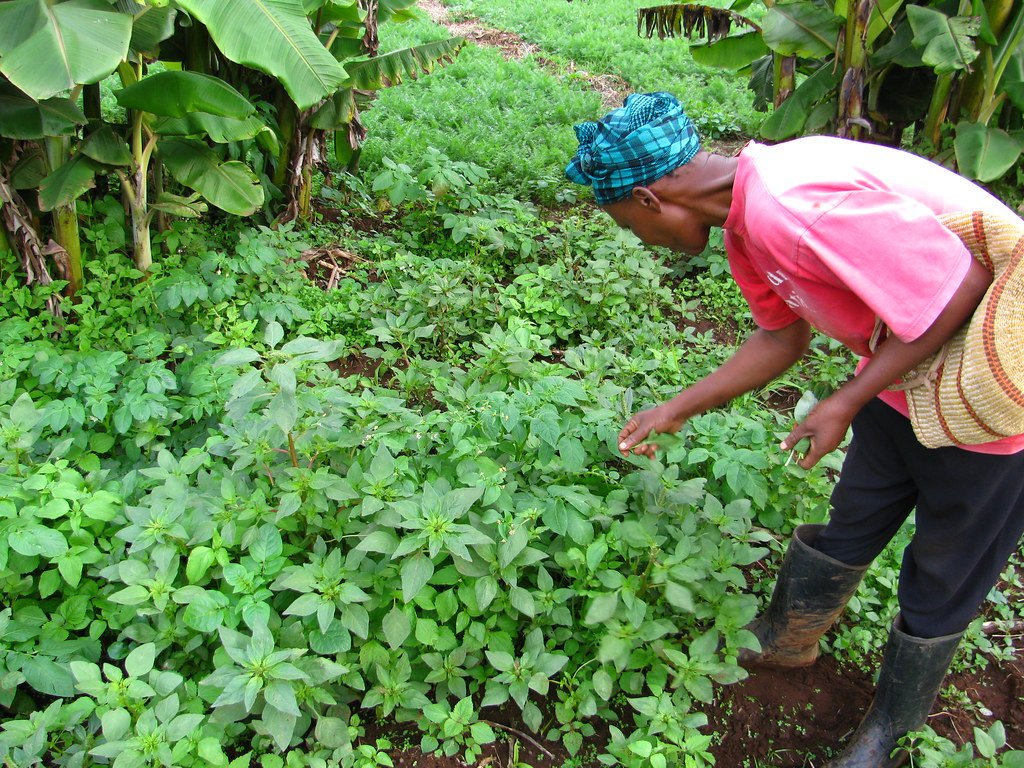
Traditional Indigenous harvesting practices often enhance ecosystem health rather than depleting it, offering models for sustainable resource management that benefit both human communities and wildlife populations. The practice of traditional medicine gathering includes protocols that ensure plant populations remain healthy and robust, such as taking only certain parts of plants, harvesting from different areas in rotation, and conducting ceremonies that maintain spiritual relationships with the species being harvested. Wild rice harvesting by Anishinaabe communities exemplifies these principles, using traditional canoes and wooden knockers that damage only a portion of the rice heads, allowing plants to reseed naturally while providing food for both human communities and waterfowl. These harvesting methods actually stimulate rice production by removing old growth and creating space for new shoots, demonstrating how human activity can be a positive force in ecosystem management. Studies of traditionally managed areas often show higher biodiversity and healthier ecosystem function than protected areas where human activity is excluded entirely.
Indigenous Protected Areas Redefining Conservation
Indigenous Protected and Conserved Areas represent a revolutionary approach to conservation that recognizes Indigenous peoples as the most effective guardians of biodiversity while supporting traditional ways of life. The Łutsël K’é Dene First Nation’s Thaidene Nëné, covering over 26,000 square kilometers in the Northwest Territories, demonstrates how Indigenous-led conservation can protect vast wilderness areas while maintaining traditional hunting, fishing, and cultural practices. These areas often achieve better conservation outcomes than traditional parks because they’re managed by people who have intimate knowledge of the landscape and strong cultural incentives to maintain ecosystem health for future generations. The Haida Nation’s management of Haida Gwaii shows how Indigenous governance can balance conservation goals with sustainable economic development, supporting both ecological restoration and community well-being. Research indicates that Indigenous-managed lands contain 80% of the world’s remaining biodiversity, suggesting that Indigenous knowledge and governance systems may be humanity’s best hope for preventing ecosystem collapse.
Traditional Knowledge in Species Recovery Programs

Species at risk recovery programs across Canada increasingly rely on Indigenous knowledge to understand species needs, identify critical habitats, and develop effective recovery strategies that Western science alone cannot provide. The woodland caribou recovery effort in northern Canada has been transformed by incorporating traditional knowledge about caribou behavior, migration patterns, and relationships with predators and prey species. Indigenous knowledge holders can provide detailed information about historical population levels, preferred calving areas, and responses to different types of disturbance that helps recovery teams focus their efforts where they’ll have the greatest impact. The peregrine falcon recovery program benefited enormously from traditional knowledge about nesting sites and feeding behaviors that helped biologists locate breeding pairs and protect crucial habitat. This collaboration becomes even more important for species recovery in the face of climate change, because traditional knowledge often contains information about how species have responded to environmental changes in the past, providing insights into their adaptive capacity and potential future responses.
Integrating Traditional and Western Science Methods

The most successful conservation initiatives in Canada now employ collaborative research methods that combine traditional knowledge with Western scientific approaches, creating more complete understanding than either system could achieve alone. These partnerships require mutual respect and recognition that both knowledge systems have strengths and limitations, with traditional knowledge providing long-term patterns and holistic understanding while Western science contributes controlled experiments and quantitative measurement. The Arctic Borderlands Ecological Knowledge Co-op exemplifies this approach, bringing together Gwich’in knowledge holders and university researchers to study caribou populations using both traditional observations and radio collar data. The collaboration reveals insights that neither group could discover independently, such as how traditional knowledge about weather patterns helps explain caribou movement data that initially seemed random to researchers. These partnerships also build trust between Indigenous communities and conservation organizations, creating foundation for long-term conservation success that depends on community support and engagement.
Language Preservation as Conservation Strategy

Indigenous languages contain irreplaceable ecological knowledge encoded in vocabulary, place names, and traditional stories that provide crucial information for understanding and protecting Canada’s ecosystems. Many Indigenous languages have dozens of words for different types of snow, ice conditions, or plant growth stages that correspond to important ecological indicators invisible to speakers of other languages. The loss of these languages represents not just cultural tragedy but also the disappearance of precise ecological knowledge that took thousands of years to develop and cannot be recreated. Language revitalization programs often focus on traditional ecological knowledge as a way to maintain cultural connections while also preserving crucial environmental information. Place names in Indigenous languages frequently contain detailed ecological information about the characteristics, uses, or seasonal patterns of specific locations, providing maps of ecological knowledge across the landscape that can guide conservation planning and help identify areas of particular ecological importance.
Youth Programs Bridging Knowledge Systems

Innovative programs across Canada are training young Indigenous people to be knowledge brokers who can work effectively in both traditional and Western knowledge systems, ensuring that traditional ecological knowledge continues to inform conservation efforts into the future. These programs typically combine land-based learning with elders alongside scientific training in universities or colleges, producing conservation professionals who understand both knowledge systems and can facilitate effective collaboration. The Firelight Group trains young Indigenous researchers to document traditional knowledge using methods that meet both community protocols and scientific standards, creating databases that can inform conservation planning while respecting Indigenous intellectual property rights. Guardian programs employ young community members to monitor traditional territories using both traditional knowledge and modern technology, creating career paths that support both conservation goals and community economic development. These initiatives recognize that effective conservation requires not just accessing traditional knowledge but also ensuring that Indigenous communities have the capacity and resources to participate as equal partners in conservation planning and implementation.
Sacred Sites and Biodiversity Hotspots
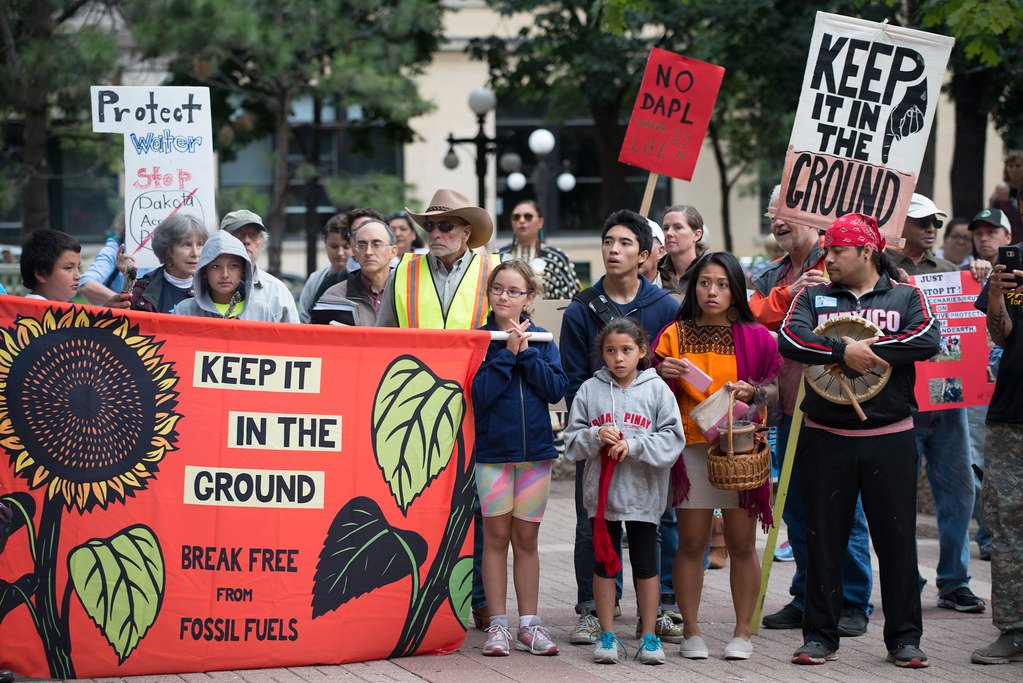
Indigenous sacred sites across Canada often coincide with areas of exceptional biodiversity, suggesting that spiritual and ecological values have guided Indigenous peoples toward protecting the most important ecosystems. These areas frequently serve as refugia during environmental disturbances, maintaining genetic diversity and ecosystem function that allows recovery of surrounding areas when conditions improve. The protection of sacred sites through Indigenous law and custom has preserved many ecosystems that would otherwise have been developed or degraded, creating de facto protected areas that predate modern conservation by thousands of years. Mount Assiniboine in the Canadian Rockies, considered sacred by several Indigenous groups, supports rare alpine ecosystems and serves as crucial habitat for species like grizzly bears and mountain goats that require large, undisturbed territories. Recognizing and protecting these sacred sites through collaborative management agreements provides a way to honor Indigenous rights while achieving conservation goals that benefit everyone.
Traditional Foods and Ecosystem Health

Traditional Indigenous food systems both depend on and maintain healthy ecosystems, creating powerful incentives for conservation that align human welfare with environmental protection. The traditional salmon economy of Pacific Northwest First Nations required maintaining healthy river systems, old-growth forests, and marine ecosystems that supported the complex salmon life cycle, creating conservation practices that protected entire watersheds. Wild blueberry harvesting by various Indigenous groups involves burning practices that maintain the open habitats these plants require while also supporting other fire-adapted species and reducing wildfire risk. Traditional hunting and fishing practices include protocols that ensure sustainable populations, such as harvesting only adult animals during certain seasons, rotating hunting areas to prevent overuse, and sharing knowledge about animal populations to coordinate community-wide management. These food systems demonstrate how human communities can be integral parts of healthy ecosystems rather than external threats, providing models for sustainable development that supports both biodiversity and human well-being.
Water Quality Monitoring Through Traditional Knowledge

Indigenous knowledge systems include sophisticated methods for assessing water quality and ecosystem health that complement modern scientific monitoring and often detect problems before conventional methods. Traditional knowledge holders can assess water quality through observations of plant communities, animal behaviors, ice formation patterns, and other indicators that reflect complex ecosystem processes rather than single chemical measurements. The Tsilhqot’in Nation’s water monitoring program combines traditional knowledge with scientific testing to assess impacts from mining activities, using traditional indicators to identify areas of concern that then receive more intensive scientific analysis. These approaches often detect ecosystem-level changes that chemical tests alone might miss, such as changes in fish behavior or plant communities that indicate pollution effects on food webs rather than just water chemistry. Traditional knowledge about seasonal patterns in water quality helps distinguish between natural variations and human-caused changes that require intervention, providing context that makes scientific data more meaningful and actionable.
Climate Refugia Identification Through Traditional Knowledge
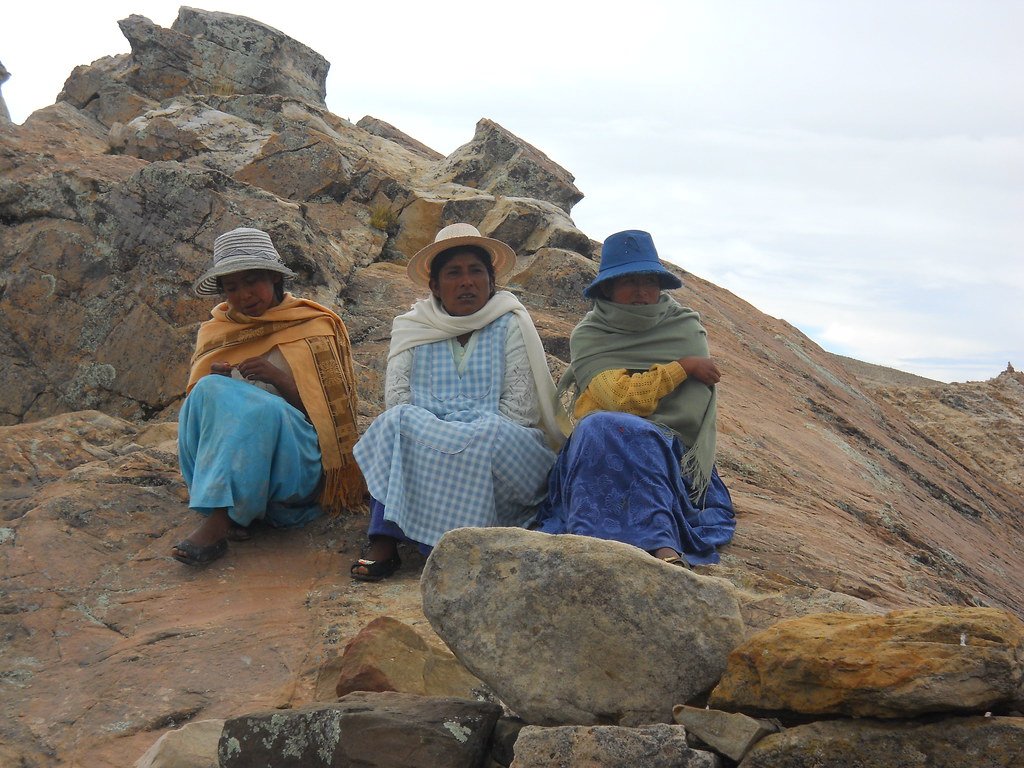
Indigenous knowledge about landscapes that have remained stable during past environmental changes provides crucial information for identifying climate refugia that will be essential for species survival as global warming accelerates. Traditional stories and place names often preserve information about areas that maintained water, vegetation, or other resources during historical droughts, fires, or other disturbances, indicating locations that may remain suitable habitat as climate changes. The Champagne and Aishihik First Nations’ knowledge about areas that supported wildlife during harsh winters helps identify locations that may serve as climate refugia for species stressed by changing temperature and precipitation patterns. This information becomes particularly valuable for conservation planning because climate refugia often have characteristics that aren’t captured by current climate models, such as special topography, groundwater sources, or microclimates that create stable conditions. Protecting these areas identified through traditional knowledge may be more effective for long-term species conservation than protecting areas selected based solely on current species distributions or climate projections.
Restoration Success Through Cultural Connection
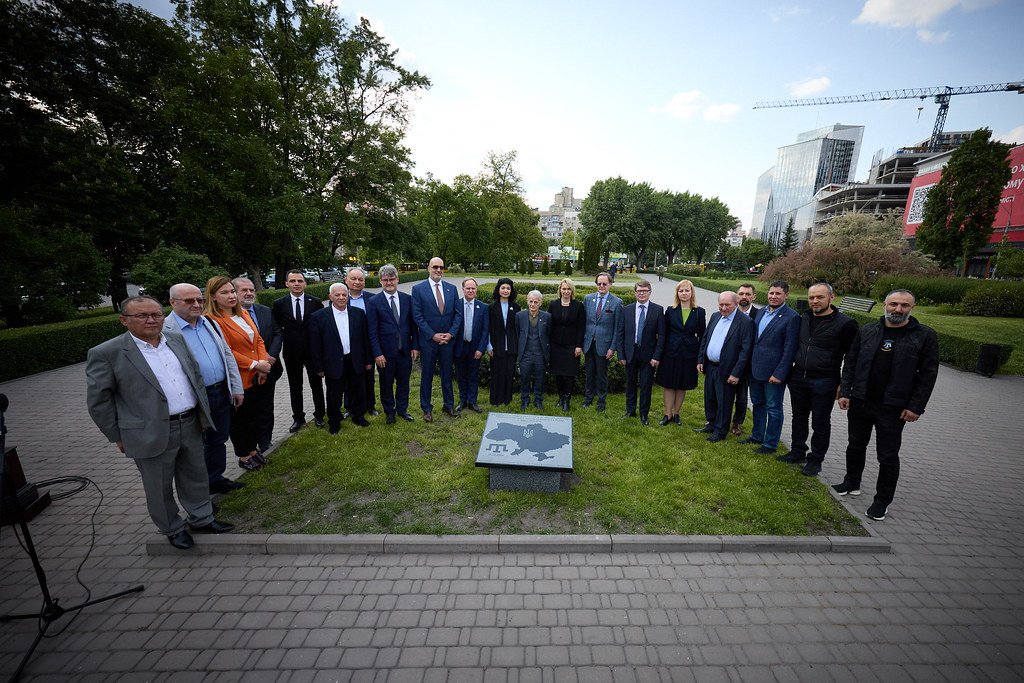
Conservation projects that engage Indigenous communities as partners in restoration often achieve better long-term success because they create cultural connections to place that motivate ongoing stewardship beyond the project timeline. The restoration of wild rice beds in northern Ontario has been most successful where projects involve Anishinaabe communities in all phases from planning through implementation to long-term monitoring, because community members have cultural incentives to ensure the rice beds remain healthy for future generations. These projects also benefit from traditional knowledge about rice ecology, harvesting impacts, and management techniques that increase the likelihood of restoration success while supporting traditional food systems. Community involvement creates local capacity for ongoing monitoring and maintenance that government agencies often cannot provide, turning restoration from a one-time intervention into an ongoing relationship between people and place. The cultural significance of restoration sites motivates communities to protect them from future disturbances and to adapt management practices as conditions change, creating resilient conservation outcomes that survive changes in government priorities or funding levels.
Policy Integration and Legal Recognition

Canadian environmental policy is slowly evolving to recognize Indigenous knowledge and rights as essential components of effective conservation, though implementation remains challenging and inconsistent across different jurisdictions. The Impact Assessment Act requires federal projects to consider Indigenous knowledge and involves Indigenous communities in environmental assessments, creating new opportunities for traditional knowledge to influence development decisions. Some provinces are developing formal protocols for incorporating traditional knowledge into natural resource management, though these efforts often struggle with questions about intellectual property rights, knowledge verification, and decision-making authority. The United Nations Declaration on the Rights of Indigenous Peoples, which Canada has endorsed, establishes principles for Indigenous consent and participation in decisions affecting traditional territories that could revolutionize conservation practice if fully implemented. Legal recognition of Indigenous knowledge faces ongoing challenges related to Western legal systems’ requirements for written documentation and scientific verification that may conflict with traditional knowledge transmission methods and protocols.
Economic Models Supporting Knowledge Integration

New economic models are emerging that recognize the value of Indigenous knowledge and provide sustainable funding for conservation work led by Indigenous communities, creating alternatives to boom-and-bust resource extraction economies. Carbon credit programs now allow Indigenous communities to receive payments for protecting forests and managing lands in ways that store carbon, providing economic incentives aligned with traditional conservation values. The Guardian programs operating across Canada create employment for Indigenous youth while supporting conservation monitoring and enforcement, demonstrating how conservation can provide economic opportunities in remote communities where employment options are often limited. Eco-tourism partnerships allow Indigenous communities to share traditional knowledge with visitors while generating revenue that supports both conservation work and community development. These economic models succeed when they respect Indigenous knowledge protocols and ensure that communities maintain control over how their knowledge is shared and used, creating sustainable conservation funding that also supports cultural preservation and community well-being.
The transformation of Canada’s conservation efforts through Indigenous knowledge represents more than just adding traditional wisdom to existing programs – it requires fundamentally rethinking the relationship between humans and nature. As climate change accelerates and biodiversity loss reaches crisis levels, the holistic approaches embodied in Indigenous knowledge systems offer pathways toward conservation success that purely Western approaches have struggled to achieve. The most promising conservation initiatives across Canada now recognize that protecting nature means working with Indigenous communities as equal partners, respecting traditional governance systems, and supporting the cultural connections that motivate long-term stewardship. This integration challenges everyone involved to move beyond simple knowledge extraction toward true collaboration that honors both traditional wisdom and scientific innovation. What would conservation look like if we truly embraced the Indigenous understanding that humans and nature are meant to thrive together?