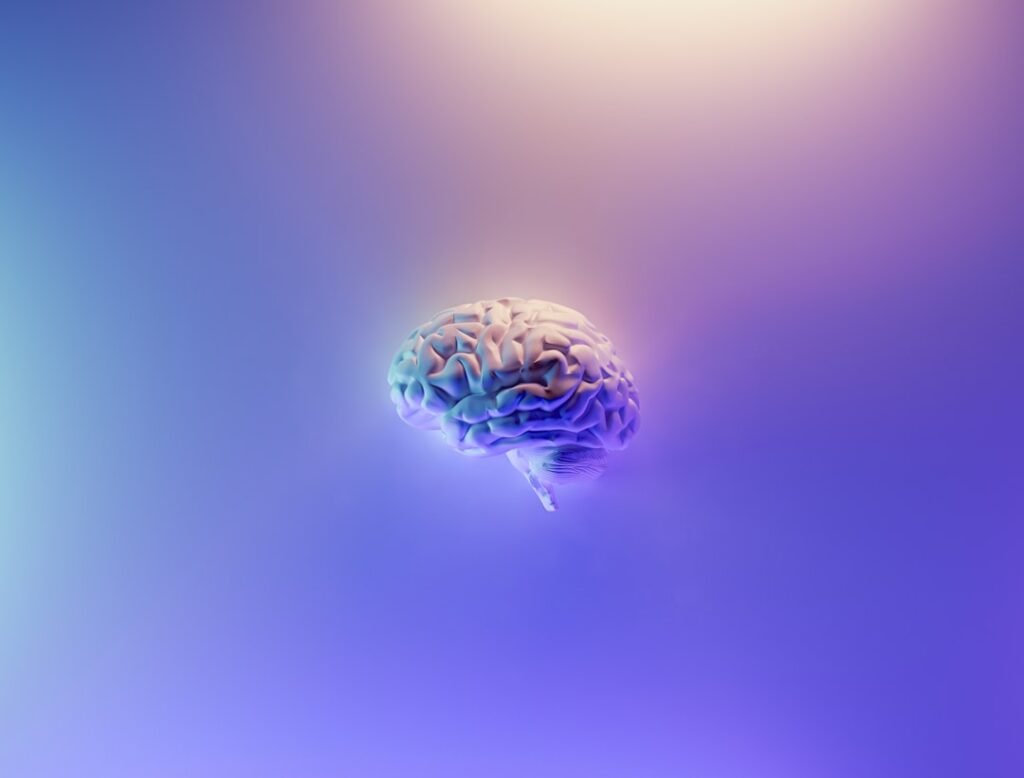
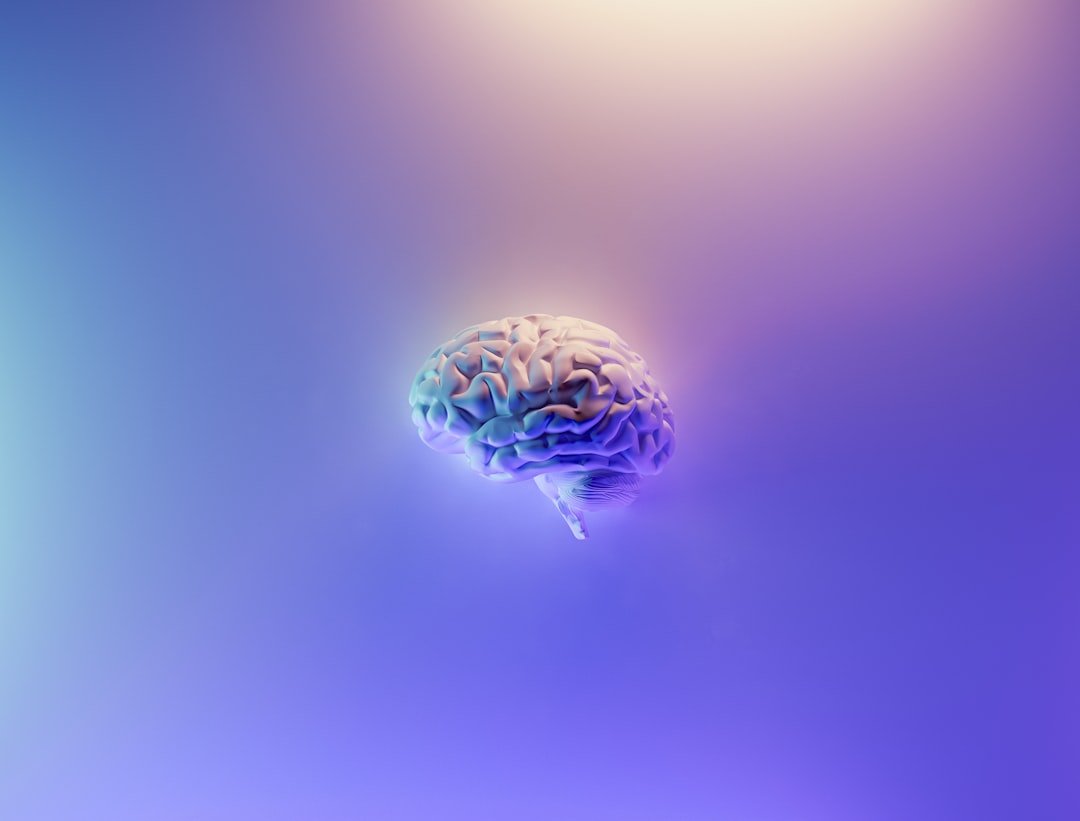
Vitrification: Freezing Without the Damage (Image Credits: Unsplash)
Scientists have achieved a milestone in cryopreservation by restoring normal function to mouse brain tissue frozen at minus 196 degrees Celsius. The study, published on April 16, 2026, in the Proceedings of the National Academy of Sciences, examined hippocampal slices critical for memory and learning.[1] This demonstration of tissue resilience opens doors to concepts like human hibernation for deep-space missions, where suspending biological processes could prove essential.[1]
Vitrification: Freezing Without the Damage
Researchers employed vitrification, a technique that rapidly cools tissue into a glass-like state to halt molecular motion and prevent ice crystal formation. This method mirrors processes used in fertility treatments for human eggs. The team, led by Alexander German, a clinician scientist at Germany’s University Hospital Erlangen, applied it to slices of adult mouse hippocampus and even entire mouse brains.[1]
Tissue reached the frigid temperature of liquid nitrogen before careful rewarming. Structural checks followed, alongside tests for neuron viability and synaptic activity. Such synapses underpin learning and memory processes. The approach pushed beyond traditional hypothermic limits, revealing unexpected durability in mammalian brain matter.[1]
Results Show Neurons Firing on All Cylinders
Hippocampal slices emerged intact, with neurons and synapses operational post-thaw. Recovery signals appeared in whole brains as well, though this phase remained preliminary. “Adult mouse hippocampal tissue can indeed recover after rewarming,” German stated.[1] These outcomes marked a clear advancement over prior efforts limited to embryonic or simpler tissues.
Functionality assessments confirmed active neural networks. The hippocampus, vital for cognitive functions, tolerated the extreme conditions without lasting harm. Whole-brain observations hinted at scalability, yet demanded refinement. This resilience surprised experts, reshaping views on cryogenic tolerances.[1]
Eyeing Hibernation for Interstellar Journeys
The findings fuel optimism for induced human hibernation, essential for voyages to distant stars like Alpha Centauri. Astronauts might enter cryosleep to conserve resources over decades-long trips. Nature offers clues through animals that naturally hibernate. Ground squirrels, for instance, slow metabolism dramatically and repair tissues during cycles.[1]
Other species provide models too:
- Fat-tailed dwarf lemurs, primates that hibernate without external warming cues.
- Ground squirrels, which manage low oxygen and internal rewarming.
- These creatures reduce metabolic rates profoundly, protecting organs.
“If hibernation could be induced… it would be good for a number of uses, including space travel,” noted Sandy Martin.[1] German’s work supports this vision, albeit modestly for now.
Challenges Loom Large on the Horizon
Scaling to human organs presents formidable obstacles. “The gap is still enormous,” German acknowledged regarding whole-body vitrification.[1] Larger animals must validate results, followed by extended monitoring. Mild torpor states could emerge first, easing into full cryopreservation.
German co-founded Hiber, a company pursuing brain tissue archiving after death and even heart cryopreservation for transplants. Progress mirrors complex fields like HIV research, which spanned decades and vast funding. Validation in primates raises ethical concerns due to their vulnerability. Still, the study lays foundational proof-of-concept.[1]
- Mouse hippocampal tissue fully recovered structure and neural function post -196°C vitrification.
- Whole brains showed promising signals, pointing to broader potential.
- Implications span space travel hibernation and organ preservation innovations.
This breakthrough underscores brain tissue’s hidden toughness, inching cryopreservation toward practical frontiers. What hurdles must science clear next for cryosleep reality? Share your thoughts in the comments.