Fossil sites are incredible time capsules that offer snapshots of life on Earth millions of years ago. These precious remnants provide essential insights into the evolution of species, the shifting continents, and even the climatic conditions of ancient times. By studying these sites, scientists can piece together the grand jigsaw puzzle of Earth’s past, helping us to understand both where we come from and where we might be headed. In this article, we delve into how fossil sites serve as a portal to our planet’s rich history.
The Significance of Fossil Sites

Fossil sites are areas where the remains of ancient organisms have been preserved, often in sedimentary rock. These sites are crucial for paleontologists, as they are like nature’s archives, holding the stories of life from the distant past. By uncovering these preserved remains, scientists can glean valuable information about species that once roamed the Earth, their environments, and how they interacted with one another.
Unraveling the Evolutionary Timeline

One of the primary contributions of fossil sites is their role in mapping the evolutionary timeline. By analyzing fossils from different geological periods, scientists can trace the lineage of species. This allows them to identify major evolutionary events, such as the transition of life from water to land, the emergence of mammals, and the rise of humanity. Each fossil discovery potentially adds a new piece to the evolutionary puzzle.
Understanding Biodiversity Through Time
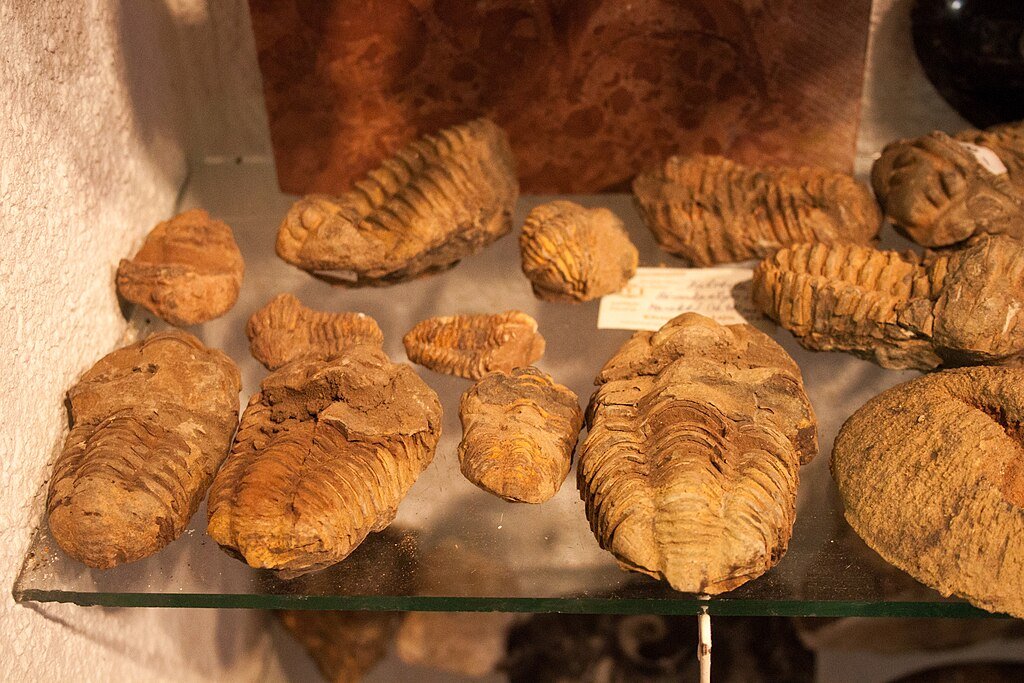
Fossil sites reveal the incredible diversity of life that has existed on Earth. By studying fossils, scientists can identify extinct species, understudied genera, and unknown flora and fauna. These findings contribute to our understanding of biodiversity shifts over millions of years, illustrating how species adapted or succumbed to changing conditions.
Climatic Clues Encased in Rock
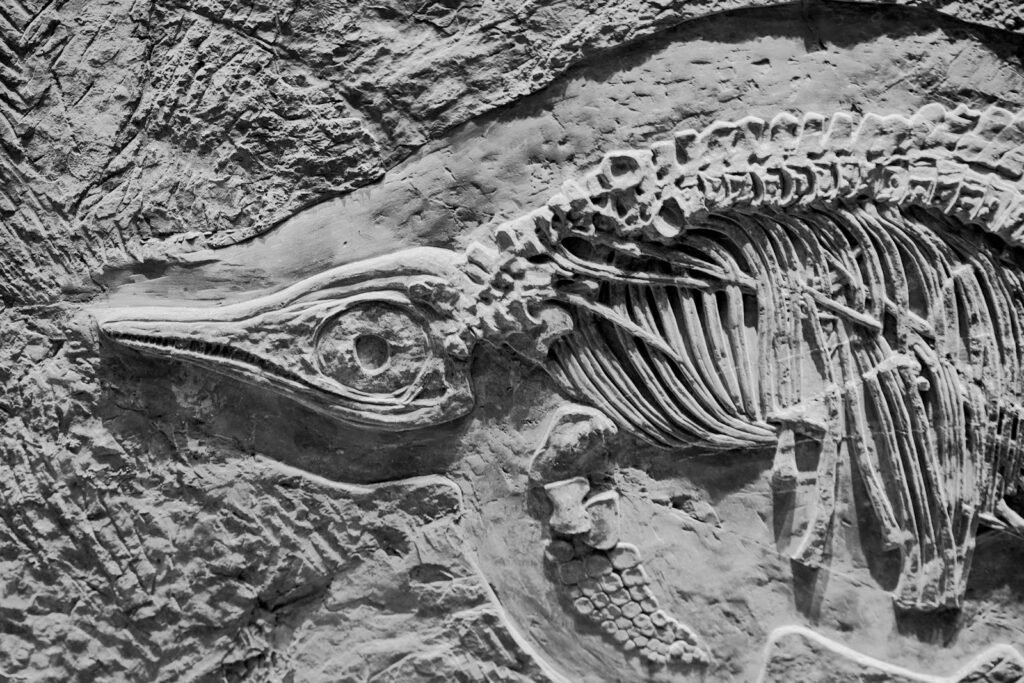
Fossils can also serve as climate indicators. For example, fossilized plants reflect the climate conditions of their era. Similarly, the presence and distribution of certain species can suggest past temperature ranges, precipitation patterns, and atmospheric compositions. Scientists analyze isotopic compositions in fossil remains to reconstruct aspects of the Earth’s historical climate.
Tectonic Movements and Fossil Sites
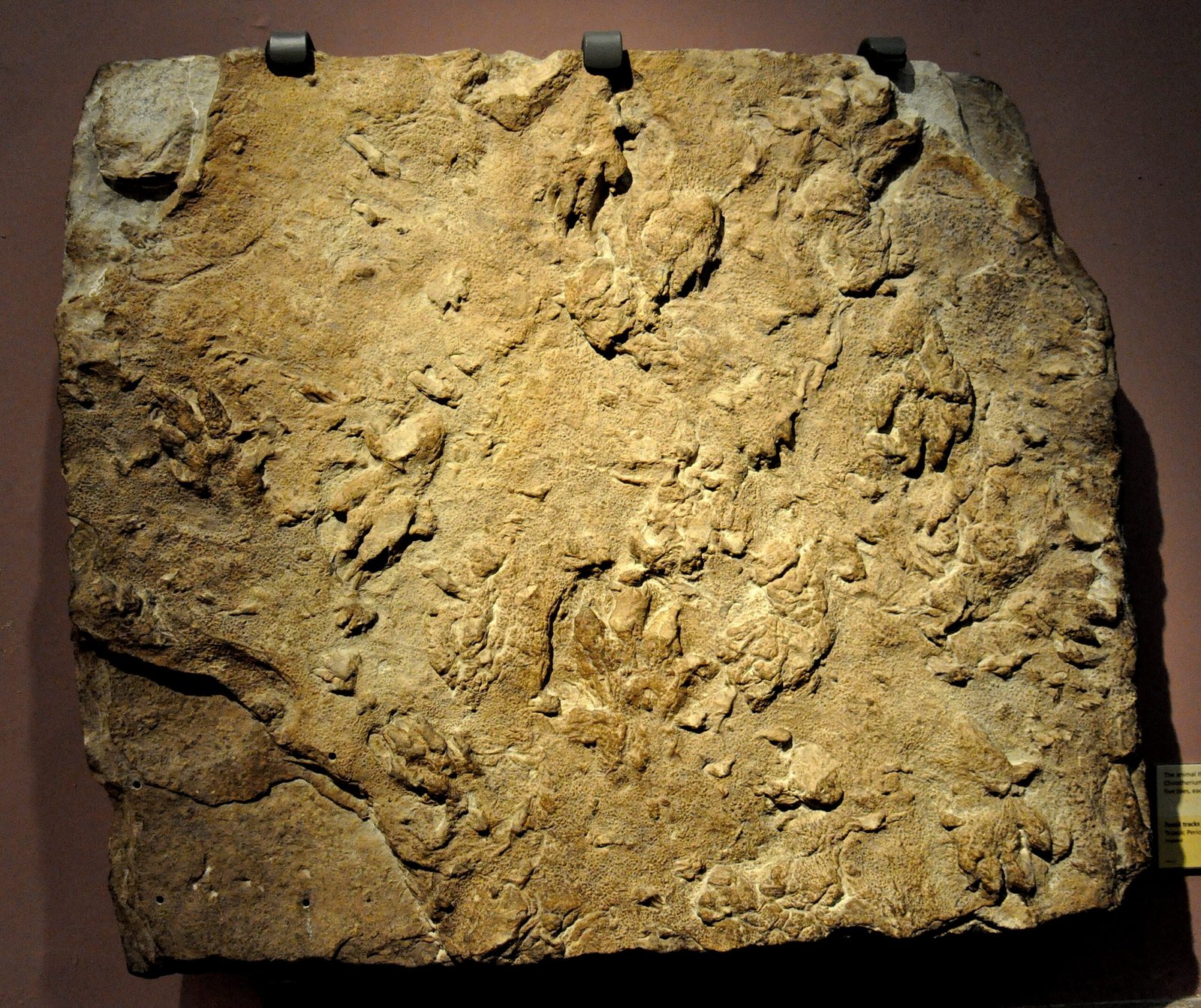
The discovery of similar fossils on different continents provides evidence for plate tectonics, the theory that explains the movement of Earth’s lithospheric plates. For instance, identical fossils found in both South America and Africa support the concept of the supercontinent Gondwana. These discoveries help scientists better understand how continents have shifted over geologic time.
Fossils Provide Insight into Extinction Events

Mass extinction events have significantly shaped the history of life on Earth. Fossil sites offer a record of these cataclysmic periods, such as the Permian-Triassic extinction or the Cretaceous-Paleogene extinction. By studying fossil layers, scientists can infer the causes and consequences of these extinctions, which are crucial for understanding current biodiversity challenges.
The Role of Radiometric Dating

Fossils are often dated using radiometric methods, which measure the decay of radioactive isotopes within them. This technique provides a reliable timeline, allowing scientists to place fossils within the correct geological period. Radiometric dating is instrumental in confirming the age of fossil sites, ensuring accurate reconstructions of Earth’s history.
Interdisciplinary Research at Fossil Sites
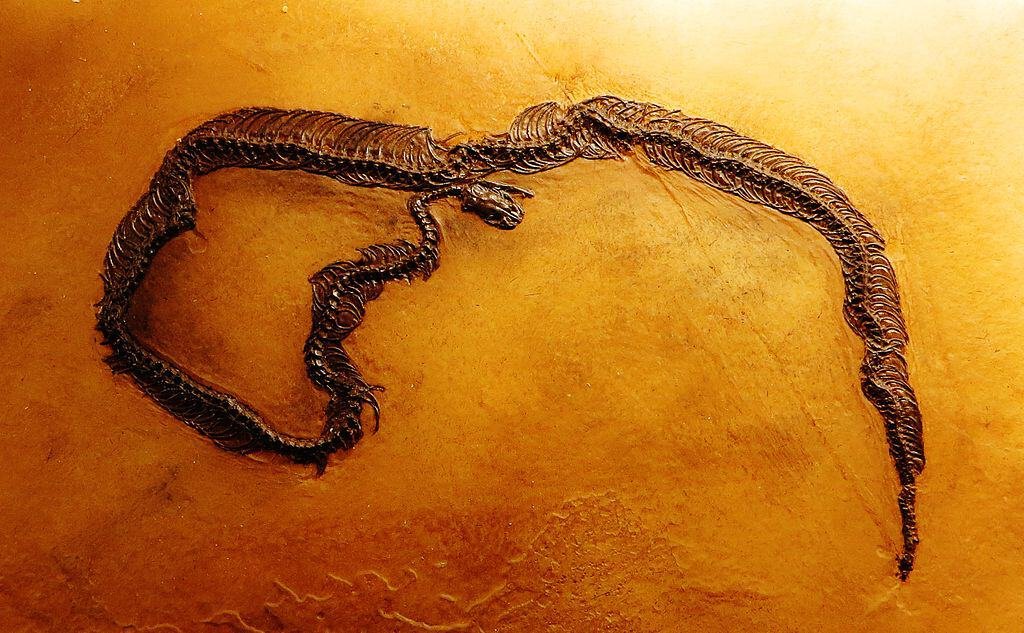
The study of fossil sites requires a collaborative effort involving various scientific disciplines. Paleontologists, geologists, biologists, and climatologists work together to interpret the data unearthed at these sites. This interdisciplinary approach enriches our understanding and paints a comprehensive picture of Earth’s past.
Technological Advances in Fossil Analysis

With advancements in technology, the study of fossils has become more precise. Tools like computerized tomography (CT) scans and electron microscopes allow for the detailed examination of fossil structures, revealing information that was once beyond reach. These technologies enable scientists to conduct detailed analyses without damaging the fossil specimens.
Citizen Science and Fossil Discoveries
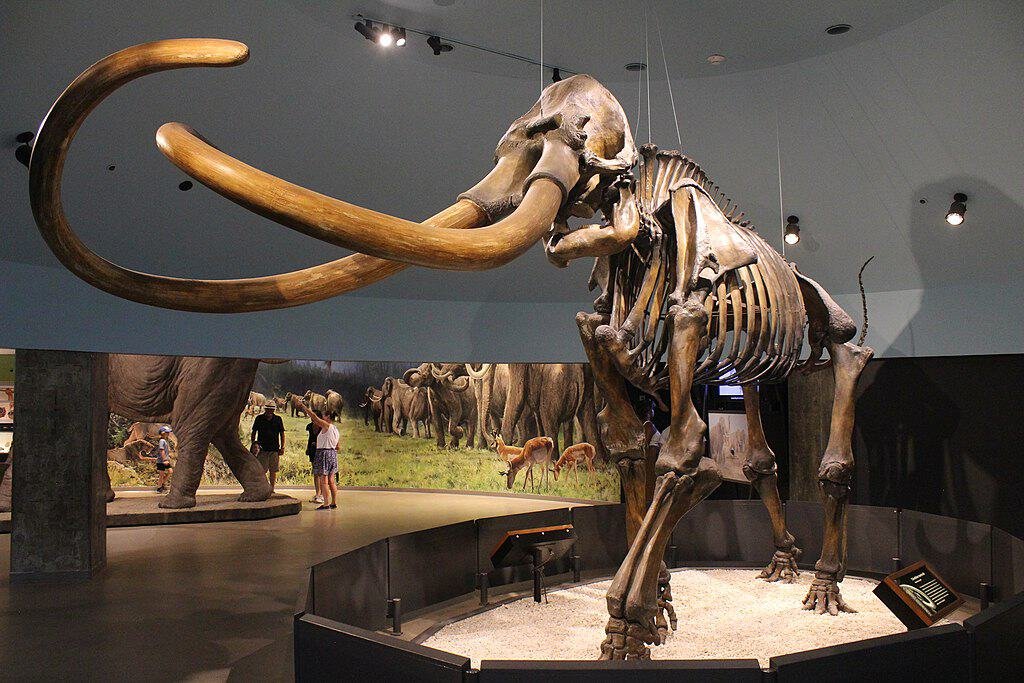
Enthusiasm for fossil collecting extends beyond professional paleontologists. Amateur fossil hunters and citizen scientists often contribute to significant discoveries. Sites like the Burgess Shale in Canada and the La Brea Tar Pits in the United States have benefited from contributions by non-professionals, highlighting the importance of public involvement in paleontology.
Challenges in Fossil Site Conservation
Fossil sites face threats from natural erosion, human activities, and climate change. Ensuring their preservation is crucial for continued scientific study. Conservation efforts include protective legislation, public education, and site management strategies, aiming to safeguard these invaluable resources for future generations.
The Cultural and Educational Value of Fossil Sites

Beyond scientific importance, fossil sites hold cultural and educational significance. They offer a tangible connection to Earth’s deep past, sparking curiosity and wonder in people of all ages. Museums and educational programs centered around fossils help disseminate knowledge, inspiring the next generation of scientists and enthusiasts.
Conclusion: Fossil Sites as Time Capsules of Earth’s History

Fossil sites serve as windows into the distant past, providing profound insights into the evolution of life, climatic changes, and tectonic movements. They allow us to glimpse how life on Earth has developed, adapted, and persisted against the backdrop of an ever-changing planet. As we continue to explore these ancient archives, we can gain a deeper appreciation for the intricate tapestry of life and the forces that have shaped the world we know today. By valuing and conserving these sites, we ensure that this knowledge continues to enrich both our present and our future.