Every day, we make choices that impact the world around us, often without realizing it. These seemingly insignificant actions can have profound effects on wildlife and their habitats. From the products we purchase to the waste we generate, our daily lives intertwine with the natural world in intricate ways. Understanding these connections is the first step toward making more informed decisions that can help protect and preserve the incredible biodiversity of our planet.
Plastic Pollution: A Silent Menace
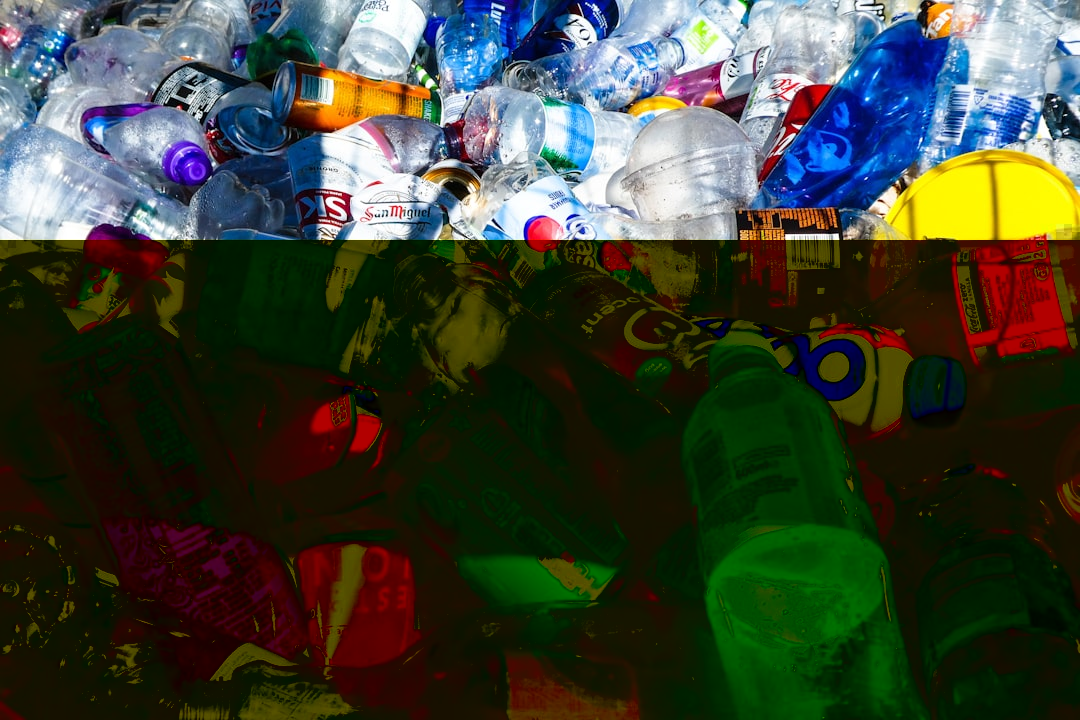
Plastic is everywhere. It’s in our homes, our workplaces, and unfortunately, our oceans. Every year, millions of tons of plastic waste end up in marine environments, posing a severe threat to wildlife. Sea turtles, for example, often mistake plastic bags for jellyfish, their primary food source. Once ingested, these plastics can lead to internal injuries or even death. Birds, too, are not immune, as they often confuse small plastic pellets for food. By reducing our reliance on single-use plastics and opting for reusable alternatives, we can significantly decrease the amount of plastic entering our ecosystems.
Deforestation: More Than Just Trees
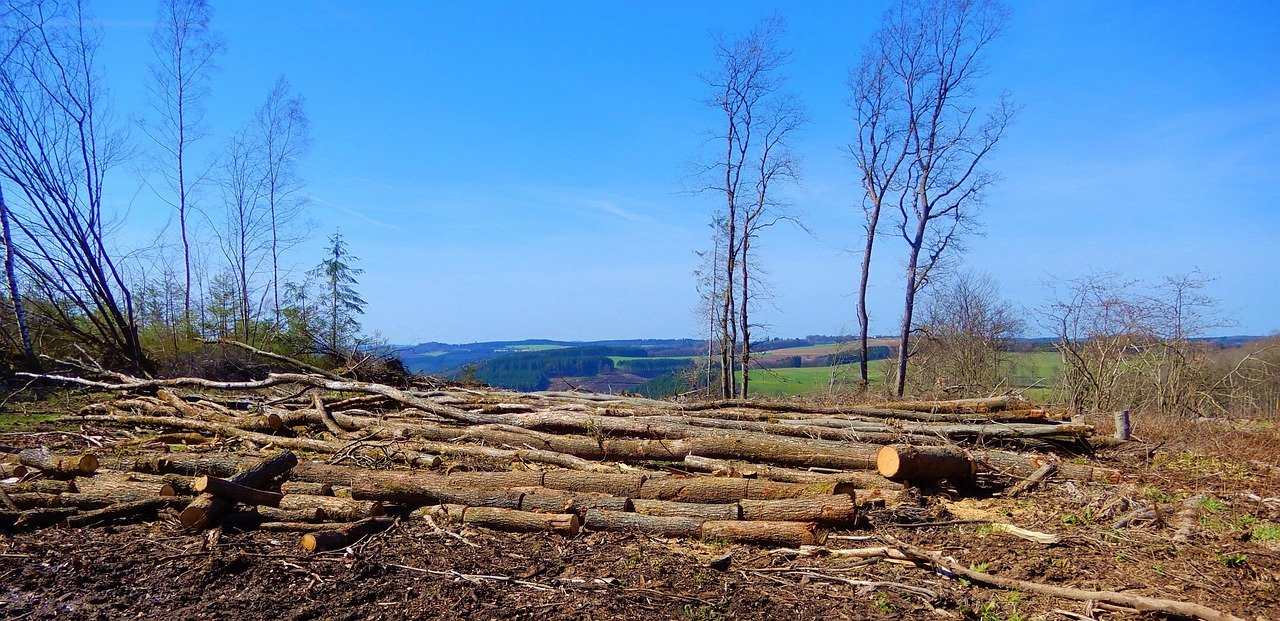
When we think of deforestation, we often picture vast stretches of trees being cut down. However, the impact goes far beyond the loss of trees. Forests are home to countless species, some of which are found nowhere else on Earth. The clearing of these habitats for agriculture or urban development displaces wildlife, leading to population declines and even extinctions. Additionally, deforestation contributes to climate change, further stressing wildlife populations. Choosing products with sustainable sourcing and supporting conservation efforts can help mitigate these impacts.
Light Pollution: A Disorienting Glow

The bright lights of our cities might seem harmless, but they can confuse and disorient various animal species. Many nocturnal creatures rely on natural light cues, such as the moon and stars, for navigation. Birds, for instance, often migrate at night and can become disoriented by artificial lights, leading them to collide with buildings. Similarly, sea turtle hatchlings use the moon’s reflection on the water to find their way to the ocean, but artificial lighting can lead them astray. Simple actions, like turning off unnecessary lights or using turtle-friendly lighting fixtures, can make a world of difference.
Noise Pollution: An Unseen Threat
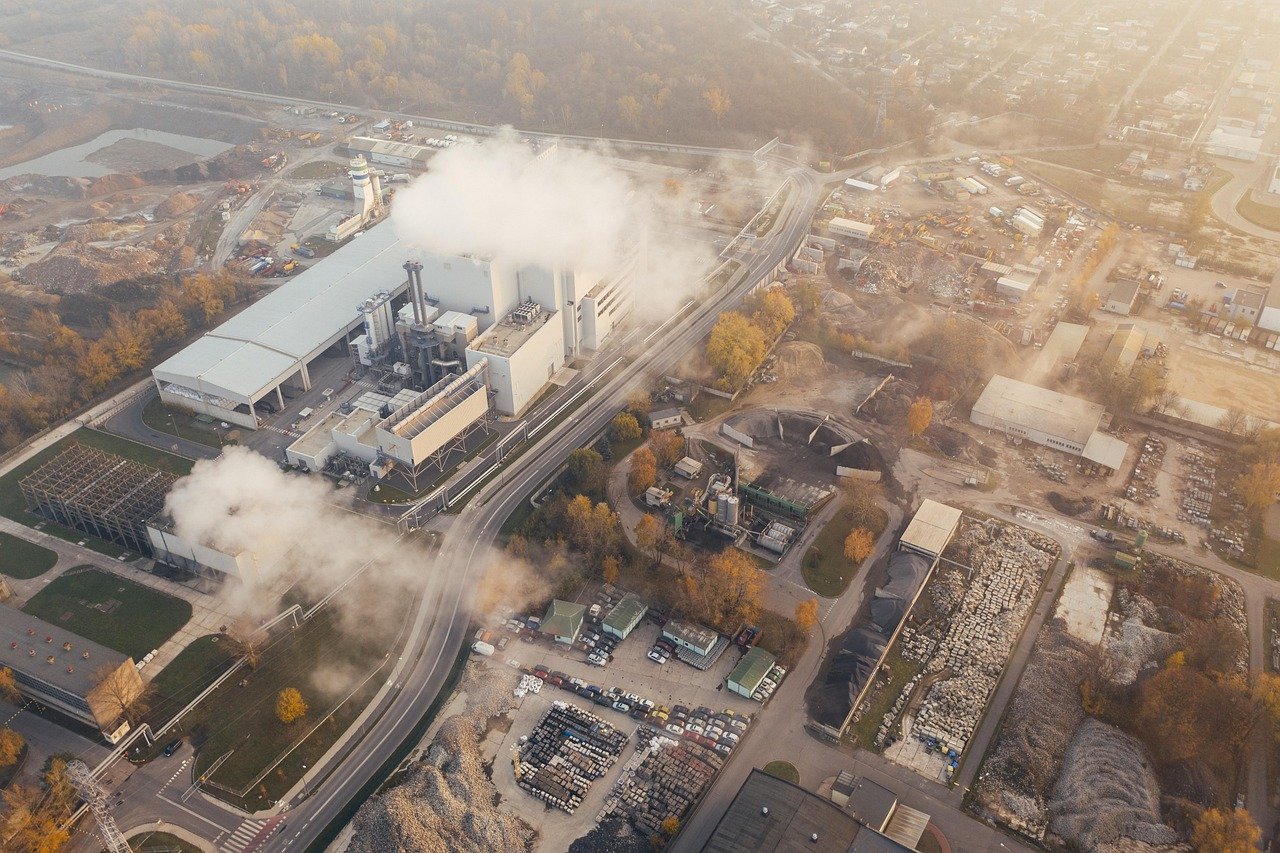
The hum of city life isn’t just a backdrop to our daily activities; it’s a significant disturbance to wildlife. Animals rely on sound for communication, mating, and hunting. The constant barrage of human-made noise can mask these natural sounds, leading to confusion and stress among wildlife. Marine mammals, like whales and dolphins, are particularly affected, as they depend on echolocation to navigate and find food. Reducing noise pollution, whether by using quiet modes of transportation or supporting noise regulations, can help protect these vital communication channels.
Climate Change: A Shifting Reality
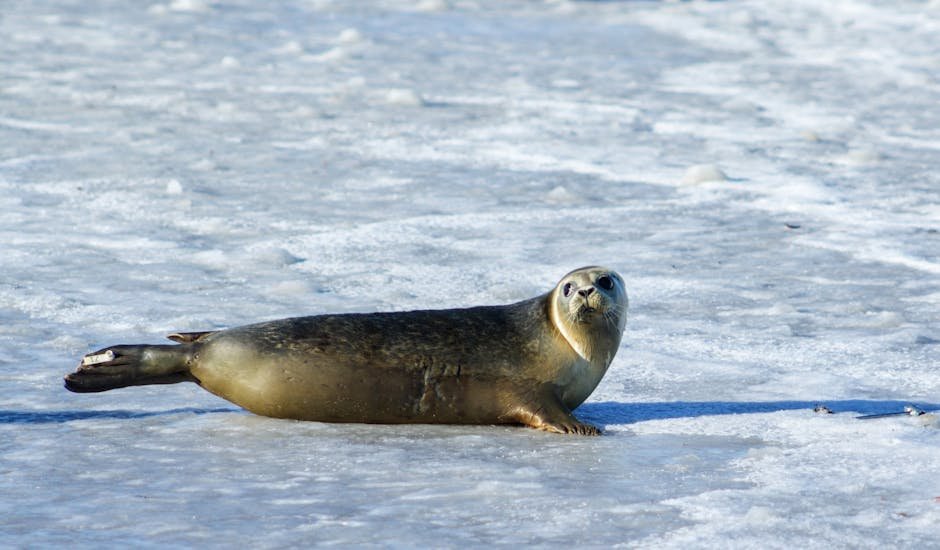
Climate change is perhaps the most significant threat facing wildlife today. Rising temperatures, shifting weather patterns, and extreme events force species to adapt, migrate, or face extinction. Polar bears, for example, struggle as melting ice reduces their hunting grounds. Coral reefs, known as the rainforests of the sea, suffer from bleaching due to increased water temperatures. By reducing our carbon footprint through energy conservation and supporting renewable energy, we can slow the pace of climate change and give wildlife a fighting chance.
Invasive Species: Unwelcome Guests
Invasive species pose a unique challenge to native wildlife. These non-native organisms, introduced either intentionally or accidentally, can outcompete local species for resources. They often have few natural predators in their new environments, allowing them to thrive unchecked. The introduction of the brown tree snake to Guam, for instance, led to the decline of several native bird species. Being mindful of our travel habits and supporting local conservation efforts can help prevent the spread of invasive species.
Pesticides and Chemicals: Invisible Enemies
The use of pesticides and chemicals in agriculture and landscaping is intended to protect crops and gardens from pests. However, these substances can have unintended consequences for wildlife. Bees, crucial pollinators, are particularly vulnerable to certain pesticides, which can affect their ability to forage and reproduce. Aquatic life, too, can suffer from chemical runoff into waterways. Opting for organic products and supporting sustainable farming practices can reduce the harmful impact of these chemicals on wildlife.
Overfishing: A Depleting Resource
The demand for seafood has led to overfishing, threatening the balance of marine ecosystems. Many fish species are harvested faster than they can reproduce, leading to dwindling populations. This not only affects the species being fished but also the predators that rely on them. Sharks, for instance, play a crucial role in maintaining ocean health but are often caught as bycatch. Supporting sustainable fisheries and choosing seafood certified by organizations like the Marine Stewardship Council can help protect these vital resources.
Urban Expansion: Encroaching on Habitats
As cities expand, they encroach upon natural habitats, displacing wildlife and fragmenting ecosystems. Urban sprawl can lead to habitat loss, making it difficult for species to find food, mates, and shelter. Green spaces within urban areas, like parks and gardens, can serve as vital refuges for wildlife. By promoting urban planning that includes green spaces and wildlife corridors, we can create environments where both humans and wildlife can thrive.
Waste Management: A Shared Responsibility
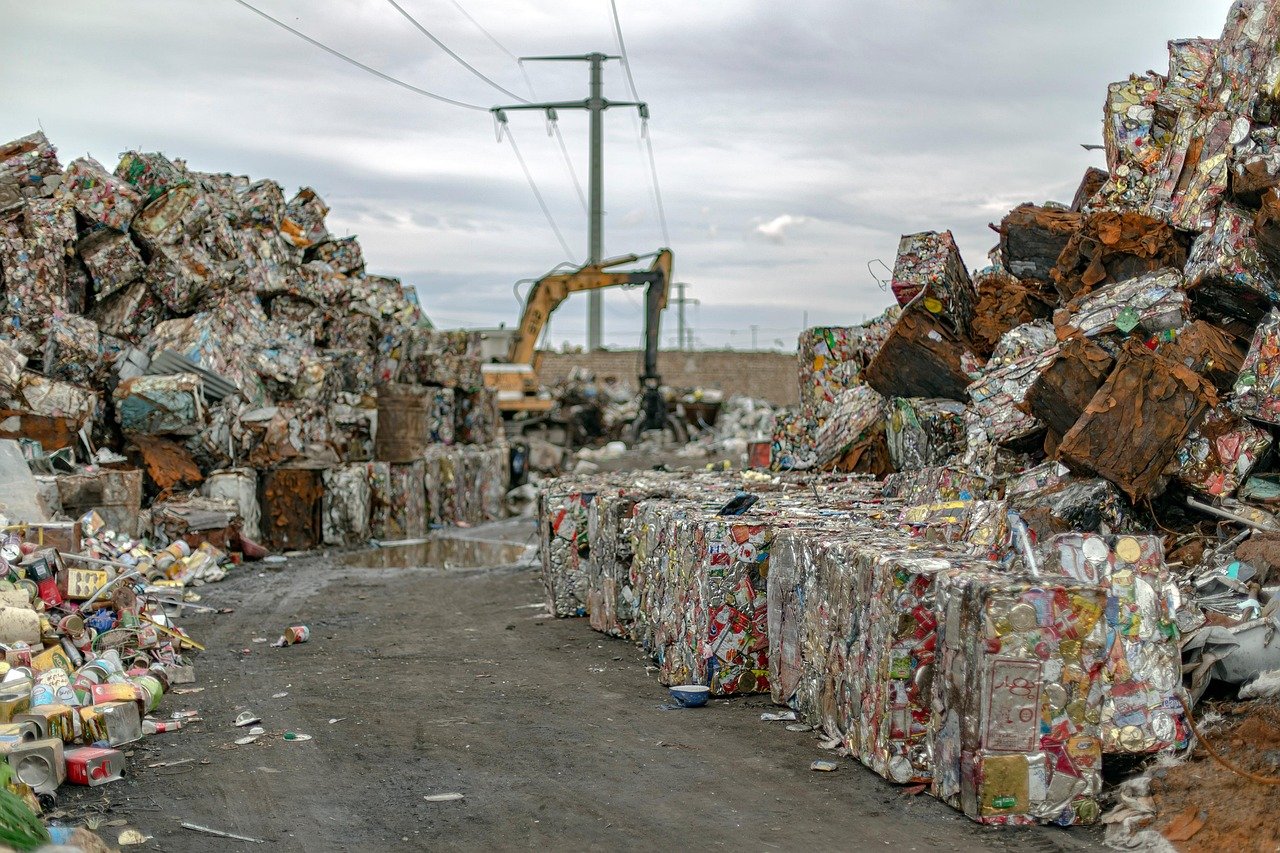
Our waste doesn’t just disappear; it often finds its way into natural habitats, affecting wildlife in numerous ways. Animals can become entangled in discarded fishing nets or ingest harmful materials. Proper waste management, including recycling and composting, can reduce the amount of waste that ends up in nature. Educating communities about the importance of waste reduction and supporting initiatives that promote sustainability can help protect wildlife from the dangers of waste.
In conclusion, our everyday actions have a ripple effect on wildlife and their habitats. By being mindful of our choices and advocating for sustainable practices, we can make a positive impact on the natural world. Every small change contributes to a larger movement toward preserving the incredible biodiversity that makes our planet unique.