In the race against time to protect Earth’s most vulnerable creatures, scientists and conservationists are employing cutting-edge technology to aid their efforts. Artificial Intelligence (AI) is increasingly being used to track and protect endangered species, offering a powerful ally in conservation. By processing vast amounts of data quickly and accurately, AI enhances our ability to understand and protect wildlife, ensuring they thrive for generations to come.
Understanding AI’s Role in Conservation

Artificial Intelligence leverages machine learning algorithms to analyze complex data sets, providing insights that were previously unattainable. Conservationists apply AI to various species monitoring activities, from tracking animal movements through vast terrains to understanding their behavioral patterns. This technology helps in creating precise strategies that can significantly impact conservation efforts.
Tracking Movements Across Vast Terrains

AI is pivotal in processing data gathered from GPS collars and satellite tags, which are attached to animals like elephants or whales. These devices collect location data, which AI then interprets to map migration patterns and habitats. Such information is invaluable in identifying critical areas needing protection and in understanding the impact of environmental changes on these species.
Monitoring Behavioral Patterns

Understanding the behavior of endangered species is crucial for effective conservation. AI can analyze video footage and acoustic recordings, detecting subtle changes in behavior that might indicate stress or illness. By predicting these changes, conservationists can take proactive measures to mitigate threats, improving the chances of survival for these species.
Assessing Habitat Health

AI also plays a crucial role in assessing the health of habitats. Using satellite imagery, AI can monitor changes in land use, forest cover, and even water quality. This information helps conservationists understand the factors threatening species and devise strategies for habitat restoration, ensuring that animals have the environment they need to thrive.
Anti-Poaching Efforts
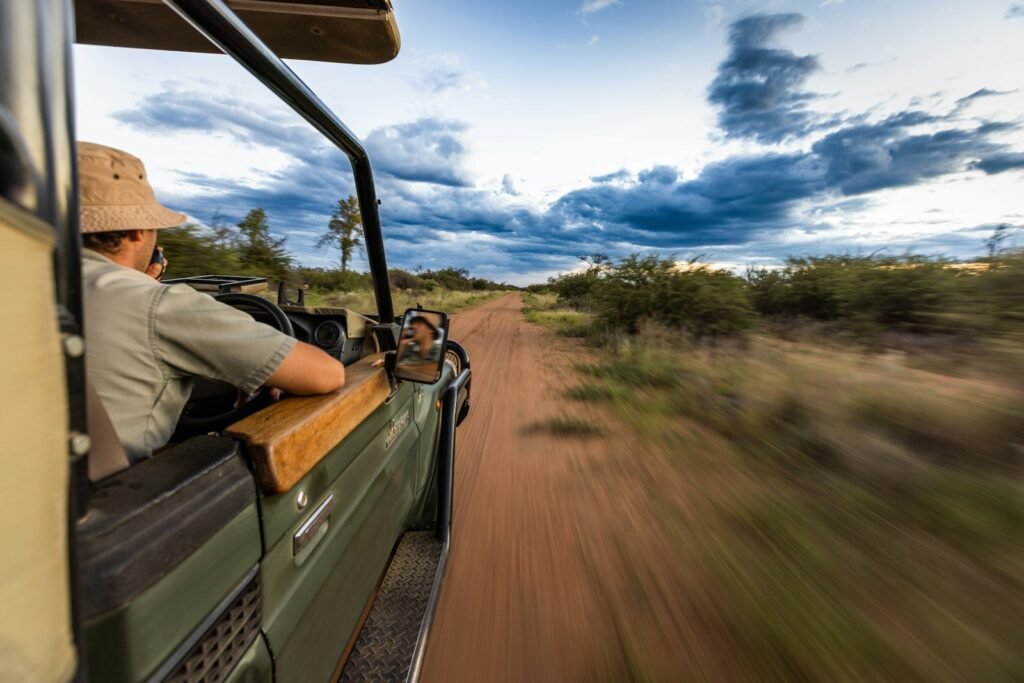
One of the critical threats to endangered species is poaching. AI-driven systems like camera traps equipped with image recognition software can identify and alert rangers to the presence of humans in protected areas, allowing for timely intervention. This technology acts as a force multiplier, maximizing the efficiency of anti-poaching efforts and enhancing the safety of both animals and rangers.
Enhancing Data Collection and Analysis

Traditional wildlife monitoring methods can be time-consuming and labor-intensive. AI accelerates these processes by streamlining data collection and analysis. Machine learning algorithms can assess vast amounts of data in real-time, offering insights that facilitate speedy decision-making and better resource allocation for conservation activities.
Facilitating Citizen Science Initiatives

AI also empowers citizen scientists by providing user-friendly platforms to report sightings and upload observations. Mobile apps equipped with AI can identify species from photos, contributing to databases used by researchers worldwide. This wider network of data collection helps fill gaps in scientific knowledge, aiding conservation efforts with comprehensive, global data sets.
Predictive Modeling for Future Conservation

Through predictive modeling, AI can forecast future scenarios based on current data trends. By anticipating the impacts of climate change, human encroachment, and other factors, AI models help conservationists develop long-term strategies for protecting endangered species. These predictions ensure proactive rather than reactive responses, increasing the effectiveness of conservation initiatives.
Conclusion: AI as a Conservation Catalyst

The application of Artificial Intelligence in conservation represents a significant leap forward in our ability to protect endangered species. While challenges remain, such as ethical concerns and the need for continued technological refinement, AI offers a promising toolset for conservationists. By bridging the gap between technology and ecology, AI not only enhances our understanding of the natural world but also strengthens our ability to safeguard it for future generations. As these tools continue to evolve, so too does the hope for a more harmonious coexistence with Earth’s most vulnerable creatures.