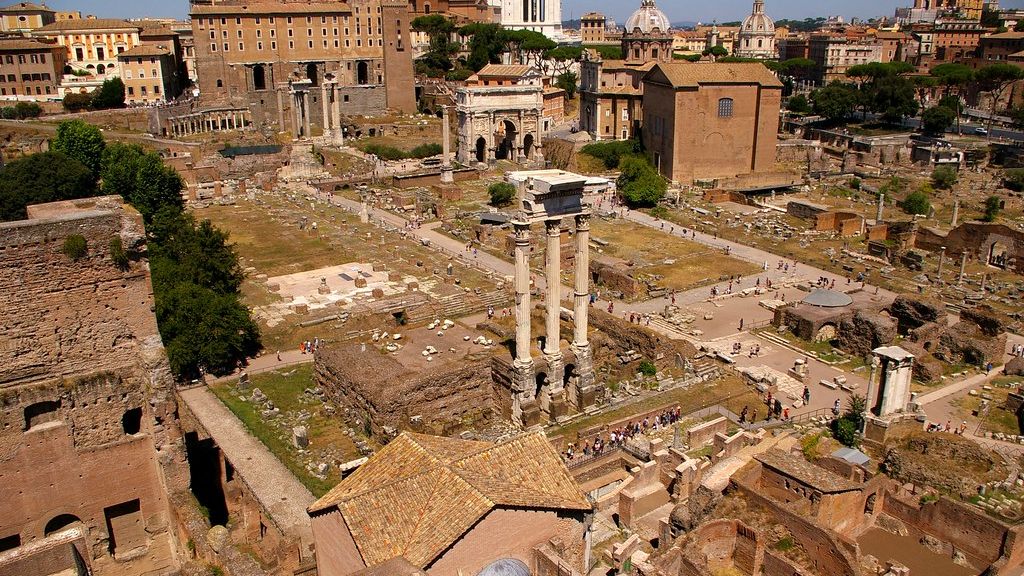
Walk up to a massive ancient stone temple, and your first instinct might be disbelief. How on earth did people, with no steel cranes, no diesel trucks, and no laser levels, stack blocks heavier than buses so precisely that a sheet of paper can’t slip between them? It almost feels like standing in front of a magic trick that refuses to reveal its secret.
The real story, though, is far more interesting than magic. It’s a mix of raw human strength, clever engineering, obsessive trial and error, and a deep understanding of stone, soil, and geometry. When you look closely, you start to see patterns: ramps hidden in plain sight, tool marks on rock faces, and simple machines doing heavy lifting. Once you notice those fingerprints, the mystery doesn’t vanish – it becomes even more impressive.
The Power Of Simple Machines: Levers, Rollers, And Ramps
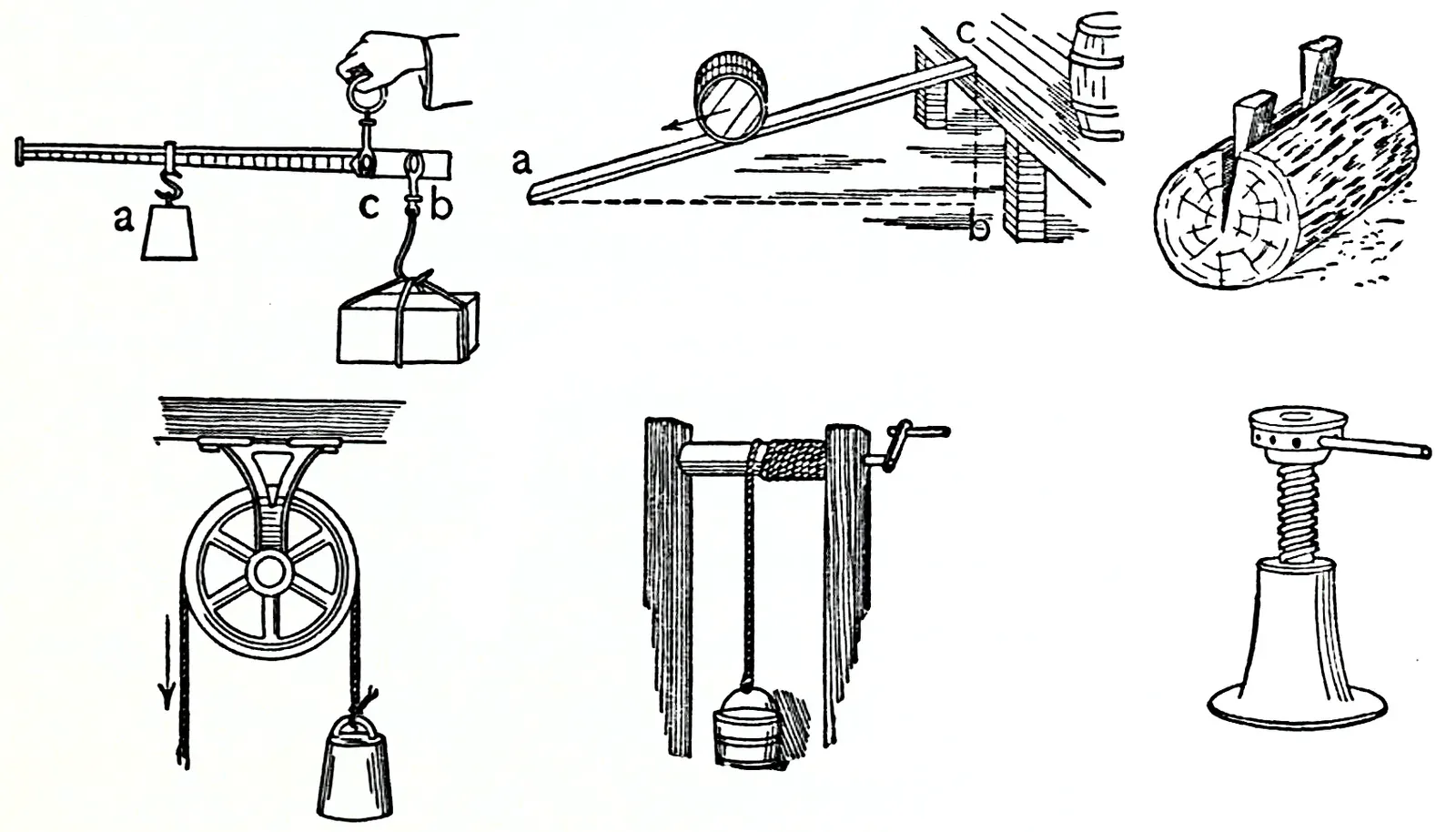
It’s tempting to imagine that only high‑tech machines can move giant stones, but the physics of simple machines has been around as long as humans have. Ancient builders used levers, sledges, wooden rollers, and earthen ramps to turn impossible tasks into merely brutal ones. A long wooden pole under a stone block becomes a lever, and suddenly a handful of people can nudge a weight that seems unmovable.
Ramps were probably the unsung hero on many famous sites. By spreading out the effort over distance and time, workers could drag stones up incline planes instead of lifting them straight up. On a gentle slope, a team with ropes, sledges, and a little water or oil for lubrication could keep inching those blocks forward. It wasn’t glamorous, but step by step, day after day, the walls grew higher until the ramp was dismantled and disappeared from view.
Stone Tools On Stone: Carving With Harder Rock
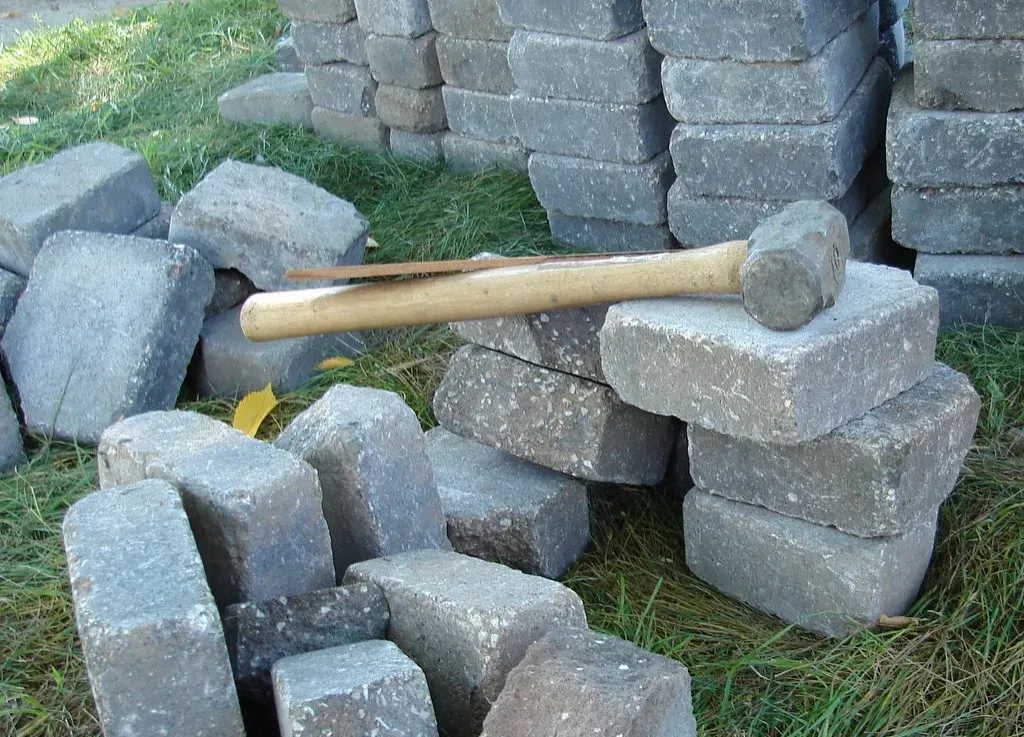
At first glance, carving granite and basalt with “no metal tools” sounds impossible, but that’s only because we underestimate stone itself. Many ancient cultures used harder rocks to shape softer ones, turning chunks of diorite, flint, or quartzite into chisels, hammers, and pounding stones. Repeated blows, guided by experience and patience, slowly cut grooves, channels, and flat faces into enormous blocks.
In other cases, abrasives did the quiet, relentless work. Sand, crushed rock, and water turned wooden or copper tools into cutting systems, with grit acting like a swarm of microscopic blades. Workers could saw, drill, and polish by letting these abrasives chew through the stone over hours and days. It wasn’t precision in the modern factory sense, but over time it produced surprisingly clean lines, tight joints, and smooth surfaces that still catch the light today.
Shaping Perfect Fits: Trial, Error, And Sheer Patience
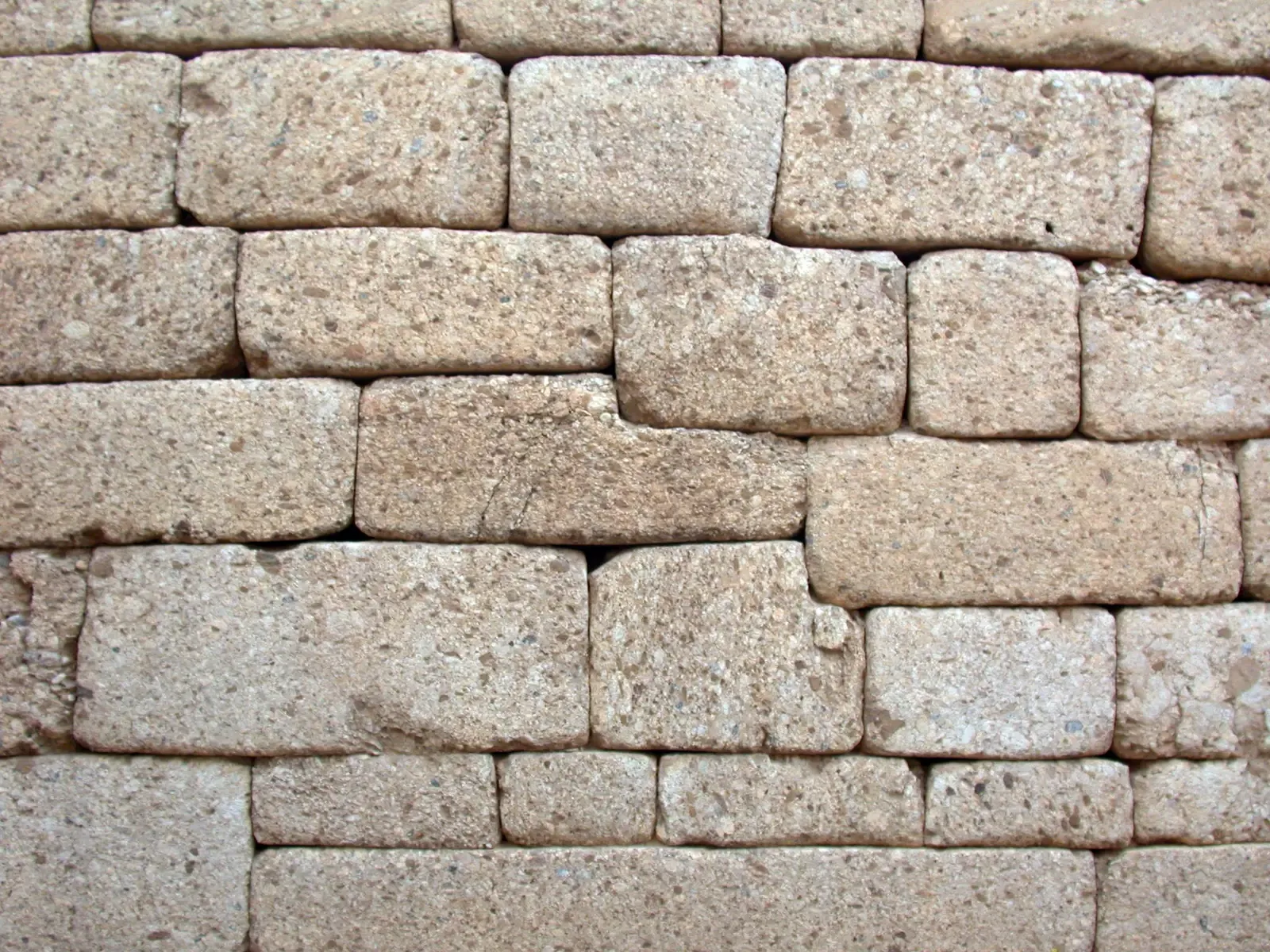
One of the most shocking things about ancient masonry is how tightly some stones fit together, sometimes without any mortar at all. That kind of precision didn’t come from secret lost technologies; it came from relentless testing, adjusting, and testing again. Builders would set stones in place, check the gaps, lift them out, knock off high spots, and repeat…over and over.
A simple trick likely used across many cultures was rubbing two stones directly against each other. Wherever the surfaces touched, they left marks or shiny spots that showed where to grind more. Over time, this process works almost like fitting puzzle pieces by hand. It’s slow, repetitive, and demanding, but it turns rough blocks into interlocking components that can stay stable for centuries, even through earthquakes and weathering.
Harnessing Human And Animal Strength As Organized Power
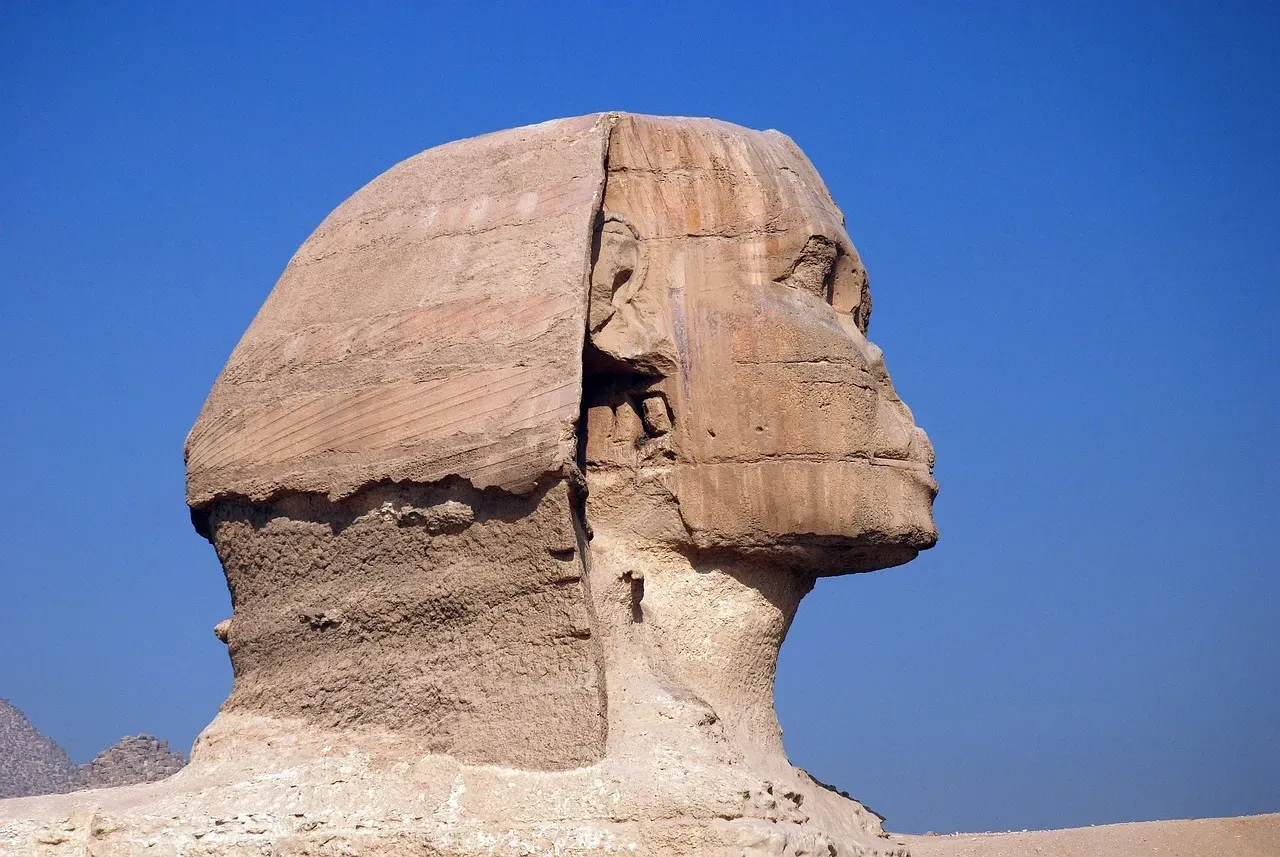
When you imagine hundreds or thousands of workers dragging stones, it can look chaotic, but large projects usually required intense organization. Someone had to coordinate teams, schedule tasks, and keep food, tools, and materials moving. Human and animal muscle was the engine, but planning was the steering wheel. Ropes, hand signals, and songs or chants helped keep everyone pulling in rhythm, turning a crowd into one coordinated force.
Animals like oxen or cattle could multiply the pulling power available for shorter hauls or marginal terrain. Sledges reduced friction on rough ground, and wetting the sand or earth could reduce resistance even more. None of this looked high‑tech, but taken together it was an efficient system: workers, animals, ropes, and sledges forming a mobile machine that could shift astonishing weights, meter by meter, season after season.
Reading The Landscape: Quarries, Routes, and Local Materials
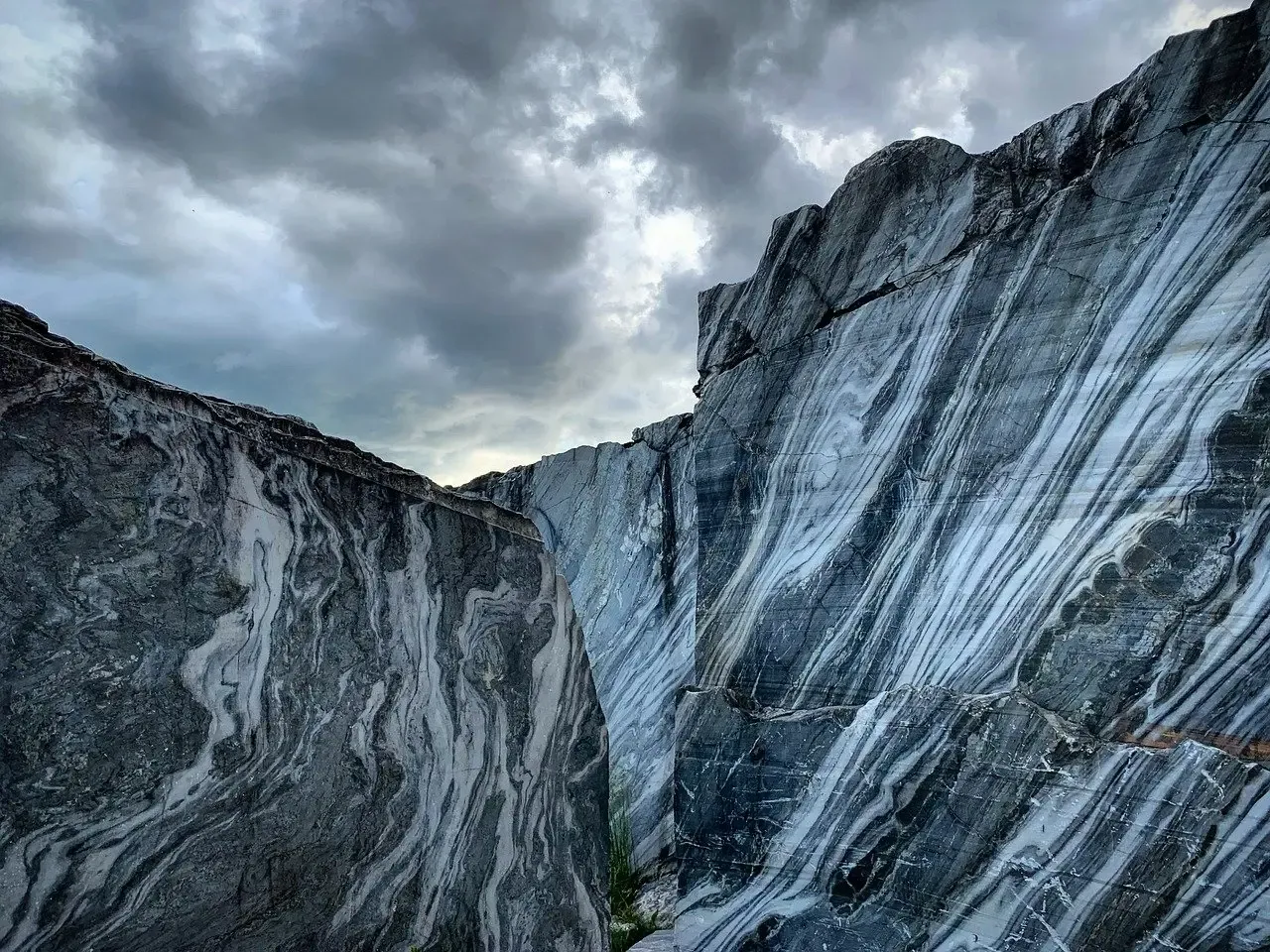
Ancient builders were forced to be practical about where stone came from and how it moved. They rarely chose stone only for its color; they had to think about distance, terrain, and transport routes like rivers, valleys, and coastal paths. Many monuments sit surprisingly close to quarries, where cut marks and half‑finished blocks still whisper the story of extraction and abandonment.
Even when stone did travel far, builders used clever strategies to reduce the pain. They might rough‑shape the blocks at the quarry to lighten the load, then refine them near or at the construction site. Waterways were precious highways: floating stones on rafts or barges meant that gravity did part of the work. In a way, they were reading the landscape like a modern logistics planner, choosing paths and methods that balanced effort, risk, and time.
Geometry In The Mind: Measuring Without Modern Instruments
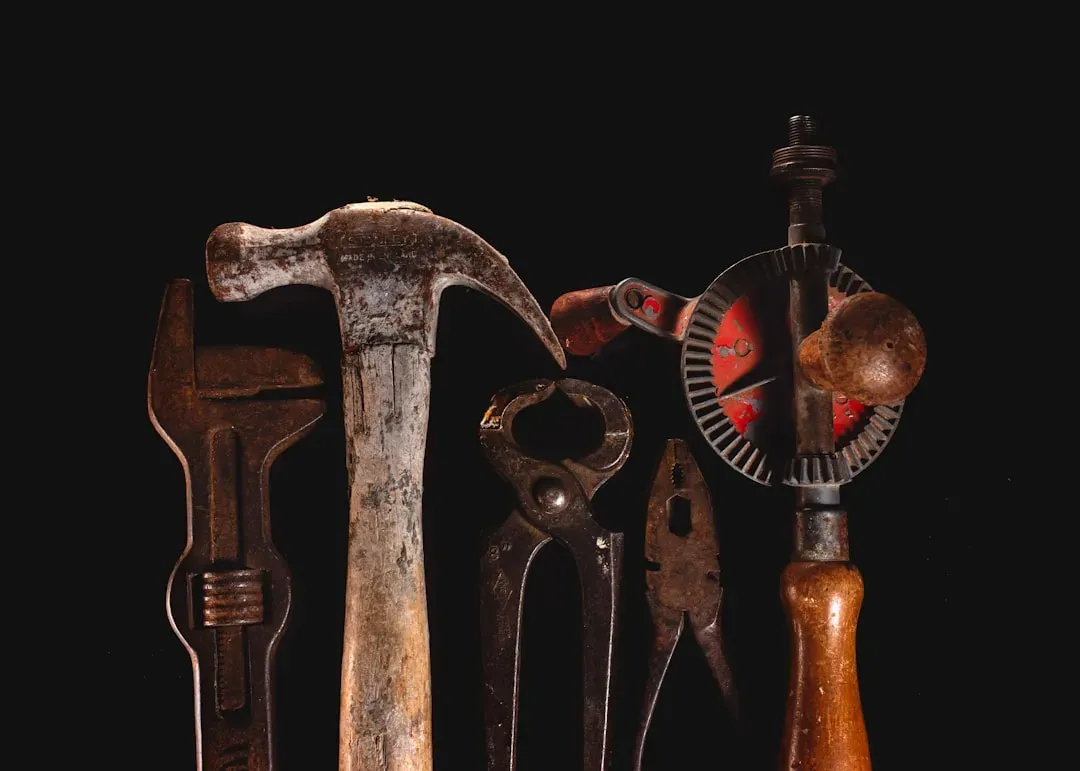
Standing inside a perfectly aligned stone temple, it’s easy to forget these builders didn’t have digital levels or laser distance meters. Yet they still managed straight lines, right angles, and astronomical alignments using simple but powerful geometry. Ropes with knots, wooden stakes, plumb bobs, and sighting lines allowed them to create grids, angles, and reference points over large sites.
Techniques like forming right angles from triangles with specific side ratios or using the sun’s shadow to find cardinal directions weren’t exotic tricks – they were practical tools, passed down by experience. Over time, mistakes were noticed and corrected, and the rules that worked got embedded into tradition. The result was buildings where walls meet with impressive regularity, and corridors line up with solstices or star paths, all achieved with patient observation and basic tools.
Community, Belief, And The Will To Do The Impossible
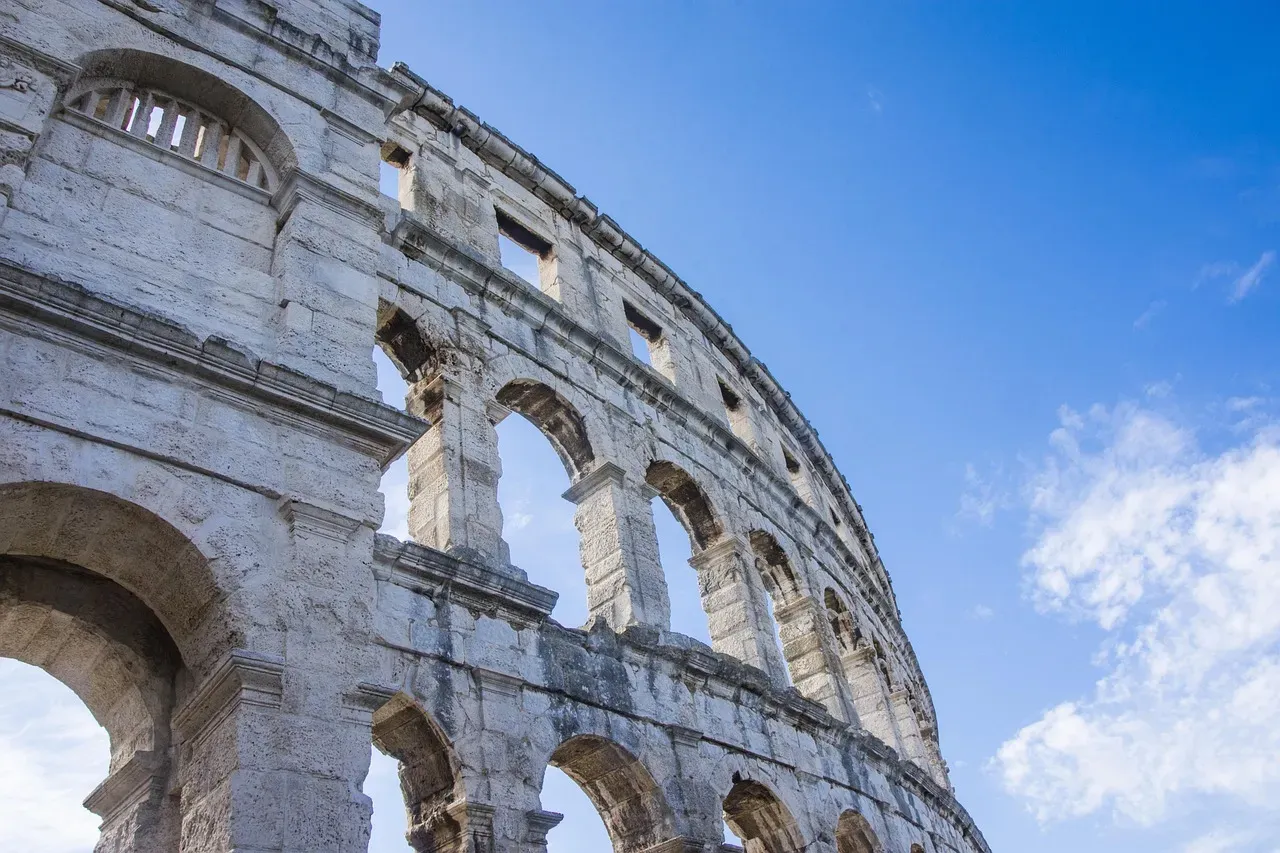
Behind every ancient stone structure there’s a question that’s almost more important than the technical ones: why did they bother? Many of these projects took decades, sometimes shaping the lives of entire generations. Religion, political power, identity, and memory all played massive roles. When a structure is tied to ideas about the gods, ancestors, or the future of the community, people accept levels of effort that would otherwise be unthinkable.
That shared purpose turned grueling labor into something closer to a collective mission. It doesn’t erase the hardship, but it explains the persistence. People weren’t just stacking rocks; they were building symbols meant to outlast them, to say “we were here” in stone. The fact that so many of these structures are still standing today suggests they succeeded in that goal more powerfully than they could’ve imagined.
Relearning Respect For Human Ingenuity
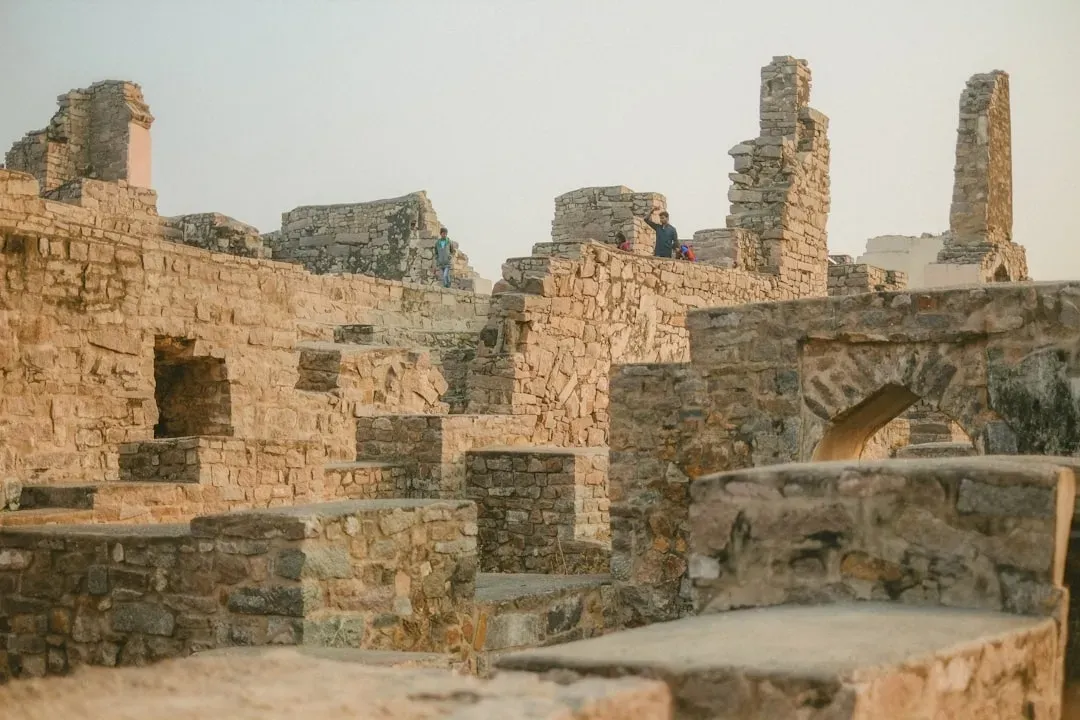
Ancient stone monuments are often presented as unsolved puzzles, but when you pull together the clues – simple machines, abrasive tools, organized labor, and basic geometry – the picture becomes clear. These structures were not the work of magic or mysterious vanished technologies; they were the result of people pushing the limits of what simple tools, shared knowledge, and determination could do. The real miracle isn’t in the stones themselves, but in the patience and persistence they represent.
Next time you see a weathered block fitted seamlessly into an ancient wall, it’s worth imagining the hands that chipped, hauled, and set it in place, one exhausting day at a time. Those builders didn’t have our machines, but they had something we often underestimate: time, coordination, and a stubborn refusal to give up. If they could shape mountains with wood, stone, and rope, what might we accomplish today if we approached our own challenges with the same kind of long‑term grit and focus?