
Every time you walk across a busy city square or wait at a traffic light, there’s a real chance that an entire lost world lies just a few meters under your feet. That idea hit me one day while I was stuck in traffic, staring at a manhole cover and wondering what stories were sealed beneath it. It sounds like fantasy, but in city after city, construction crews and repair workers have punched through concrete and asphalt only to discover forgotten streets, homes, and even temples silently waiting below.
These are not tiny curiosities or a few scattered ruins. In some places, whole buried neighborhoods and long-vanished cities have been accidentally sliced open by subway tunnels, pipeline works, and new foundations. The result is a strange, almost unsettling layering of time: modern cars rumbling above, ghostly staircases and alleyways below. Let’s walk through twelve of the most surprising places where people literally built new cities on top of old ones – sometimes without even realizing it for centuries.
1. Seattle’s Forgotten Underground City
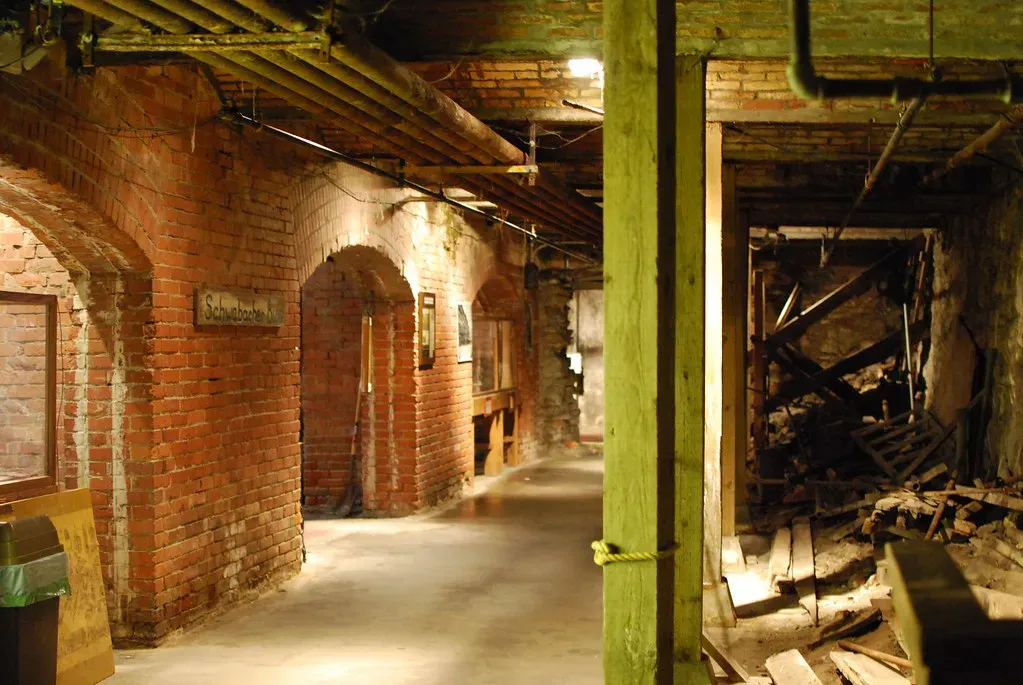
Imagine going downtown for a coffee and learning that the sidewalk you’re standing on is actually the second level of the city. That’s basically Seattle. In the late nineteenth century, much of the original waterfront business district was built at a lower street level, closer to the tidal flats. After a devastating fire in 1889, city leaders decided to literally raise the streets, building new, higher roadways and sidewalks right over the old ones.
For a while, people still used the buried sidewalks and storefronts below, until they were eventually abandoned, walled off, and mostly forgotten. In the twentieth century, workers and explorers rediscovered these eerie underground passages when accessing utilities and doing structural work beneath modern buildings. Today, you can actually walk along sections of these submerged streets, peering into old shopfronts and brick arches that make it feel like the city’s ghost is living under the feet of its glass towers. It is one of the clearest, almost shocking examples of a modern American city literally stacked on top of its own past.
2. Rome’s Ancient Streets Beneath Everyday Life
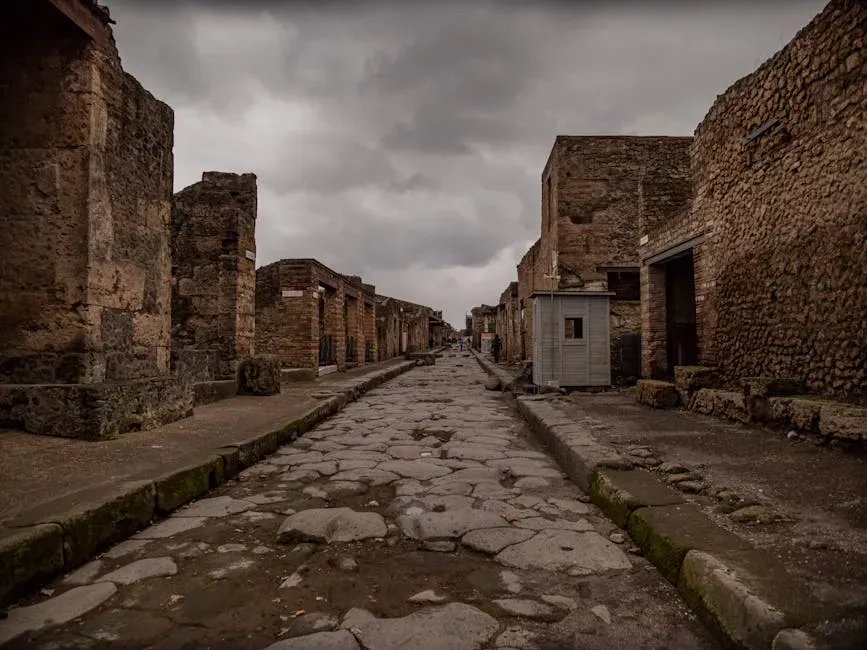
Rome might be the world champion of building on top of itself. For centuries, whenever the city’s streets needed widening, churches needed renovation, or new metro lines had to be dug, workers would punch through layers of history stacked like a lasagna of stone. Beneath modern roads and piazzas, archaeologists have uncovered intact stretches of ancient Roman streets, shops, houses, and early Christian sites that show how the city’s life once flowed in the same spots people rush through today.
One striking pattern in Rome is how often these discoveries happen because someone wants to build something entirely modern: an underground parking lot, a new station, or a utility tunnel. Suddenly, a construction crew hits colored frescoes, mosaic floors, or the foundations of long-vanished temples. It has reached the point where launching any big infrastructure project almost guarantees you will rewrite a piece of the city’s history. Living in Rome means accepting that the line between now and two thousand years ago can literally be as thin as the slab of pavement under your shoes.
3. Mexico City and the Aztec Capital of Tenochtitlan
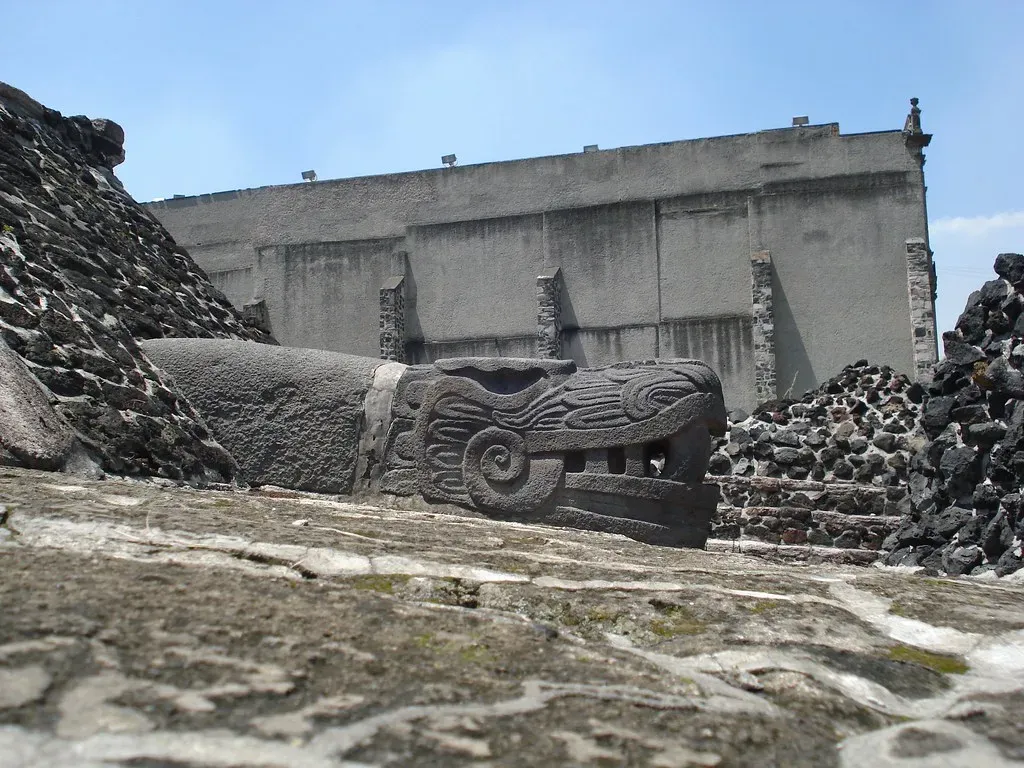
Mexico City is a textbook case of a modern metropolis planted directly on top of a conquered capital. When the Spanish destroyed the Aztec city of Tenochtitlan in the sixteenth century, they reused its stones and foundations to build their own colonial city. Over time, as streets were repaired, buildings expanded, and utilities added, reminders of the old city kept pushing back to the surface. Workers have unexpectedly uncovered causeways, ceremonial platforms, and sections of Templo Mayor right beneath contemporary roads and sidewalks.
What makes Mexico City especially powerful is the emotional charge of those finds. This is not just “old stuff” under the street; it is evidence of a violently interrupted civilization that modern residents are directly descended from. Routine work on power lines or drainage can suddenly slice into carved stones or offerings buried centuries ago. Standing in traffic near the historic center, you are essentially standing where Aztec market stalls once crowded together, where canals flowed instead of taxi lanes. It turns an everyday commute into something like walking across a slightly haunted mirror of the same landscape.
4. Naples and the Submerged Greek-Roman City Beneath the Pavement
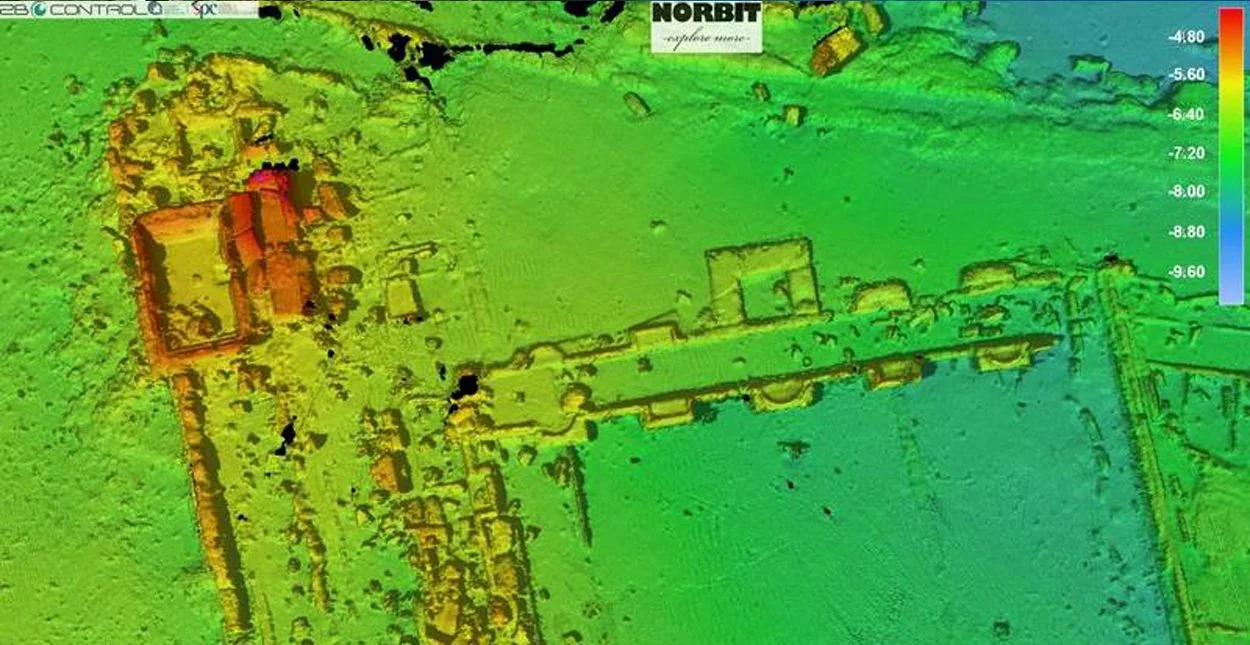
Underneath the honking scooters and laundry-lined alleys of Naples, there is a staggering underground world that was, for a long time, only half-understood. The modern city sits over layers of Greek, then Roman, and later medieval constructions, many of which were hollowed out again as quarries, cisterns, and wartime shelters. When crews dug new basements or tunnels, they often burst into concealed rooms, stairways, and sections of older streets that had been bricked up or simply forgotten.
Naples might be one of the most vivid examples of a city where the old is not neatly sealed off. Instead, you get this strange patchwork: a modern garage whose back wall is an ancient stone blockwork, a cellar that suddenly opens onto a carved staircase leading deeper into darkness. Over the past decades, more organized explorations have linked many of these fragments together, revealing entire stretches of buried city fabric lying quietly under modern concrete. Walking above it, you would never guess that, just below your feet, someone once walked along a very similar street, breathing the same seaside air, but separated by two thousand years.
5. Edinburgh’s Hidden Closes Under the Royal Mile
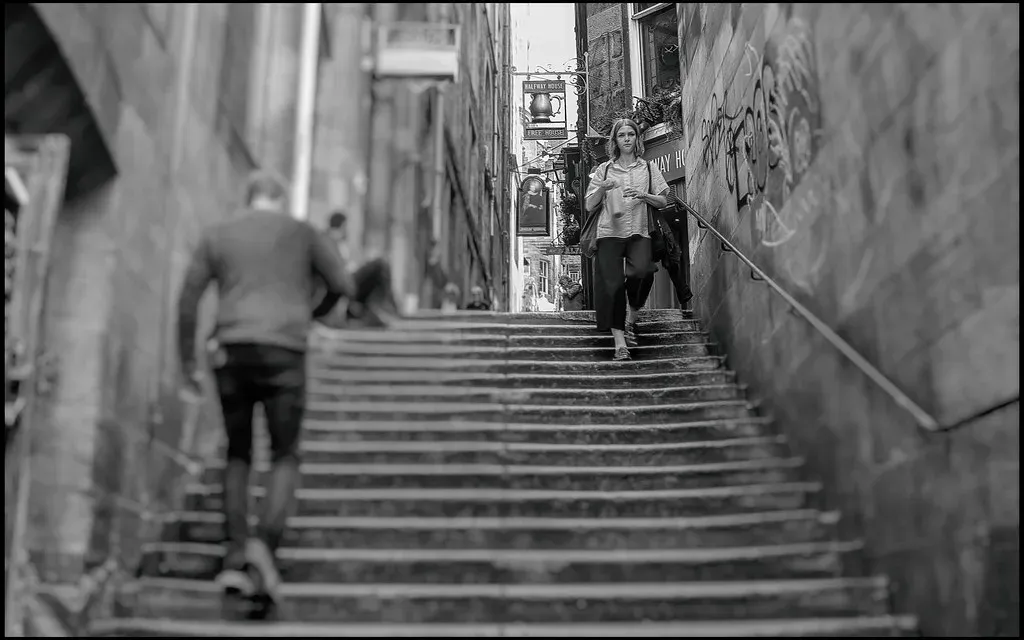
At first glance, Edinburgh’s Old Town already looks like a slice of the past, with its narrow wynds and tall stone tenements. But under the famous Royal Mile, there is an even older, darker layer that people once thought was gone for good. In the seventeenth and eighteenth centuries, as the city grew crowded and unhealthy, some steep, cramped alleyways and courtyards, known as closes, were effectively entombed when new buildings and elevated streets were constructed above them.
These sunless spaces were later accessed again when modernization and maintenance works opened up sealed doors and blocked stairwells. What emerged was a warren of dim chambers and streets where people had once lived, worked, and died in tough conditions. Walking through them today feels oddly intimate, like stepping into a preserved memory of urban life rather than a polished museum site. It is a blunt reminder that progress in many cities sometimes meant literally burying the lives of the poor so the rich could build cleaner, brighter quarters overhead.
6. Istanbul’s Layers from Byzantium to Today
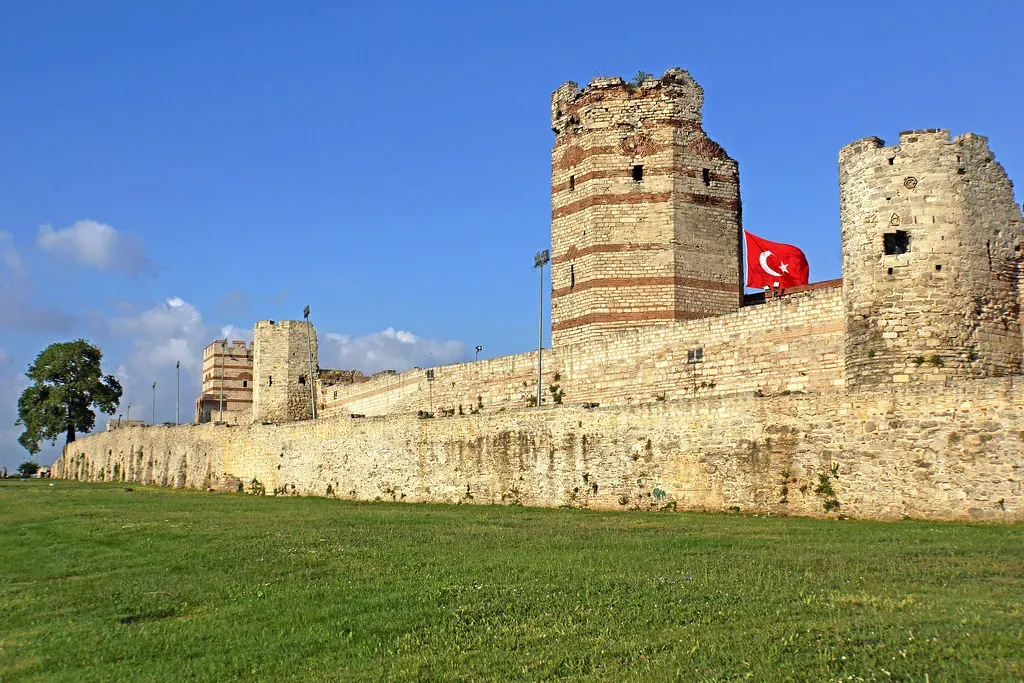
Istanbul has worn many names and empires, and each one left a trace that often ended up under someone else’s pavement. Modern roadworks, subway lines, and building renovations frequently expose buried streets, harbor installations, and residential areas from its Byzantine and Ottoman past. In some cases, construction teams digging a simple foundation have run into entire clusters of ancient ruins that no one expected in that exact spot.
The resulting pattern is almost like a palimpsest written in stone. A tram line might follow a route laid over an old processional road, while just beneath a busy square, archaeologists find the ghost layout of older neighborhoods. Some of the most dramatic surprises have come when tunnel boring for rail projects sliced into areas that revealed shipwrecks and older harbor infrastructure. For locals, it can feel frustrating when projects are delayed, but there is also a kind of pride in knowing that the city keeps forcing its own story to the surface, no matter how often it gets paved over.
7. London’s Roman City Beneath Financial District Towers
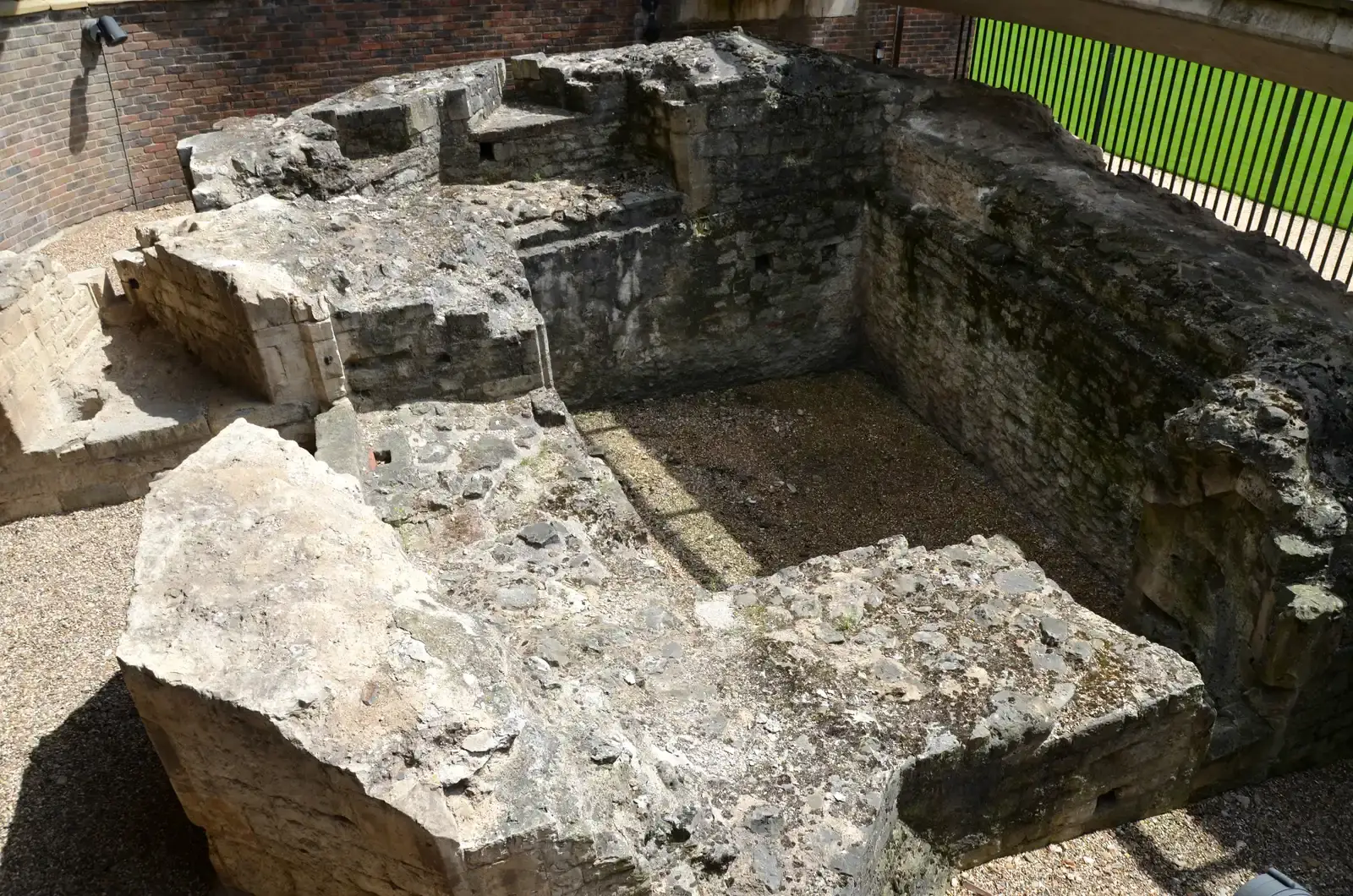
People walking through London’s financial district tend to look up at skyscrapers, not down at the ground, but under those glass and steel monsters lie the bones of Roman Londinium. For a long time, the old Roman city walls and streets were known in a general sense, but the true richness of what lay beneath was often revealed only when someone dug a fresh hole for a new office tower, a modern rail line, or updated utilities. Work in the twentieth and twenty-first centuries has exposed entire sections of streets, warehouses, and houses beneath the modern grid.
The irony is hard to miss: some of the world’s fastest financial trades are happening in buildings anchored directly into foundations that touch stones laid almost two thousand years ago. Construction crews have become used to stopping work while archaeologists race in to rescue what they can. It gives London a split personality: above ground, relentlessly modern and global; below ground, a preserved snapshot of a frontier trading town of a long-gone empire. Next time someone complains about a delayed construction project there, it might be because another hidden piece of that older city just surfaced.
8. Alexandria’s Buried Quarters Under Modern Egypt’s Streets
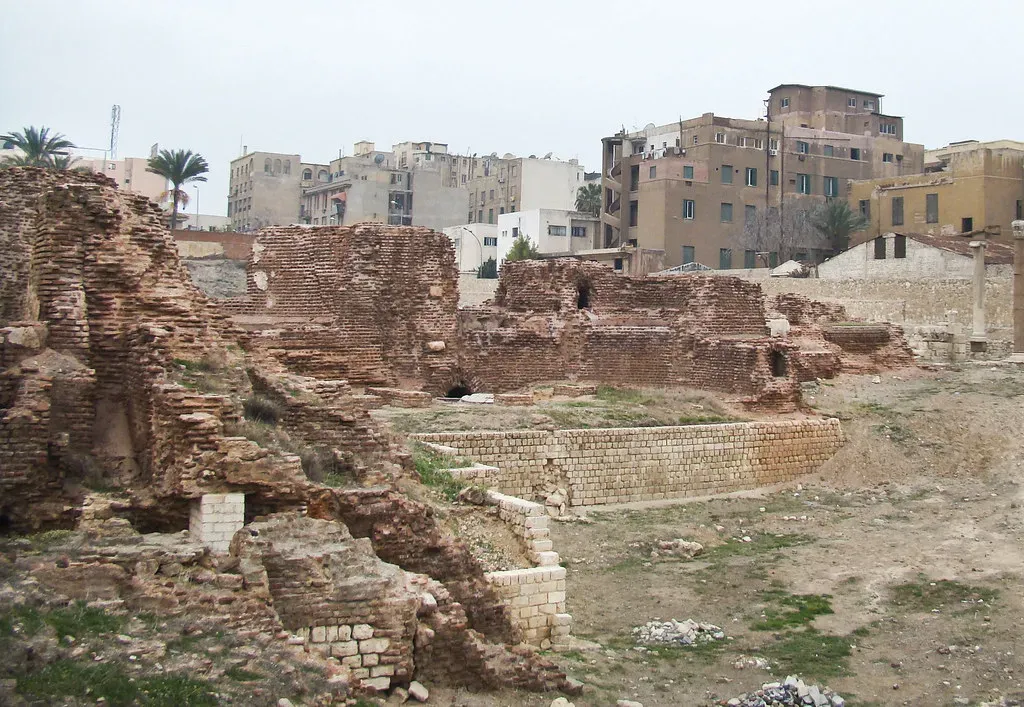
Alexandria, once one of the intellectual and commercial powerhouses of the Mediterranean world, has been repeatedly reshaped by earthquakes, coastal changes, and urban growth. Modern streets and apartment blocks often sit over zones where the older city either sank, was demolished, or became deeply buried by debris and new construction. When workers dig for foundations or municipal works, they occasionally strike old walls, floors, and sometimes even underground chambers that hint at lost neighborhoods.
Because the ancient city sprawled and was later heavily reworked, many remains end up in awkward places: under crowded residential areas, busy roads, or modern port facilities. That means that discoveries are often accidental and incomplete, glimpses rather than full reconstructions. Still, each new find helps piece together how the classical and later Hellenistic city once operated. For residents, it can be surreal to learn that a stretch of worn pavement outside a bakery marks the approximate line of what was once a major street leading toward legendary complexes now known mostly from texts and fragments.
9. Thessaloniki’s Ancient Avenue Beneath the Modern City Center
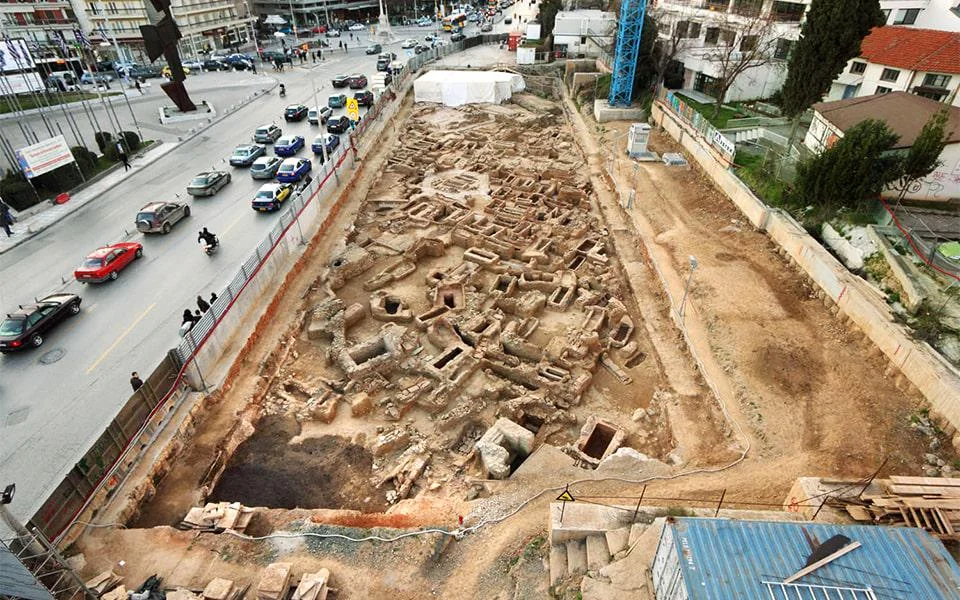
Thessaloniki, Greece’s second city, offers one of the clearest literal overlaps between past and present. When construction began on a modern metro line, crews unexpectedly hit the remains of a broad ancient avenue, complete with shops and public buildings, running right under a major modern thoroughfare. The layout of the buried street uncannily matched the road pattern still used today, proving that people have been walking the same route, just at different heights, for many centuries.
The discovery forced a tense but fascinating debate: should the modern transportation project simply remove or relocate the remains, or should the two layers be made to coexist somehow? The solution has involved a mix of preservation, partial relocation, and redesign, turning some stations into hybrid spaces that showcase sections of the unearthed city. To me, this kind of compromise is exactly what a mature urban society looks like: refusing to pretend that the past and present are separate, and instead letting commuters literally move through both at once on their daily journeys.
10. Beijing’s Buried Courtyards Beneath Expanding Districts
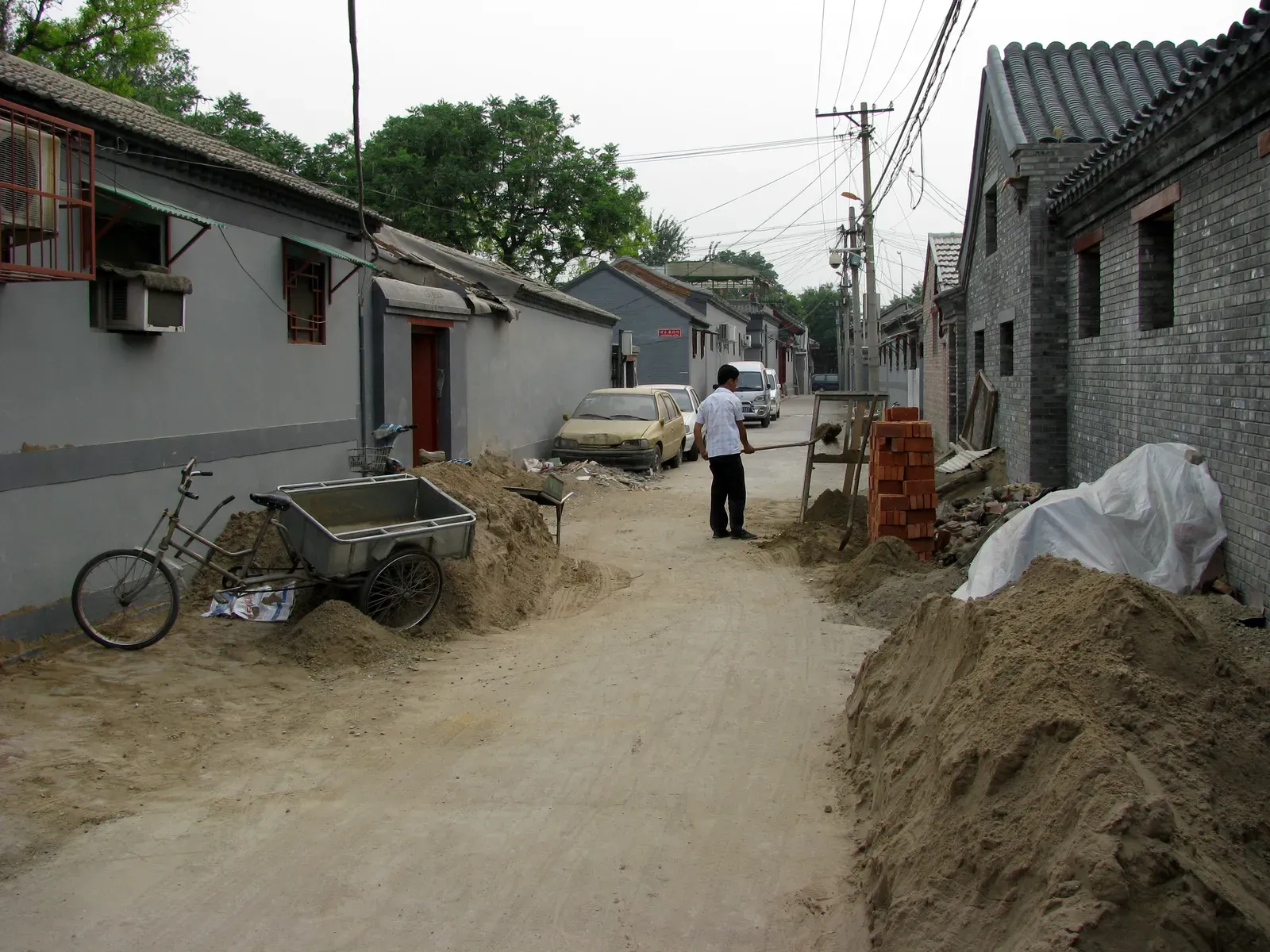
While Beijing is famous for its preserved hutong alleys and imperial avenues, rapid expansion in the twentieth and twenty-first centuries has also meant tearing through older layers of the city. In some areas, new roads and high-rise developments have uncovered traces of earlier courtyard homes and neighborhood layouts that were long erased from maps. These are not as ancient as Greek or Roman ruins, but they carry a different kind of weight: they are the buried remains of everyday life from recent dynastic and republican eras.
What makes these finds poignant is how quickly urban turnover can bury memory. A familiar courtyard may be demolished, its foundations sunk beneath new asphalt, and within a couple of generations people forget it ever existed. Then, when utility workers open the street for pipes or cables, brickwork, wells, and fragments of household life appear like a time capsule from just a few lifetimes ago. It shows that “lost cities” are not always distant or exotic; sometimes they are simply the version of your own town that your great-grandparents would recognize but you never knew.
11. Buenos Aires and the Submerged Colonial Streets of San Telmo
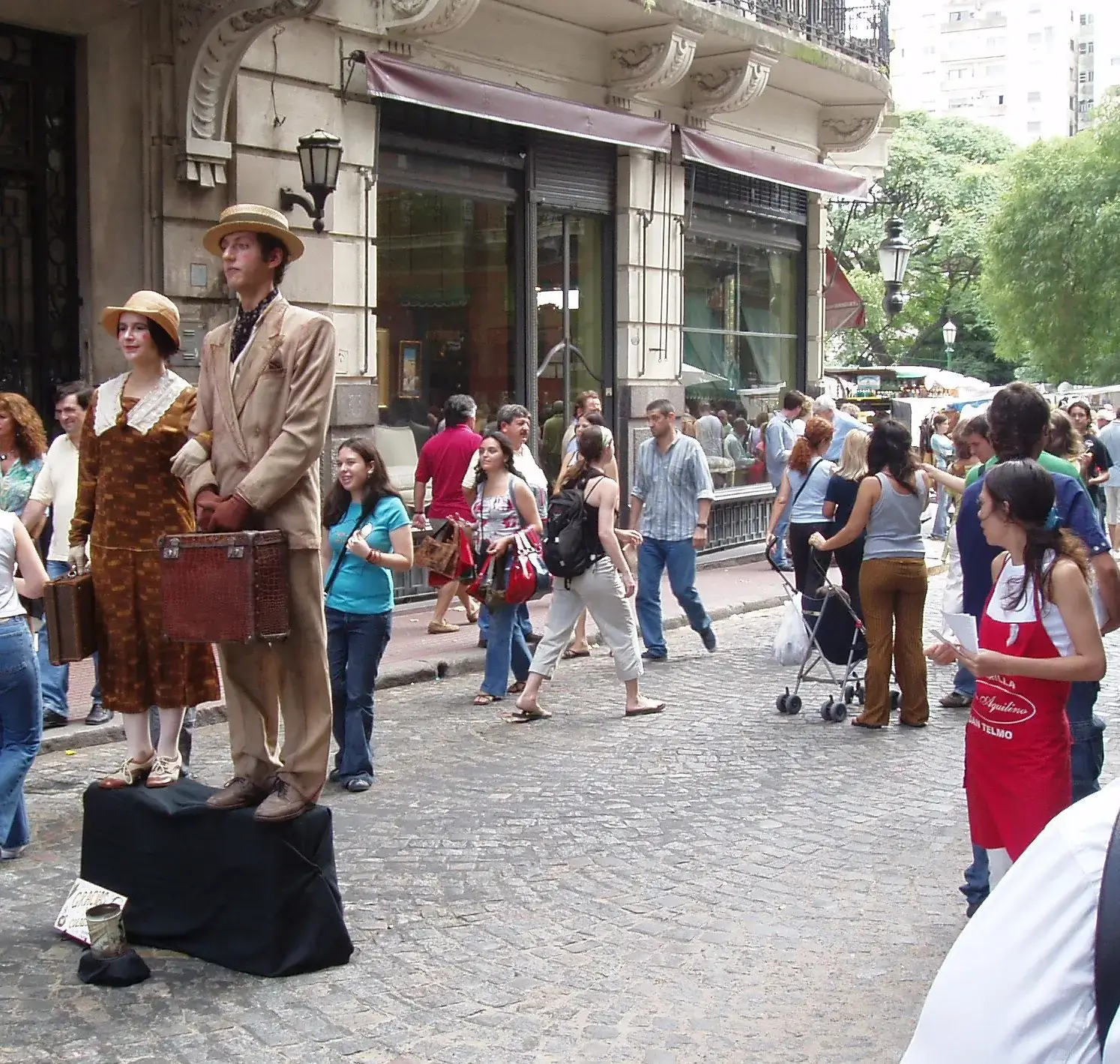
In Buenos Aires, the charming, cobbled neighborhood of San Telmo hides a deeper story just under its picturesque surface. In the nineteenth century, flooding and sanitation issues led authorities to cover or divert streams and reshape certain low-lying areas. Over time, streets were elevated, and some older passageways and building levels ended up effectively buried. Later restoration and renovation projects have opened up these lower levels again, revealing bricked-up arches, tunnels, and rooms that belonged to earlier phases of the city’s growth.
Exploring these spaces, you quickly sense how fragile a city’s shape really is. What looks like a permanent, historic streetscape turns out to be just the latest snapshot in a long chain of adjustments, repairs, and improvisations. Under the modern tourist cafés and tango bars lie traces of crowded immigrant quarters, service tunnels, and hastily modified drainage channels. Buenos Aires is a strong reminder that urban history is often about practical problem-solving – how to handle water, waste, and trade – and that those practical choices can end up burying whole slices of the city over time.
12. Derinkuyu and the Underground City Beneath a Quiet Town
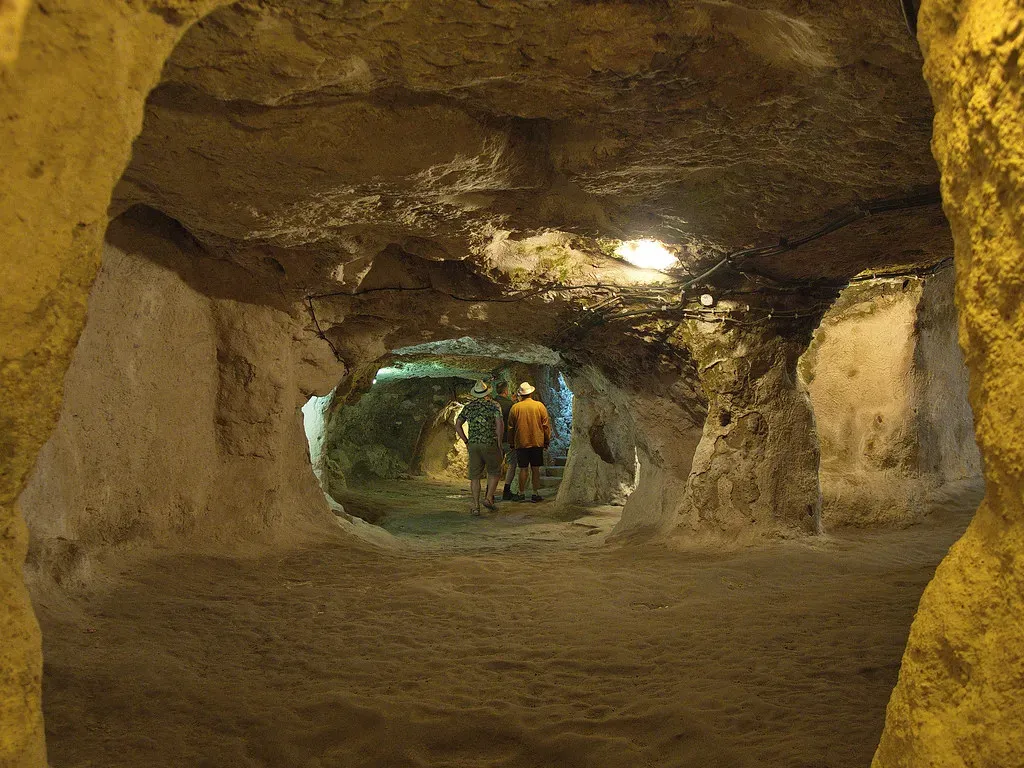
Not all buried cities sit directly under modern asphalt, but some are still dramatically hidden beneath present-day settlements. In central Turkey, the quiet town of Derinkuyu conceals one of the most extensive underground cities ever found. Local people had long used parts of the underground spaces as storage and shelters, but the true scale of the complex only became widely known in the twentieth century when renovations and deeper excavations connected multiple levels and tunnels. What emerged was a multi-story subterranean city with rooms, ventilation shafts, and passageways stretching under the modern town.
Even though Derinkuyu was not “accidentally” found in a single construction project the way a sewer crew might encounter ruins, its fuller discovery was deeply tied to modern building activity and curiosity about what lay beneath solid-looking floors. The underground city is an extreme case of layering: entire communities once hid and lived in rock-cut spaces while life above continued more or less as usual. Walking the quiet streets today, it is strange to realize that, beneath some of those houses and shops, there are still unused passageways carved by people who faced threats and conditions almost impossible to imagine from a casual stroll on a sunny afternoon.
Conclusion: Cities Are Palimpsests, Whether We Notice or Not
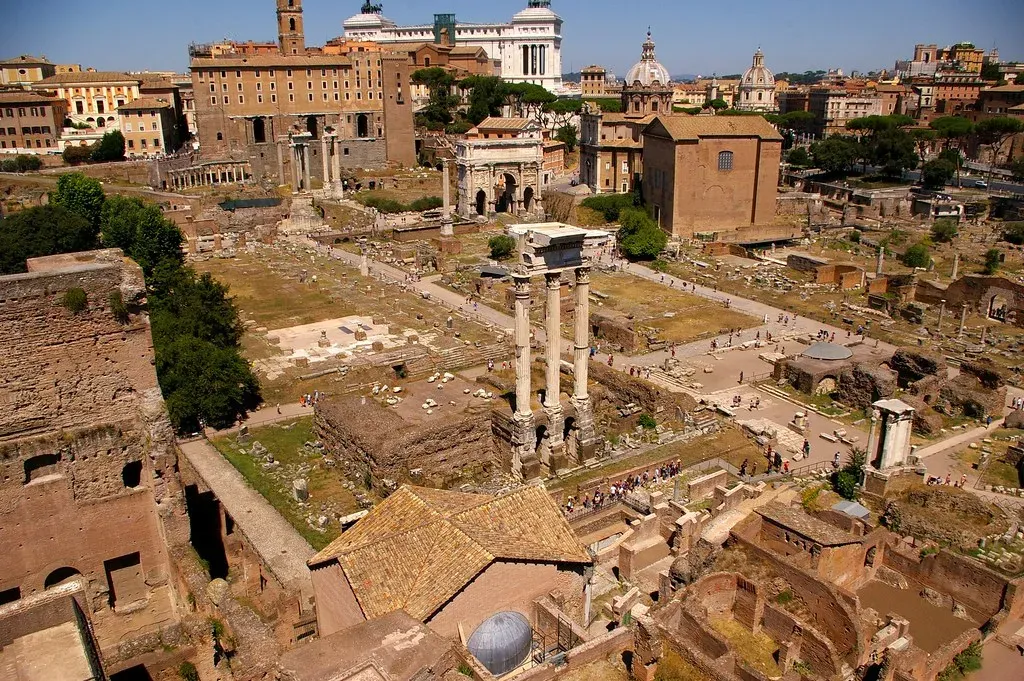
Looking across these twelve examples, one opinion seems inescapable: we seriously underestimate how much of our world is built on top of other worlds. Modern streets and plazas feel so solid and final that it is easy to forget they might be just one thin layer in a thick stack of human experiments in living together. From Seattle’s raised sidewalks to Tenochtitlan’s ruins beneath Mexico City’s traffic, each case is a quiet argument against the idea that progress is a straight line. Instead, it looks more like a messy overwrite, where old stories bleed through whenever a drill or backhoe cuts a little too deep.
Personally, I find that thought both humbling and oddly comforting. It means our own neighborhoods are probably not the last draft of the places we live in; someday, someone might stand above our buried streets and feel the same shiver of curiosity we feel now. Maybe the healthiest way to see a city is as a living palimpsest, where new layers should be added with a bit more respect for what they are covering. The next time you cross a busy intersection, it is worth asking yourself: if a future worker opened the ground right here, what forgotten city would they find under your footsteps?