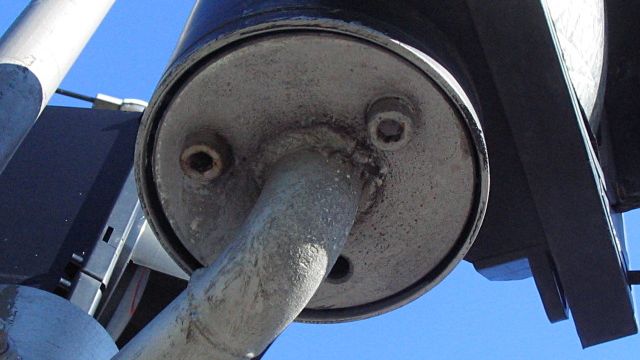

You have probably experienced it without even realizing it. A shadow in a dark room suddenly looks like a person staring at you. The front of a car seems to have eyes and a grin. A pattern on a wall, a cloud in the sky, or even the folds of a curtain briefly transforms into a human face. For a split second, your brain becomes completely convinced that someone — or something — is there. It can feel eerie, fascinating, or even unsettling, especially when the “face” appears in places where no face should exist at all.
This strange phenomenon happens because the human brain is wired to recognize faces faster than almost anything else in the world. Scientists call it pareidolia, a psychological tendency that pushes your mind to create familiar patterns out of randomness. Deep inside the brain, specialized regions are constantly scanning the environment for eyes, mouths, and expressions because throughout human evolution, recognizing another human face quickly could mean the difference between safety and danger. The result is a brain so eager to detect faces that it often invents them in empty spaces, turning ordinary objects into silent watchers that exist only inside your mind.
The Unsettling Moment You See a Face That Isn’t There
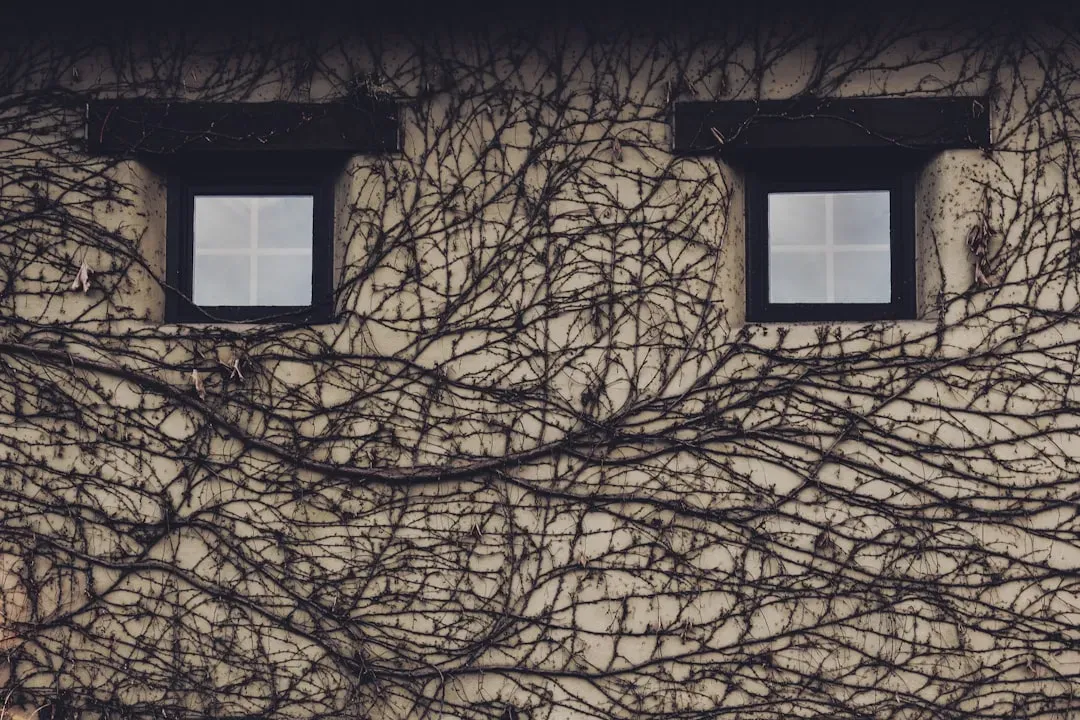
You have probably experienced it without even realizing it. A shadow in a dark room suddenly looks like a person staring at you. The front of a car seems to have eyes and a grin. A pattern on a wall, a cloud in the sky, or even the folds of a curtain briefly transforms into a human face. For a split second, your brain becomes completely convinced that someone – or something – is there. It can feel eerie, fascinating, or even unsettling, especially when the “face” appears in places where no face should exist at all.
This strange phenomenon happens because the human brain is wired to recognize faces faster than almost anything else in the world. Scientists call it pareidolia, a psychological tendency that pushes your mind to create familiar patterns out of randomness. Deep inside the brain, specialized regions are constantly scanning the environment for eyes, mouths, and expressions because throughout human evolution, recognizing another human face quickly could mean the difference between safety and danger. The result is a brain so eager to detect faces that it often invents them in empty spaces, turning ordinary objects into silent watchers that exist only inside your mind.
Pareidolia: The Brain’s Talent for Making Something Out of Nothing

Pareidolia is the tendency to see meaningful patterns – especially faces – where there are only random shapes or noise. Think of spotting animals in clouds, hearing a ghostly voice in static, or seeing a “man on the moon” in craters and shadows. Our brains absolutely hate randomness; they would rather impose a story than accept that something might just be meaningless visual chaos. With faces, this instinct runs on overdrive, which is why we see them in toast, plug sockets, bathroom tiles, and even on the surface of distant planets.
From a neuroscience perspective, pareidolia shows that perception is not a passive recording of the outside world but an active guess. The brain constantly predicts what it expects to see and then checks the incoming data against those predictions. If there’s even a vague hint of two dots and a line, the “face” prediction lights up faster than you can consciously correct it. In a way, your brain would rather be wrong than miss the chance of spotting another person, which tells you how deeply social perception is built into its wiring.
Why Seeing Fake Faces Was a Good Survival Strategy
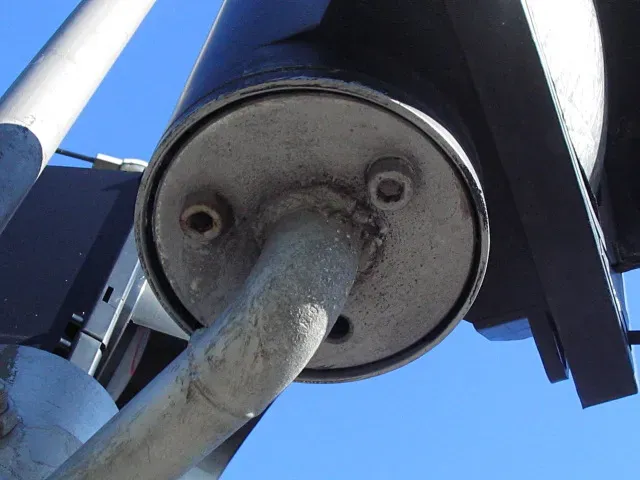
From an evolutionary standpoint, it is far safer to mistake a rock for a face than a face for a rock. Imagine living in a world with predators, rival groups, and uncertain alliances; failing to notice a watching pair of eyes could be deadly. Misreading a shadow as a hidden person costs you a brief scare and maybe a racing heart, but missing a real hidden person could cost you your life. Over time, brains that leaned toward “better safe than sorry” when it came to detecting faces and eyes had a survival edge.
This bias toward hyper-detection lingers in us today, even though most of our “threats” now are more likely to be emails than tigers. When you walk alone at night and your pulse spikes because you think you see someone in the bushes, that is the same ancient mechanism flaring up. The environment has changed drastically, but the circuitry that once helped our ancestors navigate danger and social dynamics is still pushing us to assume a presence, a watcher, a mind – even when all that’s really there is a mailbox or a tree trunk.
The Brain’s Face-Detection Hardware: How Vision Cheats for Speed
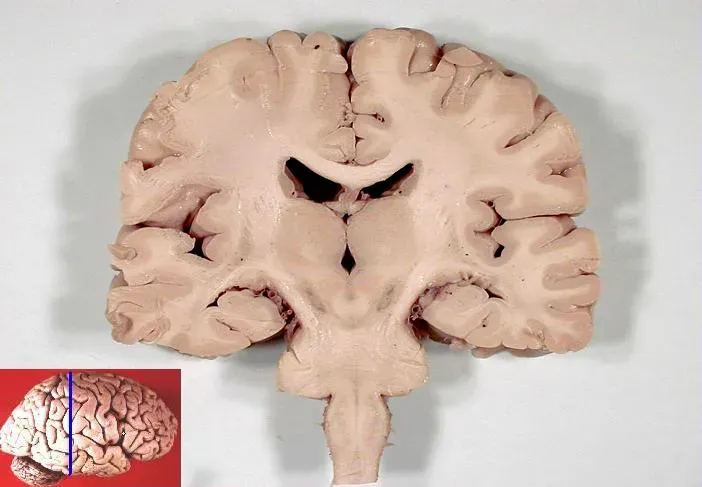
Buried in the temporal lobes of the brain is a region that lights up strongly when we see faces, often called the fusiform face area. This patch of cortex is so tuned for faces that it responds not only to real faces but also to crude, cartoonish approximations – two dots and a curve can be enough. This specialization makes sense when you consider how important faces are for recognizing who someone is, reading emotions, and predicting behavior. The brain allocates precious real estate to this job and then runs it like a high-speed filter on everything the eyes bring in.
The catch is that this system prioritizes speed over precision. Instead of waiting to be absolutely sure something is a face, it fires early and lets conscious awareness clean up the mistakes afterward. That’s why you can “see” a face in a second, only to realize half a second later that it’s just a pattern in the carpet. The system seems to operate on a rule like: if it might be a face, treat it like one for a moment. Empty spaces, stains, bark, and random textures are constantly being pushed through this face template, and every now and then, the match is good enough to trigger that little internal yes.
The Social Brain: Why Faces Matter More Than Almost Anything Else
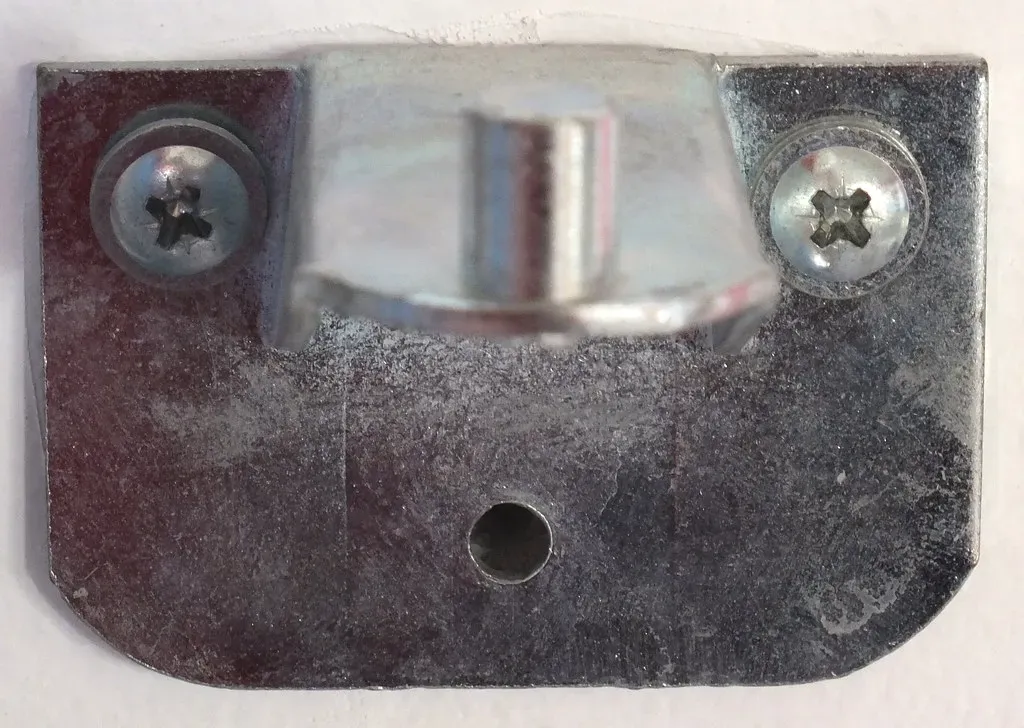
Humans are unbelievably social creatures, and our brains behave as if other people are the most important part of the environment. Faces carry information about identity, mood, intentions, status, age, health, and even trustworthiness. In a crowded room, your attention gets pulled toward faces automatically, often before you notice colors, objects, or even sounds. This bias is so strong that newborn babies already show a preference for face-like patterns long before they understand what a face really is.
Because we rely so heavily on facial cues to navigate relationships, cooperation, and conflict, our brains treat faces as high-priority items in the visual landscape. When something even faintly resembles a face, that social machinery kicks in: you might feel watched, comforted, or amused by a “smiling” plug or a “shocked” mop bucket. It’s almost like your mind is desperate not to miss a potential social signal, so it floods the zone with face detection, even if it means constantly hallucinating expressions where there are only dents and dots.
Emotion, Loneliness, and Why We See Faces More When We Need Them
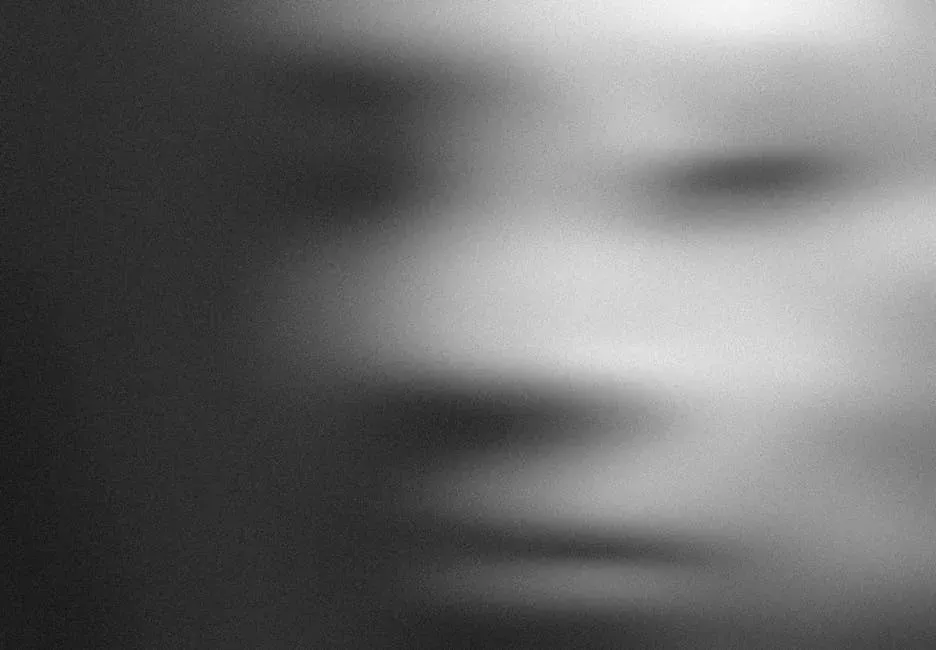
Interestingly, people often report seeing more faces in things when they are anxious, lonely, or primed to think about other minds. When you feel on edge, your brain’s threat radar becomes more sensitive, making it more likely to interpret an ambiguous shape as a person who might be watching or approaching. On the flip side, when you feel isolated or starved of social contact, even a faint suggestion of a friendly, familiar shape can feel oddly comforting. It is as if the brain is more willing to conjure up signals of presence rather than accept the idea of complete emptiness.
I’ve noticed that during stressful times, I catch myself reading expressions into totally lifeless objects – a “judging” coat hook, a “sad” stain on the ceiling, a “surprised” car front. That sounds a bit silly when you say it out loud, but it fits with how emotionally hungry the brain can be for social cues. When emotions run high, our perception bends; we overread intention and personality into things that have neither. These little hallucinated faces become mirrors for how we feel, reflecting our fears, hopes, and moods back at us from the most unlikely surfaces.
When Face Hallucinations Cross Into Illusion: Brains Under Strain
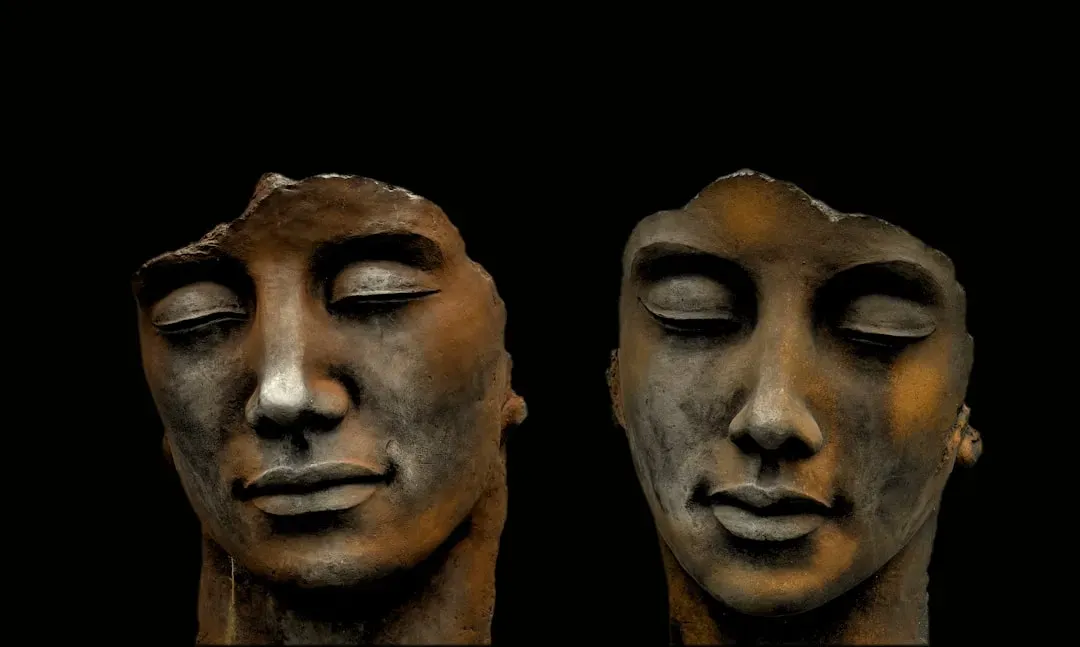
Most of the time, seeing faces in random patterns is harmless, even playful, but it can also reveal how fragile our grip on reality can be when the brain is under strain. Sleep deprivation, certain neurological conditions, or psychoactive substances can amplify pareidolia, making faces and figures appear more vivid, more numerous, and harder to dismiss. In these states, what starts as a light misperception can slide into something that feels more like a full-blown illusion or even a hallucination. The same machinery that gently suggests “that looks like a face” can, in extreme cases, insist “that is a face” in a way that’s hard to argue with.
This overlap is a reminder that normal perception and altered perception are not separated by a sharp cliff but by a long, gradual hillside. Face pareidolia sits near the ordinary end of that slope, a small but telling example of how the brain always interprets rather than simply receives. When the balance of chemicals, sleep, or sensory input shifts, that interpretive system can overshoot, filling blank walls with watching eyes. It is a slightly uncomfortable thought, but a useful one: what we see is always a negotiation between the outside world and the inner workings of our nervous system, and that negotiation can be pushed around more easily than we like to admit.
Cultural Stories, Superstition, and Our Need for Meaningful Faces
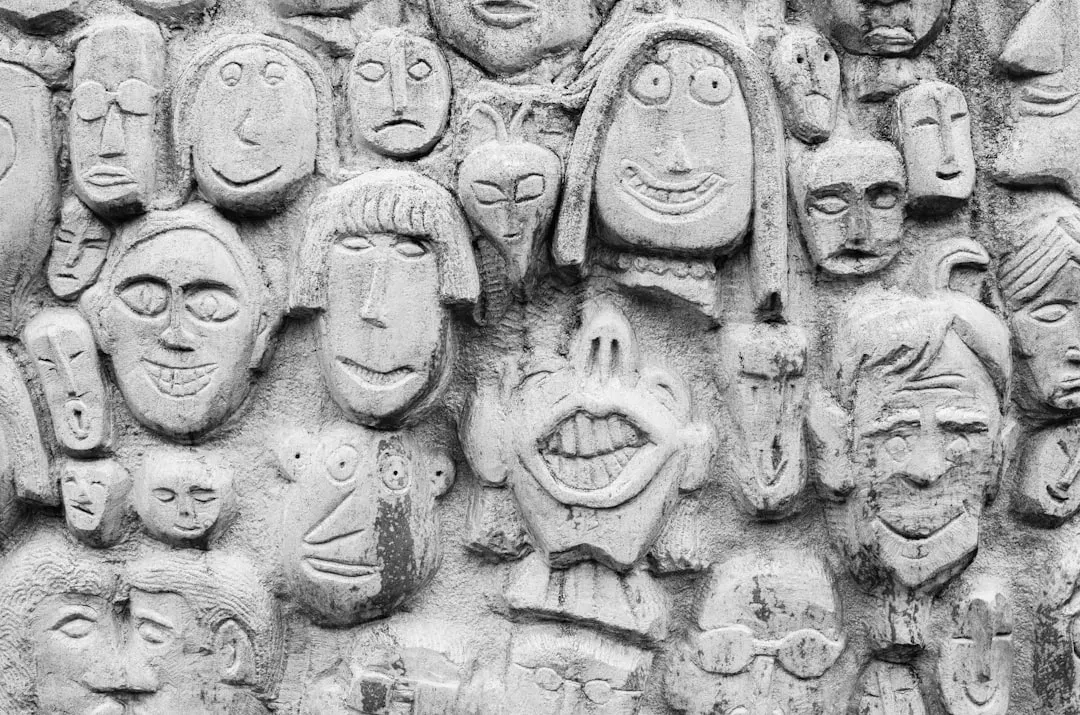
Across cultures and history, people have taken these accidental faces very seriously, seeing them as omens, signs, or messages. A face in a piece of fruit might be read as a blessing, while an angry-looking knot in a plank of wood might fuel ghost stories. Once a community agrees that a certain pattern is special, the shared belief can become stronger than the simple visual coincidence that started it. The human drive to look for meaning in randomness fuses with the face-detection system, creating powerful narratives that can spread and stick for generations.
Even in a scientific, hyper-connected world, this impulse has not gone away; it has just moved onto new surfaces. People still share photos of “holy” images in everyday objects or unsettling faces in home cameras and urban landscapes. Social media amplifies our natural tendency to see faces and to read them as significant, whether spiritually, politically, or personally. You do not need to be superstitious to feel a little chill when you see a particularly vivid face in a burned piece of toast or a cloud at sunset. Deep down, the mix of pattern-recognition, storytelling, and emotion is one of the most human blends we have.
From Quirk to Superpower: How Artists and Designers Use Face Hallucinations

The fact that our brains hallucinate is not just a curiosity; it is a tool artists and designers can wield. Product designers often give objects “faces” on purpose, arranging knobs, lights, and openings in ways that make gadgets look friendly, serious, or playful. That is how you end up with a car that seems aggressive, a speaker that looks cheerful, or a building facade that feels like it is quietly observing the street. They are essentially hacking the brain’s face template, turning hard metal and plastic into something that feels subtly alive.
Visual artists also tap into pareidolia to invite viewers to find their own figures in abstract compositions, textures, or layered images. When you stare at a painting or a photograph long enough and start to see faces emerging from the chaos, you are co-creating the image with your own neural machinery. I actually love this aspect of the brain; it means that perception is not just about accuracy but also about play. Our tendency to see faces where there are none can make the world feel richer and more animated, like reality comes with a built-in augmented layer that only appears if you are willing to look twice.
Conclusion: A World Haunted by Faces, or a Brain Haunted by Meaning?
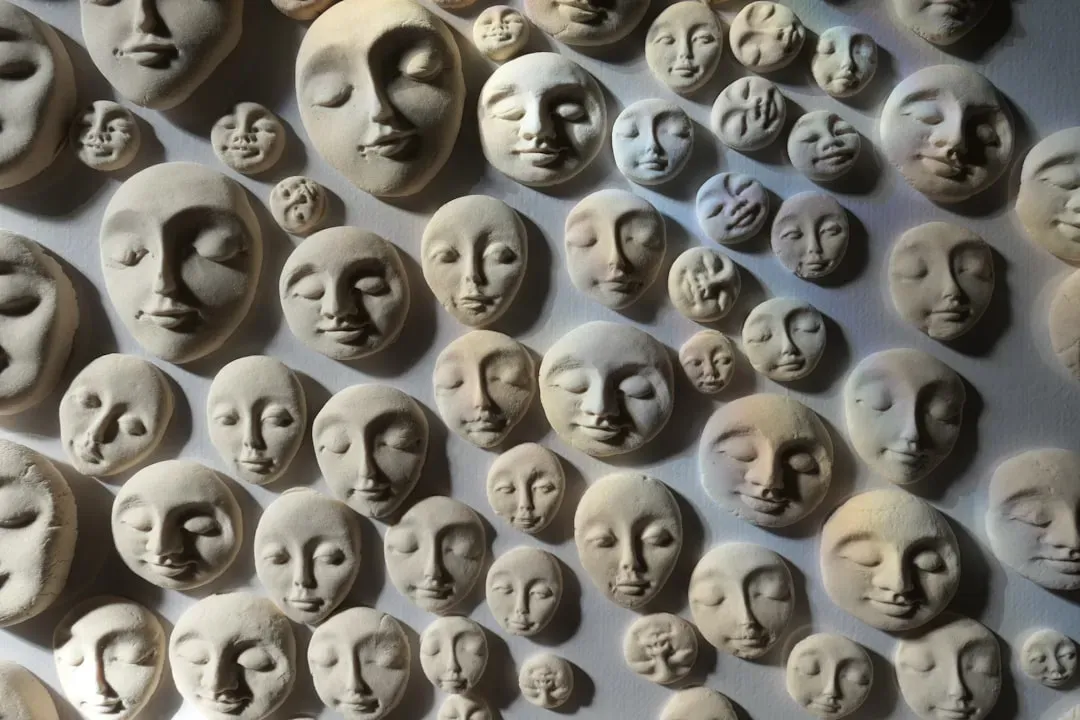
If you zoom out, the fact that we hallucinate is not a sign of weakness but a clue to what the brain cares about most. We are wired to overvalue the possibility of other minds around us, to lean into connection, threat detection, and storytelling. Personally, I think it is better that our perception errs on the side of seeing someone where there is no one, rather than dismissing the presence of others too easily. That bias has probably kept our species alive, and it still shapes how we move through crowded cities, online spaces, and even quiet bedrooms at night.
At the same time, there is something humbling in realizing just how aggressively our brains polish and edit reality. Those ghostly faces in doorways, cars, and clouds are little reminders that what we see is never just “out there,” but always filtered through an ancient, emotional, and sometimes overexcited organ. Maybe the real question is not why the world seems full of faces, but why we are so determined to find them – even when the world is silent and blank. The next time your brain insists a stain on the wall is staring back at you, will you brush it off as a quirk, or will you see it as proof of how desperately human we really are?