
There’s something mesmerizing about watching molten lava pour into the sea, hissing and steaming as it gives birth to brand-new earth. Yet, on the wild volcanic shores of Hawaii, this natural spectacle hides a delightful surprise: some of these newborn landforms are taking on shapes that look uncannily like turtles. It’s a phenomenon that sparks wonder, curiosity, and a touch of humor. Scientists, locals, and tourists alike are marveling at how nature’s most violent process can produce such whimsical results. What does it mean when the land itself seems to pay tribute to one of Hawaii’s most cherished creatures? Let’s journey into the heart of these molten mysteries, exploring the science, significance, and strange beauty of Hawaii’s turtle-shaped lava land.
The Fiery Birth of New Hawaiian Land
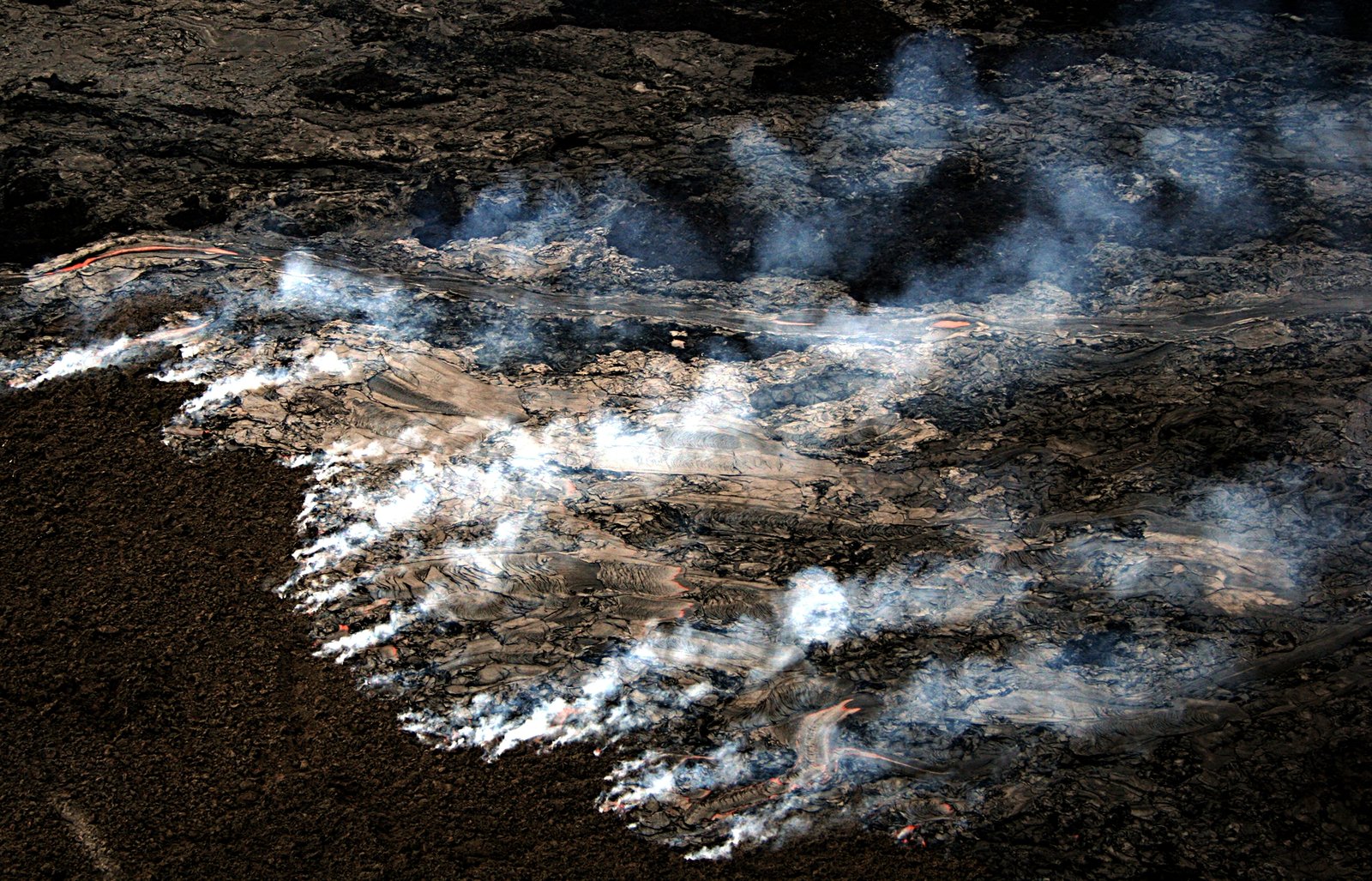
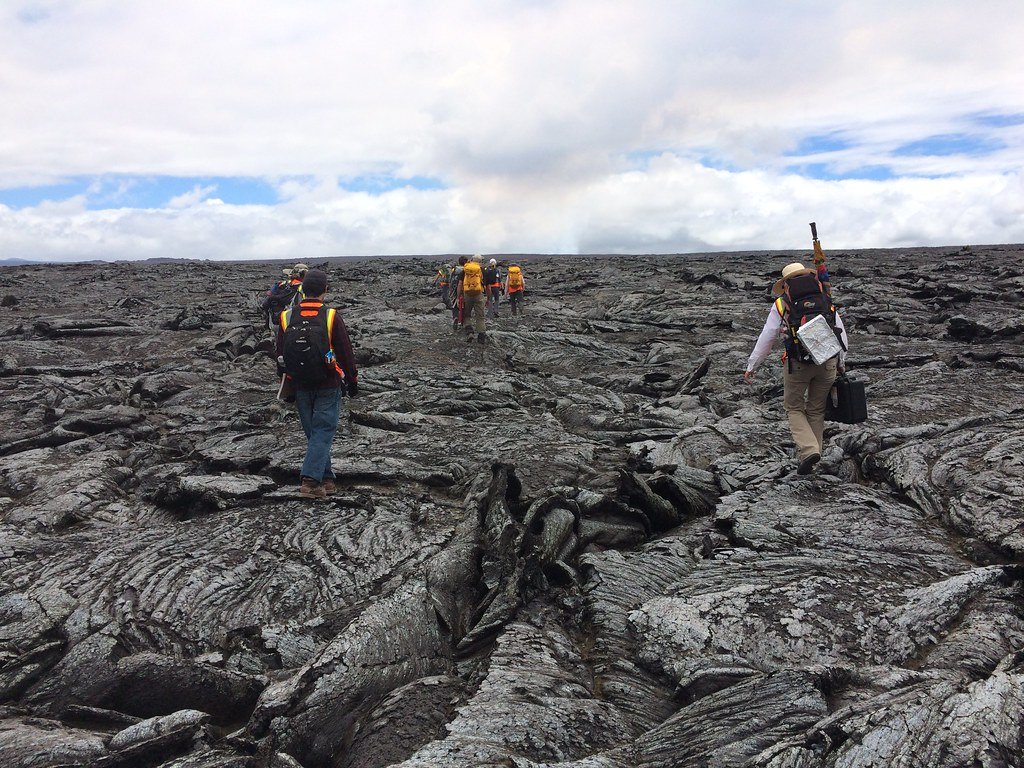
Hawaii is one of the few places on Earth where land is still being created right before our eyes. When lava from the Kīlauea or Mauna Loa volcanoes erupts, it flows down toward the ocean, cooling and hardening as it meets the water. Over weeks, months, or even years, these flows pile up, extending the island’s shoreline and sometimes creating completely new beaches, cliffs, or fields. The process is violent, but it’s also a source of endless fascination for scientists and visitors alike. Imagine standing on ground that didn’t exist a year ago—ground that owes its very existence to the unstoppable force of nature. The air smells of sulfur and salt, and the ground beneath your feet is warm, crackled, and sometimes still steaming.
Lava’s Mysterious Shapes: More Than Random Chance?
One of the most surprising things about new lava land is its unpredictable shapes. Sometimes the lava cools in jagged, sharp-edged patterns, while other times it forms smooth, rounded mounds. Recently, observers have noticed that some of these shapes bear a striking resemblance to turtles—complete with rounded “shells,” “heads,” and even “flippers.” It’s almost as if the island itself is honoring the honu, Hawaii’s beloved green sea turtle. While these shapes are mostly a product of chance, local legends and stories add a magical twist, suggesting that these formations are more than just geological accidents.
The Science Behind the Turtle Formations
How does lava end up looking like turtles? Scientists say it’s all about the way the molten rock moves and cools. When lava flows slowly and steadily, it can pile up in bulbous, dome-like shapes. If a crust forms on top while the lava inside is still moving, the surface can crack and bulge, creating natural “segments” that resemble a turtle’s shell. Sometimes, pieces break off or get pushed aside, forming what look like heads or limbs. These processes are governed by temperature, the type of lava, and even the slope of the land. In Hawaii, the unique combination of thick pāhoehoe lava and gentle coastal slopes makes these shapes more likely to appear.
Hawaiian Culture and the Sacred Honu
To Hawaiians, turtles—known as honu—are more than just animals; they’re symbols of wisdom, endurance, and good luck. They appear in countless stories, songs, and legends. Seeing turtle-shaped landforms rising from the sea feels almost like a blessing or a message from the island itself. Some locals believe these formations are a sign that the land is alive and responsive, paying homage to the creatures that have swum in Hawaiian waters for centuries. Whether or not you believe in these stories, it’s hard not to feel a sense of awe and connection when you see a turtle shape emerge from the earth itself.
The Role of Volcanic Eruptions in Shaping Ecosystems
Volcanic eruptions are often seen as destructive, but in Hawaii, they’re also creators. The new land formed by lava eventually becomes home to plants, insects, and birds. Over decades and centuries, what starts as barren rock transforms into lush rainforests or rich coastal habitats. When turtle-shaped mounds form, they sometimes become microhabitats, catching rainwater or providing shelter for small animals. In this way, the land doesn’t just look like turtles—it can help support the very turtles and other life forms that inspired it.
Tourist Fascination and the Power of Imagination
Tourists flock to Hawaii’s volcanic sites, hoping to witness the drama of an eruption or to walk on freshly formed earth. For many, spotting a turtle-shaped lava mound is a highlight of their trip. People snap photos, pose beside the turtle formations, and share their discoveries on social media. These shapes spark the imagination, turning scientific curiosity into childlike wonder. It’s a reminder that even in a world of hard science, there’s still room for delight and surprise.
Local Legends and Modern Mystique
Stories about turtles and lava have long been told in Hawaiian communities. Some legends speak of great turtles carrying islands on their backs, while others tell of guardian spirits who take the form of turtles to watch over the land. The appearance of turtle-shaped lava has breathed new life into these stories, blending ancient myth with modern science. Whether you see these shapes as random chance or messages from the past, they add a layer of mystique to Hawaii’s ever-changing landscape.
Ecological Implications of New Land
Every time new land is formed, it creates opportunities for ecological succession—the gradual process by which life returns to barren rock. Lichens, mosses, and ferns are often the first to colonize these surfaces, followed by shrubs, trees, and eventually, a thriving ecosystem. Turtle-shaped mounds may collect water and soil in their crevices, speeding up this process. Scientists study these areas to learn how life adapts and thrives in challenging environments, gaining insights that can help with conservation efforts worldwide.
The Unpredictable Future of Hawaii’s Coastline
With each new eruption, Hawaii’s coastline changes shape a little more. Some newly formed land lasts for centuries, while other chunks are quickly reclaimed by the sea. The next time a major lava flow reaches the ocean, who knows what shapes will emerge? Will more turtles appear, or will new creatures be “sculpted” by the molten rock? The only certainty is that Hawaii’s land is always in flux, a living record of natural forces at work.
Nature’s Artistry: When Science Meets Wonder
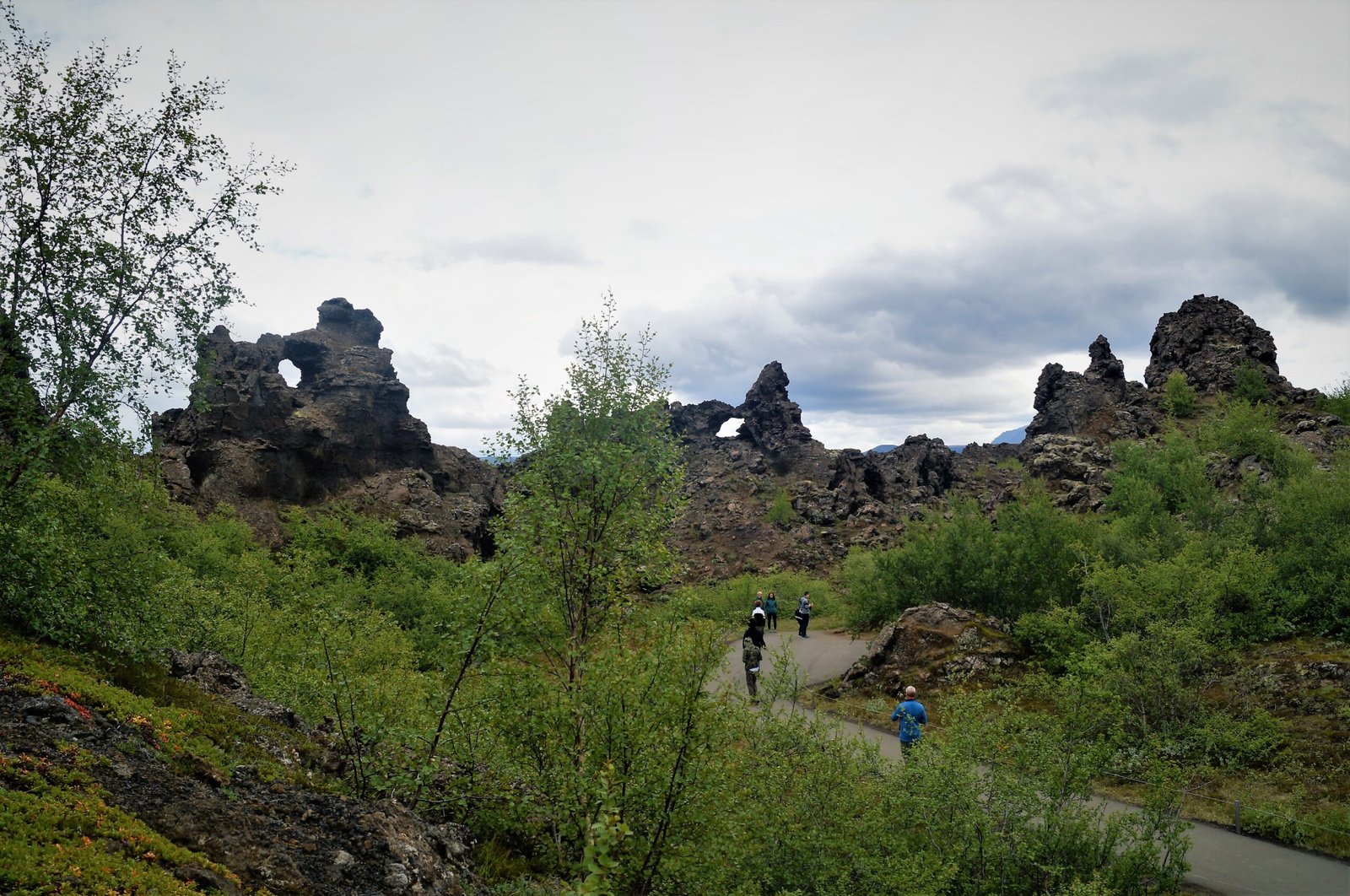
There’s something undeniably artistic about the turtle-shaped formations found in Hawaii’s newest land. Scientists can explain the processes that create these shapes, but the emotional impact goes beyond facts and figures. Seeing a turtle rise from the lava is like glimpsing nature’s sense of humor—or perhaps its deep respect for the creatures that share the islands. These formations invite us to look closer, to find meaning in patterns, and to remember that the world is full of surprises.
A Lasting Impression on All Who Visit
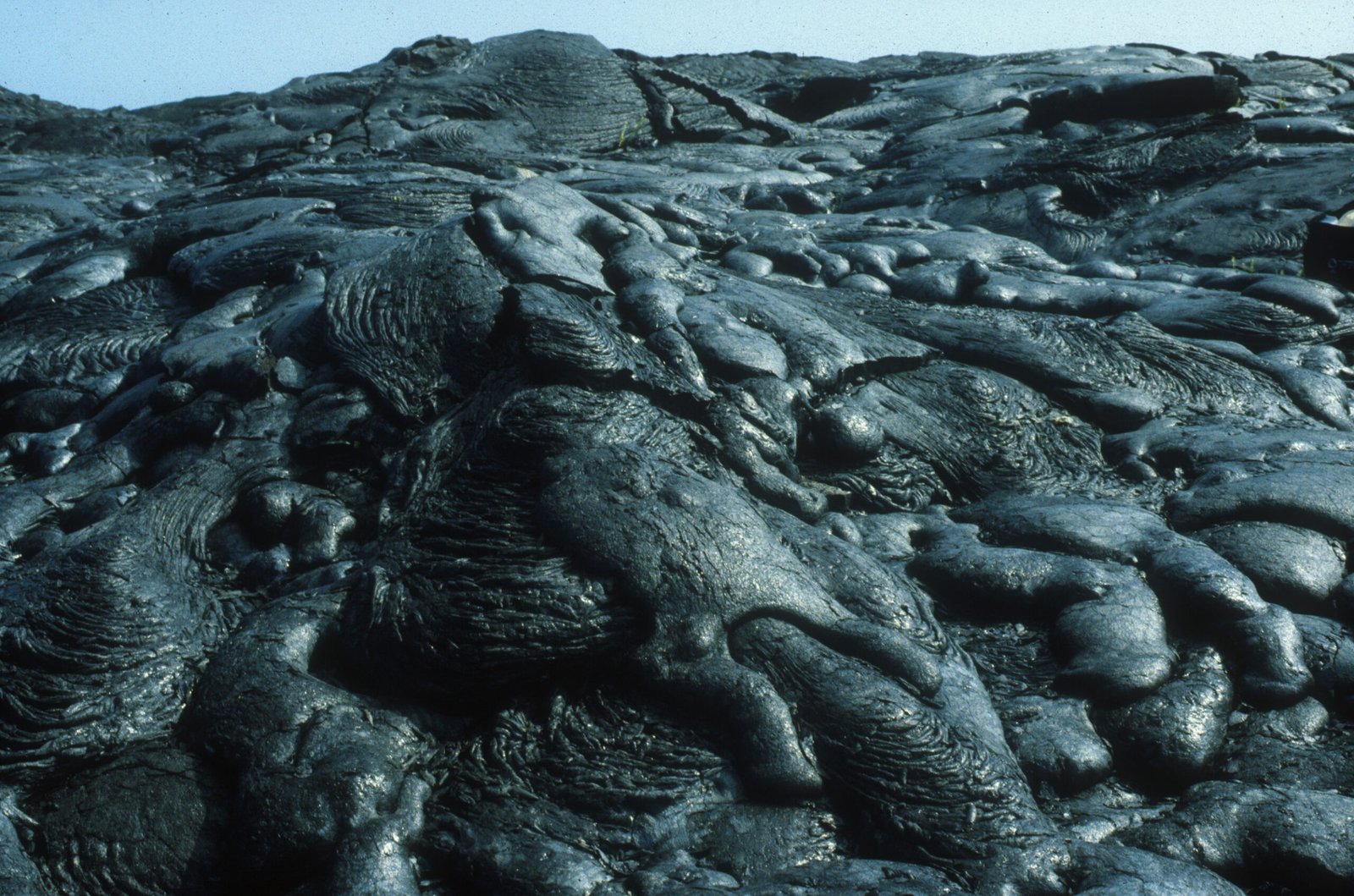
For those who witness Hawaii’s new land firsthand, the experience leaves a lasting mark. Standing at the edge of creation, seeing a turtle shape in the fresh rock, it’s impossible not to feel a mix of awe, gratitude, and curiosity. People leave with stories to tell and photos to share, forever changed by a moment when geology, culture, and imagination came together in a single, unforgettable sight. What shapes will the next eruption bring, and what stories will they inspire?