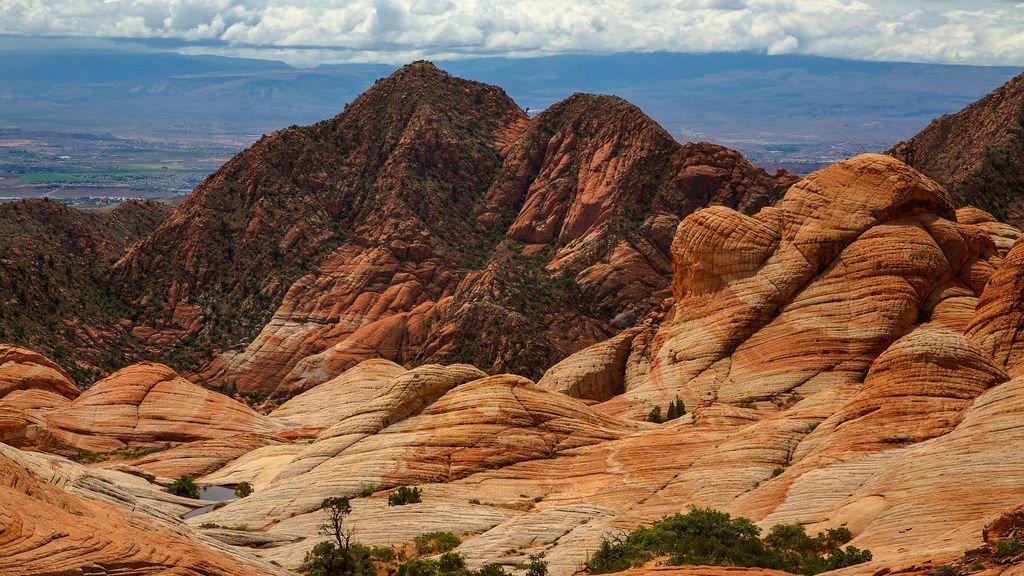
As the world lay blanketed in vast sheets of ice, the Ice Age was a time when the Earth was populated by colossal creatures that roamed its frozen landscapes. These giant mammals, often referred to as megafauna, ignited human curiosity and imagination, leading to tales and legends. But what if these tales were not entirely fiction? Could some of these magnificent beasts still roam hidden corners of the world? The possibility is tantalizing and worth exploring.
The Magnificent Mammoths
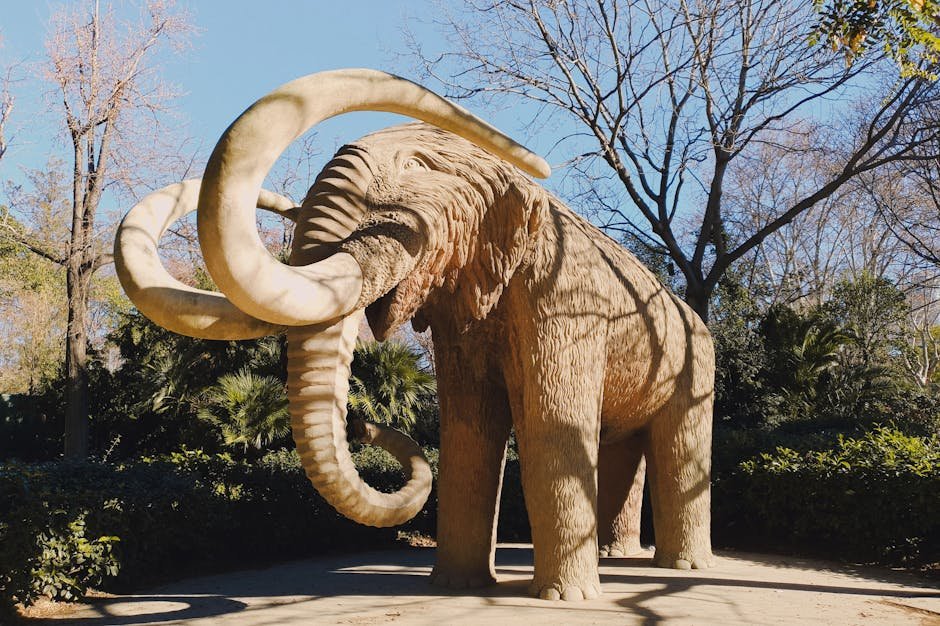
The woolly mammoth, with its shaggy coat and towering tusks, is perhaps the most iconic of the Ice Age giants. These creatures were well-adapted to the cold, with layers of fat and woolly fur protecting them from frigid temperatures. Surprisingly, recent discoveries of frozen mammoth carcasses in Siberia have sparked discussions about the potential for de-extincting these majestic animals. With advances in genetic technology, scientists are contemplating the possibility of bringing mammoths back, raising ethical and ecological questions about reintroducing a species long gone.
Sabertooth Cats: The Apex Predators
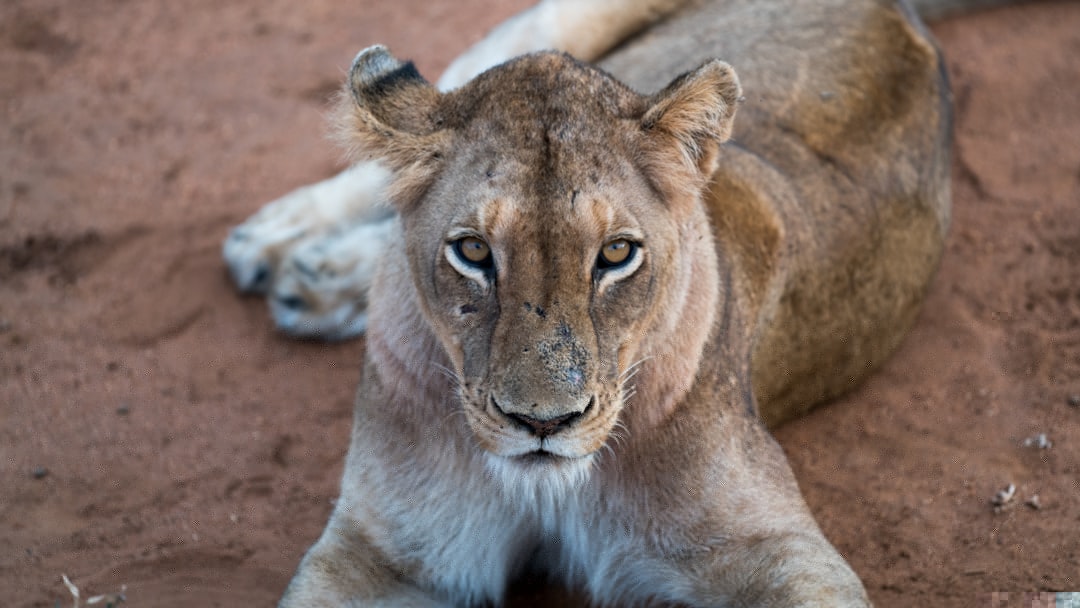
Sabertooth cats, often called sabertooth tigers, were formidable predators with impressive fangs that could grow up to seven inches long. These cats were adept hunters, using their powerful limbs and sharp claws to take down prey. While their fossils have been discovered across North and South America, the question remains: could any descendants have survived? Although unlikely, the idea of a sabertooth lurking in remote areas captivates the imagination and underscores the vast unknowns of our natural world.
The Enigmatic Giant Sloths
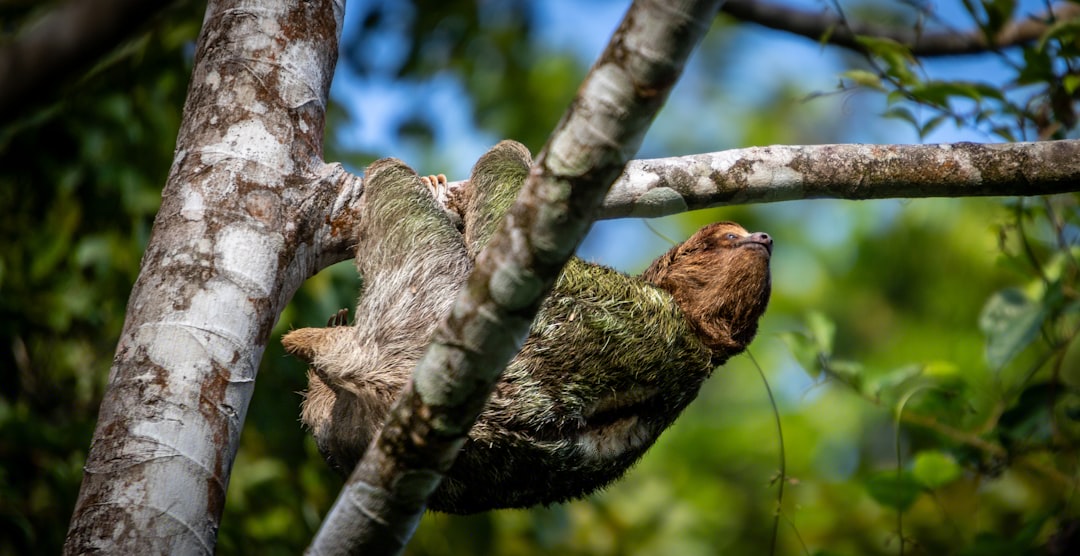
Megatherium, or the giant ground sloth, was a creature of immense size, often reaching up to 20 feet in length. Unlike their modern-day relatives, these sloths were terrestrial and roamed the grasslands and woodlands of the Americas. Their extinction, possibly due to human hunting, leaves a gap in our understanding of their ecological impact. Some believe that isolated populations might have survived in uncharted territories, a thought that fuels expeditions and research into the depths of dense forests where human footprints are rare.
Woolly Rhinoceroses: The Ice Age Behemoths
The woolly rhinoceros, another remarkable Ice Age relic, roamed the steppe landscapes of Europe and Asia. With their thick fur and large horns, they were well-equipped to survive harsh climates. While they are believed to have gone extinct around 10,000 years ago, stories of similar creatures in Siberia and Mongolia linger, suggesting that undiscovered populations might exist. These tales, though often dismissed as myths, remind us of the mysteries that still lie beneath the Earth’s surface.
Giant Beavers: Builders of the Past
Imagine beavers the size of bears, constructing massive lodges and shaping the waterways of ancient landscapes. The giant beaver, Castoroides, was a significant player in Ice Age ecosystems. Unlike modern beavers, these giants were not adept at felling trees but were skilled at creating aquatic habitats. Their extinction remains a mystery, but their legacy endures in the form of ancient dams and lodges that hint at the engineering prowess of these bygone architects.
The Towering Irish Elk

The Irish elk, known for its enormous antlers that could span up to 12 feet, was one of the most visually striking mammals of the Ice Age. Although called an elk, it was more closely related to deer. Their fossils have been found across Europe and Asia, sparking debates about their extinction. Climate change and habitat loss are often cited as causes, but the allure of their grandeur persists, with some wondering if hidden populations could still thrive in unexplored regions of Europe.
Glyptodonts: Armored Giants
Resembling giant armadillos, glyptodonts were armored mammals that once roamed South America. Their protective shells could weigh as much as a small car, providing defense against predators. Although believed to be extinct, the discovery of similar animals in remote South American areas raises the possibility of surviving relatives. Stories of mysterious armored creatures continue to intrigue scientists and adventurers alike, urging further exploration of the continent’s uncharted territories.
The Mysterious American Lion
The American lion, one of the largest feline species to ever exist, prowled the plains and forests of North America. Larger than today’s African lions, these predators commanded respect and fear. Their extinction, likely due to climate shifts and competition with humans, leaves a void in the continent’s top predator role. However, the allure of a surviving population hidden in remote areas remains a captivating notion, fueling both scientific inquiry and adventurous pursuits.
The Spectacular Steppe Bison
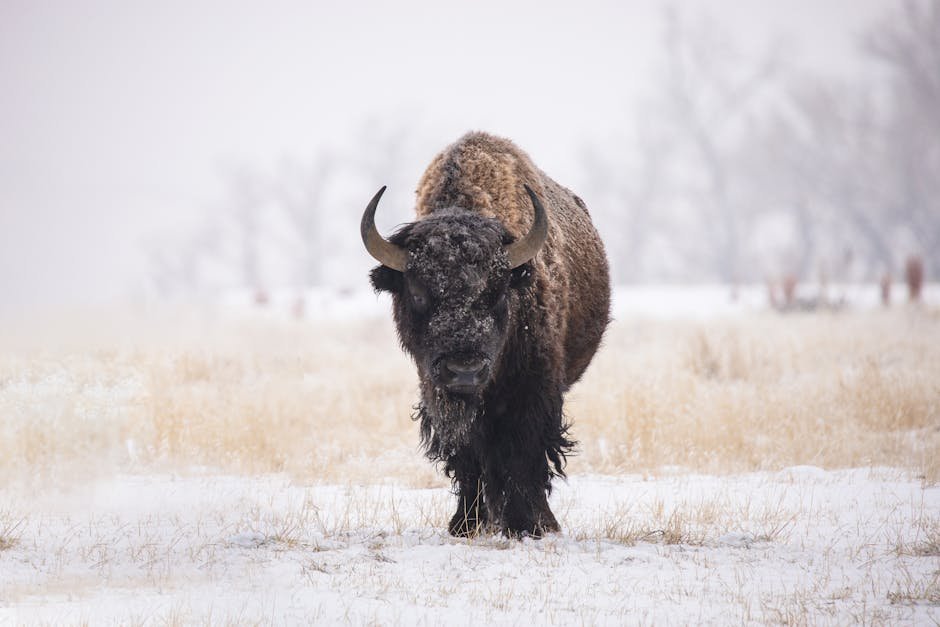
The steppe bison, with its massive horns and robust build, was a staple of the Ice Age fauna. These bison were well-suited to the cold, open landscapes of the northern hemisphere. While they eventually gave way to smaller bison species, their legacy lives on in the tales of large, mysterious bovines spotted in the wilderness. These stories, whether fact or fiction, serve as a reminder of the resilience and adaptability of nature’s creations.
Could They Still Be Out There?
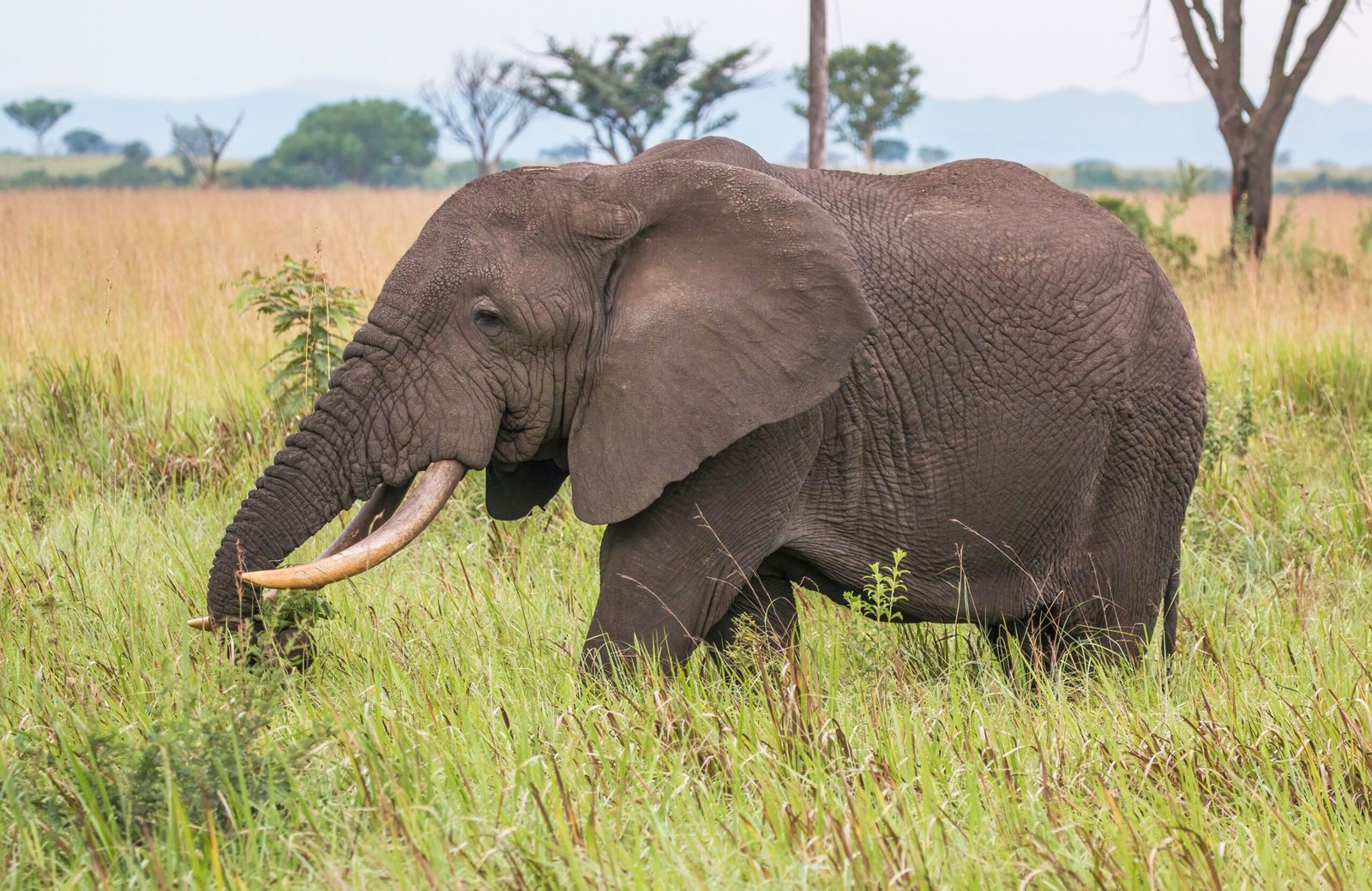
The idea that some Ice Age giants might still roam the Earth is both thrilling and daunting. While scientific evidence largely supports their extinction, our planet is vast and full of hidden corners that remain unexplored. The possibility of discovering living remnants of these majestic creatures continues to inspire curiosity and exploration. Whether through scientific breakthroughs or adventurous expeditions, the pursuit of these legends keeps the spirit of discovery alive, urging us to look beyond the known and embrace the wonders that our world still holds.