You probably grew up hearing people say that animals act on instinct while humans are the ones who truly feel. Yet, the more you look at what modern science is uncovering, the stranger that idea starts to sound. When you see a dog sulking when you leave, an elephant lingering over a dead relative, or a crow playing in the snow for no obvious reason, it gets harder to believe feelings are only a human thing.
Over the last few decades, researchers have quietly built a mountain of evidence that animals experience fear, joy, grief, jealousy, and maybe even something like awe. You are now living in a time when those old assumptions are being rewritten, experiment by experiment. As you walk through these discoveries, you may start to see the animals in your life less as background characters and more as emotional beings trying to navigate their world the way you navigate yours.
The Science Of Animal Emotions Is No Longer “Soft” Science
If you were talking to a biologist fifty years ago, you would probably be told that describing animal feelings was unscientific, maybe even sentimental. Today, if you sit in on a modern neuroscience lecture, you hear about brain circuits, hormone levels, and behavioral tests that link what animals do to what they feel. You are no longer asked to just “guess” an animal’s mood from its face; you can now connect certain emotions to measurable changes in heart rate, brain activity, and stress chemistry.
When you hear that a rat given a mild electric shock shows the same kind of fear-linked brain response as you do when you watch a horror scene, it becomes much harder to deny that something emotional is happening. Researchers now look at patterns: how an animal behaves, how its body reacts, and how its brain lights up under different situations. When all three line up the way they do in humans, you’re not just telling a sweet story about a sad dog or a happy dolphin; you are looking at data that ties behavior to real emotional states.
How Your Brain And An Animal’s Brain Overlap In Surprising Ways

When you picture your own emotions, you probably imagine something very complex and uniquely human. But if you looked inside your brain and the brain of a dog, a rat, or even a bird, you would find a surprisingly familiar layout, especially in the older, deeper regions. Structures involved in fear, pleasure, and attachment are not a human invention; they are ancient systems your species inherited from distant ancestors that other animals share with you today.
In experiments where scientists scan animal brains while they face something threatening or rewarding, they keep finding a similar story: fear centers spark when danger appears, reward centers respond to food or social contact, and bonding circuits activate when an animal is comforted by a familiar companion. If you ever felt that your cat understands comfort when it curls up on you while you are sad, these shared brain systems give that intuition some serious weight. You are peeking at a shared emotional architecture rather than a simple, mechanical reaction.
Joy, Play, And Laughter: Animals Are Not Just Surviving
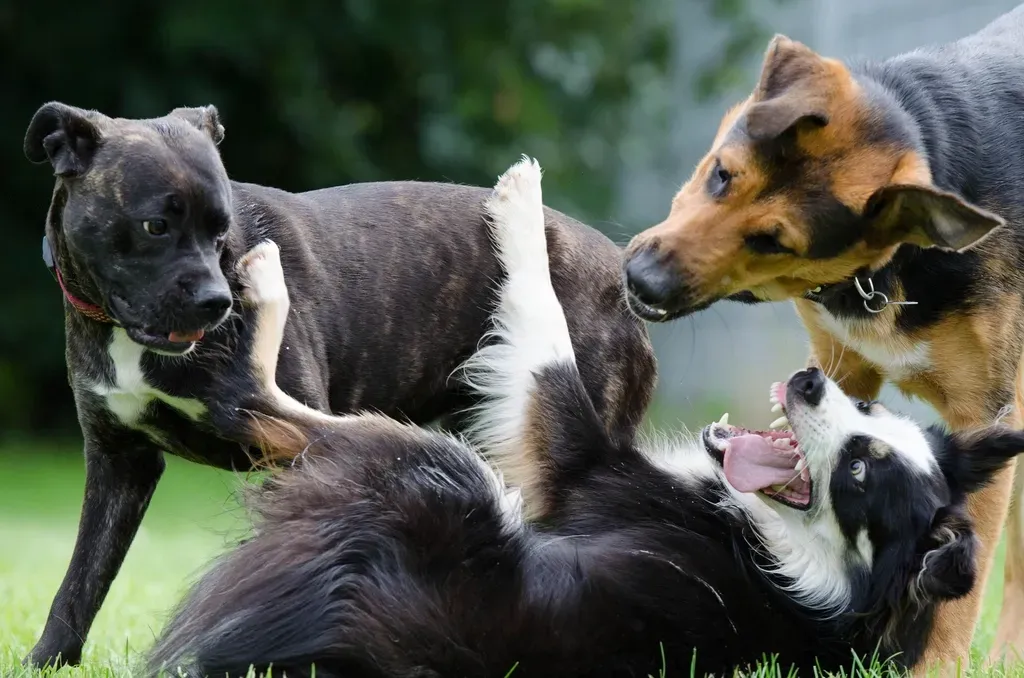
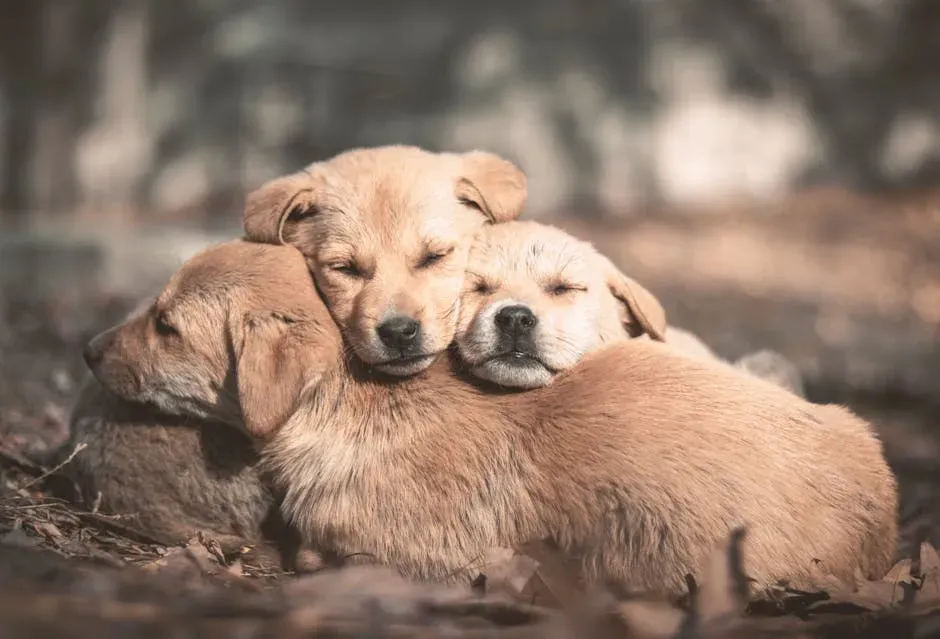
Think about what happens when a group of puppies tumbles around, chasing each other, pouncing, and then backing off just enough not to hurt anyone. You are not watching a cold survival strategy; you are seeing something that looks a lot like joy. Researchers studying play in animals have found that many species, from rats to ravens, engage in rough-and-tumble behavior or games of chase that do not give any immediate food, safety, or mating benefit. Yet they keep doing it, and their bodies respond with the same relaxed signals humans show when they are having harmless fun.
In some studies, when rats are tickled gently, they make high-pitched vocalizations that seem to show a playful mood, and they even seek out the hand that tickled them again. You might not hear this with your ears, but special microphones pick it up and reveal that these animals are “laughing” in their own frequency range. When you step back, you see a pattern: animals seek out play when they feel safe, they use it to build social bonds, and they display something that strongly resembles happiness. You are not the only species that plays just for the sheer joy of it.
Fear, Anxiety, And Trauma: Animals Can Carry Emotional Scars
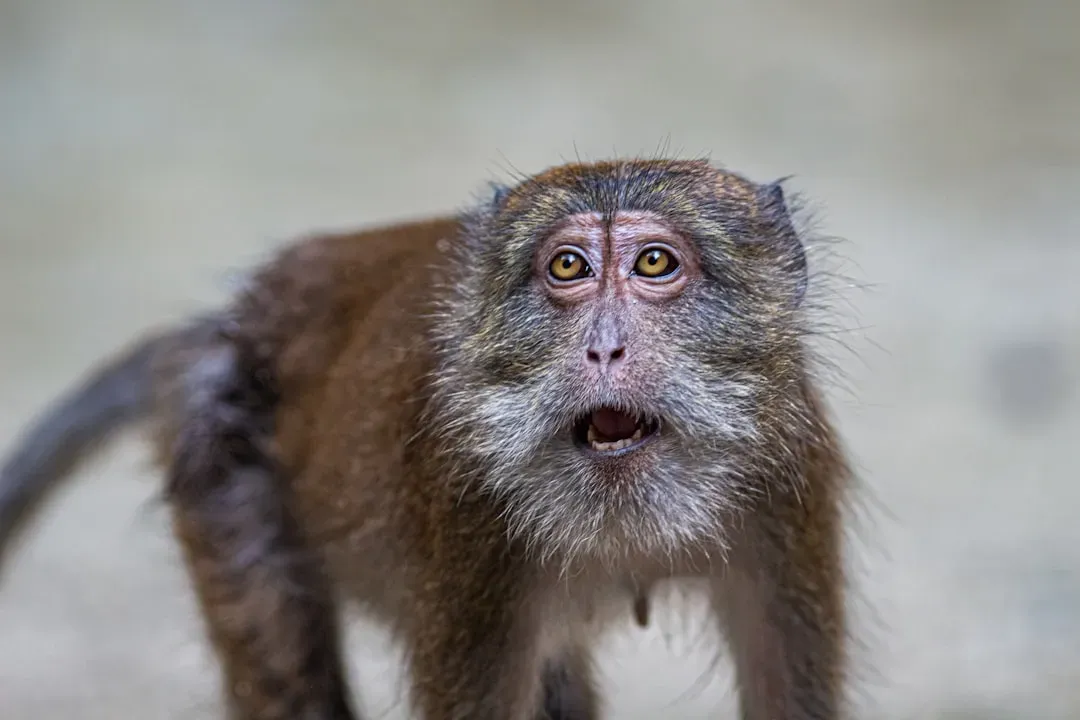
If you have ever lived with a dog adopted from a rough past, you already know that animals can carry old fears into new, safe environments. Science backs that up in a sobering way. When researchers expose animals to frightening events, they see changes that last far beyond the moment: jumpiness, avoidance of certain places or sounds, and overactive stress hormones that look strikingly similar to human anxiety responses. In some cases, these changes linger even after conditions improve, like emotional scars written into the nervous system.
Experiments have shown that if an animal repeatedly faces inescapable stress, it can stop trying to escape even when an exit finally appears, mirroring what you might recognize as a kind of learned helplessness. You start to see that trauma is not just a human word; it is a description of what prolonged stress and fear do to a brain and body, whether that brain belongs to you or to another species. When you recognize this, it becomes much harder to treat animal fear as something trivial or easily brushed aside.
Grief And Loss: How Animals Mourn Their Dead
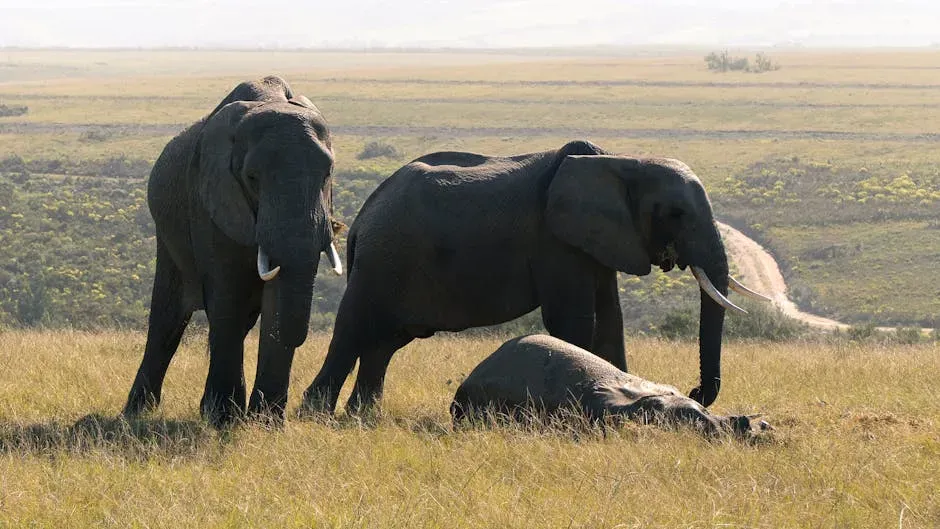
You might have seen a story about elephants returning to the bodies of their dead, touching the bones and lingering quietly, and wondered if you were just reading your own feelings into their actions. Yet long-term observations in the wild suggest that some animals really do respond to loss in ways that go beyond simple confusion. You see mothers carrying dead infants for days, group members staying near fallen companions, and changes in eating, sleeping, and social behavior that look hauntingly like mourning.
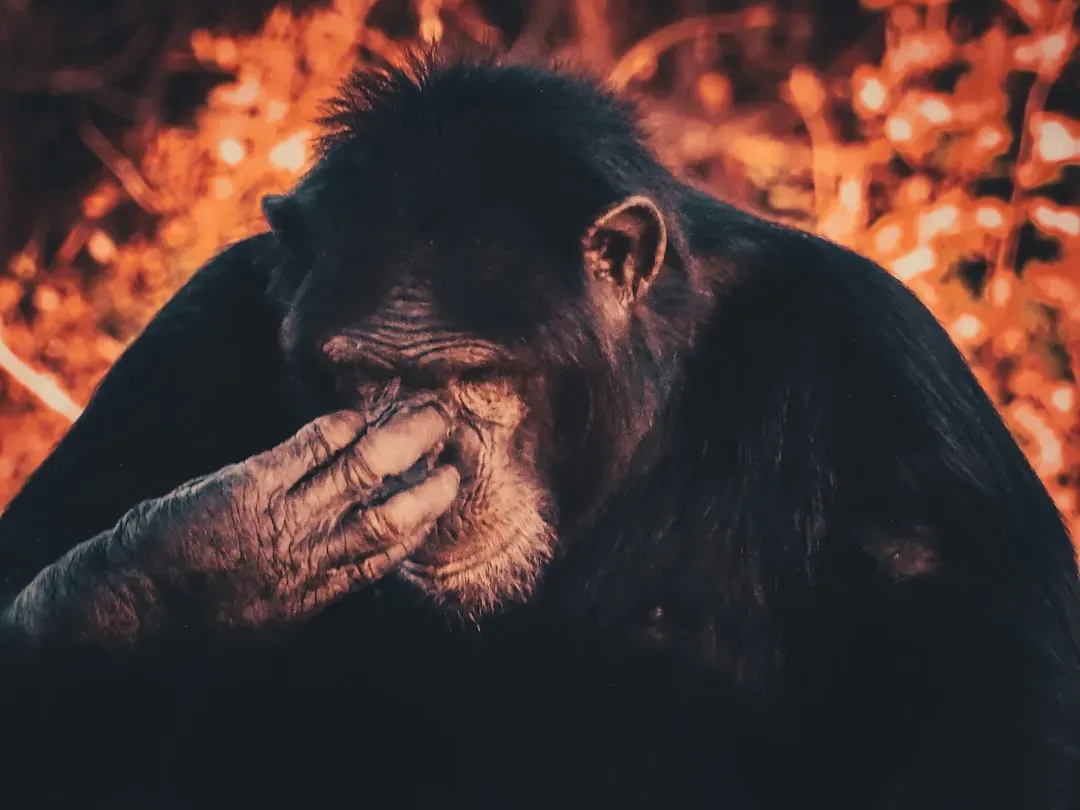
Even closer to home, you may have watched a surviving pet wander the house after a companion dies, searching familiar spots, eating less, or becoming withdrawn. Researchers tracking such behavior describe patterns that echo human grief: withdrawal from play, loss of appetite, changes in vocalization, and increased stress markers in the body. You do not need a formal diagnosis to recognize that whatever label you use, these animals are struggling with absence and change. When you accept that, their strange, quiet behaviors after death suddenly make a lot more sense.
Empathy, Fairness, And Moral Feelings In Nonhuman Minds
If you share food with a friend or feel upset when you see someone treated unfairly, you probably think of that as part of your moral sense. But you are not alone in reacting this way. In controlled experiments, some animals refuse to perform tasks when they see a neighbor getting a better reward for the same effort. Others show signs of distress when a partner is shocked or frightened, or they try to comfort a companion that has been upset, nudging them, grooming them, or staying close until they calm down.
These behaviors suggest that, at least in some species, you are seeing early building blocks of fairness and empathy. They may not be debating ethics at a philosophical level, but they are responding emotionally to the suffering or disadvantage of others. When you witness a dog whining when its friend is in distress, or a primate sharing food with a weaker individual, you are looking at social emotions that keep groups functioning. It hints that what you call morality might sit on top of emotional capacities that many animals quietly share with you.
What This Means For How You Treat Animals Every Day

Once you accept that animals feel a wide range of emotions, it becomes impossible to see things like training methods, housing conditions, or entertainment practices as purely practical questions. You are no longer just managing bodies; you are shaping emotional lives. A cramped cage, a shock collar, or an unpredictable routine does not just inconvenience an animal, it may generate chronic stress, fear, or frustration in a mind that experiences those states in ways not so different from your own.
On the flip side, when you provide mental stimulation, stable companionship, and a sense of safety, you are not just checking a welfare box; you are creating a life in which curiosity, joy, and contentment can surface. That might mean spending real time playing with your dog instead of just walking it quickly, offering your parrot puzzles and social interaction, or rethinking how you view animals used in entertainment or research. Once you see them as emotional beings, you naturally start asking whether your choices give them a life that feels worth living from their point of view.
How You Can Build Emotionally Rich Relationships With Animals
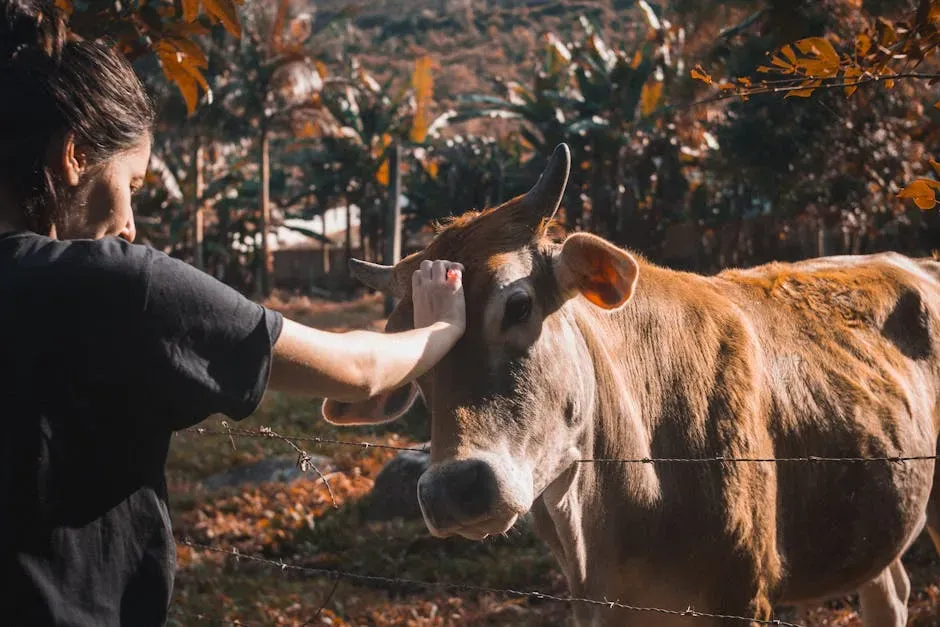
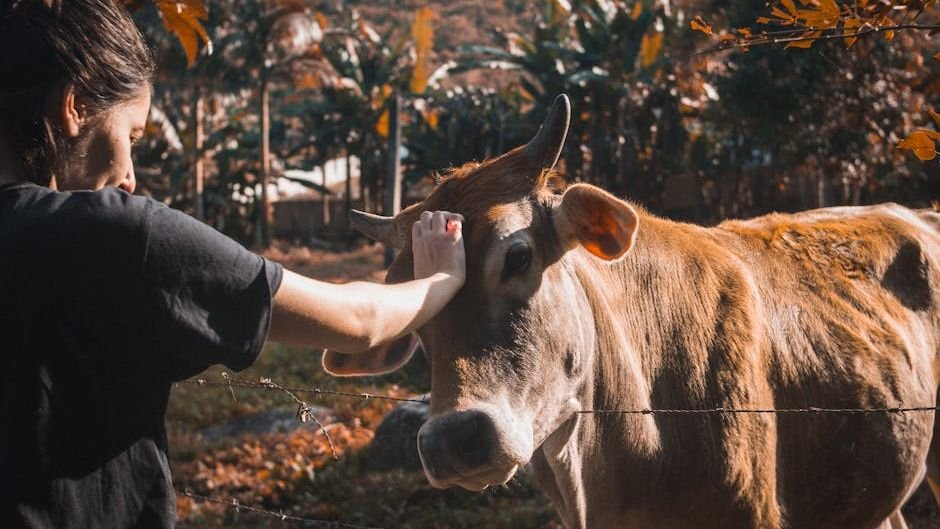
When you think of your connection with an animal as an emotional relationship rather than a one-way responsibility, everything shifts. You start to notice the small signals: the way a cat’s body relaxes when it trusts you, the sudden sparkle in a dog’s eyes when you pick up a favorite toy, or the calm curiosity of a horse that has learned you will not hurt it. You realize you are not just providing food and shelter; you are becoming part of that animal’s sense of safety and belonging.
Simple changes in how you interact can have a huge impact. Predictable routines help an anxious animal feel secure, gentle touch and patient training build trust, and giving choices – like letting a pet decide whether to be petted or to step away – respects their emotional boundaries. When you invest in that kind of relationship, you often get something powerful back: a form of companionship that feels surprisingly mutual, as if you and this other creature are meeting each other halfway across the gap between species.
Stepping back from all these discoveries, you start to see a bigger picture: emotions are not a human luxury, they are a biological tool many species use to survive, connect, and make sense of the world. You and the animals around you are built from many of the same ingredients – fear that keeps you alive, joy that bonds you, grief that honors what you have lost, and empathy that ties you to others. When you recognize that, everyday encounters with animals stop being background noise and start looking like meetings between feeling minds.
The next time you catch your pet staring at you with an expression you cannot quite decode, or you see a wild animal behaving in a way that seems oddly familiar, you might pause and wonder what it is actually feeling. You may not get a perfect answer, but you can be sure of this much: you are not the only one in the room with emotions. Knowing that, what kind of world do you want to help create for all those other hearts beating alongside yours?