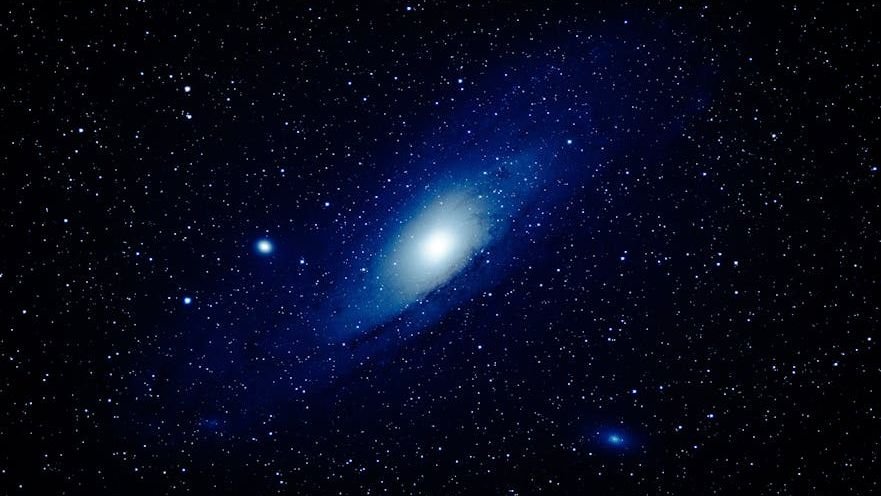
When you look up at the night sky, you are really seeing just the thinnest slice of what is out there. Beyond the stars you can see with your eyes lies a staggering web of distant galaxies, each one holding hundreds of billions of suns, and yet, despite all our telescopes and simulations, some of the biggest questions about these far‑off worlds remain stubbornly unsolved. You might think that by 2026 we would have neat answers for how galaxies form, grow, and die, but the deeper you look, the more the universe shrugs and says, not yet.
In a way, that is part of the magic. You live in an era when you can watch astronomers capture light that left a galaxy more than ten billion years ago, almost from the dawn of time, and still admit that key pieces of the puzzle are missing. As you explore these ten cosmic mysteries, you will see how even rock‑solid physics runs into walls, where observation and theory do not quite line up. Think of it as walking through a vast, ancient library where most of the books are still closed – you are allowed to read the covers, but the pages remain mostly sealed.
1. Why Early Galaxies Grew So Big, So Fast
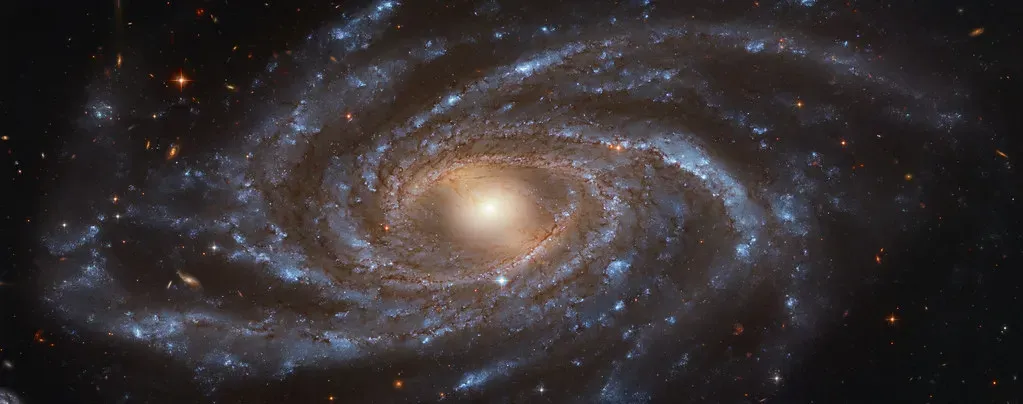
One of the most unsettling surprises from the latest space telescopes is how quickly some of the earliest galaxies bulked up. When you peer back more than ten billion years, you expect to see small, scrappy systems still assembling their first generations of stars. Instead, you find surprisingly massive, well‑formed galaxies shining in the cosmic dawn, as if they jumped straight to adulthood while the universe was still in its infancy.
For you, this raises a simple but profound question: how did they get so big, so soon? The usual recipes – gas slowly cooling, dark matter halos growing over time, stars forming in bursts – struggle to produce such heavyweights in such a short window after the Big Bang. Either your understanding of how quickly matter can collapse is missing an ingredient, or the early universe was far more efficient at building galaxies than current models allow. In everyday terms, it is like discovering entire cities already built when the planet is barely cooled enough to walk on.
2. The Hidden Role of Dark Matter in Shaping Galaxies
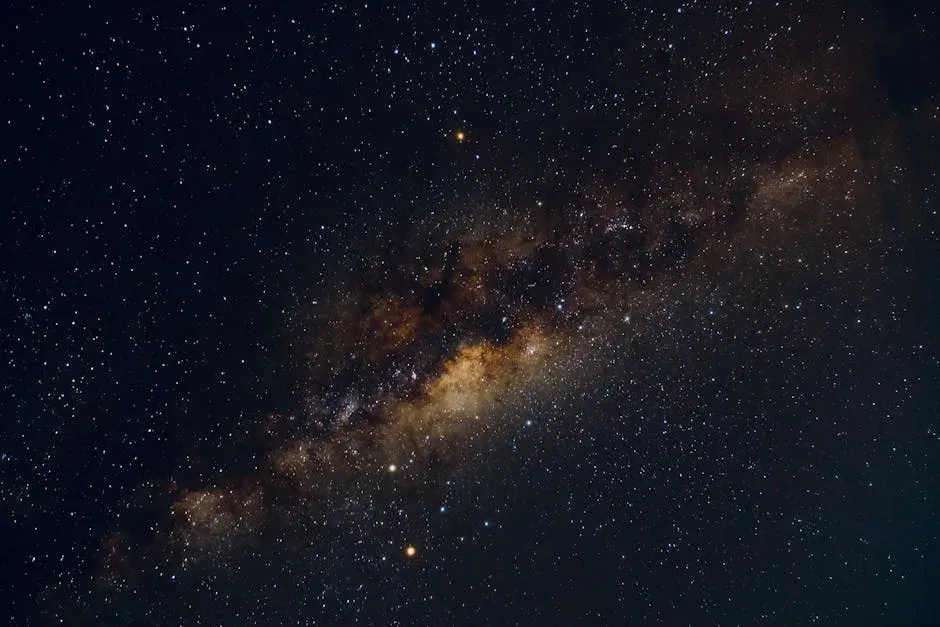
When you picture a galaxy, you probably imagine a pinwheel of light: stars, glowing gas, maybe some dust lanes. But that is only the visible frosting on a much larger, invisible cake. Most of a galaxy’s mass is thought to be dark matter, something you cannot see or touch, but which seems to tug on everything else through gravity. You can trace its presence from the way galaxies rotate and how they bend the light from even more distant objects behind them.
What you cannot do yet is describe exactly what dark matter is or how it clumps and behaves on the smallest scales. Different theories of dark matter predict slightly different galaxy shapes, satellite systems, and internal structures, especially in the faintest, most distant galaxies. When astronomers zoom in, some of the details do not quite match the neat, smooth halos simulations produce. For you, that means the core scaffolding of galaxies – the invisible skeleton holding them together – is still a mystery, like trying to understand a building without knowing what its beams are made of.
3. Why Supermassive Black Holes Appeared So Early
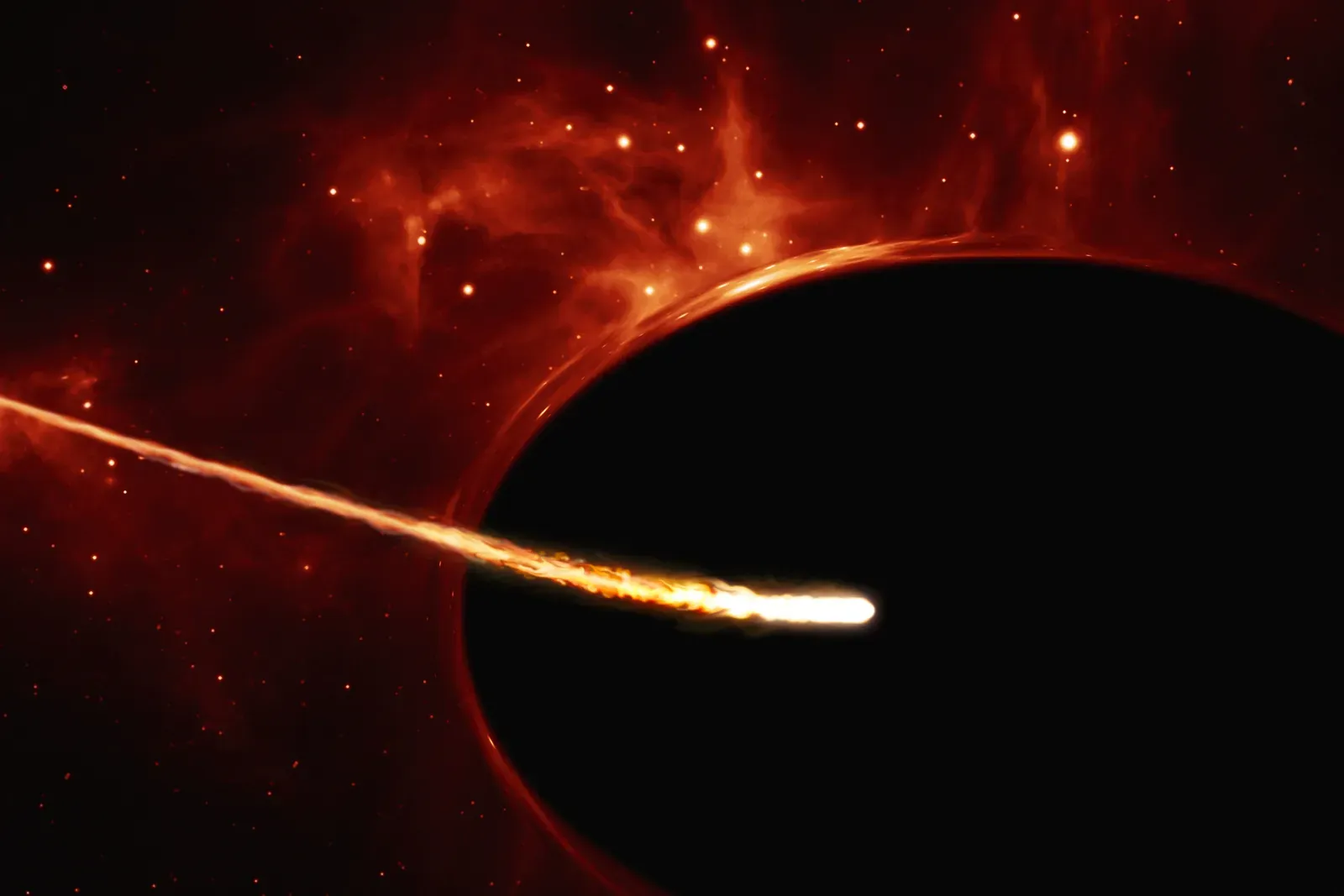
At the centers of many distant galaxies, you find black holes that are not just massive, but unimaginably huge – millions or even billions of times the mass of the Sun. The shock comes when you realize some of these beasts were already in place less than a billion years after the Big Bang. To you, that is like discovering a fully grown redwood tree in a forest that only sprouted last spring.
The standard way you grow a black hole is by letting a smaller one greedily feed on gas and stars over time, but that process has limits and bottlenecks. To end up with monsters this big so soon, something unusual must have happened: maybe gigantic star clusters collapsed directly, or entire clouds of gas fell in before they could turn into stars. You are left with an uncomfortable gap between how fast your theories allow black holes to grow and how fast the universe seems to have done it, and that gap is one scientists are still scrambling to close.
4. The Puzzle of Ultra‑Massive Galaxies That “Die” Young
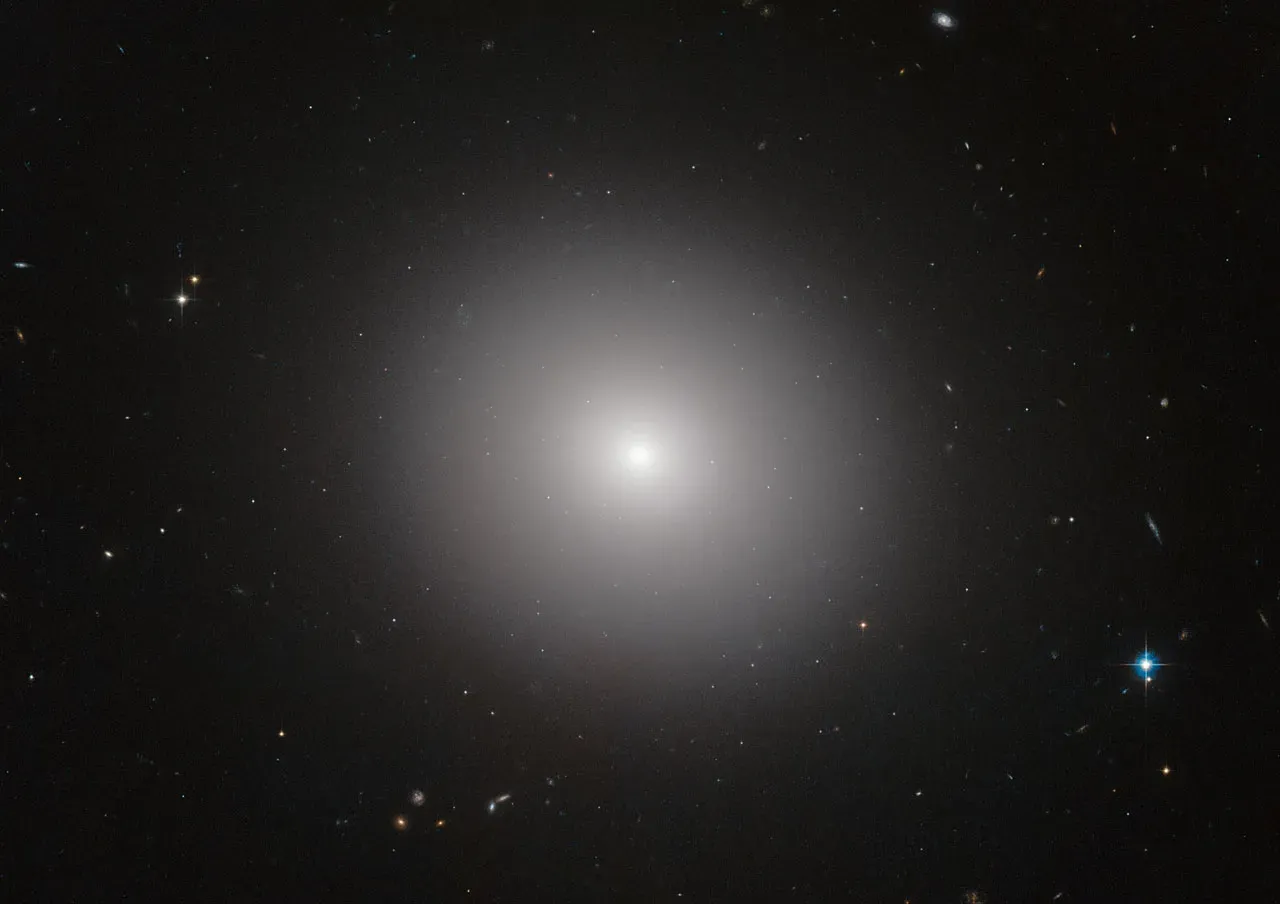
Some of the most distant galaxies you can see are blazing with new stars, but others are strangely quiet, even when the universe itself was still fairly young. These “quenched” galaxies built up enormous stellar populations quickly and then simply stopped forming stars, as if someone flipped a cosmic off switch. When you look at them, you are seeing cities of stars frozen in time, with almost no new construction underway.
What shut them down so early remains unclear. You might suspect fierce winds from starbursts or from a central black hole that blew out or heated the gas, leaving nothing cold and dense enough to collapse into new stars. But you still do not know exactly which process dominates, how long it takes, or why it happens in some galaxies and not others. For you, it is like walking through a neighborhood of high‑rise buildings and learning that everyone stopped moving in and out centuries ago, but nobody can tell you why the doors were locked.
5. The Strange Shapes and Collisions of Distant Galaxies
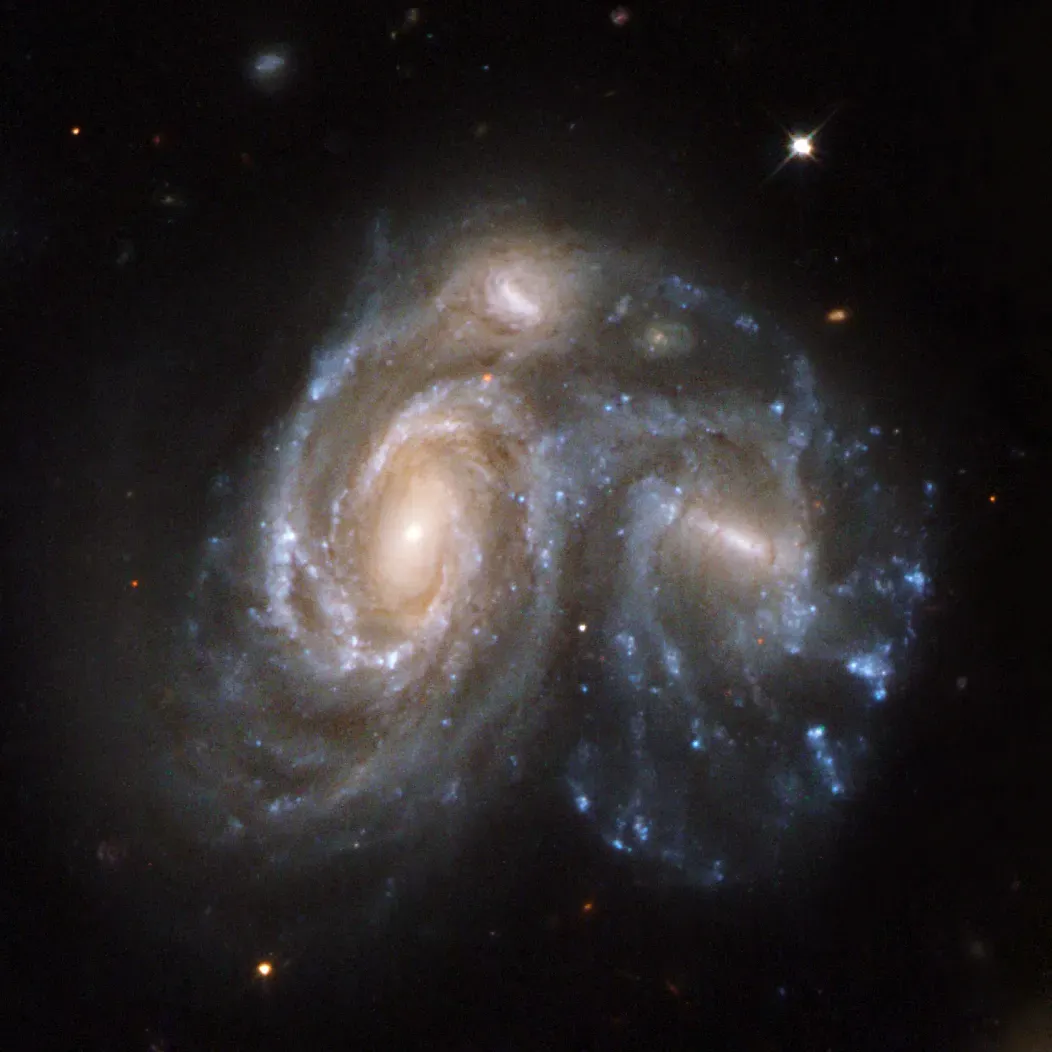
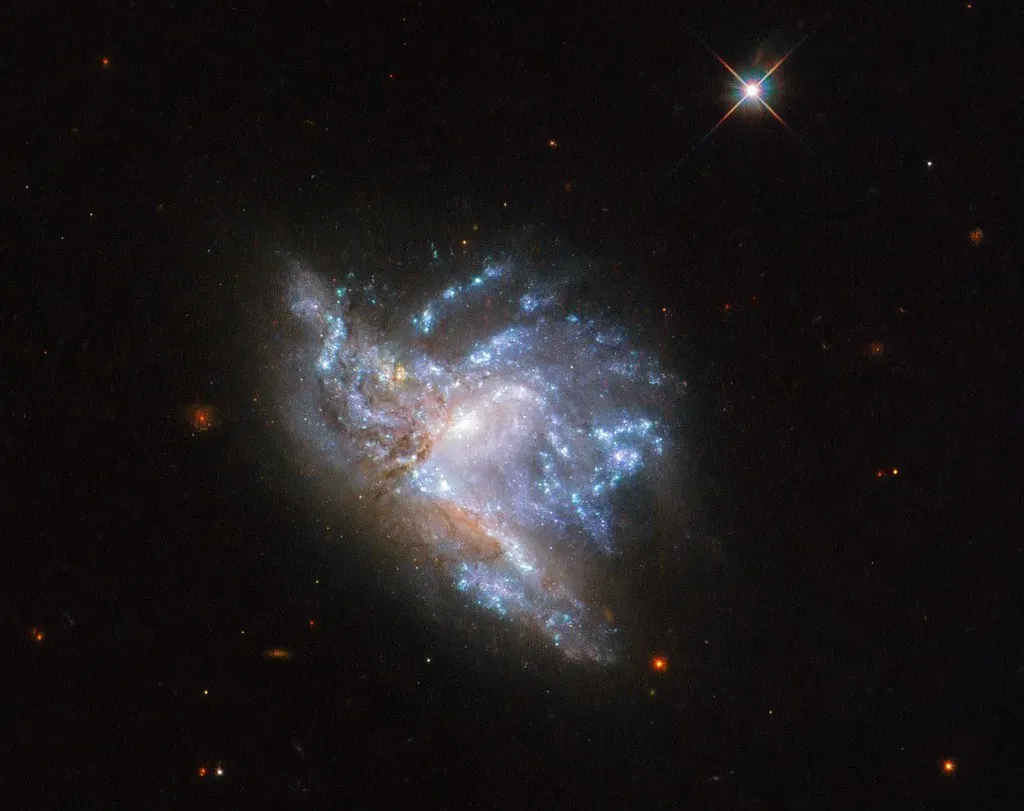
When you look far out in space, and therefore far back in time, galaxies start to look messy. Instead of neat spirals and tidy ellipses, you often see tangled clumps, stretched‑out tails, and irregular blobs. Many of these distant systems are clearly colliding or merging, pulled into weird shapes by gravity as they slam together. You know that mergers help build bigger galaxies, but the exact choreography of these dances is still hard to pin down.
Simulations can show you dramatic smash‑ups, yet they sometimes fail to reproduce the full diversity of odd shapes lurking in telescope images. The timing, frequency, and violence of these early collisions are still debated, and that matters because mergers can trigger starbursts, feed black holes, and rearrange dark matter. From your perspective, it is like trying to reconstruct how a bustling city formed just by looking at a blurred time‑lapse from a distance – you see the traffic and the chaos, but not every detail of who bumped into whom and when.
6. Mysterious Streams and Bridges Between Galaxies
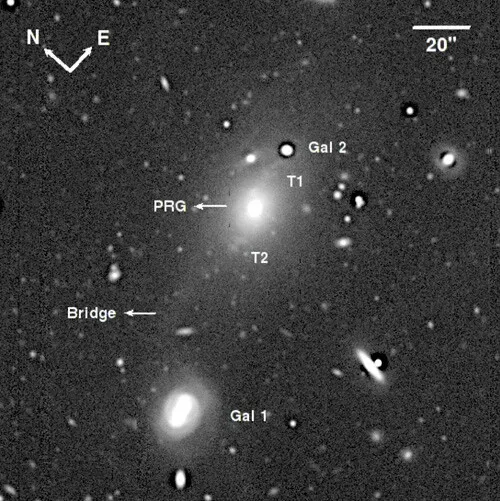
Every so often, you catch a distant galaxy that seems to be connected to another by faint, wispy streams of stars or gas. These bridges and tails are signs of past encounters, leftovers pulled out by tidal forces when two systems came too close. You can think of them as cosmic scars, the after‑image of a violent handshake between neighbors. Some look surprisingly long and delicate, stretching across space like threads of light.
What is still murky is exactly how common these structures are in the distant universe and how much they actually contribute to a galaxy’s evolution. Do they funnel fresh gas in, feeding new star formation, or mainly strip material away and starve a galaxy over time? When you examine them carefully, they often contain small star clusters or even tiny companion galaxies, hinting at a complex life cycle. In practical terms, you are staring at tangled spiderwebs between city skylines, trying to decide whether they are bridges, pipelines, or escape routes.
7. The Enigmatic Halo Gas Surrounding Distant Galaxies
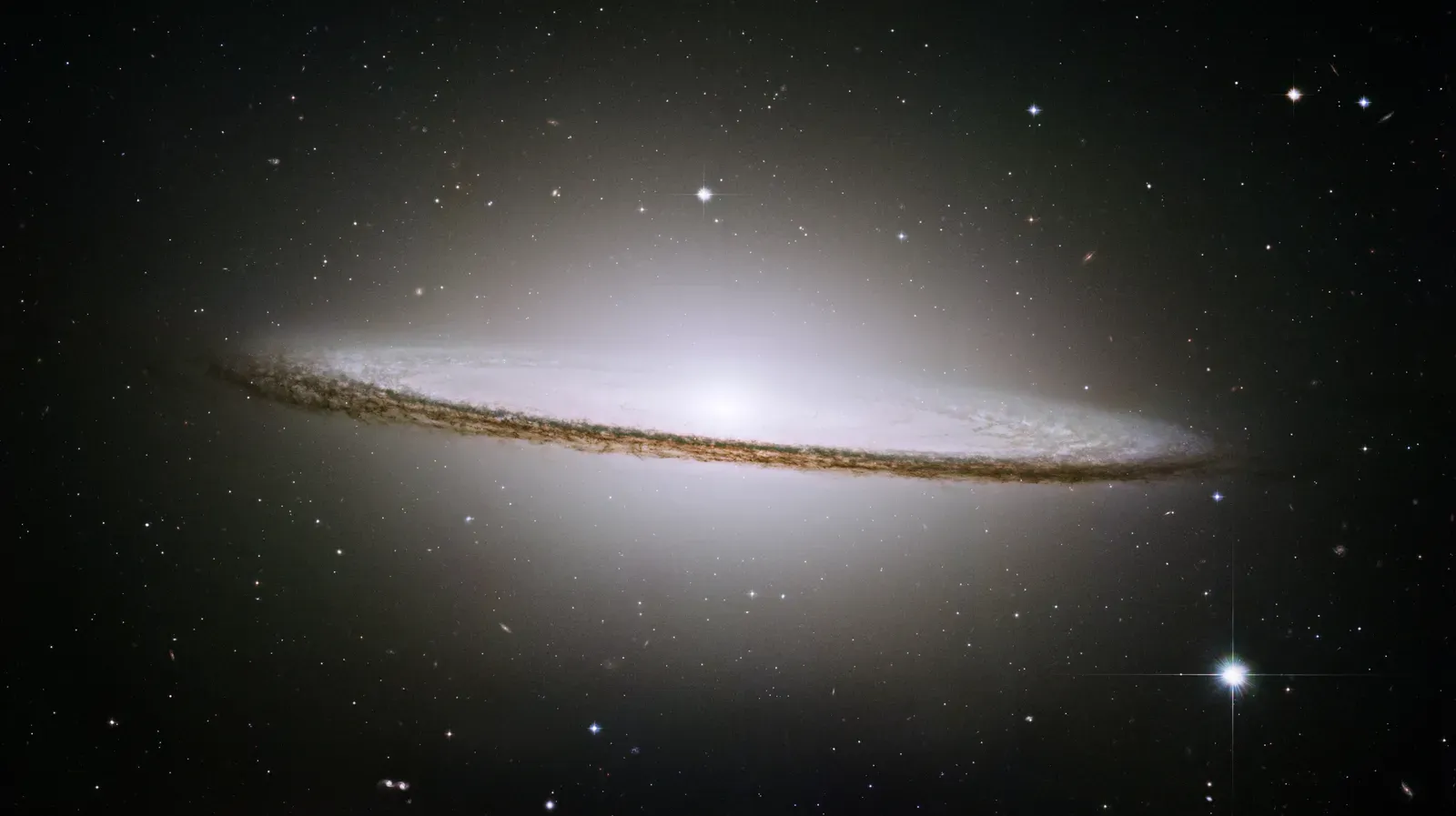
A galaxy does not end where its bright disk fades from view. Around many distant galaxies, you find an extended, ghostly halo of thin gas, reaching far beyond the visible stars. Astronomers detect this gas when it absorbs or re‑emits light from even more distant objects, revealing a kind of invisible atmosphere. For you, it is like discovering a city is surrounded by a vast, nearly transparent fog that still somehow shapes its weather.
What remains mysterious is how this halo gas cycles in and out. You know that galaxies need fresh gas from their surroundings to keep forming stars, and you also know that energetic events inside can blast material back out into the halo. But the balance between inflow and outflow, especially in the early universe, is still fuzzy. If you could track every parcel of gas like a tagged bird in migration, you might finally understand why some galaxies stay fertile while others run dry – but that level of detail is still out of reach.
8. The Role of Cosmic Environment in Galaxy Evolution
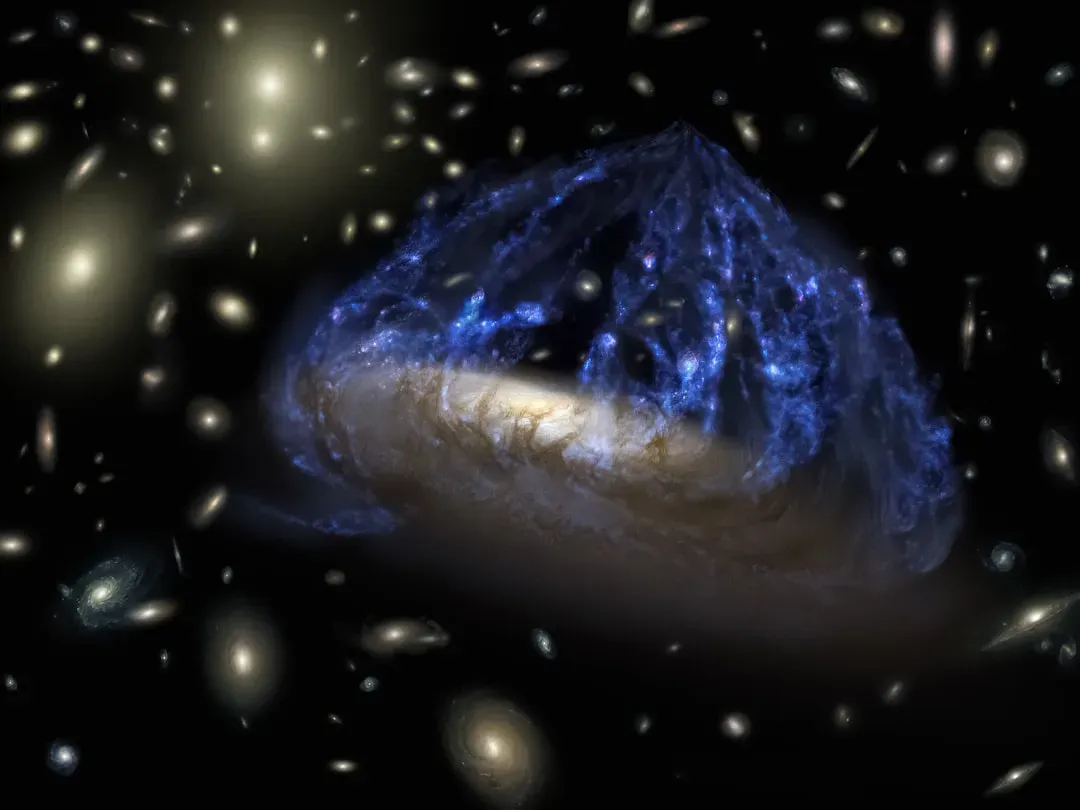
Not all distant galaxies live in the same kind of neighborhood. Some float alone in relatively empty space, while others crowd together in young clusters, surrounded by dozens or hundreds of companions. You might expect such different environments to leave obvious fingerprints on how galaxies grow and change, but the exact patterns remain surprisingly hard to read. In some regions, galaxies seem to shut down their star formation early; in others, they light up in bursts.
The challenge for you is that distance blurs and dims everything, making it difficult to map full environments across cosmic time. You can spot the brightest members of a cluster, but the faint, small galaxies that might tell you the full story are harder to catch. As a result, you are still piecing together how much a galaxy’s fate is written by where it lives versus its own internal processes. It is a bit like trying to understand human health by knowing only whether someone lives in a city or the countryside, without data on their diet, genes, or daily routine.
9. The Origins of Oddball Galaxies That Break the Rules
Every time you think you have galaxies neatly categorized – spirals, ellipticals, irregulars – some distant system comes along and breaks the mold. You see ultra‑diffuse galaxies that are huge but faint, compact galaxies that pack enormous mass into tiny volumes, and objects that seem oddly lacking in dark matter or, conversely, almost nothing but dark matter. These strange cases challenge your assumptions about what is normal in the cosmos.
Because distant galaxies are so hard to study in detail, you are often left with tantalizing glimpses rather than complete biographies. Did tidal interactions strip away most of their stars? Did an unusual burst of feedback from a black hole blow out gas at just the wrong moment? Or are you seeing rare outcomes of processes that usually remain hidden? For you, each oddball galaxy is like finding a house with no doors, or a skyscraper with only two floors – it clearly exists, but you are not sure which blueprint produced it.
10. The Ultimate Fate of Distant Galaxies Across Cosmic Time
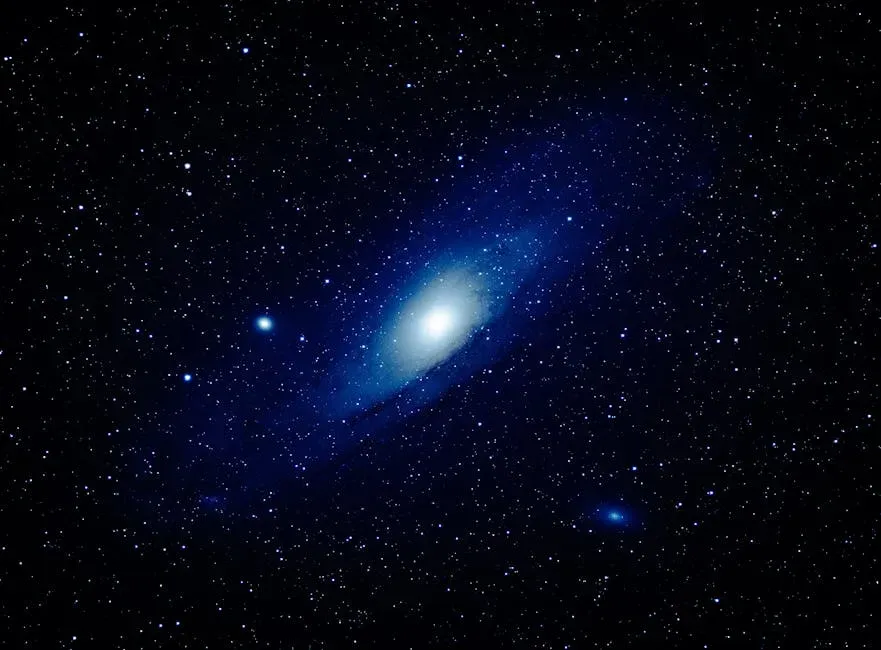
When you look at very distant galaxies, you are looking back in time, catching them in earlier stages of life. Yet you rarely know exactly what those galaxies will become by the present day. Did that compact star‑bursting system grow into a giant elliptical? Did that fragile, gas‑rich disk survive or did it get torn apart in later mergers? You see countless snapshots, but the full movie of any single galaxy’s life is missing many frames.
To link those early snapshots to present‑day galaxies, you rely on statistical models and simulations, but there is still a lot of room for uncertainty. Small tweaks in how you treat star formation, feedback, or dark matter can send galaxies down very different evolutionary paths. For you, that means the ultimate fate of many distant galaxies remains an open question, more like reading scattered chapters of a novel than a complete story. You can sense the broad arc – growth, transformation, aging – but the details of each character’s journey are still being written.
Conclusion: Living With Cosmic Questions
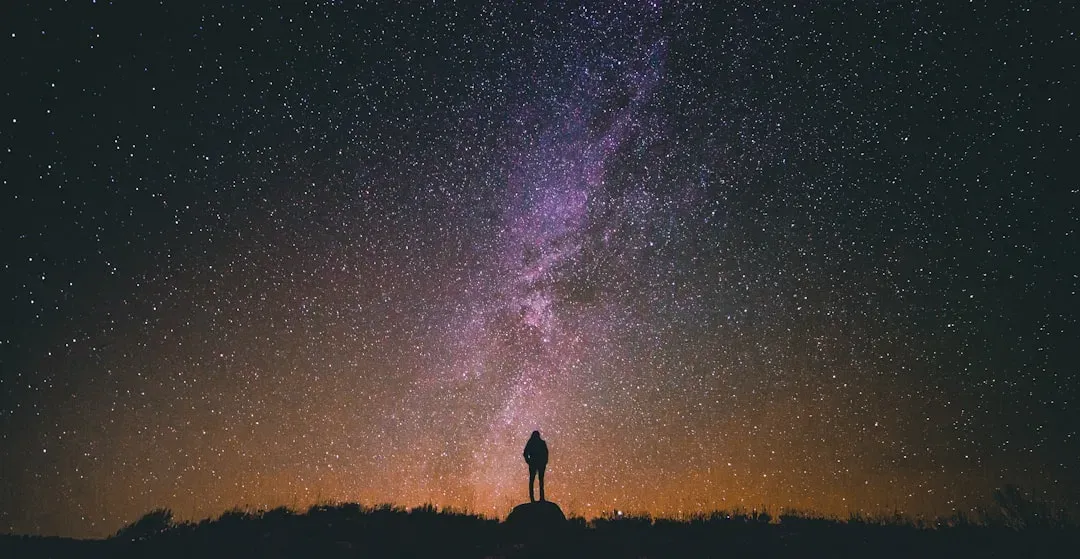
If you feel a mix of awe and frustration after walking through these mysteries, you are in good company. Astronomers themselves live with this tension every day: you can measure the light from galaxies that formed when the universe was a tiny fraction of its current age, yet you still cannot fully explain how they came to be. The unanswered questions about dark matter, black holes, early star formation, and galactic environments are not signs of failure – they are signs that you are probing the edge of what is knowable right now.
In a sense, you benefit directly from this uncertainty. It means there is still room for new ideas, new instruments, and perhaps even new laws of physics to be discovered. The next generation of telescopes, surveys, and simulations will not just add sharper pictures; they will test which stories about galaxy evolution survive and which get rewritten. As you look up at the faint smear of the Milky Way, you might wonder: out there among those distant galaxies, how many more surprises are still waiting to be found, and which of them will change the way you see your own place in the universe?