If you think Earth’s history is a neat, orderly story, geology is here to ruin that illusion in the most thrilling way possible. The deeper you dig, the more you find places and rocks that just should not exist, at least not if the planet behaved the way old textbooks told you it did. These outliers bend timelines, flip climate logic upside down, and hint that Earth has swung between extremes far more dramatic than anything you see today.
As you walk through these seven geological marvels in your mind, you’ll keep bumping into the same unsettling feeling: you do not live on a calm, slowly changing world. You live on a planet that has frozen solid, belched enough lava to nearly sterilize the oceans, buried whole lakes under miles of ice, and left chemical signatures that still do not quite add up. By the end, you may never look at a rock, a coastline, or even a snowflake in quite the same way again.
1. Snowball Earth: When the Tropics Froze Over
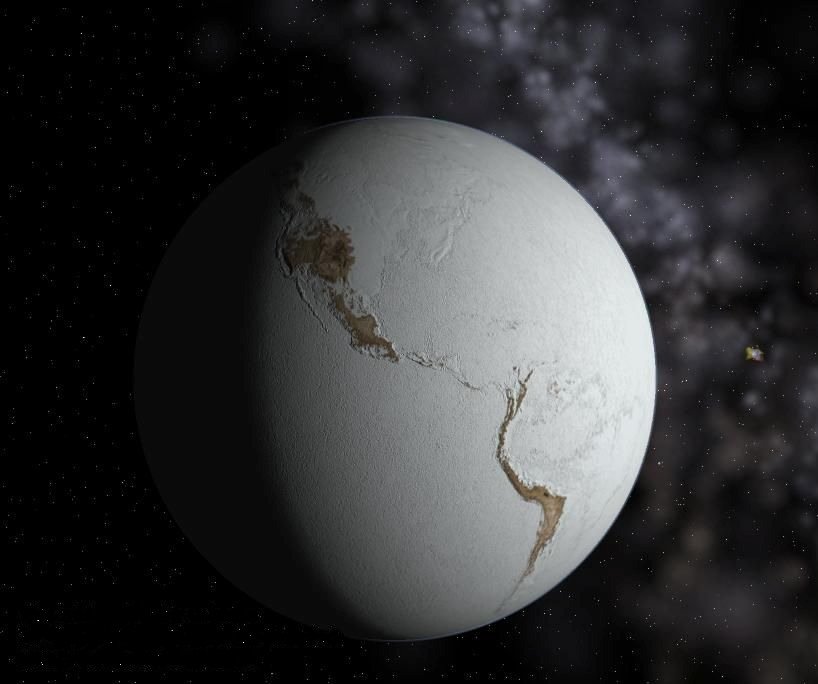
Imagine standing at what used to be the equator and finding rocks that were clearly dropped by glaciers. That is the heart of the Snowball Earth story: during the Cryogenian Period, roughly between about 720 and 635 million years ago, ice sheets appear to have reached all the way to low latitudes that should have been tropical. You see the evidence in glacial deposits on ancient seafloors, scratched and polished rock surfaces, and odd layers called “cap carbonates” that abruptly overlie those icy sediments, as if the planet suddenly snapped from deep freeze into hothouse conditions.
Two of these glaciations, the Sturtian and Marinoan events, look especially extreme. The older Sturtian may have locked the planet in ice for tens of millions of years, while the Marinoan seems shorter but still globally severe. During those times, you would have seen reflective ice bouncing sunlight back to space, a runaway feedback that kept Earth frozen until volcanic carbon dioxide slowly built up to staggering levels and finally melted the ice. Even now, you are left with lingering puzzles: how the oceans stayed even partly habitable under the ice, how life survived, and whether events this wild might happen on other planets orbiting distant stars.
2. The Siberian Traps: Lava Fields Tied to the Greatest Dying
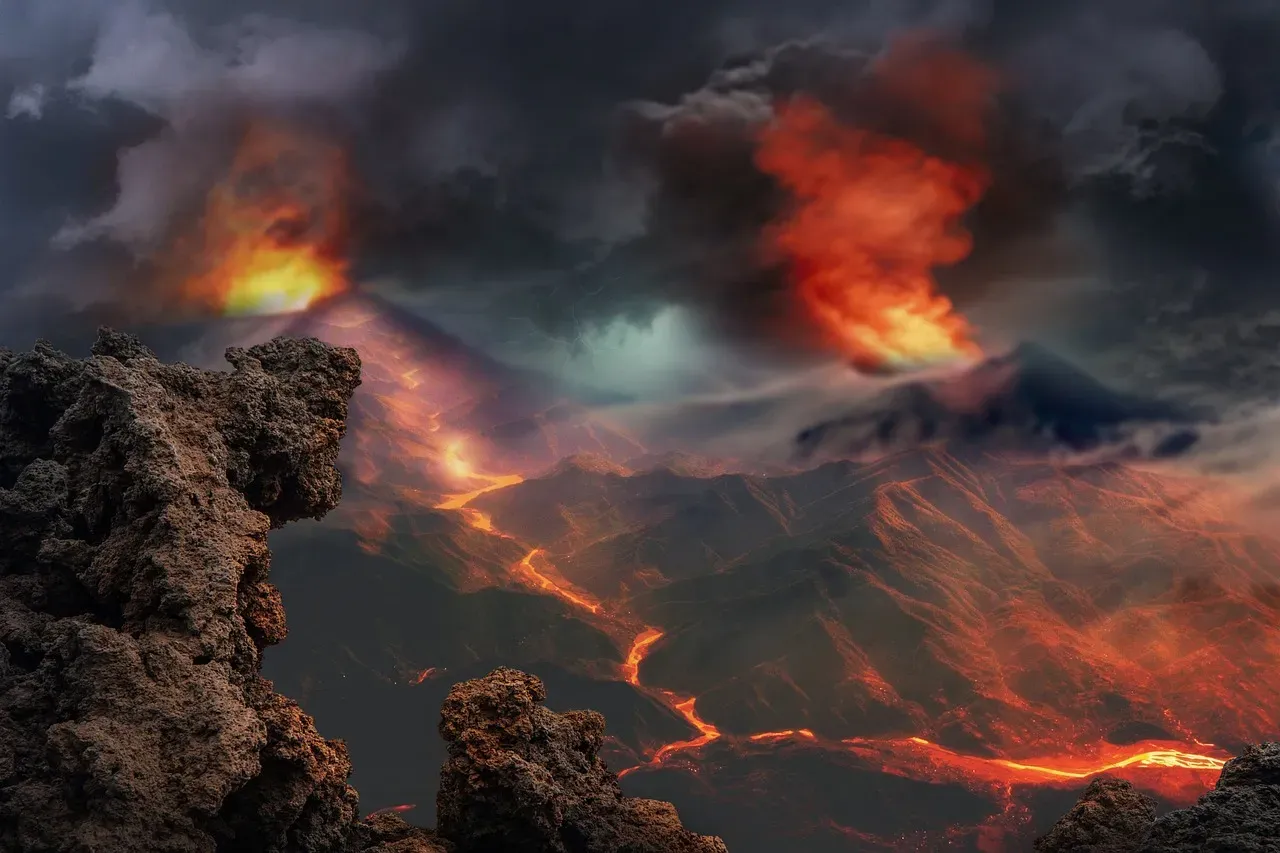
Now picture a volcanic event so vast that it covers an area larger than most countries in layer after layer of basalt, stacked up to several kilometers thick. That is what you walk across in the Siberian Traps of Russia, one of the largest volcanic provinces ever discovered. Around 252 million years ago, near the end of the Permian Period, this region erupted in multiple pulses, flooding the surface with lava and pumping enormous volumes of gases into the atmosphere. You are not talking about a single mountain; you are talking about a whole region essentially turning into a leaking, fiery wound in Earth’s crust.
Here is where your understanding of Earth’s history really gets challenged: the timing of those eruptions lines up disturbingly well with the biggest mass extinction known, the end‑Permian “Great Dying,” when the vast majority of marine species and a huge share of land life vanished. When you trace ash layers, date minerals, and analyze carbon and sulfur in the rocks, you see signals of catastrophic climate swings, ocean acidification, and severe oxygen loss. Yet the details remain messy – eruptions came in stages, and some lavas erupted before the extinction peak. As you follow the story in the rocks, you’re forced to admit that Earth’s biosphere can be pushed right to the edge when its interior plumbing goes wild.
3. Banded Iron Formations: Rusted Oceans and the Breath of Oxygen
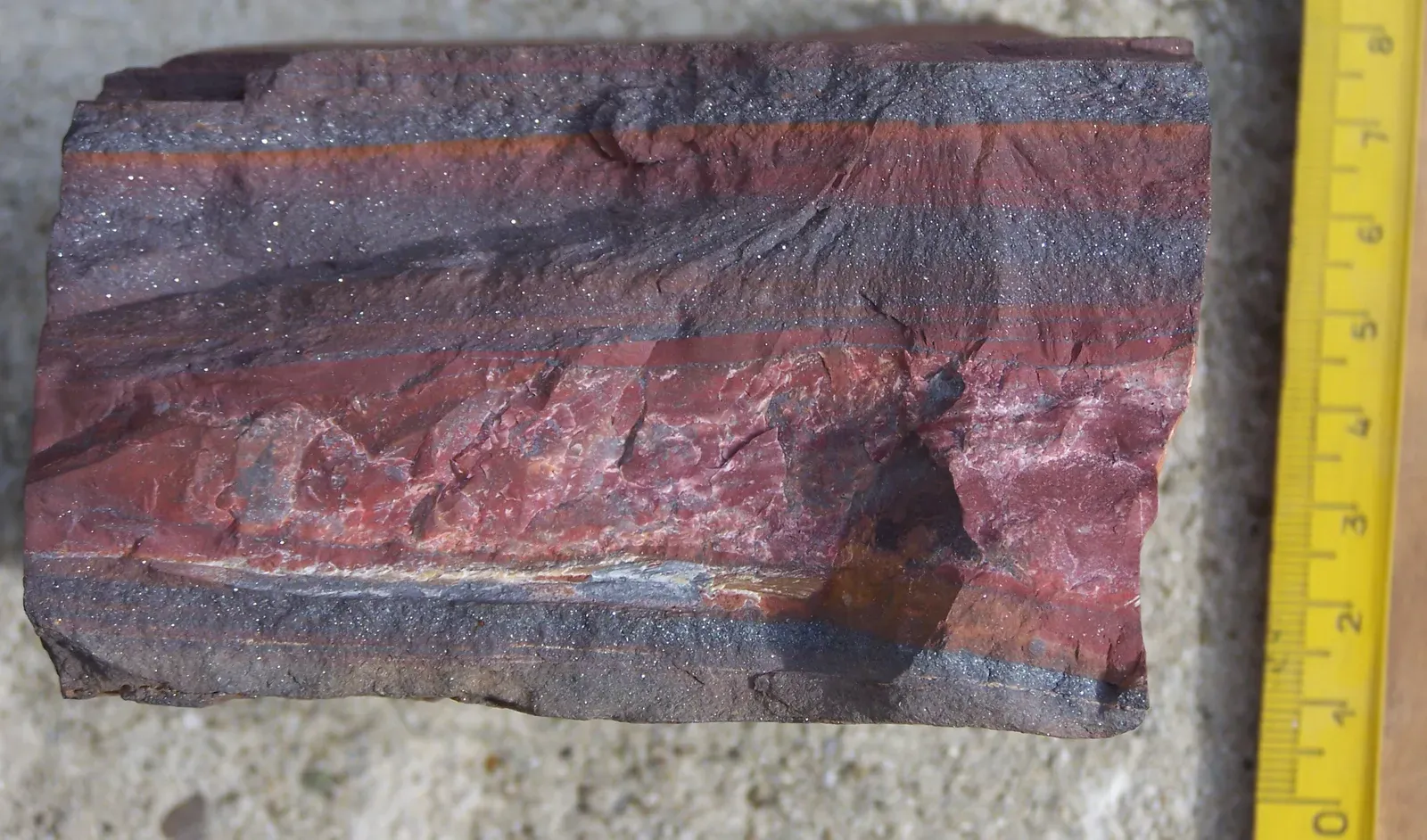
When you look at a banded iron formation – those striking rocks with alternating rusty red and silvery layers – you are staring straight into one of the biggest mysteries in Earth’s history: how the planet first filled with oxygen. These rocks, mostly older than about 1.8 billion years, record a time when the oceans were loaded with dissolved iron and almost no free oxygen. Then, in rhythmic pulses, iron suddenly combined with oxygen and fell to the seafloor as rust, creating layer upon layer of chemical stripes that you can still trace today. You are effectively reading the heartbeat of the early atmosphere and oceans, frozen in stone.
The standard story says that microbes began photosynthesizing, slowly releasing oxygen that first reacted with iron in the oceans before spilling into the air during what you now call the Great Oxidation Event. But when you dig into the details, the picture gets much stranger. You find banded iron formations that hint at multiple surges of oxygen, periods when oxygen production spiked and then collapsed, and odd isotopic signatures that do not cleanly match simple models. As you follow these contradictions, you are forced to question the tidy idea of a single turning point; instead, you see oxygenation as a stuttering, stop‑start revolution that repeatedly reshaped the surface of the planet and set the stage for complex life.
4. Lake Vostok: An Ancient Lake Hidden Beneath Antarctic Ice
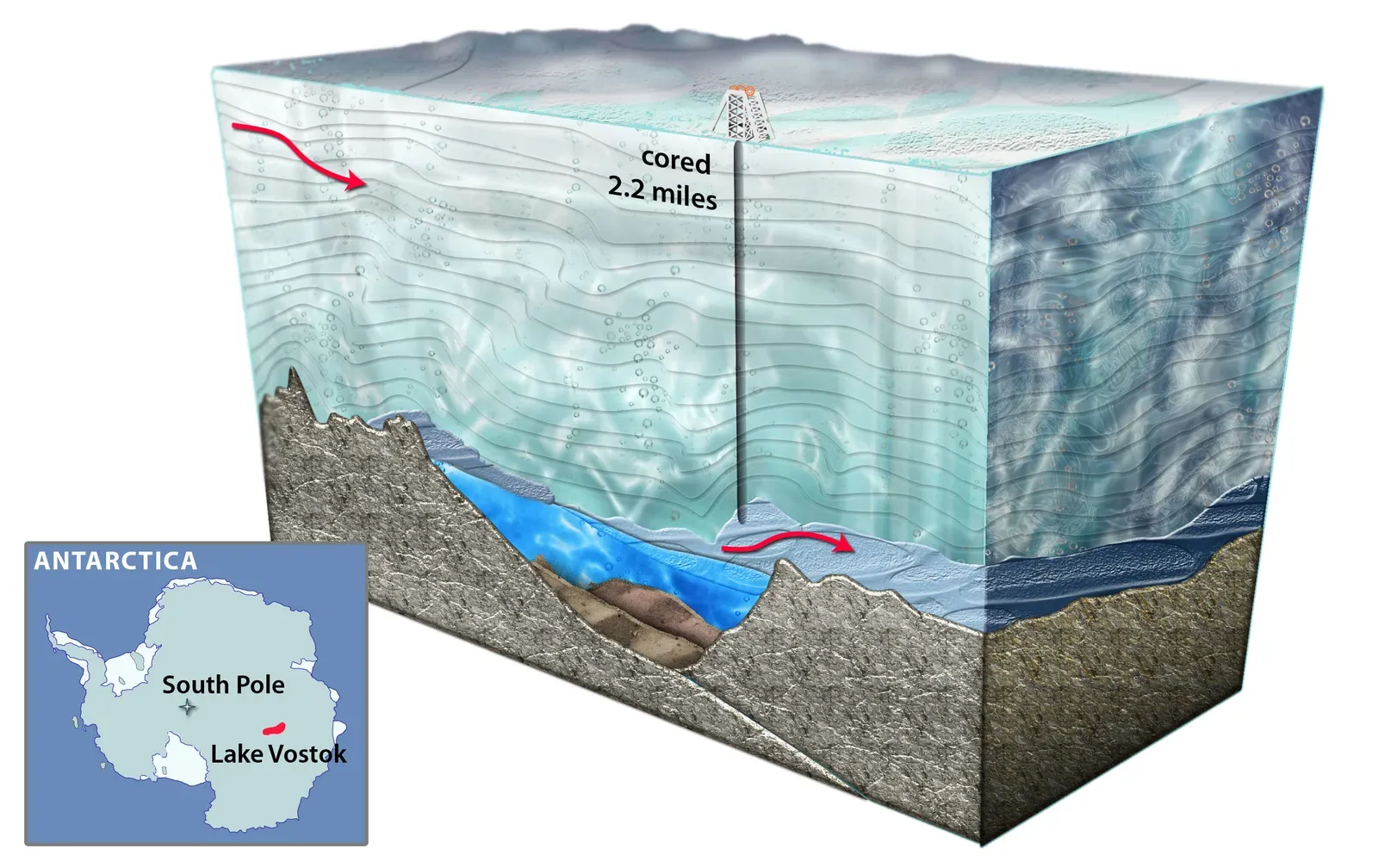
Now shift from deep time to deep ice: beneath nearly four kilometers of Antarctic ice, you find Lake Vostok, one of the largest subglacial lakes on the planet. You cannot see it directly with your own eyes, but radar and satellite measurements reveal a body of liquid water about the size of a large U.S. state, sealed off from the atmosphere for at least roughly fifteen million years. As ice slowly flows over the lake, it melts in some places and refreezes in others, creating a layer of “accretion ice” that scientists drill and sample as a kind of frozen message from the hidden water below.
When you analyze that ice, you find traces of microbial DNA and hints of a surprisingly complex ecosystem that has survived in darkness, under immense pressure, in cold water that never sees the open air. You also see evidence that the lake basin sits in an ancient rift zone and may once have connected to the ocean, leaving behind salts and marine signatures in its waters. For you, Lake Vostok is more than an Antarctic curiosity; it is a natural experiment in long‑term isolation that forces you to rethink where life can survive. It even becomes a kind of dress rehearsal for exploring icy moons like Europa or Enceladus, where buried oceans might host their own hidden biospheres.
5. The Chicxulub Impact Crater: A Single Day That Changed Everything
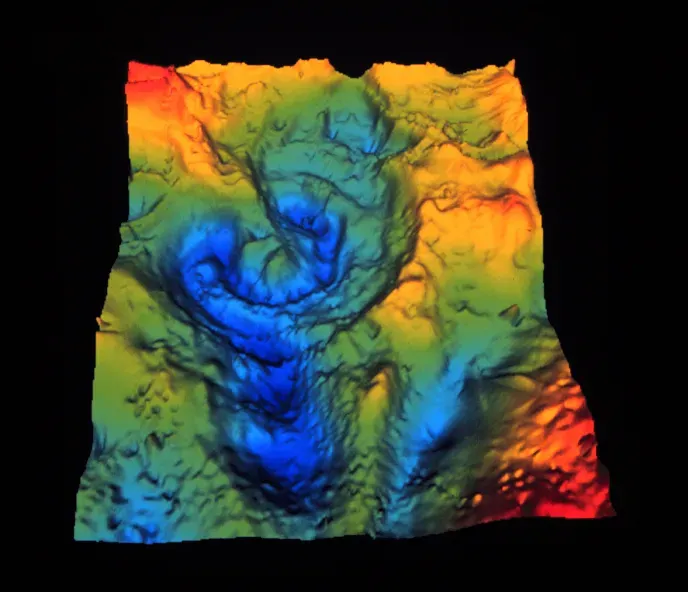
On the Yucatán Peninsula in Mexico, you can stand on seemingly ordinary ground while knowing that about 66 million years ago, this was the bullseye for one of the most violent days in Earth’s history. Buried below the surface lies the Chicxulub impact crater, roughly a hundred and eighty kilometers across, formed when an asteroid slammed into shallow tropical seas. The energy release is hard to wrap your head around: you are looking at an explosion far beyond anything humanity could produce, sending shock waves through the crust, ejecting rock around the globe, and igniting fires on continents you would not even recognize on a modern map.
You see the fingerprint of that day in a thin clay layer found worldwide, enriched in iridium, shocked minerals, and tiny glassy droplets that condensed from vaporized rock. When you follow that layer in the rock record, you see the abrupt disappearance of non‑avian dinosaurs and many marine species. Yet as you look closer, the story gets more tangled. Some evidence points to massive volcanic eruptions in India’s Deccan Traps happening around the same time, possibly priming the climate for disaster before the impact finished the job. So instead of a simple “asteroid killed the dinosaurs” tale, you end up with a complex interplay between cosmic bad luck and Earth’s own restless interior, challenging you to think in terms of overlapping catastrophes rather than single‑cause events.
6. The Great Unconformity: A Missing Billion Years of Rock
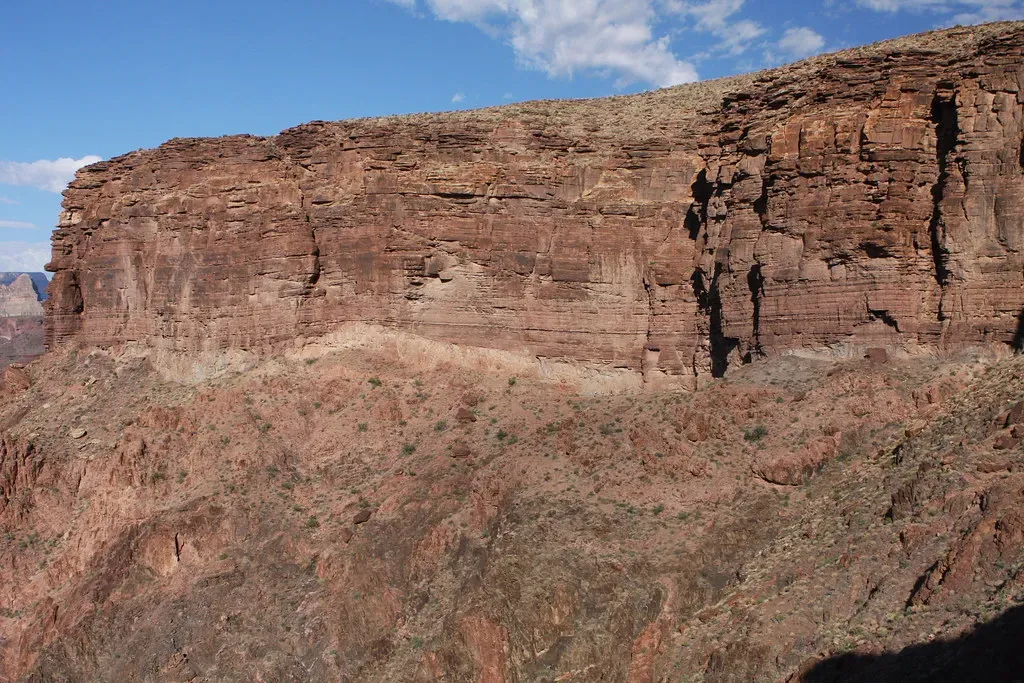
There is something deeply unsettling about walking up to a cliff face and realizing that a huge chunk of time is simply not there. That is what happens when you encounter the Great Unconformity, a surface seen in many places where rocks more than a billion years old sit directly beneath much younger layers, with hundreds of millions of years of missing record in between. In the Grand Canyon, for example, ancient crystalline rocks are abruptly overlain by flat‑lying sedimentary layers from the Cambrian Period, as if someone had sliced out a massive section of Earth’s diary.
When you try to explain where that missing time went, you run headfirst into big debates. Some research suggests that intense erosion during ancient mountain‑building events gradually shaved off thick piles of rock worldwide. Other work ties the timing to Snowball Earth glaciations, proposing that continental ice sheets scraped the continents clean and reset the surface before seas flooded back and laid down new sediments. As you weigh these ideas, you are forced to accept that the rock record you rely on so heavily is not just incomplete; in some intervals, it is radically censored. That realization pushes you to be humble about what you think you know and to look for more subtle, scattered traces of lost worlds in tiny mineral grains and deep‑buried remnants.
7. Stromatolites and Microfossils: The Deep Roots of Life’s Story
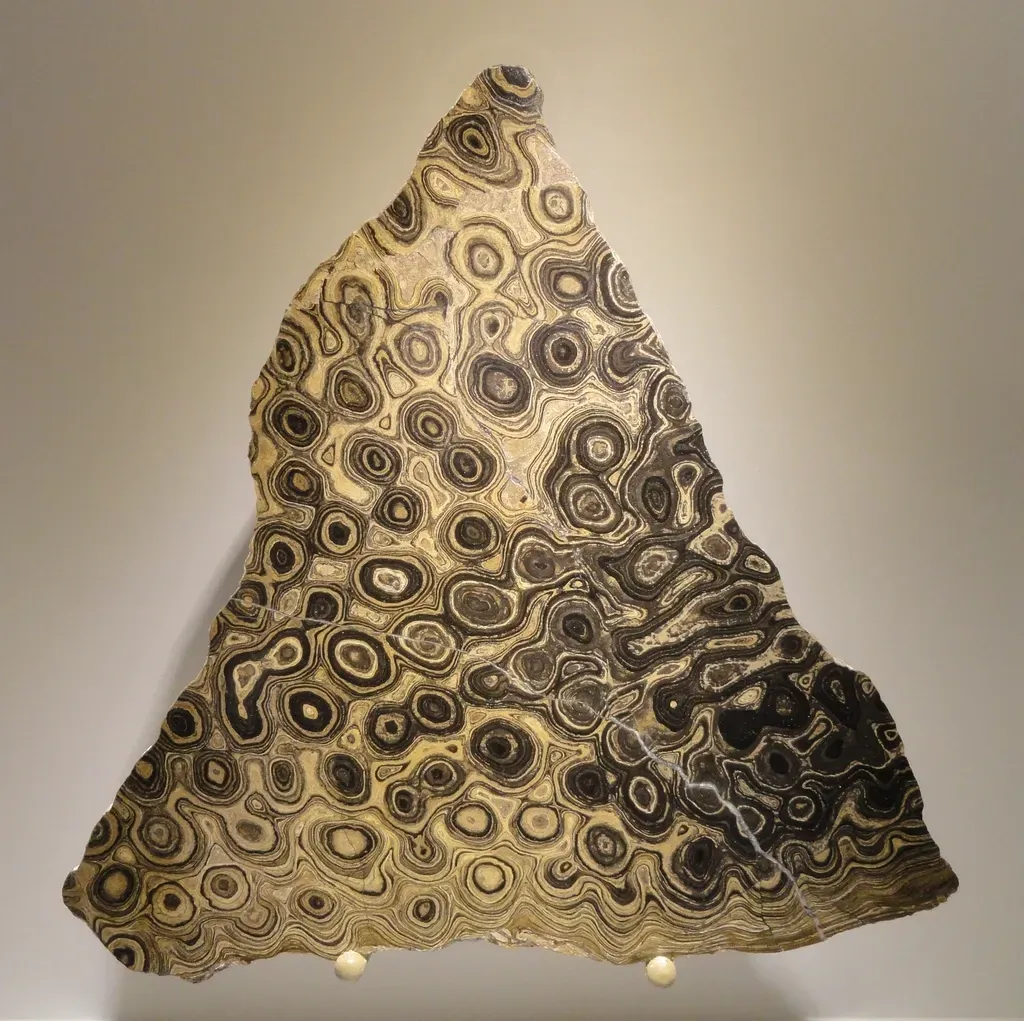
Finally, when you crouch over ancient stromatolites – layered mounds of sediment built by microbial communities – you are staring at one of the oldest forms of ecosystem engineering on Earth. Some stromatolite structures and microscopic fossils push back nearly three and a half billion years, hinting that life got started surprisingly early after the planet cooled from its initial chaos. You see fine laminations where sticky microbial mats trapped sediment, grew upward toward light, and repeated the process over and over, building reef‑like structures long before corals ever existed. In places like Western Australia and South Africa, these rocks become your window into a world with no plants, no animals, and barely any oxygen.
Yet these same rocks constantly challenge your confidence. Many supposed microfossils have turned out to be mineral oddities that only look biological, and arguments over what counts as proof of life get fierce. When you look at chemical signatures – like carbon isotopes that seem to favor life processes – you face the uncomfortable possibility that non‑biological reactions might mimic those patterns under certain conditions. So every time you think you have pinned down the exact moment when life began, fresh evidence forces you to back up, re‑evaluate, and accept a fuzzier boundary. In a way, that uncertainty is what makes these ancient structures such powerful marvels: they remind you that even the most basic question – when did life start? – is still very much alive.
Conclusion: Living on a Restless, Surprising Planet
When you put these seven geological marvels side by side, a clear message emerges: Earth is not a gentle, slowly drifting backdrop to life’s story. It is an active, occasionally violent partner that has frozen over, boiled up, reshaped its surface, hidden water in unlikely places, and erased chapters of its own history. You are left with a humbling realization that the ground beneath your feet has passed through states and extremes that are hard even to visualize, and that your current climate and ecosystems are just one brief scene in a much wilder movie.
At the same time, these puzzles are exactly what make geology so addictive for you. Every glacial boulder in the wrong latitude, every vanished time slice, every fossil that might be a microbe or just a mineral forces you to refine your story and accept that uncertainty is part of honest science. As you look ahead – to exoplanets, to icy moons, to your own changing climate – you carry these lessons with you: planets can surprise you, and life can be tougher and stranger than you expect. So the next time you pick up an ordinary rock, you might quietly ask yourself: if this little piece of Earth could talk, what impossible story would it tell you?