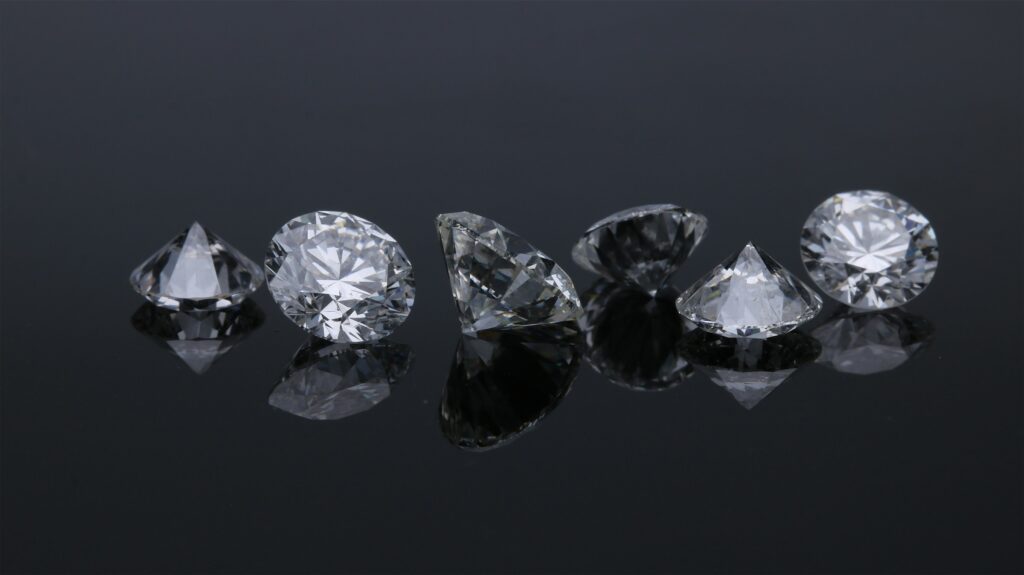
You probably grew up hearing that diamonds are the rarest of the rare, a kind of geological miracle that just happens to land in tiny pockets under a few lucky countries. But if you zoom out and look at Earth as a whole, the story flips: diamonds themselves are not especially rare deep inside the planet. What is rare is the explosive, almost unimaginably violent kind of volcanic eruption needed to haul them from hundreds of kilometers down up into your jewelry box.
Once you understand that twist, diamonds stop looking like simple status symbols and start to feel more like time capsules and crime scenes at the same time: they record the deep past, and they only get to you through extreme geological violence that Earth simply has not repeated for tens of millions of years. In this article, you’ll walk through how diamonds really form, why the eruptions that bring them up have gone quiet, and what that means for the future of natural diamonds in a world that is quickly learning how to grow its own.
Deep Inside the Earth, Diamonds Are Actually Pretty Common
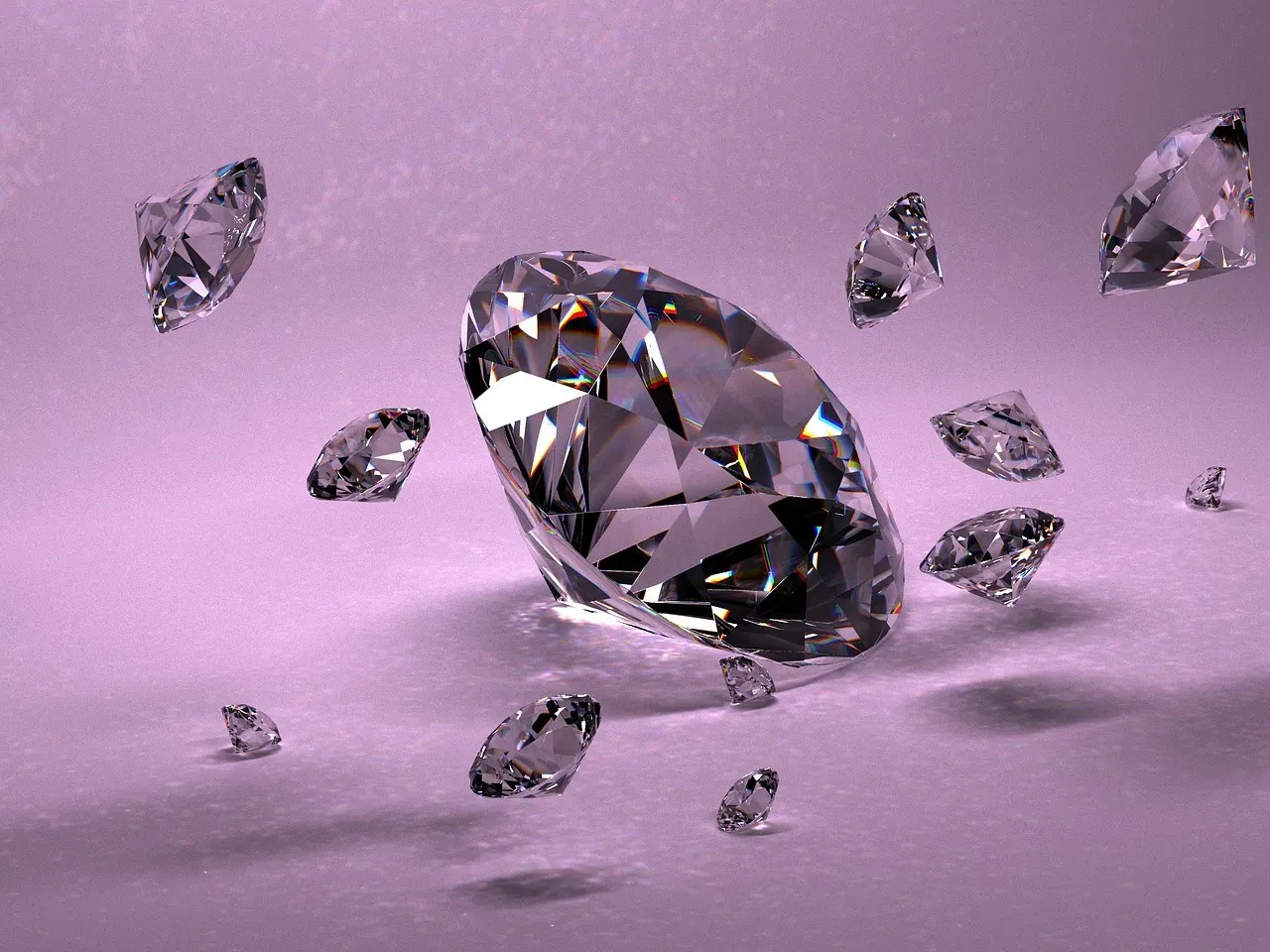
If you could slice the Earth open and peer into the mantle, you’d discover something surprising: diamond is a common mineral down there. In the high-pressure, high-temperature environment more than a hundred kilometers beneath your feet, carbon can naturally settle into the dense, tightly packed crystal structure that you recognize as diamond. From the planet’s perspective, this is not some fragile, special-case condition; it is simply the way carbon prefers to exist at those depths.
The catch is that you never see most of those diamonds. They remain locked away in deep mantle rocks, stable and quiet, far from any human mining operation. You only encounter the rare samples that have been ripped out of their home and shot toward the surface fast enough that they did not turn into ordinary graphite along the way. So when you hold a diamond, you are not holding a freak accident of nature; you are holding a tiny, exported piece of a very common deep-Earth world that is almost entirely hidden from you.
Diamond Formation Needs Pressure, Heat, and Time on an Inhuman Scale
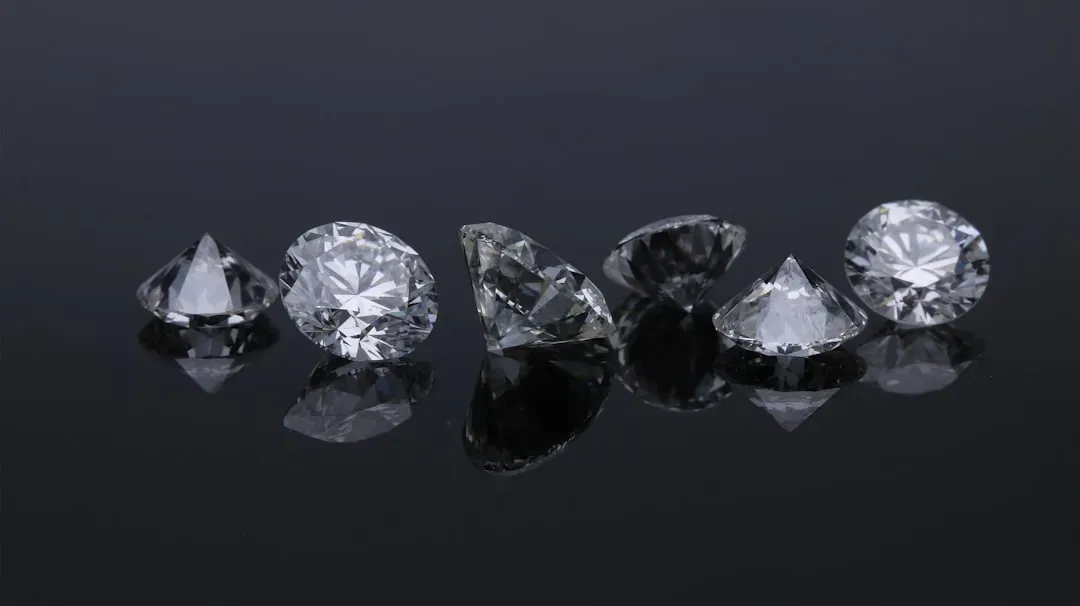
To make a diamond the natural way, you need to think in scales that make human projects feel laughably short. You are talking about pressures hundreds of thousands of times greater than the air around you and temperatures hotter than the interior of most industrial furnaces. On top of that, you need those conditions to persist for incredibly long stretches of geological time, long enough for carbon atoms to slowly shuffle into the ultra-compact diamond structure without being disturbed.
This typically happens in old, thick pieces of continental lithosphere called cratons, which act like gigantic pressure cookers buried under the continents you live on today. Deep within these cratonic roots, carbon-bearing fluids or melts infiltrate the mantle rocks and, under the right combination of pressure and temperature, crystallize diamonds. You are not watching a quick flash of magic; you are watching a patient, relentless rearrangement of atoms that started long before any modern mountain range existed and often before the continents had their current shapes.
The Real Rarity: The Brutal Eruptions Called Kimberlites
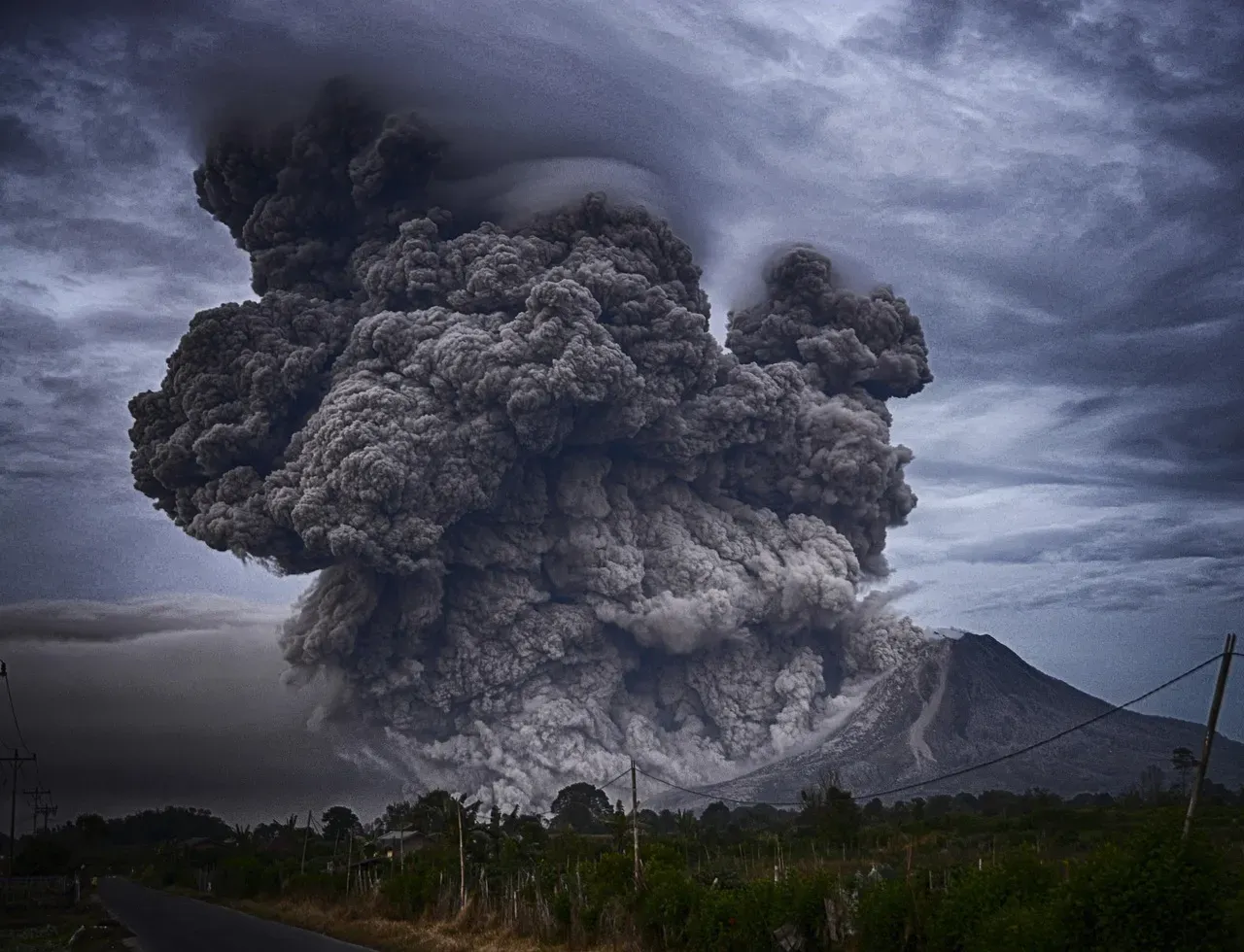
So if diamonds are not rare down deep, what is? The answer is the type of volcanic eruption that can grab those diamonds and get them to the surface in time. These eruptions produce pipes of a strange, volatile-rich rock called kimberlite, which blasts through the crust at astonishing speeds. You can think of a kimberlite eruption as the geological version of a high-pressure champagne cork flying out of a shaken bottle, except the “bottle” is the mantle and crust, and the “cork” is a violent column of rock, gas, and fragments racing upward.
For diamonds, that speed is everything. If the ascent is too slow, the pressure and temperature drop gradually and the diamond becomes unstable, reverting to graphite or breaking down. Kimberlite eruptions are powerful enough and rapid enough to yank diamonds from depths of more than a hundred kilometers and deliver them to near-surface levels in a matter of hours. That extreme combination of speed, violence, and chemistry is what is geologically rare, not the diamond crystals themselves.
Why Geologists Say No Major Diamond-Bearing Eruptions in 25 Million Years
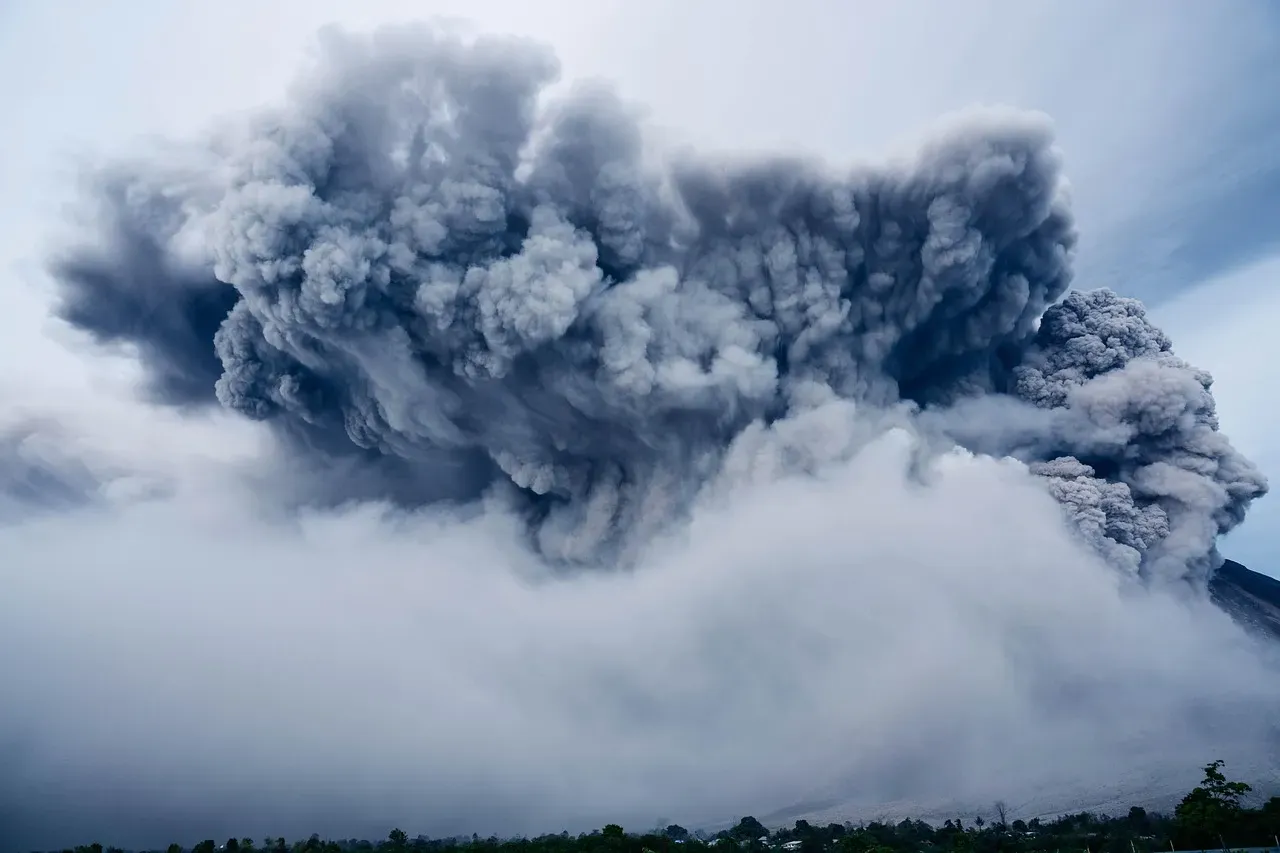
When you hear that Earth has not produced a major diamond-bearing kimberlite eruption in roughly the last twenty-five million years, you are really hearing about a puzzle in deep-time volcanism. Geologists piece this together by dating the rocks in known kimberlite pipes, using radiometric methods to find out when the magma first froze in place. Those dates cluster in certain geological eras and then taper off, suggesting that the planet has largely shut down that particular style of eruption in recent times.
From your vantage point on the surface, that gap means every natural gem-quality diamond you see today is an antique in the strictest sense: it was formed deep in the mantle long before the eruption that brought it up, and that eruption itself is tens or even hundreds of millions of years old. You are not dealing with an ongoing factory that occasionally spits out new diamond deposits; you are living off inherited geological events that your planet no longer seems inclined to repeat on a meaningful scale.
What This Means for “Rarity” and the Price Tag You See
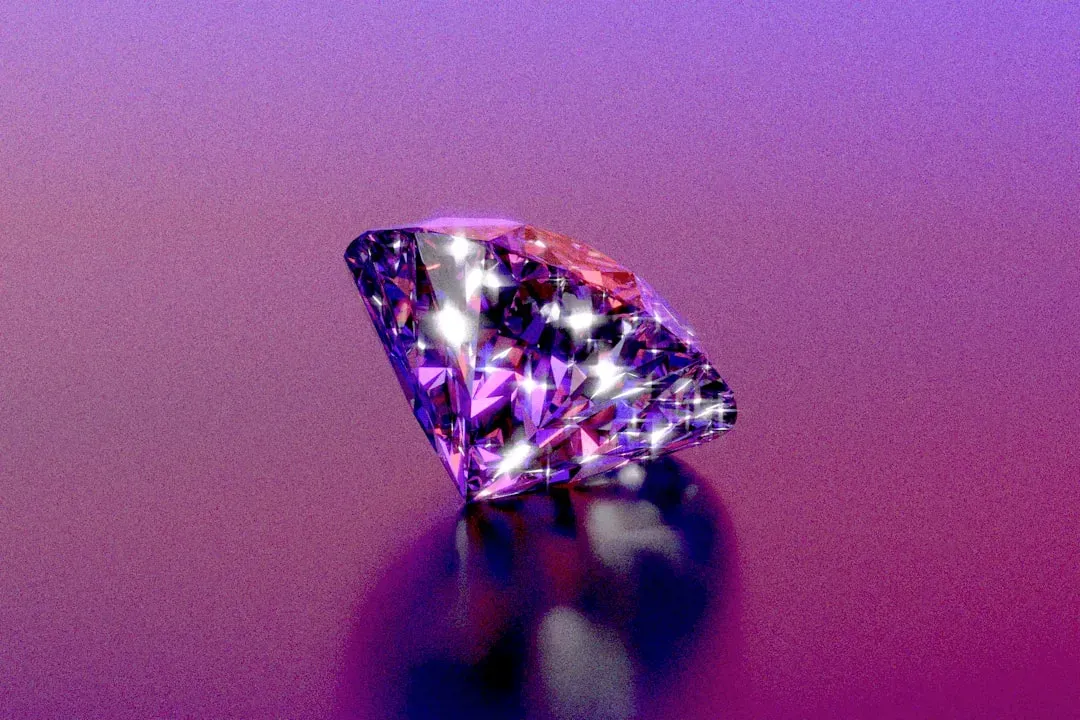
When jewelers lean on the idea that diamonds are rare, the geology quietly disagrees and then nods in partial support. The crystals are not rare in Earth’s interior, but the combination of events that delivers minable amounts of them to shallow crust is. From your perspective as a buyer, the real scarcity is not the number of carbon atoms that could become diamonds, but the finite catalog of ancient deposits that the planet created back when kimberlite activity was still common.
Because no new large diamond-bearing eruptions have happened in many millions of years, you are effectively working with a fixed inventory of natural sources that only shrinks as mines are exhausted. That helps keep high-quality natural stones expensive, but the story is more complicated because marketing, cultural tradition, and brand prestige have all layered themselves over the geological reality. When you see a price, you are paying partly for deep time and vanished volcanism, and partly for the narratives people have woven around a clear crystal of carbon.
Diamonds as Time Capsules of a Hidden Mantle World
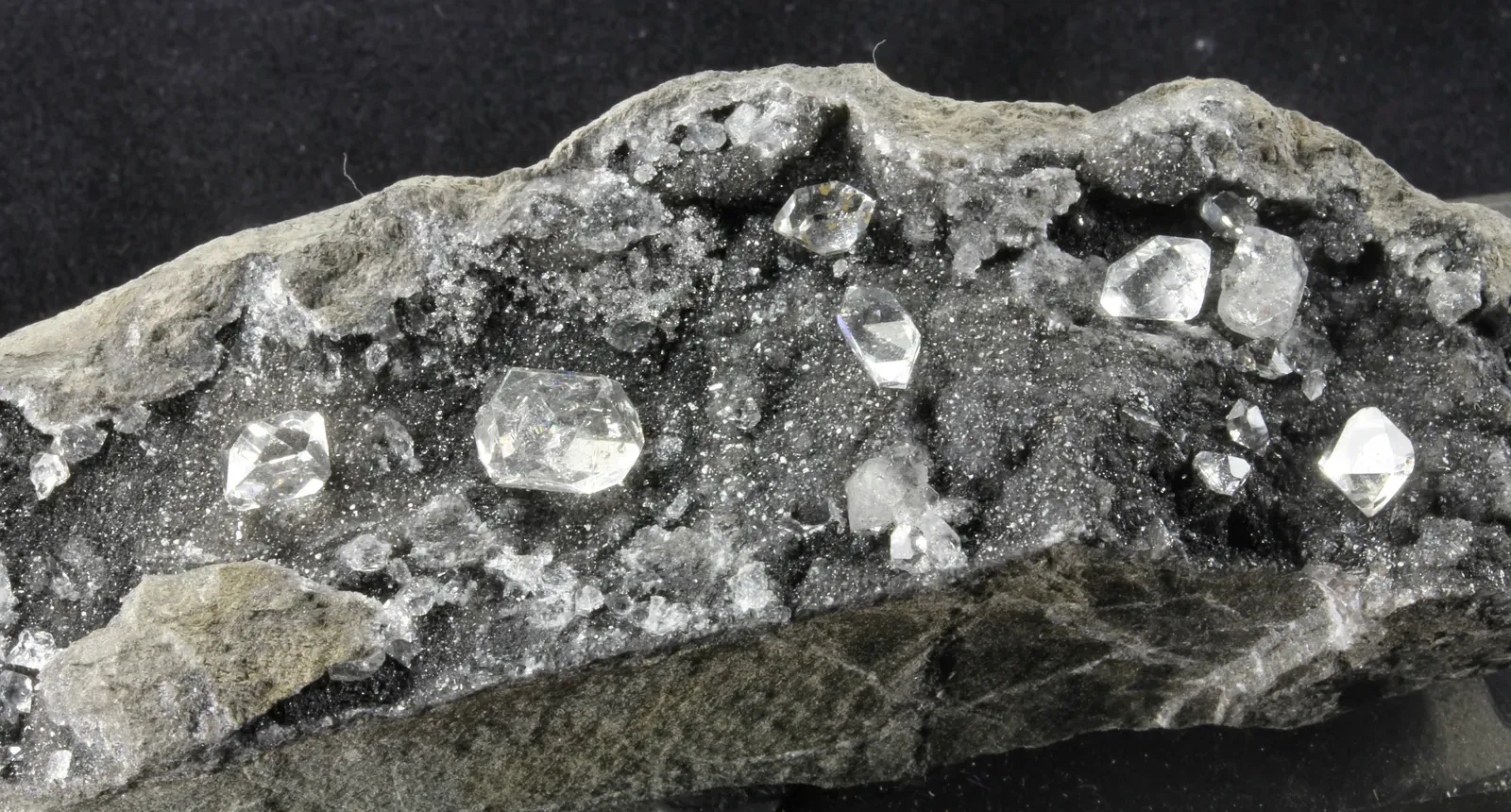
Beyond jewelry, diamonds give you something unique that few other minerals can: a direct physical sample of the deep mantle frozen in place. Many diamonds trap tiny inclusions of other minerals, microscopic passengers that record the temperature, pressure, and chemistry of the environment where the diamond crystallized. When scientists study these inclusions, they are essentially reading notes from parts of the Earth you will never visit, places deeper than any drill has gone or likely ever will.
So when you look into a diamond, you are not just seeing a sparkly surface; you are looking at a story that began hundreds of kilometers down, in conditions you could not survive for a second. Those crystals have outlived entire mountain ranges, supercontinents, and global climate shifts before they ever saw daylight. The fact that they now sit on rings, in vaults, and under microscopes is a side effect of rare eruptions that briefly opened a window between the deep mantle and the surface world you inhabit.
Why Earth’s Deep Plumbing May Have Changed
The big question that hangs over modern geology is why those dramatic kimberlite eruptions have gone quiet in the more recent stretch of Earth history. One idea you will run into is that the tectonic and thermal conditions that favored their formation were more common in certain ancient periods when the mantle was slightly hotter and the configuration of continents allowed particular stress patterns and mantle flows. As the planet has slowly cooled and plate arrangements have shifted, the triggers for those extreme eruptions may simply occur far less often.
Another piece of the puzzle is that kimberlite magmas are unusually rich in volatile components like water and carbon dioxide, which can drive explosive behavior. To generate them in large volumes, you probably need just the right combination of deep carbon sources, mantle melting, and tectonic stretching or thinning. You live in a time when most of that deep plumbing appears to be quieter, more stable, and less prone to catastrophic blowouts. From your point of view, that is good news for surface life, even if it is bad news for anyone hoping for fresh, giant diamond deposits.
Lab-Grown Diamonds: You Now Copy What the Mantle Does Naturally
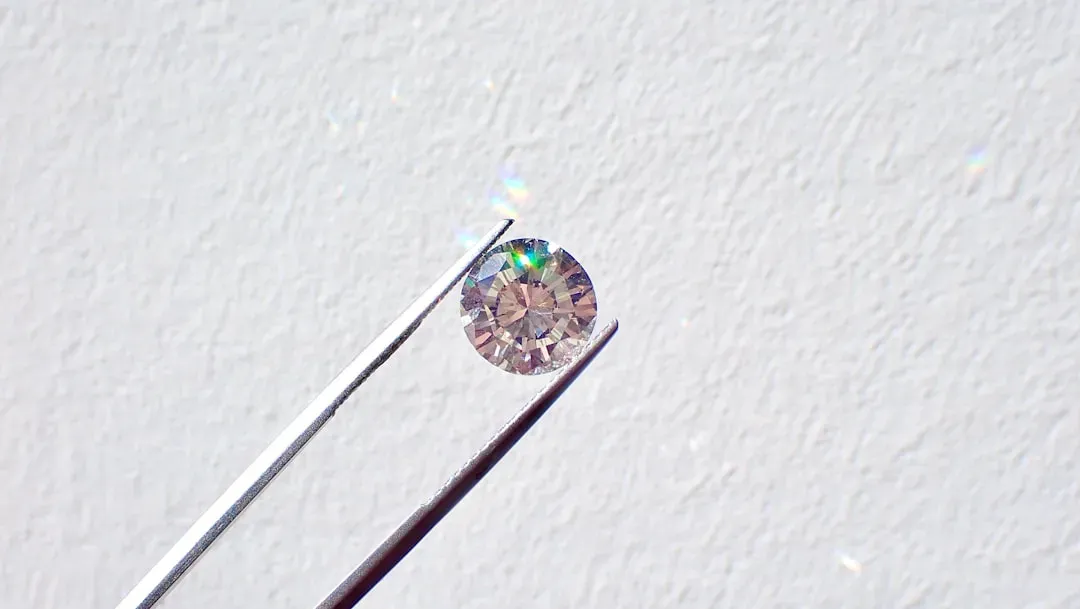
Knowing that nature treats diamonds as a common deep-Earth mineral changes how you see human-made versions. Lab-grown diamonds are not fakes; they are the same crystal structure of carbon, created by copying or shortcutting mantle conditions in controlled machines. You are either compressing carbon at high pressures and temperatures or using vapor-based methods to coax carbon atoms into a diamond lattice on a seed crystal, but in both cases, you are mimicking what the Earth already does on a much larger and slower scale.
In a way, you are reclaiming control over a process that used to depend entirely on rare ancient eruptions. Instead of waiting for a planet to throw a geological tantrum, you can now order a diamond that formed in weeks inside a reactor, with traceable origins and fewer unknowns. This does not erase the historical and emotional value some people place on natural stones, but it does undermine the old idea that only geology can make “real” diamonds. You are now living in a moment where human technology has quietly joined the mantle as a second major diamond factory.
How This Knowledge Might Change the Way You See Diamonds
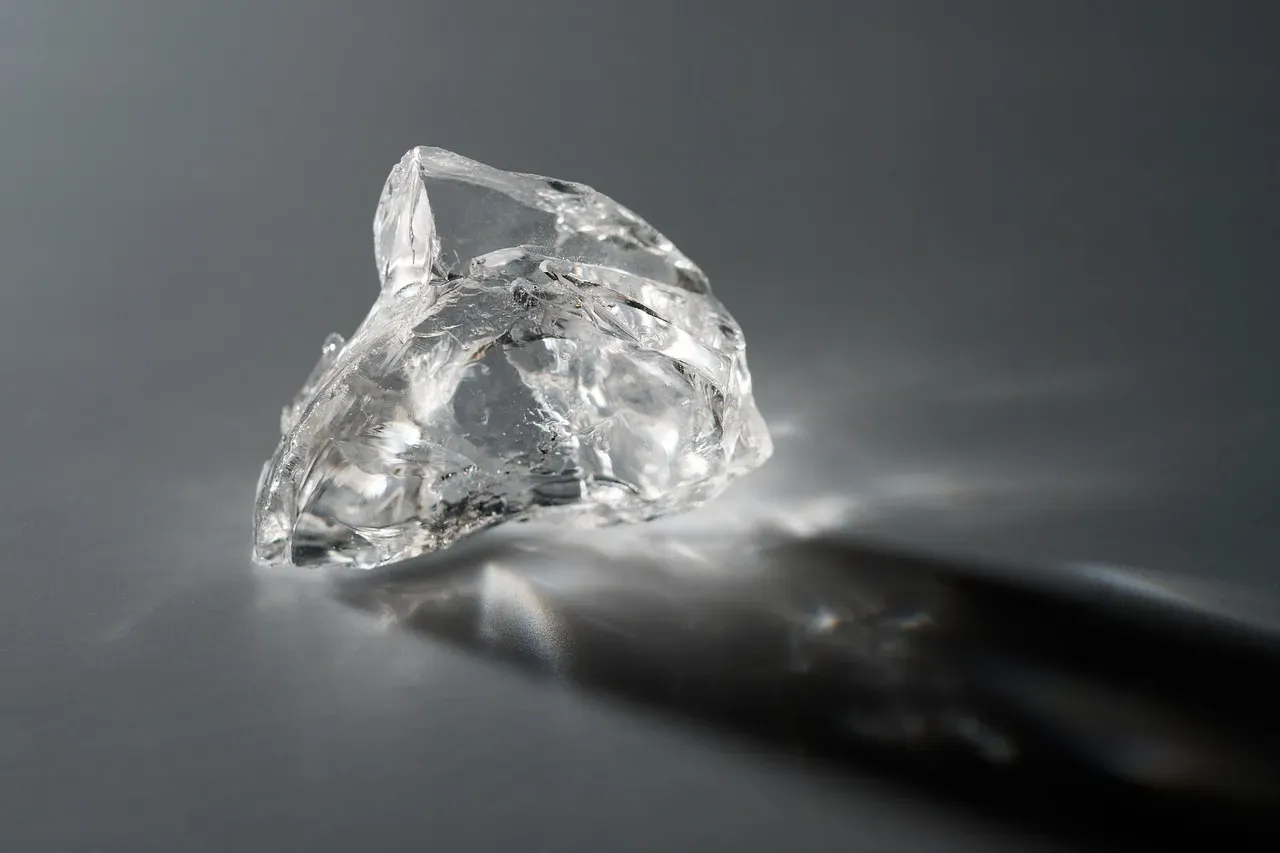
Once you realize that diamonds are common deep-Earth minerals and that the real bottleneck is explosive delivery, it becomes harder to see them as mystical objects dropped into the world just for romance and luxury. You start to notice them as by-products of ancient tectonic chaos, frozen evidence that your planet used to erupt more violently in ways it no longer does. That shift in perspective can make a diamond feel less like a fairy-tale gem and more like a geological fossil of a vanished style of volcanism.
At the same time, you might find a different kind of meaning in them. If you choose a natural diamond, you are choosing a piece of carbon that survived the deep mantle, a brutal eruption, and millions of years of erosion before it landed in your hand. If you choose a lab-grown stone, you are relying on your own species’ ability to understand and recreate the physics of Earth’s interior. Either way, you are no longer just buying sparkle; you are engaging with a story about how your planet works and how you fit into that story.
Conclusion: A Common Mineral, a Rare Journey
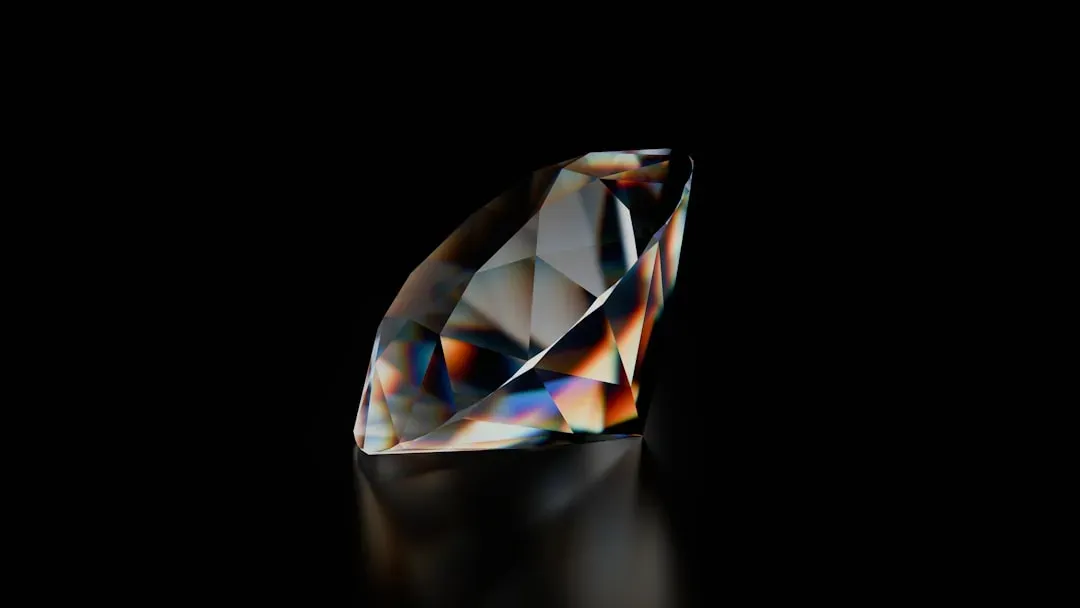
When you strip away the marketing and myths, diamonds turn out to be both ordinary and extraordinary at the same time. Deep inside Earth, they are a routine way for carbon to exist; up at the surface, they are scarce because the brutal, high-speed eruptions that once carried them upward have not happened in about twenty-five million years. You are living off the leftovers of ancient geological upheavals, mining deposits that formed in a more explosive chapter of Earth’s history that appears to be over.
Knowing this, you can look at any diamond – natural or lab-grown – with a sharper, more grounded sense of what it really is. You are either holding a shard of deep time that rode a one-way volcanic elevator from the mantle, or a carefully engineered echo of that process built in a human lab. In both cases, the value lies in the story you decide to see in it: a rare journey rather than a rare substance. Now that you know the difference, how will you see the next diamond that catches your eye?