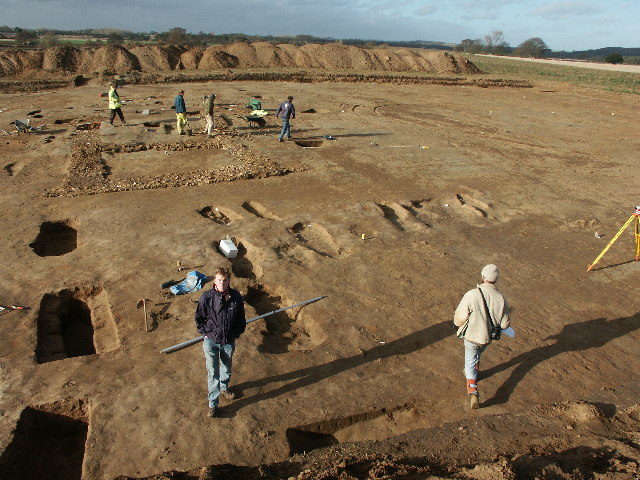
Picture this: a landscape choked by alien vines that strangle native trees, waterways clogged with floating plants that block sunlight from reaching aquatic life below, and meadows transformed into monocultures where only one aggressive species thrives. This isn’t a dystopian fantasy – it’s the reality facing millions of acres across our planet today. But here’s what might surprise you: ordinary people armed with nothing more than hand tools, determination, and weekend free time are winning battles against these biological invaders that even government agencies struggle to contain.
The Silent Invasion That Changed Everything

Invasive species didn’t arrive overnight, but their impact has been nothing short of catastrophic. These ecological freeloaders hitchhiked their way across continents through global trade, often tucked away in shipping containers or clinging to the hulls of boats. Once they establish themselves in new territories, they operate like ecological bulldozers, pushing out native species that evolved over thousands of years to fill specific niches. The economic damage alone reaches hundreds of billions of dollars annually worldwide, but the true cost goes far deeper than money. Entire ecosystems collapse when keystone native species disappear, creating ripple effects that can take decades to fully understand.
Why Traditional Methods Failed

Government agencies and large conservation organizations have thrown massive resources at invasive species control, yet the problem continues to worsen. The reason is surprisingly simple: scale and timing. By the time official bureaucracy mobilizes, invasive populations have often reached a tipping point where complete eradication becomes nearly impossible. Traditional approaches also rely heavily on chemical treatments that can harm beneficial species alongside the targets. Many invasive plants produce thousands of seeds per individual, and missing even a small population during treatment means starting over from scratch within a few growing seasons. The bureaucratic pace of large institutions simply can’t match the explosive reproduction rates of successful invaders.
The Volunteer Revolution Begins

Something remarkable started happening in communities across the globe around the early 2000s – regular citizens began organizing their own invasive species removal efforts. These weren’t trained ecologists or government employees, but teachers, accountants, retirees, and students who decided they wouldn’t wait for someone else to save their local natural areas. What began as small weekend gatherings has evolved into a sophisticated network of volunteer groups that achieve results professional teams often struggle to match. The secret lies in their local knowledge, consistent presence, and genuine emotional investment in specific places. When you live next to an invaded forest or wetland, you notice changes that visiting experts might miss.
Tools of the Trade: Low-Tech Solutions
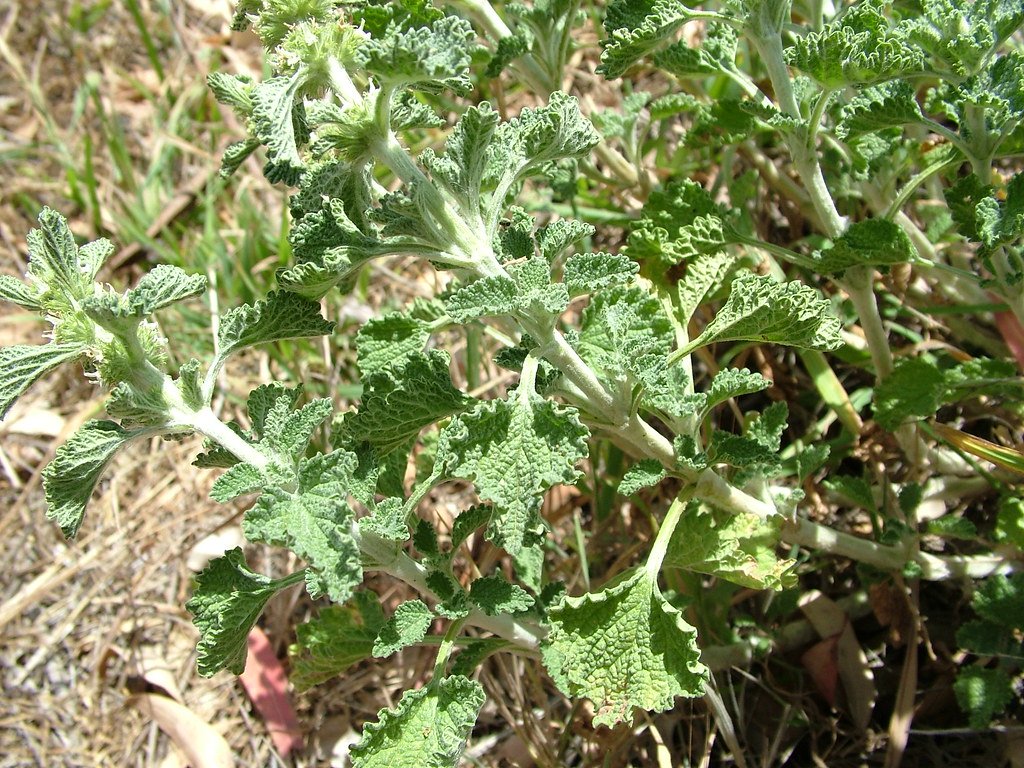
The most effective volunteer groups have discovered that expensive equipment isn’t necessary for successful invasive species control. Hand-pulling remains the gold standard for many invasive plants, especially when done during specific windows when soil moisture makes root systems easier to extract completely. Simple tools like pulaskis, weed wrenches, and brush cutters handle larger infestations, while specialized implements like Japanese hori knives excel at precision work around sensitive native plants. Many volunteers swear by timing their removal efforts to coincide with weather patterns – pulling invasives after rain events or cutting flowering stalks just before seed set. The key insight is that consistent, targeted pressure often works better than occasional intensive efforts.
The Science Behind Volunteer Success
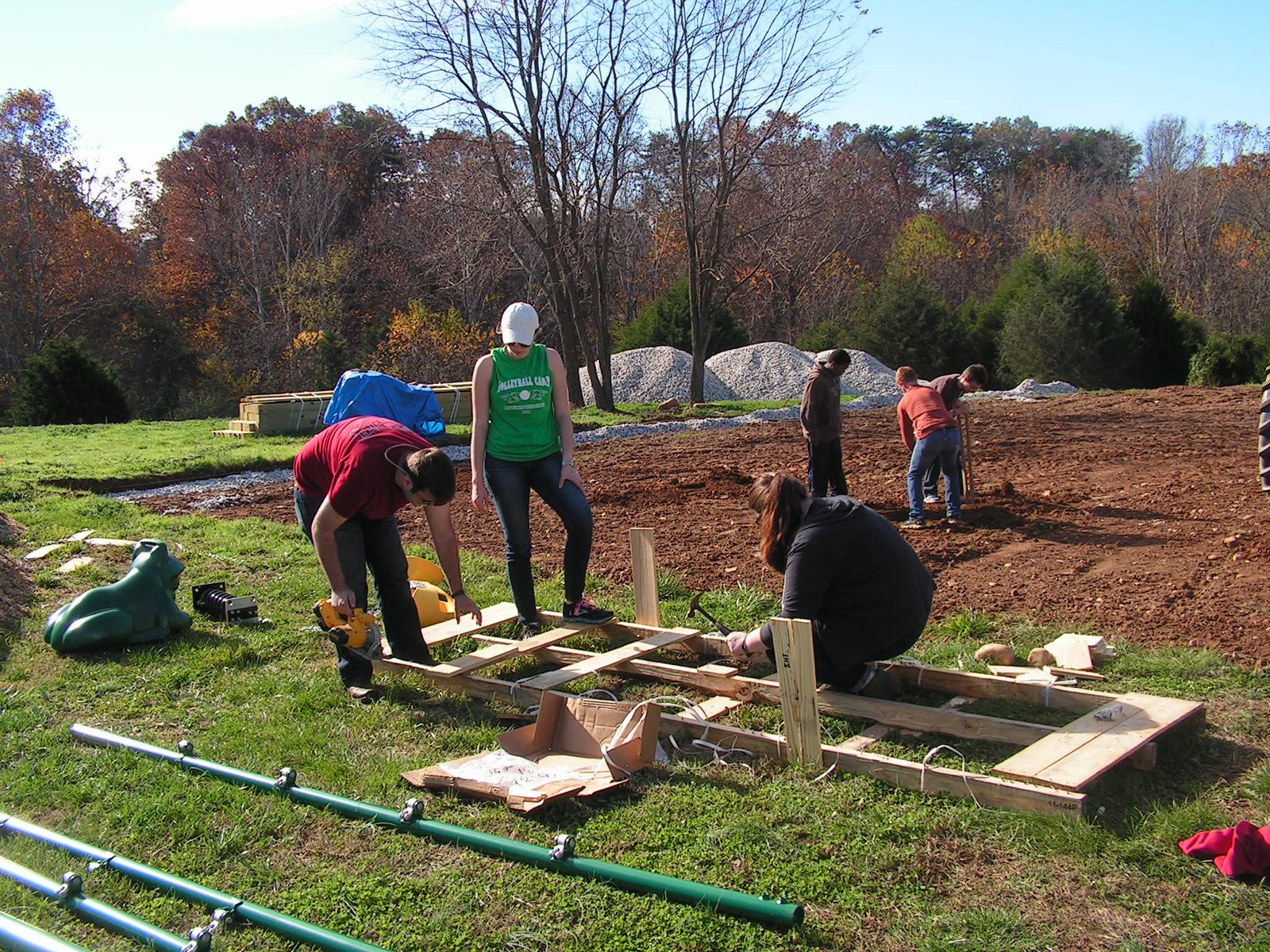
Research has revealed why volunteer groups achieve remarkable results despite lacking formal training. Invasive species control follows what ecologists call the “detection curve” – the earlier you catch an invasion, the cheaper and easier it becomes to eliminate. Volunteers who regularly walk the same trails and visit the same natural areas naturally become expert at spotting new invasions in their earliest stages. Professional surveys might visit a site once or twice per year, but dedicated volunteers often visit weekly or even daily. This frequent observation allows them to catch satellite populations and new introductions before they establish breeding populations. Studies tracking volunteer-managed sites show invasion rates dropping by 80% or more over five-year periods.
Building Community Through Environmental Action
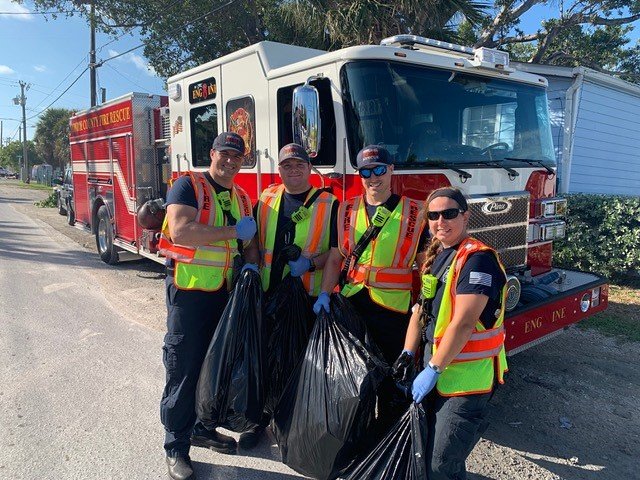
Invasive species removal has become an unexpected catalyst for community building in countless neighborhoods. These projects bring together people from diverse backgrounds who might never interact otherwise – retired engineers working alongside college students, longtime residents sharing knowledge with newcomers, families making weekend conservation work into regular traditions. The physical nature of the work creates natural conversations and friendships that extend far beyond environmental issues. Many volunteer groups report that members continue gathering socially even during seasons when removal work isn’t possible. The shared sense of purpose and visible progress creates bonds that traditional community organizations often struggle to achieve.
The Emotional Journey of Land Restoration
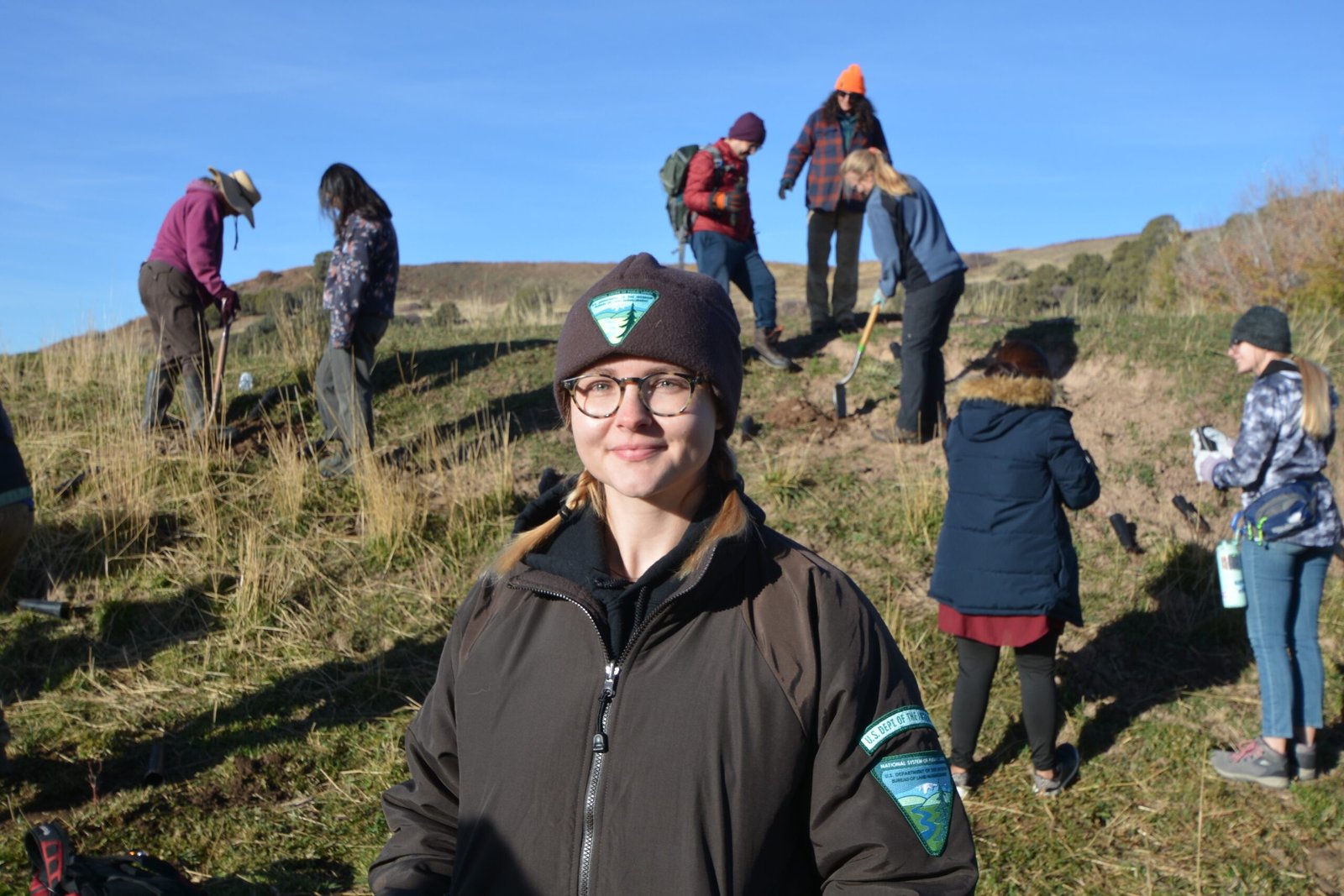
Ask any long-term volunteer about their motivation, and you’ll hear stories that go far beyond environmental concern. Many describe a deep emotional connection that develops as they witness landscapes slowly returning to health under their care. There’s something profoundly satisfying about pulling an invasive vine and immediately seeing a native wildflower that had been struggling underneath. Volunteers often adopt specific areas or even individual trees, checking on their progress like gardeners tending precious plants. The work provides a tangible way to fight climate change and environmental degradation at a time when these issues can feel overwhelming and abstract. Each removed invasive plant represents a small victory in a much larger battle.
Unexpected Discoveries in Degraded Landscapes

One of the most exciting aspects of volunteer restoration work is the constant stream of ecological surprises that emerge as invasive species are removed. Native plant communities that seemed completely destroyed often resurface from dormant seed banks once invasive competitors are eliminated. Rare species that hadn’t been seen in an area for decades sometimes reappear within months of intensive invasive removal. Volunteers regularly discover native plants that professional botanists didn’t know existed in their restoration areas. These discoveries fuel ongoing research and sometimes lead to official protection for newly recognized habitat areas. The volunteer community has become an invaluable source of ecological data for researchers studying landscape recovery patterns.
Technology Meets Grassroots Conservation

Modern volunteer groups increasingly leverage technology to maximize their impact and coordinate efforts across larger landscapes. Smartphone apps like iNaturalist and EDDMapS allow volunteers to document invasive species locations and track removal progress with GPS precision. Online platforms help groups organize work parties, share best practices, and coordinate with neighboring volunteer organizations. Some groups use drone technology to map large infestations and monitor recovery in areas that are difficult to access on foot. Social media has transformed how groups recruit new volunteers and share success stories that inspire other communities to start their own efforts. The combination of high-tech tools and low-tech removal methods creates a powerful conservation approach.
Success Stories That Inspire Action

The results achieved by volunteer groups often seem almost too good to be true. In California’s East Bay, volunteer teams have eliminated entire invasive plant species from watershed areas that now support returning native wildlife populations. Florida volunteers have reclaimed thousands of acres of coastal habitat from Brazilian pepper trees, allowing native bird species to reestablish nesting sites. Midwest prairie restoration volunteers have documented the return of butterfly species that hadn’t been seen locally for over 30 years. These success stories spread through volunteer networks, providing blueprints and motivation for groups facing similar challenges. The documented evidence of volunteer achievements has begun influencing policy decisions and funding priorities at state and federal levels.
The Physical and Mental Health Benefits
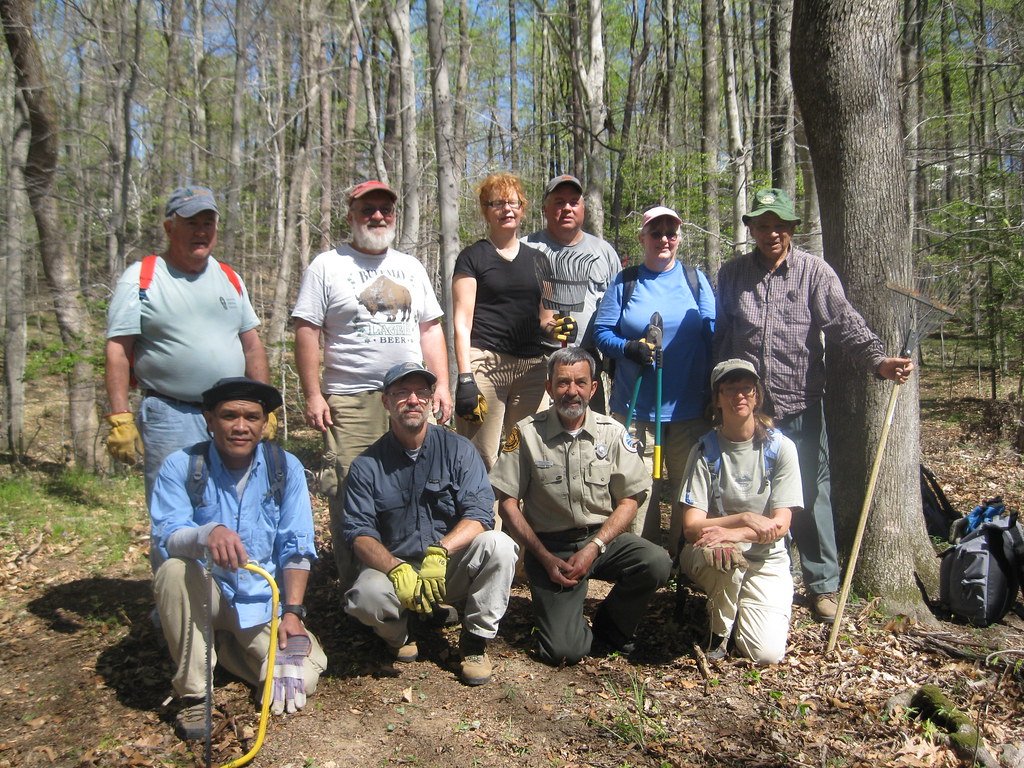
Volunteer restoration work provides significant health benefits that extend far beyond the environmental impact. The physical activity involved in invasive species removal offers excellent exercise that many participants find more engaging than traditional fitness routines. Spending time outdoors in natural settings has documented mental health benefits, reducing stress and anxiety while improving overall mood and cognitive function. Many volunteers report that restoration work provides a healthy outlet for frustration about environmental problems – channeling worry into productive action. The social aspects of group work combat isolation and loneliness, particularly important for older adults who make up a significant portion of many volunteer teams. Regular participants often describe improved sleep, better physical fitness, and a greater sense of life purpose.
Overcoming Challenges and Setbacks

Volunteer restoration efforts face significant obstacles that test the commitment and creativity of even the most dedicated groups. Weather extremes can make work dangerous or impossible for extended periods, while invasive species often seem to recover faster than volunteers can remove them. Property access issues complicate efforts when invasions cross multiple ownership boundaries, and some landowners resist volunteer work on their property. Volunteer groups sometimes struggle with internal conflicts over methods, priorities, or leadership decisions. Burnout becomes a real concern when the scope of invasion seems overwhelming compared to volunteer capacity. Successful groups learn to celebrate small victories, rotate leadership responsibilities, and maintain realistic expectations about timeline and scope.
The Economics of Volunteer Conservation
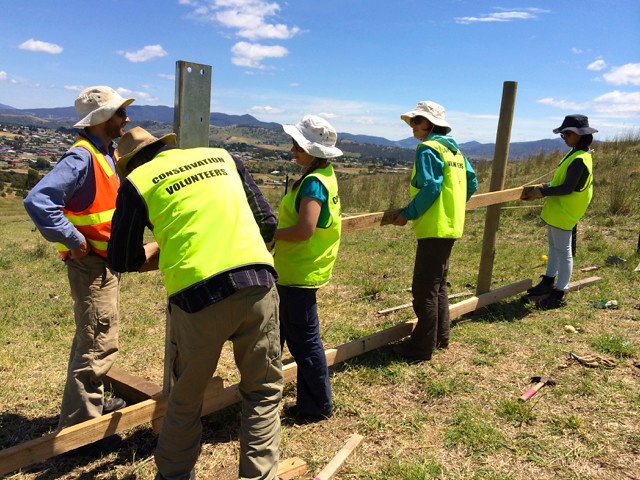
The financial impact of volunteer restoration work represents tremendous value for communities and taxpayers. Professional invasive species removal typically costs between $200 and $2,000 per acre depending on the species and terrain, while volunteer efforts achieve similar results for the cost of basic tools and refreshments. Studies estimate that volunteer conservation work contributes billions of dollars in free labor annually across North America alone. Many volunteer groups leverage their donated time to secure matching grants and donations that multiply their impact. Local governments increasingly recognize volunteer restoration as essential infrastructure, providing tool libraries, disposal services, and technical support. The economic model proves that environmental protection doesn’t require massive budgets when communities organize themselves effectively.
Training the Next Generation
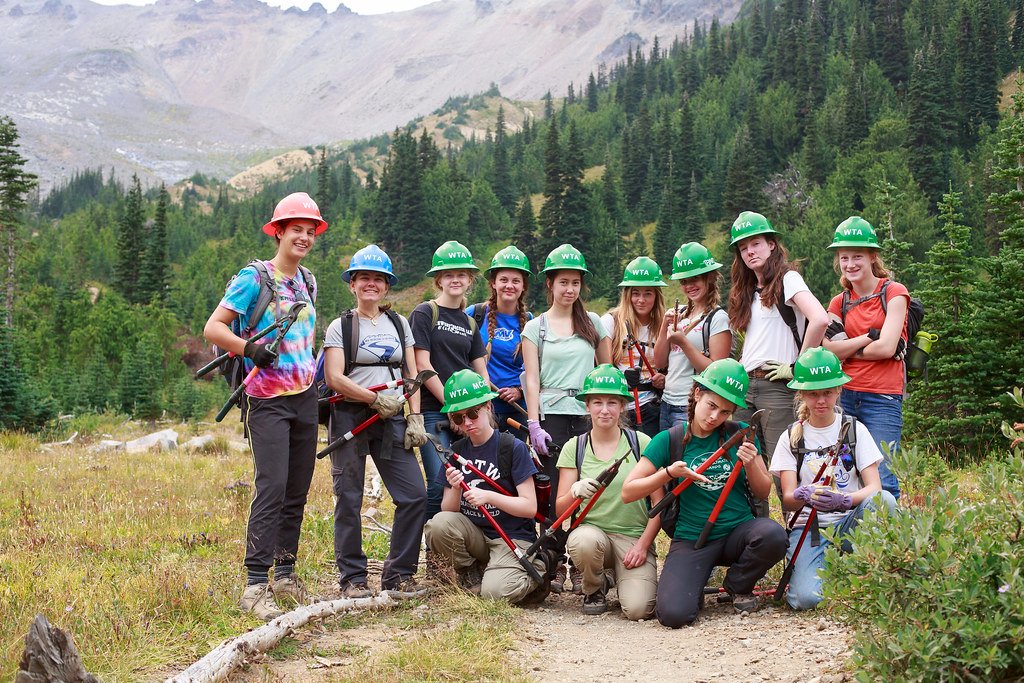
Experienced volunteer groups understand that long-term success requires passing knowledge and passion to younger participants. Many organizations have developed mentorship programs that pair seasoned volunteers with newcomers, ensuring that hard-earned expertise doesn’t disappear when founding members age out of active participation. School partnerships bring students into restoration sites for hands-on learning experiences that often spark lifelong environmental interests. Youth programs teach identification skills, proper removal techniques, and ecological principles through direct field experience that classroom education alone cannot provide. These educational efforts create a pipeline of knowledgeable advocates who understand both the technical and emotional aspects of land restoration. Some former youth participants have gone on to pursue careers in ecology, conservation, or environmental education directly inspired by their volunteer experiences.
Scaling Up: From Local to Landscape Level
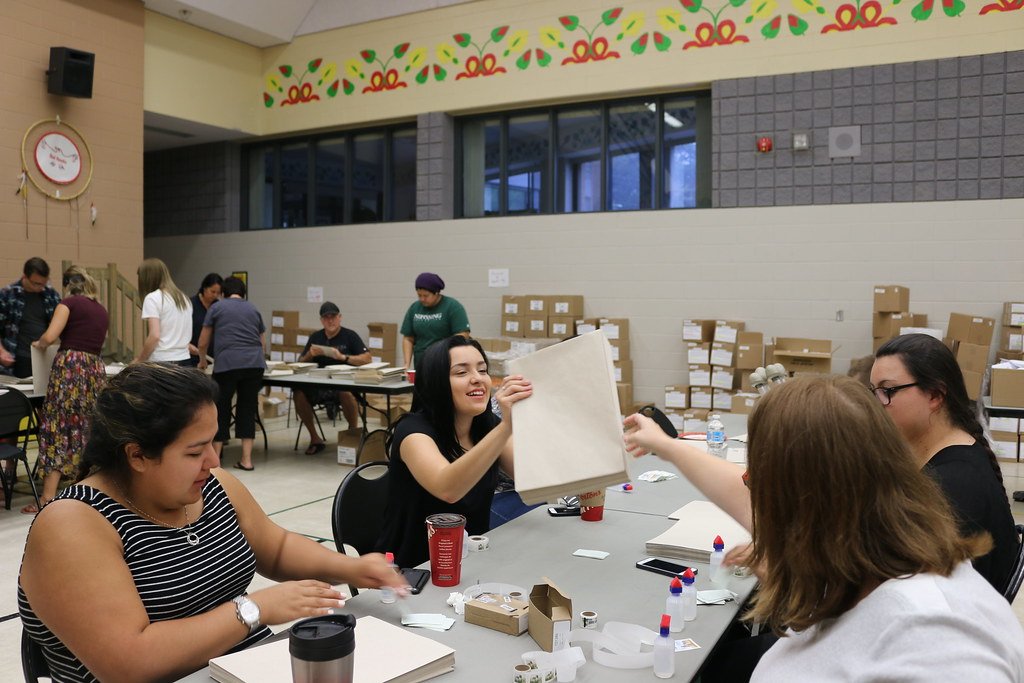
Individual volunteer groups have begun connecting with each other to tackle invasions at watershed and ecosystem scales that no single organization could address alone. Regional networks coordinate removal efforts across property boundaries, ensuring that cleared areas don’t immediately become reinfested from nearby source populations. These larger collaborations often attract professional support and funding that individual groups couldn’t access independently. Cross-group partnerships share specialized knowledge and equipment, making everyone more effective. Some regional networks have grown large enough to influence land management policies and secure dedicated funding streams for volunteer-supported restoration work. The evolution from local hobby groups to coordinated conservation forces represents a significant shift in how ecological restoration gets accomplished.
The Ripple Effects of Restoration

Successful invasive species removal creates cascading positive effects that extend far beyond the immediate restoration sites. Native wildlife populations often recover rapidly once habitat quality improves, with some species recolonizing restored areas within months of invasive removal. Water quality improvements in restored watersheds benefit entire river systems and downstream communities. Property values in neighborhoods with active restoration programs often increase as natural areas become more attractive and functional. The volunteer work creates local environmental awareness that influences individual and community decisions about landscaping, water use, and development practices. Research conducted in volunteer-restored areas contributes to broader scientific understanding of ecosystem recovery processes and invasive species management strategies.
Policy Changes Driven by Grassroots Success
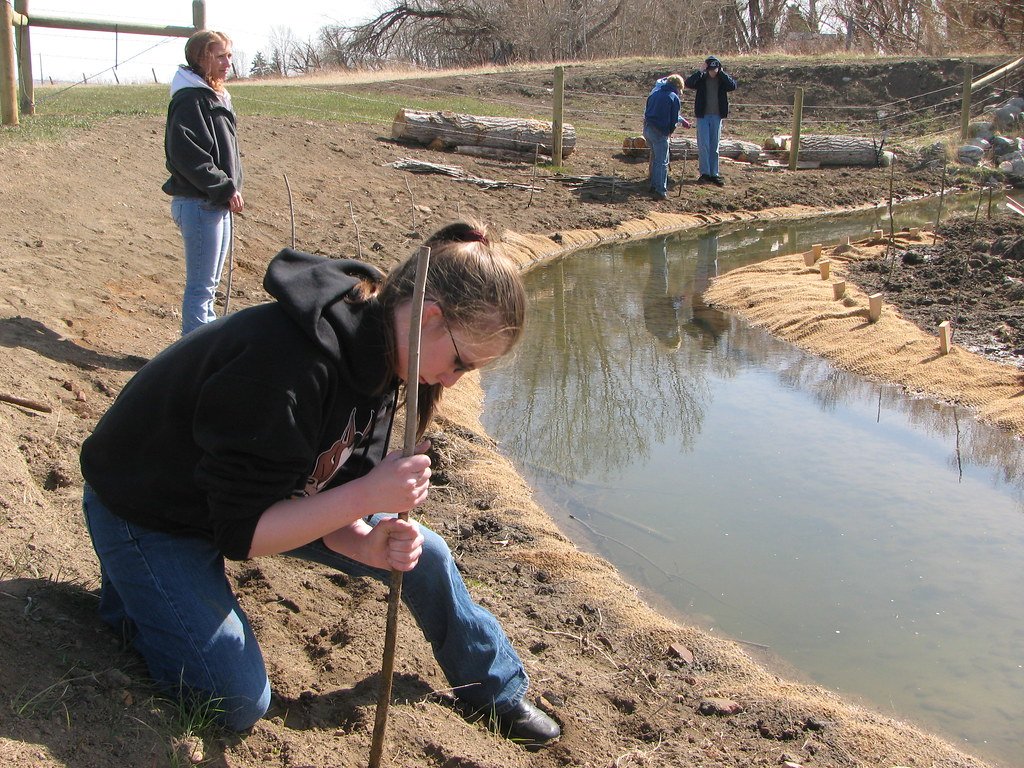
The documented success of volunteer restoration efforts has begun influencing environmental policy at local, state, and federal levels. Many communities have revised their invasive species ordinances based on input from volunteer groups who understand which regulations actually work in practice. Grant programs increasingly recognize and fund volunteer-supported projects, acknowledging their proven effectiveness and cost-efficiency. Some areas have created official partnerships between government agencies and volunteer organizations, combining professional oversight with volunteer labor and local knowledge. Policy makers studying the volunteer restoration model are exploring ways to replicate and support these efforts in other communities. The grassroots success stories provide concrete examples of what effective environmental action looks like when communities take ownership of their local natural resources.
Looking Forward: The Future of Volunteer Restoration
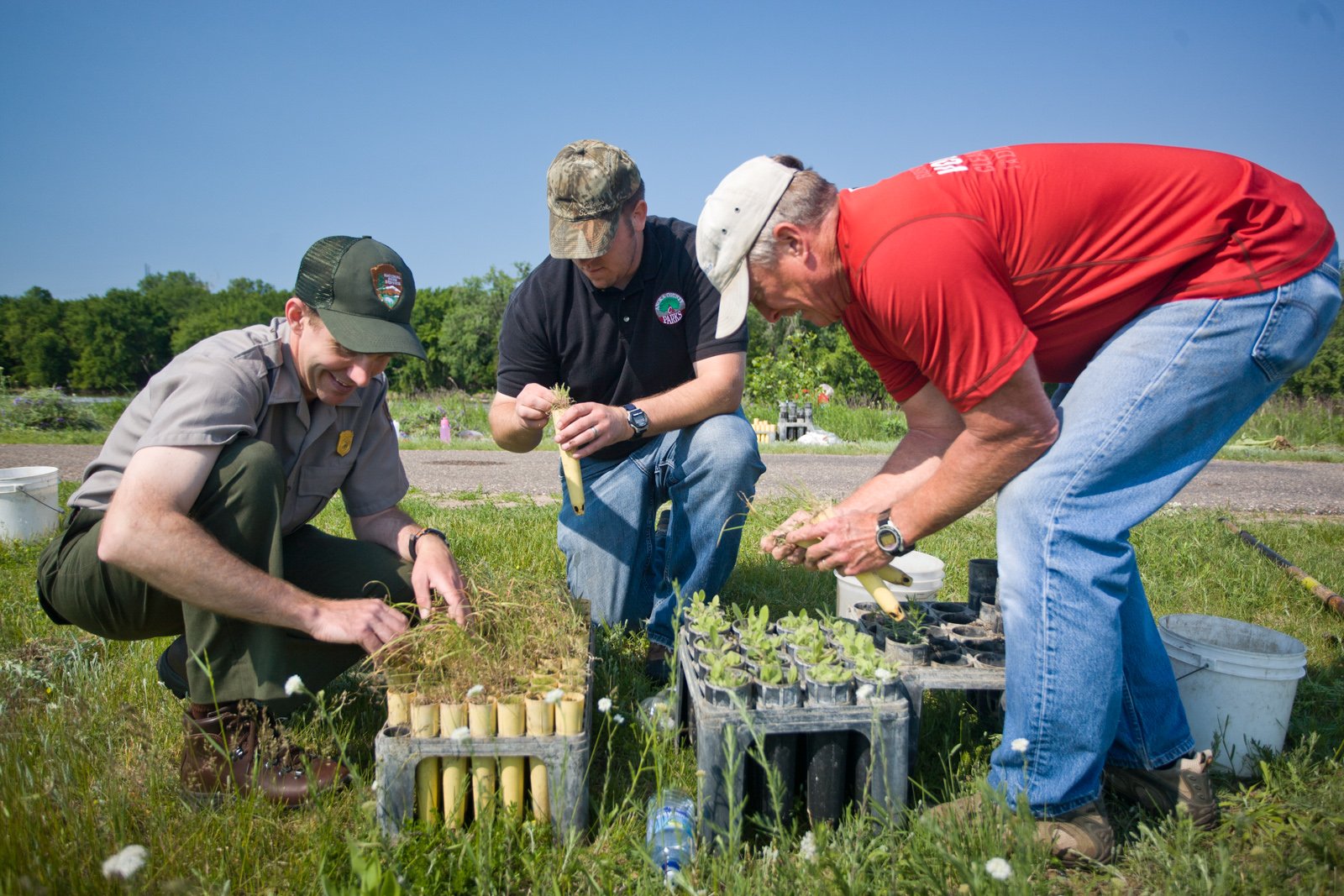
The trajectory of volunteer-driven invasive species control suggests this movement will continue growing and evolving in the coming decades. Climate change will likely accelerate invasive species spread while simultaneously making many natural areas more vulnerable to invasion, increasing the need for rapid response capabilities that volunteer networks provide. Technological advances will make species identification, mapping, and coordination even more efficient and accessible to volunteer groups. Growing environmental awareness and concern about ecological degradation will likely drive more people to seek hands-on ways to make a positive difference in their communities. The success stories and proven methods developed by current volunteer groups provide a foundation for expansion into new areas and target species.
The quiet revolution happening in natural areas across the globe represents something much more significant than weekend hobby groups pulling weeds. These volunteer restoration efforts demonstrate that ordinary people can achieve extraordinary environmental results when they combine local knowledge, consistent effort, and genuine care for the places they call home. The transformation of invaded landscapes back into functioning ecosystems proves that even our most challenging environmental problems have solutions when communities organize themselves effectively. As invasive species continue threatening natural areas worldwide, the volunteer restoration model offers hope that we don’t have to wait for someone else to save the places we love. What started as small groups of neighbors has evolved into a conservation force that’s literally reshaping landscapes and inspiring a new generation of environmental stewards who understand that the health of our local natural areas depends on our willingness to roll up our sleeves and do the work ourselves.