Imagine stumbling upon a sunken forest, its ancient trees perfectly preserved beneath the waves, hidden from the world for millions of years. It’s a scene straight out of a fantasy novel, yet it’s real—fossilized forests, lying silent and forgotten on the ocean floor, hold secrets that could change everything we think we know about Earth’s climate history. These underwater time capsules are more than just geological wonders—they might be the key to unlocking the riddles of ancient climates, lost worlds, and the delicate balance that shapes our planet’s future. What if the answers to today’s climate questions are waiting patiently at the bottom of the sea?
The Astonishing Discovery of Submerged Forests
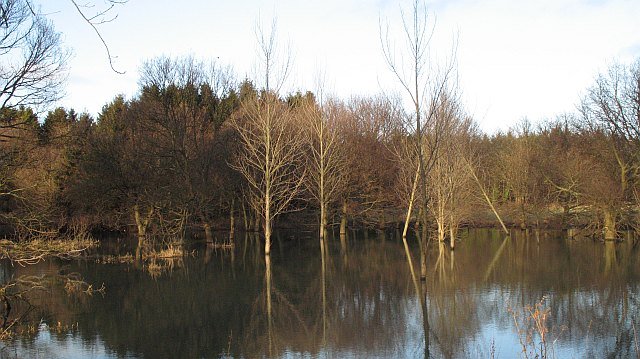
Fossilized forests on the ocean floor weren’t always buried beneath the waves. Once, they stood tall, swaying in the breeze, home to creatures long extinct. Scientists first stumbled across these forests while mapping the seabed or during deep-sea dives, when they noticed eerie, tree-like structures poking from the silt. The shock of seeing tree trunks, roots, and even leaves preserved in such an alien environment created headlines and a buzz of excitement. These discoveries challenge our very sense of time and place, making us wonder: how did these forests end up underwater, and what stories do they have to tell?
How Do Forests Become Fossilized Underwater?
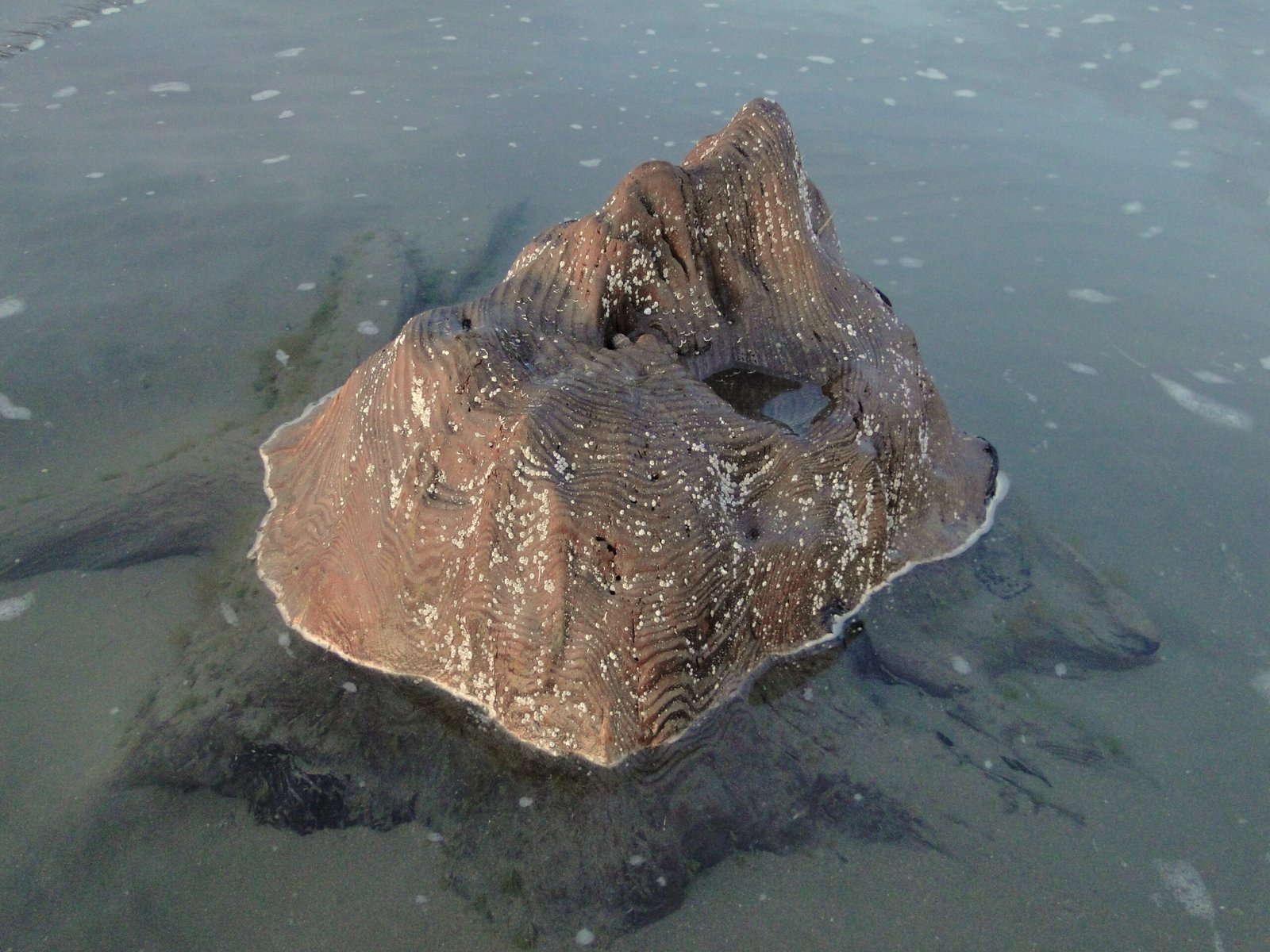
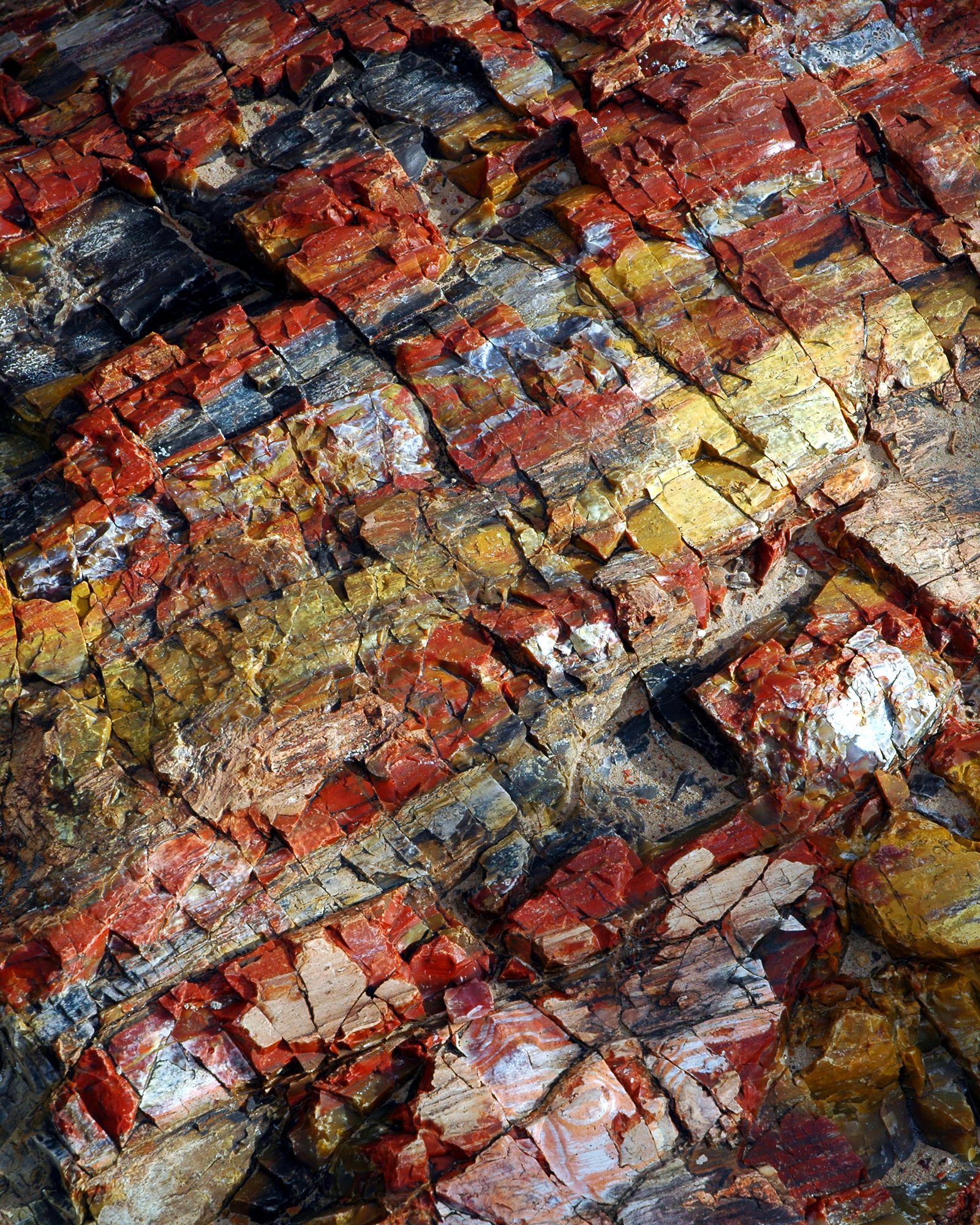
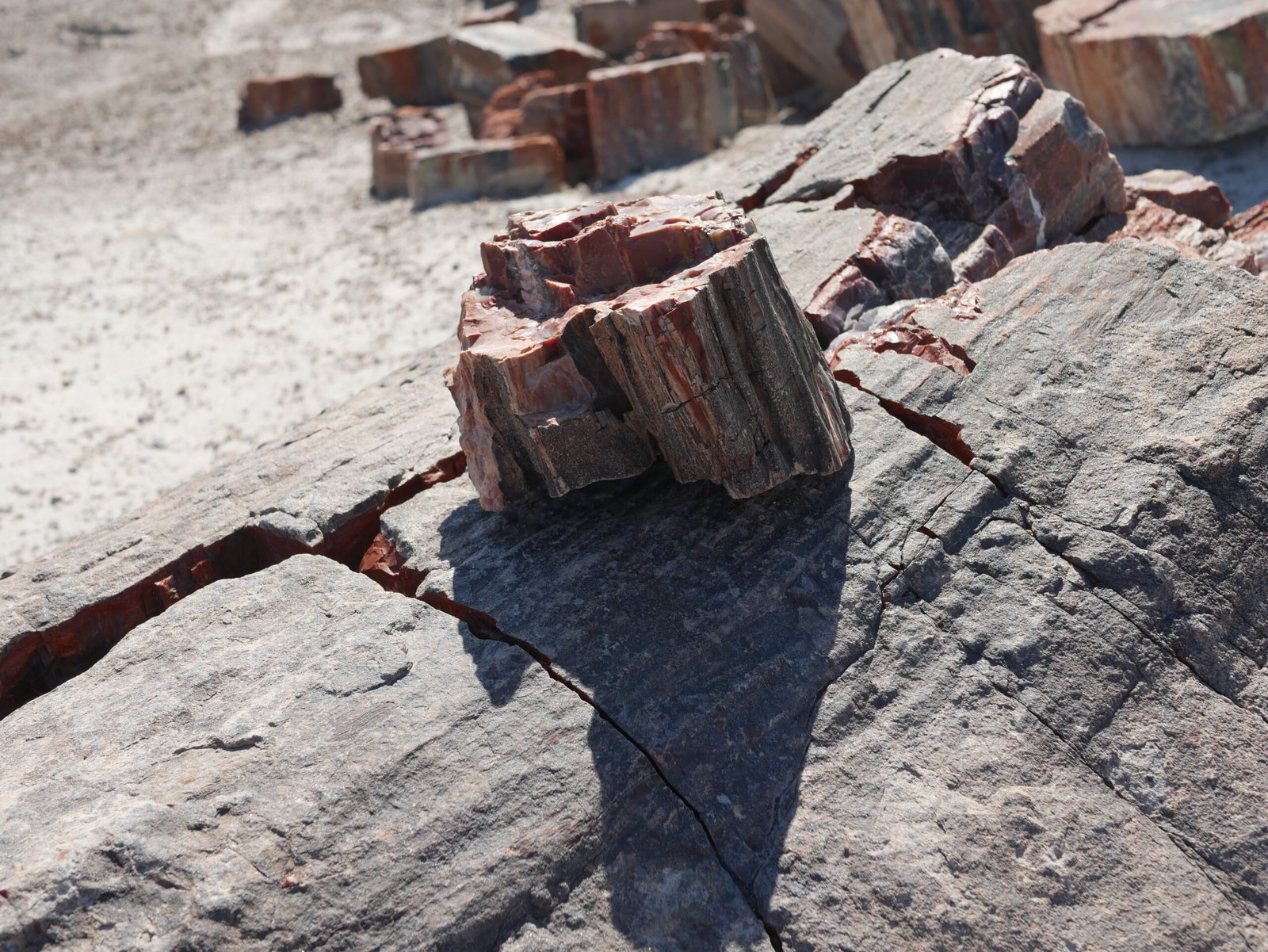
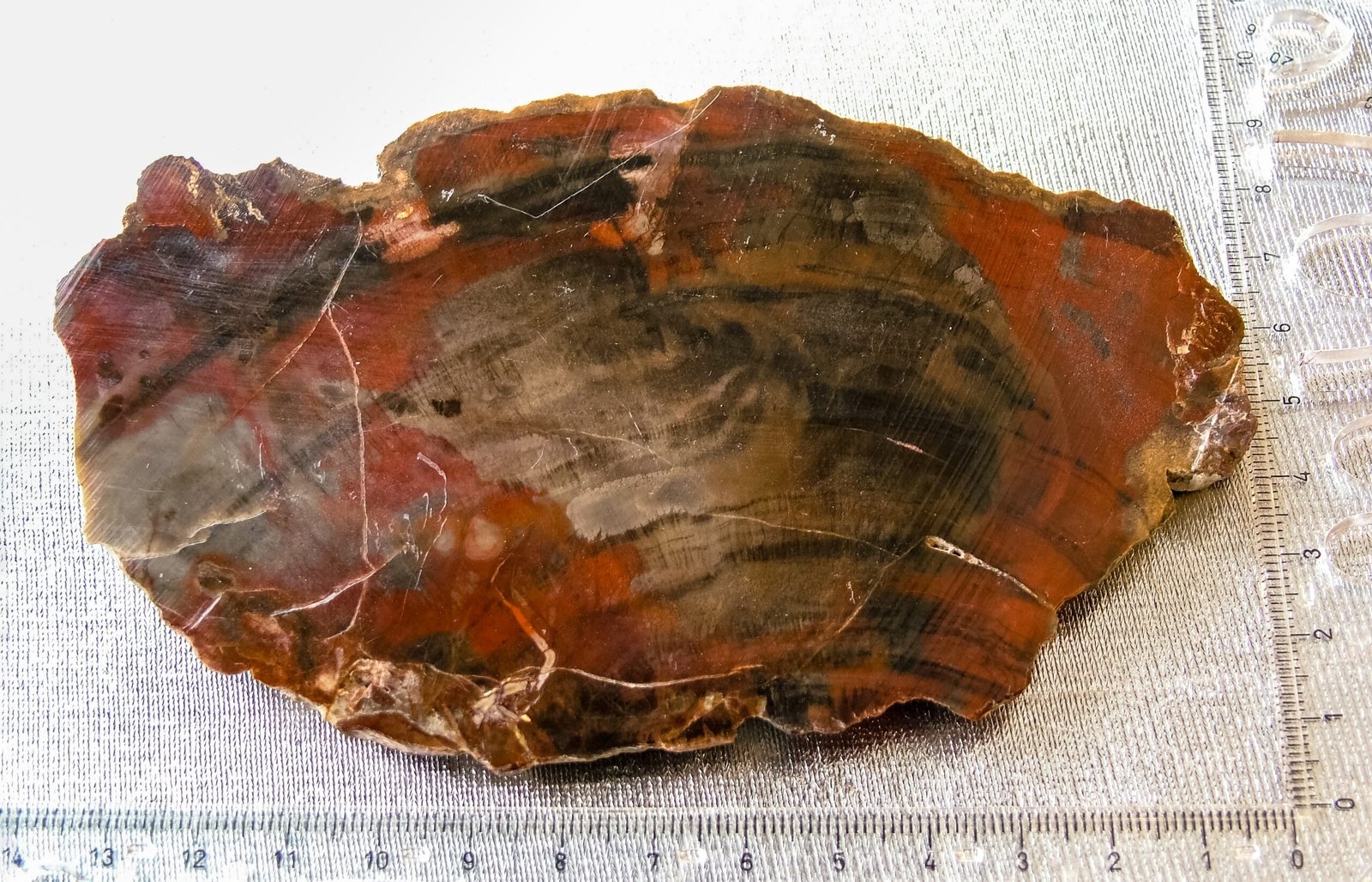
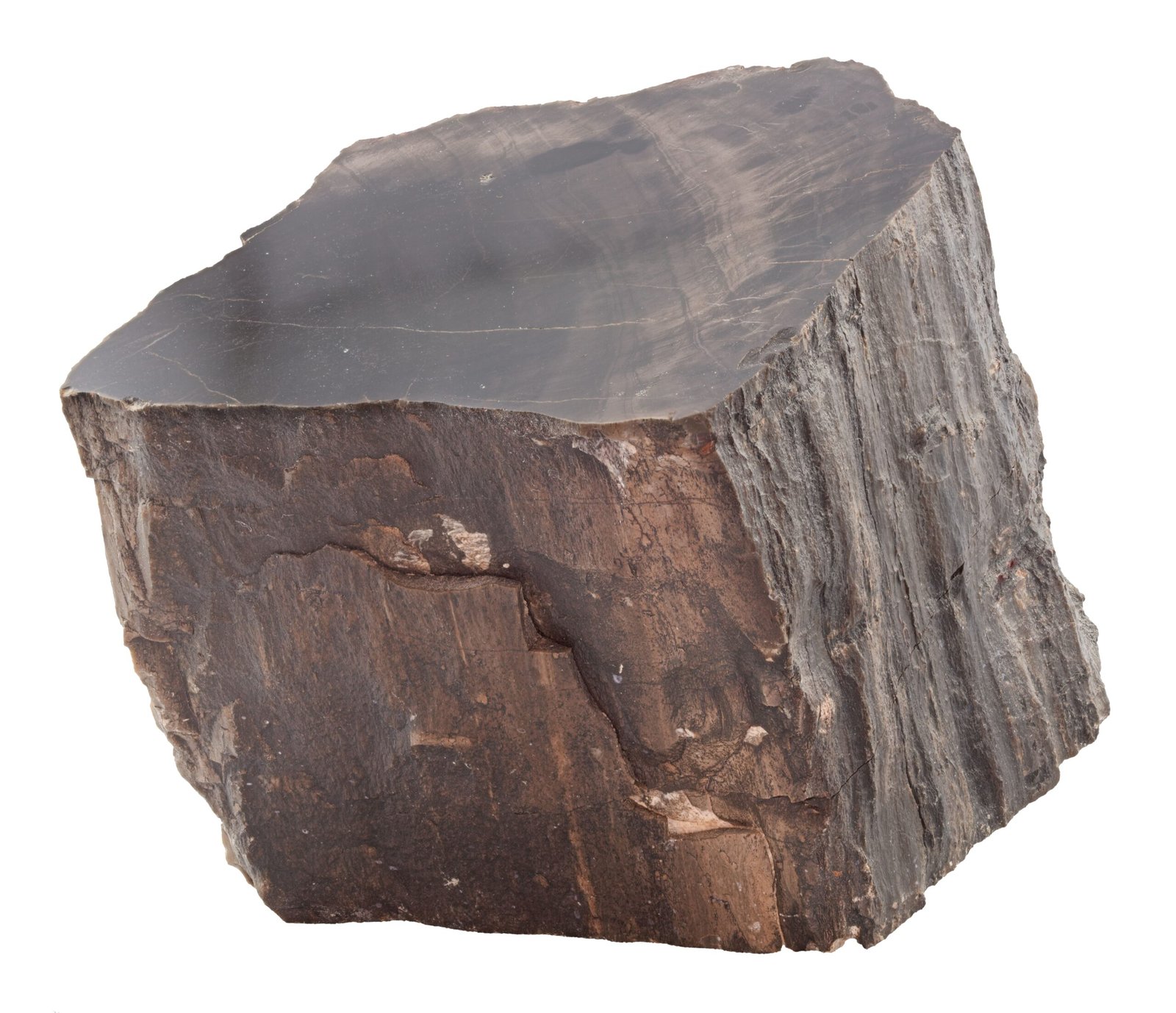
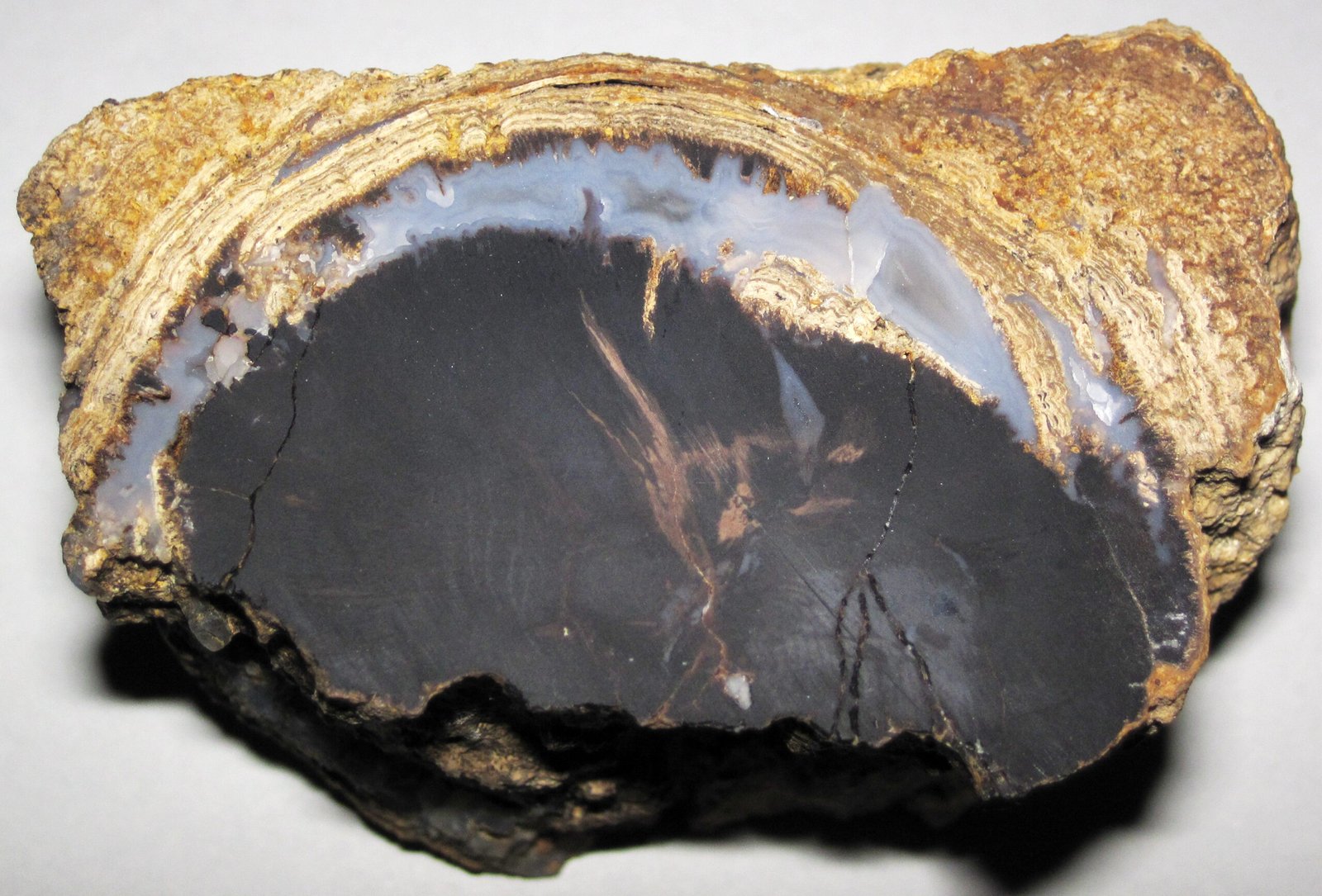
The process of fossilization on the ocean floor is both dramatic and slow. Usually, a catastrophic event—like a sudden flood, earthquake, or rising sea levels—submerges a living forest. Over thousands, sometimes millions, of years, layers of sediment bury the trees, cutting off oxygen and halting decay. Minerals seep into the wood, gradually turning it into stone. Remarkably, this preserves even delicate details like growth rings, bark texture, and sometimes even microscopic cellular structures. It’s nature’s way of pressing the pause button, capturing ancient moments for future scientists to discover.
What Ancient Forests Reveal About Past Climates
Fossilized forests are more than pretty relics; they’re living records of Earth’s climate millions of years ago. By studying tree rings, scientists can determine how fast trees grew, hinting at rainfall, temperature, and atmospheric conditions. For example, wide rings might mean the forest enjoyed a warm, wet climate, while narrow rings could point to droughts or cold spells. Chemical analysis of the wood and surrounding sediments reveals what the air and soil were like, giving us clues about ancient carbon cycles and atmospheric composition. It’s like reading an ancient diary, one page at a time.
The Ocean Floor: An Unexpected Archive

We tend to think of the ocean floor as barren and lifeless, but it’s a vast, hidden archive of Earth’s history. Fossilized forests are just one of many secrets tucked beneath the waves. The deep sea preserves things that would be quickly destroyed on land, shielding them from erosion, scavengers, and human interference. This unique environment allows scientists to study forests that otherwise would have vanished without a trace. Each new discovery adds a missing piece to the puzzle of our planet’s shifting landscapes and changing climates.
Case Study: The Sunken Bald Cypress Forest
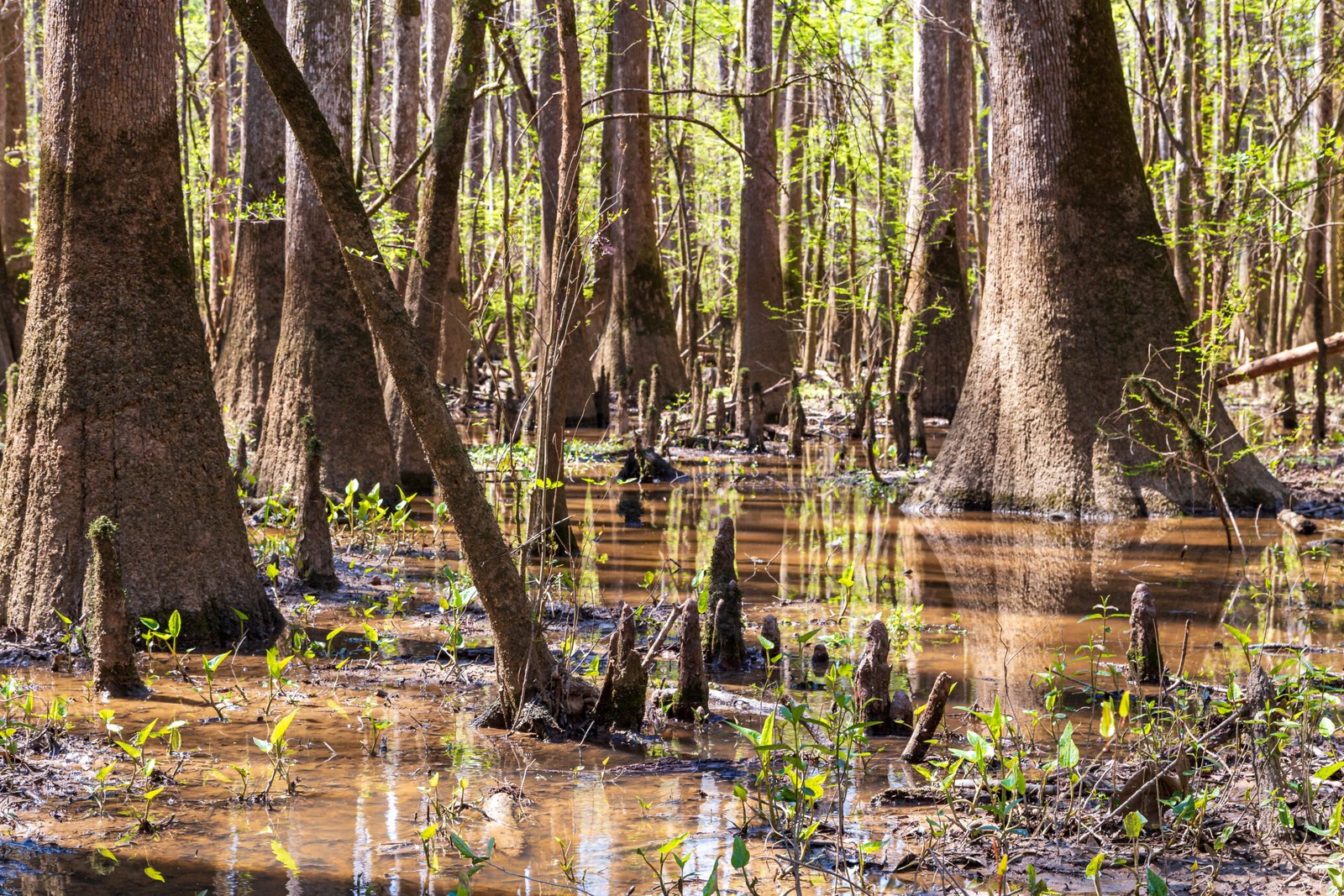
One of the most famous examples of a fossilized forest on the ocean floor is the ancient Bald Cypress forest off the coast of Alabama. Hidden beneath 60 feet of water and sand, this forest is estimated to be over 50,000 years old. Divers exploring the site found enormous tree stumps, roots, and fallen logs, all astonishingly well-preserved. Scientists studying this forest uncovered pollen, seeds, and even ancient insects trapped in amber. These findings have provided a window into the climate and ecosystems that existed before the last Ice Age, offering invaluable insights into how environments respond to dramatic changes.
Fossil Forests and the Carbon Cycle
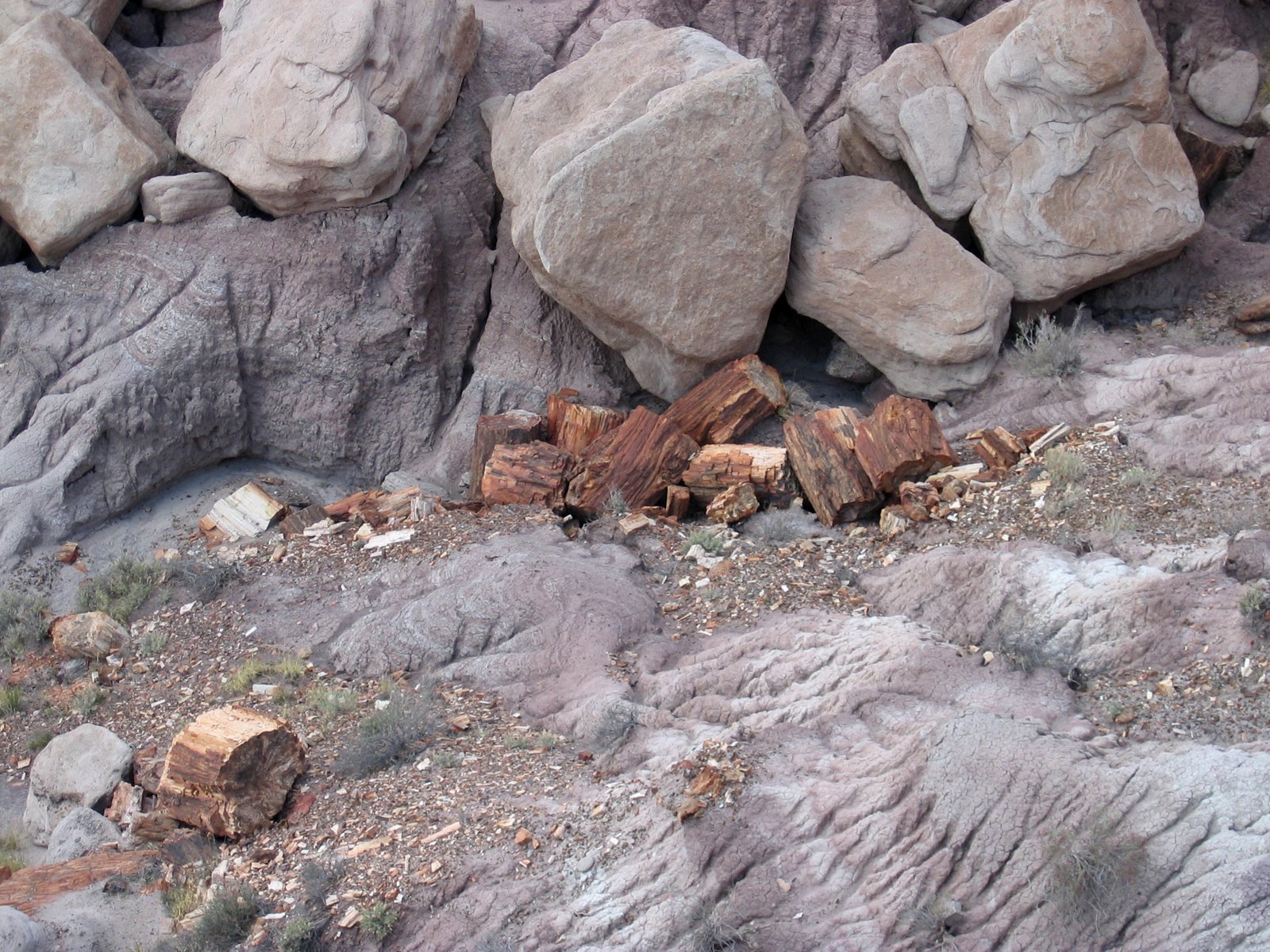
Ancient forests played a critical role in regulating Earth’s carbon cycle. Trees absorb carbon dioxide during photosynthesis, storing carbon in their wood and roots. When forests become fossilized rather than decomposing, that carbon gets locked away for millennia. By analyzing these fossilized trees, scientists can estimate how much carbon was removed from the atmosphere in ancient times. This helps reconstruct past carbon levels and understand how changes in forest cover impacted climate stability. It’s a reminder of just how interconnected forests and climate truly are.
Clues to Ancient Catastrophes
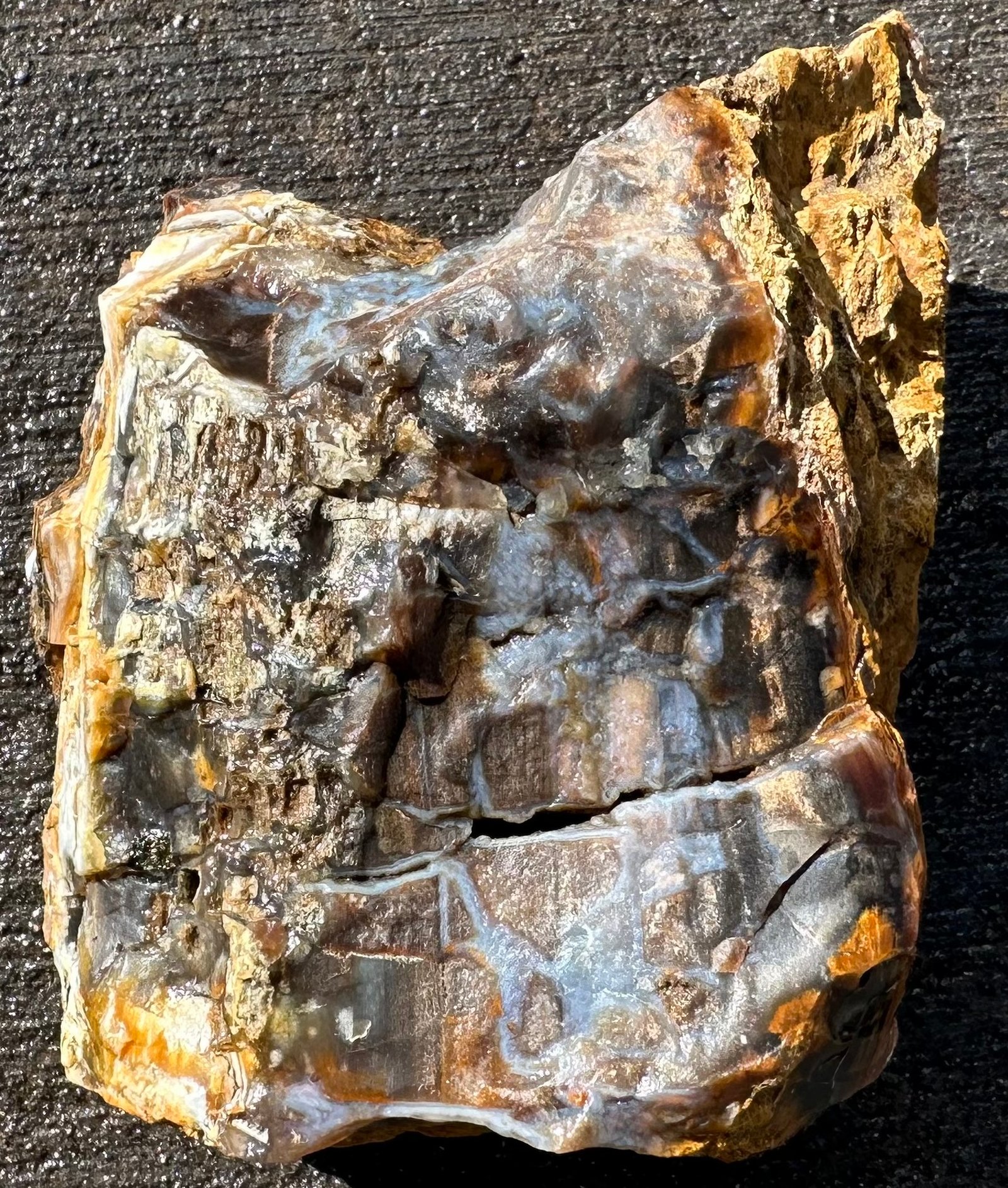
Fossilized forests often mark the sites of ancient catastrophes—massive floods, tsunamis, or abrupt sea-level rise. By studying the sediments and debris around these forests, scientists can pinpoint when these disasters happened. For example, a sudden layer of mud might indicate a tsunami, while a gradual buildup of silt could signal rising seas. These events didn’t just change landscapes—they reshaped ecosystems, triggered extinctions, and altered the course of evolution. Unlocking these clues helps us understand how resilient (or fragile) our planet’s systems can be.
The Role of Technology in Deep-Sea Exploration
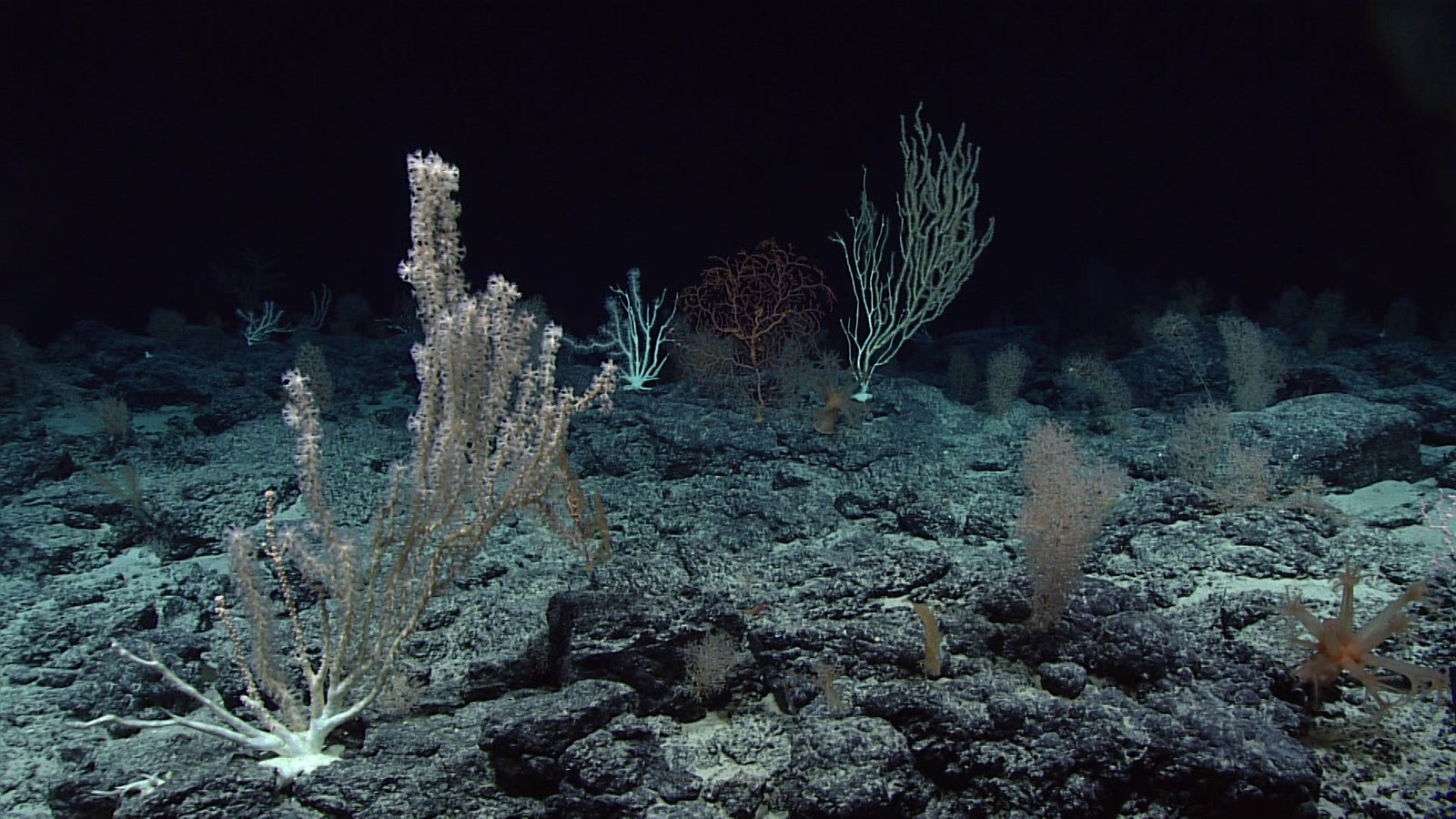
Finding and studying fossilized forests on the ocean floor is no small feat. Modern technology—like sonar mapping, remotely operated vehicles (ROVs), and advanced submersibles—has revolutionized our ability to explore these hidden worlds. High-resolution cameras capture images of underwater forests, while robotic arms collect samples without disturbing the fragile remains. Scientists now use lasers, X-rays, and even artificial intelligence to analyze every detail, from the chemistry of the wood to the tiny organisms living among the roots. This marriage of technology and curiosity is pushing the boundaries of what we can learn.
Fossilized Pollen: Microscopic Time Capsules
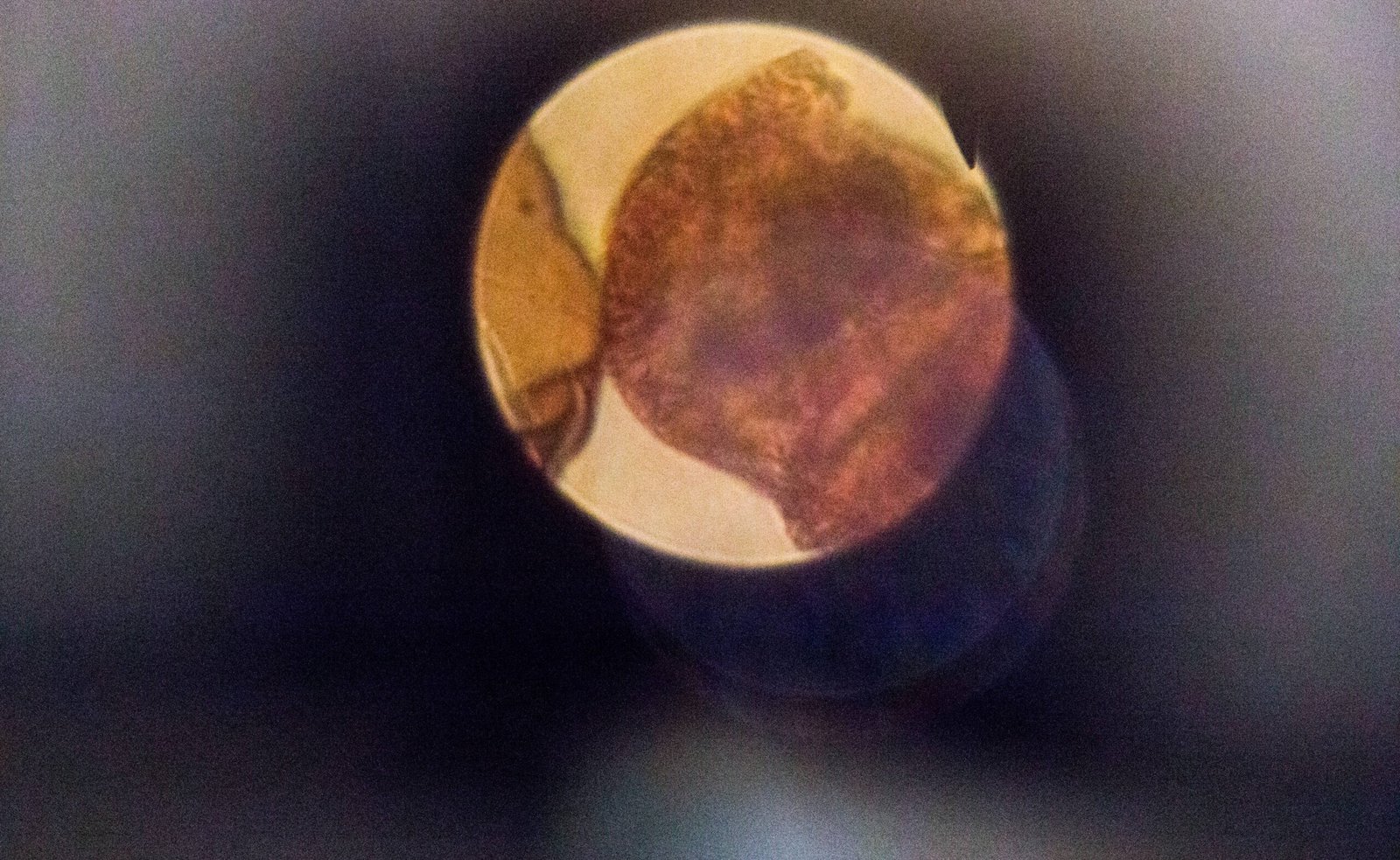
It’s not just tree trunks and roots that get preserved—microscopic pollen grains can survive for millions of years in fossilized forests. These tiny specks are incredibly valuable to scientists. By examining pollen under powerful microscopes, researchers can identify the types of plants that once grew in these forests, reconstructing entire ancient ecosystems. Pollen analysis can even reveal changes in plant diversity, indicating shifts in climate or the arrival of new species. It’s like piecing together an ancient jigsaw puzzle, one grain at a time.
Lessons for Modern Climate Change
The fossilized forests of the ocean floor are more than just windows into the past—they’re cautionary tales for the present. These ancient woods show how quickly environments can change, sometimes in the blink of an eye. Sea level rise, catastrophic floods, and mass die-offs are not just distant possibilities; they’ve happened before. By studying how ancient forests coped—or failed to cope—with climate upheaval, we can better predict what might happen in our own warming world. It’s a powerful reminder that nothing in nature is guaranteed to last forever.
Unraveling the Mysteries of Ancient Biodiversity
Fossilized forests don’t just preserve trees—they can trap a whole community of life. Insects, fungi, and even small animals sometimes get caught in the rush of sediment and are fossilized alongside the trees. Studying these remains reveals what kinds of creatures lived in ancient forests and how they interacted. Sometimes, scientists find species that no longer exist, offering tantalizing glimpses of lost worlds. Each discovery rewrites our understanding of biodiversity and evolution.
The Challenge of Dating Fossilized Forests
Pinpointing the exact age of a fossilized forest isn’t always easy. Scientists use a variety of techniques, from radiocarbon dating to measuring isotopes in the wood and surrounding sediments. Sometimes, volcanic ash layers help anchor the timeline. Each method has its strengths and limitations, and researchers often cross-check results to make sure they’re accurate. Getting the date right is crucial—it helps place the forest in the context of global climate events and evolutionary history.
How Fossilized Forests End Up So Deep
It’s hard to imagine how a forest ends up hundreds or even thousands of meters below the ocean’s surface. The answer lies in the restless movement of Earth’s crust. Over millions of years, tectonic plates shift, continents drift, and sea levels rise and fall. Sometimes, land that was once high and dry slowly sinks or is abruptly submerged. Rivers and coastlines migrate, carrying forests with them. The journey from sunlit grove to shadowy seabed is long and dramatic—proof that nothing on Earth ever stays the same for long.
The Global Distribution of Submerged Forests
Fossilized forests aren’t unique to one region; they’ve been found beneath oceans and lakes all over the world. From the North Sea’s “Doggerland” forests to submerged woods off the coasts of the Americas, Africa, and Asia, these relics are surprisingly common. Each site tells a different story about local conditions, ancient climates, and geologic events. Mapping these forests helps scientists see larger patterns—like how ice ages and warm periods shaped landscapes on a global scale.
What Tree Rings Tell Us About Ancient Seasons
Tree rings are like fingerprints of the past. Each ring marks a year of growth, and their width, color, and density can reveal what the weather was like, year by year. In fossilized forests, these rings are often preserved in stunning detail. By analyzing them, scientists can reconstruct ancient droughts, rainy seasons, and even volcanic eruptions that dimmed the sun. It’s a level of detail that’s hard to get from any other source, making these forests invaluable to paleoclimatologists.
Ancient Forests and the Rise of Oxygen
Forests have always played a massive role in shaping Earth’s atmosphere. When ancient trees covered the land, they pumped out oxygen through photosynthesis. Fossilized forests offer clues about the rise and fall of oxygen levels over time. By studying the types of plants preserved and their growth patterns, scientists can estimate how much oxygen was being produced and how this affected animal life. It’s a reminder that forests aren’t just scenery—they help keep the planet breathing.
Preserving Submerged Forests for Future Generations
Fossilized forests are fragile and easily damaged by deep-sea mining, trawling, or pollution. Once destroyed, their secrets are lost forever. Scientists and conservationists are now working to map and protect these sites before they disappear. Some have called for underwater parks or protected zones, so future generations can continue to study and marvel at these ancient wonders. It’s a race against time, as technology gives us the tools to explore faster than ever before.
The Human Connection: Our Place in the Story
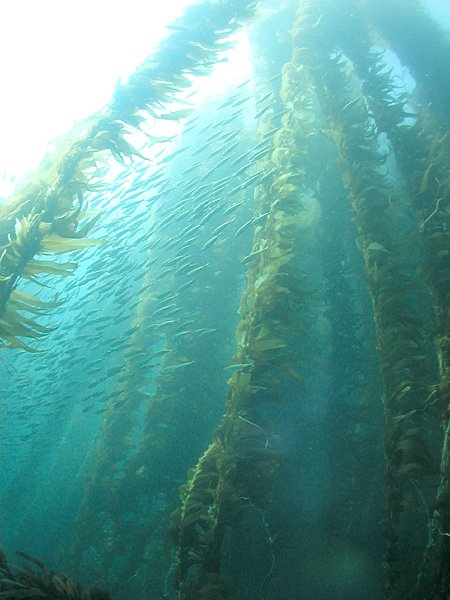
Standing on the deck of a research vessel, gazing down into the blue depths, it’s hard not to feel a sense of awe and humility. These fossilized forests remind us that we’re just the latest chapter in Earth’s long, unfolding story. Our own climate challenges are part of a much bigger narrative, shaped by forces both seen and unseen. The forests beneath the waves whisper of resilience and change, of life adapting, flourishing, and sometimes vanishing. Their message is both sobering and inspiring.
Could Fossilized Forests Predict Our Future?
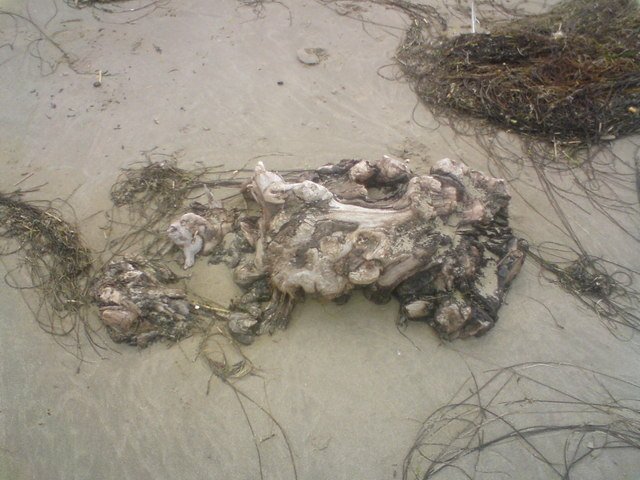
Scientists are only beginning to tap the potential of these ocean-floor time capsules. By comparing how ancient forests responded to sudden warming or cooling, we might predict how today’s ecosystems will fare in a rapidly changing world. Are there warning signs we should heed? Clues to resilience we can learn from? Every core sample, every tree ring, brings us closer to answers that could shape policies and guide our steps in the years ahead.
The Ongoing Quest for Sunken Secrets
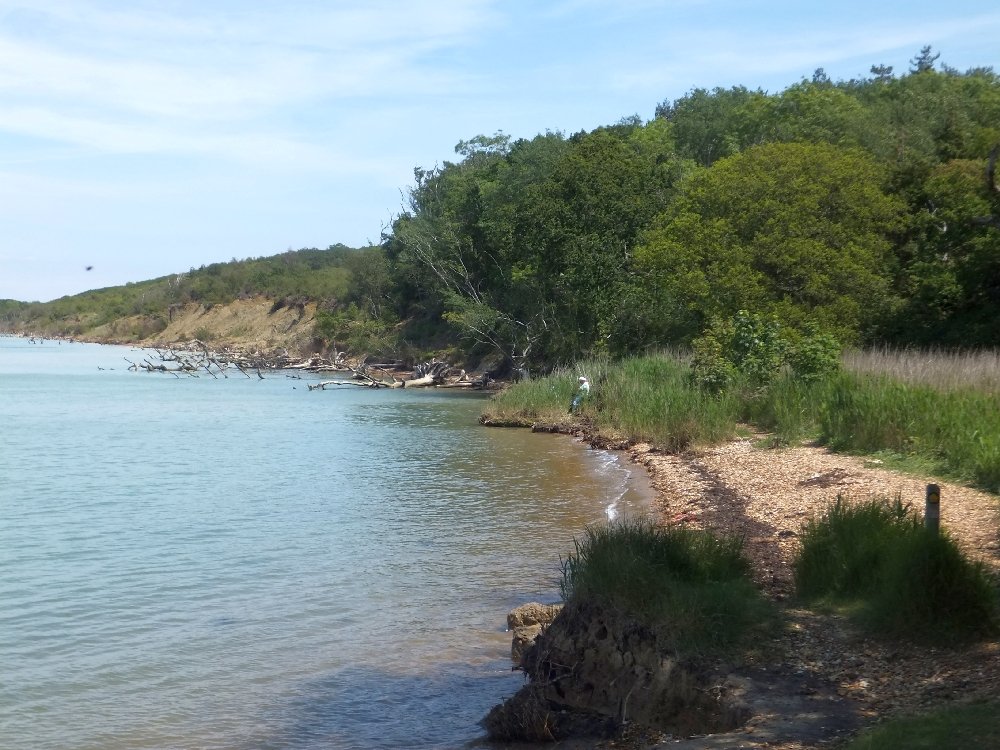
The allure of fossilized forests on the ocean floor is undeniable. They capture our imagination, fuel scientific discovery, and connect us to a world that feels both distant and familiar. With every expedition, divers and researchers uncover new mysteries, challenging our assumptions and deepening our sense of wonder. As we continue to search the ocean’s depths, who knows what other ancient forests—and climate secrets—are waiting to be found, just beyond the edge of the known?