Imagine standing in a silent canyon in northeastern China, sunlight glinting off river stones, when you stumble upon a slab of ancient rock. On it, the delicate impression of feathers, perfectly preserved for more than 120 million years, stares back at you like a message from a long-lost world. For generations, dinosaurs were painted as scaly, lumbering reptiles, but the ground beneath China’s rolling hills has revealed something astonishing: many dinosaurs were as fluffy as birds, and our entire vision of the prehistoric world has been upended. These fossils haven’t just filled museum cases—they’ve forced us to rethink everything we thought we knew about evolution, birds, and the tangled web of life itself.
The Discovery That Changed Everything
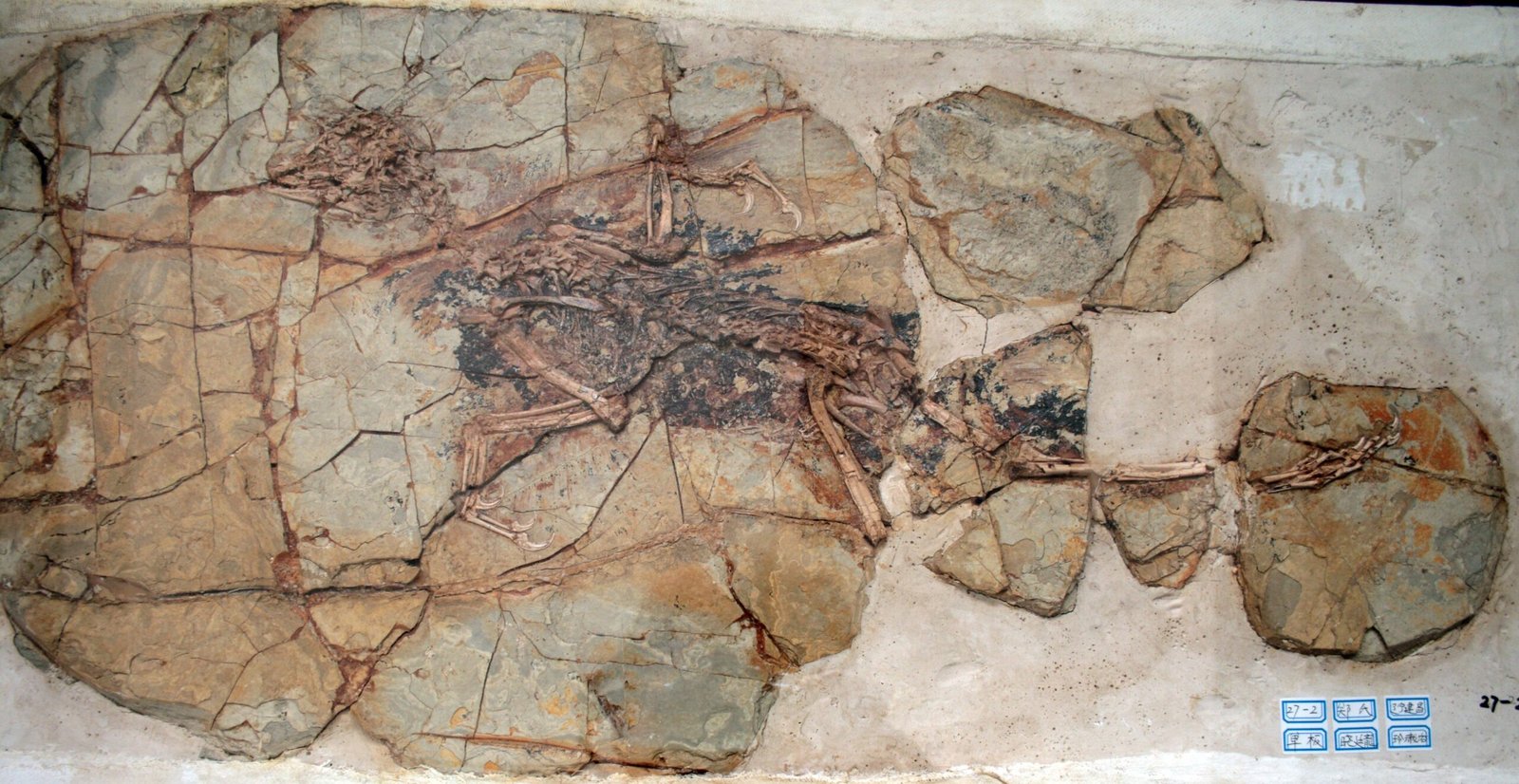
In the mid-1990s, paleontologists working in Liaoning Province unearthed fossils that would forever rewrite the history books. Instead of the typical bones, they found creatures with clear imprints of feathers, some as fine as hair and others broad like modern bird wings. These discoveries shocked the scientific world because they showed that feathers weren’t exclusive to birds. Suddenly, the idea that birds were living dinosaurs wasn’t just a theory—it was staring at us from the stones. This moment was like opening a new chapter in evolution, one filled with color, texture, and incredible mystery.
Liaoning: The Fossil Wonderland

The region of Liaoning has become a paleontological goldmine, so rich in fossils it’s often called the “Jurassic Park of the East.” The rocks here are like time capsules, sealing in not just bones, but feathers, skin, and even the remains of meals eaten millions of years ago. These layers reveal a bustling prehistoric ecosystem—forests teeming with early birds, tiny mammals, insects, and a dizzying variety of feathered dinosaurs. Walking through Liaoning today, you’re treading above the ghosts of a world that blurs the line between reptile and bird.
Sinosauropteryx: The First Feathered Dinosaur
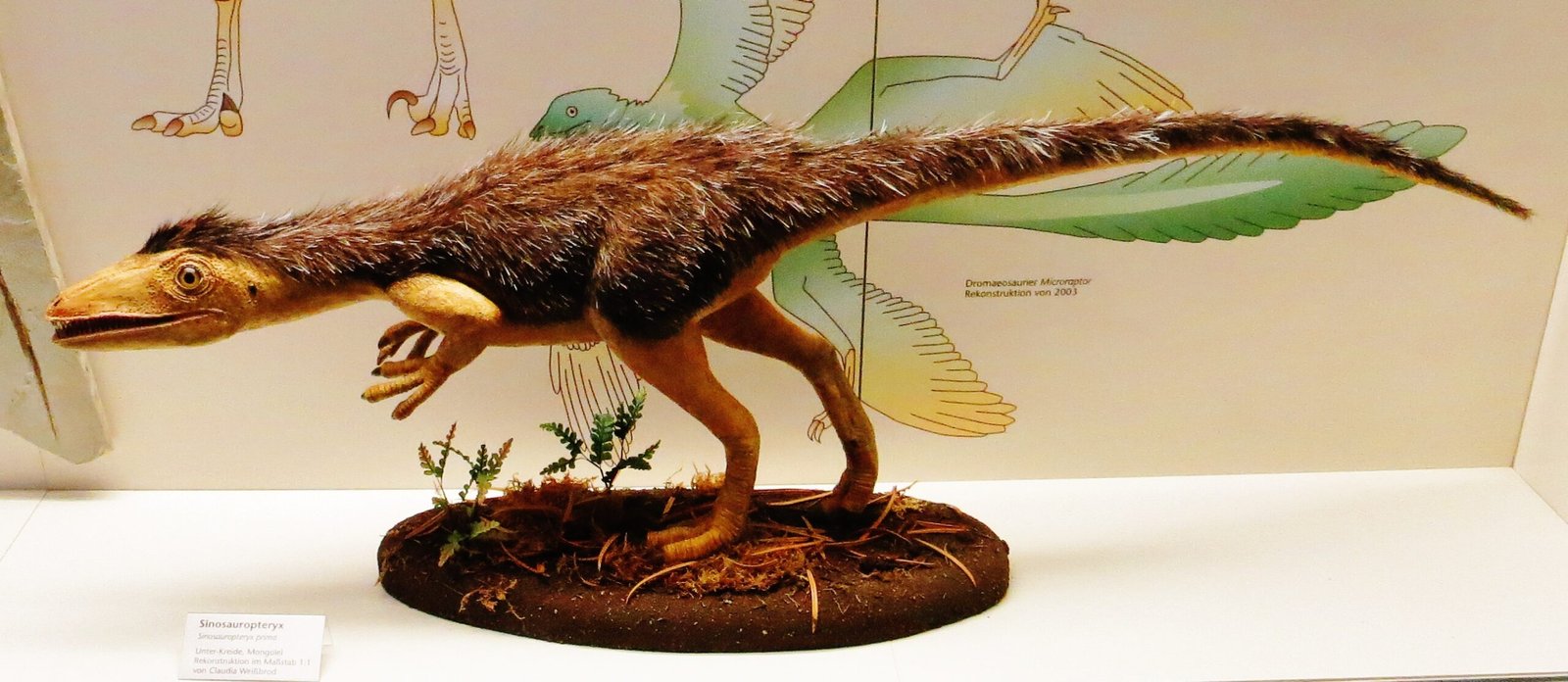
Sinosauropteryx, discovered in 1996, is often hailed as the first non-avian dinosaur found with unmistakable feathers. About the size of a turkey, this small predator was covered in a halo of filamentous feathers, unlike anything previously imagined for dinosaurs. Its fossil not only revealed the structure of these primitive feathers, but also preserved bands of color, suggesting a striped, ginger tail. Sinosauropteryx was the first clear sign that feathers evolved for reasons other than flight—perhaps for warmth or display—long before true birds took to the skies.
Microraptor: The Four-Winged Marvel
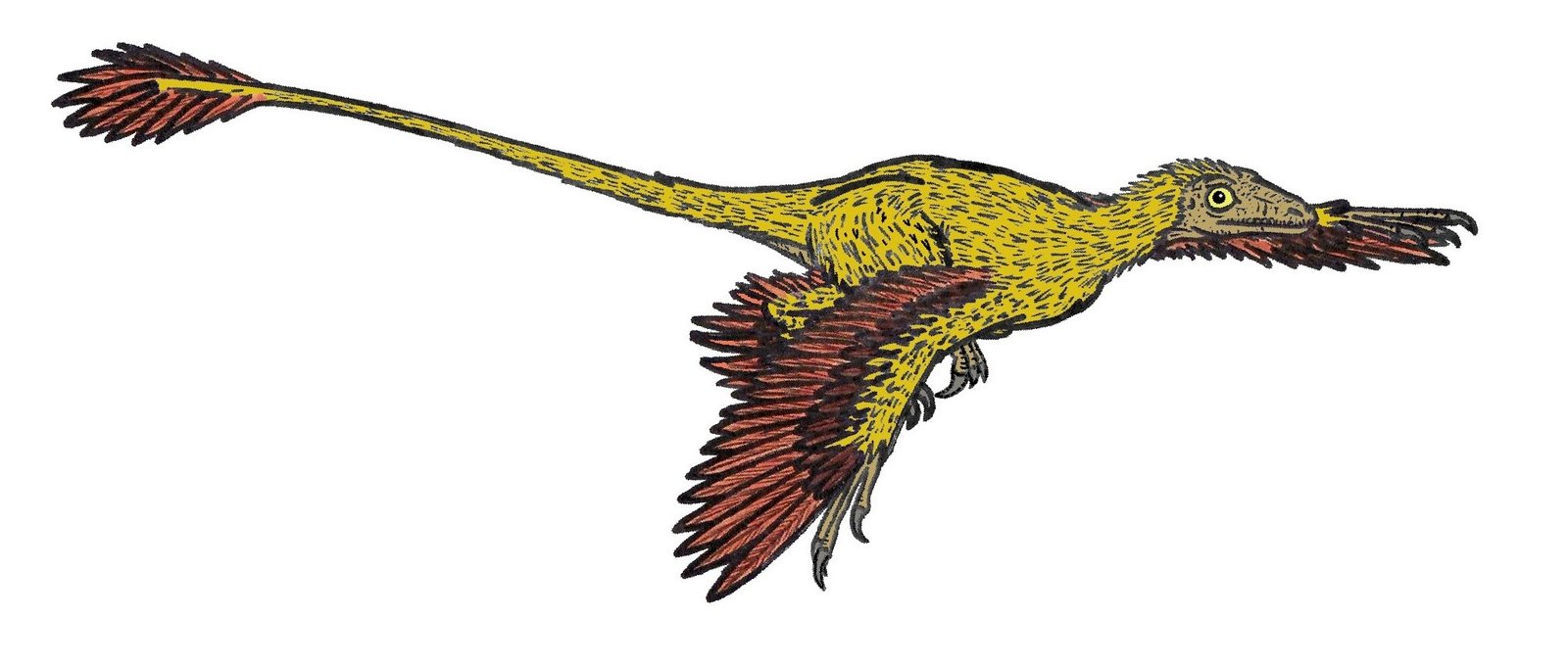
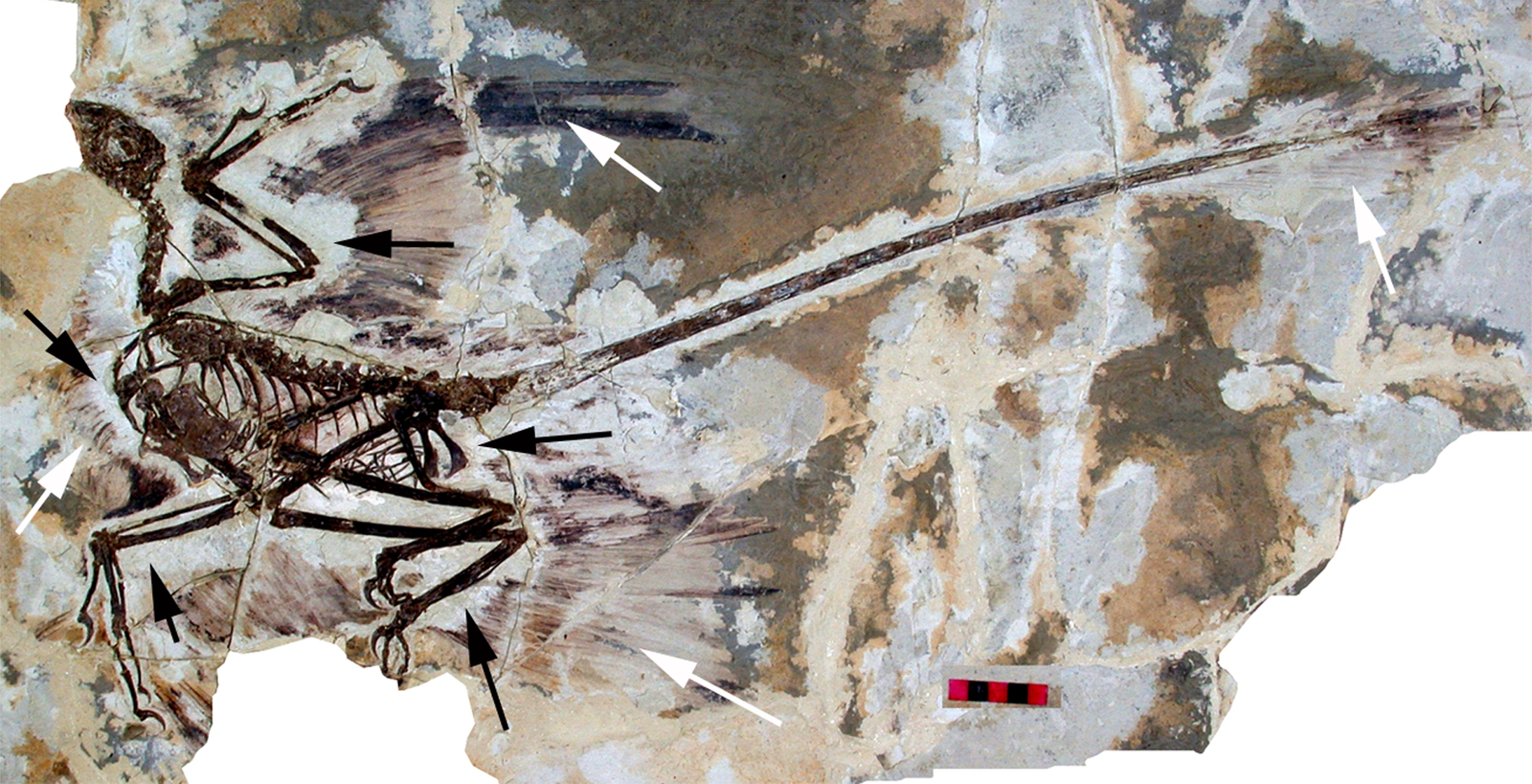
Microraptor is one of the most breathtaking finds from China’s fossil beds. This crow-sized dinosaur sported long feathers on both its arms and legs, giving it four “wings.” Scientists think Microraptor could glide between trees, almost like a prehistoric flying squirrel. Its glossy, iridescent feathers—preserved in stunning detail—suggest this little dinosaur shimmered in the sun, possibly to attract mates or intimidate rivals. Microraptor’s fossils have made paleontologists rethink the origins of flight, hinting at a time when the sky was crowded with more than just birds.
Yutyrannus: The Giant With a Feathered Coat

When you picture a tyrannosaur, you probably imagine scaly skin and terrifying teeth. But Yutyrannus, a close relative of T. rex, broke the mold. At nearly 30 feet long, this massive predator is the largest known dinosaur with direct evidence of feathers. Its thick, shaggy covering probably helped it survive the cool climates of Early Cretaceous China. The discovery of Yutyrannus proves that even the giants of the dinosaur world could be fluffy, overturning the old cartoonish image of naked, cold-blooded monsters.
Anchiornis: The Colorful Messenger
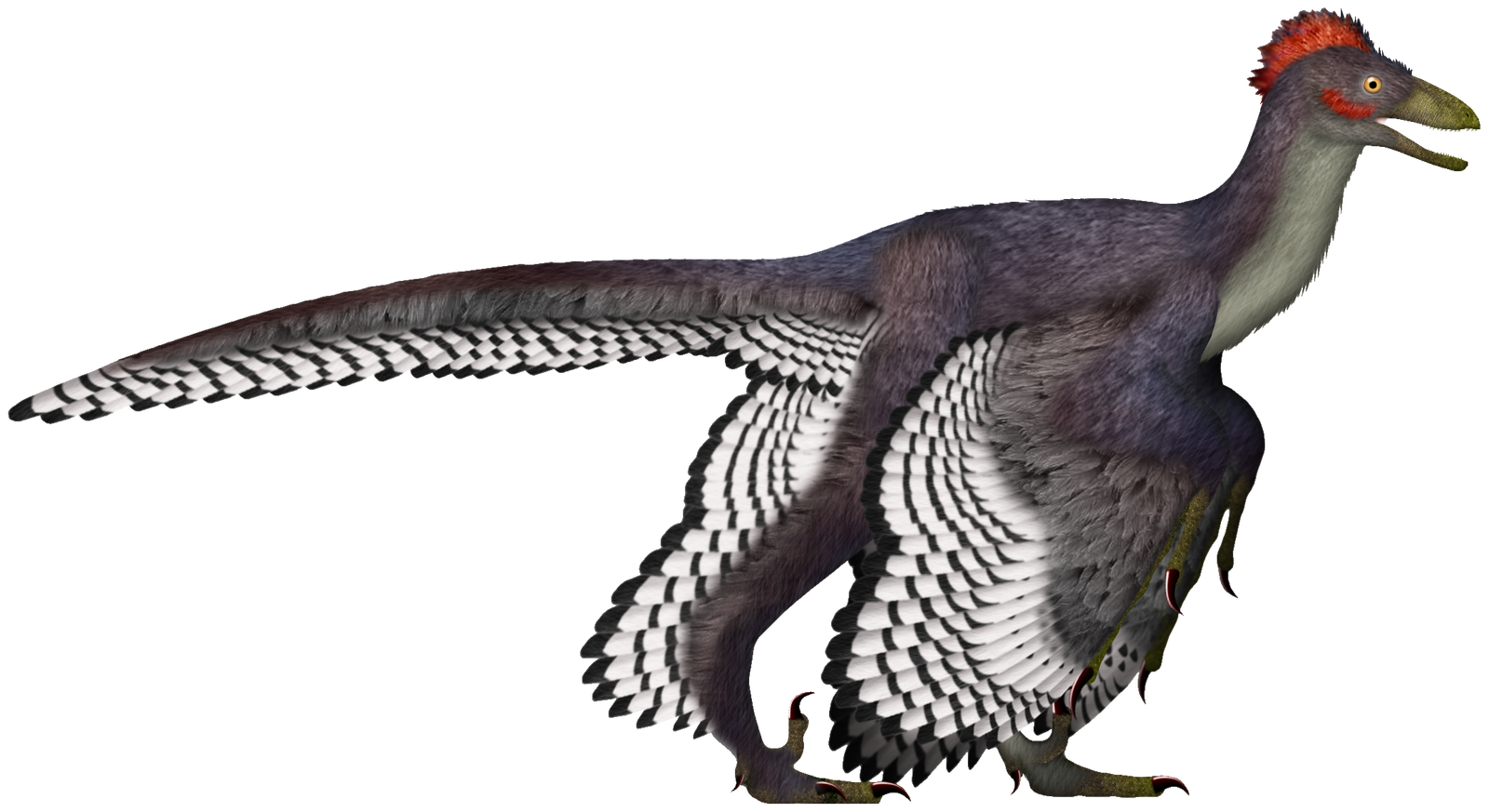
Few fossils have been as revealing as Anchiornis, a small, bird-like dinosaur from Liaoning. Scientists have used microscopic structures in its feathers—called melanosomes—to reconstruct its original colors. Imagine a crow-sized dinosaur with a bold red crest, black and white wings, and a splash of gray on its body. Anchiornis wasn’t just a link between dinosaurs and birds—it was also a living palette, showing that color played a role in dinosaur life, just as it does for today’s birds.
Confuciusornis: The Beaked Pioneer
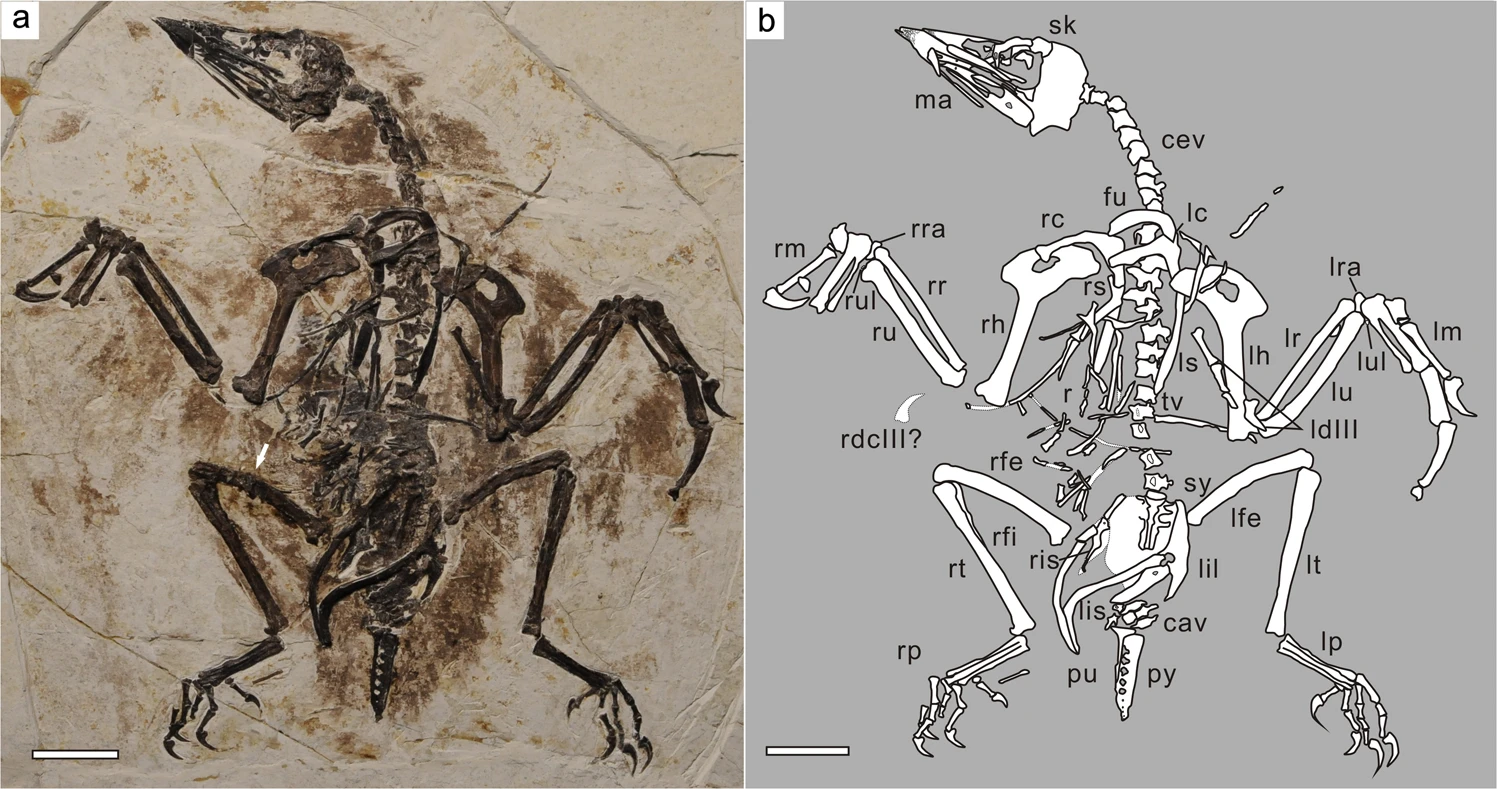
Confuciusornis, named after the famous Chinese philosopher, was one of the earliest dinosaurs to sport a modern bird-like beak. Living around 125 million years ago, it had two long tail feathers, which may have been used in display rituals. Its fossils have been found in huge numbers, suggesting it lived in flocks. The structure of its beak and claws hints at a life spent both in trees and on the ground, bridging the gap between primitive dinosaurs and the birds fluttering outside your window today.
Caudipteryx: The Bird Mimic
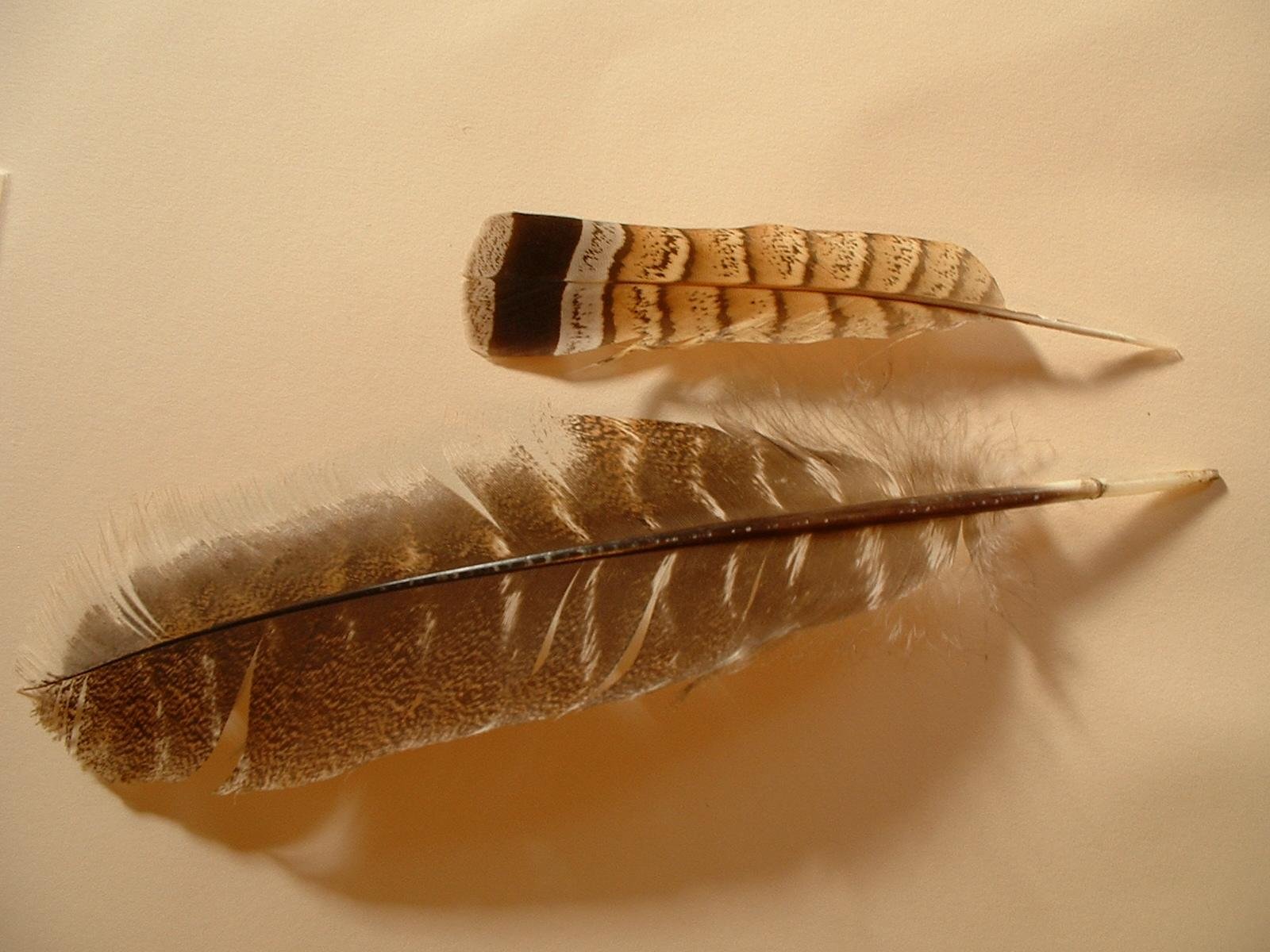
Caudipteryx was a small, fast-running dinosaur with a fan of tail feathers and wings tipped with symmetrical, bird-like plumes. Despite its birdy appearance, scientists agree it couldn’t fly—its wings were too short and its body too heavy. Instead, those feathers likely served as flashy displays to attract mates or scare off rivals. Caudipteryx is a classic example of evolution’s trial and error, experimenting with feathers for all sorts of uses before hitting on the perfect design for flight.
Sinornithosaurus: The Venomous Raptor?
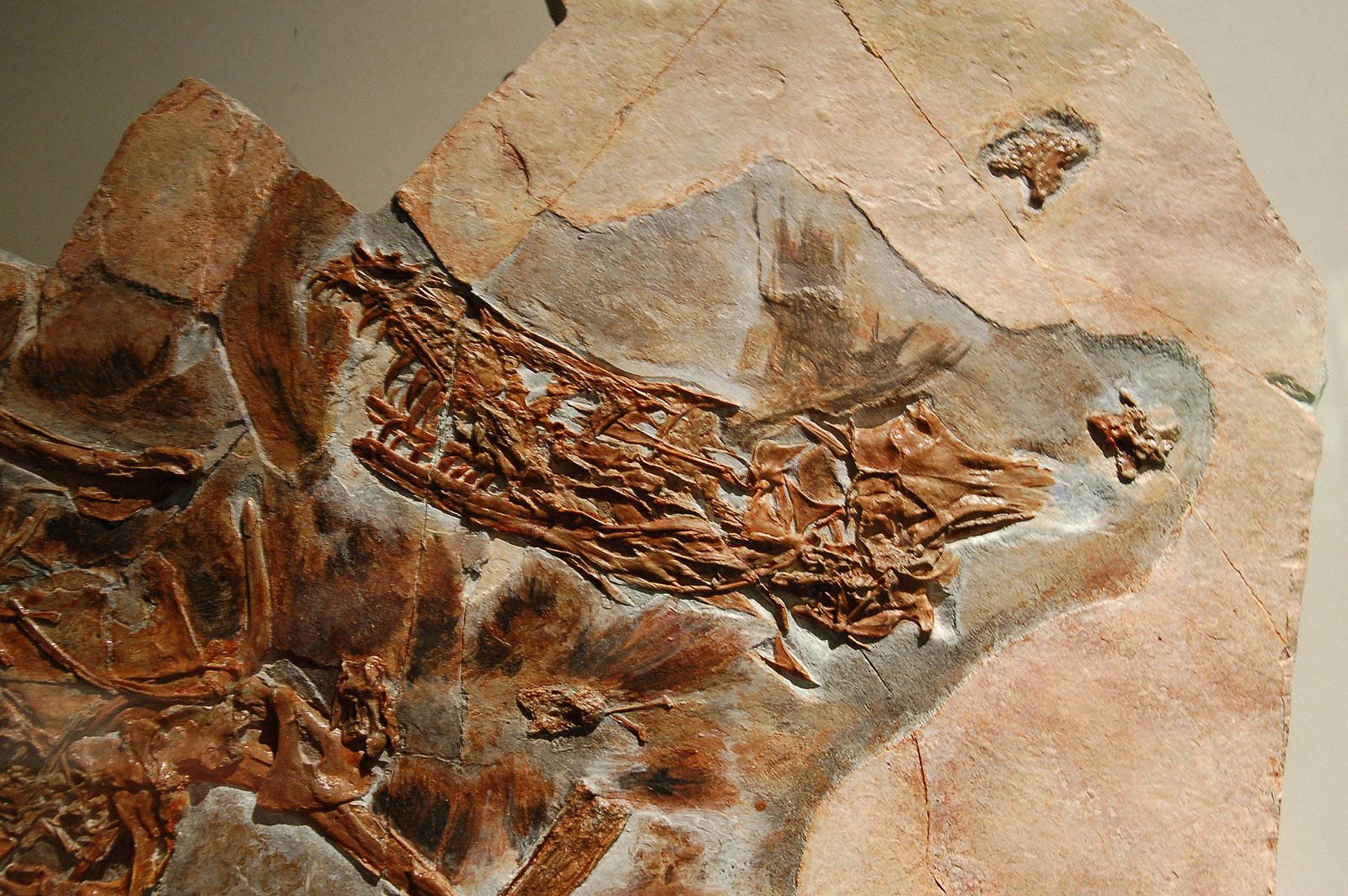
Sinornithosaurus was a feathered, sickle-clawed predator closely related to Velociraptor. Some paleontologists believe it may have even been venomous, based on grooves in its teeth, although this idea is still debated. Its soft, downy feathers provided insulation, while longer arm feathers hinted at gliding or display. Sinornithosaurus embodies the complex, sometimes bizarre experiments of evolution in the dinosaur-bird transition.
Protarchaeopteryx: Flightless, But Feathered
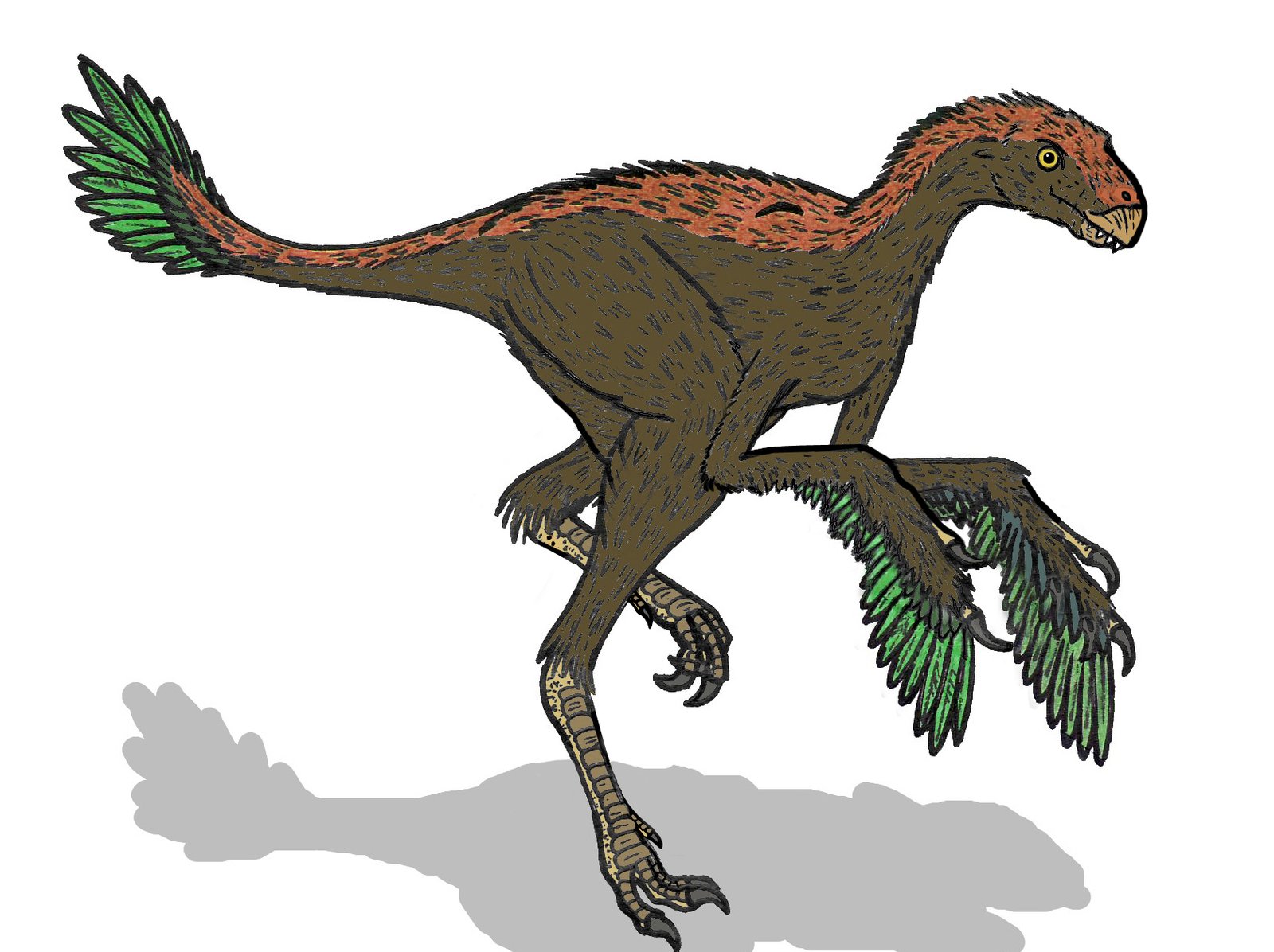
Protarchaeopteryx is another fascinating find from China’s fossil beds—an early feathered dinosaur that couldn’t fly but still wore a cloak of down and a fan of tail feathers. Its hands were tipped with long claws, and its beak-like snout suggests it may have been an omnivore, picking through plants and small animals. Protarchaeopteryx is a window into a time when feathers were evolving for reasons other than soaring through the skies.
Jinfengopteryx: The Tiny Glider
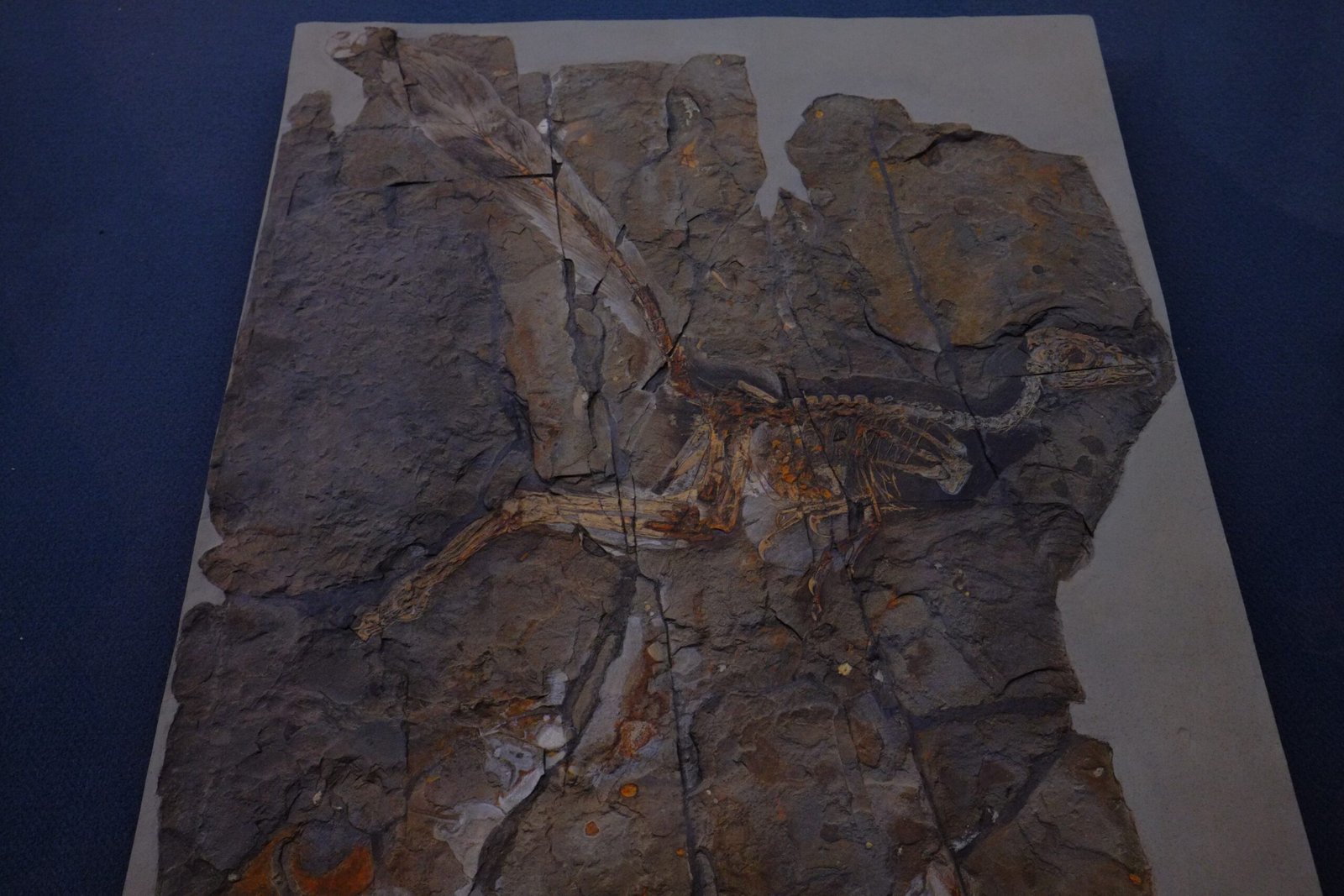
Jinfengopteryx was a small, lightweight dinosaur with long, delicate feathers on its arms and tail. Its structure suggests it could glide from tree to tree, much like a modern flying squirrel. The fossil’s detail is so fine that scientists can even see the outlines of its soft tissues. Jinfengopteryx reminds us that the pathway to flight was gradual and filled with many steps, each one leaving its mark in stone.
Beipiaosaurus: The Oddball Herbivore
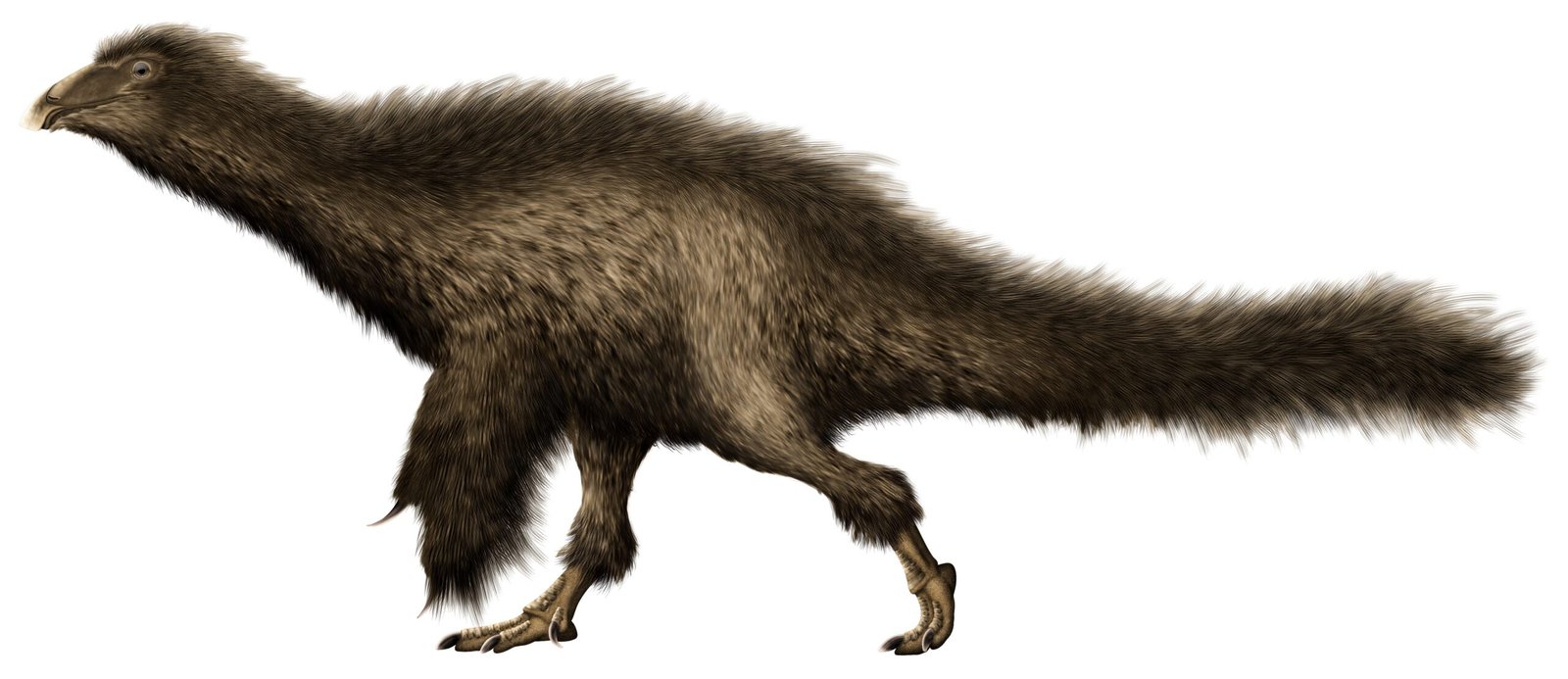
Not all feathered dinosaurs were carnivores. Beipiaosaurus, a bizarre, pot-bellied plant-eater, had long arms tipped with huge claws and a covering of filamentous feathers. Unlike the sleek, predatory raptors, Beipiaosaurus looked like a cross between a sloth and an ostrich. Its feathers probably kept it warm and might have helped it attract a mate. This dinosaur is proof that feathers weren’t just for the fast and fierce—they were for everyone.
Feather Structure: More Than Just Fluff
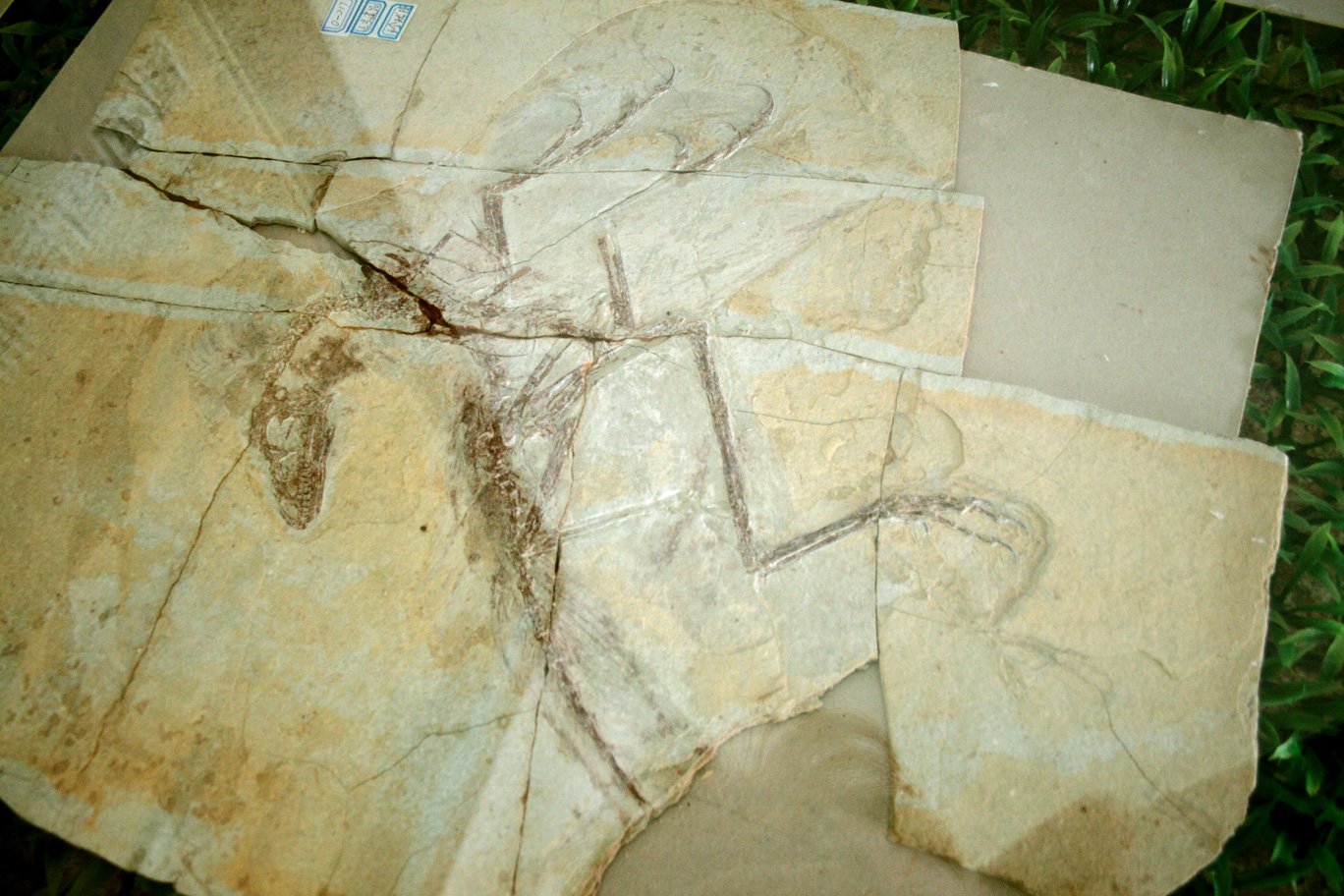
One of the most surprising revelations from Chinese fossils is the incredible diversity of feather types. Some dinosaurs had simple, hair-like filaments, while others boasted complex, branching structures nearly identical to modern bird feathers. These differences suggest feathers first evolved for insulation or display, only later becoming useful for flight. The variety of forms found in Liaoning fossils shows that evolution is as creative as it is unpredictable.
Fossil Preservation: Time’s Perfect Canvas

Liaoning’s world-famous fossils owe their exquisite preservation to a unique blend of volcanic ash and fine lake sediments. When ancient creatures died, they were quickly buried by eruptions, sealing their bodies away from scavengers and bacteria. This “perfect storm” of conditions captured even the most delicate feathers, skin, and soft tissues, giving scientists a view of prehistoric life that’s almost photographic in its detail.
The Bird-Dinosaur Link: Settling the Debate
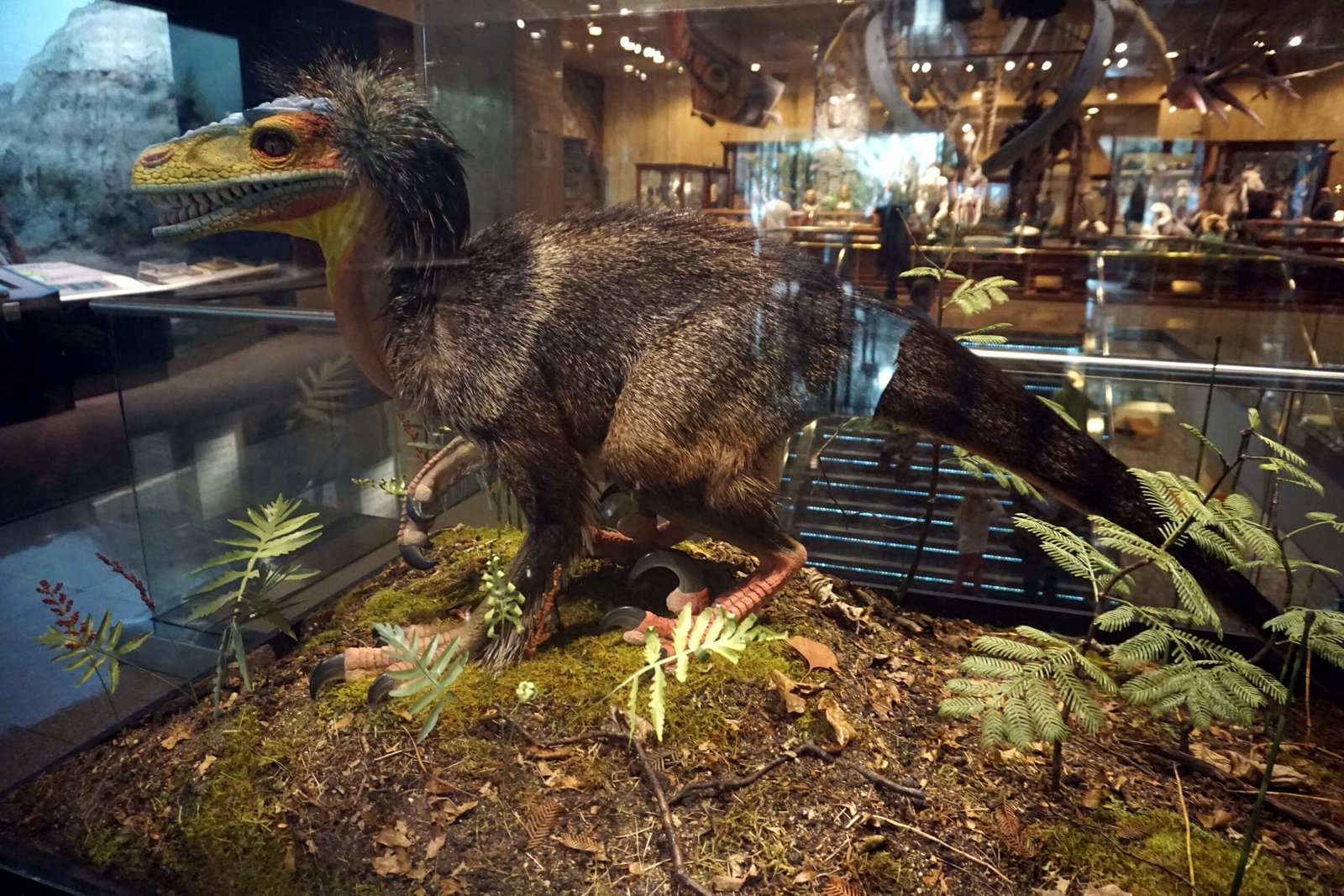
For years, the idea that birds evolved from dinosaurs was controversial. Some scientists clung to the image of reptiles sprouting wings, while others were convinced birds were their own separate lineage. The feathered dinosaurs of China settled this debate once and for all. With each new discovery, the anatomical similarities between birds and certain dinosaurs became impossible to ignore—wishbones, hollow bones, and, of course, feathers. Today, it’s widely accepted that every sparrow and pigeon on Earth is a living dinosaur.
Color and Pattern: Painting Prehistory
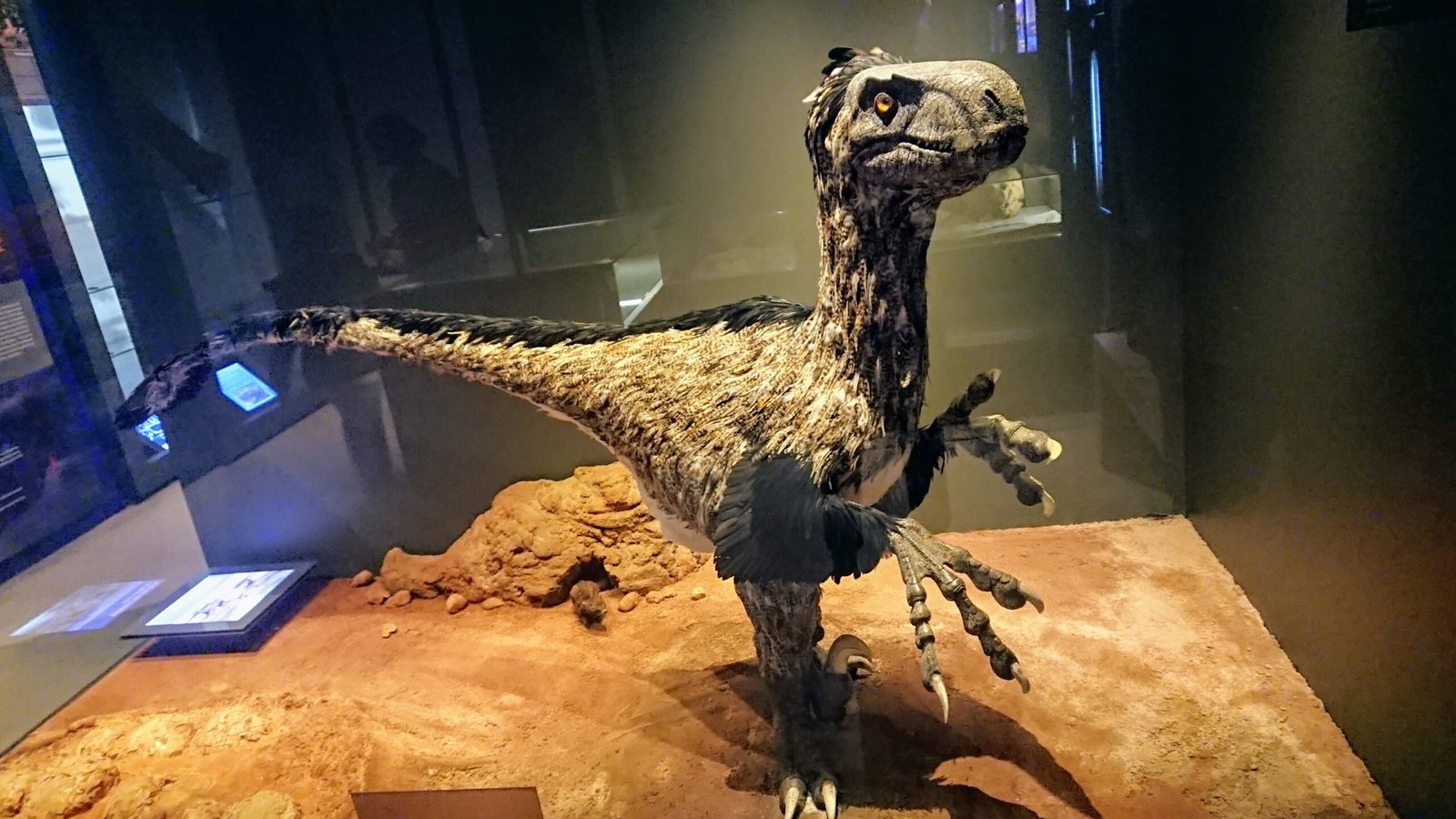
Advances in technology now allow scientists to peek at the actual colors of some ancient feathers. By analyzing microscopic structures, researchers have recreated the original hues and patterns of dinosaurs like Anchiornis and Microraptor. These reconstructions are more than just pretty pictures—they tell us about habitat, behavior, and even the social lives of these creatures. Suddenly, prehistory isn’t just gray and brown—it’s red, black, iridescent blue, and every shade in between.
What Feathers Did Before Flight
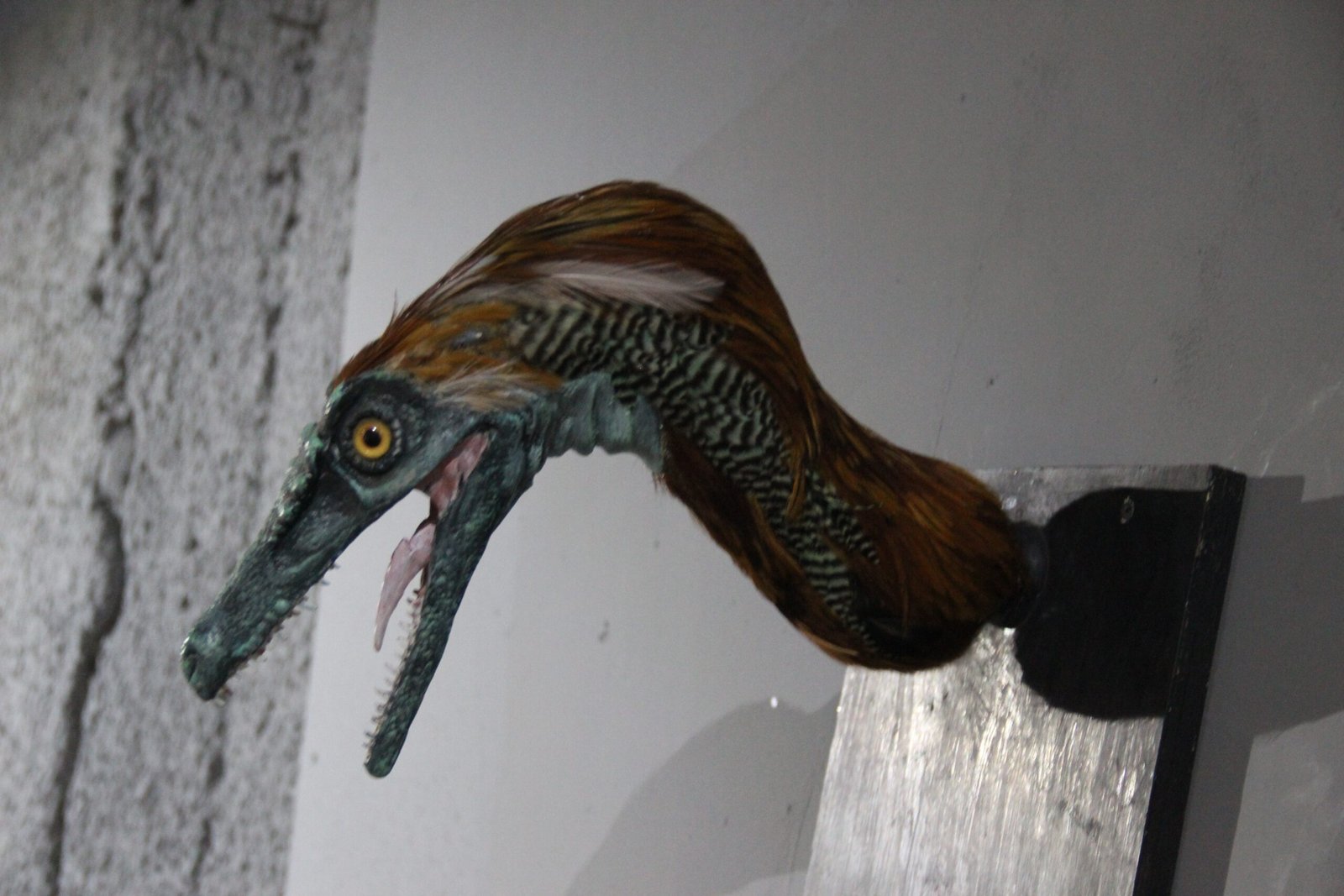
Feathers didn’t start out as flight tools. Early feathers were too simple and small for soaring through the air. Instead, they acted like nature’s Swiss army knife: providing warmth, helping with camouflage, signaling for mates, and maybe even scaring off predators. Some dinosaurs may have fluffed up their feathers to appear larger, while others flashed bright colors to attract attention. The story of feathers is one of innovation, long before the first bird ever flapped its wings.
China’s Role in Global Paleontology
China’s fossil beds have become a global hub for paleontological research. Teams from around the world travel to Liaoning and beyond, hoping to glimpse the next big discovery. The country’s commitment to preserving and studying these fossils has transformed our understanding of evolution and natural history. Chinese scientists have become leaders in their field, and the world is watching as new chapters of prehistory are uncovered year after year.
Changing How We See Dinosaurs
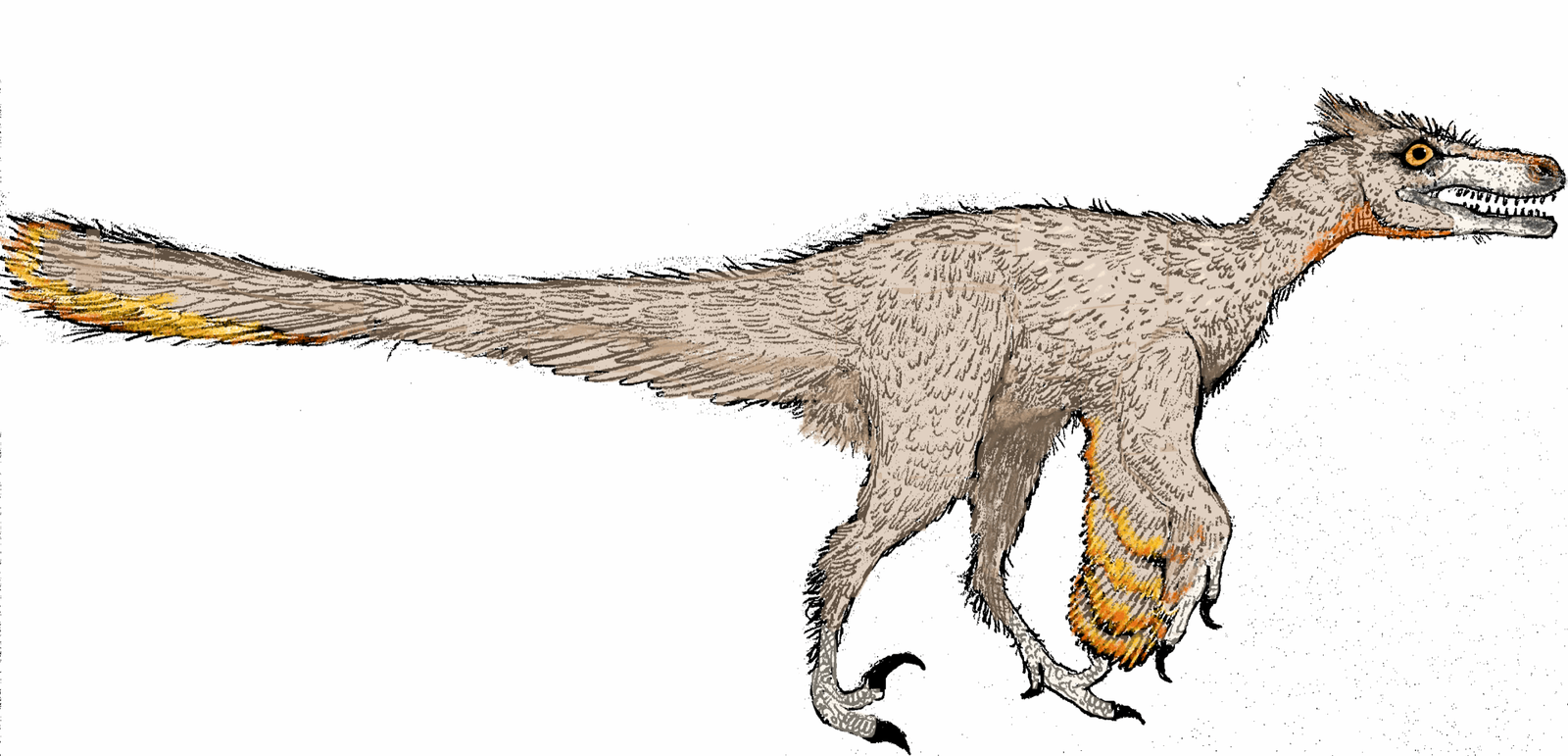
The image of dinosaurs as scaly, drab creatures is officially extinct. Thanks to the feathered fossils of China, we now see many dinosaurs as vibrant, dynamic animals—some with manes, crests, and even “wings” long before true birds appeared. This shift isn’t just academic; it’s emotional. Suddenly, dinosaurs feel closer, more alive, and more relatable. When you see a falcon or a crow today, you’re looking at the distant descendants of these ancient, feathered wonders.
What Lies Ahead: The Next Fossil Revolution
As technology advances, scientists are finding ever more detailed traces of prehistoric life—proteins, pigments, and even hints of DNA. Each discovery in China’s fossil beds opens a new window into a vanished world, sparking fresh questions and inspiring a new generation of paleontologists. The excitement is palpable: what other secrets do these ancient rocks hold, waiting for a patient hand and a curious mind to reveal them?