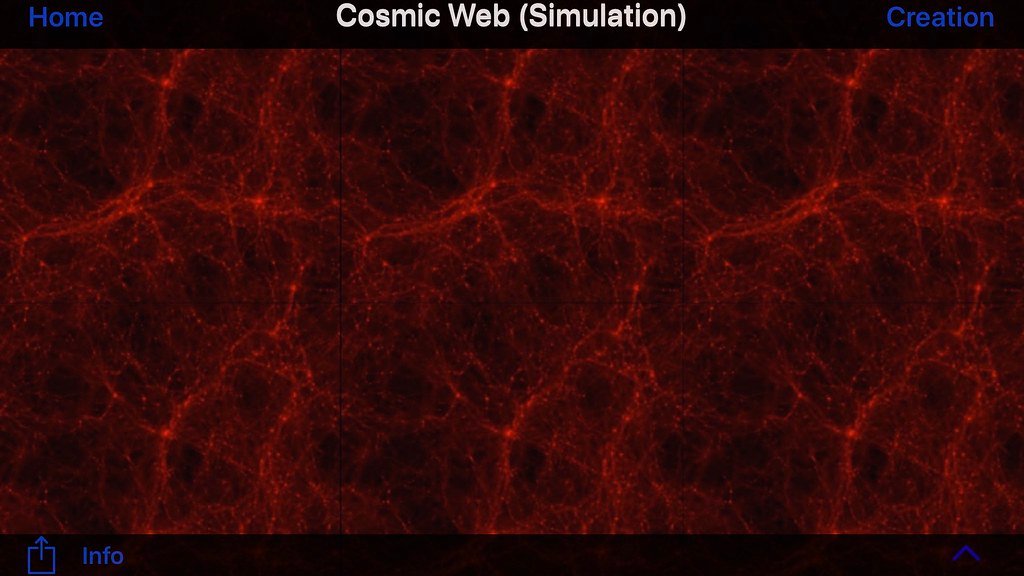
When you look up at the night sky, the scatter of stars feels random. But zoom out far enough, and a pattern emerges that is anything but chaotic. The universe, on its largest scales, is organized into a sprawling, web-like architecture of filaments, sheets, nodes, and vast empty voids. It’s one of the most striking structures ever discovered, and understanding it sits at the very heart of modern cosmology.
What makes this so compelling right now is how rapidly our picture of that structure is changing. New telescopes, ambitious simulations, and increasingly sharp observations are revealing details that were simply invisible to previous generations of astronomers. You’re reading this at a moment when scientists are rewriting some of the most basic assumptions about how galaxies form, grow, and connect.
What the Cosmic Web Actually Is
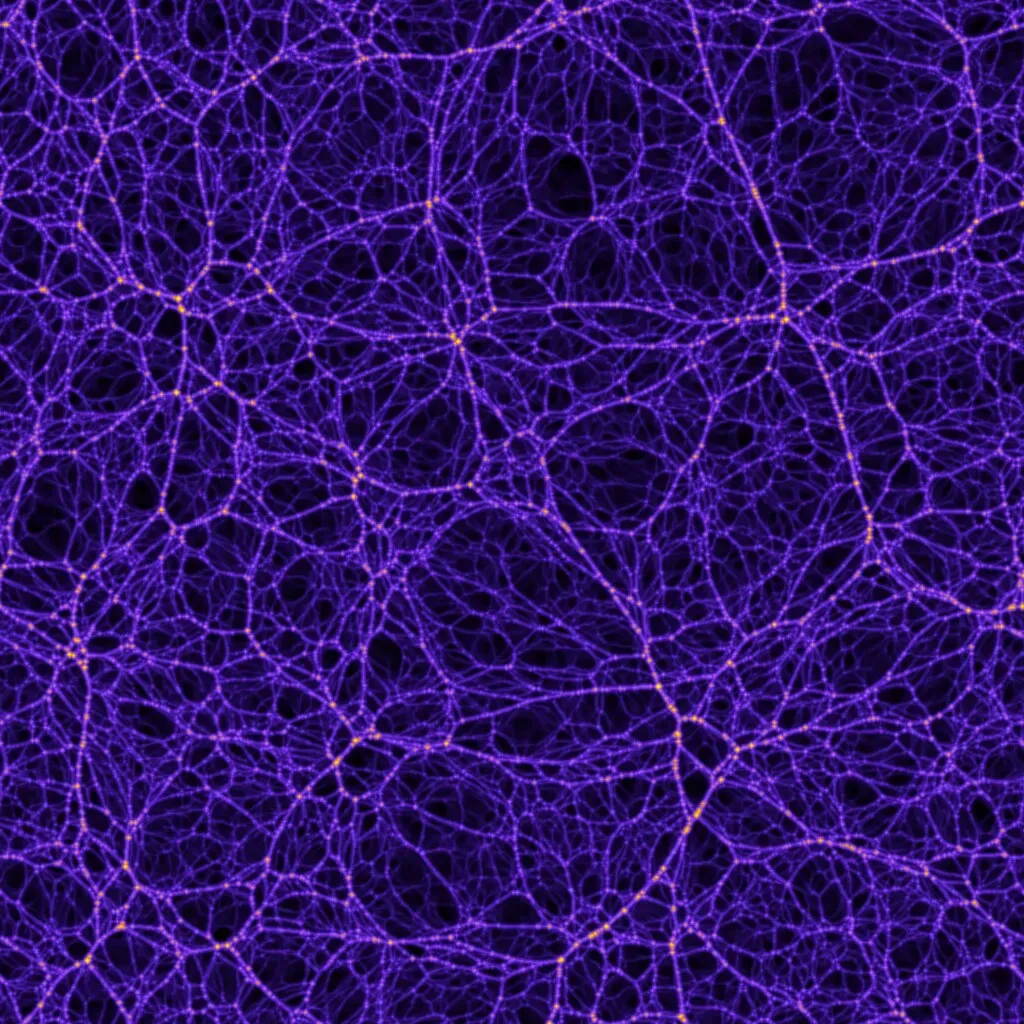
The cosmic web is a vast arrangement of galaxies, dark matter, and gas that emerged from minuscule density fluctuations following the Big Bang. These fluctuations, amplified by gravity over nearly 14 billion years, formed a sprawling network composed of filaments, nodes, walls, and voids. Think of it less like a static picture and more like a process still unfolding in slow motion.
In three-dimensional space, gravitational growth turns out to be asymmetric, and clumps of matter take the form of a network of intersecting sheets and filaments, separated by large regions with relatively little matter. The result resembles a sink full of soap bubbles, with matter arrayed along the walls and especially where those walls intersect. This is the cosmic web, and it forms the skeleton around which galaxies form through cosmic history.
Dark Matter: The Invisible Architect
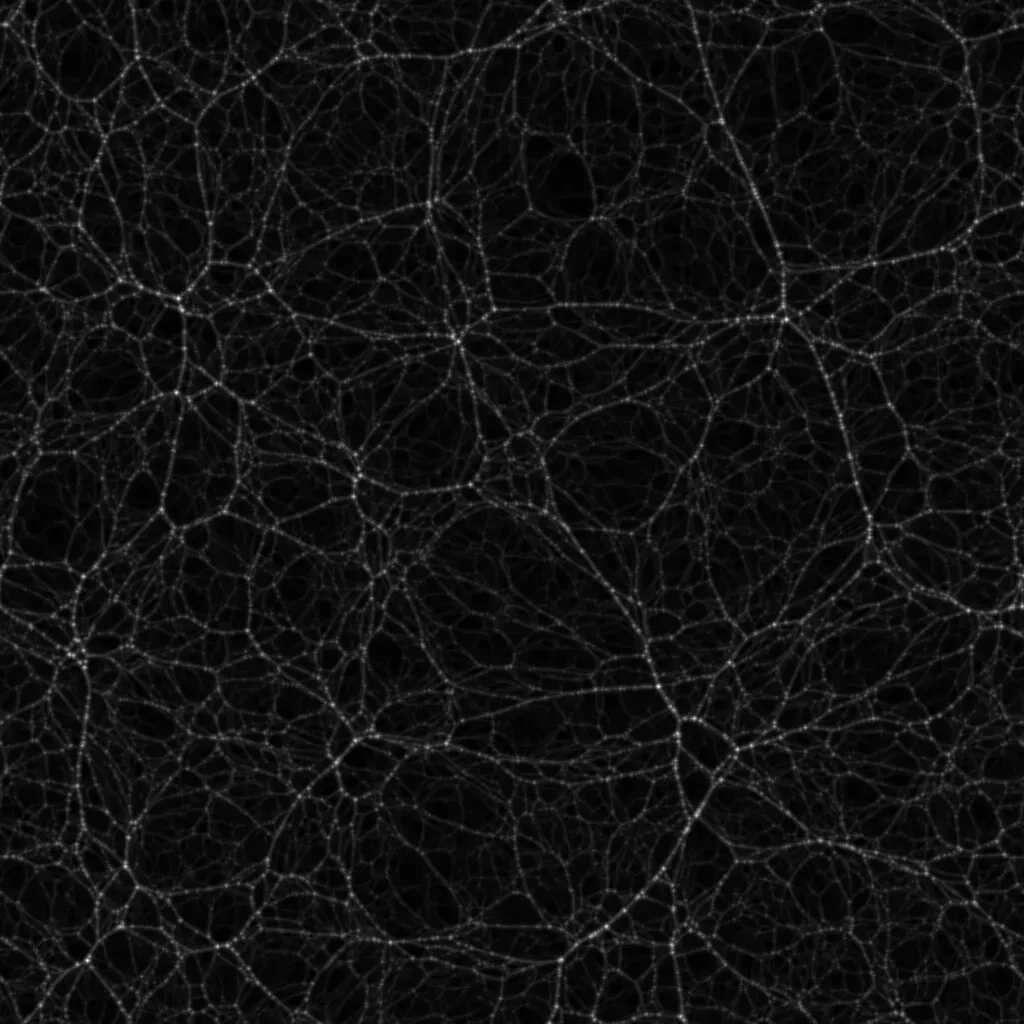
A pillar of modern cosmology is the existence of dark matter, which constitutes roughly 85 percent of all matter in the universe. Under the influence of gravity, dark matter forms an intricate cosmic web composed of filaments, at whose intersections the brightest galaxies emerge. This cosmic web acts as the scaffolding on which all visible structures in the universe are built, with gas flowing within the filaments to fuel star formation in galaxies.
The luminous matter distribution closely follows that of dark matter, at least on cosmic web scales. You see galaxies in filaments or clusters only because dark matter has formed these structures first, while the luminous matter simply follows dark matter’s gravitational attraction. In other words, the galaxies you can see are essentially lit-up tracers of an invisible framework that carries most of the universe’s mass.
Filaments: The Universe’s Hidden Highways
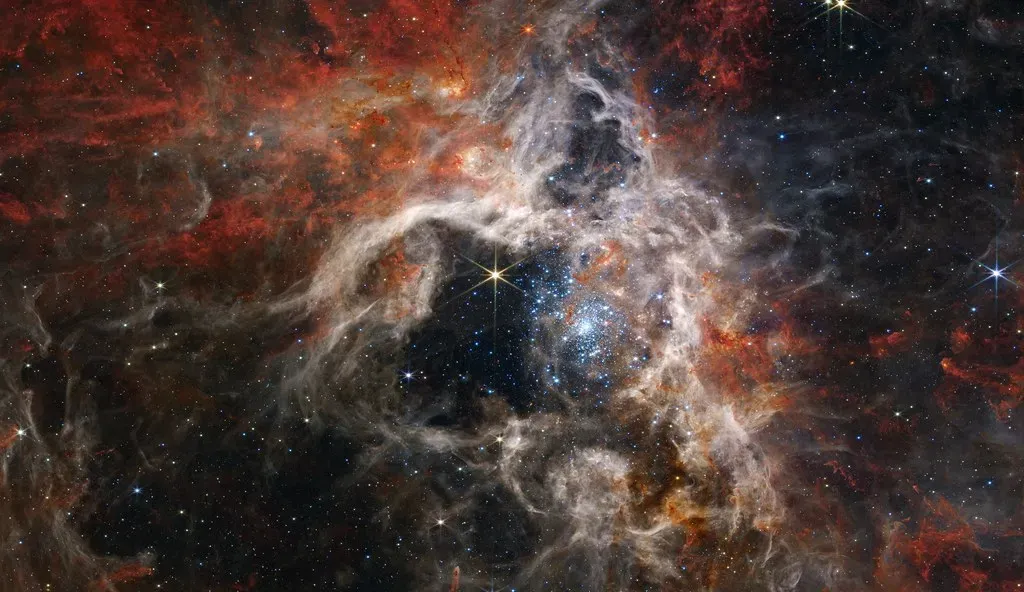
In cosmology, galaxy filaments are the largest known structures in the universe, consisting of walls of galactic superclusters. These massive, thread-like formations can commonly reach 160 to 260 million light-years in length, with the largest found to date stretching even further, forming the boundaries between voids. To put that in perspective, the Milky Way itself is roughly 100,000 light-years across.
Cosmic filaments are the largest known structures in the universe: vast, thread-like formations of galaxies and dark matter that form a cosmic scaffolding. They also act as highways along which matter and momentum flow into galaxies. Astronomers think that cold, dark filaments in deep space snake their way to galaxies, supplying them with gas, which is fuel for making more stars.
How Your Place in the Web Shapes a Galaxy’s Fate

Galaxies located near dense cosmic structures, such as filaments and nodes, exhibit distinct properties compared to those in less dense environments, possibly reflecting the role of gravitational dynamics, gas accretion, and feedback. It’s a compelling idea: where a galaxy lives has direct consequences for what kind of galaxy it becomes.
At high redshift, galaxies closer to filaments show enhanced star formation rates and gas accretion, reflecting efficient filament-fed growth. At lower redshifts, a more complex pattern emerges, with a surprising upturn in star formation activity very close to filament cores, suggesting resumed accretion in the densest environments. In contrast, galaxies residing in sparser regions and voids tend to undergo quieter evolutionary paths, marked by more subdued star formation activities.
Nodes, Clusters, and the Web’s Densest Regions
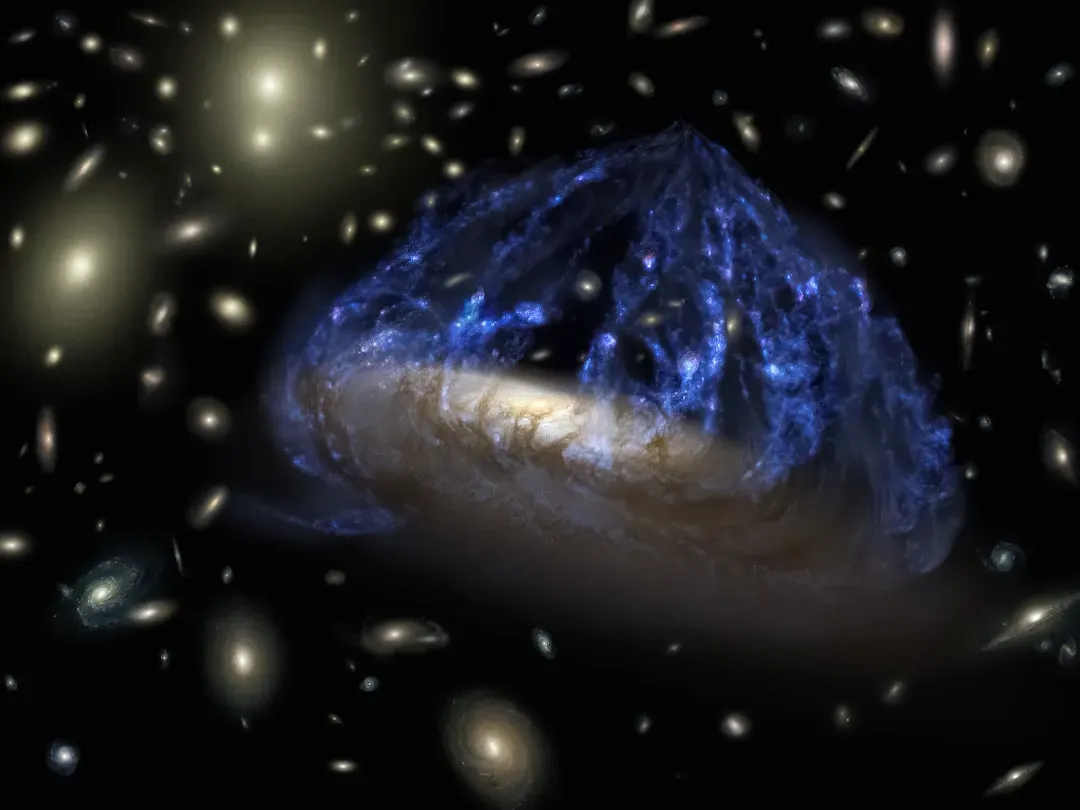
Where two or more large filaments intersect, the density of matter becomes so high that massive clusters of galaxies can form, which may contain hundreds or thousands of member galaxies. Being the largest and most massive gravitationally bound objects in the universe, galaxy clusters represent the high-density nodes of the cosmic web. These intersections are among the most energetic environments anywhere in the observable universe.
Clusters are the most densely populated regions within the cosmic web, typically forming at the intersections of filaments. The galaxies in such environments experience heightened gas accretion rates and increased interactions with neighboring galaxies, the cluster potential, and the gas, often leading to intense bursts of star formation and structural changes. Recent studies suggest that galaxies located nearer to clusters show higher gas-phase metallicity independent of stellar mass, indicating enhanced chemical enrichment compared to galaxies farther away.
Spinning Structures: A Remarkable Recent Discovery
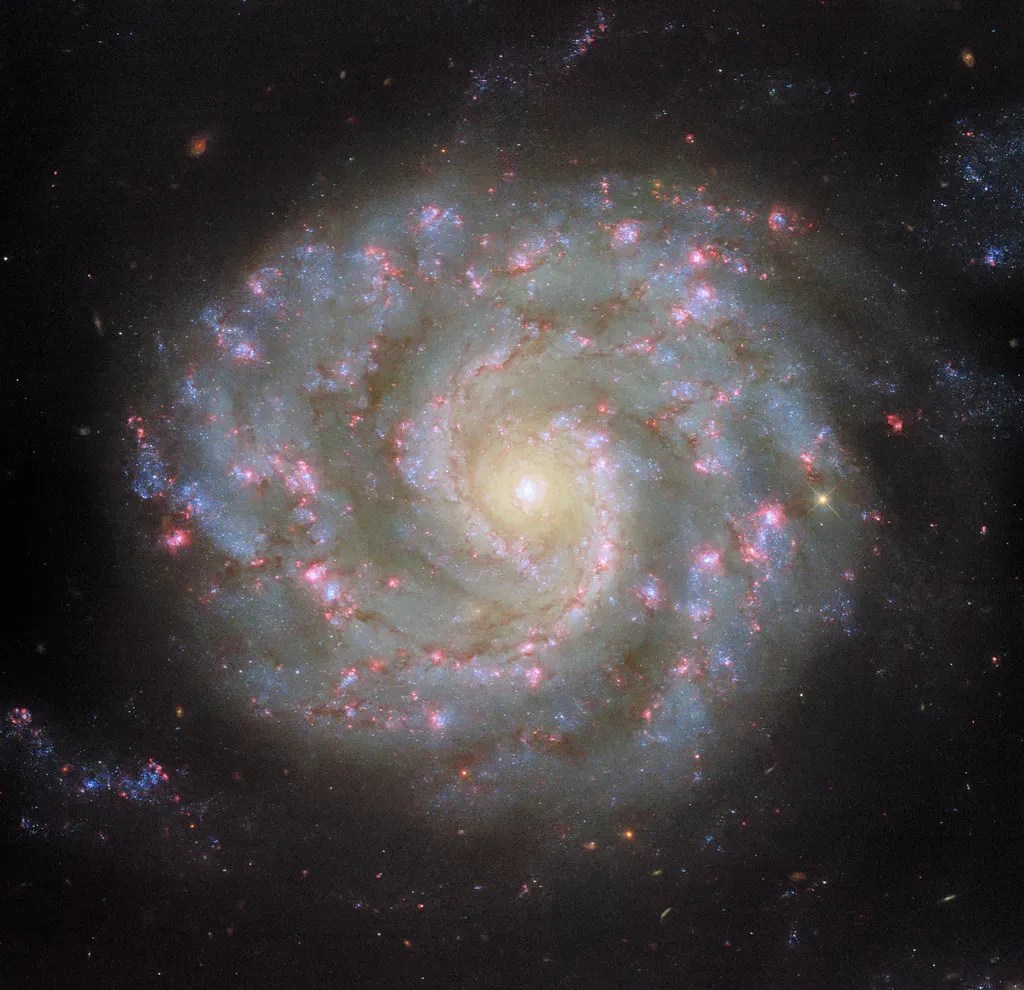
An international team led by the University of Oxford has identified one of the largest rotating structures ever reported: a razor-thin string of galaxies embedded in a giant spinning cosmic filament, 140 million light-years away. The findings could offer valuable new insights into how galaxies formed in the early universe. The discovery, published in late 2025, adds a striking new dimension to how astronomers think about filament dynamics.
Scientists discovered a giant cosmic filament where galaxies spin in sync with the structure that holds them together. The razor-thin chain of galaxies sits inside a much larger filament that appears to be slowly rotating as a whole. Hydrogen-rich galaxies in the structure are excellent tracers of gas flow along cosmic filaments, with their presence helping reveal how gas is funneled through filaments into galaxies, offering clues about how angular momentum flows through the cosmic web to influence galaxy morphology, spin, and star formation.
What the James Webb Space Telescope Is Revealing Right Now
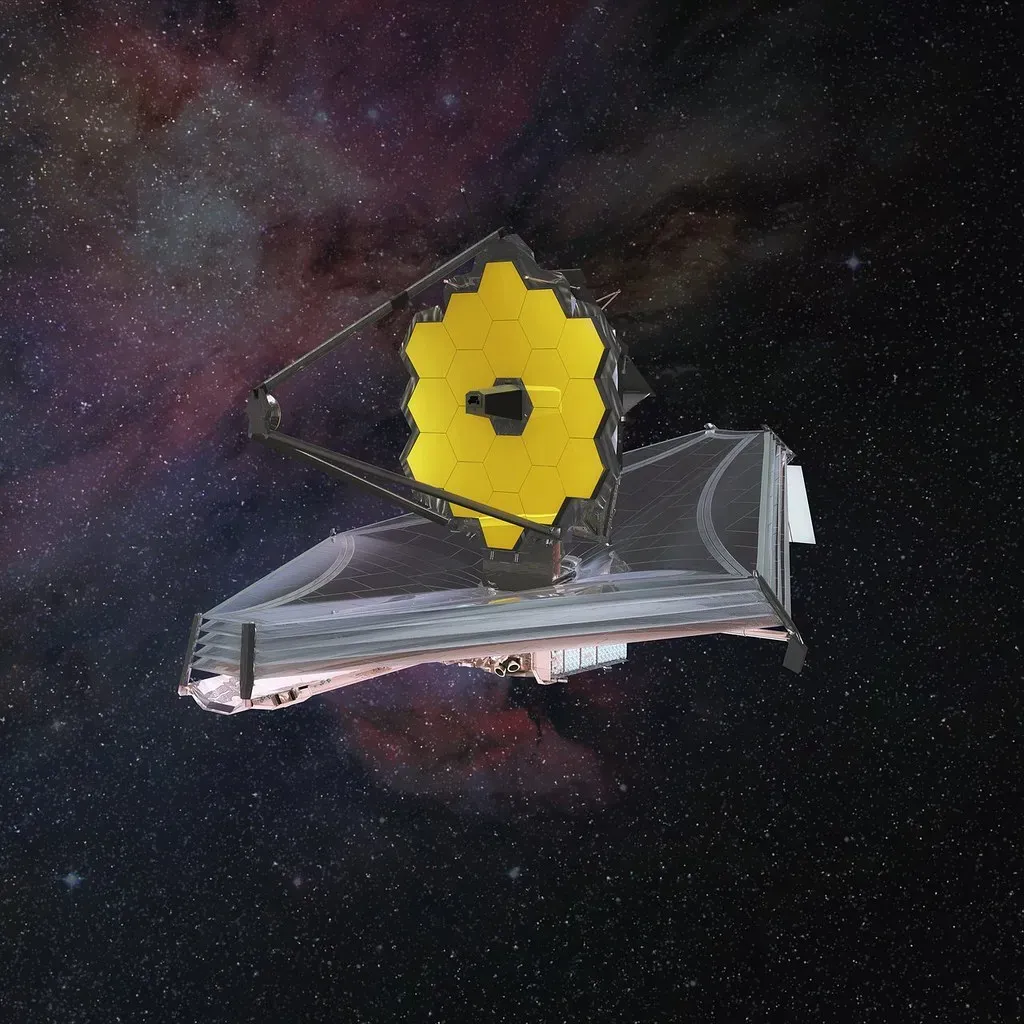
On January 26, 2026, researchers published the most detailed high-resolution map of dark matter to date, utilizing JWST data to peer 8 to 11 billion years into the past. By tracking nearly 800,000 galaxies in the constellation Sextans, the map reveals the cosmic web with twice the detail of Hubble’s previous work. While it reinforces the theory that dark matter acts as the gravitational scaffolding for galaxies, it also reveals smaller-scale structures and clumpiness that were previously invisible.
One striking finding is MoM-z14, a galaxy observed as it appeared just 280 million years after the Big Bang. Standard cosmological models predicted that galaxies at this cosmic dawn should be small, chaotic, and chemically simple. Instead, MoM-z14 is unexpectedly luminous and contains elevated levels of nitrogen, suggesting that massive stars formed and evolved much more rapidly than current models allow. COLIBRE, a new and groundbreaking set of advanced cosmological simulations, models the evolution of galaxies by integrating cold interstellar gas and cosmic dust, offering the most realistic digital representation of galaxy formation from the early universe to the present day.
Conclusion
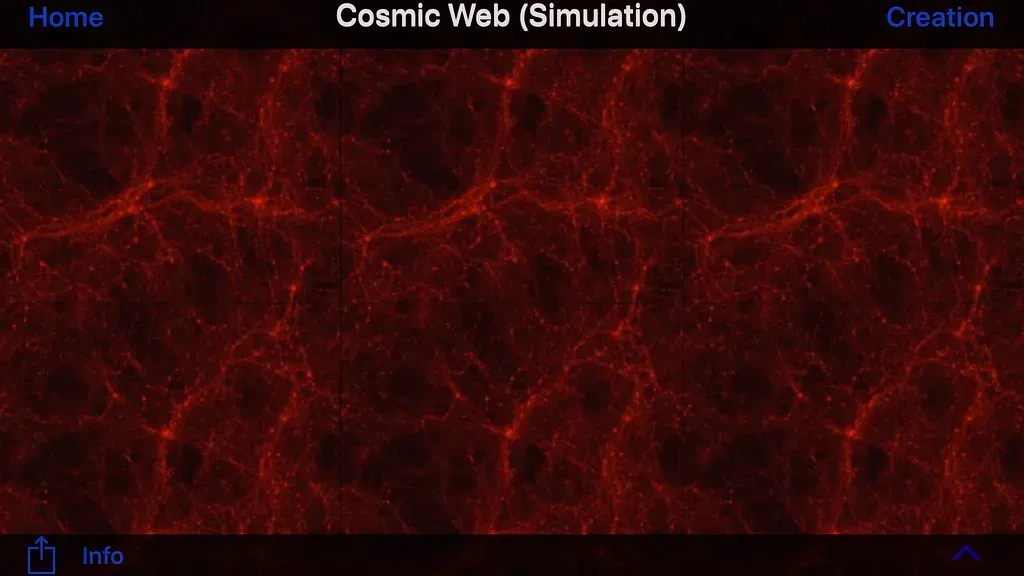
The cosmic web is not simply a backdrop to the universe’s story. It is the story. The position of a galaxy within this vast network, whether nestled inside a dense filament, tucked into a quiet void, or sitting at the chaotic intersection of two massive structures, shapes almost everything about it: how quickly it forms stars, how much gas it holds, what chemical elements it contains, and ultimately what it becomes.
What’s remarkable is how much of this is being discovered only now. From the first direct images of individual cosmic filaments to spinning structures that challenge models of galaxy spin, from unexpectedly mature galaxies near the dawn of time to high-resolution dark matter maps built from hundreds of thousands of observations, the pace of discovery is genuinely extraordinary. The cosmic web was always there. You’re living in the era when we’re finally starting to read it clearly.