
In the heart of Europe lies a mesmerizing remnant of ancient natural beauty: the Białowieża Forest. Spanning the border between Poland and Belarus, this primeval forest offers a unique glimpse into the natural world as it existed thousands of years ago. Known as Europe’s last great untouched forest, Białowieża is a living time capsule, offering an unparalleled insight into the continent’s ecological history.
A Brief History of Białowieża Forest

The Białowieża Forest has stood for over 10,000 years, largely untouched by the axes of modernization. As a remnant of the immense forests that once blanketed Europe, it holds a significant place in history. Protected initially due to its role as a royal hunting ground, conservation efforts have allowed Białowieża to remain a rare sanctuary for biodiversity.
Biodiversity in the Forest

Białowieża is home to an astonishing variety of wildlife, making it a critical refuge for many species. This diverse biosphere includes approximately 59 mammal species, over 250 bird species, and at least a thousand plant species, creating a unique ecological tapestry that draws scientists and nature enthusiasts alike.
The European Bison: A Remarkable Inhabitant

Central to Białowieża’s fame is the presence of the European bison, or wisent. The forest is one of the last refuges where these magnificent creatures roam freely, having been reintroduced after near extinction in the wild. Their conservation success story is a testament to the forest’s critical role in preserving biodiversity.
A Dense and Ancient Canopy
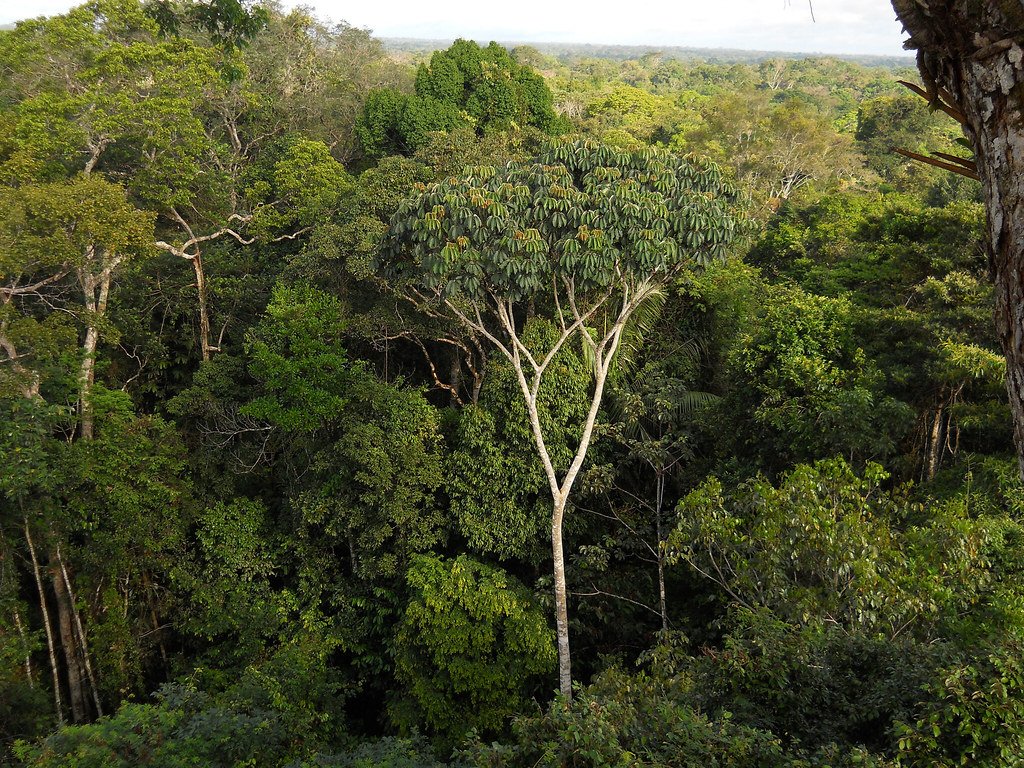
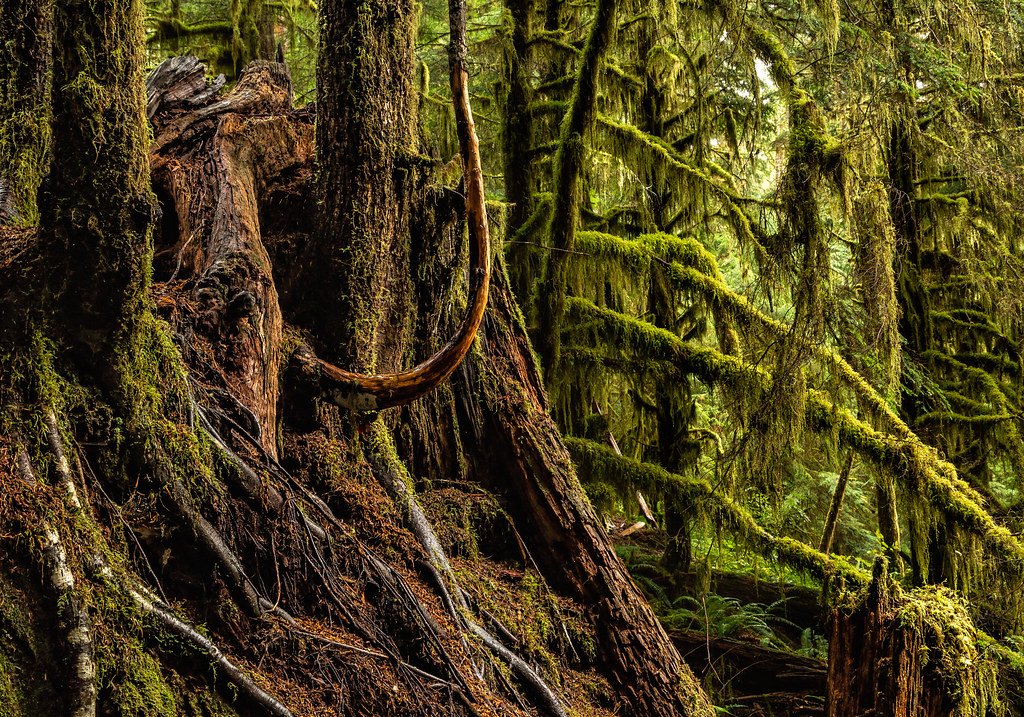
The forest’s dense canopy, featuring ancient oak, ash, and spruce trees, provides a habitat unlike any other. Some trees here have witnessed centuries and are among the oldest in Europe, forming an essential part of the forest’s primeval charm and ecological health.
Threats and Conservation Challenges

Despite its status, Białowieża faces numerous threats, primarily from logging and agricultural expansion. Debates over forest management and conservation practices often pit economic interests against environmental preservation, highlighting the need for sustainable approaches to protect this ancient woodland.
UNESCO World Heritage Site Designation
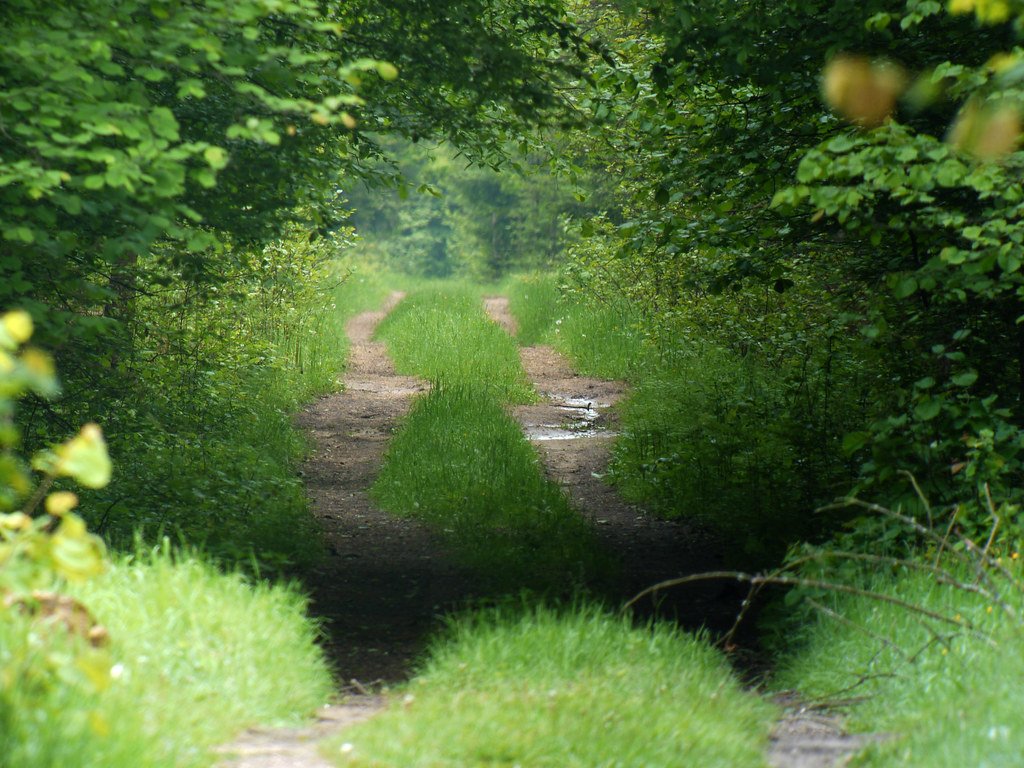
Recognized for its outstanding natural value, Białowieża Forest was designated a UNESCO World Heritage Site in 1979. This acknowledgment underscores its importance as a global treasure and has been pivotal in rallying international support for its preservation.
A Researcher’s Paradise

For scientists, Białowieża offers a window into the past, a chance to study ecosystems as they have existed for millennia. Research conducted here helps in understanding species interactions and forest dynamics under natural conditions, providing benchmarks for other conservation efforts worldwide.
The Cultural Significance of Białowieża

Beyond its ecological importance, Białowieża holds cultural significance for the local communities. The forest’s rich folklore and historical connections to the region’s heritage make it an integral part of Poland’s national identity.
Nature Tourism and Ecotourism

Tourism in Białowieża offers a sustainable path to support the local economy while fostering an appreciation for the forest’s natural beauty. Guided tours and ecotourism initiatives help raise awareness of the delicate balance needed to maintain the forest’s pristine state.
The Future of Białowieża Forest

The ongoing conservation efforts are crucial for ensuring Białowieża’s future. Emphasizing sustainable practices while balancing the needs of wildlife and human activities remains a complex yet essential challenge for preserving this living time capsule.
Conclusion
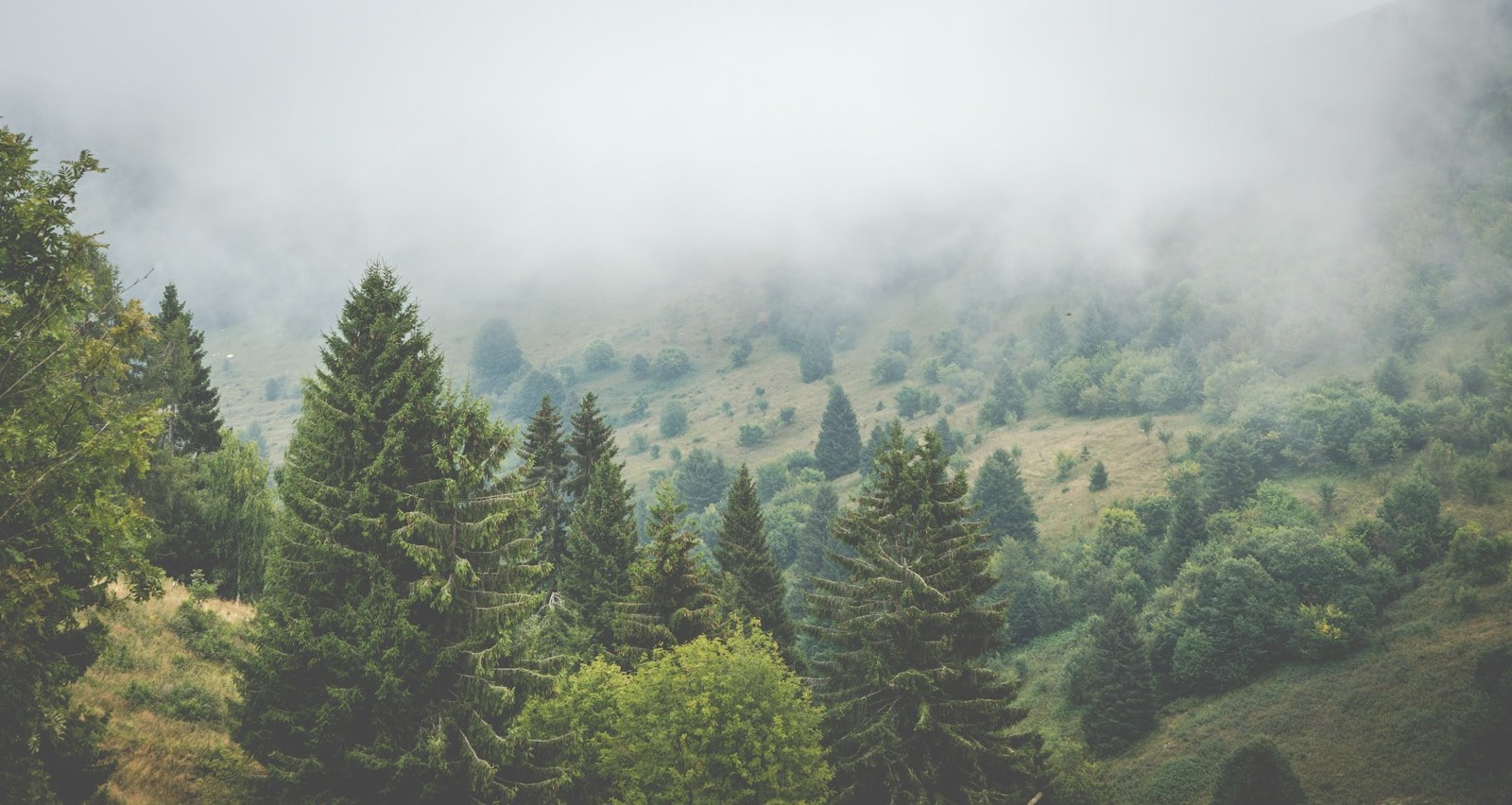
Białowieża Forest stands as a testament to nature’s enduring legacy in Europe, offering a rare window into a primordial world. Its protection and preservation are crucial not only for maintaining biodiversity but also for keeping alive a piece of our planet’s history. As we ponder its future, the Białowieża Forest reminds us of the delicate balance required in conservation efforts, urging us to cherish and protect the natural wonders that connect us to our ecological roots.