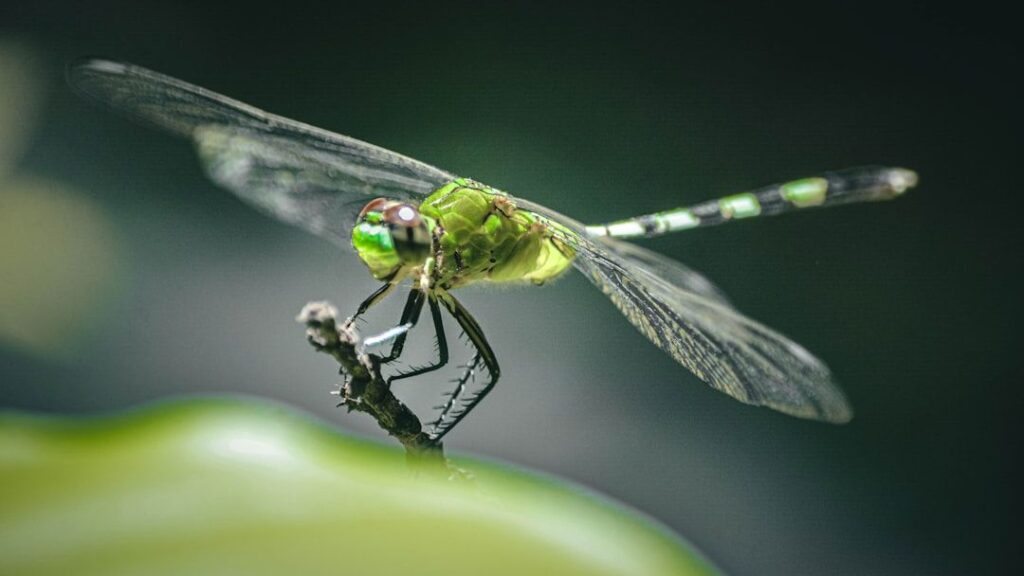

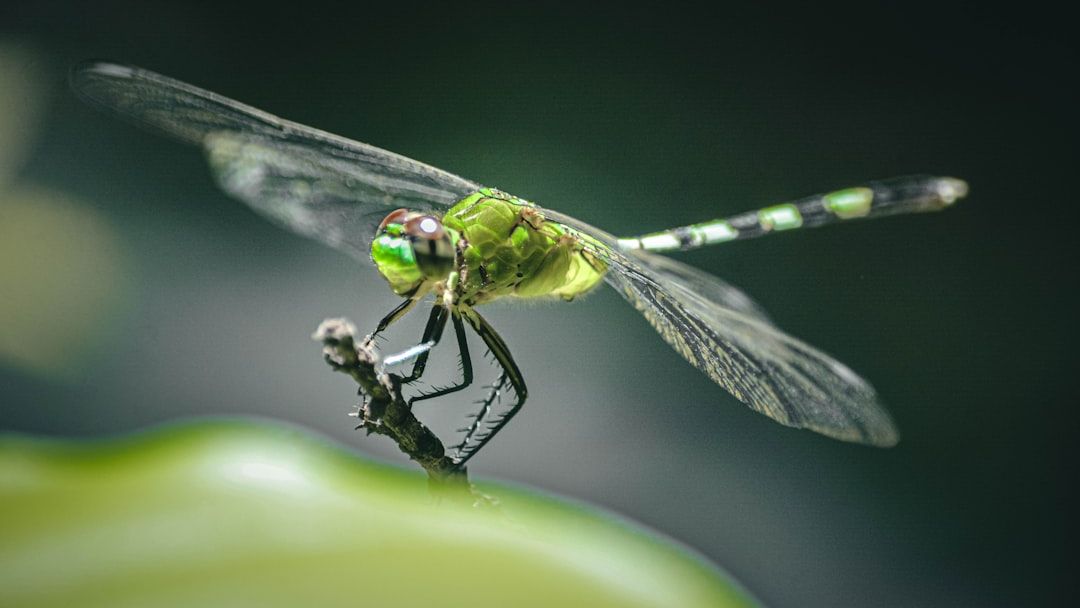
JWM: Dragonflies make good mercury thermometers – Image for illustrative purposes only (Image credits: Unsplash)
Mercury pollution reaches even the most protected corners of the United States, where it can harm fish, birds, and the people who rely on those ecosystems. A new study that sampled dragonfly larvae across 30 national wildlife refuges found that four out of five refuges contained at least one location with enough mercury to pose a moderate risk to wildlife and humans. The results underscore how a contaminant released decades ago continues to move through food webs in places visitors often assume are untouched.
How Dragonfly Larvae Became Reliable Monitors
Researchers turned to dragonfly larvae because the insects spend years in freshwater before emerging as adults, giving their bodies time to accumulate mercury from the surrounding water and prey. Unlike water samples that can fluctuate with recent rainfall, the larvae provide a steadier record of what is actually entering the food chain. Citizen scientists and refuge staff collected the larvae at dozens of sites, creating one of the largest unified datasets on mercury in freshwater animals.
The approach proved more informative than earlier efforts that measured mercury only in precipitation or stream water. Levels in the larvae closely tracked the contamination moving through amphibians and fish, offering a practical way to assess risk without extensive laboratory equipment at every location.
Key Patterns in the Refuge Samples
Twenty-four of the 30 refuges had at least one site rated moderate risk. Four refuges reached high-risk levels at one or more locations, and two showed severe impairment in certain years. The highest mercury concentrations measured were roughly 1,000 times greater than the lowest, revealing sharp differences even within the same refuge.
One refuge in New Mexico recorded severe levels during the initial sampling but dropped below that threshold in later years, illustrating how conditions can shift. The overall pattern closely matched findings from national parks, even though refuges receive far fewer visitors and are managed primarily for wildlife rather than recreation.
Sources and Movement of Mercury Through Ecosystems
Mercury enters the environment from both natural events such as forest fires and human activities including coal-fired power plants and small-scale gold mining. Once deposited by rain or dust, the element undergoes chemical changes that convert it into methylmercury, the form that readily enters living cells and becomes more concentrated at each step up the food chain.
Refuge managers often manipulate water levels to create habitat for waterfowl, yet these same practices can influence how mercury moves and transforms. The study noted that such water management may inadvertently increase exposure for the very species the refuges aim to protect.
What Refuge Managers Can Do Next
Staff now have clearer data to guide decisions about water flow and habitat manipulation. Possible steps include:
- Adjusting drawdown schedules to limit conditions that favor mercury conversion.
- Targeting monitoring at sites already showing elevated levels.
- Coordinating with regional air-quality programs to track ongoing atmospheric inputs.
These actions remain limited by available infrastructure and funding, and researchers emphasize that mercury already in sediments can persist for years even if new emissions decline.
Looking Ahead at Population-Level Effects
Scientists plan to examine whether the measured mercury concentrations affect breeding success or survival rates of birds and fish on the refuges. They also intend to test how different water-management tactics alter methylation rates in real time. Until those links are clearer, the study serves mainly as a warning that protected areas are not immune to a contaminant that travels globally and lingers locally.