Palmyra’s Unique Ecosystem Under Scrutiny (Image Credits: Pexels)
Palmyra Atoll stands as the most isolated speck of land on the planet, a cluster of coral islets adrift in the central Pacific, far from human habitation. Recent research from this uninhabited outpost demonstrates that a rich community of soil fungi underpins the recovery of native plants after natural disturbances.[1] These microscopic networks appear essential for ecosystem resilience in such extreme environments, offering insights into how fragile island habitats might rebound from storms or invasive pressures.
Palmyra’s Unique Ecosystem Under Scrutiny
The atoll’s isolation has preserved a pristine, yet vulnerable, terrestrial habitat dominated by native trees like Pisonia grandis. This species forms the structural backbone not just of Palmyra but of many among the world’s 598 atolls.[1] Scientists have long noted the atoll’s recovery trajectory following events such as the 2011 eradication of invasive black rats, which unleashed a surge in vegetation growth.
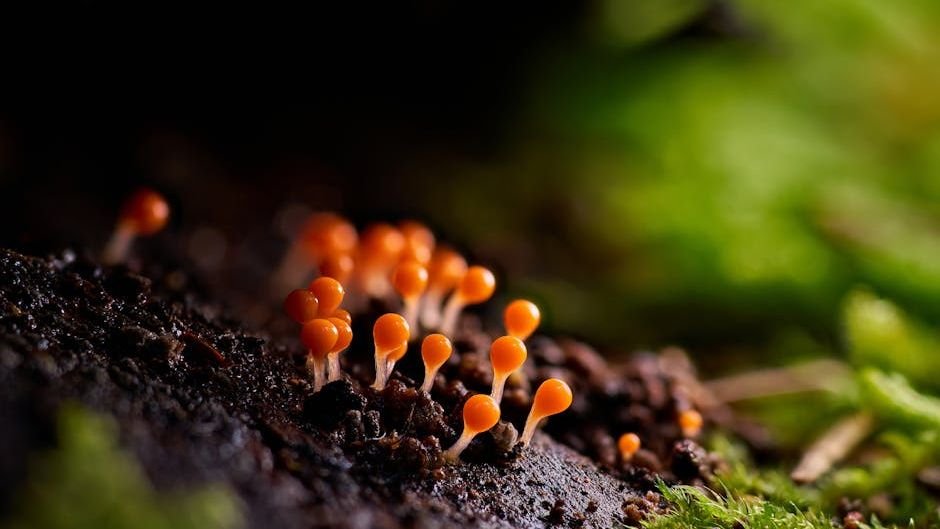
That resurgence highlighted underlying biological mechanisms at work. Researchers turned to the soil, where fungi thrive in symbiosis with plant roots, forming mycorrhizal associations that enhance nutrient uptake. On Palmyra, these partnerships seem particularly adapted to the atoll’s nutrient-poor sands derived from coral rubble.[1]
Unveiling Fungal Diversity in Remote Soils
Teams including Dr. Toby Kiers have ventured to Palmyra to sample underground communities, using soil corers to capture fungal life invisible to the naked eye.[2] Their findings, detailed in Current Biology, reveal a diverse fungal assemblage uniquely suited to support native flora like Pisonia grandis amid recovery efforts.[3][4]
This diversity contrasts with less resilient sites altered by invasives such as coconut palms, which have overtaken portions of the atoll’s forests. The fungi not only aid plants in accessing scarce phosphorus and nitrogen – often delivered via seabird guano – but also facilitate nutrient cycling between rainforest and surrounding lagoon.[1] Such connections underscore the atoll’s integrated land-sea system.
From Disturbance to Renewal: Fungi in Action
Disturbances like cyclones or pest invasions can strip away vegetation, leaving barren ground. Yet Palmyra’s soils host fungi that enable pioneer plants to reestablish, drawing on stored resources to kickstart succession. This process mirrors broader patterns observed after rat removal, where native shrubs and trees reclaimed space from invasives.
The role of these microbes extends beyond mere survival. They transform coral-derived substrates into fertile mediums, potentially breaking down rubble into peat-like soil over time. In doing so, they bolster canopy species critical for bird nesting and further nutrient deposition.[5]
What Matters Now: As climate change heightens threats to low-lying atolls, understanding fungal contributions could guide restoration worldwide.
Broader Lessons for Tropical Island Conservation
Palmyra serves as a natural laboratory for atoll dynamics, free from ongoing human interference. Efforts by groups like the Society for the Protection of Underground Networks emphasize mapping these fungal highways to inform interventions elsewhere.[3] With invasive species and rising seas endangering similar habitats, the atoll’s data suggest prioritizing soil health in recovery plans.
Native forest realignment projects on Palmyra already target shifting dominance from coconut palms back to species like Pisonia grandis and Heliotropium foertherianum. Fungal communities could prove decisive in whether replanted trees thrive, potentially increasing soil carbon storage and reducing organic runoff to reefs.[6]
- Rat eradication in 2011 spurred vegetation rebound, revealing microbial underpinnings.
- Mycorrhizal fungi cycle seabird nutrients from sea to soil and back.
- Diverse soil life supports Pisonia grandis, key to atoll structure.
- Insights apply to 598 global atolls facing disturbance.
A Foundation for Future Resilience
The discoveries from Palmyra illuminate how unseen soil dwellers orchestrate visible renewal. As researchers continue expeditions to this distant realm, their work promises strategies to safeguard island biodiversity amid mounting environmental pressures. In an era of global change, these fungal alliances offer a grounded path toward enduring ecosystem health.