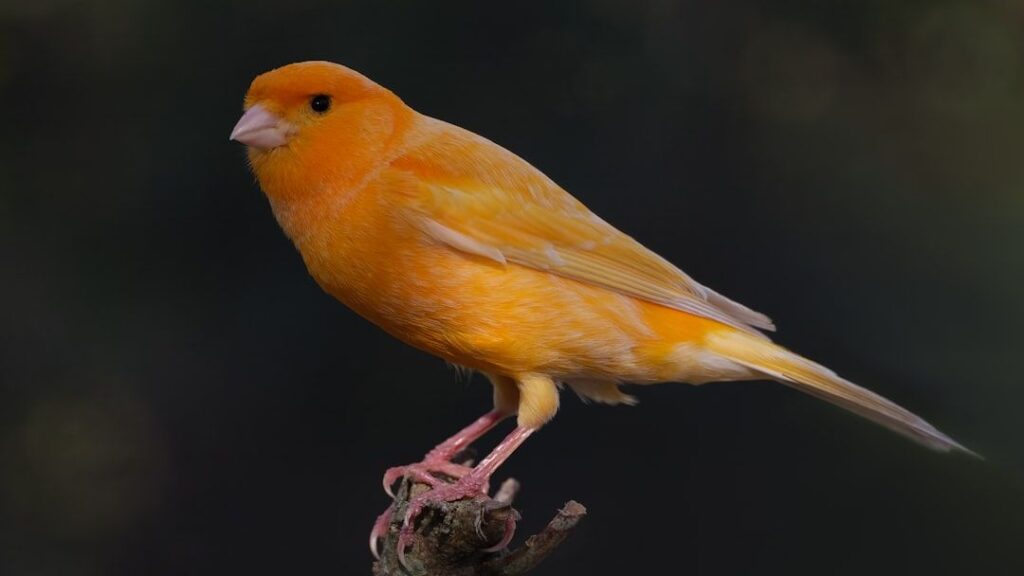
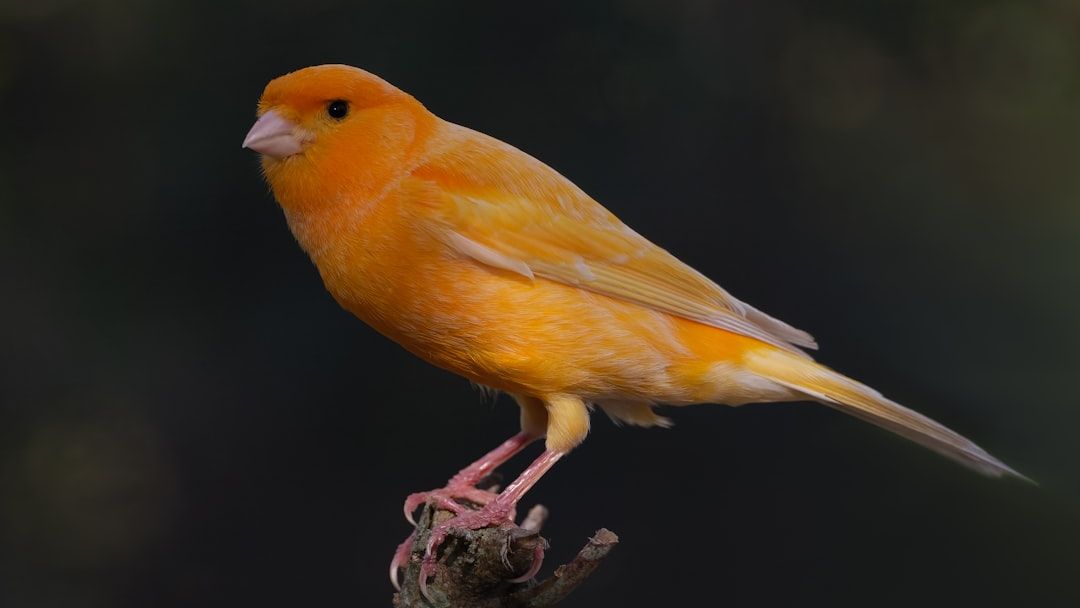
The pet I’ll never forget: Crispin, the big-headed canary – Image for illustrative purposes only (Image credits: Unsplash)
When a child’s first pet arrives, the household often shifts in small but lasting ways. A yellow canary named Crispin entered one family’s life when the youngest member was just four, bringing with him a striking presence that soon became impossible to ignore. His confident manner and clear voice quickly filled the space with both sound and a new sense of daily purpose.
A Striking Arrival That Changed the Daily Rhythm
Crispin stood out from the moment he settled into his cage. He carried himself with the assurance of an established leader, spending long stretches arranging his feathers and surveying his surroundings. Observers noted his strong temperament and the way he responded to praise, singing with particular energy whenever his talents were acknowledged. The bird’s yellow plumage and commanding attitude made him an immediate focal point in the home.
Even at such a young age, the child who received him began to understand the quiet demands of looking after another living creature. Crispin required consistent attention to food, water, and the cleanliness of his space. These small routines introduced structure that had not existed before, turning ordinary days into a shared responsibility between the child and the bird.
Adding a Partner and Expanding the Household
Soon after Crispin’s arrival, a gentler female canary named Mariflor joined the cage. The pair formed a clear bond, and their partnership produced two chicks, Maribel and Quintin. The new family unit brought additional activity and sound to the room, with the parents tending to the young birds in a steady cycle of care.
Watching the chicks grow offered a direct view of how animals nurture their own. The child observed the parents’ protective behavior and the gradual independence of the offspring. This living example of family life provided a sense of connection that extended beyond the cage itself.
The Unexpected Comfort of Feathered Companions
In a home without siblings or a wider circle of relatives, the canaries filled an important gap. Their presence created a reliable source of interaction and affection that helped shape the child’s early years. The birds became more than pets; they served as daily companions whose needs mirrored the give-and-take of any close relationship.
Responsibility grew naturally from these interactions. Checking on the cage each morning and evening became a steady habit, while the birds’ songs offered moments of simple pleasure. Over time, the experience built a foundation of empathy and attentiveness that carried forward long after the birds were gone.
Lessons That Last Beyond the Cage
Crispin’s strong personality left a particular mark. His insistence on attention and his clear enjoyment of praise taught the value of recognizing individual traits in any companion. The entire group of birds demonstrated how small creatures can create a larger sense of belonging within a household.
Years later, the memory of that first cage remains vivid. The songs, the routines, and the quiet satisfaction of caring for the canaries continue to stand out as an early chapter in learning what it means to look after another life. Those experiences, though simple, proved enduring in their influence on how responsibility and affection are understood today.