For decades, archaeologists dug through broken pottery shards and corroded coins, convinced that’s where trade history lived. They were wrong. The real record was sitting quietly inside the skeletons the whole time, completely unread.
Bones and teeth work like chemical passports, stamped with every region a person, pig, or pack animal ever ate from or drank water in. Crack that passport open with a mass spectrometer, and entire trade networks that vanished from written history suddenly reappear. From feasting animals near Stonehenge to lead-poisoned Romans in London, here are the 12 chemical signs rewriting how far ancient trade really reached.
#1 – The Strontium Signature That Doesn’t Match the Soil
Every skeleton carries a hidden barcode, and it’s written in strontium.
Strontium isotopes enter bone and teeth through food and water. Because different bedrock produces different isotope ratios, that mineral becomes a permanent geological signature, baked into the skeleton for life. Researchers studying feasting animals near Stonehenge leaned on exactly this principle, using strontium isotope analysis to flag a chemical signature tied to the specific geology of wherever an animal actually grew up, long before it ever reached the monument.
Most people don’t realize a single tooth can expose someone’s childhood geography with startling precision.
When a bone’s strontium ratio doesn’t match the ground it was buried in, that individual almost certainly grew up somewhere else and was later moved, traded, or marched along a route no ancient text ever recorded. That single mismatch has cracked open dozens of trade investigations worldwide, all starting from one tooth.
Fast Facts
- Strontium ratios come from local bedrock, groundwater, and homegrown food.
- The signature locks in early and stays fixed for life, unlike some other isotopes.
- Wessex chalk near Stonehenge has a narrow, well-documented strontium range.
- A mismatch instantly flags a person or animal as non-local.
#2 – Oxygen Isotopes That Track Which Water You Drank
Water leaves fingerprints too, and oxygen isotopes are the proof.
Oxygen isotope ratios in bone and enamel reflect the water someone drank growing up. Because rainfall chemistry shifts with latitude, altitude, and distance from the coast, researchers can build detailed water maps, sometimes called isoscapes, and compare them against skeletal samples. In the Stonehenge feasting study, scientists combined the largest five-isotope archaeological dataset yet published, precisely because oxygen alone couldn’t tell the whole story.
The surprising part: oxygen isotopes can catch someone who spent early life near one water source and later relocated, creating a two-stage signal that strontium alone might miss entirely.
Combining the two elements sharpens the picture dramatically. Some researchers now argue oxygen is the most underrated isotope in trade-route archaeology, quietly filling gaps that strontium leaves wide open.
#3 – Lead Fingerprints From a Distant Mine
Lead doesn’t lie, and it definitely doesn’t change once it leaves the ground.
Lead has multiple isotopes, and their mix varies from one ore deposit to another because of local geology. That means a bronze tool, a bead, or a chunk of metal slag can carry a chemical signature tied to a specific mining region. The same chemical stability means lead absorbed into bone from contaminated food, water, or occupational exposure can be traced back to the exact mine it came from.
Researchers studying Roman-era skeletons found dramatic evidence of this, documenting elevated lead exposure in Roman occupants of Londinium that revealed just how far metal supply chains stretched across the empire.
Turns out, ancient people were essentially logging their metal trade networks into their own skeletons without knowing it. Compare that signature to known ore sources, and a rib bone becomes a trade ledger.
#4 – A Sudden Shift From Local Bedrock to Foreign Bedrock
Sometimes the most telling clue isn’t a single number, it’s a contradiction.
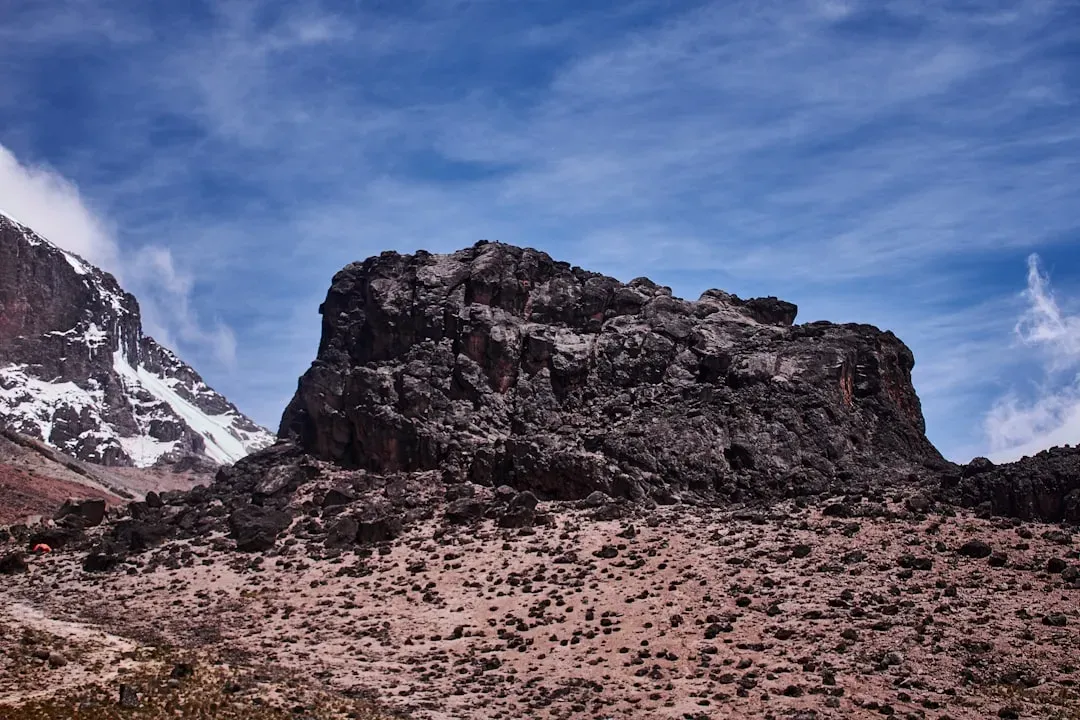
When a skeleton’s isotope values simply don’t belong to the region it was buried in, that mismatch is often the loudest signal archaeologists can get. Stonehenge sits on Wessex chalk with a tightly defined strontium range, which made outliers easy to flag. Researchers analyzing cremated remains there found indications of nonlocal individuals among a sample of 25, some posited to have come from as far as west Wales.
Most visitors assume Stonehenge was a purely local monument, but the bone chemistry says otherwise.
These geological contradictions are now considered stronger trade evidence than any artifact, because pottery can change hands secondhand while a human skeleton can only be in one place at a time. That single fact makes bone chemistry uniquely powerful for reconstructing real, physical movement rather than just object exchange.
#5 – Carbon Isotopes That Reveal an Exotic Diet
You really are what you eat, and your skeleton remembers every meal.
Carbon isotopes distinguish between plants using different photosynthetic pathways, so researchers can detect whether someone regularly ate C3 plants like wheat and barley or C4 plants like maize and sugarcane. One striking case involved Celtic-era individuals from Verona, whose bone collagen showed less negative carbon values pointing to a diet dominated by C4 plants, a shocking result for a European population historically expected to eat almost none.
The twist: this carbon signature often means imported food, not local farming, since C4 staples weren’t native to every region where these people were buried.
When a skeleton’s diet doesn’t match what grew locally, that gap points straight toward a trade network moving food across long distances. This one isotope has quietly rewritten assumptions about how far ancient food supply chains actually reached.
#6 – Nitrogen Isotopes That Expose Imported Protein
Protein sources leave a chemical trail that’s almost impossible to fake.
Nitrogen isotopes rise sharply with each step up the food chain, so marine diets rich in fish and shellfish produce distinctly higher nitrogen values than terrestrial diets built on livestock and grain. Researchers studying post-medieval skeletons in England confirmed exactly this pattern, showing that longer trophic chains in aquatic ecosystems push nitrogen values higher, making the isotope a reliable marker for marine food sources.
Here’s the mistake most people make: they assume nitrogen only tells you what someone ate, not where the food came from.
In reality, a coastal-level nitrogen signature found deep inland is one of the clearest proxies for imported seafood, especially in regions with no natural ocean access. That contradiction between geography and diet chemistry is exactly the kind of clue textbooks rarely mention.
#7 – Sulfur Isotopes That Betray a Coastal Connection

Sulfur is the quiet isotope nobody talks about, and that’s exactly why it’s so useful.
Sulfur isotope values shift dramatically depending on proximity to the sea, since marine environments produce a very different signature than inland freshwater systems. In the Stonehenge feasting research, sulfur was one of five isotopes measured specifically because it added a layer of resolution the others couldn’t provide, helping researchers analyze 131 pigs from four Late Neolithic complexes to trace the networks those feasts actually served.
Most researchers used to dismiss sulfur as a minor detail, but it’s turned into a tie-breaker isotope.
When strontium and oxygen produce overlapping or ambiguous results, sulfur often settles the debate by confirming whether an animal or person had any coastal exposure at all. That extra confirmation has become essential for telling real long-distance trade apart from simple regional movement.
Quick Compare
- Carbon: reveals plant type in the diet, often exposing imported crops like maize.
- Nitrogen: reveals protein source, flagging marine diets far from any coastline.
- Sulfur: reveals coastal versus inland exposure, breaking ties between other isotopes.
#8 – Trace Metal Buildup From Handling Traded Goods
Sometimes the evidence isn’t a rare element, it’s too much of a common one.
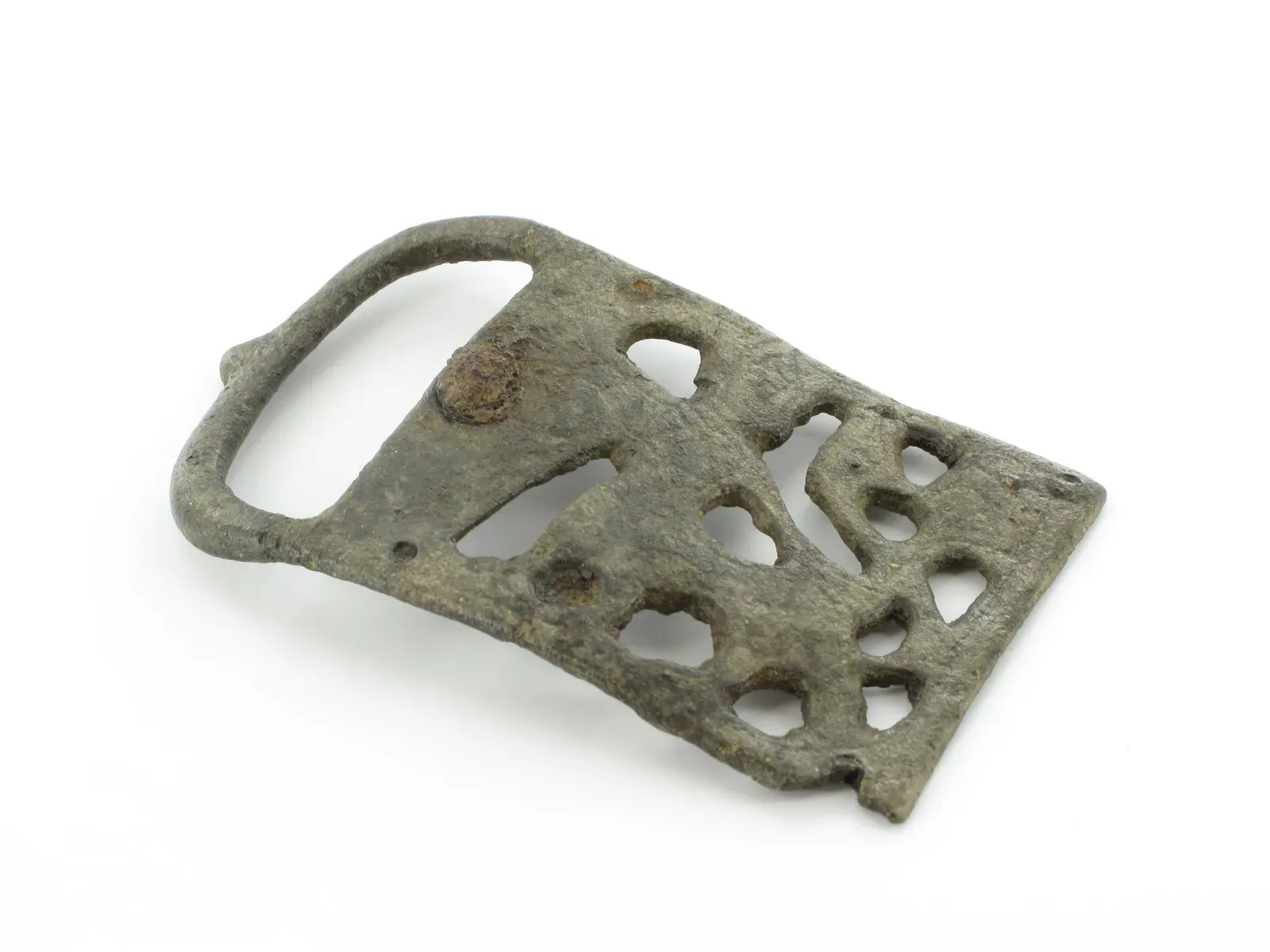
Occupational exposure to metals like lead, copper, and zinc accumulates in bone over years, and elevated concentrations often point to direct contact with traded raw materials or finished goods. The Londinium study is a perfect example: researchers found measurably elevated lead levels in ordinary residents, proof that metal shipments moving through Roman trade networks left a literal mark on the people exposed to them.
Turns out, some ancient workers were unknowingly poisoning themselves just by handling imported trade goods.
This sign is powerful precisely because it doesn’t require matching a specific isotope ratio to a distant region. The sheer concentration of the metal is the story. High trace-metal levels in populations with no local ore source is essentially proof that raw material was arriving from somewhere else entirely.
#9 – The Enamel-vs-Bone Mismatch That Maps a Journey
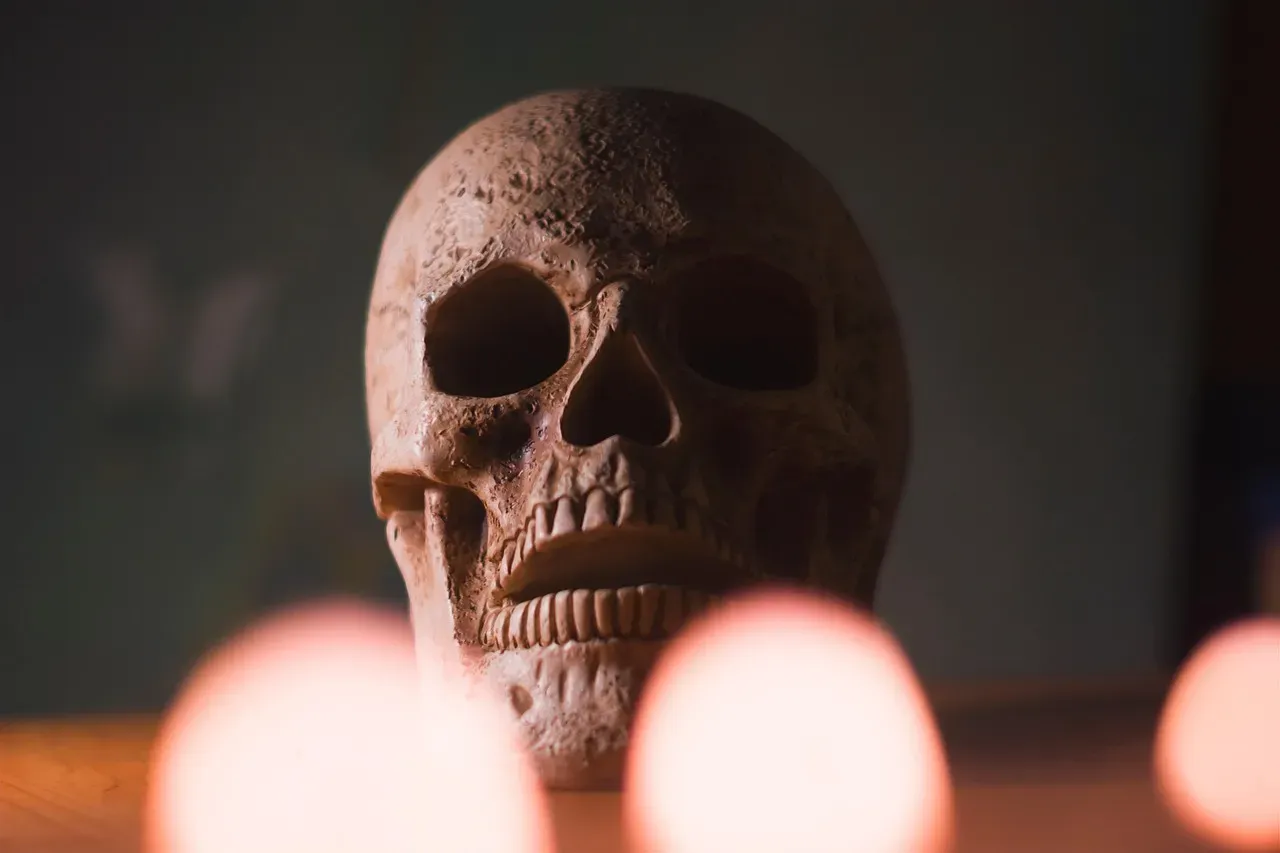
Teeth and bone don’t update at the same speed, and that lag is a goldmine for researchers.
Tooth enamel forms early in childhood and locks in permanently, while bone keeps remodeling throughout life. Strontium gets incorporated into bone over several years, far longer than dental enamel, which can blend signals from multiple places a person lived later on. This time-lag effect means enamel captures childhood home while bone captures recent years, and comparing the two can literally sketch out a person’s migration path.
Most people assume a skeleton only tells you one location, it actually tells you at least two.
When childhood enamel signals one region and adult bone signals another, that difference becomes a two-point route marker, showing not just where someone ended up but roughly how they got there.
#10 – Pack Animal Bones That Traveled Farther Than Their Owners
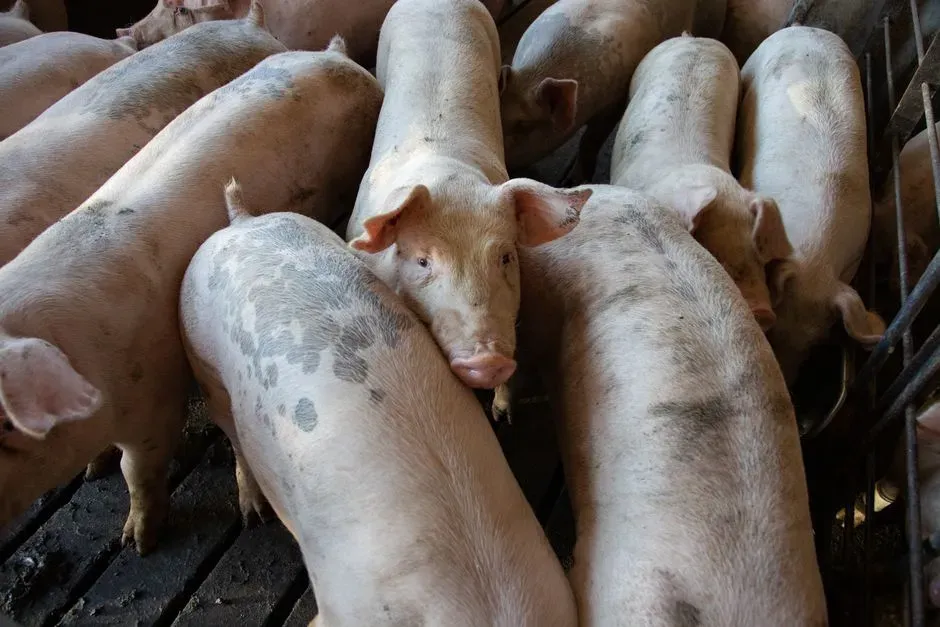
Sometimes the animals hauling the goods leave a clearer trail than the humans trading them.
Domesticated animals used for transport or feasting absorb the same geological and dietary isotope signals as humans, but because they’re raised and moved deliberately, their bones often reveal trade logistics more directly. In the Stonehenge research, scientists specifically studied pig bones because pigs provide one of the best proxies for reconstructing supply networks and livestock management.
The surprising catch: moving these animals wasn’t easy, since pork spoils fast and required serious effort to transport long distances, likely through a complex system of salting and smoking.
That level of effort tells researchers these weren’t casual local exchanges. They were organized, intentional provisioning routes stretching across huge distances, built around an animal that actively worked against being transported.
At a Glance
- Sample size in the Stonehenge pig study: 131 animals.
- Sites involved: four Late Neolithic complexes.
- Isotopes combined: five separate chemical markers per animal.
- Likely preservation method for long hauls: salting and smoking.
#11 – Isoscapes That Turn Outliers Into Trade Evidence
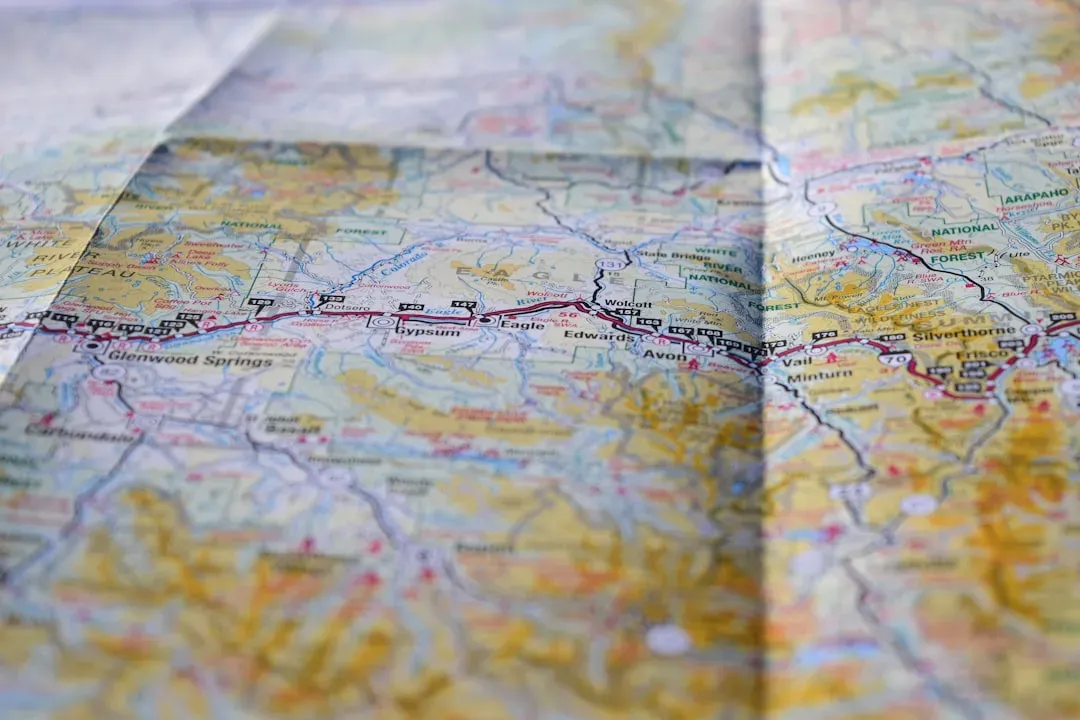
A single weird result means nothing, until you map it against everything else.
Isoscapes are large-scale reference maps built from soil, water, and plant samples that establish the “normal” isotope range for a given region. Without them, researchers have no way of knowing whether a bone’s chemistry is actually unusual. Scientists working on the Stonehenge-area feasting animals built exactly this kind of reference system, mapping oxygen values in British groundwater and strontium across Great Britain’s biosphere before comparing any skeletal data against it.
Here’s what most casual readers miss: the isotope number itself means nothing without a comparison map.
Once that baseline exists, any bone falling outside the local range becomes instant evidence of movement. If enough outliers cluster around a specific direction or distance, the pattern starts looking exactly like a trade route rather than coincidence.
#12 – Multi-Isotope Fingerprints That Pinpoint a Single Region
No single isotope can prove a trade route on its own, but stack enough of them together, and the evidence becomes almost undeniable.
The strongest trade-route research never relies on strontium, oxygen, or lead in isolation. It combines them into one multi-isotope fingerprint. Researchers analyzing the Stonehenge feasting animals used exactly this approach, arguing that a five-isotope dataset was necessary because any single isotope alone leaves too much room for regions to overlap. Lead isotope researchers make the same case separately, noting that combining multiple isotope systems dramatically increases the resolution with which past migration and trade routes can be tracked.
The most surprising finding of all: stacking isotopes doesn’t just confirm a route, it can identify one specific origin region out of dozens of possibilities.
This is why modern archaeology increasingly treats chemistry, not artifacts, as the gold standard for trade-route evidence. A pot can be traded, copied, or stolen. A body’s chemical fingerprint can’t be faked, borrowed, or misplaced.
Why It Stands Out
- Combines up to five isotope systems on a single skeleton or bone sample.
- Cross-checks geology, water source, and diet at the same time.
- Narrows results down to one likely origin region instead of a vague guess.
- Can’t be traded, copied, or faked the way a physical artifact can.
The Bottom Line
Chemical analysis has quietly become the most reliable trade-route detective tool archaeology has ever had. Bones don’t lie, and unlike pottery or coins, they can’t be secondhand or counterfeit. A skeleton’s isotope signature is a direct, physical record of where that individual actually lived, traveled, and ate.
From strontium exposing hidden migration to lead isotopes tracing Roman metal supply chains, the evidence keeps pointing to the same conclusion: ancient trade networks were far larger, more organized, and more far-reaching than historians assumed for decades.
Frankly, it feels backwards that so much archaeological funding still goes toward digging up new objects when some of the biggest answers are already sitting in bones stacked in museum storage, unread. Which of these 12 signs surprised you the most? Drop your take in the comments.