
You carry an ancient, invisible history in every breath you take and every move you make. The elements that make your muscles flex, your heart beat, and your brain fire weren’t born with the Sun, or even with the Earth beneath your feet. Most of them were forged in long‑dead stars that lived and died billions of years before this solar system ever showed up, then drifted through the galaxy for ages beyond human imagination before finally becoming you. Once you realize this, everyday life feels different. A glass of water isn’t just water anymore; it’s hydrogen from almost the dawn of the universe mixed with oxygen cooked in stars that exploded before the Sun existed. Your bones are laced with calcium and phosphorus from stellar furnaces, and the iron in your blood was made in cataclysms so violent that calling them explosions hardly does them justice. You are not just on the cosmos; you are of it, through and through.
You Are Literally Made of Stardust
It sounds like poetic exaggeration, but it’s straight physics: most of the atoms in your body really were forged in stars. When you look at your hands, you’re looking at carbon, oxygen, nitrogen, calcium, and iron that once existed as hot plasma inside ancient suns. These elements didn’t appear with the Earth; they were built step by step in nuclear reactions and then scattered into space when those stars died. You can think of your body as a recycled sculpture made from galactic scrap. The silicon in your phone, the oxygen in your lungs, and the calcium in your teeth were all assembled in the cores of stars and then mixed into giant clouds of gas and dust. From those clouds, new generations of stars and planets formed. You just happen to be one of the late‑arriving structures that those atoms slipped into along the way.
The Earliest Ingredients Go Back to the First Seconds of the Universe
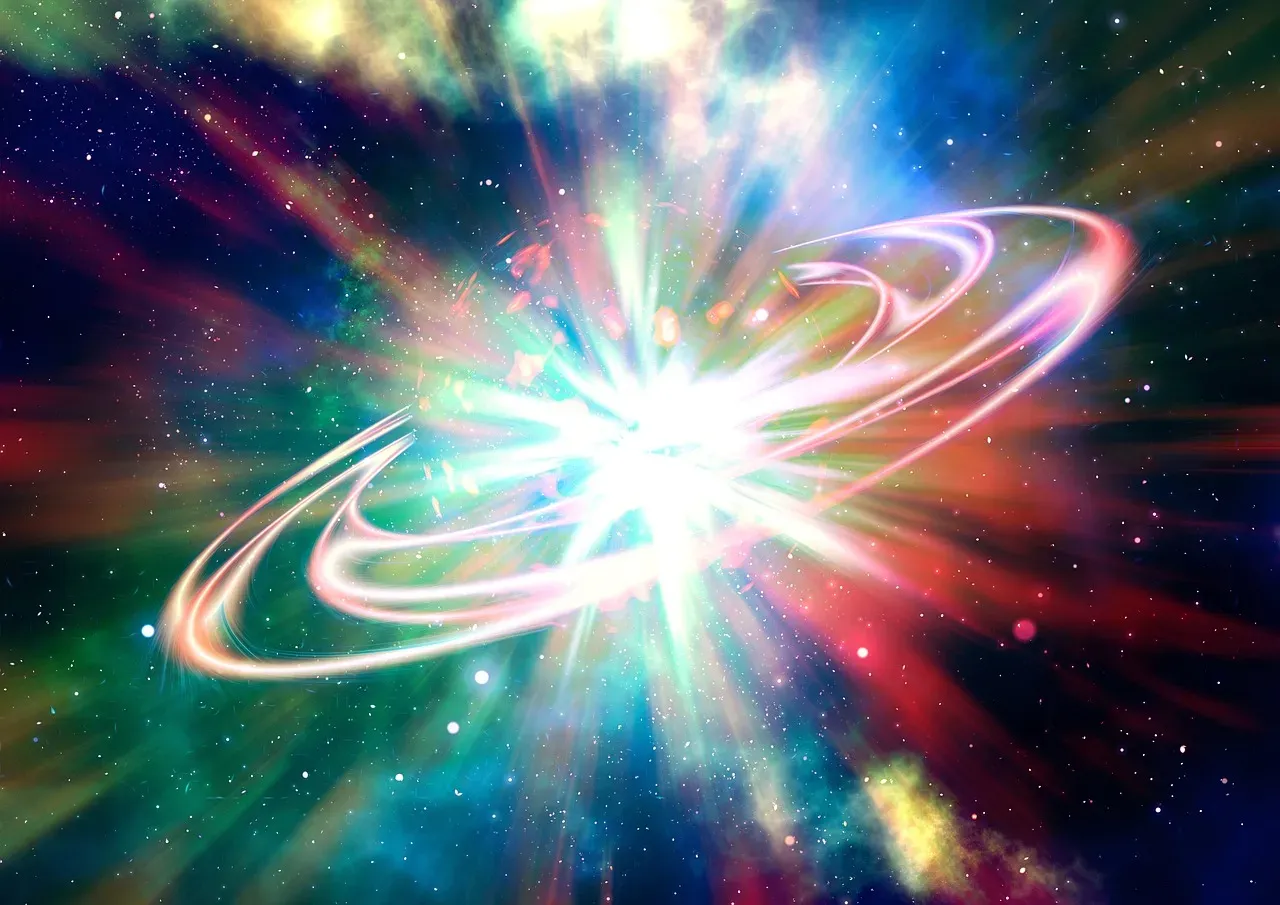
Not all of you comes from stars, and that might be the wildest part. The hydrogen in the water you drink and in the molecules that hold your DNA together goes all the way back to the first few minutes after the Big Bang. In that brief, unimaginably hot period, the universe formed most of its hydrogen and a bit of helium and lithium, setting the basic chemical stage for everything that followed. When you sip water, some of those hydrogen atoms have literally been around for nearly the entire age of the universe, drifting, colliding, and getting recycled again and again. They have passed through stars, clouds, comets, and perhaps countless planets before becoming part of you. You’re walking around carrying a direct physical link to the universe’s earliest moments, woven into your own biology.
Ancient Stars Built the Heavy Elements You Depend On
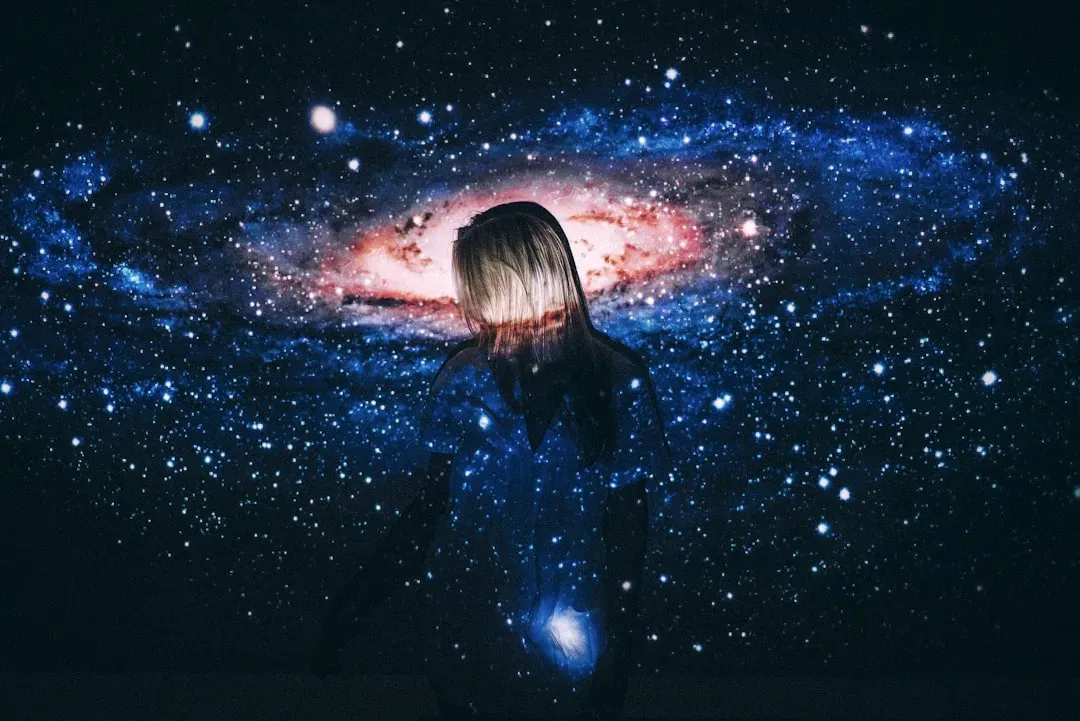
Hydrogen and helium were only the opening act. To get to the elements your body depends on – carbon for organic molecules, oxygen for respiration, nitrogen for proteins, phosphorus for DNA, and so on – you need stars to burn for millions or billions of years. Inside those stars, nuclear fusion gradually builds heavier and heavier elements, turning simple nuclei into the rich chemistry that life needs. When these stars run out of fuel, they evolve through stages that push their cores to fuse elements like carbon and oxygen, and in the most massive ones, all the way up to iron. Those elements don’t just sit there locked away; stellar winds and dying‑star phases blow them off into surrounding space. With every generation of stars, the galaxy’s raw material gets more chemically “enriched,” slowly making it possible for complex chemistry – and eventually you – to exist.
Supernovae and Stellar Collisions Forged the Rarest Pieces of You
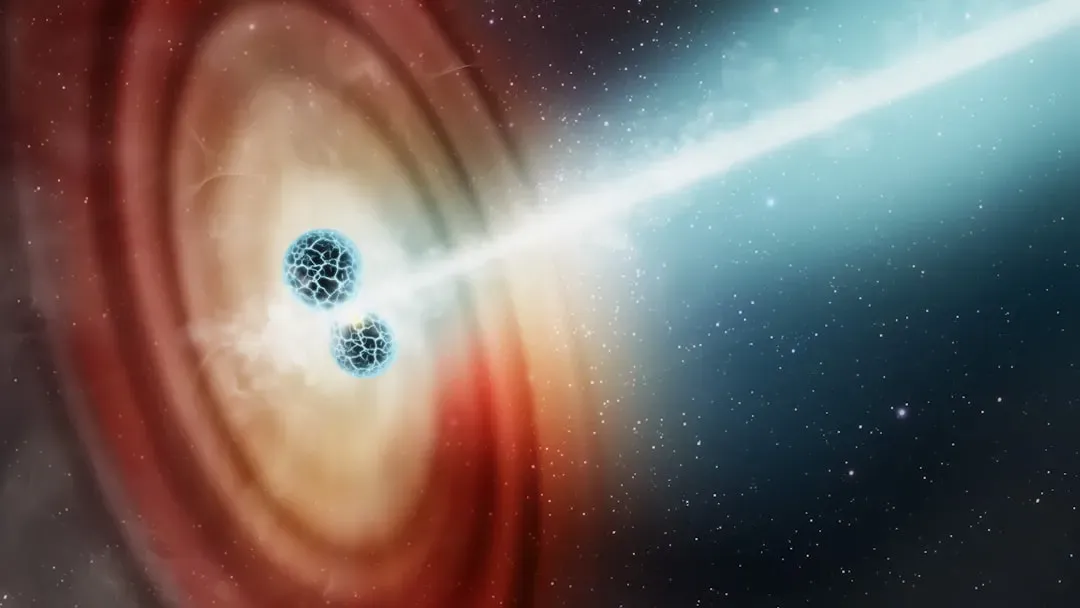
The iron in your blood and many of the heavier elements in your body needed something even more extreme than an ordinary star. When very massive stars die, they explode as supernovae, creating conditions so intense that nuclei can capture neutrons in rapid bursts. In those fractions of a second, elements heavier than iron get hammered into existence and flung out into the surrounding galaxy. Some of the rarer atoms inside you, like certain forms of iodine or traces of elements beyond it, likely came from these explosions or from violent mergers of neutron stars. Those events are among the most energetic and dramatic known in the universe, visible across galaxies. Yet, in a quiet, everyday sense, they now sit calmly inside you, folded into hormones, enzymes, and tiny biochemical pathways that keep you alive.
The Long Galactic Journey Before the Sun Was Born
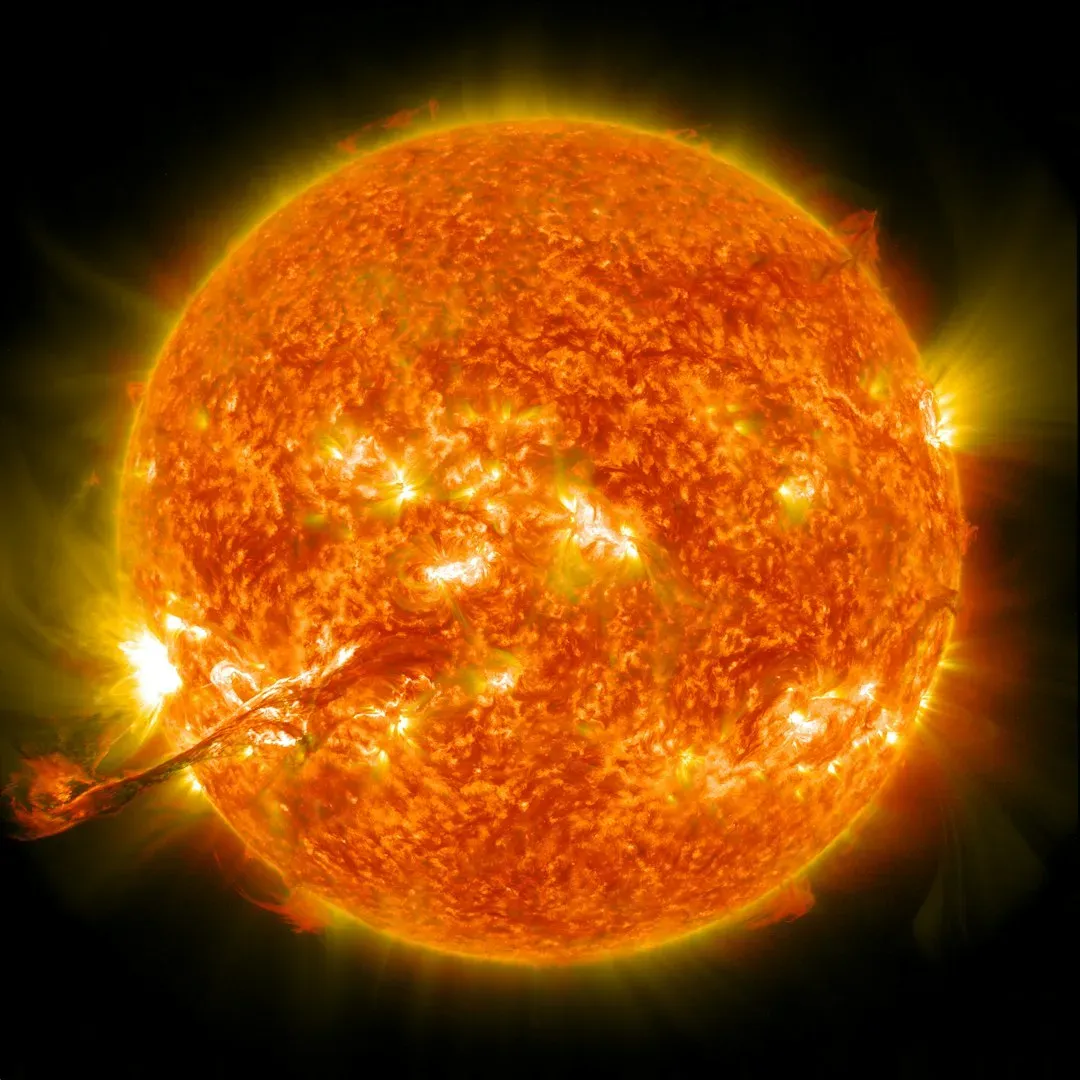
The Sun formed about four and a half billion years ago, but many of the atoms in your body are older than that by a huge margin. Long before the Sun, earlier generations of stars in this part of the Milky Way lived, fused elements, and died. Their ashes – gas, dust, and newly forged elements – drifted through interstellar space, slowly mixing like dye in a cosmic ocean. Over tens or hundreds of millions of years, those enriched clouds collided, cooled, and clumped under gravity. The material that would someday become the solar system was one tiny part of one such cloud. By the time the Sun ignited, the cloud already contained a rich blend of elements from many ancient stars. When you say your atoms are not from this solar system, you’re really saying they had storied lives of their own long before the Sun even existed.
From Star‑Stuff to Planet‑Stuff to You
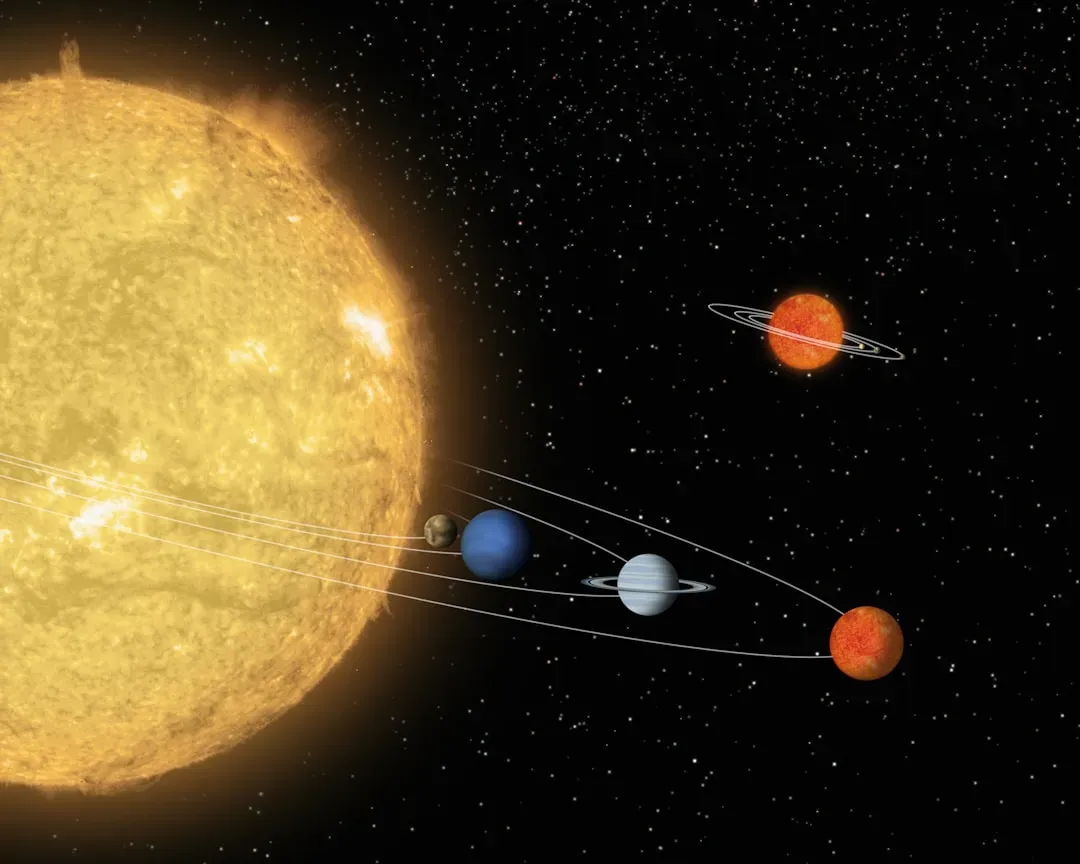
Once the Sun formed, the leftover gas and dust flattened into a spinning disk where planets, moons, asteroids, and comets took shape. In that disk, tiny grains of dust coated with ices stuck together, building pebbles, then boulders, and eventually planet‑sized worlds. The Earth is basically a gigantic, compacted ball of old stellar material, heated, sorted, and re‑shaped by gravity and time. On the early Earth, some of those elements found their way into oceans, rocks, and atmosphere, and chemistry did the rest. Over immense spans of time, simple molecules combined, broke apart, and recombined into more complex structures. Eventually, that process crossed the threshold into life, then into cells, then into organisms, and finally into a chain of ancestors that, generation by generation, leads straight to you. The atoms didn’t change identity, but their arrangements did, shifting from star cores to rock, to seawater, to living tissue.
You’re Sharing Atoms With Countless Stars, Creatures, and People
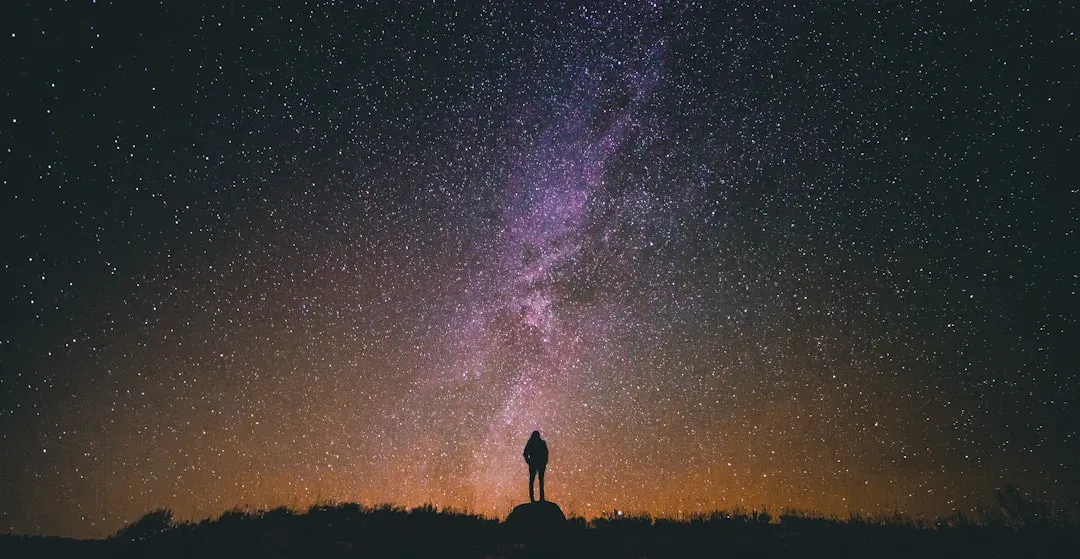
Because atoms get endlessly recycled, many of the atoms in your body have likely passed through other living things. There is a good chance some of the oxygen you just breathed in was once in the lungs of animals that lived millions of years ago. The carbon in your body might have been part of a tree, a dinosaur, or a long‑vanished microbe that floated in some ancient sea. You are part of a vast, ongoing exchange. The same logic applies on a cosmic scale with stars. The galaxy is constantly cycling material through generations of stars and planets. You’re built from atoms that have been part of multiple cosmic stories, including stars that lived and died long before the Earth was even a concept. When you think about your “self,” you’re really looking at a temporary arrangement of old, well‑traveled building blocks taking a brief, conscious pause in their journey.
What This Cosmic Origin Means for How You See Yourself
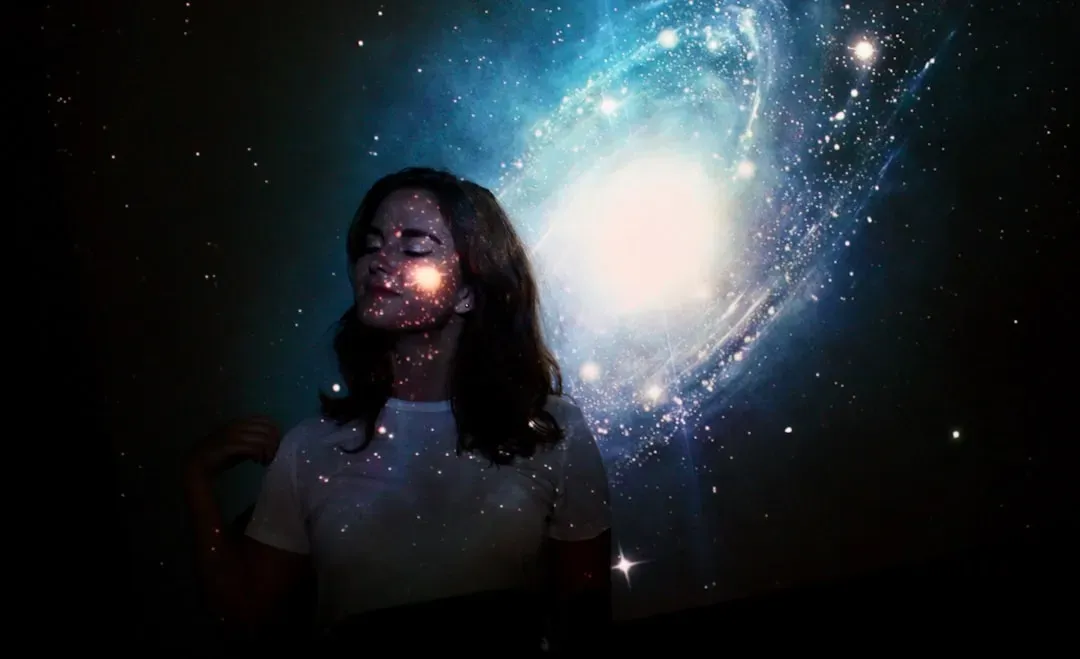
Knowing that your atoms were forged in long‑dead stars can quietly shift how you feel about being alive. You are not an outsider peering into a distant universe; you are a piece of the universe that has become aware of itself for a while. Your thoughts, memories, and emotions are patterns built on ancient matter that has seen eras and places you can barely imagine, even if you usually forget that as you go about your day. For me, once this really sank in, ordinary problems shrank just a bit in scale but life itself felt more precious. You are incredibly local – one person on one small planet – and at the same time profoundly connected. The atoms in your body tie you to the Big Bang, to vanished stars, to unknown future worlds that will inherit this same material after you are gone. When you look up at the night sky, you are literally seeing the kind of places that made you possible.
Conclusion: You Are a Chapter in an Ongoing Cosmic Story
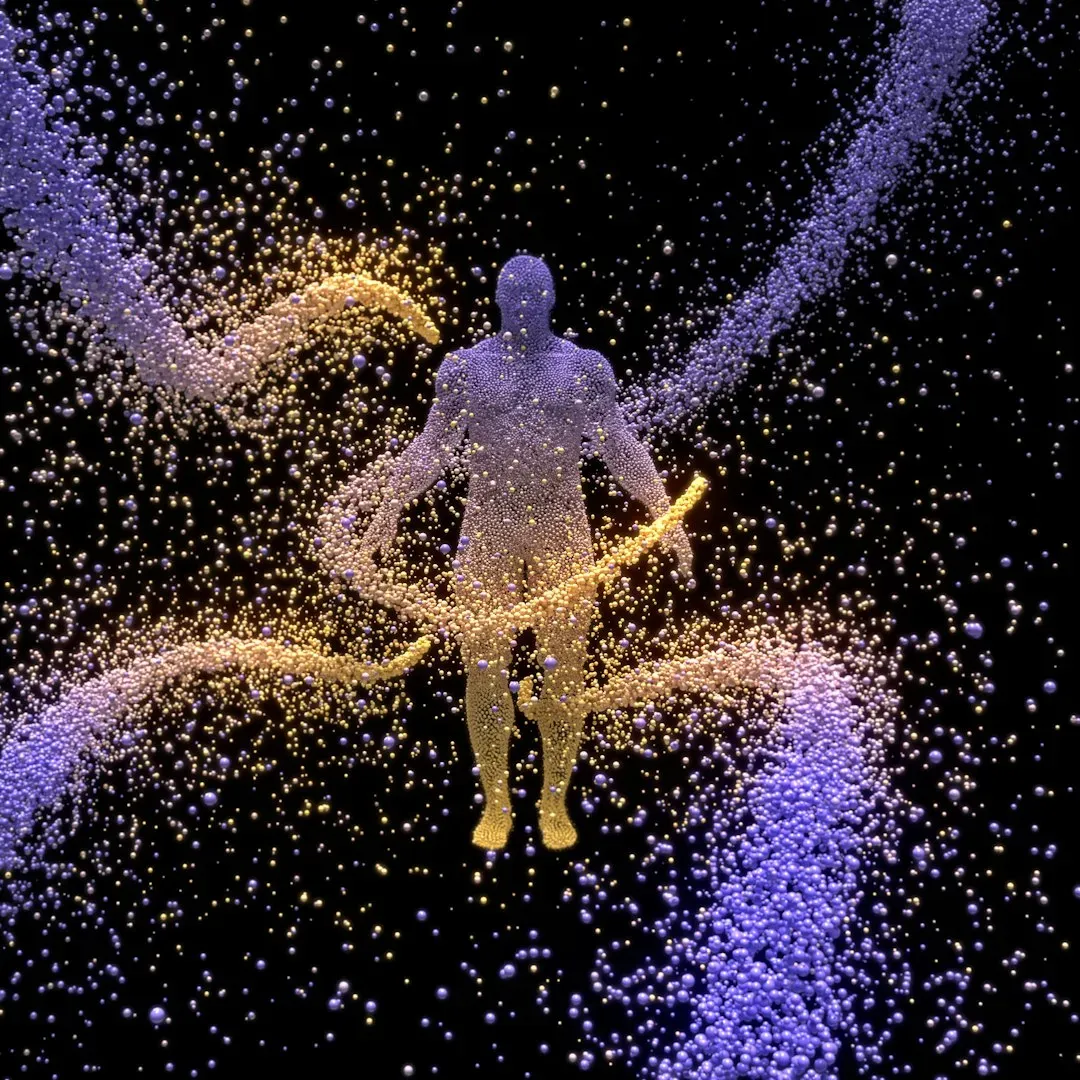
From the first light of the universe to stellar furnaces and titanic explosions, from drifting interstellar clouds to the birth of the solar system, your atoms have traveled an almost impossible path. They were assembled, scattered, mixed, and reassembled countless times before becoming part of a planet that could host life, and eventually part of a person who can wonder about where they came from. No myth or legend quite matches the sheer scale and age of that journey. When you breathe, move, or simply sit still, that story continues inside you. For a brief span of time, these old atoms are organized in a way that can love, learn, and ask questions about its own origins. One day, those atoms will move on again, folded into new chapters you’ll never see. But right now, they are here, arranged as you, aware of the universe that built them. Knowing that, how can you see yourself as anything less than astonishing?