
You know that weird rush you get when you walk into a place for the first time, but every fiber of your being whispers that you’ve been there before? It can feel eerie, a little magical, and strangely intimate, like your life just skipped ahead a few seconds and then pressed rewind. For a long time, people leaned on mystical explanations for déjà vu, because science did not have much to say beyond vague guesses. Now, though, researchers in neuroscience and consciousness studies are slowly piecing together a more grounded story of what might really be going on in your brain when reality suddenly feels like a rerun.
The twist is this: when you feel déjà vu in a new place, it can genuinely feel like you’re brushing up against a memory from your own future. You are not literally time-traveling, but your brain might be doing something that, from the inside, feels shockingly close. By studying memory circuits, predictive processing, and how your brain constantly simulates possible futures, researchers are uncovering why your experience sometimes feels like you’re remembering something that technically has not happened yet. Once you understand that your brain is less like a camera and more like a movie director cutting and rearranging scenes, that strange sensation suddenly feels less spooky – and a lot more fascinating.
Why Déjà Vu Feels Like a Glitch in Your Personal Timeline
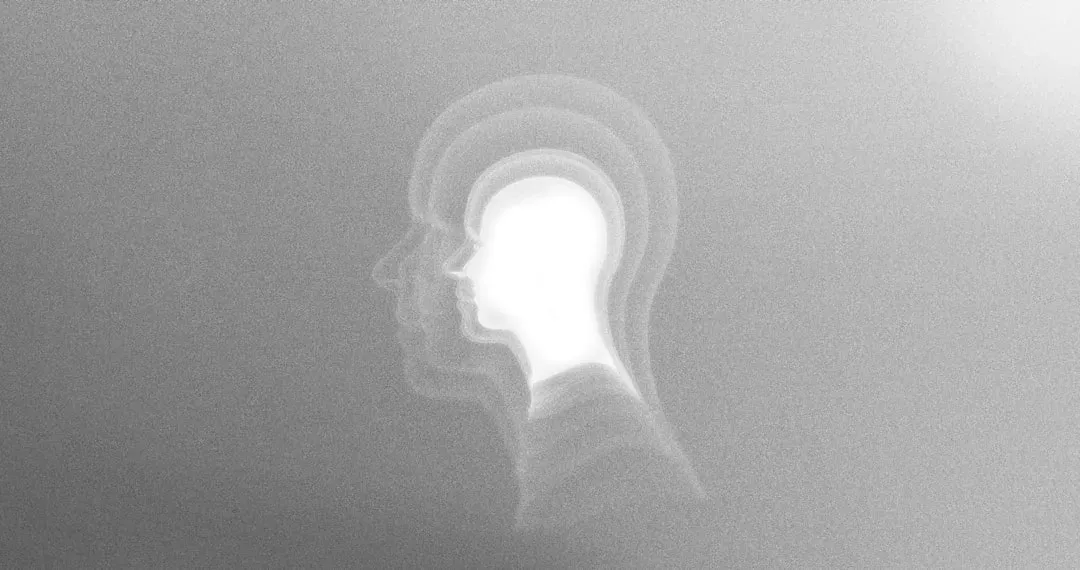
When déjà vu hits you, it often lands like a punch of familiarity out of nowhere: the tilt of a staircase, the way light hits a café window, a stranger’s laugh in the background. You know, logically, that you have never been in that exact moment before, but your body does not care about logic – it sends you a wave of certainty anyway. That conflict between what you know and what you feel is exactly what makes déjà vu so unsettling. Your conscious mind says, “This is new,” while a deeper layer of your brain insists, “This is remembered.”
Researchers think you feel this conflict because your familiarity system fires without a proper memory attached. You basically get the emotional signature of a memory without the actual scene on file. It is like opening a folder on your computer labeled “Vacation Photos” and finding it empty, but somehow still feeling sunburnt and relaxed. That mismatch between strong familiarity and missing details tricks you into reaching for the only explanation that fits your lived experience: this must be from your future, not your past. Your brain hates loose ends, so it fills the gap with the strangest but most compelling narrative it can build in that moment.
How Your Brain Constantly Predicts the Future (Without Telling You)
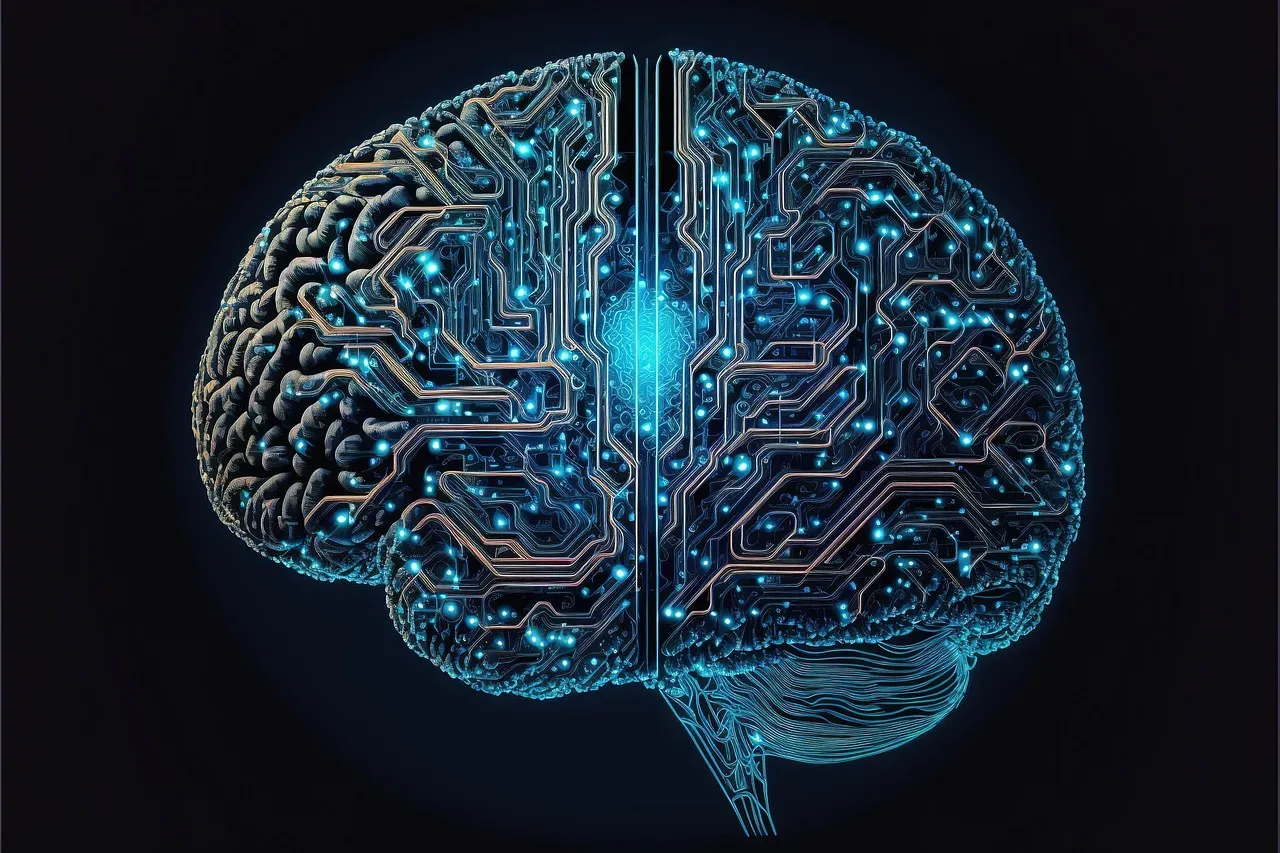
Even when you feel like you are just reacting to life as it comes, your brain is quietly doing something far more ambitious: it is predicting what will happen next, all the time. Instead of simply recording the world, your brain builds models of how things usually go – how people walk, how rooms are laid out, how conversations flow – and then uses those models to guess the next frame before you actually see it. You usually only notice this system when it fails, like when you misjudge a step on the stairs and your whole body jolts in surprise.
This predictive machinery can make new situations feel oddly familiar, especially if they fit patterns your brain has rehearsed a thousand times internally. When you enter a new place, your brain does not see it as pure novelty; it overlays expectations based on every similar place you have ever seen, including places you have only imagined. In that sense, you are constantly living in a blend of memory and forecast. So when the present moment lines up unusually well with your brain’s quiet predictions, the result can feel like you are stepping into a memory that was waiting for you – even though it was really just a detailed internal guess.
Memory, Familiarity, and the Brain Regions Behind Déjà Vu
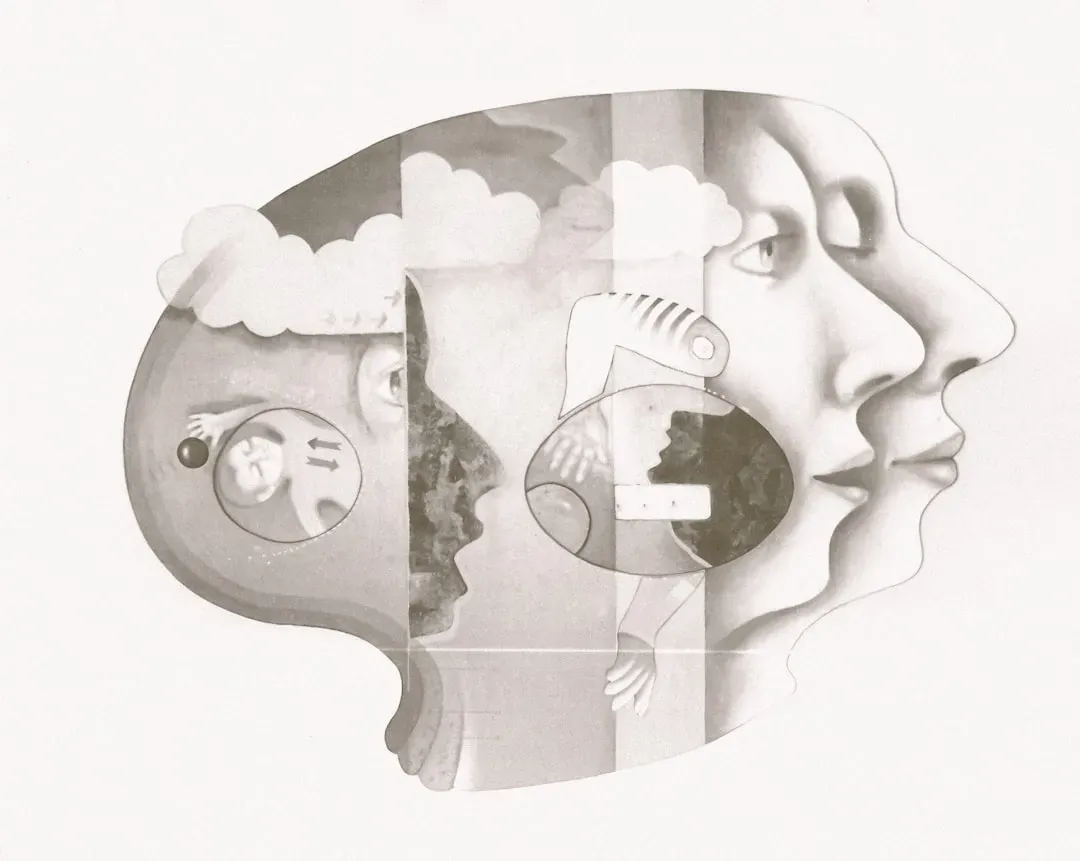
To understand why déjà vu feels like a future memory, you need to look at how your brain normally handles past memories. Deep in your temporal lobes, you have structures like the hippocampus and surrounding regions that help you form, store, and recall episodes from your life. These areas give you that rich, story-like sense of “I remember being there,” with details about where you were, what you saw, and how you felt. Alongside that, other circuits handle a simpler question: does this feel familiar or not?
In déjà vu, scientists suspect that your familiarity circuits briefly light up without the full support of an actual memory trace. You get a powerful sense of “I know this” without a specific time, place, or event attached. Research with people who have temporal lobe disturbances, as well as healthy volunteers in controlled experiments, suggests that a tiny timing error or misfire in these regions can create that pattern. From your perspective, that bare-bones familiarity can feel like a ghost of a memory that never quite happened yet, because your brain is wired to treat familiarity as proof that something belongs to your story.
The “Memory of the Future” Feeling: What Consciousness Research Actually Says
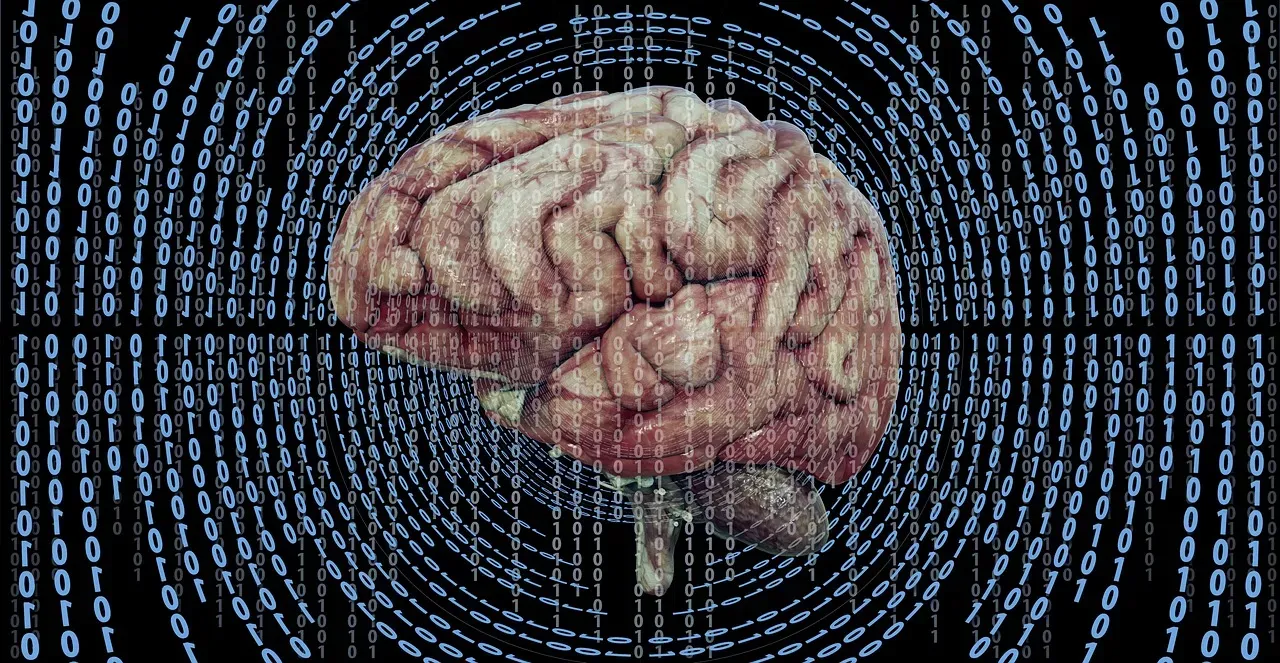
When you feel like you are remembering the future, consciousness researchers do not claim you really are peeking ahead in time. Instead, they look at how your sense of time is constructed in the first place. Your experience of past, present, and future is not a raw feed from the universe; it is an interpretation built by your nervous system. That means it is entirely possible for your brain to mislabel an experience as “already known” even when it is unfolding for the first time, because your internal time stamps are not perfect.
Some researchers frame this as your brain mixing up internal simulations with real memories. You constantly rehearse possible situations in your mind – what a future trip might look like, how an upcoming meeting might play out, what a dream house might feel like to walk through. Later, when real life lines up eerily well with one of those simulations, it can feel like you are recalling something pre-recorded. From the inside, that can absolutely feel like a memory from the future, even though what you are really sensing is a close match between a past mental rehearsal and your current reality.
Why New Places Trigger Déjà Vu So Often

You might notice that déjà vu seems to show up most often when you are traveling, starting a new job, or exploring somewhere you have never been before. On the surface, that sounds backward: if déjà vu is about familiarity, why would it hit you hardest in unfamiliar places? One reason is that new environments force your predictive system to work overtime. Without a solid map of the space, your brain leans heavily on patterns it has learned from similar places, like other hotels, schools, offices, or streets.
When a new place happens to line up with those expectations in a particularly satisfying way – the layout, the smell, the lighting, the rhythm of people moving – you suddenly get a rush of “I know this,” even though you could not possibly have been there. It is like your brain recognizes the “template” of the place rather than the place itself. You may have never seen that exact hallway, but you have walked through its cousins in dreams, movies, and other buildings. That pattern match is enough to flip your familiarity switch, so your body reacts as if you have stepped back into an old scene rather than forward into a new one.
Dreams, Imagination, and the Strange Echoes of Future Moments

You have probably had the experience of dreaming about something ordinary – like walking through a strange city or chatting with someone in an unknown room – then later feeling like real life is replaying that dream. It is easy to wonder if your dreams are predicting the future. From a scientific point of view, what is more likely is that your dreams and daydreams are constantly generating countless scenarios, and every once in a while, one of them lines up surprisingly well with what actually happens later.
Because you rarely remember most dreams in detail, a later match can feel mysterious and charged. When a real moment echoes something half-remembered from sleep or from your imagination, you get a powerful blend of familiarity and uncertainty. That is exactly the recipe for déjà vu. You experience it from the inside as if you are catching up with a moment you have already lived somewhere else in your mind. Instead of proving that you can literally foresee the future, this points to just how rich and busy your inner world is, constantly sketching possibilities that sometimes happen to overlap with reality.
What Déjà Vu Reveals About Your Sense of Self and Time

When déjà vu washes over you, it does more than just startle you; it quietly challenges how you think about yourself moving through time. You like to imagine your life as a neat timeline: past behind you, future ahead of you, and the present as a clean dividing line in the middle. But your brain does not actually experience things in that tidy order. It is always merging bits of remembered past, imagined future, and real-time input into a single flowing story that feels continuous.
That means déjà vu might be less of a glitch and more of a side effect of how that story gets stitched together. You are basically wearing time-bending glasses all the time without realizing it, and déjà vu is one of the few moments when you notice the distortion. The feeling that you are accessing a memory that has not happened yet is a sign that your brain’s storytelling machinery is incredibly powerful – even if it occasionally confuses its own drafts and finished scenes. In a strange way, these moments remind you that your identity is not just what has happened, but also what your mind expects and imagines might happen next.
How to Respond When You Feel Like You Remember the Future
When that uncanny sensation hits you again, you might be tempted to panic, assign mystical meaning, or assume something is seriously wrong. In most cases, though, déjà vu is considered a normal quirk of a healthy brain. You can use it as a chance to notice how your mind is working instead of treating it as a bad omen. You might pause, take a breath, and simply observe how powerful that feeling of familiarity is even when you know there is no real memory behind it.
At the same time, it is important to pay attention to context. If you start experiencing déjà vu constantly, or if it comes with other troubling symptoms like blackouts, confusion, or intense fear, you should not ignore that. In those rarer cases, it can be linked to certain kinds of neurological issues, and a medical professional is the right person to evaluate that. For everyday life, though, you can treat déjà vu as an invitation to be curious about your own consciousness – a reminder that your brain is always mixing memory, prediction, and perception into a single, very convincing story of “you.”
Conclusion: Living With a Brain That Sometimes Feels Ahead of Itself
When you strip away the mystery, déjà vu does not become boring; it actually becomes more impressive. Your brain is not a passive recorder but an active storyteller, constantly simulating, predicting, and comparing. Every time you feel like you are remembering a future that has not happened yet, you are catching a glimpse of that machinery at work. New places, dreams, and familiar patterns come together in a way that convinces your body something has already unfolded, even while your rational mind protests that this is all brand new.
You do not need to believe in literal time-bending to honor how strange and beautiful that is. Instead, you can let déjà vu remind you that your experience of reality is always filtered through a creative, fallible, and deeply human brain. The next time that eerie wave rolls in and you feel like you are stepping into a scene you somehow know, you might smile and think: this is just my mind running so far ahead that it looped back on itself. When that happens to you again, what story will you tell yourself about what it means?