
You probably grew up thinking that apex predators never back down, never panic, and never run from anything smaller than they are. But when you start digging into real-life field reports, videos, and observations from biologists, a very different picture appears. Again and again, you see some of the world’s most powerful hunters freezing, flinching, or flat-out fleeing from animals that look like they should be snacks, not threats.
Once you understand why, those encounters stop feeling like odd little flukes and start to feel like a pattern. You see that fear is a survival tool, even at the top of the food chain, and that brain chemistry, bad experiences, and harsh lessons can outweigh pure strength. As you go through these seven matchups, imagine you’re in that predator’s place: huge jaws, serious weapons, and still… choosing to back away from something much smaller because you know, deep down, the risk just isn’t worth it.
1. Lions That Want Nothing To Do With Honey Badgers
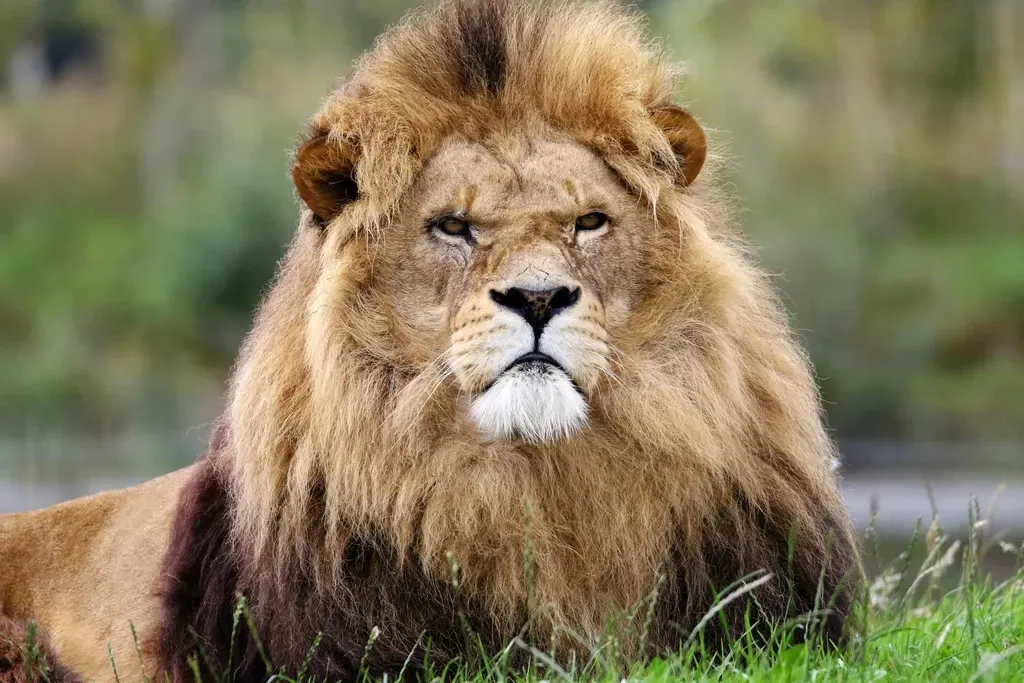
If you spend enough time watching African wildlife footage, you’ll eventually see something that feels almost upside down: lions hesitating around a honey badger. You’re talking about an animal that’s dramatically smaller than a full-grown lion, yet over and over, large predators act like they’ve stumbled onto a landmine rather than a meal. You might see a lion posture, circle, maybe even swat once, and then suddenly decide this angry, low-slung little creature just isn’t worth the trouble.
Field observations suggest why: honey badgers are notoriously tough, extremely aggressive when cornered, and willing to go for the most vulnerable spots on a big cat’s body. You can imagine a lion that tried its luck once and walked away with painful bites and scratches in extremely sensitive areas learning that lesson for life. Lions rely on staying healthy for cooperative hunts, so the memory of one bad encounter is enough to shape their behavior. When you see a whole pride giving a single honey badger a wide berth, you’re basically watching shared experience and instinct screaming the same message: this is a tiny problem that can become a huge one.
2. Tigers Reluctant To Tangle With Porcupines
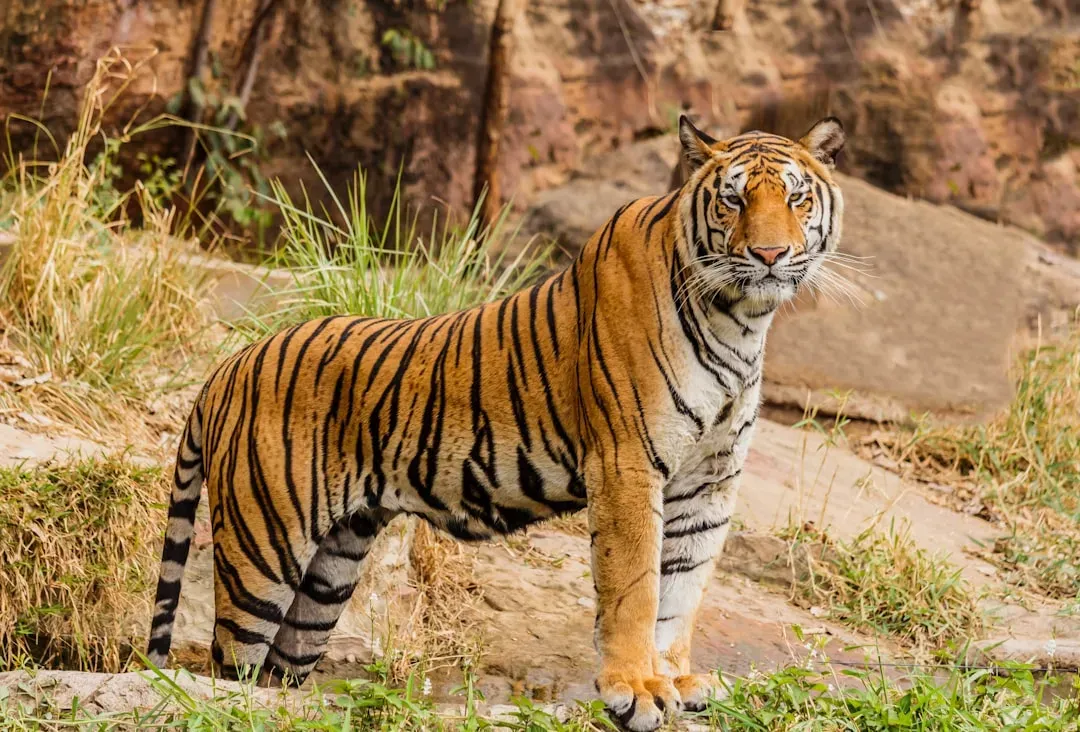
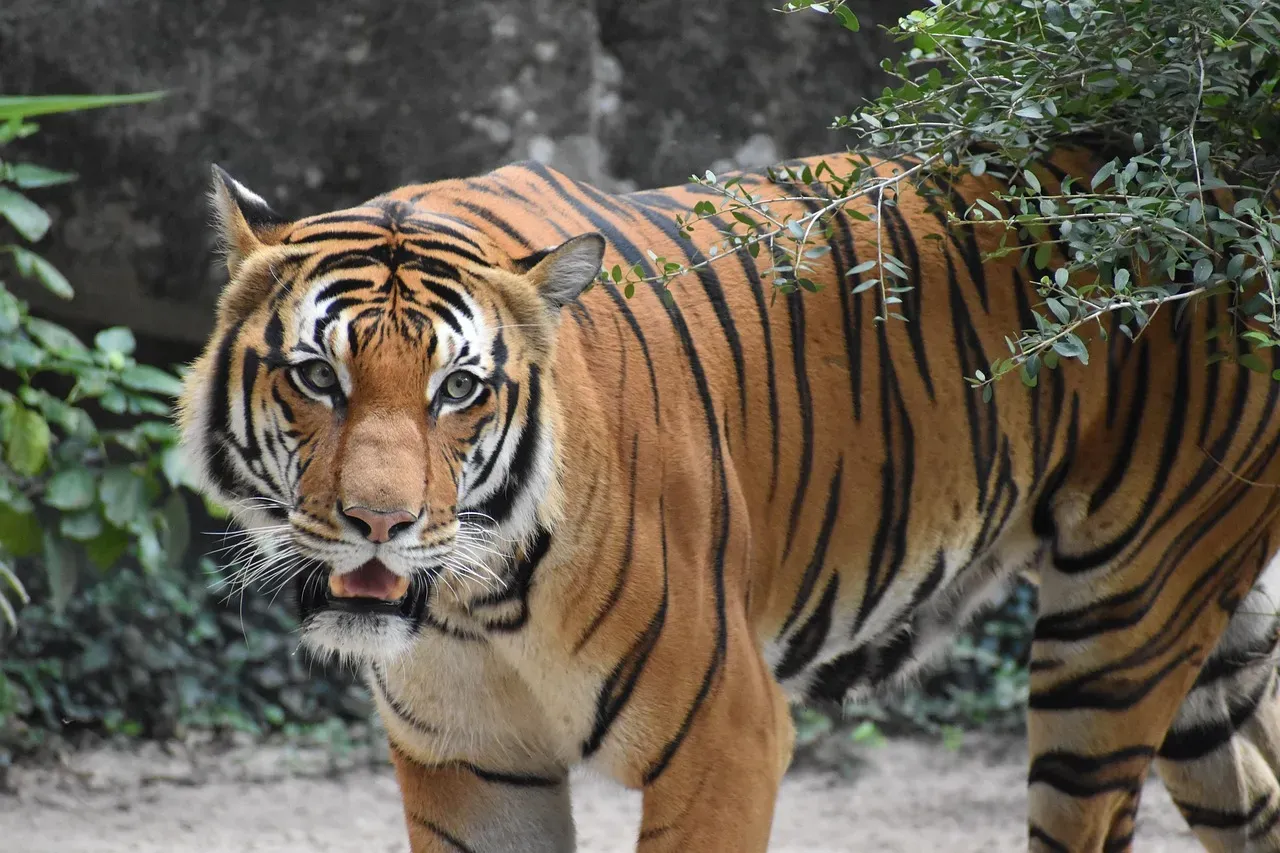
On paper, a porcupine should be nothing to a tiger. You’ve got one of the most powerful cats on Earth facing a slow, small herbivore. But when you look at the actual encounters recorded in places like India, the story flips. Tigers have been found with faces, paws, and chests full of quills, sometimes so badly that they could no longer hunt effectively and eventually starved or weakened to the point of collapse. Once a tiger has gone through that, you can bet it thinks twice before taking another swipe at a ball of quills.
You can picture the moment: a hungry tiger spots an easy-looking target, pounces, and gets a shock of stabbing pain instead of a quick kill. Those quills can lodge deep, break off, and become infected, turning one impulsive decision into a long-term injury. Over time, this kind of experience filters into behavior; tigers that survive such encounters tend to be more cautious around porcupines, and younger tigers that witness or smell the aftermath also learn. So even though the cat massively outweighs the porcupine, the risk-to-reward equation tips the other way, and fear becomes the smarter instinct.
3. Great White Sharks Spooked By Orcas
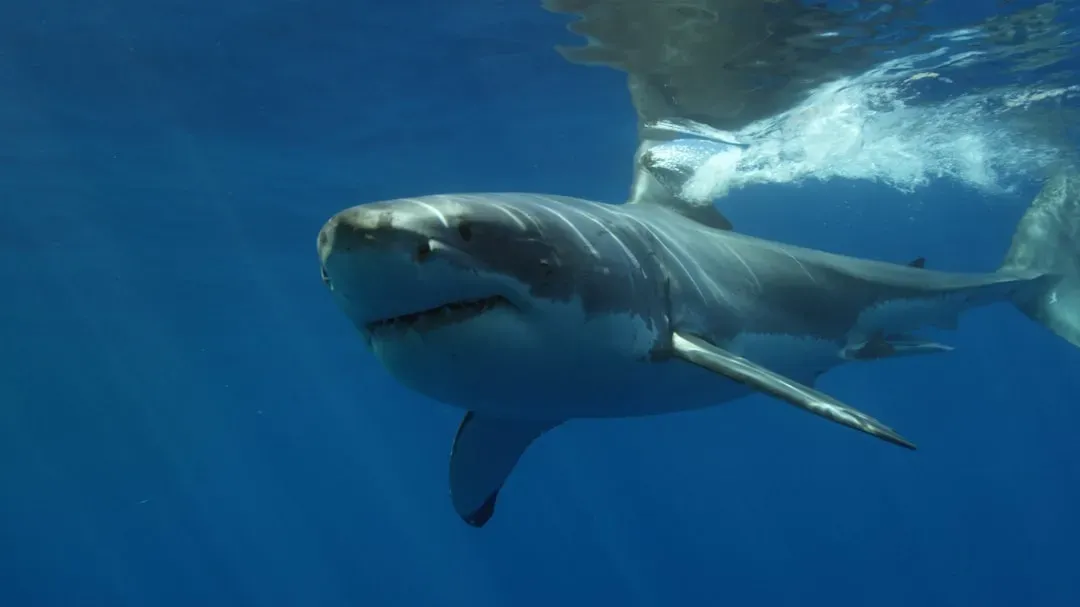
You probably think of great white sharks as the ultimate ocean predators, and in many ways, they are. But when orcas show up, everything changes. In several documented cases, great whites have abruptly abandoned feeding areas after orcas entered the scene, leaving behind rich hunting grounds they would normally dominate. When you see the tracking data, it looks like a sudden evacuation line, as if the sharks want to be anywhere else but near those black-and-white torpedoes.
What makes it even more striking is that orcas are not just bigger; they are organized and strategic. They have been seen targeting sharks specifically, flipping them to induce a kind of paralysis and then eating their nutrient-rich livers. Imagine you’re a great white and you’ve somehow survived or sensed one of those attacks. The moment you pick up the acoustic or chemical cues of orcas nearby, your smartest move is to retreat fast. So even though you are an apex predator in your own right, you become the one avoiding an encounter with a smaller group of highly coordinated hunters that have figured out how to turn the tables on you.
4. Grizzly Bears That Back Off From Mother Moose
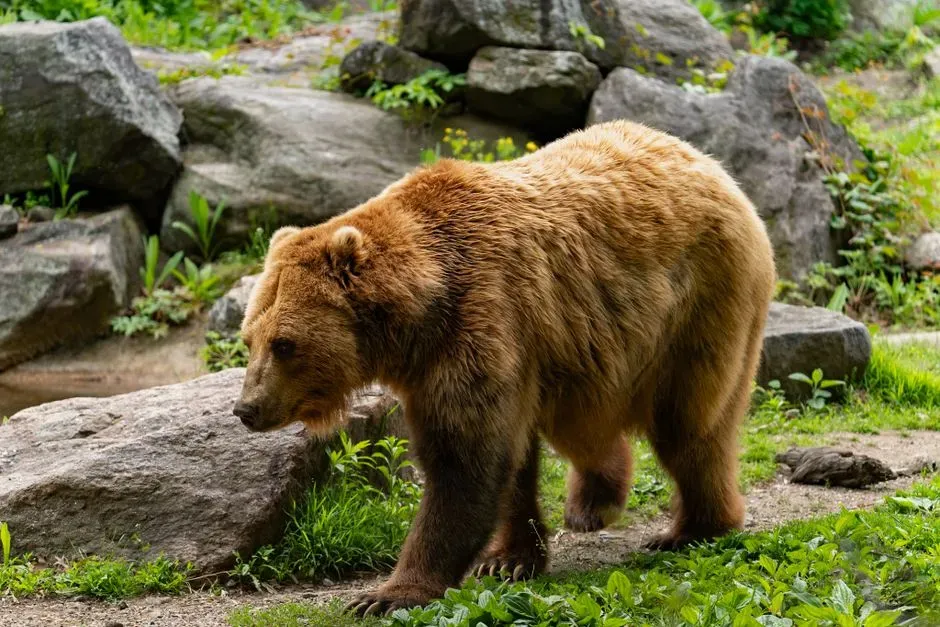
When you picture a grizzly bear, you probably see a walking tank: massive, heavily muscled, confident enough to take food from wolves or chase off smaller predators. Yet in the wild, you can watch big bears backing down from one very specific, smaller threat: an enraged mother moose defending her calf. A cow moose may be lighter than a full-grown grizzly, but when she feels that calf is in danger, her behavior flips into something a wise bear does not want to test.
There are recorded cases of bears trying to take moose calves and getting hammered by explosive charges and lightning-fast kicks. Those long legs end in sharp hooves that can drive into a bear’s ribs, spine, or skull. From the bear’s point of view, a broken bone or serious internal injury can mean slow death from starvation or infection, so a single bad encounter becomes a powerful memory. You can almost feel the calculation: a tiny calf looks easy, but the defending adult is a high-risk opponent. That is why you’ll see bears circling, bluffing, and then simply fading back into the trees, choosing to look for food that does not come with a furious guardian attached.
5. Crocodiles That Think Twice Around Hippos
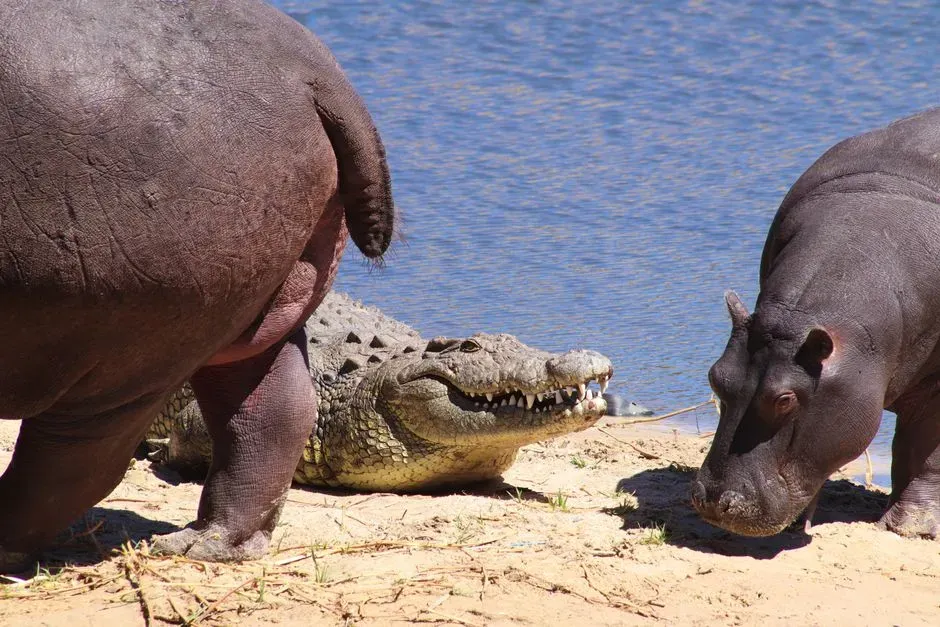
Nile crocodiles are legendary for taking down zebras, antelope, and even unwary buffalo at the water’s edge. They look like armored logs full of teeth, perfectly built to ambush almost anything that comes within reach. But put a crocodile near a pod of hippos, especially one with calves, and you suddenly see a very different attitude. Despite usually being longer than an adult hippo, the croc often keeps its distance, drifting cautiously or leaving the area entirely.
Hippos may be herbivores, but they are famously aggressive and capable of inflicting brutal damage with their huge jaws and massive bodies. There are reports and video evidence of hippos biting or tossing crocodiles that come too close, sometimes crushing them or driving them away in obvious panic. If you imagine being that crocodile, you know you are not at the top of the chain every second of the day. You start to treat hippos as unpredictable, heavily armed neighbors who are not worth provoking. So even though you are a fearsome reptile, this slightly smaller but bulkier animal becomes the one you quietly avoid, especially when it has young to protect.
6. Wolves That Avoid Healthy Adult Bison
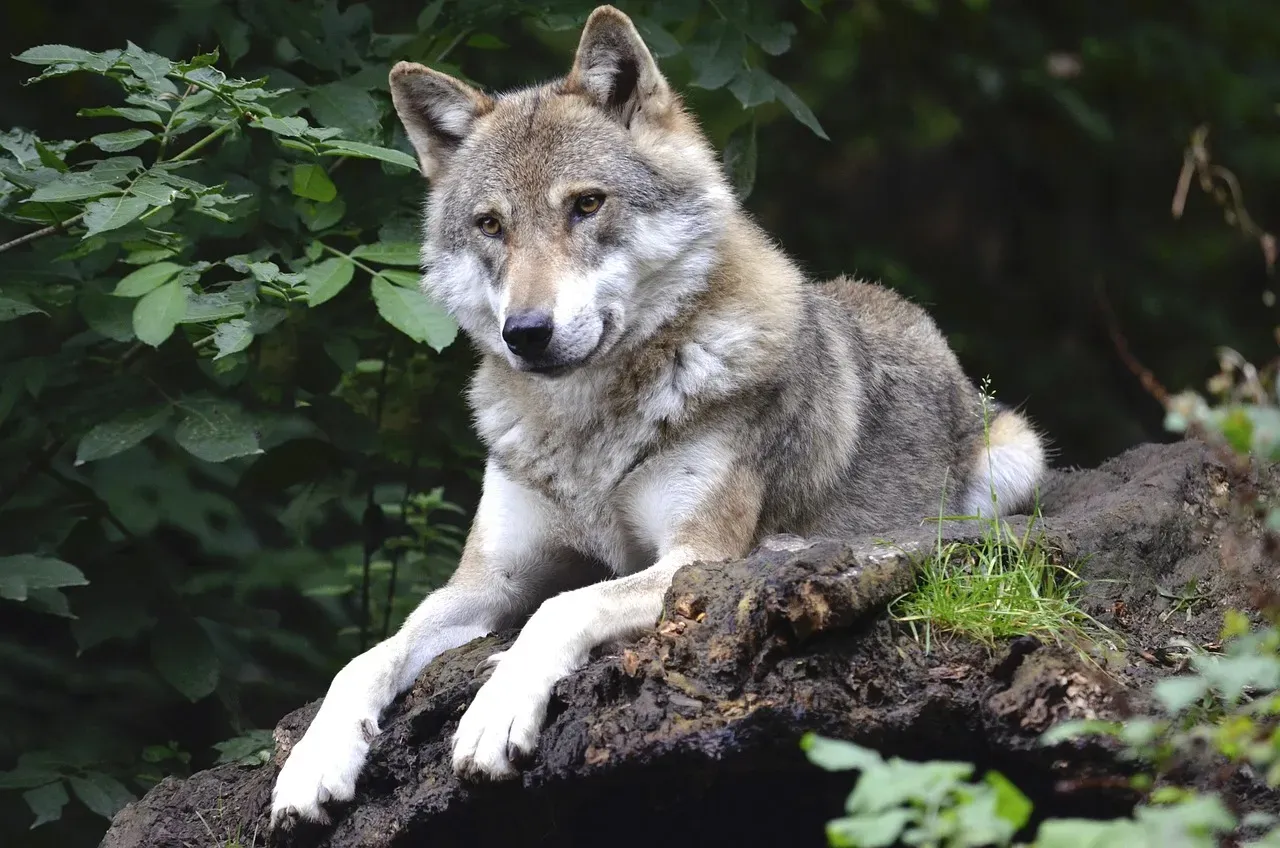
Wolves are classic apex predators in many ecosystems, and you may think of them as fearless, especially when they’re hunting as a pack. But if you watch them around large wild bovines like bison, you notice something telling. They often shadow the herd, test it, and then give up when the only options are strong, healthy adults. Even though a wolf pack can bring down large prey, they clearly respect the danger that a fully grown bison or similar animal represents.
These big herbivores may be smaller than the total weight of a wolf pack combined, but they wield sharp horns, hard hooves, and sheer mass. There are documented instances where wolves have been gored, trampled, or thrown by defensive adults, and that kind of outcome is catastrophic for an animal that needs to stay mobile to survive. If you imagine yourself as a wolf that has seen a packmate seriously injured, your fear is not irrational; it is a learned survival response. So you focus your efforts on calves, injured individuals, or older animals, and you leave the capable, solid adults alone because they have proven, through bloody encounters, that they can turn hunters into victims.
7. Eagles Steering Clear of Certain Corvids
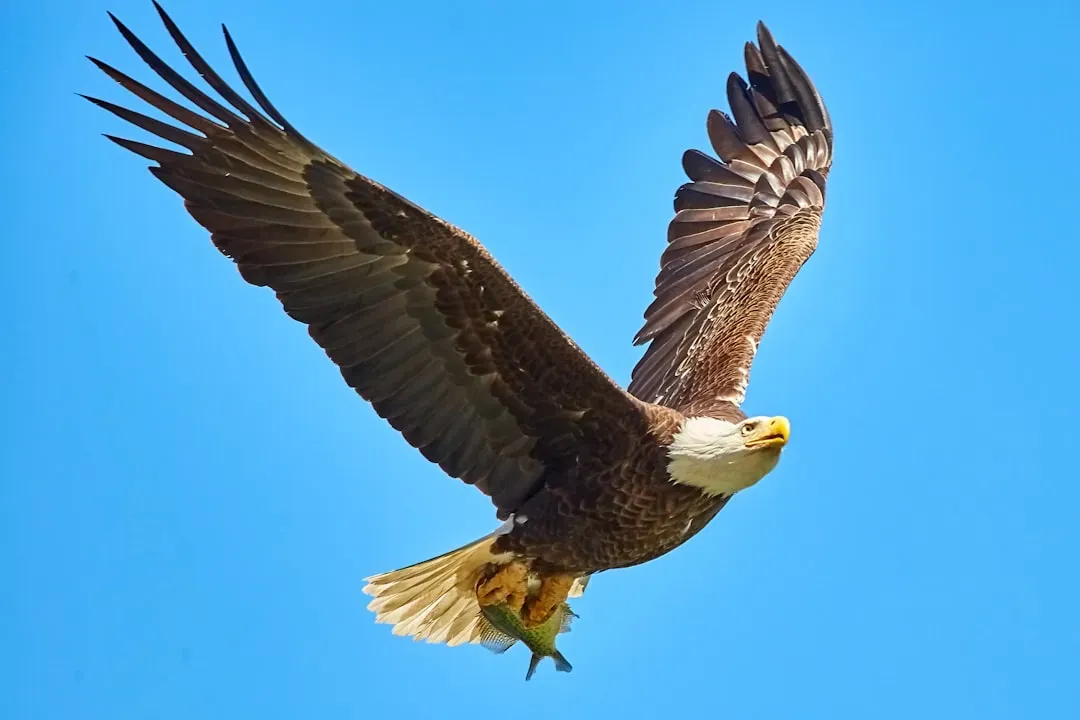
At first glance, a big eagle should have nothing to fear from smaller birds like crows, rooks, or ravens. Yet in many parts of the world, you’ll see something that feels almost upside down: an eagle veering off, climbing away, or abandoning a perch because a swarm of smaller birds has decided to mob it. Those corvids may each be much lighter, but together they become the specific smaller animals that even top raptors prefer to avoid.
When you watch these aerial encounters closely, you see why. The corvids harass constantly from multiple angles, screaming, swooping, and sometimes pecking or striking at the eagle’s wings and back. For an eagle, even a small injury to flight feathers or an eye can be devastating, and it gains almost nothing by staying in the fight. So instead of turning on the smaller birds, it usually chooses escape over domination. If you put yourself in that eagle’s place, you realize that dignity is cheap compared to long-term survival. The fear you feel when those fearless, noisy birds close in is not weakness; it is your instincts protecting your most precious tools: your wings and your vision.
Conclusion: Fear At The Top Of The Food Chain
Once you’ve seen lions sidestep honey badgers, tigers learn hard lessons from porcupines, great whites fleeing orcas, and bears backing off from furious moose, the whole idea of an invincible apex predator starts to melt away. You begin to notice the same pattern: a single painful, risky, or near-fatal encounter with a smaller species can rewrite how a top predator behaves from that moment on. Fear stops looking like a flaw and starts looking like a finely tuned safety system, one that even the strongest animals rely on.
If you think about your own life, you probably have your own versions of these honey badgers and porcupines: small things or people you respect enough not to underestimate. The wild is full of these relationships, where size is not everything and reputation matters as much as teeth or claws. In the end, what keeps an apex predator alive is not just power, but the wisdom to recognize a bad bet and walk away. When you picture those giants turning aside from something smaller, does it make them weaker in your eyes, or does it make them feel a little more like you?