Imagine a jungle alive with flashes of emerald, scarlet, and sapphire—sounds of raucous laughter echoing through the trees. Parrots are not just birds; they’re living rainbows, puzzle masters, and survivors of some of the harshest natural selection tests on Earth. With their dazzling plumage and keen minds, parrots have fascinated people for centuries. But what secrets lie behind those bright feathers and clever eyes? On World Parrot Day, let’s journey deep into the wild world of parrot evolution, where color, intelligence, and survival are tightly woven threads in an extraordinary story.
The Dazzling Tapestry of Parrot Plumage

Parrots are nature’s own artists, splashing the forests with bold shades of green, yellow, blue, and red. Their colors aren’t just for show—they serve vital purposes in the wild. Bright plumage can help parrots recognize each other, find mates, and even blend into the vibrant foliage of their habitats. For instance, a green Amazon parrot can practically vanish among the leaves, while a red macaw catches the eye of potential partners. These vivid feathers are the result of unique pigments called psittacofulvins, which are only found in parrots. Unlike many birds that rely solely on dietary pigments, parrots actually manufacture these colors themselves. Their palette isn’t just beautiful—it’s a scientific marvel.
Why Are Parrots So Colorful?

The explosion of color in parrots raises a burning question: why risk standing out in a world full of predators? The answer is a fascinating mix of camouflage, communication, and sexual selection. In dense tropical forests, bright colors can actually help parrots hide amidst flowers, fruits, and sun-dappled leaves. At the same time, bold hues help individuals recognize their own species and even specific flock members. When it comes to romance, brighter is often better. Female parrots tend to prefer males with the most vivid plumage, believing it signals good health and strong genetics. So those fiery feathers are more than flair—they’re a survival strategy.
The Evolutionary Roots of Parrot Intelligence

Parrots aren’t just pretty faces; they’re among the smartest birds on the planet. This intelligence didn’t appear overnight. Over millions of years, parrots have evolved large brains relative to their body size—comparable to primates. Why? Living in complex social groups and navigating ever-changing environments have demanded adaptable minds. Many parrot species solve puzzles, use tools, and even learn human words. Scientists believe their intelligence evolved as a response to social challenges, foraging for hard-to-reach food, and avoiding predators. In a way, every clever trick a parrot pulls is a testament to eons of evolutionary pressure.
Social Bonds: Flocks, Families, and Friendships

Walk into a rainforest at dawn, and you’ll hear the chorus of parrot flocks greeting the day. Parrots are deeply social creatures, often forming lifelong bonds with mates and keeping close ties within their group. Social living offers safety in numbers—predators are less likely to pick off a single bird in a noisy, chaotic flock. Parrots also learn from each other, passing down important survival skills like food sources and warning calls. Some species, like the African grey, display empathy and even console distressed companions. For parrots, friendship isn’t just a luxury—it’s a lifeline.
Communication: More Than Just Squawks and Screeches
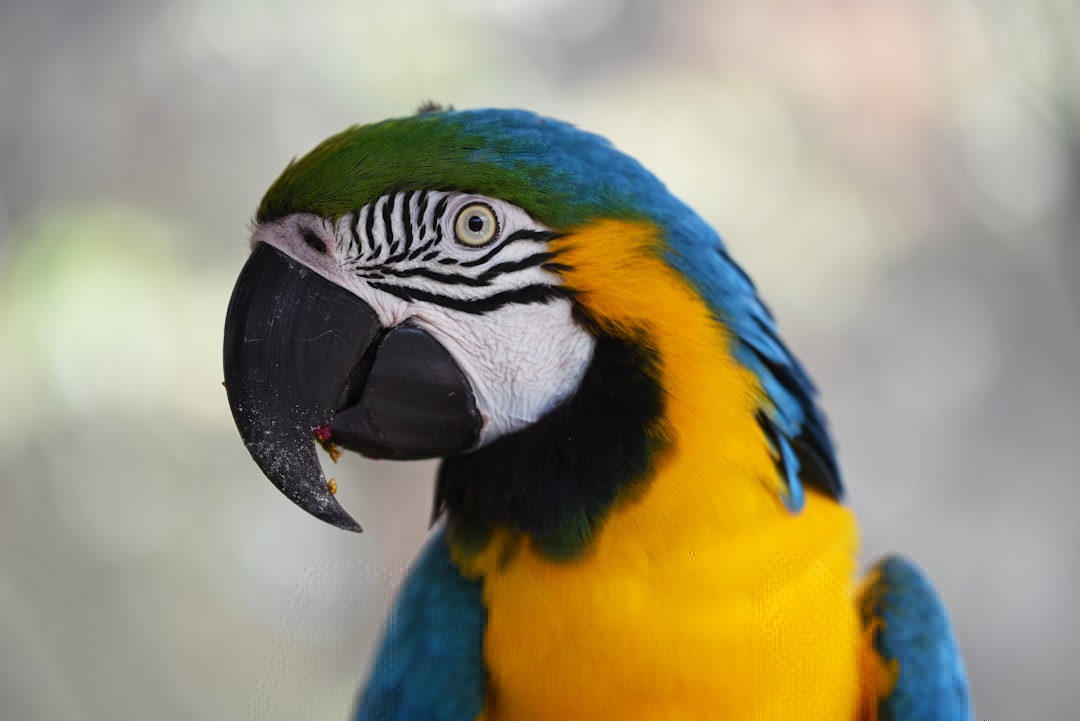
If you’ve ever been startled by a parrot’s call, you know they’re not shy about making noise. But there’s a hidden sophistication behind those squawks. Parrots use a wide range of vocalizations to warn of danger, attract mates, or simply bond with their flock. Some species can mimic sounds from their environment—including human speech—with remarkable accuracy. This ability isn’t just a party trick; in the wild, mimicry can confuse predators or help integrate into mixed-species flocks. Each call carries meaning, from playful chatter to urgent alarms. In the jungle, every sound matters.
Feeding Strategies: The Art of Survival

Parrots are true foodies, with diets as diverse as their colors. Many munch on seeds, nuts, fruits, and flowers, using their powerful, curved beaks to crack open even the toughest shells. Some species, like the kea of New Zealand, are notorious for their curiosity—investigating backpacks, cars, and anything remotely edible. Others, such as the palm cockatoo, use sticks as tools to dig out insects or drum on trees. Finding food in the wild requires more than brute strength; it takes problem-solving, memory, and sometimes a touch of mischief. Their inventive feeding habits keep them one step ahead in the survival game.
Adaptations for Tough Environments
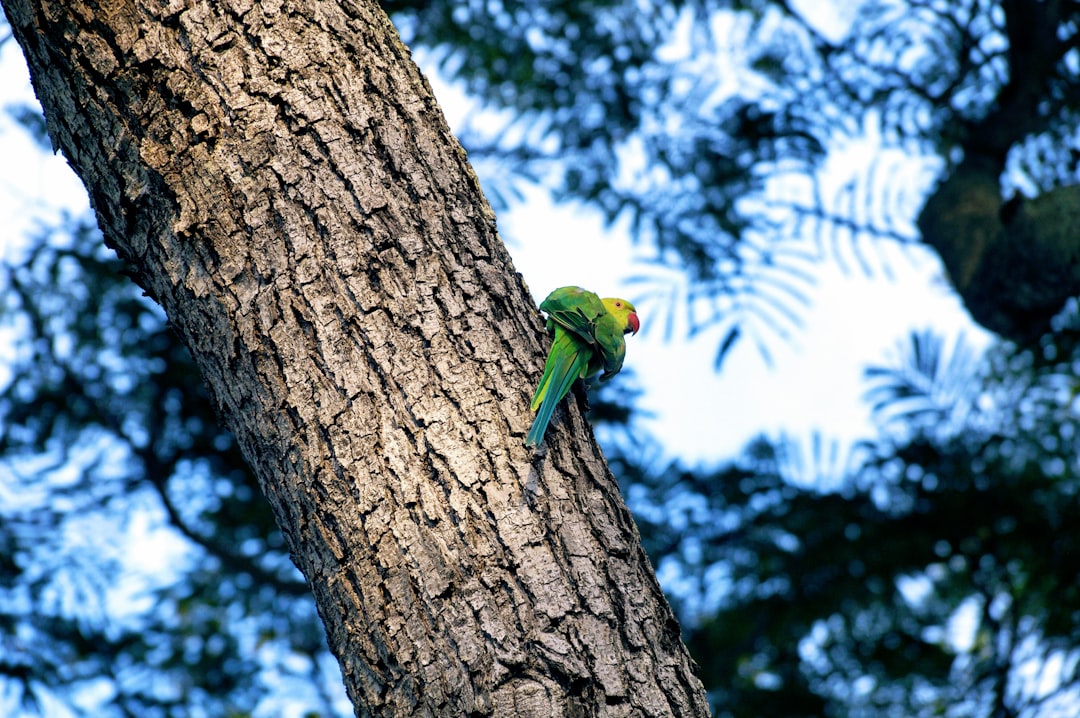
From steamy rainforests to parched savannahs, parrots have carved out niches in some of the world’s most challenging habitats. Their zygodactyl feet—two toes forward, two toes back—let them grip branches and climb with acrobatic ease. Some have developed specialized tongues to extract nectar or pulp from fruit. Even their digestive systems have adapted to handle toxic seeds that would harm other animals. These evolutionary tweaks allow parrots to exploit resources others can’t. It’s as if they carry a Swiss Army knife of survival skills wherever they go.
Mimicry: The Parrot’s Unexpected Talent
Perhaps nothing captivates humans more than a parrot’s uncanny ability to mimic speech. But in the wild, mimicry serves several survival purposes. By copying the calls of other species, parrots can confuse predators or blend into mixed flocks, gaining safety in numbers. Some even imitate alarm calls, sending rivals scrambling while they seize the best food. In captivity, this skill becomes entertainment. But in the wild, it’s a powerful evolutionary tool—proof that brains and voice go hand in hand in the parrot world.
Parrot Parenting: Raising the Next Generation
Parrots are devoted parents, often forming monogamous pairs that last for life. Both parents take turns incubating eggs, feeding chicks, and fiercely defending their nests. Some species nest in tree hollows, while others—like the monk parakeet—build elaborate stick nests that can house dozens of families. Chicks stay with their parents for weeks or even months, learning essential skills before venturing out on their own. This extended care gives young parrots a head start, ensuring the species’ survival in unpredictable environments.
Survival Through Play: Learning the Parrot Way

Watch a group of young parrots, and you’ll see tumbling, chasing, and playful wrestling. Play isn’t just fun—it’s serious business for parrots. Through play, chicks develop coordination, learn social rules, and practice problem-solving. Older birds use play to strengthen bonds and relieve stress. Scientists believe that this playful behavior is linked to their high intelligence; it keeps their minds sharp and adaptable. In a world full of surprises, play is practice for the unexpected.
The Role of Memory in Finding Food
Finding food in sprawling forests is no small feat, but parrots are up for the challenge. They have exceptional spatial memory, allowing them to recall the locations of fruiting trees or hidden caches of seeds months after their last visit. This mental map is crucial in environments where food sources are scattered and unpredictable. Memory also helps parrots avoid dangerous areas and remember migration routes. Their brains are wired for recall, making them masters of their wild domains.
Color and Camouflage: Hiding in Plain Sight

It may seem strange, but a scarlet parrot can disappear in a sea of tropical flowers. Many parrot species have evolved colors that blend perfectly with their surroundings, providing effective camouflage from predators. Even their movement plays a role—by sitting still and aligning with branches, they become nearly invisible. This balance of boldness and concealment is a delicate evolutionary dance. In nature, sometimes the brightest colors are the best disguise.
Threats to Parrot Survival in the Modern World

Despite their remarkable adaptations, parrots face mounting threats in today’s world. Habitat loss, illegal pet trade, and climate change are pushing many species to the brink. Forests are shrinking, and with them, the safe havens parrots rely on. Some, like the Spix’s macaw, have vanished from the wild entirely. Conservationists are racing against time, working to protect habitats and crack down on trafficking. The fight to save parrots is urgent—and far from over.
Conservation Success Stories

Amid the challenges, there are bright spots. Species like the kakapo of New Zealand have been pulled back from extinction through heroic efforts. Breeding programs, habitat restoration, and community engagement are making a difference. Parrot sanctuaries around the world care for rescued birds, giving them a second chance. These victories remind us that change is possible when people and science work together. Every saved parrot is a triumph of hope over despair.
Parrots and People: A Bond Across Time
Humans have been enchanted by parrots for thousands of years. From ancient civilizations to modern living rooms, these birds have inspired art, mythology, and even language. Their mimicry and intelligence blur the line between wild and tame, making them beloved companions and cultural icons. But our fascination is a double-edged sword—sometimes leading to exploitation and loss. The story of parrots and people is complex, filled with wonder and responsibility.
What Makes Parrots Unique Among Birds?
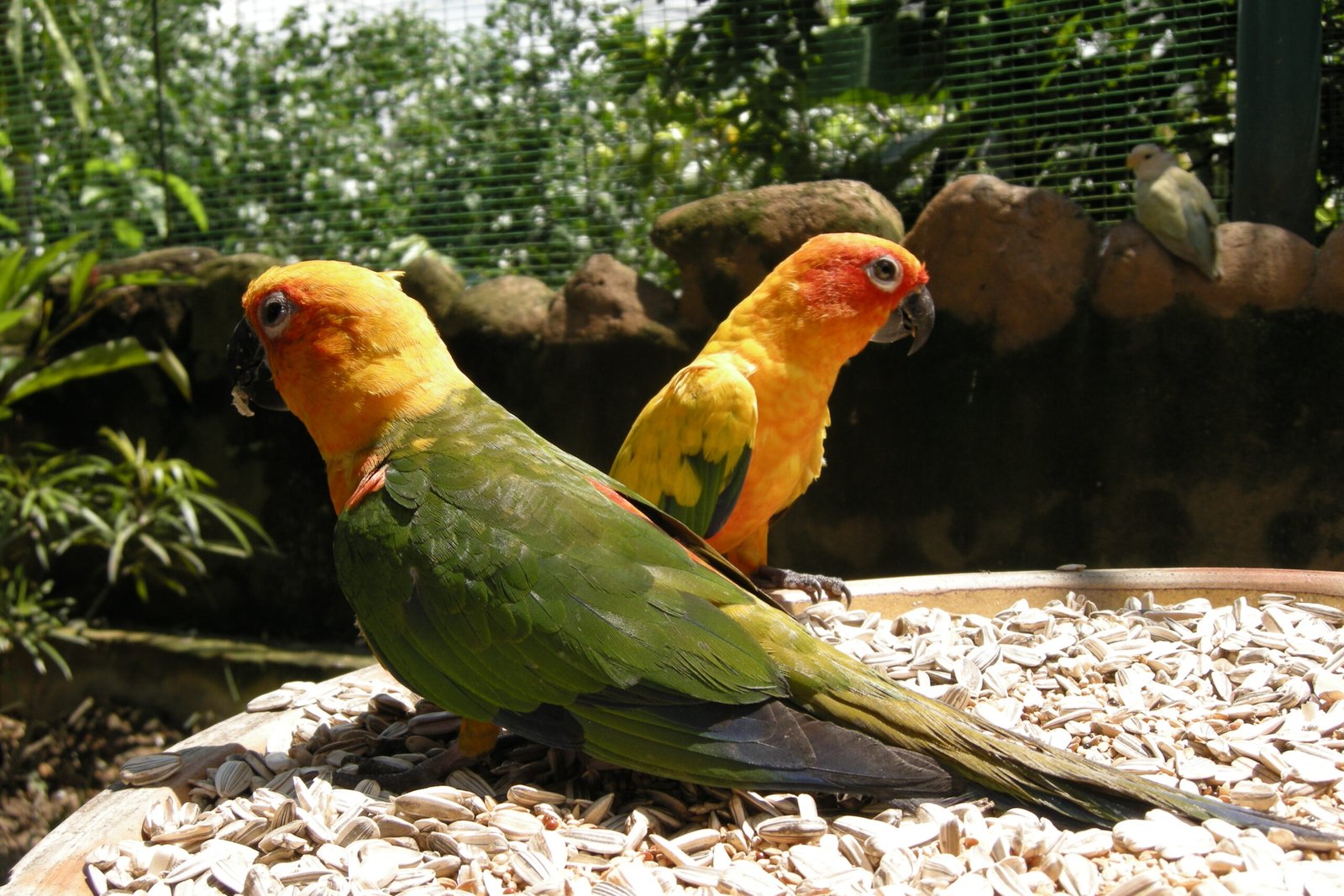
Parrots stand apart from other birds in so many ways. Their vibrant colors, sophisticated minds, and playful spirits make them truly one of a kind. Unlike many birds, parrots use their beaks like hands, manipulate objects, and form lifelong social bonds. Their ability to mimic and adapt has allowed them to thrive in diverse habitats across the globe. In every trait, parrots remind us that evolution is not just about survival—it’s about thriving, connecting, and dazzling the world.
Looking to the Future: How We Can Help Parrots Survive

The future of parrots rests in our hands. Protecting their habitats, supporting ethical breeding, and educating others about the dangers of illegal trade are crucial steps. Simple actions—like choosing not to buy wild-caught parrots or supporting conservation projects—can make a world of difference. Parrots have survived for millions of years by adapting and evolving. Now, it’s our turn to evolve our relationship with them and ensure these incredible birds continue to soar for generations to come.