Most people assume ancient color was simple: find a red rock, crush it, paint. Story over. That assumption is almost entirely wrong.
Behind nearly every iconic historic pigment sits a chemical mystery so stubborn that scientists spent generations – sometimes literal centuries – just figuring out what the color was actually made of, let alone how to recreate it. One famous purple dye wasn’t chemically identified until 1909, more than 3,000 years after it was first produced. Another blue was born from a lab accident nobody could explain for decades. Here’s what actually happened behind ten of history’s most famous colors, and why chemistry showed up so late to understand them.
#1 – Egyptian Blue: The 5,000-Year-Old Mystery Hiding in Plain Sight
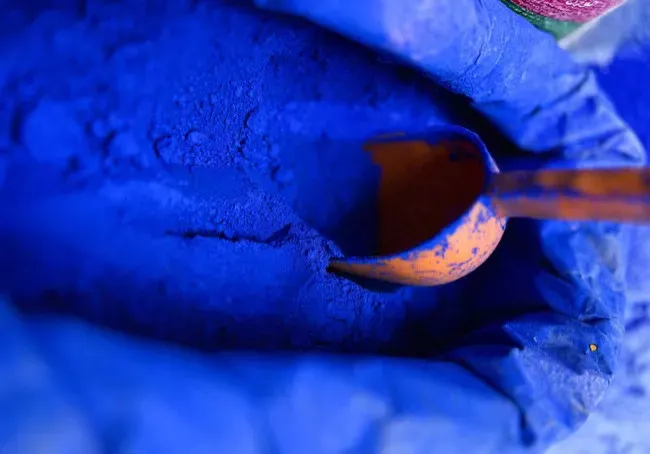
Egyptian blue is the oldest known synthetic pigment on Earth, invented more than 4,500 years ago during Egypt’s Fourth Dynasty. Ancient chemists heated a mixture of copper compounds, sand, lime, and an alkali flux at scorching temperatures, forcing a reaction that nature simply never manages on its own. The result was cuprorivaite, a calcium copper silicate that produced a stable, saturated blue found almost nowhere else in the natural world.
Here’s the part that took centuries to untangle: the pigment vanished from widespread use after the Roman period, and the exact recipe vanished with it. Modern researchers had to work backward from ancient samples like a cold case file, testing firing temperatures and mineral ratios until they finally confirmed how the compound actually formed. A color invented before some of the pyramids’ capstones were even set went chemically unexplained for close to two thousand years.
#2 – Tyrian Purple: The Color That Took Chemists 3,000 Years to Explain
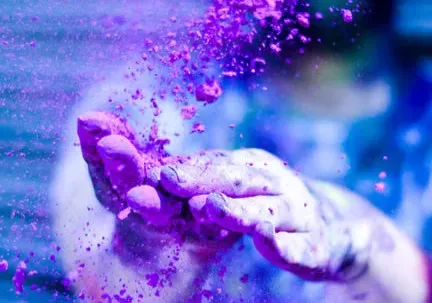
Tyrian purple ruled ancient empires for over a millennium, and for all that time, nobody outside a small circle of producers knew how it actually worked. It came from the mucus of Murex snails, first produced by the Phoenicians around 1200 B.C.E. and carried forward by the Greeks and Romans until 1453. It wasn’t a chemical formula passed around – it was a guarded trade secret worth protecting like a state weapon.
The real shock is how long it took science to catch up. Chemist Paul Friedländer didn’t identify the dye’s actual structure – 6,6′-dibromoindigo – until 1909, and even then it took roughly 12,000 crushed Murex snails just to produce 1.4 grams of pure pigment. Producing that dye meant days of crushing, boiling, and sun exposure, with a smell that survivors of the process described as genuinely appalling. An entire ancient industry ran on a chemical reaction nobody could name until the 20th century.
Fast Facts
- First produced by the Phoenicians around 1200 B.C.E.
- Extracted from the mucus glands of Murex sea snails
- Chemical structure not confirmed until 1909, by Paul Friedländer
- Roughly 12,000 snails were needed to yield just 1.4 grams of pigment
#3 – Vermilion: The Beautiful Red That Was Slowly Poisoning Everyone
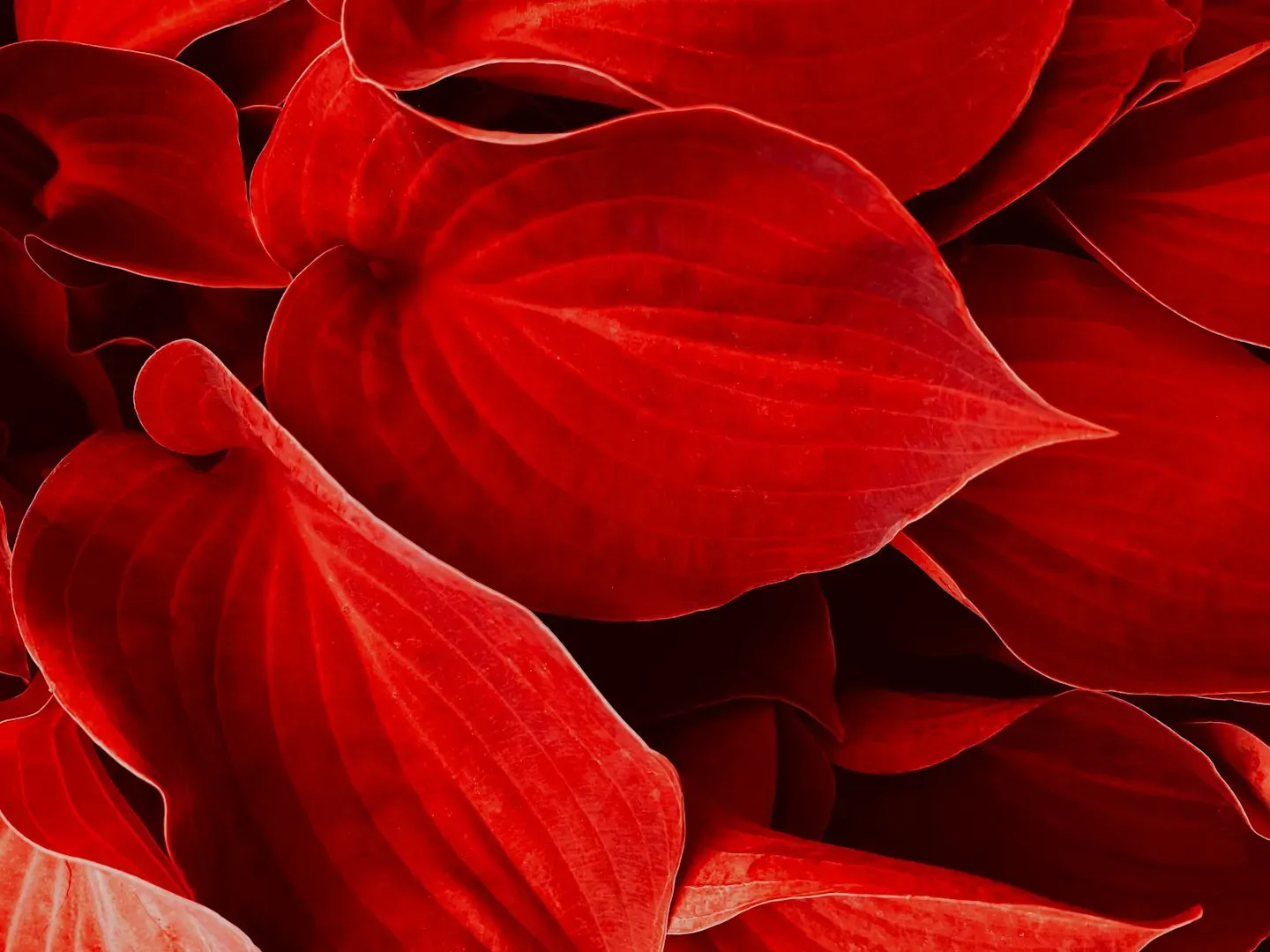
Vermilion looks harmless. It never was. This brilliant scarlet came from powdered cinnabar, a naturally occurring form of mercury sulfide, and it was mined and used for millennia, from ancient China to Renaissance Europe. Chemists admired the color for centuries before anyone understood why old paintings using it sometimes turned mysteriously black over time.
The toxicity was never a minor footnote. Cinnabar mining was so dangerous it regularly cost miners their lives, and it took modern analytical chemistry to finally explain the blackening effect: tiny amounts of chloride in the air reacted with light to convert the pigment into tiny globules of metallic mercury, visible as dark patches. Most people don’t realize that restoring an old master painting sometimes means literally managing a slow-motion mercury reaction that started centuries ago.
#4 – Orpiment and Naples Yellow: The Yellow Pigments Nobody Should Have Touched
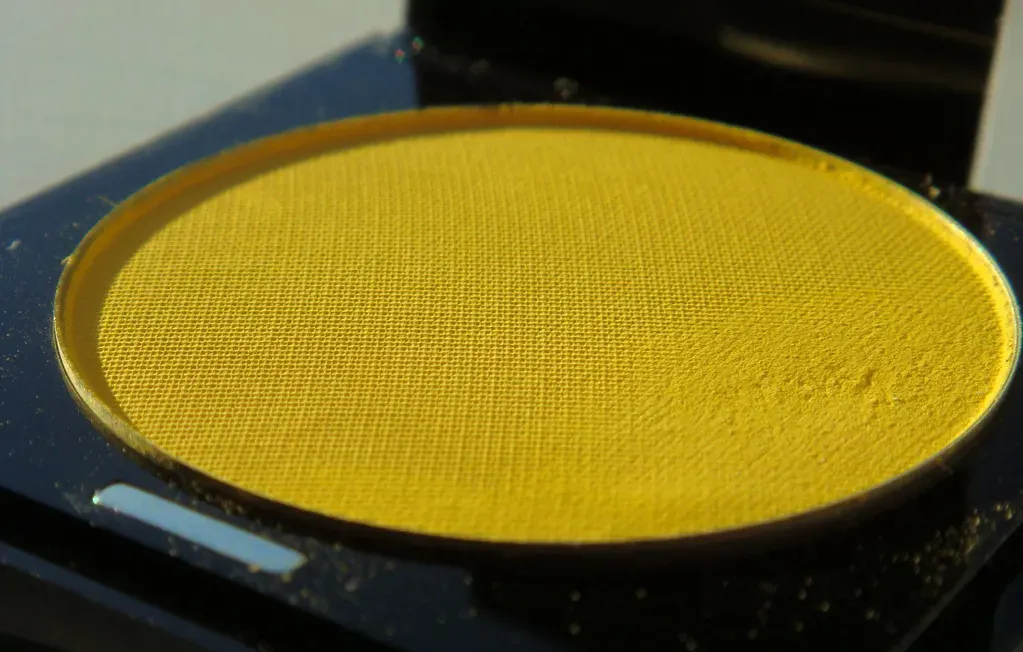
Bright yellow used to mean one thing to ancient chemists: arsenic. Orpiment, a deep orange-yellow, was one of the most vibrant colors available in the ancient world, made from an arsenic mineral and dangerously toxic. It sat on artists’ palettes for thousands of years before anyone bothered to identify the exact compound producing that unnatural glow.
Naples yellow told an even stranger story. This lead antimonate pigment was lost and rediscovered multiple times throughout history, peaking in European art between 1750 and 1850 before being replaced first by chrome yellow, then cadmium yellow. Chemists eventually traced orpiment’s origin too, tracking how arsenic exposed to sulfides transformed into a synthetic version known as King’s Yellow. The takeaway is uncomfortable: the “safest” old-world yellows were anything but.
#5 – Ultramarine: The Blue That Cost More Than Gold
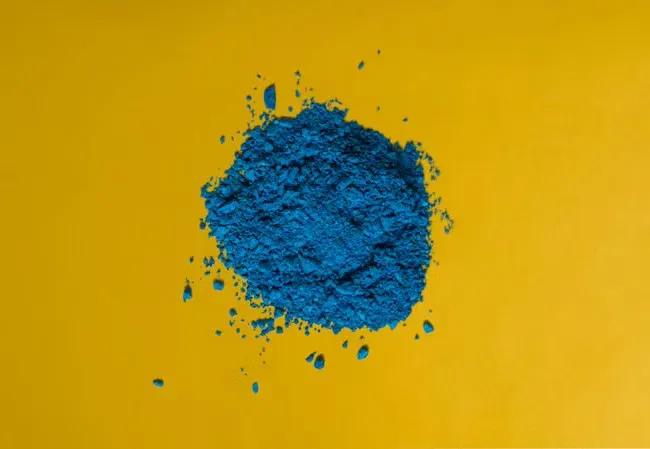
For centuries, this was the single most expensive color a painter could buy – sometimes literally more valuable than gold by weight. It came from lazurite buried inside lapis lazuli, extracted through grinding the stone and running it through a painstaking washing process just to isolate the blue mineral. Owning a painting with real ultramarine was a status symbol as much as an artistic choice.
Cracking a synthetic version took an actual national contest. In 1817, the London Royal College of Art offered a prize for anyone who could reproduce ultramarine artificially, and France’s Société d’Encouragement pour l’Industrie Nationale later raised the stakes with a 6,000-franc reward. French chemist Jean-Baptiste Guimet finally succeeded in 1828, heating clay, soda, charcoal, quartz, and sulphur into a green intermediate that was then ground, washed, and reheated into true blue. A full decade of organized, prize-driven science, all to replace one very expensive rock.
Quick Compare
- Natural ultramarine: ground from lapis lazuli, pricier than gold by weight
- Synthetic ultramarine: perfected in 1828 by Jean-Baptiste Guimet
- Natural process: mining, grinding, and washing raw stone
- Synthetic process: heating clay, soda, charcoal, quartz, and sulphur
#6 – Prussian Blue: The Accident Nobody Could Explain for Years
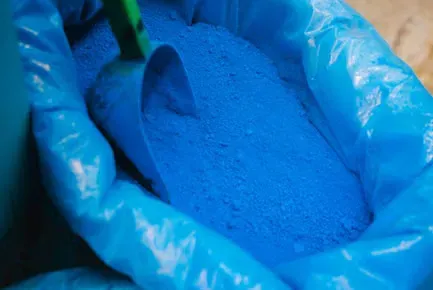
Some of history’s greatest pigments weren’t invented on purpose. Prussian blue is the clearest example – the first synthetic pigment ever discovered, born from a lab mishap in 1704. Nobody set out to make it, and it took chemists years afterward to understand the reaction well enough to reproduce it reliably on demand.
Once the process was cracked, it spread fast, reaching London by 1720 as the first synthetic pigment produced in the modern, repeatable sense. Its afterlife is even stranger than its origin: since the 1960s, Prussian blue has been used medically to treat thallium and radioactive cesium poisoning. A color born from a chemistry accident three centuries ago is now stocked in nuclear-exposure medical kits.
Worth Knowing
- Discovered accidentally in a Berlin lab in 1704
- The first synthetic pigment made on a reliable, repeatable basis
- Reached London manufacturers by 1720
- Used since the 1960s as a medical antidote for thallium and radioactive cesium poisoning
#7 – Scheele’s Green: The Wallpaper That May Have Killed an Emperor
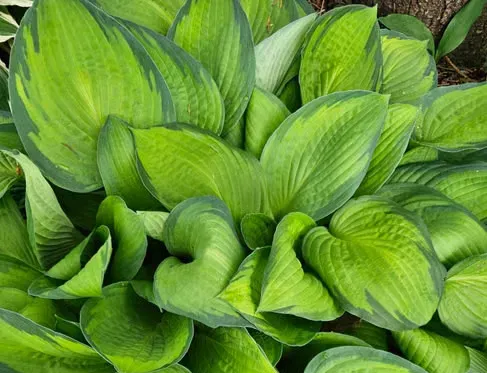
This one reads like a chemistry thriller. Swedish chemist Carl Wilhelm Scheele was deep into arsenic research when he created the vivid green pigment that now carries his name. The synthesis itself was deceptively simple – arsenious oxide dissolved into heated sodium carbonate, then mixed with copper sulfate to produce that unmistakable bright green.
The historical controversy is where things get genuinely dark. Many historians believe Napoleon’s declining health, and possibly his death, may be linked to the ornate green wallpaper lining the walls of Longwood House, painted with Scheele’s green. The theory remains debated, but the underlying chemistry isn’t: damp air could cause arsenic compounds in the pigment to off-gas, slowly poisoning anyone spending time in the room.
#8 – Emerald Green: The “Improved” Poison That Became Rat Poison
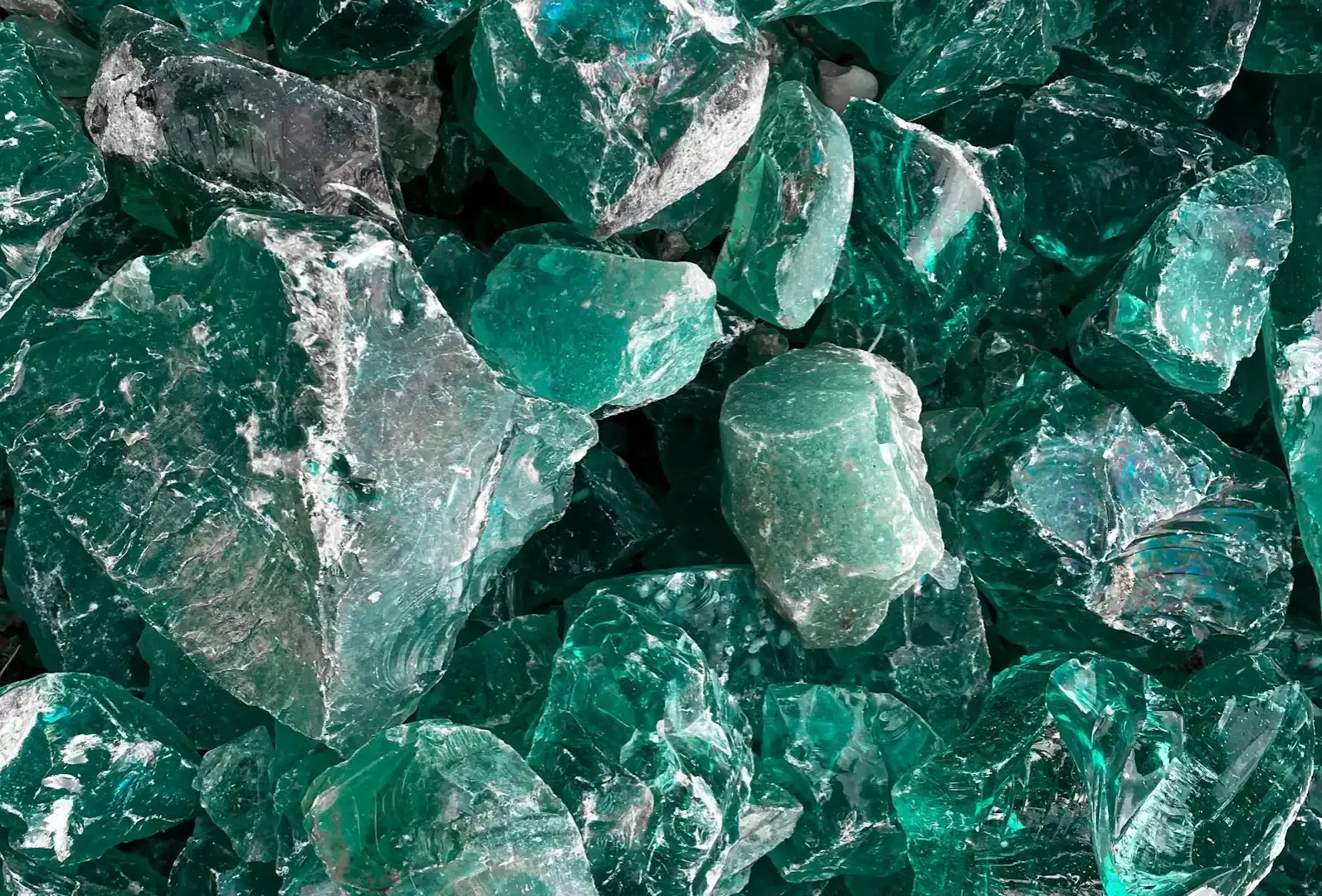
Emerald green, also called Paris green, was marketed as the safer, longer-lasting upgrade to Scheele’s green. It wasn’t. The improvement was purely cosmetic – Scheele’s green faded over time while emerald green held its color, but the arsenic-based toxicity barely changed, and people kept dying from exposure.
Eventually the truth became impossible to ignore, and the pigment’s second career says everything you need to know. Manufacturers quietly retired it as a paint and repurposed it as an insecticide and rat poison. A color once brushed onto children’s toys and ballroom gowns ended its commercial life exterminating vermin – a fitting, if grim, epilogue.
At a Glance
- Marketed as an “improved,” longer-lasting version of Scheele’s green
- Also sold commercially under the name Paris green
- Remained arsenic-based despite the safety claims
- Eventually repurposed as an insecticide and rat poison
#9 – Cadmium Yellow: The Pigment That Waited 23 Years for Its Own Element
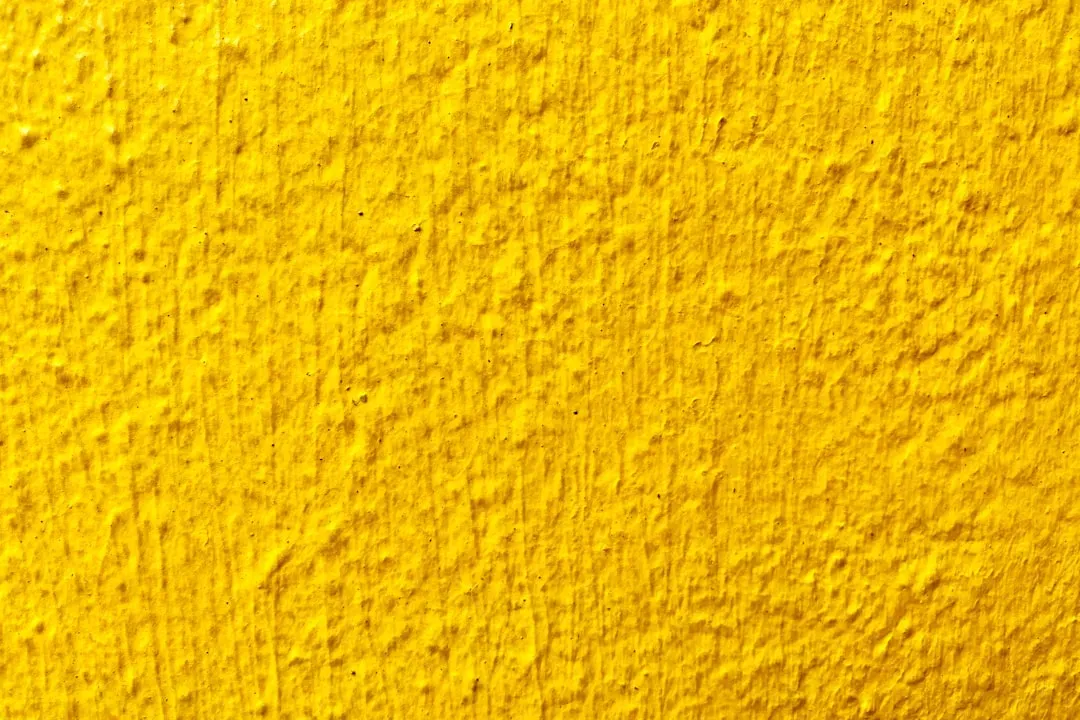
Cadmium yellow couldn’t exist until chemists first found the element hiding inside their own experimental mistakes. Friedrich Stromeyer discovered metallic cadmium in 1817, but pigment production wasn’t practical until around 1840 because the metal itself was so scarce. That’s a 23-year gap between discovery and usable product – an entire generation of painters missing out on a color that technically already existed.
The manufacturing process demanded real precision: cadmium salt dissolved in acid was heated with hydrogen sulfide gas until it formed cadmium sulfide powder. Once perfected, it quietly did something remarkable – it began replacing mercury-based vermilion in painters’ studios, offering similar brightness with far better lightfastness and none of the mercury poisoning risk.
#10 – Mauve: The Failed Malaria Drug That Started a Chemical Empire
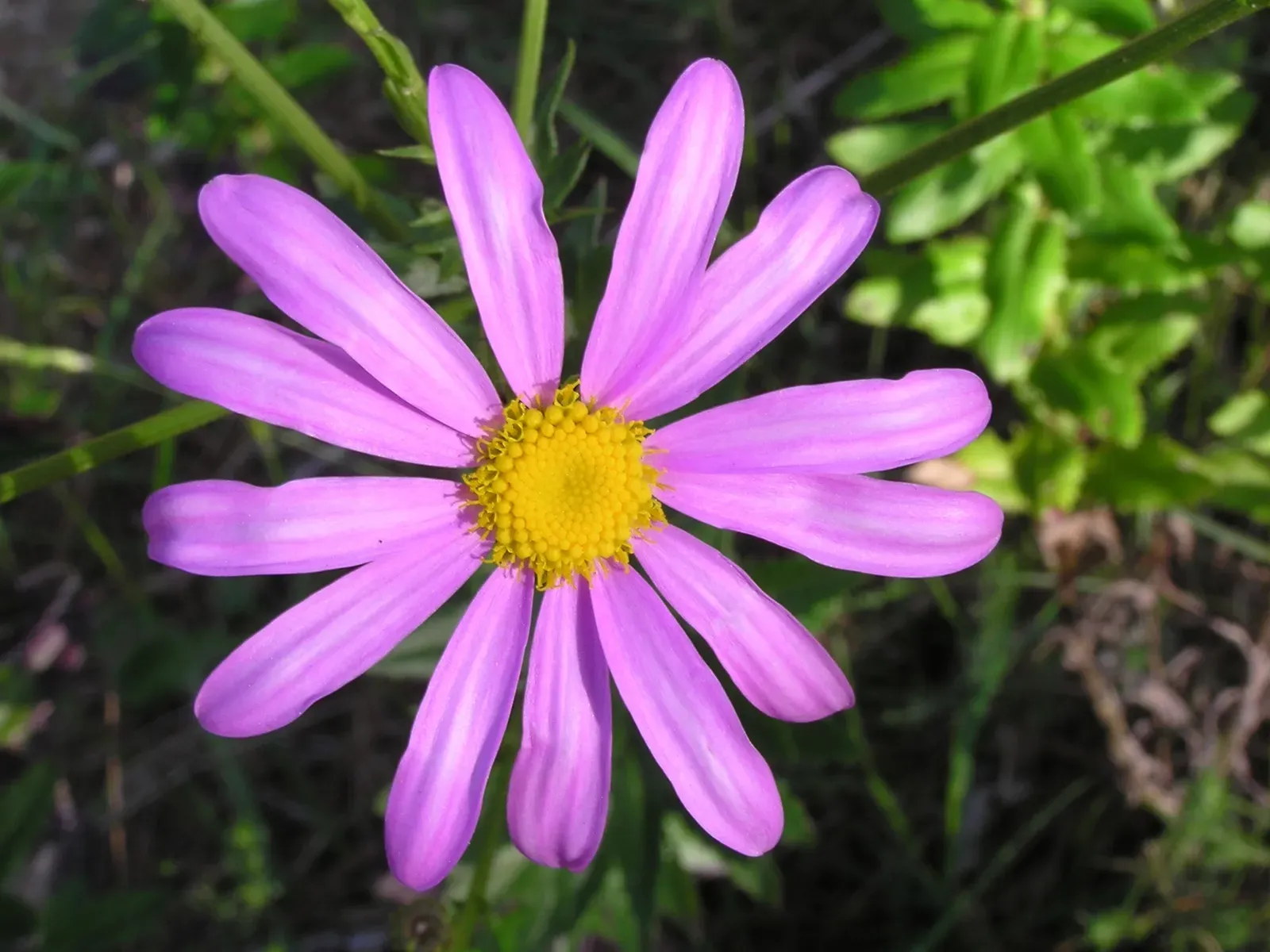
The last pigment on this list didn’t just take time to understand – it accidentally launched the entire modern chemical industry. Eighteen-year-old chemist William Perkin was trying to synthesize quinine, an anti-malarial drug, when his experiment went nowhere near its intended target. He wasn’t trying to invent a color at all.
The actual discovery moment is almost comedic. While cleaning out a failed reaction with alcohol, Perkin accidentally produced the first synthetic purple dye in human history: mauveine. He patented it, natural dyes began their slow commercial decline, and the color’s name was later softened to “mauve,” borrowed from the French word for the purple mallow flower. One failed medicine, one lazy cleanup with alcohol, and the entire dye industry changed forever.
Why It Stands Out
- Discovered by 18-year-old chemist William Perkin in 1856
- Created by accident while attempting to synthesize the malaria drug quinine
- Became the first synthetic dye ever patented
- Helped trigger the rise of the modern synthetic chemical industry
The Bottom Line
Here’s the uncomfortable truth: almost none of history’s most iconic colors were “discovered” the way we imagine. Egyptian blue took millennia to reverse-engineer. Tyrian purple’s actual chemistry wasn’t confirmed until 1909. Ultramarine needed a national contest to replace. Prussian blue and mauve were pure accidents nobody understood at first. And several – Scheele’s green, emerald green, vermilion – turned out to be quietly poisoning the very people who loved them.
If there’s one opinion worth defending here, it’s this: pigment history proves that “beautiful” and “safe” almost never arrived together, and chemistry usually showed up decades, sometimes centuries, late to clean up the mess. The next time you see a museum painting glowing with impossible color, remember someone likely paid for that glow with their health, their fortune, or a lifetime of unanswered questions. Which of these pigments surprised you the most?