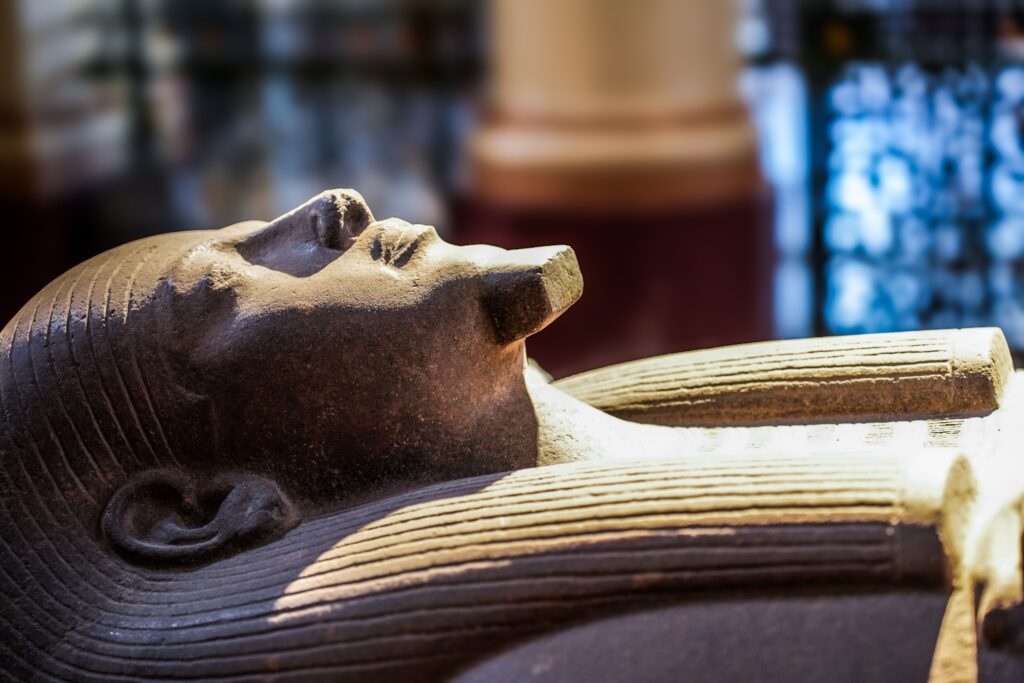
Picture the moment a tomb door swings shut for the last time. A pharaoh is laid to rest, incense burns, the entrance gets sealed in stone, and the story ends there for a few thousand years, right? That’s the version most museum plaques and history documentaries sell you. It’s also, almost every single time, completely wrong.
Real archaeology tells a messier, far more human story. Priests broke in to save the dead from robbers. Conquerors broke in to honor their heroes. Vikings broke in to wait out a storm and left graffiti bragging about it. Governments broke in for science, then swore never to do it again. Eleven burial chambers below prove that “sealed forever” was rarely more than a temporary pause, and what happened during those reopenings is stranger than most people realize.
#1 – The Deir el-Bahari Royal Cache Was a Secret Government Operation
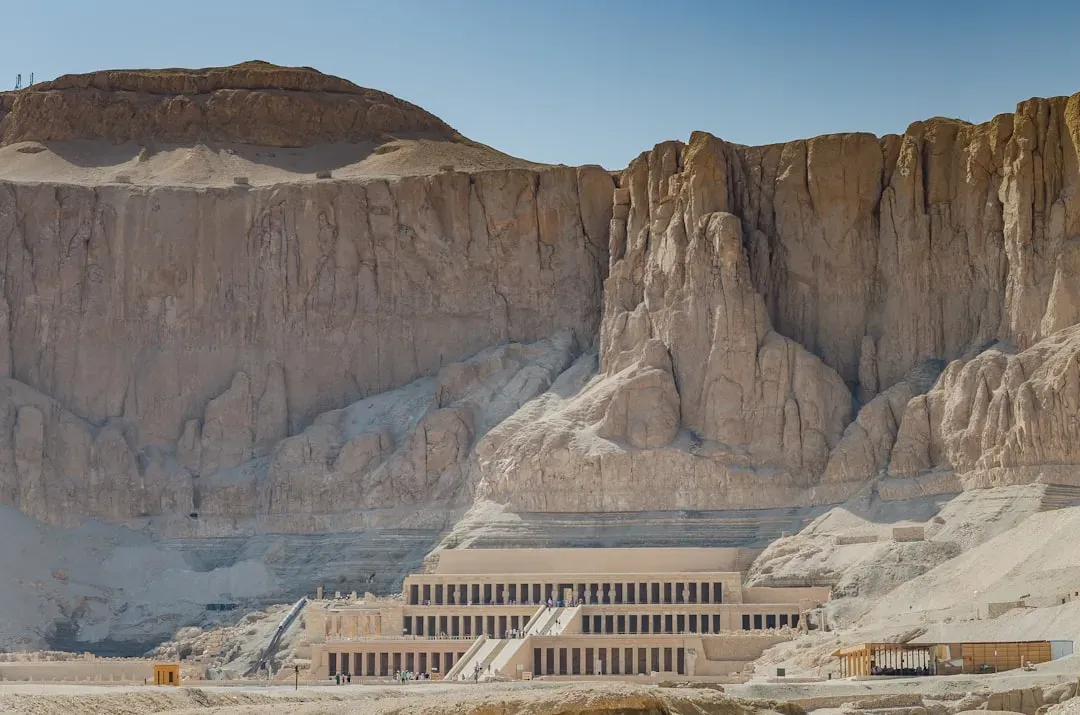
Most people assume grave robbers were the only ones who ever snuck into a pharaoh’s tomb. They weren’t. Egypt’s own priests did it too, and on a scale that’s almost hard to believe.
During the 21st Dynasty, Egypt was broke, politically unstable, and losing its grip on the Valley of the Kings. Tomb robbery had become so routine that officials made a drastic call: pull the mummies of the greatest pharaohs out of their looted, half-emptied tombs and hide them together in one secret shaft near Deir el-Bahari.
The rescued kings included Seqenenra Tao, Ahmose I, Ahmose-Nefertari, Amenhotep I, Thutmose I, II and III, Seti I, and Ramesses II and III, essentially a highlight reel of Egypt’s New Kingdom, quietly stacked into one hiding spot. The cache stayed sealed for roughly 3,000 years until locals stumbled onto it in the 1800s.
Here’s the uncomfortable part. Some historians suspect the priests’ “rescue mission” wasn’t entirely noble. Stripping jewelry off the mummies before rewrapping them may have been a state-sanctioned form of looting, just carried out by people wearing better titles than the robbers they were supposedly protecting the kings from.
#2 – Amenhotep II’s Own Tomb Became a Secret Storage Locker
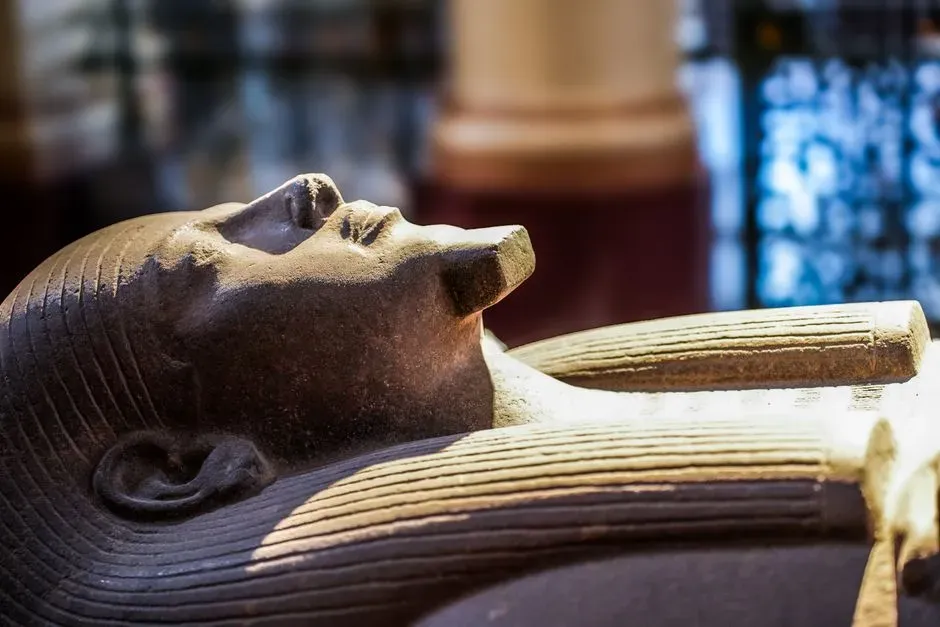
Here’s the twist most tourists never learn: one pharaoh’s tomb quietly turned into a warehouse for other dead kings, while he was still lying inside it. When the Deir el-Bahari shaft ran out of room, those same 21st Dynasty priests needed a second hiding spot.
They picked KV35, the tomb of Amenhotep II. It worked so well that Egypt’s mightiest kings slumbered there undisturbed for nearly three thousand years, until French archaeologist Victor Loret walked in with a candle in 1898.
Inside, he found the mummies of Thutmose IV, Amenhotep III, Merenptah, Seti II, Siptah, Ramesses IV, V, and VI, a mysterious unidentified woman known only as the “Elder Woman,” and a mummy likely belonging to Setnakht. That’s an entire dynasty’s worth of kings crammed into someone else’s tomb.
Fast Facts
- Location: KV35, tomb of Amenhotep II, Valley of the Kings
- Discovered by: French archaeologist Victor Loret in 1898
- Royal mummies found: Thutmose IV, Amenhotep III, Merenptah, Seti II, Siptah, and Ramesses IV, V, and VI
- Bonus mystery: an unidentified mummy known as the “Elder Woman”
- Amenhotep II himself remained undisturbed in his own sarcophagus
What makes KV35 genuinely rare is that Amenhotep II himself was left exactly where he’d been buried. Loret found the pharaoh still resting in his own sarcophagus, undisturbed, which had no parallel until Tutankhamun’s tomb turned up decades later.
#3 – The “Gate of the Priests” Hid Over 150 Bodies in One Room
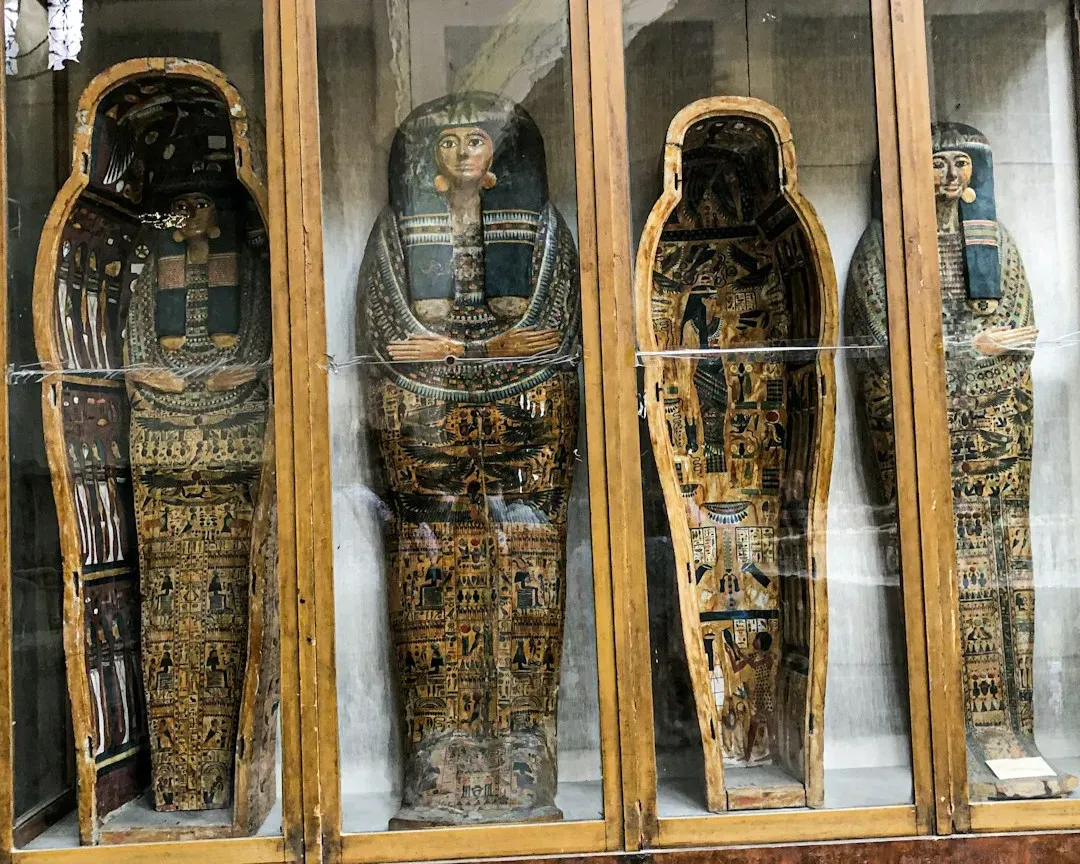
Most people have never heard of Bab el-Gasus, and honestly, that’s by design. It was built to disappear, and it very nearly did.
Also called the Priestly Cache or the Second Cache, this shaft at Deir el-Bahari was discovered in 1891 by Eugène Grébaut and Georges Daressy. What they found inside was staggering: 153 priests and priestesses of Amun from the 21st Dynasty, packed in with more than 200 coffins.
That’s more bodies stuffed into a single shaft than most entire ancient cemeteries hold. Once archaeologists finished studying the cache, the site went quiet again, and today the shaft leading down to it remains closed to the public.
There’s a strange coda too. In 1893, dozens of the coffin sets were shipped overseas as diplomatic gifts, scattering pieces of a single ancient cache across museums all over Europe, where they still sit today, far from Deir el-Bahari.
#4 – Alexander the Great Personally Ordered a Tomb Resealed
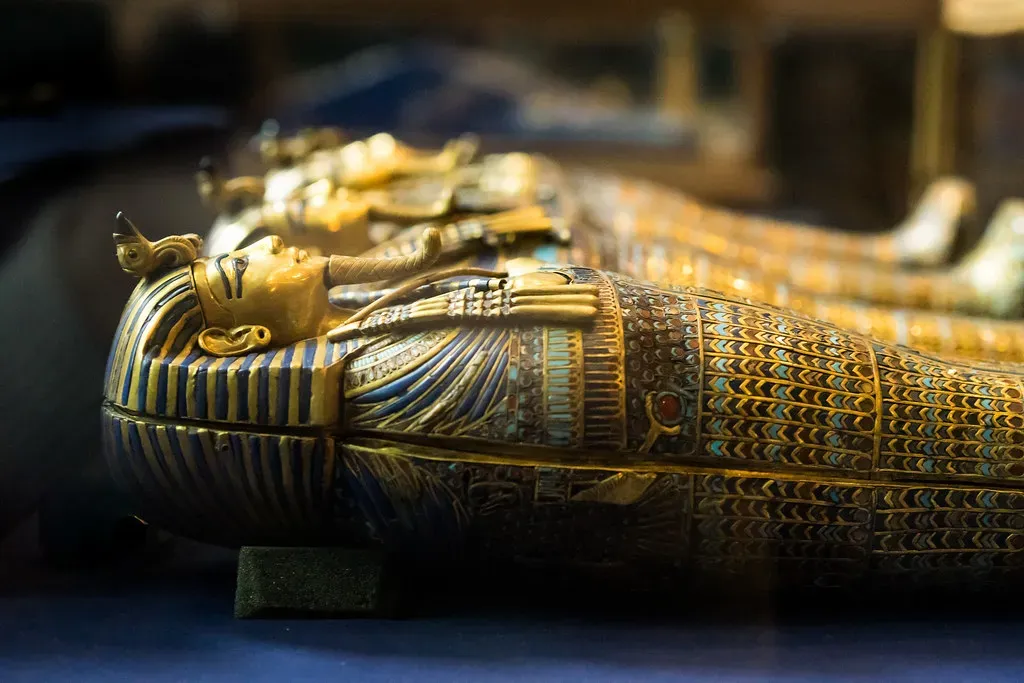
Most people think of Alexander the Great as a conqueror, not a preservationist. Turns out he was furious enough over one desecrated tomb to order a full restoration and reseal it with his own men standing guard.
When Alexander arrived at Pasargadae to pay his respects at the tomb of Cyrus the Great, he found it ransacked. Robbers had pried the lid off the coffin, thrown Cyrus’s body onto the floor, and wrecked the coffin itself. Only the divan and the ruined coffin remained.
Worth Knowing
- Tomb location: Pasargadae, ancient capital of the Persian Empire
- Original occupant: Cyrus the Great, founder of the Achaemenid Empire
- Damage found: coffin lid pried off, remains thrown to the floor
- Alexander’s response: ordered repairs, careful reburial, and a fresh royal seal
- Later reinvention: recast as the Tomb of the Mother of Solomon and used as a mosque
Alexander didn’t just walk away disgusted. He ordered the coffin repaired, the remains placed back inside with care, and had his men pack the narrow entrance with stone and plaster before stamping it with the royal seal.
Centuries later, the tomb was reopened again anyway, this time reinterpreted as the tomb of the Mother of Solomon and converted into a mosque used for pilgrimage. It wasn’t correctly identified and restored as a national monument until the 20th century.
#5 – Tutankhamun’s Tomb Was Resealed Twice Before Carter Ever Showed Up
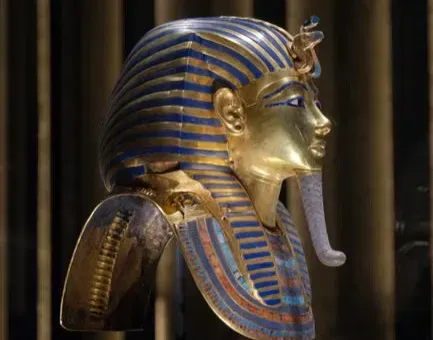
Everyone knows the story of Howard Carter cracking open Tutankhamun’s tomb in 1922. What most documentaries skip is that necropolis officials had already broken in, robbed part of it, and resealed the door, twice, within a couple of decades of the original burial.
Physical evidence inside KV62 shows two distinct ancient robbery events, likely aimed at portable valuables like oils, linens, and small gold objects. Each break-in was followed by necropolis workers resealing the doorway with fresh plaster and reapplying the royal stamp, meaning the “untouched” tomb had already been patched up while the 18th Dynasty was still very much alive.
Yes, wonderful things.
Howard Carter
The tomb then sat sealed for roughly 3,245 years, buried further under debris from later construction in the valley. That accidental burial is likely the only reason it survived at all, when nearly every other royal tomb nearby was stripped bare long before modern archaeology arrived.
#6 – Vikings Broke Into a Tomb Older Than the Pyramids
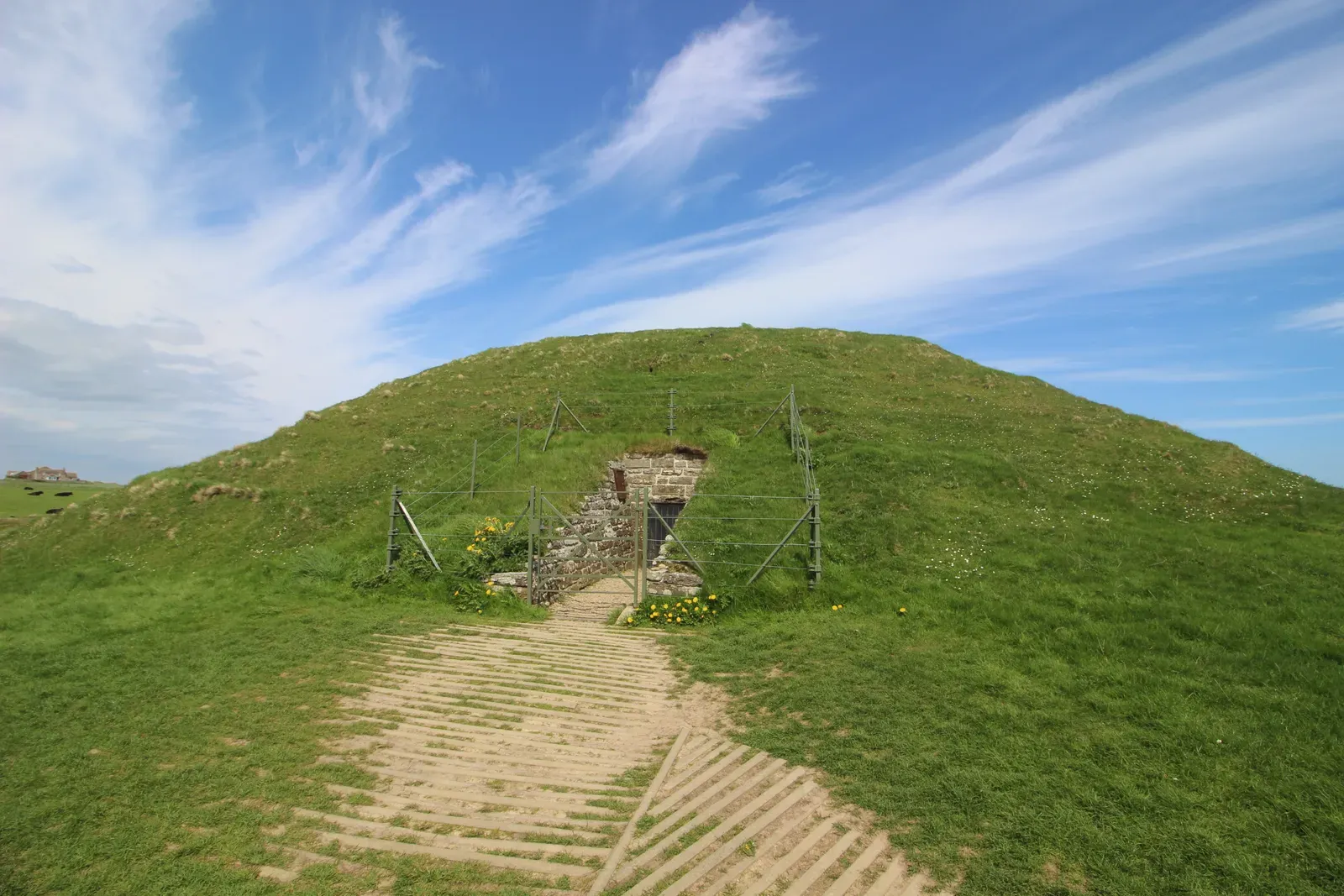
Most people assume Vikings were only interested in raiding coastal villages. They were also, apparently, comfortable breaking into 5,000-year-old graves during thunderstorms.
Maeshowe, a Neolithic passage grave in Orkney, Scotland, had fallen into disuse around 2,000 BC and sat dormant for roughly 3,000 years. Then, in January 1153, Vikings led by Earl Harald Maddadarson broke in through the roof and sheltered there from the weather.
At a Glance
- Site: Maeshowe, a Neolithic passage grave in Orkney, Scotland
- Original construction: roughly 5,000 years ago
- Viking break-in: January 1153, led by Earl Harald Maddadarson
- Left behind: the largest collection of runic graffiti outside Scandinavia
- Reopened for study: 1851, by 19th-century antiquarians
They left behind the largest collection of runic graffiti outside of Scandinavia, including boastful tales of hidden treasure. One inscription even claims that Crusaders had already beaten them to it, suggesting the tomb had been quietly raided even earlier than anyone assumed.
After the Vikings left, the mound sat sealed and quiet for another seven centuries, until 19th-century antiquarians reopened it in 1851 and realized they weren’t remotely the first visitors.
#7 – Newgrange Sat Sealed for 5,000 Years, Then a Farmer Grabbed Some Rocks
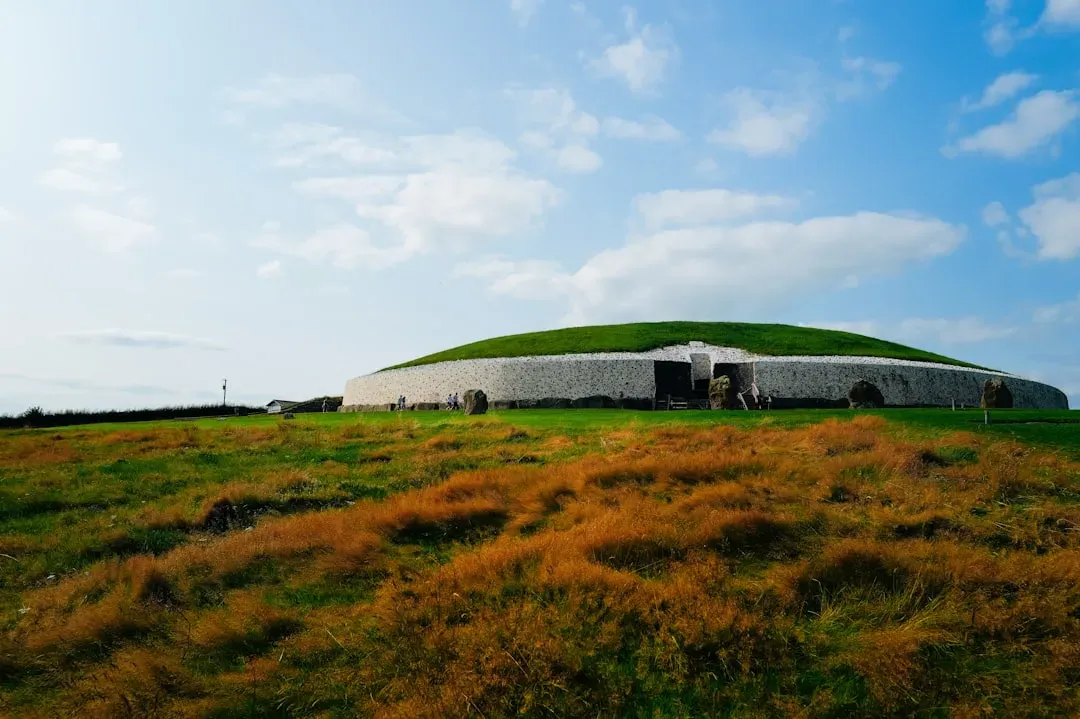
Most people picture archaeological discoveries as dramatic, planned expeditions. Newgrange in Ireland was reopened because a local landowner needed building material.
Around 3200 BC, Neolithic builders sealed this massive passage tomb, engineering it so precisely that a narrow roof-box lets a beam of winter solstice sunlight travel down the passage into the burial chamber, a feat that predates Stonehenge. The tomb then sat completely sealed and forgotten for roughly five thousand years.
In 1699, workers digging for stone accidentally broke into the entrance and stumbled onto the ancient passage without any idea what they’d found. Remarkably, nobody fully understood the site’s significance for over 250 more years.
It wasn’t until archaeologist Michael J. O’Kelly led systematic excavations between 1962 and 1975 that Newgrange was properly studied, restored, and resealed behind a reconstructed white quartz facade, one that still divides archaeologists today over how “authentic” it actually looks.
#8 – An Etruscan Prince’s Tomb Was Robbed, Patched, and Robbed Again
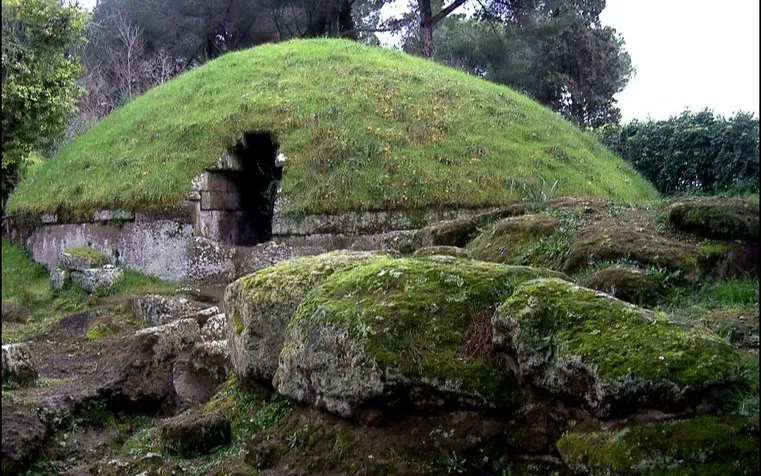
Most people have never heard of the Regolini-Galassi Tomb, but it’s one of the clearest examples of a burial chamber getting hit by looters not once, but across multiple separate break-ins spanning centuries.
Built for Etruscan nobility near Cerveteri in the 7th century BC, the tomb featured a long stone corridor leading to a central chamber packed with gold jewelry, bronze vessels, and a wheeled bier. Ancient robbers tunneled into parts of it not long after the original sealing, which prompted later reconstruction work to patch the breach and reseal what remained.
When General Vincenzo Galassi rediscovered the tomb in 1836, the outer corridor showed clear signs of disturbance, yet the innermost chamber remained remarkably intact. It turned out to be one of the richest Etruscan burials ever recovered, and its treasures now live in the Vatican’s Gregorian Etruscan Museum.
#9 – China Opened One Imperial Tomb, Then Swore to Never Do It Again
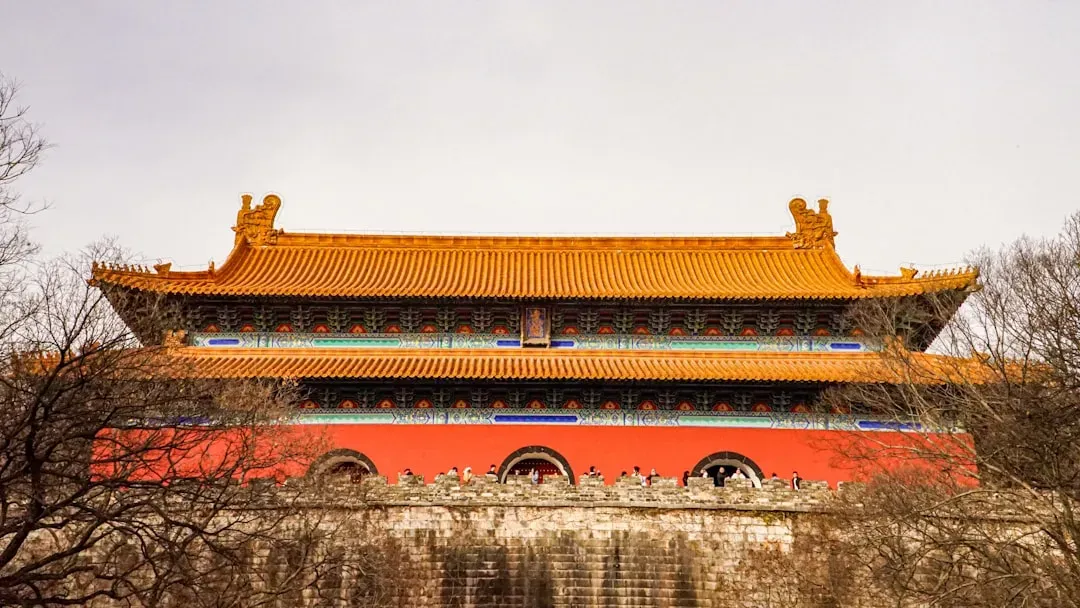
Most people assume archaeologists eagerly reopen every ancient tomb they find. China’s own government decided the opposite after one disastrous excavation.
In 1956, Chinese archaeologists opened Dingling, the tomb of the Ming Dynasty’s Wanli Emperor, sealed inside since 1620. It was the first, and remains the only, Ming imperial tomb ever deliberately excavated.
Quick Compare
- Before excavation (pre-1956): Dingling sealed since 1620, untouched for over 300 years
- During excavation (1956): silk robes, lacquered furniture, and imperial remains recovered
- Preservation outcome: poor techniques of the era caused irreversible damage
- Cultural Revolution aftermath: remains of the emperor and empresses destroyed
- Current policy: no further Ming or Qing imperial tombs opened, including the First Qin Emperor’s tomb
The dig revealed silk robes, lacquered furniture, and the emperor’s remains, but poor preservation techniques of the era caused irreversible damage almost immediately. Then, during the Cultural Revolution a decade later, revolutionaries dragged the emperor’s remains and those of his empresses out into the open and burned them as symbols of feudal excess.
The disaster was severe enough that Chinese authorities have since maintained a strict policy against opening any further Ming or Qing imperial tombs, including the far larger and still-sealed tomb of the First Qin Emperor. Dingling remains a permanently closed cautionary tale rather than a template for future digs.
#10 – Westminster Abbey’s Royal Tombs Keep Getting Reopened for Science
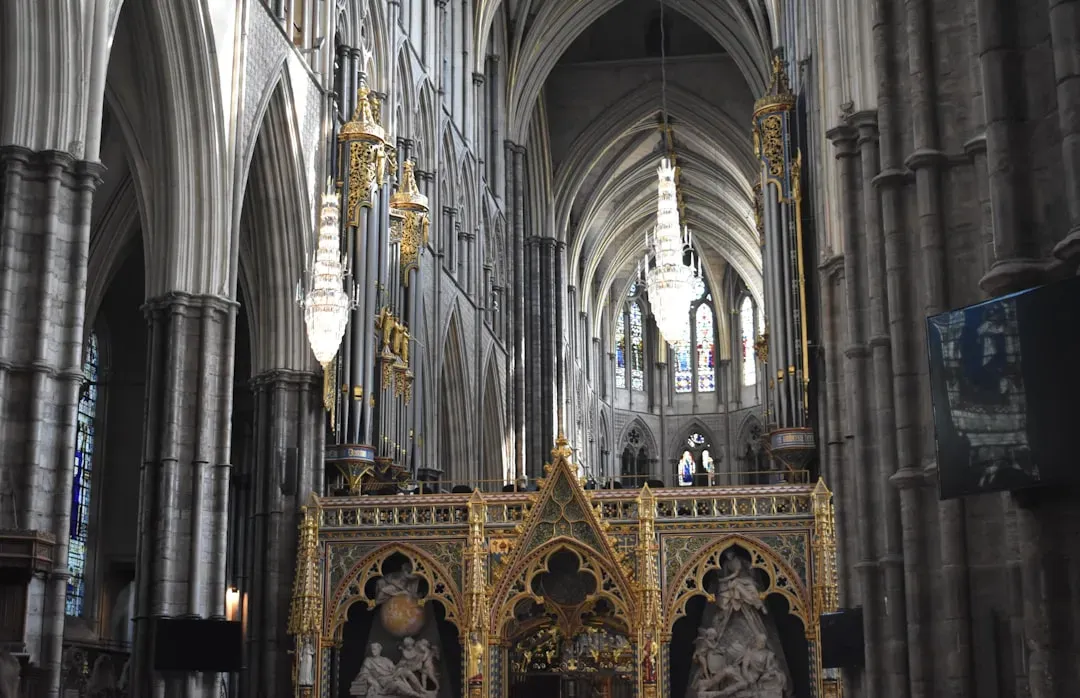
Most people think royal tombs are sacred and untouchable forever. English antiquarians and scientists have cracked open the same royal coffins inside Westminster Abbey multiple separate times, centuries apart.
In 1774, the Society of Antiquaries obtained permission to open the tomb of Edward I, sealed since 1307, to examine and measure his remarkably preserved remains before resealing the vault. Decades later, other royal tombs within the Abbey were similarly reopened for brief antiquarian study, then closed again once observations were recorded.
Each reopening was treated as a rare, tightly controlled event, never a casual dig. It shows how burial chambers considered permanently sealed by the public were, in practice, periodically accessed by small groups of scholars with official permission, then carefully resealed to preserve both the remains and the sanctity of the site for the next several generations.
#11 – Ur’s Royal Cemetery Shows Ancient Grave Robbers Working in Shifts
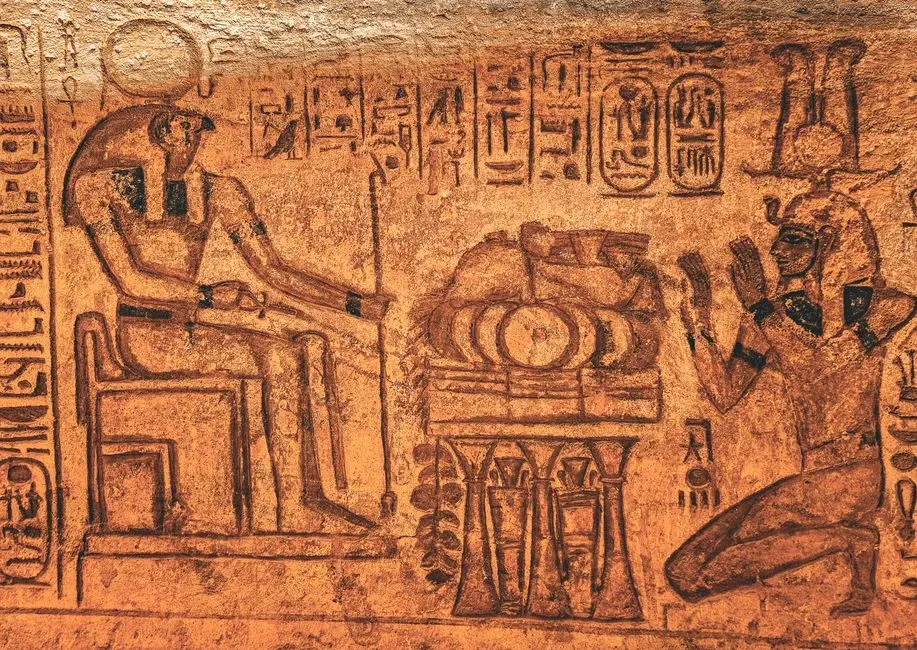
Most people assume tomb robbery was random and opportunistic. The Royal Cemetery of Ur suggests some looters had inside knowledge of exactly where to dig, generations after the original burials.
Excavated by Leonard Woolley in the 1920s, this Mesopotamian cemetery contains royal tombs dating back roughly 4,500 years, including the famous burial of Queen Puabi. Several tombs showed clear signs of ancient intrusion, with narrow shafts dug straight down through later, unrelated graves to reach the older burial chambers below.
That level of precision points to institutional knowledge being passed down, not lucky guesswork. After the ancient robberies, some chambers were resealed or simply abandoned and built over by later burials, leaving Woolley to painstakingly reconstruct which disturbances were ancient and which belonged to his own modern excavation team.
The Bottom Line
“Sealed forever” was never really a permanent status for ancient tombs. Egyptian priests, Viking raiders, Etruscan looters, Chinese revolutionaries, and even Alexander the Great himself all cracked open burial chambers that were supposedly locked for eternity, then sealed them right back up.
The most surprising pattern isn’t the robbery itself. It’s how often the people doing the reopening were trying to protect or honor the dead, not just steal from them. If there’s one honest takeaway here, it’s that the “untouched tomb” is largely a myth sold by museum gift shops. Which of these reopenings surprised you the most? Drop it in the comments.